Tennessee Wildlife Management Areas
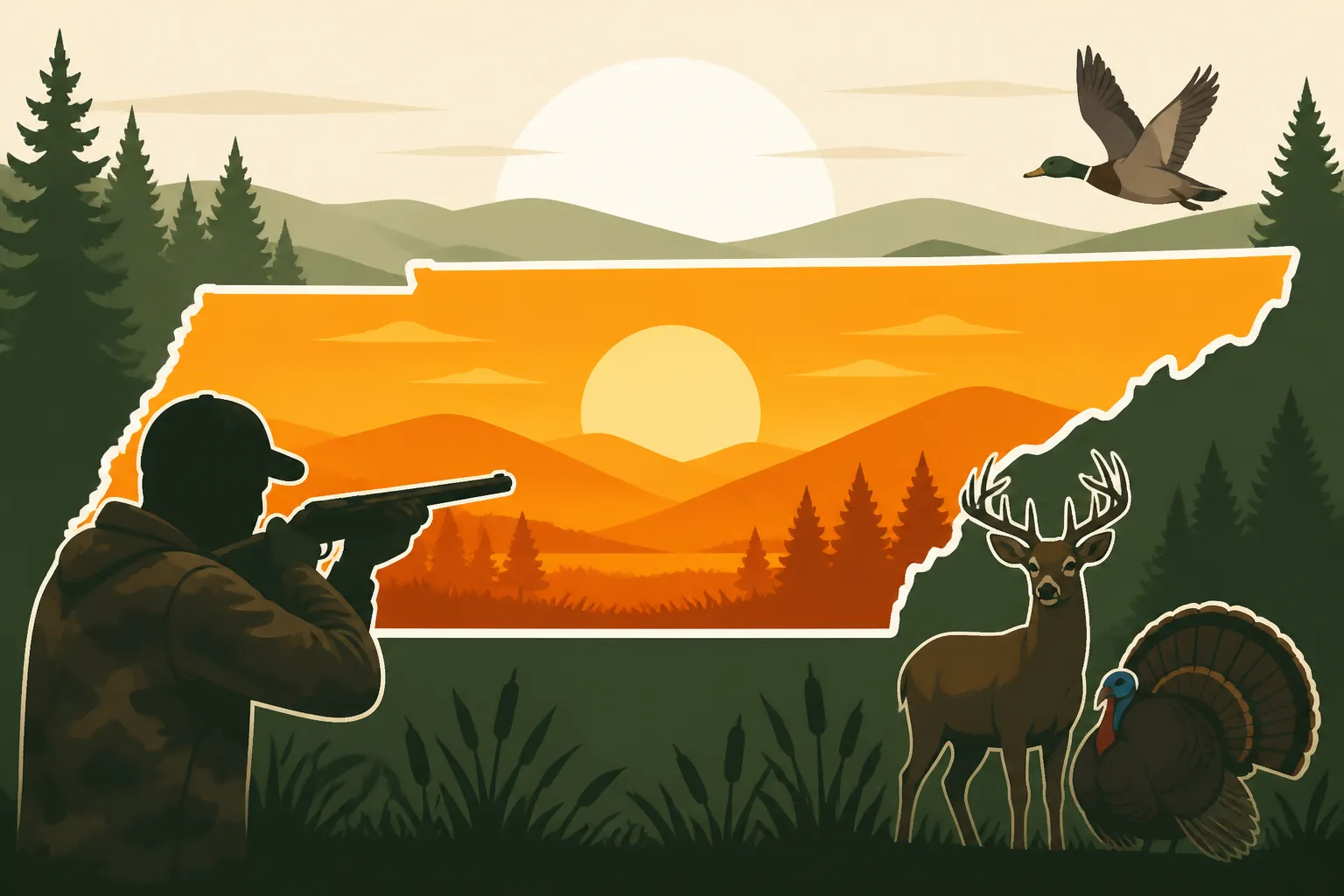
For any hunter in Tennessee, the sheer volume of public land can feel like both a blessing and a curse. While it’s wonderful to have so many options, actually figuring out where to go, what you can hunt, and how to navigate the sometimes-confusing regulations for each specific area can be incredibly overwhelming. It’s not just about finding a big block of green on a map; it's about understanding the nuances of these critical pieces of habitat. This guide aims to demystify Tennessee's Wildlife Management Areas, or WMAs, helping you understand their purpose, how to hunt them effectively, and what to expect when you venture out.
What Exactly are Tennessee Wildlife Management Areas?
If you’ve spent any time looking at maps or talking to other hunters in Tennessee, you’ve undoubtedly heard the term "WMA." But what does it really mean, and why are they so important to our hunting heritage here in the Volunteer State? These aren't just generic tracts of public land; they are specially managed areas with specific goals in mind.
The Purpose Behind WMAs
At their core, Tennessee's Wildlife Management Areas are tracts of land, both large and small, that are actively managed by the Tennessee Wildlife Resources Agency (TWRA) specifically for wildlife conservation and public recreation, with a heavy emphasis on hunting and fishing. Think of them as dedicated spaces where wildlife thrives under careful stewardship, ensuring sustainable populations for future generations. This isn't just passive protection; it's hands-on management, involving things like prescribed burns to improve habitat, planting food plots to support game, and timber thinning to create diverse ecosystems. The primary goal is to provide quality habitat for a variety of game species, from deer and turkey to ducks and small game, while simultaneously offering robust opportunities for hunters like us to enjoy the outdoors.
These management efforts are critical because left unchecked, many habitats would degrade or become less productive for certain species. For example, mature, unbroken forest isn't ideal for ruffed grouse, which thrive in younger, brushier cover. Through strategic cutting and burning, WMAs create the mosaic of habitats necessary to support a wider array of wildlife. This active management makes WMAs some of the most productive public hunting grounds in the state, often yielding higher game populations than unmanaged lands. It’s all about creating balance and opportunity.
How WMAs Differ from National Forests or Parks
It's easy to lump all public land together, but there are some significant distinctions between WMAs, National Forests, and State Parks in Tennessee, especially when it comes to hunting. While you can hunt in portions of the Cherokee National Forest or even at Land Between the Lakes, their primary mission is much broader, encompassing things like timber production, recreation, and wilderness preservation. Hunting is often permitted, but it's one of many uses.
WMAs, on the other hand, are explicitly established and managed with wildlife and hunting as a central focus. This means regulations can be more specific, season dates might vary from statewide regulations, and you might encounter more intensive habitat work tailored for game. For instance, you’re far more likely to find managed food plots, timber cuts designed for browse, or specific waterfowl impoundments on a WMA than you would deep within a National Forest unit. State Parks, generally speaking, have very limited hunting opportunities, often restricted to quota hunts or specific management objectives. Understanding these differences is key to knowing where and how to plan your hunt, as well as understanding why certain rules exist. WMAs truly are hunter-centric areas, designed from the ground up to provide us with places to pursue our passion.
Navigating the Regulations and Permits for WMAs
The biggest hurdle for many hunters looking to explore Tennessee’s WMAs isn't finding the land itself, but rather understanding the intricate web of rules and permits that often come with it. It’s enough to make your head spin sometimes, I know. Each WMA can have its own quirks, and a general state hunting license isn't always enough. Ignoring these specifics can lead to frustration, or worse, a costly citation.
Understanding General WMA Regulations
While statewide hunting regulations provide a baseline, WMAs often operate under their own set of rules, which can supersede or add to those general guidelines. These specific regulations cover everything from permissible weapons and hunting hours to antler restrictions, bag limits, and even the type of blaze orange required. For example, some WMAs might have different deer or turkey bag limits than the county they reside in, or they might restrict hunting to certain days of the week. You might find a WMA that's archery-only for a specific period or one that requires a muzzleloader during a time when centerfire rifles are allowed statewide. It's crucial not to assume that what applies in one part of Tennessee applies everywhere.
Moreover, WMAs frequently have rules regarding vehicle access, camping, trail camera usage, and even the placement of treestands and ground blinds. These are designed to minimize impact on the habitat and ensure fair chase for all hunters. You might find restrictions on motorized vehicles beyond designated roads, or rules requiring you to remove your treestand at the end of each day or season. These aren't arbitrary; they're put in place to manage pressure and protect the resource. Always, and I mean always, check the specific WMA regulations before you plan your trip. A quick glance at the TWRA website or the Go Outdoors Tennessee app can save you a world of trouble.
Specific Permits and Licenses You'll Need
Beyond your standard Tennessee Hunting Licenses and What They Cost, most WMAs require an additional permit. This is often called a WMA Small Game and Waterfowl or Big Game Permit, or sometimes a specific WMA Annual Permit. These fees directly support the management activities on these lands, ensuring that the habitat remains healthy and productive. It’s a small investment that pays big dividends in terms of quality hunting opportunities.
For certain highly sought-after game or limited-entry areas, you might also encounter quota hunts. These are draws where a limited number of hunters are selected through an application process to hunt a specific WMA for a designated period. Tennessee Elk Quota Hunt Rules is a prime example of a highly regulated hunt that requires a special application. While not all WMAs have quota hunts, it's worth noting that some of the most productive ones, especially for deer, turkey, or elk, might utilize this system to control pressure and manage game populations. Always be mindful of application deadlines if you're targeting one of these special opportunities.
How to Research Individual WMA Rules
Trying to hold all the WMA rules in your head is a losing battle. The best approach is systematic research. The TWRA website is your absolute go-to resource, offering detailed fact sheets and regulations for each individual WMA. They also publish an annual hunting guide that compiles many of these regulations, though online resources are often more up-to-date.
Another fantastic tool is the Go Outdoors Tennessee portal, where you can not only purchase your licenses and permits but also access interactive maps and information. Brands like onX Hunt and GoHunt also offer powerful mapping platforms that integrate WMA boundaries and often provide links or overlays for specific regulations, making it incredibly easy to see where you can hunt and what rules apply. These apps are a game-changer for digital scouting and on-the-ground navigation. Always make sure to download offline maps if you're heading into an area with spotty cell service, which is common on many of our more remote WMAs. Being prepared with the right information means you can focus on the hunt, not the rulebook.
Types of WMAs and What They Offer Hunters
Tennessee is a state of incredible ecological diversity, and our WMAs reflect that. From the highest peaks of the Appalachians to the flooded timber of the Mississippi Flyway, there's a WMA designed to support specific wildlife and provide unique hunting experiences. It's not a one-size-fits-all situation, and understanding the different types can help you find the perfect spot for your next adventure.
Diverse Habitats Across Tennessee's WMAs
Our WMAs are distributed across all three grand divisions of Tennessee, each boasting distinct topography and ecosystems. In East Tennessee, you'll find WMAs dominated by rugged mountains, steep hollows, and dense hardwood forests, often bordering the Cherokee National Forest Hunting. These areas are prime for deer, bear, and sometimes even elk in the North Cumberland Wildlife Management Area region. Here, hunters might encounter challenging terrain and vast expanses of timber, requiring different tactics than elsewhere in the state. Think long walks, elevation changes, and careful attention to wind and thermals.
Moving into Middle Tennessee, WMAs often feature rolling hills, limestone bluffs, and a mix of hardwoods and agricultural lands, particularly along the Cumberland Plateau and Highland Rim. These areas can be excellent for deer and turkey, offering a blend of dense cover and open fields. West Tennessee WMAs, on the other hand, are frequently associated with river bottoms, vast agricultural fields, and flooded timber, making them world-class destinations for waterfowl. The landscape dictates not just the game species present but also the hunting styles and gear required. From the thick brush of a grouse cover to the open waters of a duck impoundment, Tennessee's WMAs truly run the gamut.
Featured WMAs for Deer and Turkey Hunters
When it comes to deer and turkey, Tennessee WMAs offer a smorgasbord of options. For trophy whitetails, hunters often look to areas like Cheatham WMA near Nashville, which is known for its quality deer management and offers both archery and firearms opportunities. Yanahli WMA in Middle Tennessee is another popular choice, boasting a healthy deer population within its diverse habitat. In East Tennessee, the vastness of Tellico WMA provides a challenging but rewarding experience for deer and bear, often requiring a strong dose of grit and determination.
Turkey hunters have an equally impressive array of choices. WMAs like Chuck Swan, located on a peninsula in Norris Lake, are renowned for their robust turkey populations and offer a beautiful backdrop for spring gobbler season. Spring Turkey Hunting in Tennessee on a WMA can be a thrilling experience, and many of these areas are specifically managed to promote strong turkey recruitment. Whether you're looking for an early season roost hunt or a late-season run-and-gun scenario, there's a WMA that fits the bill. Remember that Tennessee Statewide Turkey Bag Limit Rules typically apply, but always confirm for the specific WMA.
Waterfowl and Small Game Opportunities
If you're a waterfowl hunter, Tennessee WMAs are indispensable, especially those within the Mississippi Flyway. Reelfoot Lake WMA and Big Sandy WMA are legendary, drawing thousands of ducks and geese each winter. These areas feature extensive flooded timber, agricultural fields, and open water, managed specifically to attract and hold migratory birds. Access can range from designated blind sites to walk-in areas, often requiring special permits or a draw for prime spots, as mentioned in Reelfoot Lake Waterfowl Access.
Small game hunters also find a haven in many WMAs. Areas like Catoosa WMA offer excellent opportunities for Grouse and Small Game Hunting in Tennessee, including squirrel and rabbit. The varied habitat management, including younger timber stands and brushy areas, creates ideal conditions for these species. Many WMAs allow for small game hunting during concurrent deer seasons, offering a chance to fill the freezer or introduce a new hunter to the sport without the pressure of big game. Check the Tennessee Small Game Season Rules for specific dates and bag limits.
| WMA Name (Example) | Primary Region | Primary Game Species | Key Habitat Features | Special Considerations |
|---|---|---|---|---|
| Cheatham WMA | Middle | Deer, Turkey, Small Game | Hardwood forest, creek bottoms, rolling hills | Quality deer management, quota hunts |
| Yanahli WMA | Middle | Deer, Turkey, Small Game | Diverse forest, agricultural fields | High deer density, accessible |
| Tellico WMA | East | Deer, Bear, Turkey | Steep mountain terrain, dense hardwoods | Requires physical stamina, bear zone |
| Reelfoot Lake WMA | West | Waterfowl | Flooded timber, open water, agricultural fields | Blind drawings, special permits |
| Catoosa WMA | Cumberland Plateau | Deer, Turkey, Grouse | Managed forest, clear-cuts, rugged terrain | Good grouse habitat, remote |
Planning Your Hunt: Scouting and Accessing WMAs
Okay, you’ve picked a WMA, checked the regulations, and bought your permits. Now comes the exciting part: planning the hunt itself! Whether you're a seasoned veteran or just starting out, effective scouting and understanding access points are paramount to success. This isn't just about showing up; it's about strategizing your approach to maximize your chances and make the most of your time in the field.
Using Digital Tools for WMA Scouting
In today's hunting world, digital scouting is your secret weapon. Platforms like onX Hunt and GoHunt are invaluable for understanding WMA boundaries, identifying access roads, and pinpointing potential hotspots long before you ever step foot on the ground. You can overlay aerial imagery with topographic maps to identify ridge lines, creek bottoms, food plots, and natural funnels. I spend hours looking at these maps, zooming in on pinch points between clear-cuts or finding secluded pockets of timber surrounded by open fields. The ability to mark waypoints for potential stand locations, bedding areas, or water sources is a game-changer.
These apps also clearly show public land boundaries, which is critical when hunting WMAs that might border private property. There's nothing worse than hiking deep into a promising area only to realize you've crossed onto private land without permission. Scouting With the Tennessee TWRA App also offers specific WMA maps, and combining this with a powerful tool like onX Hunt gives you an incredibly detailed view of the landscape. Use these tools to plan your entry and exit routes, estimate walking distances, and even check prevailing winds for specific stand locations. It's like having a guided tour of the WMA from your couch.
Physical Scouting and Understanding Terrain
While digital scouting is powerful, it’s no substitute for boots on the ground. Once you've identified some promising areas on your map, a physical scouting trip is essential, ideally before the season opens. This allows you to confirm what you saw on the map, identify fresh sign like tracks, rubs, and scrapes, and discover hidden features that aerial photos might miss. Pay attention to changes in elevation, natural bottlenecks, and bedding areas. What looks like a dense thicket on a map might actually be an impenetrable briar patch on the ground, or a subtle change in topography could funnel deer right past your planned stand site.
Understanding the terrain on WMAs, especially in the Cumberland Plateau or Cherokee National Forest, is crucial. Reading a Ridge for East Tennessee Deer or understanding how thermals work in hollows can make or break a hunt. Look for reliable water sources, diverse mast crops, and areas with good escape cover. During late season, identifying Late-Season Food Sources for Tennessee Whitetails is paramount. Physical scouting helps you ground-truth your digital plans and gives you a much better feel for the rhythm of the land and the movement patterns of the game.
Vehicle and Foot Access Rules
Accessing WMAs can vary wildly. Some WMAs have well-maintained gravel roads that crisscross the area, allowing relatively easy vehicle access to multiple points. Others might have very limited vehicle access, requiring long walks or even requiring specific permits for certain roads. Always check the individual WMA regulations for rules regarding vehicle use, as driving off designated roads can lead to fines. Many WMAs are designed for walk-in only access in certain sections, pushing hunters to put in the miles to get away from the crowds.
Foot access is usually unrestricted within WMA boundaries, but remember that terrain can be challenging. Plan your routes to minimize noise and maximize efficiency, especially when walking in before daylight. Using a good headlamp is essential, but try to keep its use to a minimum once you get close to your hunting area. If you plan to use a Treestand Setups in Cherokee National Forest or Using a Ground Blind on Tennessee Public Land, be sure to understand the specific WMA rules about their placement, removal, and whether permanent stands are allowed. Always leave enough time for a quiet, stealthy approach to your stand location, especially if you're targeting wary game.
Managing Hunter Pressure and Finding Solitude
Let's be real: hunting on public land, especially popular WMAs, means you're going to encounter other hunters. It's a fact of life. The frustration of arriving at your favorite spot only to find someone else already there, or hearing distant shots that push deer off your property, is something we've all felt. But don't despair! There are strategies you can employ to minimize pressure and carve out your own slice of solitude, even on heavily hunted WMAs.
Avoiding Crowds on Opening Day
Opening day of any major season, especially Tennessee Gun Season Opening Day or Tennessee Archery Season Opening Day, is almost guaranteed to draw a crowd to popular WMAs. If you crave solitude, this is the time to embrace less conventional tactics. Consider hunting areas that require significant physical effort to access, such as steep terrain in the mountains or swampy bottoms in West Tennessee. Most hunters will stick close to roads and easy access points. The farther you're willing to walk, paddle, or climb, the better your chances of finding unpressured game.
Another strategy is to avoid the most well-known WMAs altogether for opening week and opt for smaller, lesser-known tracts or areas that are geographically less convenient for most hunters. While these might not hold the highest density of game, the reduced pressure can often translate to more relaxed animals and a better hunting experience. Alternatively, if you must hunt a popular WMA on opening day, consider hunting mid-day. Many hunters will leave after the morning rush, and game might become active again once the initial pressure subsides.
Strategies for Deeper Penetration
The general rule of thumb for public land hunting is simple: walk farther than everyone else. This doesn't just mean a quarter-mile; it often means pushing a mile or more into the toughest, most unappealing terrain. Look for areas that require crossing water, climbing steep hills, or navigating dense, thorny thickets. These natural barriers often deter less committed hunters, creating sanctuaries for game. Using satellite imagery on onX Hunt or GoHunt can help identify these hard-to-reach pockets.
When you scout, look for overlooked features: a small bench on a steep hillside, a hidden oak flat on a remote ridge, or a tiny creek bottom that cuts through a vast timber block. These are the places deer and turkey go when they feel pressured. Don't be afraid to leave the obvious trails and bushwhack your way to truly secluded spots. Remember that Finding Ground Others Walk Past is often the key to consistent success on public land. The effort invested in deeper penetration almost always pays off in encounters with less wary game.
Hunting During Off-Peak Times
One of the simplest ways to avoid hunter pressure is to hunt when others aren't. While weekends are naturally busy, consider taking a day off work to hunt a weekday. The difference in hunter numbers can be dramatic. Mid-week hunts, especially Tuesday through Thursday, often provide a much more peaceful experience.
Additionally, consider hunting later in the season. While the early season and rut get a lot of attention, the late season (think December and Hunting the Late-Season January Lull) can be incredibly productive, especially if you're targeting specific food sources. Many hunters hang up their gear after the initial gun season, leaving behind quieter woods. The same goes for bad weather days. A little rain, snow, or bitter cold often sends fair-weather hunters home, leaving the woods to those willing to brave the elements. Just be sure you're prepared with appropriate Clothing for a Tennessee Late Season and cold-weather gear.
Respecting the Resource: Ethical Hunting and Conservation
Hunting on Tennessee's Wildlife Management Areas isn't just about pursuing game; it's about being a responsible steward of our natural resources. As hunters, we have a unique and vital role in conservation, and how we conduct ourselves on these public lands directly impacts their future and the perception of our sport. It's a responsibility we should all take seriously.
Leave No Trace Principles
The bedrock of ethical public land use is the "Leave No Trace" philosophy. This means packing out everything you pack in, and then some. Don't leave trash, spent casings, or any other debris behind. If you bring a snack, bring the wrapper home. If you use a game bag, don't discard it in the woods. Our goal should be to leave the area better than we found it, or at the very least, as undisturbed as possible.
This also extends to your impact on the habitat itself. Be mindful of disturbing vegetation unnecessarily. If you use a treestand, ensure it meets WMA regulations regarding permanent fixtures and tree damage. Avoid creating new trails or cutting trees unless explicitly permitted. The idea is to minimize your footprint so that the WMA remains pristine and wild for the next person, and more importantly, for the wildlife that calls it home. Remember, WMAs are for everyone, and our actions directly reflect on the entire hunting community.
Understanding WMA Habitat Management
WMAs are actively managed, and understanding these efforts can help you appreciate the resource and even improve your hunting success. The TWRA regularly implements habitat projects such as prescribed burns, timber harvests, and food plot plantings. These aren't random; they're carefully planned interventions designed to create optimal conditions for wildlife. For instance, a clear-cut area might look messy at first, but it quickly provides dense young growth that serves as excellent bedding and browse for deer. A prescribed burn rejuvenates grasslands and undergrowth, making nutrients more accessible to grazing animals and promoting new growth.
When you encounter these management activities, try to understand their purpose. Often, they create fantastic hunting opportunities by concentrating game or improving access to food and cover. For example, a WMA that recently underwent timber thinning might have increased deer activity due to the abundance of new browse. Staying informed about these management practices, often detailed on the TWRA's WMA pages, can give you a significant advantage in planning your hunts and understanding game movement.
Reporting Violations and Being a Good Steward
As responsible hunters, we are the eyes and ears of the woods. If you witness poaching, littering, or any other violation on a WMA, it's our duty to report it. Poachers steal from all of us, undermining conservation efforts and tarnishing the reputation of ethical hunters. The TWRA has various ways to report violations, often with anonymous hotlines. Don't hesitate to use them.
Being a good steward also means respecting other users of the WMA, whether they are hikers, bird watchers, or fellow hunters. Maintain a courteous distance, especially when approaching other hunters' setups. Follow Tennessee Blaze Orange Requirements diligently, not just for safety but as a visible sign of compliance and responsibility. Our collective behavior on WMAs is crucial for maintaining public support for hunting and ensuring these vital lands remain accessible for generations to come. When we act responsibly, we safeguard the future of hunting in Tennessee.
Key WMAs Across Tennessee: A Regional Breakdown
Tennessee is a big state with distinct geographical regions, and its WMAs reflect that diversity. While it's impossible to cover every single WMA, let's explore some notable examples across East, Middle, and West Tennessee to give you a flavor of what's available and what unique characteristics each region's WMAs might possess. How Many Acres of Public Land Tennessee Has is a lot, and WMAs make up a significant portion.
East Tennessee Mountain WMAs
The WMAs in East Tennessee are often characterized by their rugged beauty, steep topography, and extensive hardwood forests. These areas are fantastic for hunters who enjoy a challenging, big-woods experience, and they often hold good populations of deer, turkey, and black bear. Tellico WMA, for example, is a sprawling mountain WMA located within the Cherokee National Forest. It's known for its challenging terrain but also for producing quality deer and offering Bear Hunting Cherokee National Forest opportunities. Access can be difficult, often requiring significant physical effort, but the rewards can be great.
Another gem is the North Cumberland Wildlife Management Area, especially for those interested in the Hunting Tennessee's Restored Elk Herd. This massive WMA spans several counties and offers vast tracts of forest, reclaimed mine lands, and managed openings. While elk hunting is by quota permit only, North Cumberland also offers excellent deer and turkey hunting opportunities. Finding Sign in Big Cherokee Forest Timber takes patience and a keen eye, as deer often travel vast distances through these large tracts. These mountain WMAs demand preparation, sturdy boots, and a good understanding of contour maps.
Middle Tennessee Highland Rim and Ridge WMAs
Middle Tennessee offers a mix of WMAs, from the rolling hills of the Highland Rim to areas interspersed with agricultural lands. Cheatham WMA, just outside of Nashville, is a prime example. It's relatively accessible for many hunters and is managed intensively for deer and turkey. It often has unique regulations, including quota hunts and specific weapon restrictions, to maintain herd quality and manage pressure. It’s a great place to hone your skills close to urban centers.
Further east, WMAs like Catoosa are found on the Cumberland Plateau, characterized by deep ravines, sandstone bluffs, and extensive mixed pine-hardwood forests. Catoosa is known for its deer, turkey, and particularly for Grouse Hunting Cumberland Plateau Cover. The extensive timber management, including clear-cuts and thinnings, creates the early successional habitat that grouse and other small game thrive in. Hunting these areas often involves navigating dense cover and utilizing techniques like Still-Hunting Cumberland Plateau Ridges. These WMAs provide a different kind of challenge and a chance to experience the unique ecology of the plateau.
West Tennessee Bottomland WMAs
West Tennessee is synonymous with big rivers, fertile farmlands, and, for hunters, world-class waterfowl opportunities. WMAs in this region, like Reelfoot Lake WMA and Big Sandy WMA, are critical wintering grounds for migratory birds along the Mississippi Flyway. Reelfoot, in particular, is legendary for its flooded cypress timber and open water, attracting millions of ducks and geese. Hunting the Reelfoot Lake Duck Blinds often involves a drawn permit for designated blinds, and understanding the unique rules, like needing a The Reelfoot Preservation Permit, is crucial.
Beyond waterfowl, many West Tennessee WMAs, especially those along river corridors, offer excellent deer and turkey hunting in bottomland hardwood forests and agricultural fields. Hunting West Tennessee Bottomland Deer often means dealing with muddy conditions and dense cover, but the potential for mature bucks is significant. These WMAs are managed for their rich biodiversity, offering not just waterfowl but also good populations of small game like squirrel and rabbit, making them versatile hunting destinations.
No matter where you choose to hunt in Tennessee, understanding and appreciating our Wildlife Management Areas is key to a successful and ethical experience. They are truly the backbone of public hunting in our state, offering diverse opportunities for every kind of hunter.
Disclaimer
This article is for general informational purposes only and does not constitute professional advice. Laws, prices and regulations vary by location and change over time. Consult a qualified professional for guidance on your specific situation.