Clothing for a Tennessee Late Season
The late season in Tennessee, especially from late November through January, brings a whole new set of challenges for hunters. Gone are the mild, often humid days of early archery. Now, you’re looking at chilling winds, biting cold, freezing rain, or even snow, often all within the same week. The biggest frustration for most hunters is going from shivering on stand to sweating while tracking a deer, only to shiver again once you stop moving. This comprehensive guide is all about mastering your clothing choices to stay comfortable, safe, and effective when the mercury drops, ensuring you can focus on the hunt, not the cold.
Understanding Tennessee's Late Season Weather
Tennessee's weather in the late hunting season is a true wild card, and expecting the unexpected is your best strategy. It's rarely consistently frigid, but it's almost never warm, and the shifts can be dramatic. Hunters who prepare for only one type of cold will inevitably find themselves miserable at some point.
The Unpredictability of Winter in the South
While not as brutally cold as states further north, Tennessee winters have a knack for being deceptive. One day might bring a clear, crisp morning in the low 20s, perfect for a long sit, only to have the temperature climb into the 50s by midday. The next day could be a damp, dreary 35 degrees with a persistent drizzle that soaks you to the bone. This unpredictability means you can’t just throw on your heaviest coat and call it a day. You need a system that can adapt on the fly, shedding warmth when you're exerting yourself and adding it back quickly when you settle down on stand. Many hunters recount stories of packing for a mild day, only for a surprise cold front to roll through, sending them scrambling back to the truck or cutting their hunt short.
Typical Temperature Swings and Precipitation
During Tennessee's late season, especially in December and January, daily temperature swings of 20 to 30 degrees are common. Mornings might be below freezing, but afternoons could easily hit the mid-40s or even low 50s. What's more, precipitation isn't always snow; it's often a cold rain, sleet, or freezing rain that can turn breathable fabrics into sodden sponges and suck the warmth right out of you. This is particularly true in areas like the Cumberland Plateau or the higher elevations of East Tennessee, where moisture from the Gulf and cold air from the north often collide. Knowing the typical patterns, even if they're unpredictable, helps inform your gear choices. Always check multiple forecast sources, paying close attention to hourly temperature changes and the chance of precipitation, not just the high and low.
The Impact of Wind and Humidity on Comfort
Beyond just temperature, wind and humidity are stealthy enemies of warmth. A 40-degree day with no wind can feel quite pleasant, but add a 15 mph breeze, and that "feels like" temperature plummets dramatically, turning comfortable into bone-chilling in minutes. Wind penetrates clothing layers, stripping away the thin insulating air pockets that keep you warm. Similarly, high humidity, even when temperatures are above freezing, makes the cold feel much more intense because moisture conducts heat away from your body more efficiently than dry air. Imagine a misty morning in a river bottom, or a damp evening in a thick hollow; the moisture in the air will make the ambient temperature feel significantly colder. This is where your outer layers become absolutely critical – they need to be able to stop the wind and shed moisture without making you sweat.
The Art of Layering: Why It's Crucial
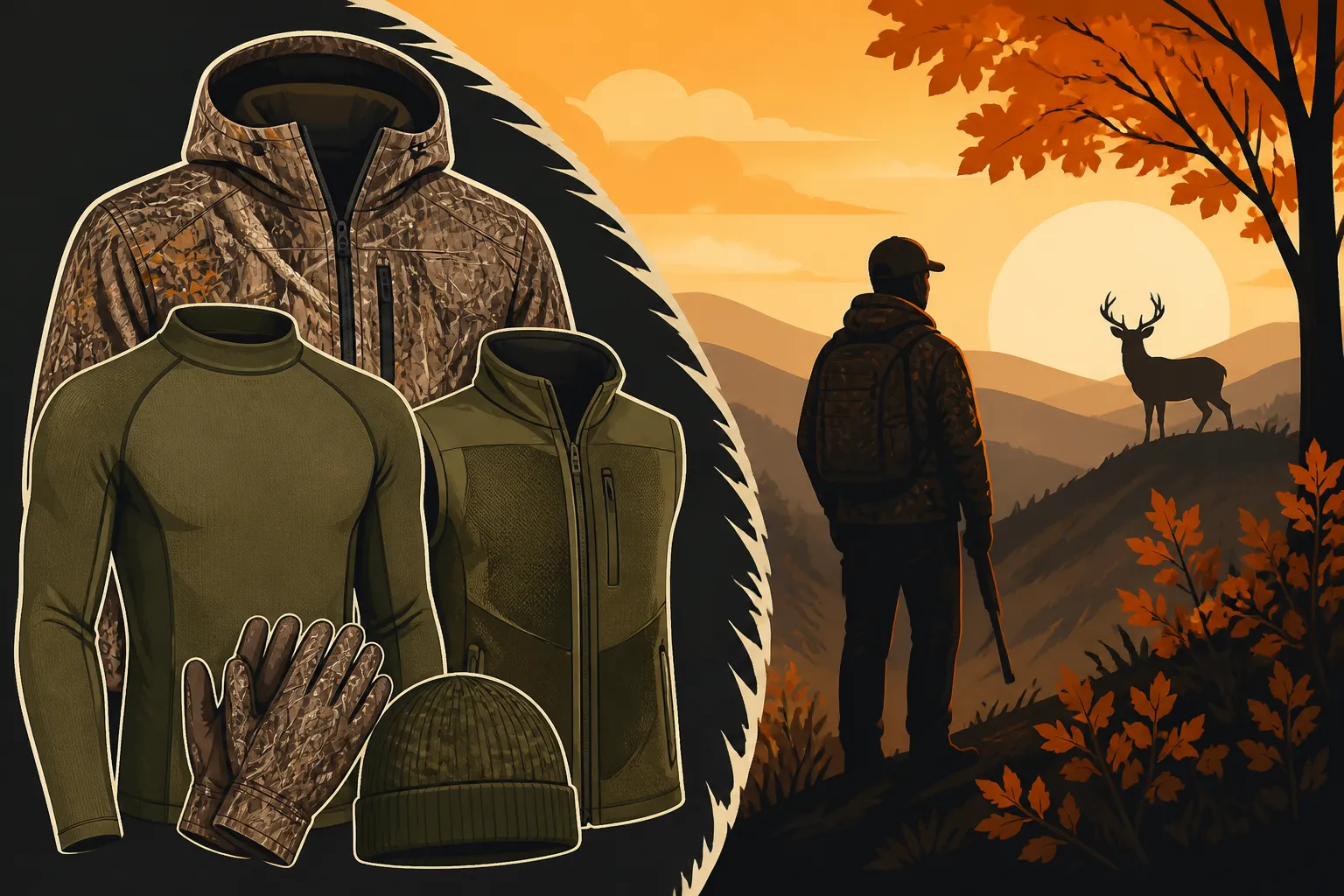
Layering isn't just a buzzword; it's the fundamental principle of staying comfortable in the late season. It’s about building a versatile system that allows you to regulate your body temperature as conditions change and your activity level fluctuates. Think of it as having a personal thermostat you can adjust in the field.
The Science Behind Trapping Warmth
At its core, layering works by trapping air. Each layer of clothing creates tiny air pockets that act as insulation, slowing down the rate at which your body heat escapes into the colder environment. The more layers you have, the more air you can trap, and thus, the warmer you'll be. But it's not just about piling on clothes; it's about using different types of materials for specific functions: wicking moisture, providing insulation, and blocking wind and water. When you're sitting still for hours in a treestand, your body isn't generating much heat, so you need more trapped air. However, when you're Dragging a Deer Out of a Steep Hollow or hiking to a remote part of the Cherokee National Forest Hunting, your body is a furnace, and you need to release that heat to prevent sweating, which can quickly lead to a chill once you stop.
Adapting to Changing Conditions in the Field
The real beauty of layering becomes apparent when conditions shift. Picture yourself sitting in a blind before dawn, bundled up against the pre-light chill. As the sun climbs, the air warms, and you can shed a mid-layer to stay comfortable. Later, if a cloud front moves in or the wind picks up, you can add that layer back without disrupting your hunt. This adaptability is paramount in Tennessee, where morning frost can give way to a surprisingly warm midday, only to be followed by an evening cold front. Without the flexibility of layers, you're constantly either too hot and sweating (a recipe for getting cold later) or shivering uncontrollably. This is why a well-thought-out layering system is far superior to one heavy, bulky coat.
Preventing Overheating and Chilling
The biggest enemy of warmth is sweat. When you overheat, your body's natural cooling mechanism kicks in, and you perspire. That moisture, trapped against your skin by non-wicking fabrics, quickly turns cold once you stop moving, leading to a rapid and dangerous drop in core body temperature. This is the phenomenon known as "post-exertional chill," and it can ruin a hunt and even be dangerous in extreme cold. Layering allows you to preemptively manage your temperature. As you start to warm up from activity, shed a layer. Before you stop moving for a long sit, add a layer back. The goal is to stay just slightly cool while moving and comfortably warm when stationary, avoiding both heavy sweating and shivering.
Base Layers: Your First Line of Defense
Your base layer is the foundation of your entire clothing system. It sits directly against your skin, and its primary job is to manage moisture. Get this wrong, and no amount of expensive outer layers will keep you truly comfortable.
Wool Versus Synthetics in Wet Cold
When it comes to base layers for cold, damp Tennessee weather, you'll generally choose between merino wool and synthetic fabrics. Both have their merits, but their performance characteristics differ significantly. Merino wool is a fantastic natural fiber known for its incredible warmth-to-weight ratio and its ability to retain insulating properties even when wet. It's also naturally odor-resistant, which is a huge plus on multi-day hunts or when you want to avoid giving off a human scent. The downside can sometimes be its cost and durability compared to some synthetics. Synthetic base layers, typically made from polyester or polypropylene, excel at wicking moisture away from the skin very quickly and drying rapidly. They are often more durable and generally less expensive than wool. However, they can retain body odor more readily. For Cold-Weather Sitting Strategy in Tennessee where you might be less active but exposed to damp air, wool's ability to stay warm when damp is a huge advantage. Wool Versus Synthetics in Wet Cold is a debate as old as time, but knowing their strengths helps you choose.
| Feature | Merino Wool Base Layer | Synthetic Base Layer |
|---|---|---|
| Material | Natural fiber from merino sheep | Polyester, polypropylene, or blends |
| Warmth When Wet | Excellent – retains warmth even when damp/wet | Good – wicks moisture quickly, but less insulating if truly saturated |
| Moisture Wicking | Good – absorbs moisture and moves it outward | Excellent – very efficient at moving sweat off skin |
| Odor Resistance | Excellent – naturally antimicrobial | Fair to Good – often treated, but can retain odors over time |
| Drying Time | Moderate | Fast |
| Feel Against Skin | Soft, non-itchy (especially fine merino) | Smooth, can sometimes feel clammy if not wicking well |
| Durability | Good, but can be susceptible to snags/holes | Excellent – often more resistant to wear and tear |
| Cost | Generally higher | Generally lower to moderate |
Wicking Moisture Away from Your Skin
The primary purpose of a base layer isn't to make you warm, but to keep you dry. Your body is constantly producing some moisture, even when you're just sitting still. When you exert yourself, you sweat. If this moisture is allowed to sit against your skin, it draws heat away from your body as it evaporates, making you feel cold. A good base layer, whether wool or synthetic, is designed with capillary action to draw (or "wick") moisture from your skin to the outside surface of the fabric, where it can evaporate more easily or be absorbed by your mid-layers. This keeps your skin dry and prevents that clammy, cold feeling. Never wear cotton as a base layer in cold weather; cotton absorbs moisture and holds it, effectively becoming a cold, wet rag against your skin, a fast track to hypothermia.
Weight and Fit for Optimal Performance
Base layers come in different weights: lightweight, midweight, and heavyweight. For Tennessee's variable late season, a midweight base layer is often the most versatile choice, offering a good balance of warmth and moisture management. On truly frigid days, you might opt for heavyweight. The fit is also crucial: your base layer should be snug against your skin, but not uncomfortably tight or restrictive. This close contact allows the fabric to efficiently wick moisture away. A baggy base layer won't do its job effectively. Think of it as a second skin. If you're using a mapping application like GoHunt to scout a new WMA, pay attention to the elevation changes; more strenuous climbs might require a lighter base layer to avoid overheating, while flatter terrain for still-hunting might let you go with something heavier.
Mid Layers: Insulation and Warmth
Once your base layer is taking care of moisture, your mid-layers step in to provide the bulk of your insulation. These are the layers that trap the most air and truly keep you warm.
Fleece, Down, and Synthetic Insulation Options
Mid-layers come in several popular forms. Fleece, made from synthetic polyester, is a perennial favorite for hunters. It's lightweight, breathable, dries relatively quickly, and provides excellent insulation, especially polar fleece or heavier microfleece. Down, usually goose or duck feathers, offers the best warmth-to-weight ratio of any insulation. It's incredibly compressible, making it easy to pack, but its major drawback is that it loses most of its insulating properties when wet. Synthetic insulated jackets and vests, often filled with materials like Primaloft or Thinsulate, are designed to mimic down's performance while retaining warmth even when wet. They are also generally more durable and less expensive than down. For Layering for a Tennessee Deer Stand, a combination of a fleece vest and a synthetic insulated jacket can offer incredible versatility.
Managing Bulk for Movement and Silence
The challenge with mid-layers is balancing warmth with bulk. You need enough insulation to stay warm during long sits, but too many puffy layers can restrict your movement, make it difficult to shoulder a rifle or draw a bow, and create noise as you walk or reposition. The key is to choose efficient insulators that provide a lot of warmth without excessive bulk. Vests are excellent for this, keeping your core warm while leaving your arms free for movement. When you're actively Still-Hunting Cumberland Plateau Ridges, you'll want mid-layers that are less bulky and allow for quiet movement through brush. Always test your layering system at home, simulating hunting movements, to ensure you can move silently and effectively.
Adding and Removing Layers on the Go
The beauty of a good mid-layer system is the ability to easily add or remove pieces. If you've been working hard to get to your stand and feel yourself warming up, you might want to unzip your mid-layer or even take off a vest while walking to prevent sweating. Once you reach your setup, put that layer back on before you cool down. Having a pack that allows easy access to these layers is invaluable. Think about zip-front fleeces or jackets that can be quickly donned or shed without a major production. This adaptability is what keeps you comfortable through temperature swings and activity changes, allowing you to maximize your time afield, whether you're climbing up to a Hanging a Stand on a Cumberland Ridge or just walking a flat logging road.
Outer Layers: Protection Against the Elements
Your outer layer is your shield against the harsh realities of late-season weather: wind, rain, and snow. This layer needs to be tough, protective, and, for hunters, often quiet.
Waterproof and Windproof Shells
A truly effective outer layer must be both waterproof and windproof. Being soaking wet or having the wind cut right through your clothing is a quick path to hypothermia, regardless of how many base and mid-layers you have on. Look for jackets and pants made with advanced waterproof/breathable membranes, such as Gore-Tex or similar technologies. These fabrics prevent external moisture from getting in while allowing internal moisture (sweat vapor) to escape, preventing that clammy feeling. A durable water repellent (DWR) finish on the outer fabric is also important, as it causes water to bead up and roll off. When temperatures are low, and the wind is howling, a good windproof layer will make a dramatic difference in how warm you feel. Don't skimp on this layer; it’s your primary defense. Having good Rain Gear for a Tennessee Downpour is non-negotiable for late-season hunts.
Quiet Fabrics for Close Encounters
While military-grade waterproofing is great for staying dry, many of those fabrics can be incredibly noisy, making a swishing sound with every movement. For deer hunting, especially when Rattling and Grunting in Tennessee or trying to get a shot off, silence is golden. Luckily, many hunting apparel companies now produce waterproof and windproof outer layers specifically designed to be quiet. These often use soft, brushed face fabrics that are bonded to the waterproof membrane. They might not be as bombproof as some mountaineering shells, but they offer an excellent balance of weather protection and stealth, which is critical for getting close to wary late-season bucks. Always test the "noise factor" of your outer layer before you head into the woods.
Durability for Bushwhacking and Brier Patches
Tennessee's woods, especially in the late season, are full of brier patches, thick brush, and fallen timber. Your outer layers need to be able to stand up to this abuse without tearing or snagging. Thin, lightweight shell fabrics that are great for backpacking might not survive a single hunt through a thick clear-cut or a dense honeysuckle thicket. Look for outer layers with reinforced stress points, heavier-denier fabrics, or even specialized ripstop weaves that can handle the rigors of hunting. Investing in durable outer layers means they’ll last for many seasons, protecting you from the elements and the wear and tear of the wilderness. This is especially true if you plan on covering ground in areas like Hunting West Tennessee Bottomland Deer where thick cover is the norm.
Head, Hand, and Foot Protection
It's a classic saying for a reason: "If your feet are cold, you're cold." But the same goes for your head and hands. These extremities are crucial for regulating your core body temperature and maintaining comfort.
Insulated Boots for All-Day Sits
Your feet are often the first part of your body to get cold, especially during long, stationary sits. Insulated, waterproof boots are an absolute must for late-season Tennessee hunting. Look for boots with a substantial amount of insulation, measured in grams (e.g., 800g, 1200g, 2000g). The amount you need depends on your personal circulation and how long you plan to be still. Combine these with good quality wool or synthetic socks (never cotton!) to wick away foot sweat. Rubber boots are also an excellent choice, particularly if you're hunting in wet, muddy conditions like Hunting West Tennessee River Bottoms or crossing small creeks, as they offer impenetrable waterproofing and good insulation. Ensure your boots are comfortable and broken in well before the season to avoid blisters on long hikes. Boots for Tennessee Hollows and Creek Bottoms are essential for traversing rugged terrain.
Keeping Hands Warm and Dexterous
Cold hands can make operating a firearm, drawing a bow, or even just unzipping a pack an agonizing task. The challenge is keeping them warm while maintaining enough dexterity to handle your gear. A layering approach works best here too. Start with a thin, close-fitting liner glove made of merino wool or synthetic material. These can be worn while walking or when you need fine motor skills. Over these, wear a warmer glove, mitten, or "shooter's mitten" that can be easily pulled off when you need to shoot. Mittens are generally warmer than gloves because your fingers share warmth. Hand warmer pockets in your outer layers, or even small chemical hand warmers, can also make a huge difference. For the truly cold, a hand warmer muff worn around the waist provides an excellent refuge for frozen fingers.
Hats, Hoods, and Neck Gaiters for Heat Retention
You lose a significant amount of body heat through your head. A warm hat is one of the simplest and most effective ways to stay warm. Choose a wool or fleece beanie that covers your ears. Many good hunting jackets also come with insulated hoods, which can be pulled up over your hat for extra warmth and wind protection. A neck gaiter or balaclava is another highly underestimated piece of gear. It protects your neck and face from biting winds and can be pulled up over your nose and mouth on truly frigid days. This not only keeps you warmer but also helps prevent cold-weather coughs. Wearing a good hat with your hood up can feel like a personal sauna on a bitter day, making those long waits for a deer much more bearable.
Special Considerations for Different Hunting Styles
The "one size fits all" approach to hunting clothing rarely works, especially in the late season. Your activity level, and therefore your clothing needs, vary dramatically depending on your hunting style.
Sitting Long Hours on a Treestand
If your plan is to sit for several hours in a fixed position, whether in a treestand or a ground blind, your clothing strategy must prioritize maximum insulation. Your body won't be generating much heat, so you need to trap as much as possible. This means heavier base and mid-layers, and potentially a very warm, insulated outer layer designed for extreme cold. Think about a puffy down or synthetic insulated suit or bibs that create a continuous thermal barrier. Consider an insulated seat cushion or even a small, portable heater for a blind. For extended sits, even on a moderately cold day, the cumulative effect of the cold will begin to seep in. This is where Cold-Weather Sitting Strategy in Tennessee really comes into play. You need to be able to comfortably endure stillness without shivering.
Active Hunting and Spot-and-Stalk
For hunters who prefer to be on the move—still-hunting, tracking, or even doing light deer drives—the challenge is to dress warmly enough for when you stop, but lightly enough to avoid sweating while moving. This is where the layering system truly shines. You might start with a lighter base layer, a mid-weight fleece, and a packable, insulated jacket that you can easily take off and stow in your pack once you start moving. Your outer shell should be breathable to allow heat and moisture to escape. As you stop to glass, call, or set up for a shot, you quickly put on your packable insulated layer. The goal is constant micro-adjustments to your clothing to maintain that ideal core temperature. GoHunt maps can show you terrain elevation, helping you anticipate strenuous climbs where you'll need to shed layers.
Dealing with Public Land Pressure and Movement
Late season on Tennessee public lands, like a WMA or parts of the Cherokee National Forest, can see increased hunting pressure. This often means you'll be doing more walking, covering ground, or potentially participating in deer drives. If you're walking in deep to find ground others walk past, you'll want to dress for high activity, with layers that can be easily adjusted. If you're joining a Deer Drives With Three or Four Hunters, your clothing needs will depend on whether you're a driver or a stander. Drivers will need highly breathable, durable outer layers that can withstand brush and allow for vigorous movement without overheating. Standers will need more insulation for periods of stillness. Always be prepared for more movement than you anticipate, as changing conditions or a new plan might require you to cover more ground.
Blaze Orange and Other Safety Gear
While comfort and warmth are paramount, safety should never be overlooked, especially when it comes to visible clothing. Tennessee has specific requirements for blaze orange, and integrating these into your cold-weather system is essential.
Tennessee's Blaze Orange Requirements
In Tennessee, during the gun hunting seasons for deer, bear, and elk, all hunters (except those hunting waterfowl or dove, or archery hunters during the archery-only season) are required to wear blaze orange. This includes a minimum of 500 square inches of solid blaze orange on the outer clothing, visible from both front and back. A hat or head covering counts toward this total. This is not optional; it’s a legal requirement designed to enhance safety by making hunters highly visible to one another. Many companies offer insulated jackets, vests, and hats specifically in blaze orange, allowing you to meet the requirement without sacrificing warmth or weather protection. Always check the current regulations for Tennessee's Blaze Orange Requirements to ensure compliance, as they can sometimes change or have specific exceptions for certain seasons or areas.
Integrating Safety Without Compromising Warmth
The good news is that you don't have to choose between being safe and being warm. Many high-quality hunting apparel brands offer their cold-weather gear in blaze orange patterns or as reversible options. You can find insulated blaze orange vests that can be worn over your primary outer layer, or jackets with significant blaze orange panels. For bow hunters during the muzzleloader or gun seasons, a blaze orange hat and vest can be easily added over your camouflage layers. The key is to plan your layering system from the start to include your blaze orange. Don't wait until the last minute and throw on a flimsy orange vest that compromises your warmth; instead, seek out insulated, durable blaze orange options that contribute positively to your overall comfort and safety.
Emergency Preparedness and Survival
Beyond just clothing, your late-season hunting attire is part of a broader emergency preparedness strategy. In very cold conditions, getting lost, injured, or simply stuck can quickly turn dangerous. Always carry essential survival gear in your pack, even for a day hunt. This includes a basic First Aid Kits for Remote Cherokee Forest Ground, a fire-starting kit, a headlamp, and emergency shelter. Your clothing itself should be thought of as a survival tool. If you become incapacitated, well-chosen layers that stay warm when wet (like wool and synthetics) can literally save your life. Inform someone of your hunting plans, including your location and expected return time. Using a mapping app like GoHunt can help you stay oriented, but always carry a physical compass and map as a backup. Being dressed appropriately and carrying key safety items dramatically increases your chances of a positive outcome if something unexpected happens.
Disclaimer
This article is for general informational purposes only and does not constitute professional advice. Laws, prices and regulations vary by location and change over time. Consult a qualified professional for guidance on your specific situation.