Waterfowl Gear for Reelfoot Lake
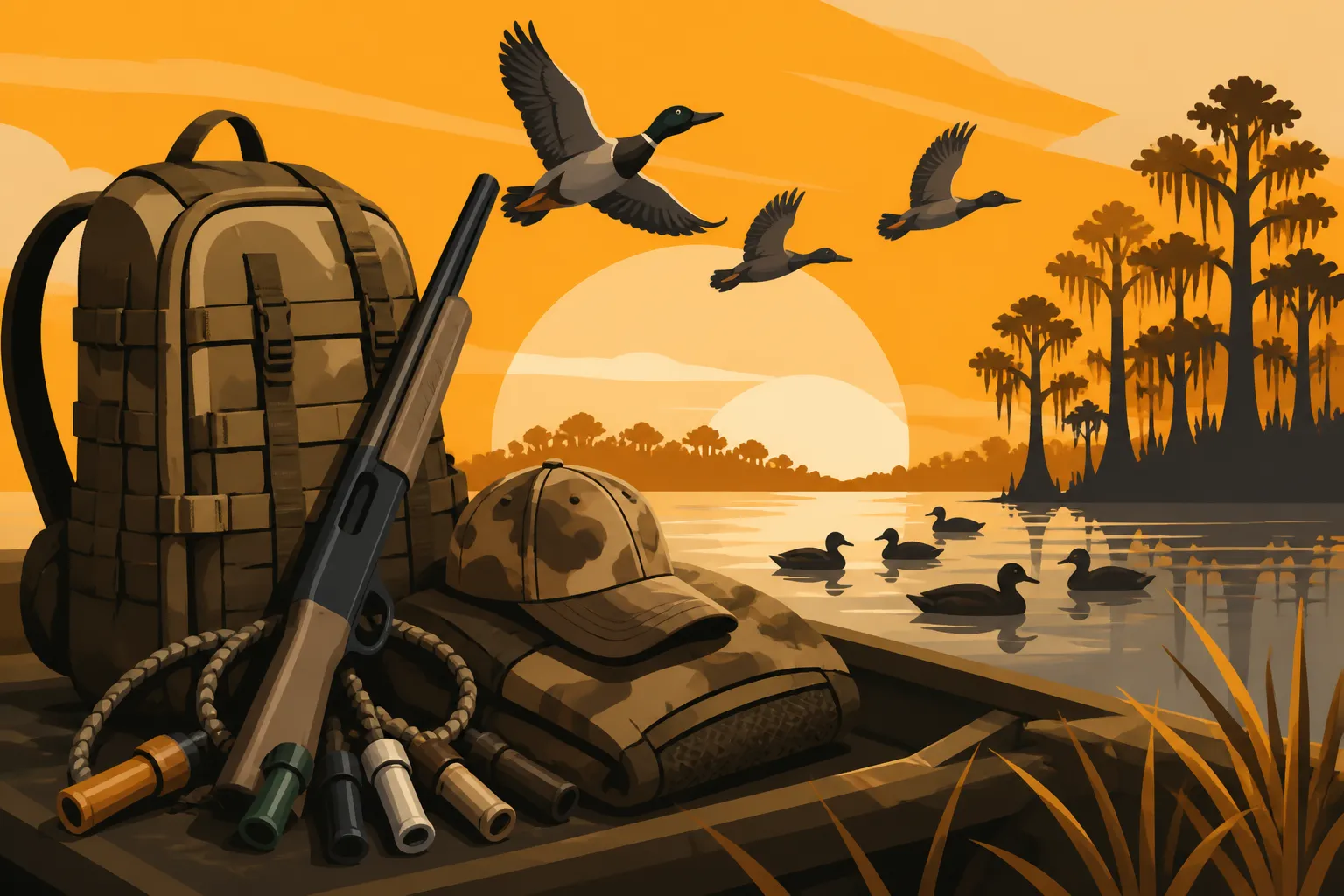
Reelfoot Lake. Just hearing the name conjures images of flooded cypress trees draped in Spanish moss, ducks cupped up over decoys, and the chill bite of a Tennessee winter morning. It's a waterfowl hunter's paradise, a legend whispered among those who chase greenheads and pintails. But let's be real: Reelfoot is no ordinary duck pond. The unique environment—the flooded timber, the shallow, stump-ridden waters, and the notoriously fickle weather—demands a specific approach, especially when it comes to your gear. If you've ever found yourself shivering, soaked, or struggling with faulty equipment while the ducks laugh at you from above, this guide is for you. We're diving deep into the essential gear and thoughtful considerations that will make your Reelfoot Lake waterfowl hunts more successful and, frankly, more enjoyable.
The Unique Challenges of Reelfoot Lake Waterfowling
Hunting Reelfoot Lake isn't like hunting a simple farm pond or a wide-open cornfield. It's a beast of its own, a place that tests your mettle and your equipment. The very characteristics that make it such a legendary waterfowl destination also present formidable obstacles. Understanding these challenges is the first step in assembling the right gear and, more importantly, developing the right mindset for success. Without proper preparation, you'll spend more time fighting the environment than hunting ducks.
Navigating Flooded Timber and Open Water
Imagine pushing through dense, flooded cypress and tupelo gum trees, water up to your waist, hidden stumps and roots snagging your waders with every step. Or picture trying to retrieve a downed bird across a section of open water whipped into whitecaps by a sudden gust of wind. This isn't just a picturesque backdrop; it's a harsh reality that dictates everything from your choice of boat to the type of waders you wear. The dynamic nature of Reelfoot, with its labyrinthine timber, shallow mud flats, and surprisingly deep channels, means you need gear that is robust, reliable, and designed for amphibious operations. Your ability to move silently, set decoys effectively, and safely retrieve game will depend entirely on how well your equipment handles these extreme conditions. Many a hunter has underestimated the physical toll and the equipment strain involved in navigating Reelfoot's flooded timber.
Even once you've made it to your chosen blind or spot, the challenges don't end. The water levels can fluctuate, exposing new obstacles or creating unexpected depths. The current, especially in areas connected to the main flow, can be surprisingly strong, making decoy setup and boat handling tricky. Having gear that can withstand constant abuse from snags, punctures, and abrasive mud is paramount. A cheap pair of waders might last a season elsewhere, but on Reelfoot, they might not make it through a single day if they're not up to the task. Similarly, a flimsy boat can quickly become a liability when you're far from the ramp, tangled in roots. You're not just moving through water; you're moving through a dense, unforgiving underwater jungle.
Battling Changing Weather Conditions
Tennessee weather, especially in the winter months, is notorious for its unpredictability. One morning you might start with a comfortable chill and bright sunshine, only for a cold front to blow through, bringing sleet, freezing rain, and plummeting temperatures by midday. These sudden shifts are magnified on Reelfoot Lake. The vast expanse of water means you're exposed to bitter winds that cut right through inadequate clothing. Fog can roll in so thick that you can't see your hand in front of your face, disorienting even seasoned veterans. Then there's the mud and the slush, the constant dampness that permeates everything. Your gear needs to be a fortress against these elements, keeping you dry, warm, and safe, regardless of what Mother Nature throws your way.
The challenge isn't just staying warm; it's staying dry. The combination of precipitation, splashing water from boat travel, and your own perspiration from exertion means moisture management is a constant battle. Layering becomes an art form, allowing you to adapt to temperature swings without getting either too hot and sweaty or too cold and chilled. Imagine a biting north wind, the kind that feels like it's sucking the heat right out of your bones. If your outer layer isn't windproof and waterproof, that cold will seep in, making an otherwise epic hunt miserable. Frostbite and hypothermia are real concerns here, not just theoretical dangers. Choosing materials that retain insulating properties even when wet is a game-changer. Reelfoot will find any weak point in your clothing system, so investing in quality, purpose-built gear is non-negotiable for comfort and safety.
Dealing with Intense Hunting Pressure
Reelfoot Lake is famous, and rightfully so. This fame, however, comes with a downside: hunting pressure. Especially during peak migration or on weekends, you'll find plenty of other hunters vying for the same birds. This pressure makes ducks incredibly wary, forcing them to shy away from anything that looks unnatural or feels like a threat. This means your blind needs to be perfectly camouflaged, your decoy spread meticulously arranged, and your calling utterly convincing. You can't just throw out a few decoys and expect the birds to commit when they've been shot at every day for weeks. Your gear, therefore, must contribute to the stealth and realism needed to fool these educated birds.
The constant presence of other hunters also means that the ducks learn quickly. They'll flare at the slightest glint of sunlight off an exposed face, avoid static decoy spreads, and shy away from calls that sound unnatural or overused. This pressure elevates the importance of every piece of gear. Your boat needs to be quiet, your setup needs to blend in seamlessly, and your decoys need to look incredibly lifelike. If you're running a public blind, Hunting the Reelfoot Lake Duck Blinds can offer some relief from the chaos of finding a spot, but the birds flying over those blinds are still just as wary. This is where subtle details, like flocking on your decoys, realistic paint schemes, and motion decoys used judiciously, can make all the difference. In a high-pressure environment like Reelfoot, every advantage you can stack in your favor, through superior gear and thoughtful deployment, is invaluable.
Essential Waterfowl Clothing and Layering Systems
Staying warm and dry is arguably the most critical factor for enjoying a Reelfoot Lake waterfowl hunt. The consequences of being wet and cold go beyond discomfort; they can become a serious safety issue. The dynamic nature of the weather and the environment means you need a clothing system that is versatile, durable, and highly effective at moisture management. This isn't the place to skimp on quality; your clothing is your first line of defense against the elements.
Waders and Outerwear for Wet Environments
When you're slogging through chest-deep water, pushing a boat, or retrieving a downed bird, your waders are truly your second skin. For Reelfoot Lake, chest waders are almost always the preferred choice over waist-high models, simply because you never know when you'll step into an unexpected dip or need to wade through deeper sections. Neoprene waders offer excellent insulation, which is fantastic for colder weather, but they can be bulky and less breathable. Breathable waders, often made with Gore-Tex or similar materials, are lighter and allow perspiration to escape, preventing you from getting clammy, but they require layering underneath for warmth. Many seasoned Reelfoot hunters opt for robust, breathable waders paired with heavy base layers. This combination provides the best of both worlds: warmth when needed and flexibility for active movement. The boots on your waders should be well-insulated, offer good traction for slippery mud, and be comfortable enough for long walks if you're accessing your spot on foot. There's nothing worse than cold feet or a leaky seam when you're knee-deep in freezing water, miles from the truck. For more specific insights on staying dry, consider exploring Waders for Flooded Cypress Hunting.
Your outer layers, beyond the waders, are equally important. You need a waterproof and windproof jacket that allows for a full range of motion. Look for features like sealed seams, adjustable cuffs and hoods, and durable outer fabrics that can withstand snags from branches and heavy use. Camouflage patterns should match the local environment, blending into the flooded timber or marsh grasses. Many waterfowl jackets come with insulated liners that can be removed on warmer days, adding to their versatility. Pockets are also key: zippered, waterproof pockets to keep essentials like your phone, calls, and licenses dry and secure. The best outerwear won't just keep the rain out; it'll repel it, allowing water to bead off, and maintain a barrier against biting winds. This prevents the "wet dog" smell and feeling that can accompany long days in the field, ensuring you stay focused on the hunt rather than your discomfort.
Insulated Layers for Tennessee's Cold Snaps
The key to staying warm in cold, wet conditions is effective layering. This isn't just about throwing on a bunch of clothes; it's a strategic system designed to trap body heat, wick away moisture, and provide adaptability. Start with a good base layer: moisture-wicking materials like merino wool or synthetic blends are ideal. They pull sweat away from your skin, preventing that chilling effect that happens when moisture evaporates. Avoid cotton as a base layer, as it absorbs moisture and loses its insulating properties when wet. For many hunters, a mid-weight base layer is perfect for most Tennessee winter mornings, with the option to add heavier versions on truly frigid days.
Next comes your mid-layers. This is where you add insulation. Fleece jackets, wool sweaters, or synthetic puff jackets work wonderfully. Again, focus on materials that retain warmth even if they get damp. You might wear one or two mid-layers depending on the temperature and your activity level. The beauty of a good layering system is its flexibility; as you exert yourself, you can shed a layer to prevent overheating and sweating, then put it back on when you're stationary in the blind. Remember, sweat is your enemy in cold weather. It's better to start a little cool and warm up as you walk in than to start hot and end up soaked with perspiration, which will quickly lead to a deep chill once you stop moving. Think about your entire day: from the strenuous walk in, to the static sit in the blind, to the active retrieve, your layers need to handle it all.
Headwear, Gloves, and Eye Protection
Heat escapes rapidly from your head, so a warm hat is absolutely non-negotiable for Reelfoot. A waterproof and insulated beanie or a hat with ear flaps will make a huge difference in your overall comfort. Many hunters also prefer a face mask or neck gaiter to protect against biting winds and provide additional camouflage. Your hands are crucial for operating your gun, calls, and decoys, so keeping them warm and functional is vital. A layering system for your hands works well too: thin, tactile gloves for dexterity, worn under larger, insulated, waterproof mittens or gloves that can be easily shed when you need to shoot or make a precise call. Having a spare pair of dry gloves in your blind bag is a smart move, as cold, wet hands can quickly become painful and useless.
Eye protection is another often-overlooked but essential piece of gear. Whether it's to shield your eyes from glare off the water, flying debris, or spent shotgun shells, quality sunglasses or shooting glasses are important. Polarized lenses can also help cut through the glare to spot incoming birds more easily. In foggy conditions, clear or amber lenses can improve visibility. Moreover, the sun can be surprisingly harsh, even in winter, and prolonged exposure can lead to eye strain. Protecting your eyes isn't just about comfort; it's about maintaining your ability to safely identify and track birds, which is fundamental to a successful waterfowl hunt. Don't forget that a good pair of glasses also offers physical protection from errant pellets or tree branches in the timber.
Decoys and Spreads for Reelfoot's Wary Ducks
Decoys are the backbone of any successful waterfowl hunt, but on a pressured lake like Reelfoot, they need to be exceptional. Ducks that have seen it all will shy away from anything that looks unnatural or stale. Your spread needs to be convincing, dynamic, and adaptable to changing conditions and the specific species you're targeting. This isn't a numbers game as much as it is a realism game.
Species-Specific Decoy Selection
Reelfoot Lake attracts a wide variety of waterfowl, but mallards are often the prize for many hunters. However, you'll also encounter wood ducks, pintails, gadwall, wigeon, and various diving ducks like canvasbacks and scaup. While a mallard-heavy spread is often a good starting point, having a selection of other species can add realism and appeal to different ducks. For instance, a few pintail or wigeon decoys on the outer edges of your spread can make it look more natural to passing flocks. If you're hunting specifically for divers in deeper water or open holes, then a spread dominated by diver decoys is essential. The key is to mimic what the ducks are actually seeing on the water.
Beyond species, consider the quality and realism of your decoys. Flocked heads, detailed paint schemes, and lifelike body postures can make a huge difference in convincing wary birds. While inexpensive plastic decoys can work, the heavily hunted birds of Reelfoot will often give them a wide berth. Investing in higher-quality, more realistic decoys from brands like Avian-X, GHG, or Higdon can significantly increase your success rates. These decoys not only look better but are often more durable, standing up to the abuse of repeated deployment and retrieval in the timber. Remember, the goal is to create an illusion that even a highly educated duck finds irresistible.
Setting Up Effective Spreads in Flooded Timber
Setting a decoy spread in flooded timber is an art form entirely different from open-water setups. You're working with natural obstacles, current, and often limited visibility. The goal is to create pockets and landing zones within the trees that look safe and inviting. Many hunters utilize a "pocket" or "U" shape, leaving an open landing zone directly in front of their blind or shooting position. This funnels birds right into optimal shooting range. Others might opt for a looser, more naturalistic "blob" spread that mimics birds feeding and loafing among the trees. The key is to avoid straight lines or overly symmetrical patterns, which look unnatural to high-flying ducks.
Consider the prevailing wind direction when setting your spread. Ducks typically land into the wind, so your landing zone should be positioned accordingly. In flooded timber, this often means creating an open area where the wind can hit the birds' wings, allowing them to cup up and drop in. Use heavy weights or anchor systems designed for deep water and snaggy bottoms to prevent your decoys from drifting away in the current. Some hunters also use long lines or gang rigs to manage multiple decoys more efficiently in the timber. Reading a Bottomland Slough for a Morning Flight will also teach you that understanding natural duck movement in these areas is just as important as the decoys themselves. When the sun is high and the ducks are wary, a carefully placed, realistic spread can make all the difference, pulling in birds that might otherwise flare out of range.
Motion Decoys and Confidence Boosters
On a highly pressured lake like Reelfoot, static decoy spreads often aren't enough. Motion decoys add that crucial element of realism and attract attention from a distance. Spinning-wing decoys, like Mojo ducks, are incredibly effective at drawing in birds, especially on calm days when a static spread offers little movement. However, be mindful of overusing them, as extremely wary birds can sometimes "high-hat" (flare at the last second) spinning wings if they've seen too many. Judicious use, or turning them off as birds commit, can be a winning strategy.
Beyond spinners, consider jerk strings, flapping decoys, or even simple floating weights that create ripples. Jerk strings, operated by the hunter from the blind, allow you to animate a few decoys, making them splash and move as if feeding. This adds natural movement and can be particularly effective on bright, calm days. Confidence decoys, such as a few full-body geese decoys placed nearby or even a simulated preening duck, can also make your spread look more inviting and less threatening. The idea is to create a dynamic, lifelike scene that screams "safe haven" to passing waterfowl. Brands like GoHunt often highlight how subtle movements and realistic displays can outsmart even the most seasoned ducks, so paying attention to these details is a smart move.
| Decoy Type | Best Use Case | Pros | Cons |
|---|---|---|---|
| Standard Floating | Mimicking loafing/feeding ducks | Cost-effective, easy to deploy | Static, less visible from distance, less realistic |
| Full-Body Field | Field hunting (less common at Reelfoot, but useful) | Highly realistic, great for dry ground | Bulky, not designed for water |
| Spinning-Wing (Mojo) | Attracting birds from far away, calm days | High visibility, immediate draw | Can "high-hat" wary birds, requires batteries |
| Jerk String | Adding natural motion to floating decoys | Dynamic, hunter-controlled, no batteries | Requires active hunter input, limited range |
| Sleeper/Feeder Decoys | Confidence, realism for feeding birds | Natural posture, enhances feeding illusion | Less visible than upright decoys |
| Confidence Decoys | Geese, Herons, Coots (added realism) | Makes spread look more natural and safe | Adds bulk, doesn't directly attract specific duck species |
Waterfowl Firearms and Ammunition Considerations
Your shotgun is, of course, a critical piece of your Reelfoot Lake waterfowl gear. But it's not just about having a shotgun; it's about having the right shotgun, paired with the right ammunition and choke, for the specific challenges of timber hunting and wary birds. Precision and reliability are paramount when every shot counts.
Shotgun Selection and Gauge Preferences
For waterfowl hunting, the 12-gauge shotgun remains the most popular choice, offering a wide range of ammunition options and patterns. Both semi-automatic and pump-action shotguns are widely used. Semi-autos, with their reduced recoil and quicker follow-up shots, are favored by many for fast-paced action in the blind. However, pump-actions are renowned for their rugged reliability in harsh conditions, often operating flawlessly even when caked in mud or slush. The choice often comes down to personal preference and budget, but either can be effective. Regardless of action type, look for a shotgun with a durable, weather-resistant finish, such as synthetic stocks and corrosion-resistant metal components. A shorter barrel (26-28 inches) can be advantageous in the tight confines of flooded timber, making the gun easier to maneuver.
While 12-gauge dominates, some hunters prefer a 20-gauge, especially younger or smaller-framed individuals, or those looking for a lighter gun to carry. Modern 20-gauge loads, particularly those with high-density non-toxic shot, are surprisingly effective on ducks out to reasonable ranges. The key is to practice extensively with your chosen firearm and ammunition to understand its limitations and capabilities. You need to be confident in your ability to swing, acquire targets, and make ethical shots in varied conditions. Reliability in extreme cold and wet is paramount; a malfunctioning gun in the middle of a hot flight is incredibly frustrating. Make sure your shotgun is meticulously cleaned and maintained, especially after exposure to Reelfoot's muddy, corrosive waters.
Non-Toxic Shot Requirements and Performance
It's absolutely crucial to remember that hunting waterfowl in Tennessee, as across the entire United States, requires the use of non-toxic shot. Lead shot is strictly prohibited for waterfowl due to its harmful effects on birds that ingest it. This means you'll be shooting steel, bismuth, or tungsten-based loads. Each type of non-toxic shot has its own characteristics, and understanding them is vital for effective shooting. Where Nontoxic Shot Is Required in Tennessee provides more detail on these regulations.
Steel shot is the most common and often the most affordable non-toxic option. It's lighter than lead, meaning it loses energy more quickly and has a tighter pattern, but also requires larger shot sizes to achieve similar knockdown power. Bismuth is denser than steel and closer to lead in performance, offering better energy retention and knockdown power, but it's generally more expensive. Tungsten-based loads (like Federal Heavyweight or Winchester Xtended Range) are the densest and perform the most like lead, offering incredible range and lethality with smaller pellet sizes, but they come with a premium price tag. Patterning your shotgun with your chosen non-toxic loads is essential to understand how they perform at various distances. Don't assume steel will pattern the same as lead, or that bismuth will be identical to steel. Each requires specific testing to find the optimal shot size and choke combination for your gun.
Chokes and Patterning for Reelfoot Distances
The choke you choose for your shotgun barrel plays a significant role in how your shot spreads. For flooded timber hunting on Reelfoot, where shots are often taken at closer ranges through dense cover, a more open choke is typically preferred. Modified (MOD) or Improved Cylinder (IC) chokes are excellent choices, offering a wider pattern that is forgiving at closer distances and allows for some pellet spread around intervening branches. A full choke, which creates a very tight pattern, might be too constrictive for timber hunting, often leading to missed shots or blown-up birds at close range.
Patterning your shotgun is the process of shooting at a large piece of paper (often 30-40 inches square) at various distances (e.g., 20, 30, 40 yards) to see how your chosen ammunition and choke perform. This reveals the density and distribution of your shot pattern. You want a pattern that is dense enough to put multiple pellets in a duck's kill zone, but wide enough to allow for slight aiming errors. Different brands and types of non-toxic shot will pattern differently, even through the same choke. It's an investment of time and ammunition, but it's one of the most critical steps you can take to ensure ethical and effective shooting in the field. Knowing exactly how your gun shoots with your preferred load removes a huge variable from the hunt, building confidence when the ducks finally commit.
Boats, Blinds, and Transport on Reelfoot
The unique landscape of Reelfoot Lake—a mix of shallow, stump-filled waters, dense timber, and open sloughs—demands specific considerations for how you get around and where you hide. Your mode of transport and your blind setup are just as important as your decoys and calling.
Marsh Boats and Push Poles for Shallow Water
A reliable boat is not just a convenience on Reelfoot; it's a necessity. Traditional V-hull boats are often ill-suited for the lake's shallow, snag-ridden waters. Flat-bottomed jon boats, especially those with modified V-hulls or tunnel hulls, are generally preferred for their stability and ability to navigate extremely shallow depths. Look for boats with a wide beam for stability when moving around or setting decoys, and a heavy-duty hull that can withstand impacts with submerged stumps and cypress knees. An outboard motor with a shallow-water drive or a mud motor is often invaluable for getting into remote areas that traditional props can't access. The ability to tilt your motor up and run through inches of water or over soft bottom is a game-changer.
Beyond the motor, a stout push pole is absolutely indispensable. Even with a mud motor, there will be times when you need to silently maneuver through dense timber, get unstuck from a mud flat, or simply position your boat without making noise. A fiberglass or aluminum push pole, 12-16 feet long, with a reliable foot or duckbill attachment, is a must-have. You'll be using it constantly, so choose one that is durable and comfortable to handle. Make sure your boat has ample storage for decoys, blind bags, and all your other gear. Being organized makes every part of the hunt smoother. Remember that a silent approach is crucial when hunting pressured birds, and a push pole allows for that stealth, whereas an idling motor will often send them packing.
Layout Blinds and Permanent Blind Strategies
On Reelfoot, you'll encounter a mix of hunting situations. Many hunters utilize one of the lake's many permanent blinds, which can be rented or are part of hunting clubs. These provide shelter and a pre-set position, though they require scouting to ensure birds are using the area. If you're hunting outside a permanent structure, your blind strategy becomes critical. In flooded timber, the best blind is often no blind at all – just you, strategically positioned against a large cypress tree or within a natural tangle of brush, perfectly camouflaged. Natural vegetation, like cattails, willow, or cypress branches, can be gathered to enhance your concealment.
If you're hunting open water or a field edge near the lake, a layout blind or a portable ground blind might be necessary. Layout blinds, like those from Avery or Rogers Sporting Goods, allow you to lie flat and remain virtually invisible in short cover. They are excellent for fields where ducks are feeding on waste grain, though perhaps less common for the classic Reelfoot flooded timber experience. For those instances, our guide on Layout Blind Hunting a Cut Cornfield could be helpful. Regardless of your choice, the key is to blend in completely with your surroundings. A blind that stands out, even slightly, will flare wary ducks every time. Test your blind setup from a distance, and make sure there are no unnatural shapes or shiny spots.
Navigation and Safety Gear for the Lake
Reelfoot Lake is vast and can be disorienting, especially in low light, fog, or during rapidly changing weather. A reliable navigation system is non-negotiable. While paper maps are always a good backup, a GPS unit or a robust smartphone app like GoHunt (or onX Hunt) is highly recommended. These tools allow you to mark your blind location, track your route, and navigate back to the boat ramp safely. GoHunt, with its detailed mapping and public land layers, can be particularly useful for identifying key features, historical hunting spots, and property boundaries, helping you scout new areas and avoid trespassing. Always carry a fully charged phone or GPS, along with a portable power bank, as battery life can be short in cold weather.
Safety should always be your top priority. Life jackets are a legal requirement and an absolute must, even for strong swimmers, given the cold water and potential for unexpected falls. Carry a whistle to signal for help. A well-stocked first-aid kit is essential, including items for cuts, hypothermia, and snake bites (though less common in winter, always be prepared). Carry powerful headlamps and a spotlight for navigating in the dark. A throw rope or rescue bag can be vital if someone falls overboard. Always let someone know your float plan – where you're going and when you expect to return. Reelfoot can be unforgiving, and a momentary lapse in judgment or an equipment failure can turn dangerous quickly. Be prepared for the worst, and hope for the best.
Calls, Bags, and Auxiliary Gear for Success
Beyond the big-ticket items, it's the smaller, often overlooked pieces of gear that can truly elevate your Reelfoot Lake waterfowl hunting experience. From the sounds that bring birds to your spread to the items that keep you comfortable and prepared, these auxiliary tools are crucial.
Duck and Goose Call Variety and Mastery
A good duck call isn't just a noisemaker; it's an instrument that, in the hands of a skilled caller, can mimic the full range of duck vocalizations needed to lure wary birds. On Reelfoot, where ducks are heavily pressured, realism and versatility are key. Most hunters carry at least one primary mallard call, often a single or double-reed. Single-reed calls offer more range and require more air control for nuanced sounds, while double-reeds are often easier to blow and more forgiving. Beyond mallards, consider calls for pintails, wigeon, or even wood ducks if they are prevalent in your area. Having a variety allows you to adapt to what the birds are responding to on a given day.
Mastery of your calls takes practice, practice, and more practice. Listen to real ducks, and then try to replicate those sounds. Learn the basic quack, the greeting call, the contented feeding chatter, and the pleading comeback call. Knowing when to call, and more importantly, when not to call, is often the secret to success on pressured birds. Overcalling can send them packing just as quickly as bad calling. Furthermore, a good goose call can be a valuable addition, as Canada geese often fly alongside or over duck flights, and their presence can add confidence to your spread. Even a basic cluck and moan on a short-reed goose call can be enough to draw their attention.
Blind Bags and Essential Everyday Carry Items
Your blind bag is your lifeline in the field, carrying all those crucial items that make your hunt possible and comfortable. Invest in a waterproof, durable blind bag with multiple compartments to keep things organized. Here's a checklist of essentials for your Reelfoot Lake blind bag:
- Ammunition: Plenty of it, safely stored and easily accessible.
- License and Permits: Getting a Reelfoot Preservation Permit is key, along with your hunting license and federal duck stamp. Keep them in a waterproof pouch.
- Thermos with Hot Beverage: Coffee, tea, or hot chocolate is a morale booster on cold mornings.
- Snacks: High-energy snacks that won't freeze.
- Water Bottle: Stay hydrated, even in cold weather.
- First-Aid Kit: For both you and potentially your dog.
- Knife/Multi-tool: Always handy for various tasks.
- Headlamp/Flashlight: With spare batteries. Crucial for pre-dawn setups and post-hunt retrieves.
- Binoculars: For spotting distant birds and identifying species. Brands like GoHunt can provide useful insights into identifying distant birds as well.
- Sunscreen and Lip Balm: Even in winter, sun and wind can be harsh.
- Toilet Paper/Wet Wipes: You'll thank yourself later.
- Hand Warmers: Chemical warmers are great for pockets or gloves.
- Trash Bag: Pack out everything you pack in, and then some.
- Spare Gloves/Socks: A dry pair can feel like a luxury.
- Camera: To capture memories (safely and discreetly).
Organizing your bag means you're not fumbling for items when you need them most, reducing noise and movement in the blind.
Dog Gear and Retriever Essentials
For many waterfowl hunters, a good retriever is an indispensable part of the team. If you're hunting with a dog on Reelfoot, their gear is just as important as your own. A high-quality dog vest is essential for warmth and protection in the cold water and dense cover. Look for vests made of neoprene or similar insulating materials, with bright colors for visibility in murky water. These vests can also offer some protection against snags and punctures from submerged timber.
A sturdy leash and collar are necessary for control, especially when moving between the truck and the boat. Dog boots can protect paws from sharp ice or abrasive terrain, although not all dogs tolerate them. Always carry a dedicated dog first-aid kit, including items for cuts, scrapes, and anything specific to your dog's health needs. High-energy dog food and a portable water bowl are also critical, as active retrievers burn a lot of calories and need to stay hydrated. A kennel or dog crate for transport ensures their safety to and from the lake. Finally, make sure your dog has had adequate training for cold-water retrieves and is accustomed to the sounds and chaos of a duck hunt. A well-trained, well-equipped retriever not only makes the hunt more efficient but also ensures humane recovery of downed birds, especially in the thick cover and water of Reelfoot. You'll want to review Dog Vests for Cold Water Retrieves to ensure you have the correct protection for your furry companion.
Advanced Tactics and Gear for Reelfoot Veterans
Once you've mastered the basics, there's always room to refine your approach and gear setup for even greater success on Reelfoot Lake. Veterans understand that incremental improvements in gear and strategy can make a significant difference in outsmarting those seasoned ducks.
Specialized Optics for Scouting and ID
While a good pair of binoculars is essential for any hunter, Reelfoot veterans often take their optics game to the next level. High-power binoculars (10×42 or even 12×50) can be incredibly useful for scouting distant flights of birds or identifying species in low light. When ducks are circling high, trying to make up their minds, powerful optics allow you to confirm their species, which can inform your calling strategy. For example, knowing you have a flock of pintails circling allows you to switch to a pintail whistle, potentially sealing the deal. Binocular Power for Ridge Hunting offers insights into general binocular use, many of which translate directly to open water or distant timber scouting.
Spotting scopes can also be a valuable tool for long-range observation, especially if you're trying to locate where birds are concentrating on vast stretches of the lake or open fields adjacent to the water. Rangefinding binoculars, which integrate a laser rangefinder into a binocular, can be incredibly useful for determining distances to your decoy spread, identifying potential shooting lanes in timber, or gauging the range to incoming birds, helping you make better shooting decisions. For the ultimate in low-light performance, consider binoculars with large objective lenses (e.g., 50mm or 56mm) and high-quality glass, which will gather more light and provide a brighter, clearer image in the dim pre-dawn hours or at last light.
Portable Heating and Comfort Solutions
Being cold and miserable severely impacts your focus and enjoyment of the hunt. Reelfoot veterans often bring portable heating solutions to stay comfortable during long waits in the blind. Small, catalytic propane heaters, designed for safe use in enclosed spaces, can provide a significant boost of warmth in a permanent blind or even in a spacious boat blind. Always ensure proper ventilation when using any propane heater to prevent carbon monoxide buildup. Hand warmers and foot warmers are also essential, both the disposable chemical packs and reusable, battery-powered versions. These can be slipped into gloves, pockets, or even inside your wader boots to keep extremities toasty.
Beyond heating, think about comfort. A portable blind chair or a comfortable seat cushion can make hours in the blind much more bearable. Some hunters even bring a small, foldable cot for a quick nap during slow periods, though this is usually reserved for larger, more enclosed permanent blinds. Dry bags are invaluable for keeping spare clothing, electronics, and other sensitive items completely dry, even if your boat takes on water or your blind gets splashed. A dry change of clothes, waiting for you at the truck, can be the ultimate comfort after a cold, wet morning. Every bit of comfort you can add helps extend your endurance and keeps your spirits high, which, surprisingly, can translate to better hunting decisions.
Utilizing Technology like GoHunt for Scouting and Strategy
In today's hunting world, technology has become an invaluable asset, and Reelfoot is no exception. Apps like GoHunt (or onX Hunt) are powerful tools for pre-season scouting and in-the-field navigation. These apps provide detailed satellite imagery, topographic maps, and often include layers showing public land boundaries, WMA borders, and even historical water depths. Before you even set foot on the lake, you can use GoHunt to study aerial photos, identify potential blind locations, mark areas of flooded timber, and plan your entry and exit routes. You can cross-reference this with TWRA data on Scouting With the Tennessee TWRA App for regulatory insights.
In the field, GoHunt's GPS capabilities are invaluable for navigating the labyrinthine waterways, especially in fog or darkness. You can mark your blind, pinpoint areas where you've seen birds, and avoid straying into private land or restricted zones. Real-time weather overlays and sunrise/sunset times help with planning. Some apps also offer specific features tailored to waterfowl, like wind direction tools that help you set up your decoy spread correctly. By leveraging these technological advantages, you can gain a deeper understanding of the lake, make more informed decisions, and ultimately increase your chances of finding and fooling Reelfoot's wary waterfowl. Think of GoHunt as your digital compass and map, guiding you through the complexities of this legendary hunting ground.
Disclaimer
This article is for general informational purposes only and does not constitute professional advice. Laws, prices and regulations vary by location and change over time. Consult a qualified professional for guidance on your specific situation.