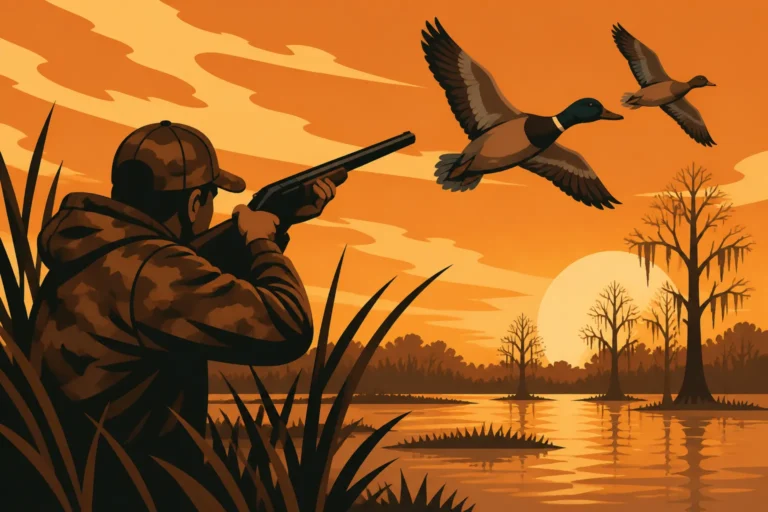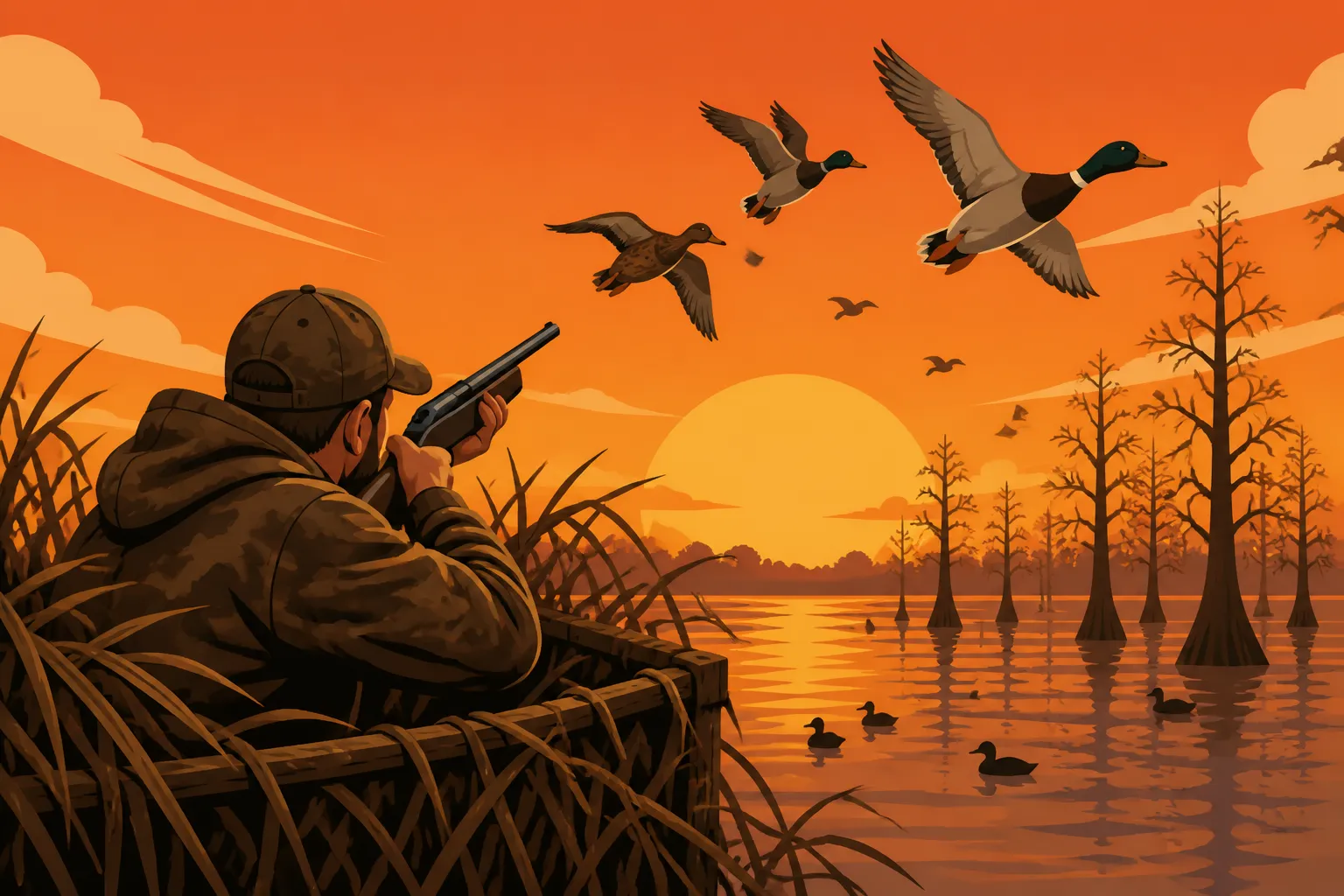
Hunting the Reelfoot Lake Duck Blinds
For many Tennessee waterfowl hunters, the thought of chasing ducks brings to mind the legendary Reelfoot Lake, a place steeped in history and duck hunting lore. However, the unique, flooded timber environment and specific regulations around its famed duck blinds can feel incredibly daunting, often leading to confusion and missed opportunities for those unfamiliar with its intricacies. This comprehensive guide aims to demystify hunting the Reelfoot Lake duck blinds, offering practical advice and deep insights to help you navigate its waters and find success.
The Reelfoot Lake Mystique: Why It's a Duck Hunter's Mecca
Reelfoot Lake isn't just another body of water; it's a living legend in the duck hunting world, drawing enthusiasts from across the nation. Its unique character, born from a series of massive earthquakes, has created a waterfowl paradise unlike any other. For generations, hunters have braved its cypress-studded waters, seeking the thrill of a morning flight over the iconic duck blinds. This lake offers an experience that transcends mere hunting; it's a journey into a rich tradition.
Reelfoot's Unique Formation and Habitat
Imagine a lake born overnight, not carved by glaciers or rivers, but by the earth itself trembling so violently that the Mississippi River flowed backward. That's the geological genesis of Reelfoot Lake in northwest Tennessee. The New Madrid earthquakes of 1811-1812 created this natural wonder, leaving behind a sprawling expanse of shallow water dotted with flooded cypress trees, submerged stumps, and thick aquatic vegetation. This submerged timber provides unparalleled cover and food sources for migrating waterfowl, making it an irresistible stopover on the Mississippi Flyway. The shallow, nutrient-rich waters support a vast array of duck foods, from submerged aquatics to moist-soil plants, which means birds have little reason to leave once they arrive. The intricate maze of cypress trees also offers natural protection from predators and acts as a windbreak, creating calm pockets even on blustery days, which ducks appreciate.
The Draw of the Mississippi Flyway
Reelfoot Lake's strategic location within the heart of the Mississippi Flyway makes it an undeniable magnet for ducks and geese. As temperatures drop further north, millions of waterfowl begin their southward migration, funneling down this aerial highway. Reelfoot acts as a critical wintering ground and a crucial staging area for birds making longer journeys. You'll find a dizzying array of species here, from mallards and gadwalls to pintails, wigeon, and various diving ducks. The sheer volume of birds that pass through or winter on Reelfoot is staggering, creating incredible hunting opportunities that are rare elsewhere. This consistent influx of new birds means that even if local ducks get pressured, there's often a fresh wave just days away. Understanding Tennessee Waterfowl Migration Timing can give you an edge in predicting when the best flights will arrive.
Understanding Reelfoot's Duck Blind System and Regulations
Hunting Reelfoot Lake successfully isn't just about calling and shooting; it's deeply intertwined with understanding its unique public duck blind system and the strict regulations that govern it. Unlike many other public hunting areas where you might set up a portable blind anywhere, Reelfoot operates on a distinct, long-standing tradition of permanent blinds, many of which are passed down through generations or managed through a public draw. Navigating this system is half the battle.
Public Draw Blinds and Permanent Structures
The Tennessee Wildlife Resources Agency (TWRA) manages the hunting on Reelfoot Lake's WMA portions, which includes a complex system of permanent duck blinds. Many of these blinds are registered to individuals or groups who have historically maintained them, creating a rich legacy of hunting families on the lake. However, there are also numerous "draw blinds" that are available to the general public through a highly competitive application and lottery system each year. These public draw blinds offer an incredible opportunity for hunters who don't have access to a private blind, but you need to know the application dates and be prepared for low odds. The application window is typically in August or September, so it pays to plan well in advance. Once drawn, you'll be assigned a specific blind for a certain period, and it's your responsibility to maintain it and ensure it's huntable. Understanding Reelfoot Lake WMA Duck Blind Access is critical for anyone hoping to hunt these public spots.
There are different types of permanent blinds, from large, sturdy structures built into the cypress trees to smaller, more mobile affairs that are anchored to the bottom. Each blind has its own quirks and advantages, depending on the water levels, wind direction, and where the birds are feeding. Hunters who have been coming for years often have their favorite spots, knowing exactly how to set up for a north wind versus a south wind, or which blind offers the best shot at divers coming off the main lake. It's a deep local knowledge that can only be gained through experience or by learning from seasoned Reelfoot veterans.
Navigating Permits, Check-ins, and Daily Limits
Beyond the blind draw, there are several other crucial regulations and permits you must adhere to when hunting Reelfoot. First and foremost, you'll need a valid Tennessee hunting license, a Tennessee Migratory Bird Permit, and a Federal Duck Stamp. However, for Reelfoot specifically, there's also The Reelfoot Preservation Permit requirement, which helps fund the unique conservation efforts on the lake. This permit is mandatory for anyone hunting waterfowl on Reelfoot Lake, regardless of residency or other license types, unless you fall under very specific exemptions.
The check-in and check-out procedures for Reelfoot WMA can also be different from other public lands. Hunters are typically required to check in at designated stations before hunting and report their harvest afterward. This system helps the TWRA monitor harvest rates and gather valuable data on the waterfowl population. It's not just a formality; it's an essential part of the management strategy for this heavily hunted resource. Failing to follow these procedures can result in fines and loss of hunting privileges, so always double-check the current regulations on the TWRA website or using a reliable mapping app like GoHunt to understand specific boundaries and rules.
The daily bag limits for ducks and geese on Reelfoot are consistent with statewide and federal regulations, but it's vital to stay updated on any specific local restrictions that might be in place, especially if there are concerns about certain species populations or disease outbreaks. The Tennessee Reelfoot Duck Bag Limit is always something to keep an eye on, as it can occasionally be adjusted. This table provides a general overview of permits and their costs:
| Permit/License Type | Requirement | Typical Resident Cost (Approx.) | Typical Non-Resident Cost (Approx.) | Notes |
|---|---|---|---|---|
| Annual Hunting License | All hunters | $34 | $110 (Small Game) / $201 (Big Game) | Basic license, varies by duration/game for non-residents |
| Migratory Bird Permit | All migratory bird hunters | $2 | $2 | Federal HIP certification included |
| Federal Duck Stamp | All duck hunters 16+ | $25 | $25 | Required by federal law |
| Reelfoot Preservation Permit | All Reelfoot waterfowl hunters | $20 | $20 | Specific to Reelfoot Lake, with some exemptions |
| Non-Resident 7-Day All-Game | Non-residents only | N/A | $251 | A common choice for non-residents visiting for a week |
Costs are approximate and subject to change; always verify current rates with the TWRA.
Essential Gear for a Successful Reelfoot Blind Hunt
Hunting Reelfoot Lake's duck blinds requires a specific set of gear to ensure comfort, safety, and success in its unique environment. This isn't your typical dry-ground treestand hunt; the flooded timber, cold water, and sometimes unpredictable weather demand specialized equipment. Showing up unprepared can quickly turn a dream hunt into a miserable experience.
Decoys, Calls, and Waterfowl Loads
When it comes to decoys, think variety and realism. Mallards are, of course, king, but don't overlook gadwalls, pintails, and even some diver decoys if you're in an area ducks are flying off the main lake. Spreader rigs or Texas rigs are excellent for quick deployment and retrieval in the shallow, stump-filled water. You'll want a decent spread, typically 2-4 dozen, with some motion decoys to really bring your spread to life. Remember, the birds on Reelfoot are often highly pressured, so realistic decoys that offer subtle movement can make a huge difference.
For calls, a good double-reed mallard call is indispensable. Practice your greeting calls, lonesome hens, and comeback calls. Beyond mallards, consider carrying a pintail whistle or a gadwall call, as these species are common and often respond well. The key is to be proficient and know when to call and, more importantly, when to be quiet. Sometimes, less is more, especially with wary birds that have heard it all. You can learn more about Decoy Spreads for Reelfoot Mallards for optimal setups.
As for ammunition, federal regulations mandate the use of non-toxic shot for waterfowl. Steel shot is the most common and economical choice, but bismuth and tungsten-based loads offer superior performance, especially at longer ranges or in windy conditions. Consider 3-inch or 3.5-inch shells in shot sizes like BB, 2, or 3 for ducks, and larger shot for geese if you expect to see them. Pattern your shotgun with your chosen load well before the season to understand its effective range. Remember, follow the rules regarding Where Nontoxic Shot Is Required in Tennessee.
Boats, Waders, and Cold-Weather Comfort
A reliable boat is perhaps the most critical piece of equipment for Reelfoot. You'll need something stable enough to navigate the shallow, stump-filled water, capable of carrying your gear and hunters, and ideally camouflaged. Many Reelfoot regulars use custom-built, flat-bottomed boats designed specifically for the lake. An outboard motor is essential, but be prepared for occasional propeller damage from submerged timber. A push pole or paddle is also a must for navigating silent timber or when your motor hits a snag.
Quality waders are non-negotiable. Chest waders, preferably insulated, will keep you dry and warm when setting decoys, retrieving birds, or dealing with an unexpected dip. You'll be standing in cold water for hours, so don't skimp here. Rubber boots designed for mud and muck are also crucial for walking through marshy areas or getting to your blind. For more insights, check out Waders for Flooded Cypress Hunting.
Layering is the name of the game for cold-weather comfort. Start with a moisture-wicking base layer, add an insulating mid-layer like fleece or wool, and top it off with a waterproof, windproof outer shell in a good camouflage pattern. Don't forget a warm hat, gloves or mittens, and thick wool socks. Hand warmers can be a lifesaver on bitter mornings. Staying warm and dry directly impacts your ability to concentrate and enjoy the hunt, especially during Tennessee's colder phases of waterfowl season.
Tactics for Maximizing Your Success in Reelfoot Blinds
Once you've navigated the regulations and gathered your gear, the real work of hunting begins. Reelfoot Lake's pressured waterfowl and unique environment demand thoughtful tactics and adaptability. You can't just throw out a few decoys and expect magic; you need a strategy tailored to the conditions.
Decoy Spreads for Pressured Birds
Ducks on Reelfoot are smart. They've seen every decoy spread imaginable, and they've heard every call. This means your decoy setup needs to be realistic and inviting, without looking too "perfect" or unnatural. The classic J-hook or U-shaped spread, with an open landing zone in front of the blind, is a good starting point. However, consider breaking up the uniformity. Scatter some "feeders" close to your blind, with their heads down, as if dabbling. This adds a sense of security and realism.
Many experienced Reelfoot hunters use a mix of mallard and grey duck (gadwall) decoys, sometimes adding a few pintails for visual appeal, especially on clear, windy days. Consider placing a small group of decoys upwind of your main spread, acting as a "confidence" spread to draw the attention of distant birds and make them commit. Motion decoys, like spinning wings or jerk strings, can be incredibly effective, especially on calm days when static decoys look lifeless. However, be mindful of overusing them on bright, sunny days, as they can sometimes flare wary birds. Always aim for a spread that looks natural and inviting to birds circling overhead, offering them a clear, safe landing zone within shooting range.
Calling Strategies for Different Scenarios
Effective calling on Reelfoot is about more than just making noise; it's about reading the birds and adapting your cadence and volume. Early in the season, ducks might be more responsive to aggressive calling, but as the season progresses and pressure mounts, a more subtle approach is often best. Start with soft greeting calls and clucks to grab their attention. As they approach, switch to quieter, contented quacks and feeding chuckles to make your spread sound like a safe haven.
When ducks are working your spread, watch their reaction closely. If they start to turn away or gain altitude, a soft comeback call or a series of pleading quacks might entice them back. However, if they're committed and headed straight for the hole, put the call down and get ready to shoot. Over-calling can quickly spook birds that have heard it all before. On bluebird days, when ducks are high and circling, a long, drawn-out highball might be necessary to get their attention, but transition quickly to softer calls as they drop. Being able to adapt to different conditions and the birds' mood is what separates successful callers from frustrated ones.
Navigating the Challenges of Reelfoot Hunting
Hunting Reelfoot Lake is an unforgettable experience, but it's rarely easy. The very elements that make it special also present unique challenges that can test a hunter's patience, preparation, and resolve. From fickle weather to navigating its treacherous waters, knowing how to anticipate and respond to these hurdles is key to a rewarding trip.
Weather Woes and Changing Water Levels
Tennessee weather, especially during the waterfowl season, can be notoriously unpredictable. A warm, sunny morning can quickly give way to a brutal cold front, driving rains, or even snow. Wind is another significant factor on Reelfoot; a stiff breeze can chop up the lake, making boat travel difficult and creating whitecaps that push ducks into sheltered coves. High winds can also make it challenging to keep decoys in place and can make calling extremely difficult. You need to be prepared for anything, with proper layered clothing, good rain gear, and a flexible mindset.
Water levels on Reelfoot can also fluctuate dramatically, impacting access to blinds and where birds prefer to feed. Heavy rains upriver can cause the lake to rise, flooding new areas and submerging familiar landmarks. Conversely, dry spells can lower water levels, making it tough to get your boat to certain blinds or leaving ducks concentrated in deeper holes. What was a productive blind one week might be high and dry, or completely unfishable, the next. Always check current water conditions before heading out. Local bait shops or the TWRA Reelfoot office are excellent resources for up-to-date information. Utilizing mapping tools like GoHunt can help you overlay current water depths with blind locations, though live depth data might be limited.
Dealing with Hunting Pressure and Other Hunters
Reelfoot Lake is famous, and with fame comes pressure. During peak season, especially on weekends, the lake can be bustling with hunters. This pressure makes the ducks warier and more prone to flaring at the slightest mistake. You'll often see birds flying high, avoiding the more obvious spreads, or heading straight for unpressured sanctuaries. This is where patience and smart tactics become paramount.
To combat pressure, try to hunt mid-week if possible, or target blinds in less accessible areas. Getting away from the main boat lanes and popular zones can sometimes yield better results. Consider using more conservative calling strategies, as aggressive calling can often put off pressured birds. Pay attention to how other hunters are set up and what they're doing; sometimes, observing can give you clues on what the birds are reacting to positively or negatively. Having a solid understanding of Hunting Pressure on Tennessee Public Land in general will serve you well on Reelfoot. Respecting other hunters is also crucial; be mindful of your shooting lines, don't crowd other blinds, and always follow the rules of ethical hunting. A little courtesy goes a long way in fostering a positive hunting community on the lake.
Conservation and Ethics on Reelfoot Lake
Reelfoot Lake is a unique and precious resource, and its continued health as a waterfowl destination depends heavily on the responsible and ethical behavior of every hunter. Adhering to regulations is just the starting point; true conservation goes deeper, requiring a commitment to the environment and the traditions that define this special place.
Protecting the Ecosystem and Wildlife
The flooded cypress ecosystem of Reelfoot Lake is incredibly fragile. Hunters have a critical role to play in minimizing their impact. This means always picking up spent shotgun shells, leaving no trash behind in your blind or on the water, and being mindful of your boat's wake around sensitive shorelines or vegetation. The submerged stumps and cypress knees, while challenging to navigate, are vital parts of the habitat structure, providing shelter and food for countless species. Avoid intentionally damaging them, and navigate carefully to prevent disturbing resting waterfowl in sanctuary areas.
The Reelfoot Preservation Permit, which we discussed earlier, directly funds conservation efforts on the lake, including habitat restoration projects and scientific research that benefits both waterfowl and the overall ecosystem. By purchasing this permit, you're directly contributing to the long-term health of Reelfoot. Moreover, being aware of Tennessee Wildlife Disease Monitoring and promptly reporting any sick or dead birds to the TWRA can help prevent the spread of diseases like Avian Influenza, protecting both the waterfowl population and other wildlife.
Upholding Hunting Traditions and Respectful Conduct
Hunting on Reelfoot Lake isn't just a sport; it's a deep-rooted tradition, often passed down through families for generations. Upholding these traditions means more than just following the law; it means embodying the spirit of fair chase, respect for the game, and courtesy toward fellow hunters. Educating new hunters about the nuances of Reelfoot, sharing knowledge, and demonstrating responsible behavior helps to preserve this heritage for future generations.
This includes proper identification of game before shooting, adhering strictly to bag limits, and making every effort to retrieve downed birds. Leaving crippled birds unrecovered is unethical and wastes a valuable resource. Being a good steward also involves understanding and respecting the designated Reelfoot Refuge Versus WMA Boundaries. Refuges are critical resting and feeding areas for waterfowl, and hunting them is strictly prohibited. Knowing these boundaries, perhaps by marking them on a mapping application like GoHunt, is essential to avoid accidental violations and maintain the integrity of these sanctuary areas. Ultimately, every hunter's actions contribute to the reputation of the hunting community and the public perception of this cherished outdoor pursuit.
Disclaimer
Hunting regulations and season dates can change. Always consult the official Tennessee Wildlife Resources Agency (TWRA) website or their current hunting guide before planning any hunting trip to ensure you have the most up-to-date and accurate information. This article is for informational purposes only and does not supersede official TWRA regulations.