Tennessee Reelfoot Duck Bag Limit
It’s incredibly frustrating to spend countless hours scouting, preparing your gear, and waking up before dawn, only to realize you’re unsure about the exact duck bag limits for the unique waters of Reelfoot Lake. The last thing any ethical hunter wants is to unintentionally break a rule. This comprehensive guide is here to demystify the Tennessee Reelfoot duck bag limit, ensuring you can focus on the hunt with full confidence.
Understanding the Reelfoot Lake Daily Duck Bag Limit
When you’re setting up your spread at Reelfoot, whether you’re nestled in flooded cypress timber or tucked away in a blind, knowing the daily duck bag limit is absolutely crucial. This isn't just about avoiding a ticket; it's about respecting the resource and contributing to sustainable hunting practices. The daily bag limit refers to the maximum number of ducks an individual hunter can harvest in one calendar day. This limit isn't a free-for-all on any duck that flies; it's an overarching number that includes specific restrictions on certain species.
For the Reelfoot Zone, like other zones in Tennessee, these limits are set by the U.S. Fish and Wildlife Service, working in conjunction with the Tennessee Wildlife Resources Agency (TWRA). They consider population data, breeding success, migration patterns, and overall health of the flyway. It’s a dynamic system, meaning the limits can shift from year to year. Historically, the overall daily bag limit for ducks in the Reelfoot Zone often aligns with the statewide limits, but it’s the species-specific limitations within that overall bag that truly define what you can take home. Always remember that once you hit that total daily bag limit, or the limit for any specific species, you must stop hunting ducks for the day.
Another critical component is the possession limit. This isn't the number you can kill in a day, but the total number of migratory game birds that may be possessed by any one person at any time, including those that are freshly killed or that are being transported. For ducks, this is generally three times the daily bag limit. So, if the daily limit is six ducks, you can typically possess eighteen ducks in total. This comes into play, especially for hunters who might be staying for several days or traveling a significant distance. You can't just keep adding to your cooler day after day without adhering to this possession limit. Understanding the nuances of these limits is paramount for anyone planning a successful trip, and resources like the Tennessee Reelfoot Zone Duck Rules provide a deep dive into these specifics.
Species-Specific Regulations for Waterfowl at Reelfoot
Beyond the overall daily bag limit, there are very important species-specific restrictions that apply to ducks harvested at Reelfoot Lake. These are put in place to protect populations of certain species that might be more vulnerable or less numerous. It’s not uncommon to have a daily bag limit of, say, six ducks, but within that six, you might only be allowed two mallard hens, one pintail, or two canvasbacks. Misidentifying a bird in flight can easily lead to an over-limit on a restricted species, even if you haven't hit your total daily bag.
Let's break down some of the typical species-specific limits you'll encounter at Reelfoot:
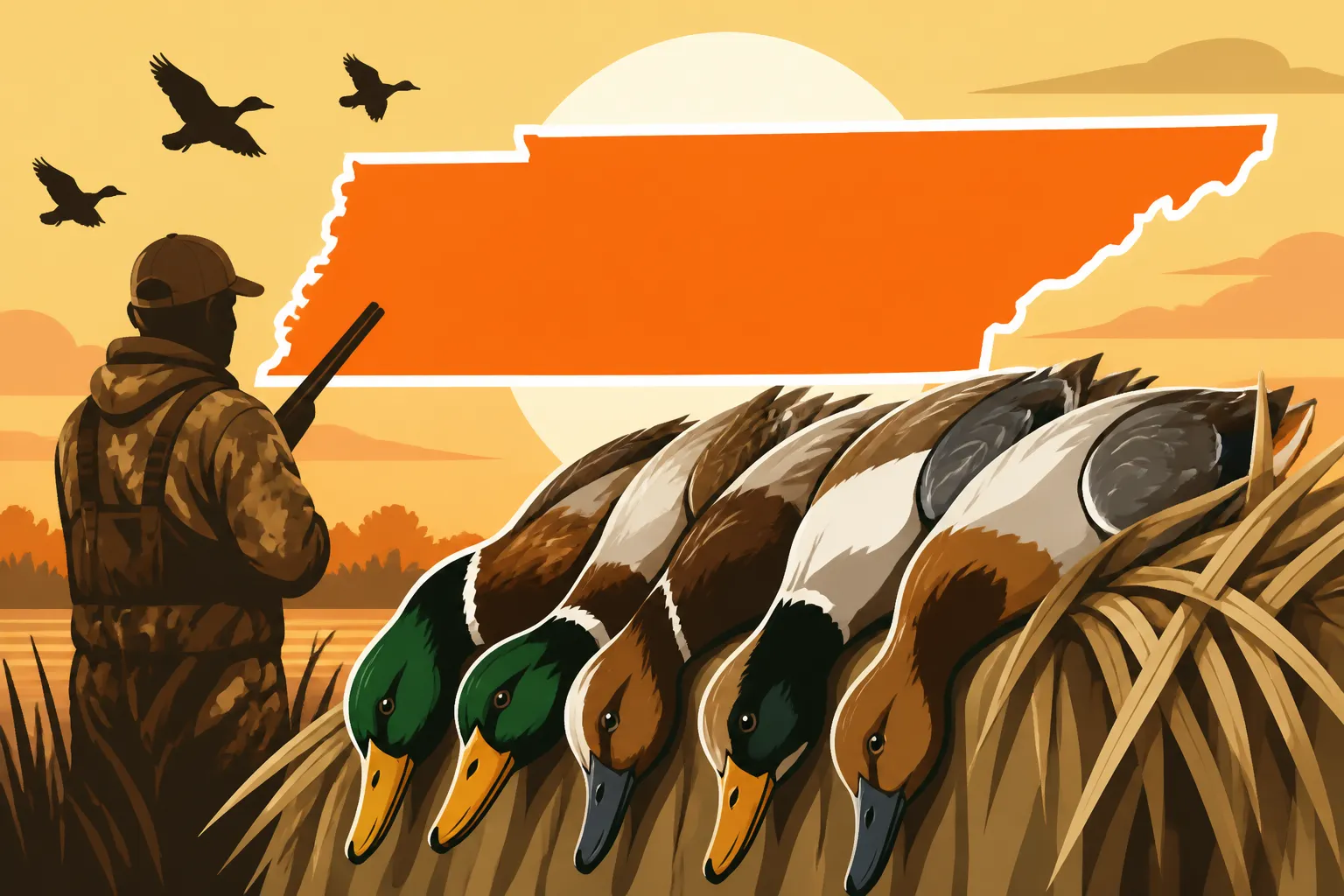
- Mallards: Often, the daily limit for mallards is four, with a further restriction that only two of those can be hens. Mallards are a staple for many duck hunters, but the hen restriction is crucial for population management.
- Black Ducks, Pintails, and Mottled Ducks: These species are often more heavily restricted, with daily limits typically being one bird. Their populations require careful monitoring, and overharvesting can have a significant impact.
- Wood Ducks: Known for their striking colors, wood ducks usually have a daily limit of two. They're common in Tennessee's bottomland areas and a prized bird for many.
- Redheads, Scaup, Canvasbacks: Diving ducks like these also have specific limits, often two or three, depending on the species and yearly population assessments.
- Other Ducks (Gadwall, Wigeon, Shovelers, Green-winged Teal, Blue-winged Teal, Ring-necked Ducks, etc.): Many other duck species fall under a more general category, contributing to the overall daily bag limit once the specific species limits are met.
It’s your responsibility as a hunter to be able to identify your ducks in flight, or at least before you shoot. This takes practice and a good understanding of waterfowl identification. Many seasoned hunters will tell you they pass on certain shots if they can't make a positive ID, precisely to avoid an accidental over-limit on a restricted species. You can find up-to-date information on species-specific limits in the official TWRA migratory bird guide each year. This guide also details important distinctions for the Tennessee Waterfowl Zones and Seasons, which can vary across the state.
Here’s a simplified table of common duck species and their typical daily limits within the overall bag for the Reelfoot Zone. Please note: these limits can change annually, so always consult the most current TWRA regulations.
| Duck Species | Typical Daily Bag Limit (within overall daily limit) |
|---|---|
| Mallard | 4 (only 2 hens) |
| Black Duck | 1 |
| Pintail | 1 |
| Canvasback | 2 |
| Redhead | 2 |
| Wood Duck | 2 |
| Scaup (Bluebill) | 2 |
| Gadwall | Generally included in remaining overall bag |
| American Wigeon | Generally included in remaining overall bag |
| Shoveler | Generally included in remaining overall bag |
| Green-winged Teal | Generally included in remaining overall bag |
| Blue-winged Teal | Generally included in remaining overall bag |
Why Reelfoot Lake Has Unique Waterfowl Hunting Rules
Reelfoot Lake isn't just any body of water; it’s a geological marvel born from a series of earthquakes in the early 19th century, creating a vast, shallow, cypress-filled depression that is unlike almost anything else in the country. This unique ecosystem, coupled with its position on the Mississippi Flyway, makes it an absolutely critical staging and wintering ground for millions of migratory waterfowl. Because of its ecological significance and its immense popularity with hunters, Reelfoot has developed a set of specific regulations and management strategies that can sometimes differ from other waterfowl hunting areas in Tennessee.
One of the primary reasons for these unique rules is conservation and preservation. The lake is a National Natural Landmark and much of it falls under the purview of the Reelfoot National Wildlife Refuge and the Reelfoot Lake State Park, as well as being managed by the TWRA. This multi-layered management aims to protect the fragile ecosystem and ensure that waterfowl populations remain healthy for generations to come. The significant hunting pressure it receives also necessitates tighter controls to prevent overharvesting. Hunters looking to enjoy this unique experience often need to navigate additional permits, like The Reelfoot Preservation Permit, which helps fund management efforts.
Another factor is the historic hunting culture surrounding Reelfoot. For well over a century, Reelfoot Lake has been a premier destination for duck hunters, drawing enthusiasts from across the country. This long history has shaped specific traditions and practices, some of which are reflected in the regulations. For instance, specific blind site regulations and seasonal access rules are designed to manage the high volume of hunters and distribute pressure. The unique character of Reelfoot Lake WMA Duck Blind Access is a testament to this tradition and careful management.
Furthermore, the shallow water and cypress timber environment require specific considerations. Unlike deep-water impoundments or river systems, Reelfoot's unique habitat means that certain methods of hunting, such as specific boat types or decoy spreads, might be restricted to minimize disturbance to resting birds or damage to the environment. All these factors combine to create a regulatory framework that is tailored specifically to Reelfoot, ensuring both its ecological health and its continued legacy as a world-class waterfowl hunting destination.
Resources for Staying Up-to-Date on Reelfoot's Limits
Navigating the various rules and regulations for waterfowl hunting, especially in a unique area like Reelfoot Lake, can feel overwhelming. But thankfully, there are excellent resources available to keep you informed and ensure you're always in compliance. Staying current is key, as bag limits and season dates can be adjusted annually based on biological data and management goals.
The most important resource, without a doubt, is the Tennessee Wildlife Resources Agency (TWRA). They are the governing body for hunting in the state, and their website (tn.gov/twra) is an invaluable hub of information. Every year, they publish a comprehensive Waterfowl Hunting Guide, which details all season dates, bag limits, shooting hours, legal methods, and specific rules for zones like Reelfoot. You can typically find this guide online as a downloadable PDF, or pick up a physical copy wherever hunting licenses are sold. Always make it a point to review the current year's guide before heading afield, as rules are subject to change.
Beyond the official TWRA publications, modern technology offers fantastic tools. Many hunters find digital mapping and information apps to be incredibly helpful. An app like GoHunt can be a real game-changer for staying informed and organized. While GoHunt is generally known for its Western big game focus, many similar comprehensive hunting apps often incorporate state regulations, WMA boundaries, and even real-time updates when available. For instance, before a hunt, you could cross-reference the TWRA regulations with a scouting app to visualize specific zones or access points, ensuring you’re adhering to all rules for Hunting the Reelfoot Lake Duck Blinds or any other area.
Here are a few other reliable ways to stay informed:
- Subscribe to TWRA Email Alerts: Many state agencies offer email newsletters or alert systems that notify hunters of regulation changes, season announcements, and other pertinent news. This is a passive but effective way to ensure you don't miss critical updates.
- Visit a Local TWRA Office: If you prefer face-to-face interaction or have very specific questions, a visit to a regional TWRA office can provide direct answers from wildlife officers or staff. They often have local knowledge that can be incredibly helpful.
- Talk to Experienced Local Hunters: While always double-checking with official sources, connecting with local hunters who frequent Reelfoot can offer practical insights into how regulations are applied on the ground and common mistakes to avoid. They can also share tips on Waterfowl Gear for Reelfoot Lake that comply with local rules.
- Online Forums and Communities: Be cautious with these, as information can sometimes be outdated or incorrect. However, active online communities dedicated to Tennessee hunting can be a good place to ask questions and learn from others, but always verify critical information with TWRA.
Remember, having your Tennessee Federal Duck Stamp Requirement and Tennessee HIP Certification for Bird Hunters in order is just as important as knowing your bag limits. Using a reliable tool like GoHunt to mark your blind locations or navigate the lake while being mindful of current regulations can make your Reelfoot experience safer and more successful. By utilizing these resources, you can ensure your waterfowl hunting adventures at Reelfoot Lake are not only productive but also fully compliant with all state and federal guidelines.
Disclaimer
Always consult the official Tennessee Wildlife Resources Agency (TWRA) regulations for the most current and accurate hunting laws and bag limits. This guide provides general information and should not be considered a substitute for official legal documentation.