Tennessee Deer Damage Permits for Farmers
It’s a heartbreaking reality for many farmers across our beautiful state: you pour your sweat and capital into planting crops, nurturing young timber, or maintaining pastures, only to watch deer systematically decimate your hard work. This isn't just about a few nibbled leaves; it's about significant economic loss and the profound frustration of seeing your livelihood impacted by wildlife. This guide is here to walk you through Tennessee’s deer damage permit program, a crucial tool provided by the Tennessee Wildlife Resources Agency (TWRA) to help landowners mitigate the severe impact of deer on agricultural operations and property.
Understanding the Problem: Why Deer Damage Hits Hard
For generations, Tennessee’s farmers have been the backbone of our communities, working tirelessly to put food on our tables and manage our landscapes. But anyone who’s spent a season growing corn near a hardwood block or tending a young orchard knows the sinking feeling of discovering widespread deer damage. It's not just an annoyance; it’s a direct hit to the bottom line, turning potential profits into costly losses. The reality is, while we appreciate our healthy deer herds, their browsing habits can wreak havoc on certain agricultural ventures.
The Economic Strain on Farm Operations
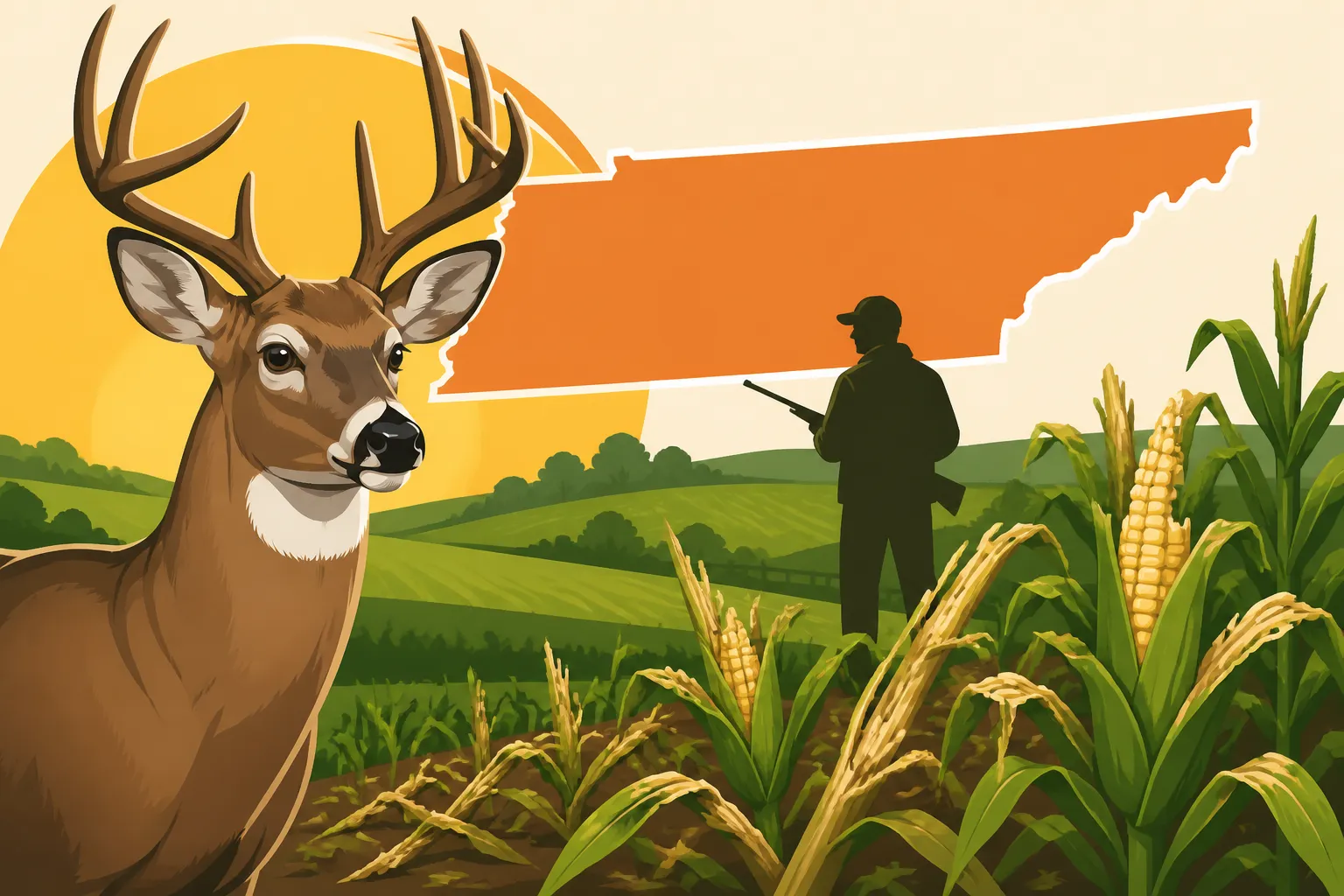
Imagine you're a farmer in Rutherford County, specializing in row crops like soybeans or corn. You've invested heavily in seed, fertilizer, and countless hours of labor. Then, as the plants emerge or reach critical growth stages, you start seeing tell-tale signs: entire rows of corn stalks stripped of their ears, or young soybean plants browsed down to the nub. This isn't just cosmetic; it directly reduces your yield per acre, which translates into less product to sell at market. For a small farm, these losses can be devastating, sometimes pushing a season into the red. It’s not just the lost yield, either; there’s the cost of trying to deter them, the fuel spent checking fields, and the sheer mental toll of seeing your efforts undone.
Beyond Crops: Damage to Land and Livestock
Deer damage isn't confined to row crops. Think about the apple orchards lining the slopes of the Cumberland Plateau, or the nascent timber stands in East Tennessee. Young fruit trees are particularly vulnerable, not just to browsing, but to antler rubbing by bucks preparing for the rut or simply marking territory. A buck can girdle a young tree in minutes, effectively killing it. This can set back years of investment in an orchard. Fences around hay fields or livestock pastures can also be damaged by deer jumping or pushing through, requiring costly repairs. While less common, the increased interaction between deer and livestock can also raise concerns about disease transmission, though this is usually secondary to the direct economic hit. Ultimately, the cumulative effect can impact the entire farm's viability and a farmer’s peace of mind.
Tennessee's Deer Damage Permit Program Explained
Recognizing the very real challenges faced by agricultural producers, the TWRA has established a deer damage permit program. This isn't a free-for-all hunting opportunity; it's a carefully managed program designed to provide relief to landowners whose property is suffering significant damage from deer, especially outside of regular hunting seasons or beyond typical bag limits. It’s a tool to help balance the health of our deer herd with the critical needs of our agricultural industry.
Eligibility and Application Process
So, who can even apply for one of these permits? Essentially, if you’re a landowner, agricultural producer, tenant, or an authorized agent managing property in Tennessee and experiencing significant deer damage, you are likely eligible to inquire. The first step is crucial: you need to contact your local TWRA regional office. Don’t just show up; a phone call or email is best. A wildlife officer will then be assigned to assess the damage on your property. This assessment is key – they'll look at the type of damage, its extent, and what measures you've already attempted to mitigate it (like fencing or repellents, if practical). They want to see that you're genuinely experiencing a problem that warrants intervention beyond the regular hunting seasons. It’s a detailed process because these permits are serious management tools, not just an extra tag. You'll need to provide details about your property, the crops or timber being impacted, and the history of the problem.
Types of Permits and Their Limitations
Deer damage permits aren't a one-size-fits-all solution. The TWRA officer, after assessing your situation, will determine the most appropriate type of permit. Typically, these permits are issued for the take of antlerless deer, as does are the primary drivers of population growth. The permits will specify a certain number of deer that can be harvested, a timeframe for the harvest, and the method of take, which often includes firearms or archery equipment. In some instances, depending on the severity and location of the damage, permits might allow for night hunting under strict supervision and conditions. It's important to understand that these permits come with very specific limitations on where the deer can be taken and often require immediate reporting. The goal is always targeted damage control, not recreational hunting. You might be issued a permit to remove five antlerless deer from a specific field over a two-week period, for example, using a particular method.
Navigating the Permit Requirements and Ethical Considerations
Once a deer damage permit is issued, the responsibility falls squarely on the permittee to adhere to all the conditions set forth by the TWRA. This isn't a suggestion; it's a legal obligation. These permits are an extension of the state's wildlife management efforts, and every action taken under them must be in accordance with the regulations.
Operational Guidelines and Reporting
The permit will clearly outline the specific legal methods of take allowed. While many permits allow the use of traditional firearms or archery equipment, any special conditions, like night hunting, will be extremely detailed and often require a TWRA officer present or specific authorization. A critical aspect of holding a damage permit is the reporting requirement. Every deer harvested under the permit must be reported to the TWRA, often through the same online system used for regular season harvests. For those in a Tennessee's Chronic Wasting Disease Management Zone, there will be additional requirements, such as mandatory testing for CWD, and strict rules regarding carcass transport and Deboning Venison Before Leaving the CWD Zone. Understanding and meticulously following these reporting rules is non-negotiable and helps the TWRA manage the herd effectively. It's also vital to consider proper disposal of deer carcasses, especially if you're harvesting multiple animals.
Ethical Stewardship and Community Impact
While deer damage permits are issued to alleviate agricultural losses, it's essential to approach the task with ethical considerations. The primary purpose is damage control, and while utilizing the meat is often a natural and encouraged outcome, this is not a recreational hunt. If you're enlisting the help of other hunters under your permit, ensure they understand and respect these guidelines. Communication with neighboring landowners is also key, particularly if your damage mitigation efforts involve activities that might be unusual outside of regular hunting hours. Being a good neighbor and explaining your situation can prevent misunderstandings. By carefully managing deer populations in problem areas, these permits contribute to the overall health and balance of the deer herd, preventing localized overpopulation that can lead to unhealthy animals and further habitat degradation.
Beyond Permits: Holistic Deer Damage Management
While deer damage permits are an invaluable tool, they are often just one piece of a larger puzzle. A truly effective long-term strategy for managing deer damage on your farm often involves a combination of methods, integrating permits with preventative measures and leveraging regular hunting seasons. Thinking holistically can save you stress and money in the long run.
Proactive Damage Prevention Strategies
Before deer damage becomes overwhelming, or in conjunction with a damage permit, there are several proactive measures you can implement. Fencing is perhaps the most effective, though often the most expensive solution. An 8-foot high woven wire fence can be incredibly effective, but the cost per acre can be prohibitive for large fields. Electric fences, especially multi-strand designs, can be a more economical alternative for protecting smaller, high-value crops or orchards. Repellents, which often use scent or taste deterrents, can offer temporary relief for small garden plots or young trees but are rarely practical or cost-effective for large-scale agricultural operations. Similarly, scare devices like noisemakers or effigies tend to have very limited, short-term effectiveness as deer quickly habituate to them. For those with smaller, sensitive areas, however, these can be worth exploring. Learning about Hunting Small Private Tracts in Tennessee can also help develop a strategy to reduce deer pressure on your property.
Leveraging Regular Hunting Seasons and Hunter Access
One of the most powerful, and often overlooked, tools for managing deer populations and reducing damage is simply allowing more hunters access during the regular seasons. Tennessee has a generous Tennessee Deer Season Structure Explained that includes archery, muzzleloader, and gun seasons, often with opportunities for Filling a Three-Antlerless DMU Limit. By encouraging hunters to harvest antlerless deer on your property, you can significantly reduce the local population pressure. This means fewer mouths browsing your crops and fewer deer overall to cause damage. Building good relationships with responsible hunters and providing them access can be a win-win, benefiting both your farm and their pursuit. Thinking about How Tennessee's Deer Season Runs Archery to January can help you plan when hunters might be most effective. Many landowners find that posting their property, then inviting trusted individuals, helps manage access while still reducing deer numbers.
Understanding Deer Behavior and Habitat
To truly mitigate deer damage, it helps to think like a deer. Understanding their movement patterns, preferred food sources, and bedding areas in relation to your property is crucial. Deer are creatures of habit and will gravitate towards the easiest food source. Your lush agricultural fields can become an irresistible buffet. Utilizing tools like satellite imagery or digital mapping applications (many farmers find platforms like GoHunt invaluable for this) can help you identify common deer travel corridors, pinch points, and where they might be staging before entering your fields. Knowing this information allows you to place deterrents or focus hunting pressure in the most effective areas. You can also glean insights from methods like Scouting Tennessee Public Land Before Season and Reading Aerial Photos for Cumberland Plateau Deer to apply to your private land.
Here’s a quick overview of some common deer damage mitigation strategies:
| Strategy | Description | Pros | Cons | Effectiveness (Agricultural) |
|---|---|---|---|---|
| Damage Permit | TWRA-issued permit for specific deer removal outside season. | Targeted, effective for high-damage situations. | Requires TWRA assessment, strict rules, limited in scope. | High |
| Fencing | Physical barrier (woven wire, electric). | Highly effective, long-term solution. | Expensive, time-consuming to install, maintenance required. | Very High |
| Repellents | Sprays/granules with unpleasant taste/scent. | Easy to apply (small areas), non-lethal. | Limited effectiveness on large scale, need frequent reapplication, can be washed away. | Low to Medium |
| Scare Devices | Motion-activated lights, noisemakers, effigies. | Non-lethal, may deter temporarily. | Deer habituate quickly, can be costly for minimal long-term effect. | Low |
| Increased Hunting | Allowing more hunters during regular seasons. | Cost-effective, can reduce overall population, provides recreational value. | Dependent on hunter access/success, only during season, may not target specific problem deer. | Medium to High |
| Habitat Modification | Creating alternative food sources or cover away from crops. | Long-term solution, can improve overall property value. | Requires significant planning and land management, takes time to implement. | Medium (long-term) |
Remember, managing deer damage is an ongoing process. By combining the strategic use of TWRA deer damage permits with proactive prevention and intelligent use of regular hunting seasons, farmers can protect their livelihoods and continue to contribute to Tennessee’s rich agricultural heritage. For more information on license options for hunters who might help with control, check out Tennessee Resident Hunting License Options and other hunting resources, including those from partners like GoHunt who provide valuable mapping and scouting tools that can help identify deer movement patterns and problem areas around your farm. Knowing the general health and numbers of White-Tailed Deer Across Tennessee and specifically your county's Tennessee Deer Population Estimate can also help inform your strategy. Sometimes, understanding Why West Tennessee Grows Big Bucks can even shed light on the pressure some agricultural areas face.
Disclaimer
Please remember that hunting regulations, license requirements, and permit programs can change. Always consult the official Tennessee Wildlife Resources Agency (TWRA) website or contact your local TWRA office directly for the most current and accurate information before undertaking any hunting or wildlife management activities. This guide is for informational purposes only and should not be considered legal advice.