Tennessee’s Chronic Wasting Disease Management Zone
For hunters in Tennessee, few topics bring more anxiety and confusion than Chronic Wasting Disease (CWD). The ever-changing maps, the restrictions on moving your hard-earned harvest, and the looming threat to our deer herd can feel overwhelming. This comprehensive guide aims to cut through the noise, offering clear, empathetic, and up-to-date information on navigating Tennessee’s CWD Management Zone so you can hunt with confidence and contribute to the health of our wildlife.
Understanding Chronic Wasting Disease: The Basics
Chronic Wasting Disease (CWD) is one of those phrases that can send a shiver down a hunter's spine. It's a neurological disease that affects cervids – that's deer, elk, and moose, for us folks here in Tennessee. What makes CWD so concerning isn't just its impact on individual animals, but its potential to dramatically alter the future of deer hunting as we know it. It’s a truly insidious disease, and understanding its fundamentals is the first step toward confronting it effectively.
What CWD Means for Deer and Elk
Imagine a disease that slowly and relentlessly attacks an animal's brain, causing it to lose weight, become disoriented, drool excessively, and eventually, always, lead to death. That's CWD in a nutshell. It's caused by abnormal proteins called prions, which accumulate in the brain and other tissues. These prions literally convert normal proteins into more abnormal ones, creating a devastating chain reaction. For deer and elk, this means a drawn-out decline, typically over several months, marked by neurological symptoms that worsen over time. There's no cure, no vaccine, and once an animal contracts it, its fate is sealed. It's heartbreaking to think about, and it's why the Tennessee Wildlife Resources Agency (TWRA) takes it so seriously – and why we, as hunters, need to as well.
This isn't just about individual animals, though. Widespread CWD could lead to declining deer populations, reduced herd health, and, consequently, fewer hunting opportunities. Our shared passion for White-Tailed Deer Across Tennessee and our nascent Tennessee's Restored Elk Herd could be severely impacted. The economic ripple effects on local communities that rely on hunting tourism are also a real concern. It's a complex problem that touches every aspect of wildlife management and outdoor recreation.
How CWD Spreads and Persists
One of the most frustrating aspects of CWD is how incredibly resilient and stealthy it is. The prions aren't bacteria or viruses; they're incredibly tough and can persist in the environment for years, even decades. This means that a deer doesn't even need to touch an infected animal to contract the disease. Infected deer shed prions through saliva, urine, and feces, contaminating the soil, plants, and water sources. Other deer then pick up these prions from the environment, completing the cycle. Imagine a deer rubbing its antlers on a tree or browsing on vegetation where an infected animal has left its mark – that's a potential transmission point.
The long incubation period also makes CWD a silent killer. An infected deer can appear perfectly healthy for months, even a year or more, all while shedding prions and potentially spreading the disease without anyone knowing. This makes early detection and containment incredibly challenging. This persistence in the environment is why management strategies often focus on limiting deer density and restricting the movement of deer carcasses, to prevent the spread of these tough prions to new areas. It’s a fight against an invisible enemy that simply won’t give up easily.
Why Hunters Are on the Front Lines
When it comes to CWD, hunters aren't just bystanders; we are absolutely on the front lines. Our actions, both in the field and after a harvest, play a critical role in slowing the spread and managing the disease. We are the eyes and ears of the TWRA, often the first to observe sick animals or to harvest deer that may be carrying the disease. It can feel like a heavy burden, adding another layer of complexity to an activity we cherish for its simplicity, but it's a responsibility we must embrace.
Every time we follow carcass movement restrictions, submit a deer for testing, or report a sick animal, we're contributing to a massive, statewide effort. The data collected from hunter-submitted samples is invaluable for understanding the prevalence and geographical spread of CWD. Without this crucial cooperation, wildlife agencies would be fighting blind. So, while the regulations can sometimes feel like an inconvenience, remember that they are direct responses to a serious threat, and your compliance is vital for the long-term health of Tennessee's deer herd. We're all in this together, and our commitment is key to protecting our hunting heritage.
Mapping the CWD Management Zone in Tennessee
The CWD Management Zone (CMZ) is arguably the most impactful part of CWD for the average hunter. It dictates what you can and cannot do with your harvest, where you can move it, and often, how you hunt. It's not a static line on a map; it's an evolving area based on where CWD has been detected and where the risk of spread is highest. Keeping up with these boundaries can be a real headache, especially if you hunt near the edges.
Identifying CWD-Positive and High-Risk Counties
Tennessee’s CWD journey started in the western part of the state, and that’s where the most stringent regulations typically apply. When a county has confirmed positive cases of CWD in its deer population, it’s designated as a CWD-Positive county. Adjacent counties that don't yet have confirmed cases but are at high risk due to their proximity to positive areas are then often designated as High-Risk counties. This distinction is crucial because the rules, particularly regarding carcass movement and mandatory testing, can differ slightly between these categories, though often, the regulations become unified over time to simplify enforcement and ensure maximum protection.
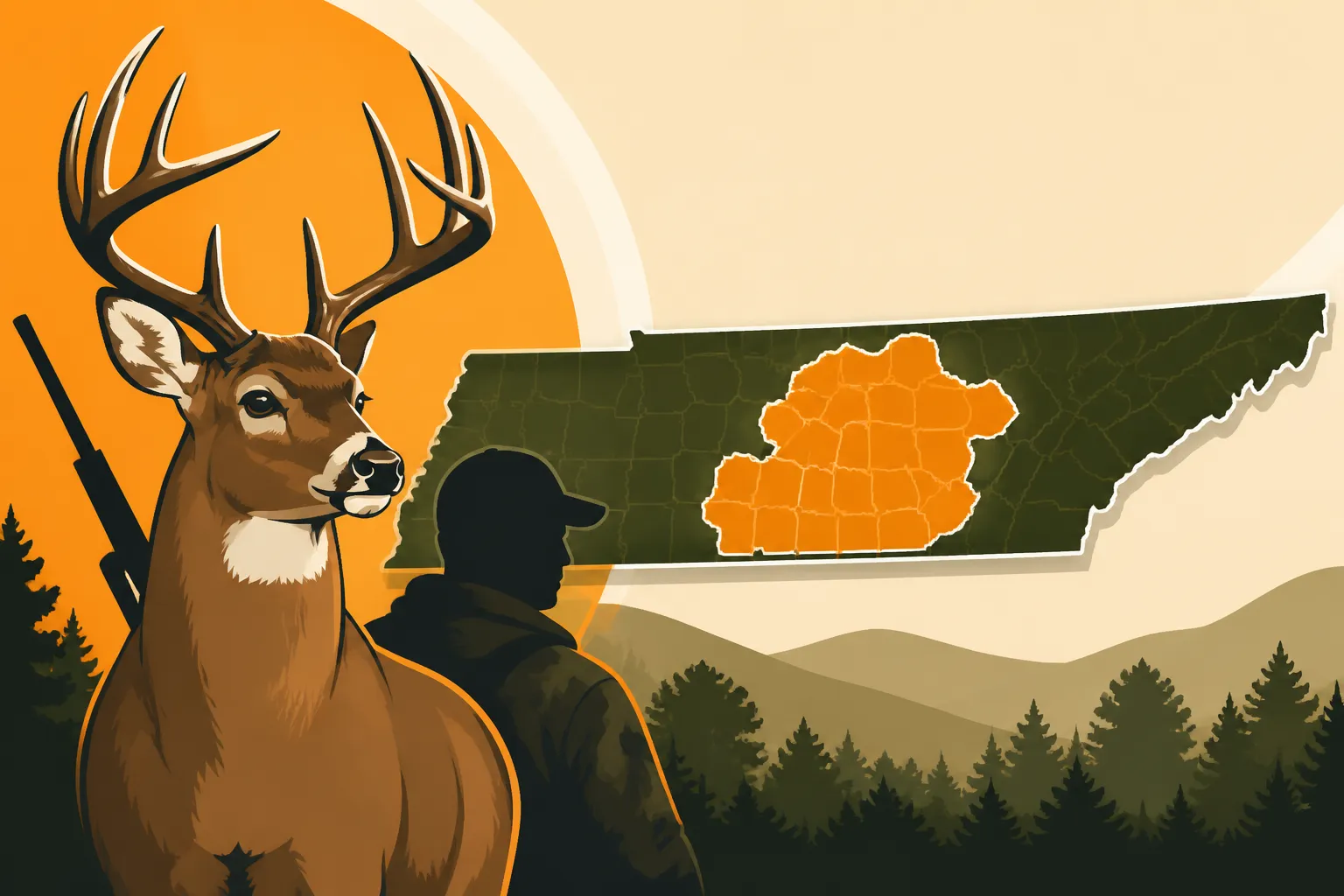
Currently, the CWD Management Zone encompasses a significant portion of West and parts of Middle Tennessee. For example, counties like Fayette, Hardeman, and McNairy were some of the first to be designated CWD-positive, leading to a cascade of surrounding counties entering the High-Risk category. This means that if you hunt in, say, Henderson County or Chester County, even if no CWD has been found within that county yet, you're still under the CMZ rules because of the threat from neighboring areas. It's a proactive measure, frustrating as it might be, to try and contain the disease before it establishes itself further. Keep an eye on the TWRA's official website or the GoHunt app for the most current county designations.
How the Zone Expands Over Time
The unfortunate reality of CWD is that it tends to spread, albeit slowly, and as it does, the CWD Management Zone must expand with it. This isn't a punitive measure; it's a necessary response to new detections. When CWD is confirmed in a new county, that county typically becomes CWD-Positive, and its surrounding neighbors are then re-evaluated for High-Risk status. This creates a kind of ever-growing concentric circle effect, slowly creeping across the landscape. We saw this progression firsthand as How CWD Spread East From West Tennessee, impacting more and more of our hunting grounds.
This expansion means that a county that was outside the CMZ one season might be squarely within it the next. This constant change is incredibly challenging for hunters to keep track of, and it’s a source of much frustration. You might plan your hunt, only to find the rules have shifted since last year. It underscores the importance of checking the TWRA’s official CWD map and regulations annually, or even more frequently, especially as the season approaches. Never assume the boundaries are the same as last year; doing so could lead to accidental violations and contribute to the disease's spread.
Navigating the Interactive CWD Map
The TWRA understands that a static map isn't enough to keep hunters informed about the dynamic CWD situation. That's why they provide interactive maps on their website, which are invaluable tools. These maps clearly delineate CWD-positive and high-risk counties, sometimes even showing specific boundaries within counties if necessary. You can often zoom in, search for specific locations, and get the most up-to-date information directly from the source.
Many hunters also find third-party apps and digital mapping tools, like the GoHunt app, incredibly useful for this purpose. While not official TWRA tools, these platforms often integrate TWRA data, allowing you to see your current location relative to CWD zones in real-time, which is a game-changer when you're in the field and unsure. However, always double-check against the official TWRA map for the definitive word. Familiarizing yourself with these digital resources before the season, and even saving relevant sections offline for areas with poor cell service, can save you a lot of headaches and ensure you're always hunting within the current regulations.
Mandatory Hunter Requirements and Restrictions
Hunting in Tennessee's CWD Management Zone isn't just about following the season dates and bag limits anymore; there's a whole new set of rules you need to adhere to. These requirements are in place to directly combat the spread of CWD prions, which are incredibly persistent and can travel with harvested deer. Navigating these rules can be complex, and understanding them perfectly is crucial to avoid violations and, more importantly, to do your part in managing the disease.
Carcass Importation and Movement Rules
This is perhaps the most critical and often misunderstood regulation in the CWD zone. The primary goal is to prevent CWD-infected carcasses or parts from moving out of the zone and into uninfected areas, or from one infected area to another, potentially spreading new strains or increasing prevalence. If you harvest a deer within the CWD Management Zone, you generally cannot transport the whole carcass, or even certain high-risk parts, out of that zone.
Here's the gist: you can move the following parts out of the CWD zone:
- Deboned meat
- Antlers, skulls, and skull plates that have had all brain tissue removed (this means a clean skull or European mount is usually fine, but a fresh velvet antler attached to a skull cap with brain matter is not)
- Hides and capes that are free of any attached tissue
- Finished taxidermy products
What you cannot move out of the zone:
- Whole carcasses
- Heads (unless brain tissue is fully removed and cleaned)
- Spinal columns
- Internal organs (with the exception of cleaned edible portions like heart and liver)
This means if you're hunting in a CWD-positive county like Madison or Crockett, and you live outside the zone, you need to either process your deer entirely within the zone before leaving, or take it to a licensed processor within the zone. The same applies if you're traveling through the zone; you can't just stop and pick up a whole deer from a friend and drive it through. It's about containing those prions. Understanding Moving Deboned Venison Out of the CWD Zone is essential for compliance.
Mandatory CWD Testing for Harvested Deer
In certain CWD-positive or high-risk counties, or during specific timeframes, mandatory CWD testing for harvested deer is enforced. This isn't just a suggestion; it's a requirement. The TWRA uses this data to track the prevalence and spread of the disease, guiding their management decisions. It can feel like an extra chore after a successful hunt, but remember, this information is vital for the long-term health of the herd.
When mandatory testing is in effect, you’ll typically be required to take your harvested deer, or at least its head, to a designated CWD sampling station. These stations are often set up at specific TWRA offices, check stations, or even at some private processors in the affected counties. The TWRA personnel will collect a lymph node sample, which is then sent to a lab for analysis. They'll usually give you instructions on how to access your results online. While waiting for results, you can generally proceed with processing your deer as usual, but you're usually not allowed to transport the high-risk parts out of the CWD zone until negative results are confirmed if that's a rule in place. Always consult the most current TWRA regulations for specifics on Tennessee CWD Testing for Hunters.
Feeding and Attractant Bans in the Zone
Another significant restriction within the CWD Management Zone is the ban on feeding and using certain attractants for deer. This might seem counterintuitive at first glance, but it's a critical measure. The logic is simple: when deer congregate at a feeder or mineral site, they increase nose-to-nose contact and deposit higher concentrations of saliva, urine, and feces in a small area. If even one deer is CWD-positive, this creates a hotbed for prion transmission.
The ban typically covers:
- Artificial feeding: Placing out corn, protein pellets, or any other feed designed to attract deer.
- Mineral and salt blocks: While natural, these also attract deer and create congregation points.
- Baiting for hunting: Using any food, mineral, or other substance to lure deer for the purpose of hunting.
It's important to note that this ban generally does not apply to normal agricultural practices, food plots planted for wildlife, or incidental feeding of wildlife in urban/suburban areas (like bird feeders, as long as it's not attracting deer). However, using a feeder to attract deer to your stand is a definite no-go. This rule is a tough pill to swallow for many hunters who have relied on these methods for years, but it's a direct response to the way CWD spreads. Compliance here is about reducing unnatural congregation and minimizing disease transmission opportunities.
The Earn-a-Buck Program: A Management Tool
The Earn-a-Buck (EAB) program is a prime example of how the TWRA is using innovative, hunter-driven strategies to combat CWD. It’s a mechanism designed to increase the antlerless harvest in CWD-positive counties, which is a key component of managing the disease. It can feel like an extra step, but understanding its purpose and how to participate effectively can actually provide you with more hunting opportunities and help the overall effort.
Earning Additional Antlerless Tags
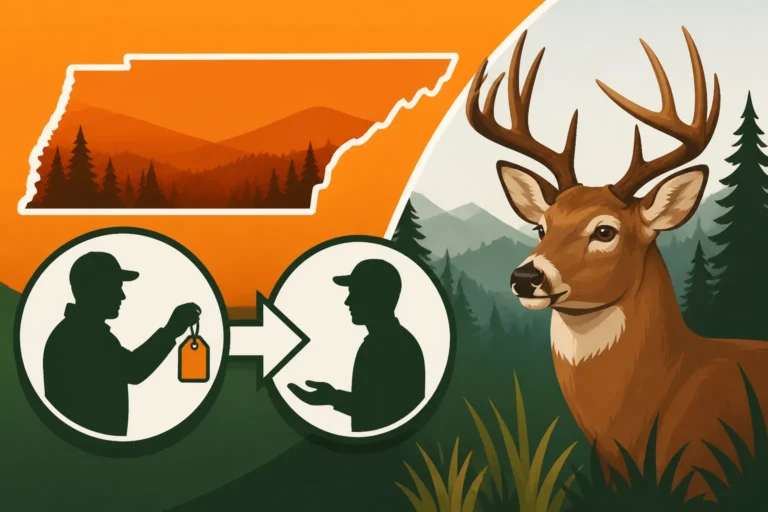
The core concept of the Earn-a-Buck program is straightforward: in specific CWD-positive counties (check the current regulations for exact locations), hunters who harvest an antlerless deer and submit it for CWD testing can then "earn" an additional antlered deer tag. This isn't just about getting more deer; it's a strategic move to reduce overall deer density in areas where CWD is present. Lower deer density can help slow the spread of the disease by reducing contact rates between animals and potentially diminishing the concentration of prions in the environment.
So, for example, if you hunt in an Earn-a-Buck county and have already filled your statewide antlered deer limit, harvesting an antlerless deer and submitting it for testing might allow you to then legally harvest another antlered buck within that designated county. This provides an incentive for hunters to focus on antlerless deer, which are crucial for population control. It effectively turns a necessary management action into an opportunity for hunters, making participation more appealing. It's a win-win: you get more chances to hunt, and the TWRA gets valuable data and population reduction. This kind of flexibility is key to Tennessee's Deer Season Structure Explained.
Submitting Samples for Earn-a-Buck
To participate in the Earn-a-Buck program, the process is similar to mandatory CWD testing. After harvesting an antlerless deer in a designated EAB county, you need to report your harvest to the TWRA as usual. Then, you'll take the deer's head (or the entire carcass, depending on the specific sampling station's requirements) to an official CWD sampling station. These stations are usually well-marked and staffed by TWRA personnel or volunteers.
At the station, a sample (typically lymph nodes) will be collected for CWD testing. It’s crucial to follow all instructions provided at the sampling station to ensure your sample is correctly submitted and linked to your harvest report. Once the sample is collected and processed, and a negative CWD result is returned (which is usually a prerequisite for earning the tag, depending on specific program rules), the additional antlered tag will typically be issued to you electronically or confirmed through your online TWRA account. For more details on the exact mechanics, refer to How the Earn-a-Buck Program Works. Always confirm the specific requirements, as they can vary slightly by season and location.
Impact of the Program on Deer Management
The Earn-a-Buck program is more than just a way to give hunters extra tags; it's a vital component of Tennessee's CWD management strategy. By incentivizing the harvest of antlerless deer, it directly addresses the need to reduce overall deer populations in CWD-affected areas. Female deer are the engines of population growth, and reducing their numbers helps curb the overall deer density. This, in turn, can mitigate the spread of CWD by reducing the number of animals that can potentially shed prions and by lowering the chances of deer coming into close contact.
Furthermore, the program helps generate a significant volume of CWD test samples, providing the TWRA with more comprehensive data on disease prevalence and geographical spread. This data is indispensable for understanding the disease's trajectory and for making informed, science-based management decisions. While it might add a step to your hunting routine, your participation directly contributes to the long-term health and sustainability of Tennessee's deer herd, safeguarding hunting opportunities for generations to come. It's a testament to the idea that hunters are, indeed, the most effective conservationists when given the right tools and incentives.
Carcass Handling and Processing Best Practices
Once you've successfully harvested a deer in the CWD Management Zone, the real work, and the compliance, truly begins. Proper carcass handling isn't just about getting good venison; it's about preventing the spread of CWD prions. This means being meticulous and informed about where and how you process your animal. It's a bit different than the old days of just throwing a whole deer in the truck, but these practices are vital.
Field Dressing Safely in the CWD Zone
Field dressing your deer is often the first step after a harvest, and in the CWD Zone, it comes with specific considerations. The primary goal is to minimize the potential for spreading CWD prions into the environment where other deer can encounter them. CWD prions are most concentrated in the brain, spinal cord, lymph nodes, and spleen. While muscles (meat) are considered low-risk, it's still best to be careful.
Here are some best practices:
- Choose your spot wisely: If possible, field dress your deer where the gut pile can be left undisturbed and will decompose naturally. Avoid field dressing near water sources, trails, or areas frequently used by other deer or livestock.
- Wear gloves: Always wear disposable gloves when handling internal organs. This is good practice for general hygiene anyway, but especially important with CWD.
- Minimize disturbance: Try to keep the gut pile localized. Do not spread contents around.
- Consider a gutless method: Some hunters in CWD areas opt for a "gutless" field dressing method, where they remove quarters and backstraps without opening the body cavity. This leaves all internal organs intact, potentially concentrating the prions in one spot. This method is often preferred if you plan to bone out the deer immediately and leave the spine and organs where the deer fell, reducing spread. Field Dressing a Deer in Cold Weather can be a challenge, but these practices remain important.
- Clean your tools: Thoroughly clean and disinfect your knives, handsaws, and other tools after field dressing. A bleach solution (1 part bleach to 9 parts water) is effective on non-porous surfaces, but soap and water are a good start.
Remember, the aim is to leave as little CWD material as possible in the general environment where other deer might pick it up.
Deboning Requirements for Transport
This is arguably the most impactful regulation for hunters transporting deer out of the CWD Management Zone. If you harvest a deer in a CWD-positive or high-risk county and want to take the meat home to a non-CWD county, you must debone the carcass before crossing the zone boundary. This means separating all muscle tissue from bone, spinal column, and brain matter.
Why is this so strict? Because the prions are concentrated in nervous system tissues and bone marrow. By deboning, you remove the highest-risk parts, leaving only the "clean" meat. This can be a time-consuming and messy process, especially if you're not accustomed to it, but it's non-negotiable for lawful transport. Many hunters opt to bone out their deer right where they killed it, or at a local processing facility within the CWD zone.
What you can transport:
- Deboned meat
- Antlers, skulls, and skull plates with all brain and nervous tissue removed (typically by boiling or power washing)
- Clean hides and capes (no attached tissue)
- Finished taxidermy mounts
What you cannot transport:
- Whole carcasses
- Deer heads with brain tissue present
- Spinal columns or bones with marrow
- Organs (except thoroughly cleaned heart and liver)
This rule on Deboning Venison Before Leaving the CWD Zone is perhaps the most direct way hunters prevent accidental spread, so learning to properly debone a deer is a valuable skill if you hunt in these areas.
Processor and Taxidermist Guidelines
Licensed processors and taxidermists within the CWD Management Zone play a crucial role in helping hunters comply with regulations and preventing the spread of the disease. If you're not comfortable deboning your own deer, or simply prefer professional services, these businesses are your go-to. They are typically well-versed in the specific CWD rules and have protocols in place for handling carcasses from the CWD zone.
When choosing a processor or taxidermist, especially if you plan to transport parts out of the zone:
- Confirm their CWD protocols: Ask if they are familiar with and comply with all TWRA CWD regulations, particularly regarding carcass disposal and preparation for out-of-zone transport.
- Mandatory testing cooperation: Many processors in CWD counties also serve as official CWD sampling stations or facilitate the collection of samples. Confirm they can handle your deer for mandatory testing if required.
- Certification/Licensing: Ensure they are a reputable and licensed facility.
If you bring a deer from the CWD zone to a processor outside the zone, it's highly likely they will refuse it, as they are prohibited from accepting high-risk carcass parts from CWD-affected areas. Likewise, taxidermists need to ensure skulls are properly cleaned and brain tissue removed before preparing them. Don't be shy about asking questions; these professionals are partners in conservation, and their knowledge is invaluable for helping you navigate these complex rules. When you're dreaming of your mounted buck, you want to make sure the process adheres to all rules for a clean, legal trophy.
| CWD Management Zone Regulation | Description | Hunter Action Required |
|---|---|---|
| Carcass Movement | Prohibition on moving whole carcasses or high-risk parts (brain, spinal column, lymph nodes) out of the CWD Management Zone. | Debone harvested deer before transporting meat out of the zone. Skulls must be cleaned of all brain tissue. Hides/capes must be free of tissue. |
| Mandatory CWD Testing | In specific CWD-positive counties or during designated periods, all harvested deer must be submitted for CWD testing. | Take harvested deer (or head) to a designated CWD sampling station for sample collection. Report harvest and follow instructions. |
| Feeding/Attractant Ban | Prohibition on placing out any substance (corn, minerals, etc.) that attracts or concentrates deer, to reduce nose-to-nose contact and prion transmission. | Do not use any artificial feed, mineral blocks, or bait for deer within the CWD Management Zone. Food plots are generally exempt. |
| Earn-a-Buck Program | In designated CWD-positive counties, harvesting and submitting an antlerless deer for testing allows a hunter to earn an additional antlered deer tag. | Harvest antlerless deer, submit for CWD testing, and follow TWRA instructions to claim bonus tag. |
| Reporting Sick Deer | Hunters are encouraged to report any deer exhibiting signs of CWD (emaciation, drooling, neurological issues) to the TWRA. | Contact TWRA immediately if you observe a deer with CWD symptoms. Do not harvest a visibly sick animal unless directed by TWRA. |
Public Land Hunting in the CWD Zone
Hunting public land always presents its own unique set of challenges, from navigating crowds to finding prime habitat. Add the complexities of a CWD Management Zone into the mix, and it can feel even more daunting. Whether you're chasing deer in a Wildlife Management Area (WMA) or a section of the Cherokee National Forest within the zone, you need to be prepared for the specific rules and realities that come with it.
Hunting WMAs Within the CWD Zone
Many popular Wildlife Management Areas (WMAs) in Tennessee, especially in the western and parts of the middle regions, now fall partly or entirely within the CWD Management Zone. This means that all the CWD regulations – carcass movement, feeding bans, and potentially mandatory testing – apply to your hunt on these WMAs. You can't just assume WMA rules supersede CWD rules; they work in conjunction.
Before heading out to a WMA like Hatchie National Wildlife Refuge or other tracts in West Tennessee, always consult both the general WMA regulations and the current TWRA CWD proclamation. There might be specific WMA-level rules related to CWD, such as designated exit points where testing is mandatory, or even restrictions on where you can field dress an animal to minimize environmental contamination in high-traffic areas. Some WMAs might also be part of the Earn-a-Buck program, giving you more opportunities if you comply. Being informed about Hunting West Tennessee Bottomland Deer in these CWD-affected WMAs is critical for a successful and compliant hunt. Always check for signs at WMA entrances, as they will often have the most up-to-date information specific to that location.
Scouting and Prepping for CWD Zone Hunts
Scouting is fundamental to successful hunting, and in the CWD Zone, it takes on an added layer of importance. Beyond just finding deer sign, you're also looking for clues related to CWD and preparing for the logistics of a harvest. This requires a shift in mindset and sometimes, a little more gear. Using tools like the GoHunt app for scouting can give you an edge in understanding the terrain and potential deer movement, helping you identify strategic locations for both hunting and carcass handling.
When you're out scouting, pay attention to:
- Signs of sick deer: Be on the lookout for any deer that appear emaciated, disoriented, or are exhibiting unusual behavior. Report any such sightings to the TWRA immediately.
- Potential field dressing spots: Identify areas away from major trails or water where you could field dress a deer, keeping the gut pile localized.
- Access for extraction: Consider how you would extract a deer after harvest, especially if you need to transport it to a CWD sampling station or a processor within the zone. A deer cart or sled might be more essential than ever.
- CWD station locations: Before your hunt, know exactly where the nearest mandatory CWD sampling stations or designated drop-off points are. Plan your route from your hunting spot to these locations.
- No baiting: Remember the feeding and attractant ban. Your scouting will need to focus on natural food sources, travel corridors, and bedding areas, rather than relying on bait.
Scouting Tennessee Public Land Before Season is always important, but adding CWD considerations makes it even more so. Proper preparation can prevent a great hunt from becoming a logistical nightmare.
Navigating Checkpoints and Sampling Stations
On opening weekends or during peak hunting periods in the CWD Management Zone, particularly in high-traffic areas or near zone boundaries, the TWRA may set up checkpoints. These aren't meant to hassle hunters; they're vital for monitoring compliance with CWD regulations and collecting crucial data. Encountering one of these checkpoints should be expected, not a surprise.
When approaching a checkpoint or designated CWD sampling station:
- Be prepared: Have your hunting license, harvest tag, and any required permits readily available.
- Follow instructions: TWRA officers or volunteers will direct you on where to stop and what to do. Be courteous and cooperative.
- Present your harvest: If you have a harvested deer, be prepared to present it for inspection and potentially for CWD sampling. They will collect lymph nodes from the head.
- Ask questions: If you're unsure about any CWD regulations, this is an excellent opportunity to ask official personnel for clarification. They are there to help educate and ensure compliance.
Similarly, if you've harvested a deer in an area with mandatory testing, taking it to a sampling station is a non-negotiable step. These stations are the backbone of the TWRA's CWD surveillance program. Knowing where to find Finding a Tennessee CWD Sampling Station and understanding the process will make this necessary step much smoother. While it can add time to your post-harvest routine, remember that every sample contributes to understanding and fighting CWD, protecting our hunting future.
Future Outlook and Hunter Responsibilities
The presence of Chronic Wasting Disease in Tennessee is a somber reality, and it's a challenge that isn't going away anytime soon. It requires a long-term commitment from wildlife managers and, critically, from hunters. Looking ahead, our continued vigilance and adaptability will be paramount in mitigating CWD's impact on our cherished hunting traditions and the health of our wildlife.
The Long-Term Impact of CWD
It's impossible to predict the exact long-term trajectory of CWD in Tennessee, but we can look to other states that have grappled with the disease for longer. What's clear is that CWD has the potential to cause significant declines in deer populations over time, particularly if prevalence rates become high. We've seen this in areas of Wisconsin and Colorado, where localized deer populations have been severely impacted, leading to reduced hunting opportunities and altered ecosystems.
Beyond population numbers, CWD can also affect the age structure and health of the herd. Older bucks, which often represent the trophy potential many hunters seek, are statistically more likely to carry CWD due to their longer lifespan and increased exposure. A high prevalence could mean fewer mature, healthy bucks in the woods. The economic impact on rural communities that depend on hunting tourism and related industries could also be substantial. It's a sobering thought, but one that underscores the urgency of our collective efforts now to minimize these potential long-term consequences.
Staying Informed About Rule Changes
As CWD is a dynamic and evolving issue, so too are the regulations designed to combat it. The CWD Management Zone boundaries can shift, testing requirements might change, and new programs or restrictions could be implemented based on new scientific understanding or disease detections. What was true last season might not be true this season, and that can be a real source of frustration for hunters who just want to enjoy their time afield.
The best way to manage this is to make staying informed a regular part of your hunting preparation.
- Annual TWRA Proclamations: Always read the current year's hunting guide and CWD supplement. It's the official word.
- TWRA Website: Regularly check the Chronic Wasting Disease section of the TWRA website (tn.gov/twra). This is where updates are posted first.
- TWRA Social Media: Follow TWRA on platforms like Facebook and X (formerly Twitter) for timely alerts and news.
- Hunting Apps: Use reliable hunting apps, such as GoHunt, that integrate TWRA data and alerts to keep you informed about boundary changes or new testing requirements in your hunting areas. While these are helpful, always verify critical information with official TWRA sources.
Don't rely on word-of-mouth or assume the rules are static. A quick check before each season, and perhaps even before each hunt if you're near zone borders, can save you a lot of grief and ensure you're always hunting legally and responsibly.
Your Role in CWD Mitigation
Ultimately, the future of CWD management in Tennessee rests heavily on the shoulders of individual hunters. Government agencies can set rules and conduct research, but it's our collective compliance and active participation that truly makes a difference. This isn't just about following the law; it's about being a responsible steward of our wildlife resources.
Your role in CWD mitigation is broad and impactful:
- Know the Rules: Understand and strictly adhere to all CWD regulations regarding carcass movement, feeding bans, and testing requirements.
- Get Tested: Participate in mandatory or voluntary CWD testing programs. Every sample provides critical data.
- Report Sick Deer: Be vigilant and report any deer exhibiting CWD symptoms to the TWRA. This early detection is invaluable.
- Practice Ethical Field Dressing: Minimize the spread of prions by field dressing responsibly and deboning your deer in the CWD zone when necessary.
- Educate Others: Share accurate information with your fellow hunters and resist the spread of misinformation.
- Support TWRA: Understand that the TWRA is working hard to manage a challenging situation, and support their science-based efforts.
It's not easy, and it adds complexity to an activity we love for its simplicity. But by embracing our role as conservationists, we can collectively work to minimize the impact of CWD and ensure that Tennessee's Deer Herd Size remains healthy and robust for generations of hunters to come. Our hunting legacy depends on it.
Disclaimer
Please note that hunting regulations, including those pertaining to Chronic Wasting Disease, are subject to change. While every effort has been made to provide accurate and up-to-date information in this guide, it is the sole responsibility of the hunter to verify all current rules and regulations with the Tennessee Wildlife Resources Agency (TWRA) before participating in any hunting activity. This guide is for informational purposes only and does not constitute legal advice.