Finding a Tennessee CWD Sampling Station
Finding a CWD sampling station in Tennessee can feel like a scavenger hunt, especially when you've just put in all the hard work to harvest a deer. The last thing you want after a successful hunt, perhaps in a CWD-positive county, is to struggle with confusing instructions or outdated information on where to get your sample taken. This guide is here to walk you through exactly how to locate these crucial stations and navigate the Chronic Wasting Disease (CWD) testing process in our beloved Volunteer State, making it as straightforward as possible.
Understanding Why CWD Testing Matters in Tennessee
Let's face it, nobody wants to deal with extra steps after a hunt. But CWD isn't just another regulation; it's a serious threat to our deer herd and the hunting heritage we all cherish. Understanding why these sampling stations exist and why your participation is so important makes the effort a little easier to swallow.
The Spread of Chronic Wasting Disease in Tennessee
CWD is a scary thing. It's a fatal neurological disease that affects deer, elk, and moose. It's caused by misfolded proteins called prions, and once an animal gets it, there's no cure. What makes it particularly insidious is how it spreads—through direct contact between animals, and indirectly through saliva, urine, feces, and even carcass parts left in the environment. These prions can persist in the soil for years, making areas endemic with CWD incredibly difficult to manage.
Here in Tennessee, we first detected CWD in 2018 in Hardeman County in the southwestern part of the state. Since then, it has slowly but surely crept eastward, expanding its footprint. The Tennessee Wildlife Resources Agency (TWRA) has had to draw and redraw CWD Management Zones (CMZs) as new cases emerge. This isn't just about drawing lines on a map; it's about identifying areas where the disease is present and implementing specific management strategies to try and slow its spread. Knowing How CWD Spread East From West Tennessee is critical to understanding the threat. It's a constant battle, and the TWRA updates its information regularly, so staying current is key. Each time a new county finds its first positive case, like when Which Counties Found Tennessee's First CWD Case were announced, it changes the game for hunters in that region.
Your Role as a Hunter in Disease Management
As hunters, we are on the front lines of wildlife conservation. We’re often the first to notice changes in the herd or abnormal animal behavior. When it comes to CWD, our participation in testing is absolutely vital. Every deer you harvest in a CWD-positive county that gets tested provides invaluable data to the TWRA. This data helps them understand the prevalence of the disease, track its spread, and make informed decisions about herd management and hunting regulations. Without hunter participation, TWRA would be flying blind, making it much harder to implement effective strategies.
Think about it this way: when you submit a sample, you're contributing to a larger scientific effort to protect our deer. It's not just about compliance; it's about being a responsible steward of our natural resources. Plus, knowing if your harvested deer is CWD-negative provides peace of mind, especially if you plan to consume the meat. While there's no evidence CWD can spread to humans, the Centers for Disease Control and Prevention (CDC) advises against consuming meat from CWD-positive animals. So, testing isn't just for the herd's health, it's for your family's peace of mind as well.
Navigating the TWRA System to Locate CWD Sampling Stations
Okay, so we know why it's important. Now, let's get down to the practicalities of how to find one of those elusive sampling stations. The TWRA has made significant efforts to provide resources, but sometimes, especially if you're out in the sticks with limited cell service, it can still be a challenge.
Online Resources and Interactive Maps
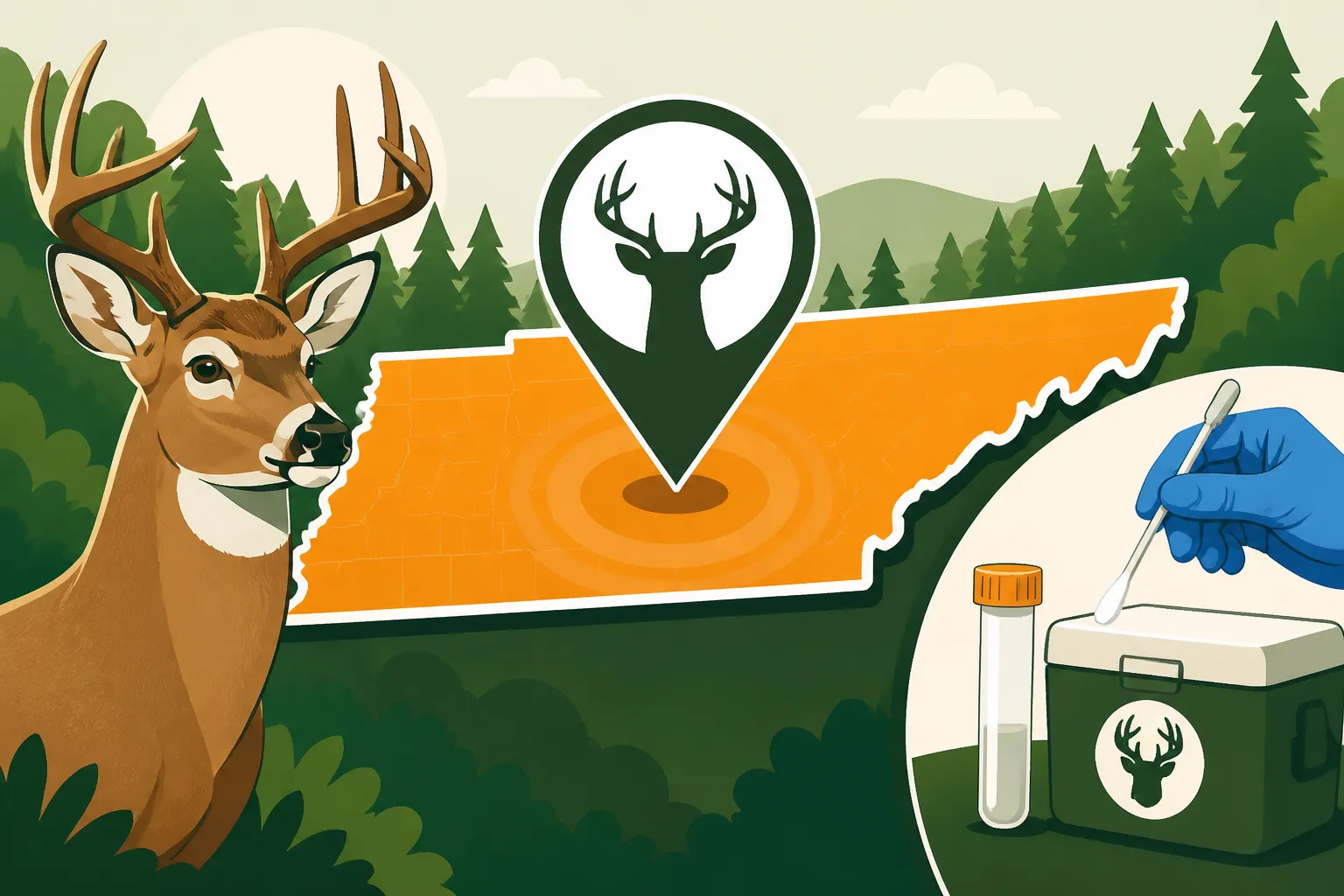
The absolute best place to start your search for a CWD sampling station is the official TWRA website. They have a dedicated section for CWD information, which includes interactive maps that are updated regularly. These maps are invaluable because they show you not just the CWD-positive counties, but also the exact locations of sampling stations, meat processors, and taxidermists that are participating in the testing program.
When you access the TWRA's CWD webpage, look for links to their CWD sampling station locator. It's usually a GIS-based map that allows you to zoom in on your hunting area. You can typically filter by station type (e.g., staffed, self-service, processor). I always recommend looking at this map before you head out for your hunt, especially if you're targeting an area within or near a CWD zone. Planning your extraction route with a sampling station in mind can save you a lot of headache later. Tools like GoHunt can also be incredibly useful for pre-season scouting. While not directly listing TWRA stations, its mapping capabilities allow you to mark potential drop-off points you find on the TWRA map, making it easier to integrate into your overall hunting plan. It's like having all your crucial hunting data, from public land boundaries to CWD station locations, layered in one place on your phone.
Physical Drop-Off Locations and Types of Stations
It's not just a "one size fits all" when it comes to sampling stations. The TWRA offers several types of locations to make it as convenient as possible for hunters.
- Staffed Check Stations: During peak hunting seasons, especially the opening weekends of gun season, the TWRA often sets up temporary staffed check stations. These are usually in high-traffic areas, like busy roads near popular public lands or at key intersections in CWD zones. Here, TWRA personnel or volunteers will collect the sample for you, often with a smile and some helpful conversation. Keep an eye on TWRA announcements for specific dates and times for these. They’re fantastic because you know the sample is taken correctly, and you can often get immediate answers to any questions you have.
- Self-Service Kiosks/Drop Boxes: These are becoming more common and are a real lifesaver for hunters who kill a deer outside of staffed station hours or in more remote locations. These kiosks are essentially refrigerators or secure drop boxes where you can deposit your deer's head (or specific lymph node samples, depending on the station's instructions). They'll have clear instructions posted, along with tags or bags for your sample. You'll typically need to provide your harvest information, license number, and contact details. Make sure you follow the instructions exactly to ensure your sample is processed.
- Participating Meat Processors and Taxidermists: Many local businesses, from the butcher shop that processes your deer to the taxidermist mounting your trophy, are now certified CWD sampling cooperators. This is incredibly convenient because you're already taking your deer there anyway. They'll collect the sample as part of their service. Always confirm with your chosen processor or taxidermist ahead of time if they participate in the CWD sampling program. This saves you an extra stop and keeps the process streamlined.
Key Information to Look For Before Heading Out
Before you load up your truck and head to a station, a little prep work goes a long way. This is where planning, using your maps (even a printed one if you're going off-grid!), and double-checking details will save you time and frustration.
- Operating Hours: Staffed stations will have specific hours. Self-service stations are usually 24/7, but it's always good to verify. Nothing's worse than dragging a deer head to a station only to find it closed.
- Required Parts for Sampling: Generally, for CWD testing, the TWRA needs the deer's head with at least two inches of neck attached, including the lymph nodes located at the base of the skull. For antlered bucks, they usually prefer the head and antlers to be attached for proper identification. They might also accept just lymph nodes if you've already caped your deer, but always check specific station instructions first.
- Forms and Information Needed: You'll typically need your TWRA license number, the county and date of harvest, and contact information. Some stations might have specific forms you need to fill out on site, or even online beforehand. If you have your deer's confirmation number from your harvest report, that's often useful as well. Remember, you can Reporting a Tennessee Deer Harvest Online through the Go Outdoors Tennessee portal, and having that done before dropping off your sample might make the process smoother.
The TWRA's CWD page is your go-to for the most current information. They often have maps directly embedded into their site, making it easy to see where Tennessee's Chronic Wasting Disease Management Zone boundaries lie and where the closest stations are.
Here's a quick reference table for common sampling station types:
| Station Type | Typical Operating Hours | Required Deer Parts | Who Collects Sample | Convenience Factor | Best For |
|---|---|---|---|---|---|
| Staffed Check Station | Limited, during peak season | Head with ~2" neck, lymph nodes (antlers attached) | TWRA Personnel/Volunteers | High (guided process, questions answered) | Gun season openers, high-traffic hunting areas |
| Self-Service Kiosk/Drop Box | 24/7 (verify local availability) | Head with ~2" neck, lymph nodes (antlers attached) | Hunter self-deposits | High (flexible timing, often numerous locations) | After-hours harvests, remote areas, quick drop-offs |
| Participating Processor | Business Hours | Whole deer or head with ~2" neck, lymph nodes | Processor staff | Very High (integrated into existing processing routine) | If you're getting your deer processed anyway |
| Participating Taxidermist | Business Hours | Head with ~2" neck, lymph nodes (antlers required) | Taxidermist staff | Very High (integrated into existing taxidermy routine) | If you're getting your deer mounted |
What to Expect When You Get There and After Your Submission
Alright, you've found a station, you've got your deer's head ready, and you're making your way there. What happens next? Let's break down the submission and follow-up process.
The Submission Process at a Sampling Station
The experience can vary slightly depending on whether you're at a staffed station or a self-service drop-off.
- At a Staffed Station: This is usually the easiest. You'll drive up, and a TWRA staff member or trained volunteer will greet you. They'll ask for your harvest information (license number, county of harvest, date, etc.). They'll then take your deer's head and use a specialized tool to extract the necessary lymph node samples. They'll tag your deer and provide you with a receipt or confirmation number, which is crucial for checking your results later. This is also a great opportunity to ask any questions you might have about CWD regulations or the Tennessee CWD Testing for Hunters program. It’s always reassuring to hand it over to someone who knows exactly what they’re doing.
- At a Self-Service Kiosk/Drop Box: These require a bit more hunter initiative but are designed to be user-friendly. When you arrive, look for clear signage. There will typically be a cooler or drop box, along with plastic bags and tags. You'll need to fill out the tag completely and legibly with your name, license number, phone number, email, date of harvest, and county of harvest. Then, place the deer's head (or the required sample) into the provided bag, secure it, and place it in the drop box. Make sure you don't forget to write down the unique sample number or take a picture of your tag for your records. This number is your key to getting your results. The TWRA has worked to make these widely accessible, so you can often find a Finding a Tennessee CWD Sampling Station relatively close to major hunting grounds.
Receiving Your CWD Test Results
Once you've submitted your sample, the waiting game begins. The samples are sent to a diagnostic lab, usually the state's veterinary diagnostic lab, for analysis.
- Turnaround Time: The time it takes to get results can vary based on the volume of samples being processed and the lab's capacity. During peak hunting season, it might take a couple of weeks, sometimes longer. Off-peak, it could be quicker. The TWRA typically provides an estimated turnaround time on their CWD webpage. It's important to be patient and avoid calling the TWRA offices repeatedly, as this can slow down their ability to do their important work.
- How to Check Results: The TWRA has an online portal, usually linked from their CWD webpage, where you can check your results. You'll need the unique sample ID number you received when you submitted your deer. Simply enter that number into the search field, and it will pull up the status and result for your specific deer. If a deer tests positive, the TWRA will typically contact the hunter directly to provide further instructions and information. This is why accurate contact information on your submission tag is so important.
Carcass Movement and Deboning Requirements
This is a critical, and often confusing, aspect of CWD management in Tennessee, especially if you harvest a deer in a CWD-positive county. The goal is to prevent the physical spread of CWD prions through infected carcass parts.
- Carcass Movement Restrictions: If you harvest a deer within a CWD-positive county, there are strict rules about what parts of the carcass you can move out of that county. Generally, only deboned meat, cleaned skull plates or antlers, and hides are allowed to leave the CWD-positive zone. This means you can't just throw an entire deer, even gutted, into the back of your truck and drive it across the state line to your processor if it's outside the zone.
- Deboning is Key: This means taking the meat off the bone in the field or at a designated processing facility within the CWD-positive zone. This might sound like a hassle, but it's a vital measure to contain the disease. The prions are most concentrated in the brain, spinal cord, and lymph nodes, which are all associated with the bone structure. By deboning, you remove most of the high-risk material. The TWRA provides clear guidelines on Tennessee Carcass Deboning Requirements on their website. Many hunters have adopted the "gutless method" in the field to comply with these rules and minimize the amount of material transported. Understanding Moving Deboned Venison Out of the CWD Zone is not just a good idea, it's a legal requirement and a critical step in wildlife conservation. These regulations are in place to try and prevent Why CWD Keeps Spreading East in Tennessee even further.
Tips for a Smoother CWD Testing Experience
Let's make this as easy as possible. A little forethought can save you a lot of grief when it comes to CWD testing.
Planning Ahead and Scouting Locations
The best defense is a good offense, right? That applies to CWD testing too. Don't wait until you've got a deer on the ground to figure out where you're going to get it tested.
- Pre-Season Homework: Before the season even starts, or at least before your first hunt in a new area, check the TWRA's CWD webpage. Identify the CWD Management Zones and locate potential sampling stations in and around your hunting area. Save these locations on your phone's mapping app or even print out maps if you expect to be in an area with spotty cell service.
- Using Mapping Tools: This is where tools like GoHunt really shine. You can overlay public land boundaries, your hunting spots, and then manually add points for TWRA sampling stations you've identified. This way, when you're in the field, you have an integrated map showing you everything you need. The TWRA also has a fantastic app you can use for Scouting With the Tennessee TWRA App, which often includes CWD information. Plotting out your recovery and drop-off route before you hunt can be a game-changer, especially if you're hunting public land far from paved roads.
- Consider "What If?": What if you harvest a deer late in the day? What if the closest staffed station closes before you can get there? Knowing where the 24/7 self-service kiosks or participating processors are can be your backup plan.
Best Practices for Handling Your Harvest
Proper field dressing and handling are always important, but even more so when CWD testing is required.
- Keep the Head Intact: Unless you're specifically instructed otherwise for a particular sampling method (like a lymph node submission kit), always keep the deer's head attached to a section of the neck. The TWRA needs those lymph nodes at the base of the skull for accurate testing. Do not sever the head too high up.
- Keep It Cool: Especially during warmer early season hunts, keeping the deer's head cool is important. If you can't get to a station immediately, put the head in a cooler with ice. This preserves the sample quality and makes it easier for the TWRA to collect what they need. Nobody wants to handle a decomposing deer head more than necessary, least of all the TWRA staff!
- Cleanliness: Always practice good hygiene when handling any deer, but particularly in CWD zones. Wear gloves, clean your knives and processing surfaces thoroughly, and dispose of carcass waste responsibly in an approved landfill if you're in a CWD zone.
Staying Informed About Zone Changes and New Stations
CWD is a dynamic situation, and the rules and zones can change. What was true last year might not be true this year, or even next month.
- Regularly Check TWRA Updates: Make it a habit to check the TWRA's CWD webpage periodically throughout the season. They'll post announcements about new positive cases, changes to CWD Management Zones, and any temporary staffed check stations they open.
- Sign Up for Alerts: Some states offer email or text alerts for CWD updates. Check if the TWRA offers a similar service. This can be a great way to stay automatically informed without having to constantly check the website.
- Talk to Fellow Hunters: Word of mouth, while not official, can sometimes give you a heads-up about a new station or a local processor participating in the program. Just always verify any unofficial information with the TWRA's official resources. Keeping abreast of How Many Tennessee Counties Have Found CWD can help you understand the urgency and scope of the situation. Your vigilance is part of the solution.
CWD is a serious challenge for Tennessee deer hunters and wildlife managers. But by understanding the threat, participating in testing, and utilizing the resources available, we can all do our part to manage this disease and protect our hunting future.
Disclaimer
The information provided in this guide is for general informational purposes only and is subject to change. While we strive to keep the content up-to-date and accurate, hunting regulations, CWD management zones, and sampling station locations can change frequently. Always consult the official Tennessee Wildlife Resources Agency (TWRA) website or contact them directly for the most current and authoritative information before planning your hunt or submitting a CWD sample. The author and publisher are not responsible for any inaccuracies or outdated information.