Tennessee Landowner Deer Permit Rules
It can be incredibly confusing to sift through all the hunting regulations in Tennessee, especially when you own land and just want to understand your rights and responsibilities. Many landowners wonder if they need a traditional hunting license, what specific permits might apply to their property, and how to comply with all the rules. This guide will walk you through the nuances of Tennessee's landowner deer permit rules, helping you understand your options and obligations so you can enjoy hunting your own property with peace of mind.
Understanding Tennessee's Landowner Hunting Privileges
For many Tennessee residents, the idea of hunting your own land without jumping through a bunch of hoops is a cherished tradition. And for good reason – the Tennessee Wildlife Resources Agency (TWRA) does offer certain exemptions for resident landowners. However, it's crucial to understand these privileges thoroughly to avoid any misunderstandings or violations. This isn't just a free-for-all; there are specific conditions you need to meet.
Resident Landowner License Exemption
First and foremost, let's talk about the most common "landowner permit" people refer to: the resident landowner license exemption. If you are a bona fide resident of Tennessee and own land in the state, you generally do not need a state hunting license or an annual big game permit to hunt on your own land. This is a significant benefit, designed to empower property owners to manage wildlife on their acreage.
However, this exemption comes with some very important caveats. You must be hunting only on the land you own. If you step foot on an adjacent property, even if you have permission, you immediately fall under the standard licensing requirements for that area. Furthermore, this exemption is generally for hunting for personal consumption, not for commercial purposes. If you plan to sell any game meat, or if you're a non-resident landowner, the rules change considerably. It's a privilege primarily for residents hunting their own deeded property.
Distinguishing Licenses from Permits
It’s easy to get "license" and "permit" mixed up, but in the context of Tennessee hunting, they often mean different things, and understanding the distinction is key. A "license" is your general authorization to hunt or fish within the state, something most hunters need to purchase annually. The resident landowner exemption often removes the need for this general hunting license and big game permit for deer.
A "permit," on the other hand, usually refers to a specific authorization for a particular activity, area, or circumstance. For instance, there are WMA permits required to hunt on certain public lands, or specific permits related to CWD management or agricultural damage. While a resident landowner may not need a general hunting license on their own property, they might still need to comply with specific permit rules if their situation falls under one of those special categories. This is where things can get a little more complex than just owning a parcel of land.
Specific Landowner Deer Permits: Beyond the Basic Exemption
While the resident landowner license exemption covers many situations, there are indeed specific "landowner deer permits" that come into play under certain conditions. These aren't your run-of-the-mill hunting licenses; rather, they are special authorizations issued by the TWRA to address particular wildlife management needs, often in collaboration with landowners.
Deer Damage Permits for Agricultural Protection
One of the most direct forms of a "landowner deer permit" in Tennessee is the Deer Damage Permit. If deer are causing significant damage to crops, timber, or other property on your land, you, as the landowner (or an authorized agent), can apply to the TWRA for a Deer Damage Permit. These permits allow for the harvest of deer outside of regular hunting seasons or beyond normal bag limits, specifically to mitigate damage.
Getting one of these permits usually involves an assessment by a TWRA officer who will confirm the extent of the damage. Once issued, these permits come with strict conditions regarding who can harvest the deer, what weapons can be used, and how the deer must be disposed of or reported. They are a tool for landowners facing real economic impact from deer populations and are not intended as a way to extend your personal hunting season. For example, a farmer in Haywood County dealing with significant damage to their soybean fields might work directly with the TWRA to obtain one of these special permits to protect their livelihood.
Landowner Tags in CWD Management Zones
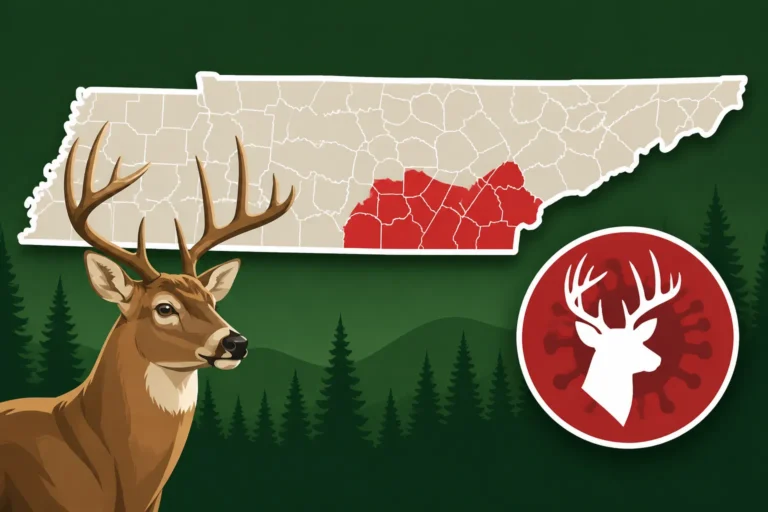
Another critical area where specific "landowner permits" or tags are relevant is within Tennessee's Chronic Wasting Disease (CWD) Management Zones. CWD is a serious neurological disease affecting deer, and its presence in certain counties has led to specific regulations, including carcass movement restrictions and increased harvest opportunities to help control its spread.
Within CWD-positive counties, the TWRA may issue special "landowner tags" or offer programs like the Tennessee's Earn-a-Buck CWD Program. These tags are often designed to encourage increased antlerless deer harvest on private land within the CWD zone, which is a key strategy for managing the disease. For instance, in counties like Fayette or Hardeman, which are part of the CWD zone, landowners might be eligible for additional tags beyond the standard county bag limit if they follow specific TWRA guidelines. This helps with disease surveillance and population reduction efforts. It's vital for landowners in these zones to stay current on the specific CWD rules, which can change as the agency monitors the disease.
Family and Designated Hunter Use
When it comes to the resident landowner exemption, it generally applies to the landowner, their spouse, and dependent children. However, what about other family members, friends, or even employees? If you, as the landowner, want to allow someone else to hunt on your property who is not a direct dependent and does not meet the resident landowner exemption criteria, they must possess the appropriate Tennessee Hunting Licenses and What They Cost.
This means if your brother-in-law, a close friend, or a farmhand wants to hunt deer on your land, they will need to have a valid hunting license and the necessary big game permits, just like any other hunter in Tennessee. You, as the landowner, can grant them permission, but that permission doesn't waive their personal licensing requirements. This is a common point of confusion, so always ensure that anyone hunting on your land is properly licensed if they don't fall under your direct resident landowner exemption.
Navigating Rules and Responsibilities for Landowners
Even with special exemptions or permits, landowners have important responsibilities when hunting their property in Tennessee. These aren't just suggestions; they are legal requirements designed to ensure ethical hunting practices and effective wildlife management. Ignoring them can lead to fines, loss of privileges, and even confiscation of game.
Harvest Reporting and Tagging
One of the most critical responsibilities for all hunters in Tennessee, including landowners hunting on their own property, is mandatory harvest reporting. Every deer harvested must be reported to the TWRA. This data is vital for wildlife biologists to monitor deer populations, assess herd health, and make informed management decisions. Whether you shot a buck in the regular gun season or an antlerless deer under a special CWD landowner tag, the process for reporting is the same.
You can report your harvest through the TWRA's Go Outdoors Tennessee platform, either online or via the mobile app. It's usually a quick process where you provide details like the county of harvest, sex of the deer, and type of weapon used. Failing to report a harvest within the specified timeframe is a violation. Landowners should review the Tennessee Deer Harvest Reporting Rules to ensure they are always compliant.
CWD Zone Regulations and Carcass Movement
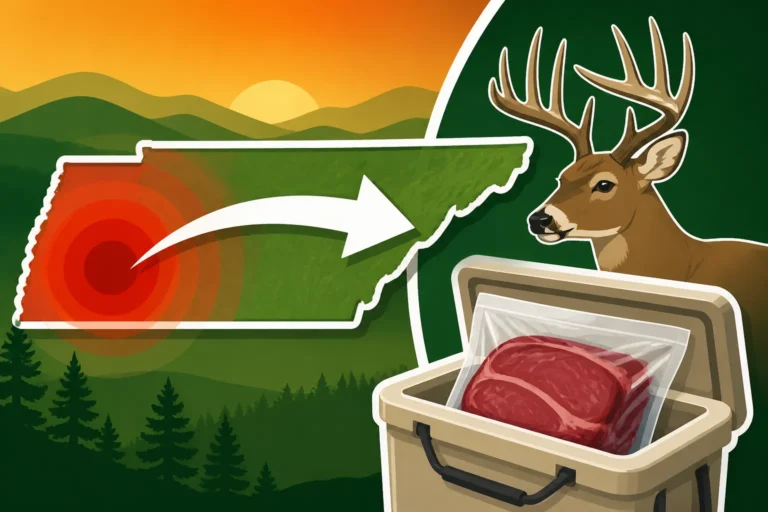
If your land falls within one of Tennessee's CWD Management Zones, there are additional layers of regulations that you absolutely must understand. These rules are designed to prevent the further spread of CWD and include restrictions on carcass movement out of the zone. This is a big one for many hunters who might process deer themselves or take them to a taxidermist or processor outside the CWD area.
Generally, only deboned meat, clean antlers, finished taxidermy mounts, and certain other specified parts can leave a CWD zone. The spinal column, brain, and other high-risk parts must remain within the CWD zone or be disposed of properly according to TWRA guidelines. Landowners need to be diligent about this, both for deer they harvest themselves and for any deer harvested by others on their property. Regular checks of the Tennessee's Chronic Wasting Disease Management Zone map and regulations are highly recommended, as zones and rules can be updated.
Blaze Orange Requirements and Other General Rules
Even if you're hunting on your own private land, you are not exempt from general safety regulations, especially those concerning blaze orange. During periods when firearm deer hunting is allowed, all hunters (except those hunting waterfowl or archery hunters in an archery-only season) must wear 500 square inches of solid blaze orange or pink on their outer clothing, visible from the front and back. This applies to landowners as well. It's a fundamental safety measure to prevent hunting accidents.
Beyond blaze orange, landowners must also adhere to legal hunting hours (typically 30 minutes before sunrise to 30 minutes after sunset for deer), weapon restrictions for specific seasons, and bag limits (unless overridden by a special permit like a Deer Damage Permit). Understanding the broader Tennessee Deer Season Structure Explained will help landowners align their hunting activities with legal statewide frameworks.
Maximizing Your Landowner Hunting Experience
Owning land in Tennessee offers incredible opportunities for hunters, allowing a level of control over habitat and access that public land hunters can only dream of. To truly make the most of your property for deer hunting, consider strategies beyond just the legal permits and delve into active land management and smart hunting tactics.
Habitat Management and Food Sources
One of the greatest advantages of being a landowner is the ability to actively manage habitat to attract and hold deer. This can involve planting food plots specifically designed for deer, improving natural browse, thinning timber to encourage new growth, or managing water sources. A well-designed food plot with desirable forage like clover, brassicas, or winter wheat can be a magnet for deer, especially during the late season when natural food sources dwindle.
Even on smaller tracts, strategic habitat improvements can make a big difference. For instance, creating bedding areas by hinge-cutting trees or allowing certain areas to grow thick provides security cover that deer crave. Consider consulting with a wildlife biologist or using resources from organizations like the National Deer Association for tailored advice on improving your specific acreage. This long-term investment can dramatically increase your deer hunting success.
Effective Scouting and Stand Placement
Knowing your property intimately is paramount for successful hunting. Year-round scouting is key, from walking creek bottoms and ridge lines to finding historical scrape lines and bedding areas. Pay close attention to trails, rub lines, and natural funnels that deer use to travel across your property. Tools like satellite imagery, available through platforms such as GoHunt, can be incredibly helpful for identifying these features from an aerial perspective before you even step foot in the woods. You can map out potential stand locations, entry and exit routes, and visualize how deer might move with different wind directions.
When it comes to stand placement, think about prevailing winds, sun position, and your access routes. You want to get into and out of your stand without alerting deer. A good strategy is to have multiple stand options to accommodate different wind directions, especially when Hanging a Stand on a Cumberland Ridge where thermals and winds can be tricky. For those with more open ground, a ground blind can be effective, particularly when brushed into a field edge or dense cover.
Granting Access and Managing Pressure
As a landowner, you have control over who hunts your property and when. This allows you to manage hunting pressure, which is a huge factor in deer behavior. Over-pressured deer become nocturnal and extremely wary. Consider limiting the number of hunters on your property, establishing specific hunting zones, or even resting areas where no hunting occurs to give deer a sanctuary.
If you decide to allow others to hunt your land, ensure you communicate your expectations clearly and that they understand all applicable rules and regulations. This includes reviewing Tennessee Trespass and Permission Law so everyone is aware of boundaries and responsibilities. Some landowners choose to allow limited access to friends or family, while others might explore lease options, carefully vetting those who will be hunting their property. Using mapping tools from GoHunt can also help you mark boundaries and ensure that anyone you permit to hunt understands exactly where they can and cannot go.
Tennessee Landowner Deer Permit Summary
To help clarify the various aspects of landowner deer hunting in Tennessee, here's a quick reference table:
| Aspect | Description | Key Consideration |
|---|---|---|
| Resident License Exemption | Bona fide Tennessee residents hunting only on their own deeded property for personal consumption generally do not need a state hunting license or big game permit. | Applies ONLY to your own land. Stepping onto adjacent property requires a license. Does not apply to non-residents. |
| Deer Damage Permits | Special permits issued by TWRA to landowners experiencing significant agricultural or property damage from deer. Allows harvest outside regular seasons/limits under strict conditions. | Requires TWRA assessment and approval. Strict rules on harvest method, reporting, and disposal. |
| CWD Zone Landowner Tags | Special tags or increased harvest opportunities may be available for landowners within CWD-positive counties to aid in disease management. Part of programs like "Earn-a-Buck." | Specific to CWD zones. Mandatory harvest reporting and carcass movement restrictions apply. Check current CWD Zone rules. |
| General Harvest Reporting | ALL harvested deer (including those taken under landowner exemptions or permits) MUST be reported to TWRA via Go Outdoors Tennessee app/website within specified timeframe. | Mandatory for all hunters. Crucial for wildlife management data. |
| Blaze Orange/Pink | Required during firearm deer seasons for all hunters (except specific archery/waterfowl exemptions), regardless of property ownership. 500 square inches visible from front/back. | A fundamental safety requirement. Always wear it during applicable seasons. |
| Permission for Others | Any individual hunting on private land who is NOT the landowner, spouse, or dependent child, and does not meet the resident landowner exemption, MUST possess a valid Tennessee hunting license and appropriate permits. | Landowner permission does NOT waive licensing requirements for guests. |
| Carcass Movement (CWD) | Strict rules govern moving deer carcasses out of CWD Management Zones. Primarily deboned meat, clean antlers, and finished taxidermy mounts allowed. | Know your CWD zone boundaries. Plan processing and disposal carefully to avoid spreading the disease. |
Disclaimer
Please note: Hunting regulations can change. While this guide aims to provide accurate and up-to-date information, it is your responsibility to verify all current Tennessee Wildlife Resources Agency (TWRA) regulations before hunting. Always consult the official TWRA hunting guide or website for the most current and specific rules.