Tennessee Deer Season Structure Explained
Navigating Tennessee's deer season can feel like trying to solve a complicated puzzle, especially with all the different dates, zones, and regulations that seem to change from year to year. It's frustrating when you just want to get out in the woods but feel like you need a law degree to understand when and where you can hunt. This comprehensive guide is here to untangle the complexities of Tennessee's deer season structure, breaking down everything from statewide dates and deer management units to special hunts and critical CWD rules, so you can focus on what truly matters: a successful and legal hunt.
Understanding the Big Picture: Why Tennessee's Deer Season Isn't Simple
If you've spent any time looking at the Tennessee Wildlife Resources Agency (TWRA) regulations, you know that our deer season isn't a simple "open season" like it might be in some other states. There's a method to the madness, though, even if it feels overwhelming at first glance. The TWRA carefully crafts these regulations to manage our white-tailed deer population effectively, ensuring healthy herds and sustained hunting opportunities for generations to come. This means balancing hunter pressure, deer numbers in different regions, and mitigating the spread of diseases like CWD.
The Juggling Act of Zones and Dates
Tennessee is a long, narrow state, stretching from the Mississippi River lowlands in the west to the Appalachian Mountains in the east. Naturally, the deer populations, habitats, and even hunting traditions vary wildly across this diverse landscape. What works for managing deer in the agricultural fields of West Tennessee might not be suitable for the vast, rugged terrain of the Cherokee National Forest. Because of this, the TWRA divides the state into different zones and periods, each with its own specific rules. This approach allows for targeted management strategies, ensuring that areas with higher deer densities can sustain more harvest, while areas with lower populations or specific concerns receive more conservative regulations.
For a hunter, this means you can't just memorize one set of dates and bag limits. You need to know which zone you're hunting in, what type of weapon is legal during that specific period, and if any special restrictions apply. It's a lot to keep track of, but it’s all designed to provide a tailored approach to deer management across our varied state. Planning ahead is key, and using resources like the official TWRA app or even third-party tools like GoHunt can help clarify these boundaries and dates before you head afield.
Why Flexibility Matters for Wildlife Management
The TWRA's flexible season structure isn't just about making things complicated; it's about being responsive to the dynamic nature of wildlife. Deer populations fluctuate due to a variety of factors, including habitat changes, disease outbreaks, severe weather, and even annual fawn recruitment rates. By having distinct archery, muzzleloader, and gun seasons, along with different DMUs, the TWRA can adjust harvest opportunities as needed. For example, if a particular region experiences a sharp decline in deer numbers, they might reduce antlerless harvest opportunities there. Conversely, in areas with burgeoning populations causing agricultural damage or high deer-vehicle collisions, increasing antlerless tags can help bring numbers back into balance.
This adaptive management style is crucial for maintaining the overall health and sustainability of Tennessee's deer herd. It ensures that hunting remains a vital tool in conservation, helping to prevent overpopulation in some areas while protecting vulnerable populations in others. While it might require a bit more homework from us hunters, the payoff is a healthier, more robust deer herd statewide, which ultimately leads to better hunting experiences.
Breaking Down the Deer Management Units DMUs
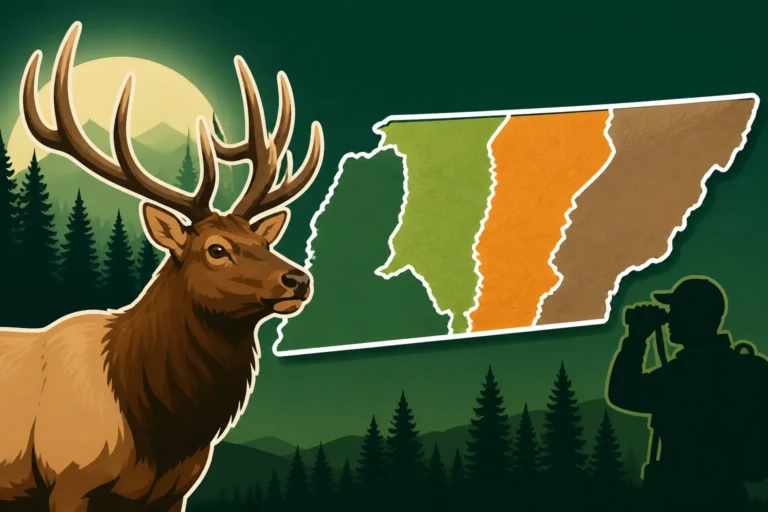
One of the most critical aspects of understanding Tennessee's deer season is grasping the concept of Deer Management Units (DMUs). The state is divided into six distinct DMUs, and your antlerless bag limit will vary significantly depending on which one you're hunting in. This system is the backbone of the TWRA's targeted management strategy, allowing them to fine-tune harvest goals for specific regions based on deer population densities, habitat conditions, and local biological data.
DMU 1, 2, and 3: The Generous Zones
DMUs 1, 2, and 3 are typically found in parts of the state where deer populations are more robust and can sustain higher harvest levels. These often include prime agricultural areas and regions with excellent deer habitat, particularly in West Tennessee and portions of Middle Tennessee. In these zones, you'll generally find more liberal antlerless bag limits, reflecting the need to manage populations and prevent overbrowsing of habitat or reduce agricultural crop damage.
For hunters in these DMUs, this translates to more opportunities to fill your freezer with venison. It means you can often harvest multiple antlerless deer throughout the season, providing more chances to introduce new hunters or simply put more food on the table. It also plays a crucial role in balancing the buck-to-doe ratio, which can lead to a healthier herd and potentially more mature bucks in the long run. Many hunters find these zones to be ideal for getting maximum hunting time and success. For a deeper dive into these areas, you might explore topics like Hunting West Tennessee Bottomland Deer.
DMU 4, 5, and 6: The More Conservative Zones
On the other end of the spectrum, DMUs 4, 5, and 6 are generally located in areas with lower deer densities, often in the more mountainous regions of East Tennessee or fragmented habitats where deer populations are not as prolific. Here, the antlerless bag limits are more conservative. The goal in these zones is to allow for population growth or to maintain a stable population without overharvesting. This conservative approach is vital for the long-term health of these particular herds.
Hunters in DMUs 4, 5, and 6 will need to pay closer attention to their antlerless harvest, as the limits will be lower. This often means being more selective or focusing more on antlered bucks if that's your goal. It also highlights the importance of ethical hunting and accurate deer identification to avoid mistakenly harvesting an animal that would contribute to the herd's growth. Understanding How Many Antlerless Deer DMU Six Allows is critical if you hunt in these more restrictive zones.
Finding Your County's DMU
Knowing your DMU is non-negotiable before you hit the woods. The TWRA publishes a detailed map in its annual hunting guide that clearly delineates each DMU by county. You can also find this information readily available on the TWRA's website. It's crucial to check this every year, as DMU boundaries can occasionally shift based on new population data or management goals. Don't rely on last year's map or anecdotal information; always consult the most current regulations.
Many hunters find it helpful to mark their hunting properties or public land areas on a map and identify which DMU they fall within. Apps like GoHunt also allow you to overlay property boundaries with DMU lines, providing a clear visual reference right on your phone. This simple step can save you a lot of headache and ensure you're always hunting within the legal antlerless limits for your specific area. When planning your hunt, always verify Finding Which DMU Your County Sits In to avoid any surprises.
Here's a simplified look at how DMU antlerless limits typically compare during the various hunting seasons in Tennessee, keeping in mind that these are general guidelines and specific dates/limits can change annually:
| DMU Category | Typical Antlerless Limit (Gun/Muzzleloader Season) | Typical Antlerless Limit (Archery Season) | General Location (Examples) |
|---|---|---|---|
| DMU 1, 2, 3 | Generally 3 per day (may vary by specific zone/period) | Usually 3 per day (may vary) | West TN, parts of Middle TN |
| DMU 4, 5, 6 | Generally 1 per day or fewer (may vary) | Usually 1 per day or fewer (may vary) | East TN, parts of Middle TN |
Note: This table is for illustrative purposes only. Always consult the current TWRA Hunting and Trapping Guide for exact, up-to-date regulations regarding antlerless bag limits in specific DMUs and during different seasons.
The Archery Season: Kicking Off the Deer Hunt
For many Tennessee deer hunters, the opening of archery season in late September signals the true beginning of fall. It's a time of quiet anticipation, often before the full frenzy of gun season, offering a unique opportunity to connect with nature and the deer herd on a more intimate level. The archery season is notoriously long, spanning months and offering diverse hunting conditions, from warm early season scouting to late-season cold weather sits.
Early Archery: Opportunity and Challenge
The early archery season in Tennessee, which typically opens in late September, presents a distinct set of challenges and rewards. The weather can still be uncomfortably warm, deer are often still on predictable summer patterns, and the woods are full of leaves, making visibility tough. However, it's also a time of opportunity. Deer haven't experienced significant hunting pressure yet, and their movements are largely dictated by food sources like acorns, persimmons, and agricultural crops. This early period is excellent for patterning specific deer, especially bucks that are still holding to their summer bachelor groups.
Hunting during this phase requires patience and meticulous scouting. Focusing on transition areas between bedding and feeding, or identifying key travel corridors, can be highly effective. The early season also often aligns with the initial stages of scraping activity, making scrape lines along logging roads or field edges prime spots. For detailed strategies on this period, you might want to read up on Bowhunting Tennessee's Long Archery Season.
Crossbows in the Volunteer State
Tennessee's regulations are quite accommodating when it comes to crossbows. Unlike some states that restrict crossbow use to specific parts of the season or to hunters with certain disabilities, in Tennessee, crossbows are legal for all hunters throughout the entire archery season. This has opened up archery hunting to a broader demographic, including those who may not be able to draw a traditional vertical bow due to physical limitations, or simply prefer the different shooting dynamics of a crossbow.
The integration of crossbows means that more hunters can participate in the early season, enjoying the challenge and rewards that archery hunting offers. However, it's essential to understand that while crossbows offer more stability and often higher velocities than many vertical bows, they still demand the same commitment to practice, shot placement, and ethical hunting principles. Just like with a traditional bow, knowing your effective range and practicing regularly are paramount to making a clean, humane kill. Consider checking out Crossbow Versus Vertical Bow in Tennessee for a detailed comparison.
Targeting Antlerless Deer in August
Tennessee offers a unique opportunity for archers: an antlerless-only archery hunt in August. This season is specifically designed to provide additional harvest pressure on female deer before the main season even begins, especially in DMUs where population control is a high priority. It typically allows hunters to use archery equipment to take antlerless deer in designated counties, providing an early chance to fill a tag and help manage the herd.
This August hunt is often quite challenging due to the oppressive heat and lush foliage, but for those dedicated to herd management or simply eager to get out, it's a valuable window. It's a fantastic time to scout, understand deer movement patterns before they change with the rut, and put early season venison in the freezer. Remember, these early hunts are crucial for population control in high-density areas, and participating directly contributes to the overall health of the herd. To learn more about this specific season, look into Hunting the August Antlerless-Only Archery Hunt.
Muzzleloader Season: A Bridge Between Bow and Boomstick
Nestled between the long archery season and the much-anticipated gun season, Tennessee's muzzleloader season offers a distinct hunting experience that blends tradition with modern convenience. It’s a period that allows hunters to use primitive firearms, typically for a couple of weeks, before the full-blown rifle season commences. This unique window provides a less pressured environment than gun season, but with the added range and power that a firearm provides over archery equipment.
Traditional Hunting with Modern Perks
Muzzleloader hunting in Tennessee evokes a sense of nostalgia, connecting today's hunters with the pioneers who relied on these front-stuffing firearms. There's a certain satisfaction that comes from loading powder, patch, and ball, understanding the mechanics of a true primitive weapon. However, modern muzzleloaders aren't strictly traditional. Many contemporary models incorporate features like inline ignition systems, advanced scope mounting options, and even improved accuracy that rival centerfire rifles at moderate ranges. This blend makes muzzleloader season accessible and effective for many hunters, offering a bridge between the deep woods quiet of archery and the more widespread activity of rifle season.
This season is often chosen by hunters who enjoy the challenge of a single-shot firearm and appreciate the opportunity to hunt during a time when deer may be less wary than during the peak gun season. It's a great chance to focus on precise shot placement and make every opportunity count. Learning about Tennessee Muzzleloader Season Tactics can significantly improve your success during this time.
Navigating the Muzzleloader-Only Weeks
The muzzleloader-only weeks are specifically designated periods when only muzzleloading firearms, archery equipment, and sometimes shotguns (depending on the specific WMA or county regulations) are legal for deer. Centerfire rifles are generally not permitted during these weeks. This restriction helps to manage hunting pressure and provides a distinct opportunity for muzzleloader enthusiasts. These weeks often coincide with some of the best deer movement of the year, frequently overlapping with the pre-rut or early stages of the breeding season.
Hunters need to be extremely diligent about checking the regulations for their specific DMU and chosen hunting area, especially if they hunt on Wildlife Management Areas (WMAs), as WMA rules can sometimes differ from statewide regulations. The "muzzleloader-only" designation means exactly that, and violating weapon restrictions can lead to serious penalties. It’s also crucial to understand the nuances of how to keep powder dry in varying Tennessee weather conditions and to practice consistently with your chosen muzzleloader setup to ensure accuracy when the moment of truth arrives. For more detailed information, look up Hunting the Muzzleloader-Only Two Weeks.
Gun Season: The Main Event for Many Hunters
When Tennessee's gun season opens, it marks the pinnacle of the deer hunting calendar for countless individuals. This is often the most anticipated and participated-in segment of the season, bringing hunters from all walks of life into the woods. It's characterized by its broad accessibility, the opportunity for longer-range shots, and a palpable sense of excitement that sweeps across the state.
Opening Day Crowds and Opportunities
The opening day of Tennessee's gun season is truly an event. Public lands and popular hunting spots often see a significant influx of hunters, all eager to capitalize on the first opportunities with modern firearms. While some seasoned hunters might grumble about the crowds, this increased pressure can actually work to your advantage. More hunters moving through the woods can push deer out of bedding areas and into new locations, creating unexpected shot opportunities. The key is to understand how this pressure influences deer movement and adjust your tactics accordingly.
Instead of avoiding crowded areas entirely, consider focusing on overlooked pockets of cover, thick transition zones, or areas that other hunters might walk past. Deer that are pushed will often seek refuge in the nastiest, most impenetrable cover available. Being ready for these pressured deer, especially on public land, can lead to incredible success. For tactics specific to this busy period, delve into Opening Weekend Tactics for Tennessee Gun Season.
Legal Firearms and Ammunition
Tennessee has specific regulations concerning the types of firearms and ammunition that are legal for deer hunting. Generally, centerfire rifles, shotguns (with slugs or buckshot), handguns, and muzzleloaders (during gun season) are all permitted. There are minimum caliber requirements for rifles (typically .22 centerfire or larger), and certain cartridge types, like straight-wall cartridges, have become increasingly popular due to their versatility and compliance with regulations in various states. It's vital to ensure your firearm and ammunition meet these legal requirements before you head afield.
Always double-check the current TWRA hunting guide for any updates or specific restrictions that might apply to particular WMAs or counties. For example, some WMAs might have shotgun-only rules, even during the statewide rifle season. Understanding Tennessee Legal Firearms for Deer Hunting is not just about staying legal; it's about choosing the right tool for the job, whether you're hunting open fields in West Tennessee or thick timber on the Cumberland Plateau.
Late Season Tactics After the Initial Rush
After the initial burst of activity and pressure during opening weekend, Tennessee's gun season continues, often extending well into January. This late season period, especially after the primary rut has wound down, presents a different kind of hunting challenge. Deer have become incredibly wary, and their primary focus shifts back to food and survival as winter sets in. Hunters during this time need to adapt their strategies, focusing heavily on available food sources and thermal cover.
Identifying late-season food sources like standing corn, winter wheat, honeysuckle thickets, or leftover acorns can be incredibly productive. Deer will often concentrate in areas with reliable nutrition. Additionally, thermal cover, such as thick pines, dense cedar breaks, or south-facing slopes that catch the sun, become magnets for deer trying to conserve energy. This is a time for patience, long hours on stand, and careful scouting to pinpoint those crucial late-season patterns. For success during the quietest part of the season, consider strategies for Hunting the Late-Season January Lull.
Youth Hunts and Special Opportunities
Tennessee is committed to fostering the next generation of hunters and providing opportunities for all residents to participate in our rich hunting heritage. To this end, the TWRA offers specific youth deer hunts and various permits for landowners and individuals with disabilities. These initiatives are crucial for ensuring the longevity of hunting traditions and making the sport accessible to a wider audience.
Introducing the Next Generation: Youth Weekends
Tennessee's youth deer hunt weekends are specifically designed to give young hunters (usually 6-16 years old) a chance to hunt deer before or during segments of the regular season, often with less competition. These hunts are strictly supervised, requiring an adult (who may not hunt) to accompany the youth hunter. It's an invaluable opportunity to introduce kids to hunting in a supportive, less pressured environment, focusing on safety, ethics, and the thrill of the chase.
These weekends are fantastic for creating lasting memories and instilling a love for the outdoors. They allow mentors to focus entirely on teaching and guiding, without the distraction of their own hunt. The rules for these hunts are clear: specific dates, age limits, and adult supervision requirements. Many families look forward to these weekends as a highlight of their hunting year, helping to build the skills and passion for future seasons. For more details on these important opportunities, check out Hunting the Tennessee Youth Deer Weekend.
Landowner and Disability Permits
Beyond the general hunting seasons, Tennessee also provides specific permits to accommodate particular groups. Landowners, for example, may have special antlerless permits for deer taken on their own property, especially in areas where deer are causing agricultural damage. These permits are designed to assist in local population control efforts and recognize the role landowners play in wildlife management.
Additionally, hunters with disabilities can apply for special permits that allow for certain accommodations, ensuring they can continue to participate in deer hunting. This might include permits for special vehicle access, extended hunting aids, or other modifications that remove barriers to participation. These programs underscore Tennessee's inclusive approach to hunting, recognizing that everyone should have the opportunity to enjoy the outdoors. Information on these specific permits can be found on the TWRA website, and it's always advisable to apply well in advance of the season.
Chronic Wasting Disease (CWD) and Its Impact on Deer Season
Chronic Wasting Disease (CWD) is a neurological disease that affects deer, elk, and moose. It's a serious concern for wildlife managers and hunters alike, and its presence in Tennessee has profoundly impacted deer season regulations and hunter responsibilities. CWD is always fatal, and there's currently no cure, making prevention of its spread and management of affected areas critically important.
Understanding the CWD Management Zone
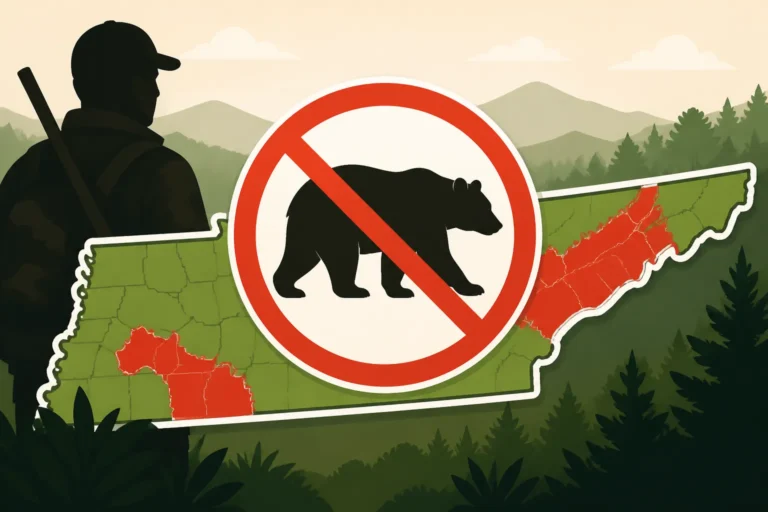
Once CWD was detected in Tennessee, the TWRA established a CWD Management Zone (CMZ), encompassing specific counties where the disease has been found or is at high risk of spreading. Hunting regulations within these CMZs are often different from the rest of the state, primarily aimed at monitoring the disease, controlling its spread, and gathering data. This can include specific carcass transport restrictions, mandatory testing requirements, and enhanced harvest opportunities to help manage deer density.
Hunters operating within or traveling through a CMZ must be acutely aware of these rules. Failing to comply can lead to fines and penalties. The boundaries of the CMZ can change, so annually checking the most current TWRA guide for a list of affected counties and their specific regulations is essential. Understanding Tennessee's Chronic Wasting Disease Management Zone is paramount for any hunter in the Volunteer State.
Earn-a-Buck and Carcass Movement Rules
Within the CWD Management Zone, Tennessee has implemented specific programs like "Earn-a-Buck," which ties the ability to harvest an antlered buck to the prior harvest and testing of an antlerless deer. This program incentivizes hunters to harvest more antlerless deer, which helps reduce overall deer density and, in theory, slows the transmission rate of CWD. It's a direct way for hunters to contribute to disease management efforts.
Furthermore, strict carcass movement rules are in place for deer harvested within a CMZ. To prevent inadvertently spreading CWD to unaffected areas, only certain parts of a deer carcass (e.g., deboned meat, clean skull plate, antlers) can be transported out of the zone. Whole carcasses or certain high-risk parts (brain, spinal cord, lymph nodes) are generally prohibited from leaving the CMZ. This means hunters often need to process their deer differently or utilize designated CWD sampling stations within the zone. Learning about Tennessee Carcass Deboning Requirements is vital for compliance.
Mandatory Testing and Sampling Stations
To monitor the prevalence and geographic spread of CWD, the TWRA often implements mandatory CWD testing for deer harvested within the CMZ, especially during specific periods like the opening weekend of gun season. This involves bringing the deer (or specific parts of it, depending on the station) to a designated CWD sampling station. These stations are set up at convenient locations, and TWRA staff or volunteers collect samples (usually lymph nodes) for laboratory testing.
Participating in mandatory or voluntary testing is a critical responsibility for hunters in CWD-affected areas. It provides invaluable data to wildlife biologists, helping them track the disease and refine management strategies. Even outside of mandatory periods, hunters are encouraged to submit samples voluntarily. The TWRA makes it easy to find these stations, often listed on their website and through their mobile app. Knowing Submitting a Deer for Tennessee CWD Testing is an integral part of being a responsible hunter in Tennessee today.
Harvest Reporting and Staying Legal
Successfully harvesting a deer is an exhilarating experience, but the hunt isn't truly over until you've properly reported your kill. In Tennessee, harvest reporting is a crucial component of wildlife management, providing the TWRA with vital data to monitor deer populations, track harvest trends, and make informed decisions about future seasons. Failing to report your harvest is not just a regulatory oversight; it's a missed opportunity to contribute to conservation and can result in legal penalties.
The Importance of Reporting Every Deer
Every deer harvested in Tennessee, whether it's an antlered buck or an antlerless doe, must be reported to the TWRA. This data allows biologists to estimate annual harvest numbers, track success rates across different DMUs and hunting methods, and assess the health and dynamics of the deer herd. Without accurate reporting, the TWRA would be operating with incomplete information, making it much harder to set appropriate season dates, bag limits, and management strategies. Your compliance directly contributes to the sustainability of Tennessee's deer hunting tradition.
It's not just about the numbers; consistent reporting helps identify local population trends, which can inform decisions about things like special management hunts or even localized antlerless tag increases. So, while it might seem like a small administrative step, it's a big deal for the long-term health of our wildlife.
Using the Go Outdoors Tennessee App
The TWRA has made harvest reporting incredibly convenient through the Go Outdoors Tennessee app, which is available for both iOS and Android devices. This app allows you to report your harvest directly from your smartphone, often right from the field where you harvested the deer. After logging in with your license information, you can quickly enter the necessary details, such as the type of deer (antlered or antlerless), the county where it was harvested, and the weapon used. The app will then provide you with a confirmation number, which you should retain.
This digital method has largely replaced the older paper checking stations or phone reporting systems, streamlining the process significantly. Even if you're in an area without cell service, many apps, including GoHunt and the Go Outdoors Tennessee app, can store your report and upload it once you regain connectivity. This convenience removes any excuse for not reporting your deer in a timely manner. Make sure to download and familiarize yourself with the app before heading out for the season. Learning about Reporting a Deer Through Go Outdoors Tennessee is a must for modern Tennessee hunters.
Avoiding Common Pitfalls
While the harvest reporting process is straightforward, there are a few common pitfalls to avoid. First and foremost, always report your deer within the specified timeframe, which is usually by midnight on the day the deer was harvested. Delaying can lead to forgetfulness or even being unable to report if you lose your phone or access to the internet. Second, ensure you accurately record the county of harvest. This detail is crucial for the TWRA's data collection, especially concerning DMU-specific information. Third, double-check all information before submitting to avoid errors that could skew data or lead to questions about your compliance.
Finally, always carry proof of your hunting license and any required permits. While the Go Outdoors Tennessee app can display your license, having a physical copy or a screenshot can be a good backup, especially in remote areas. Staying diligent with harvest reporting is a testament to your commitment to ethical hunting and responsible wildlife stewardship.
Disclaimer
The information provided in this guide is intended for general informational purposes only and is subject to change. Hunting regulations, season dates, bag limits, and CWD zone boundaries are set by the Tennessee Wildlife Resources Agency (TWRA) and can be updated annually. It is the responsibility of every hunter to consult the most current official TWRA Hunting and Trapping Guide and any applicable local regulations before engaging in any hunting activity. Failure to do so could result in legal penalties.