Tennessee Fox and Bobcat Trapping Season
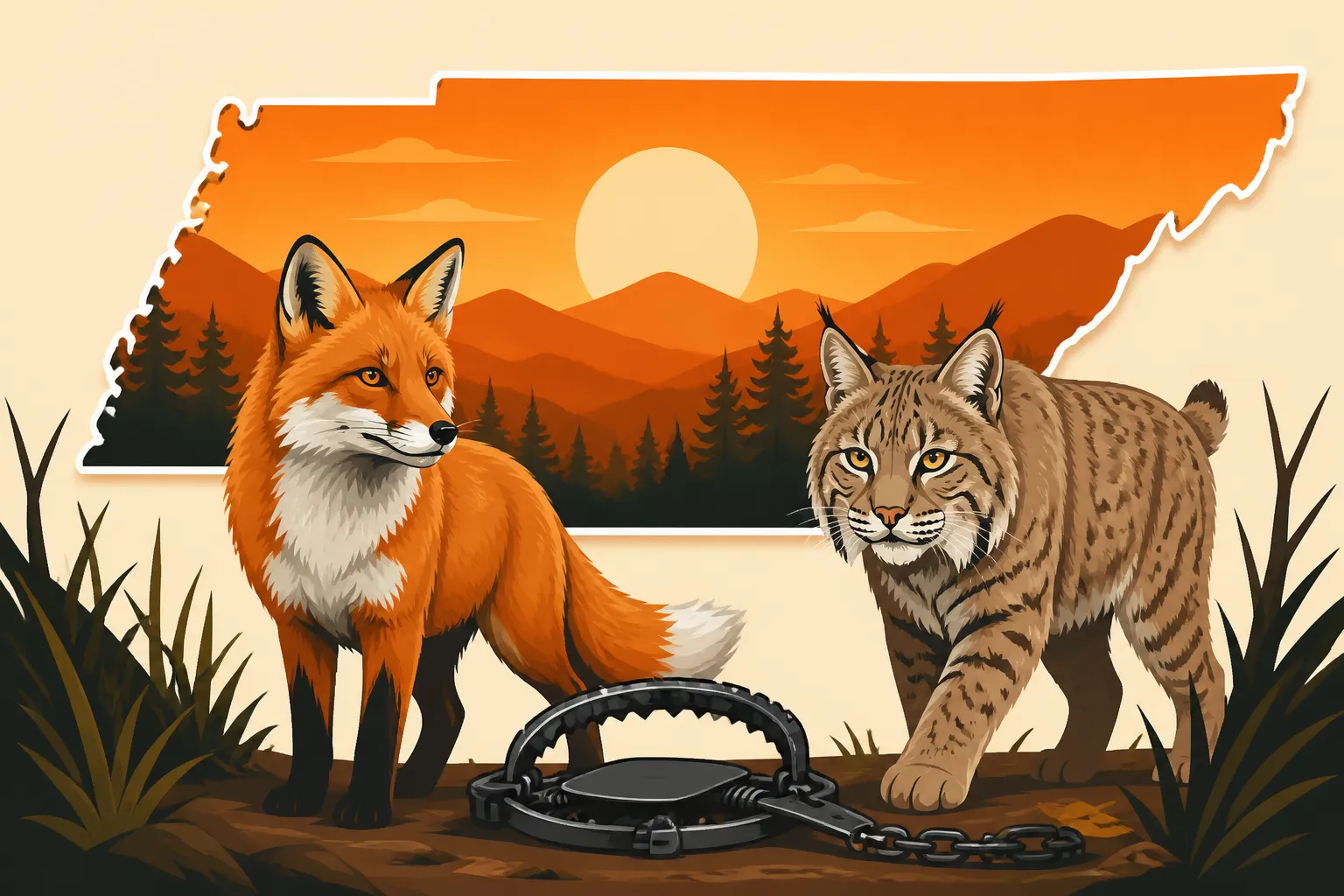
Figuring out the exact seasons and regulations for trapping furbearers in Tennessee can feel like trying to untangle a ball of yarn, especially when you're specifically targeting elusive animals like fox and bobcats. There's a lot of information to sift through, and making a mistake can be costly. This guide is here to cut through the confusion, providing clear, in-depth details on Tennessee's fox and bobcat trapping seasons, regulations, and best practices so you can hit the woods with confidence.
Understanding Tennessee's Furbearer Management Philosophy
Before we dive into the nitty-gritty of dates and trap types, it’s really helpful to understand why Tennessee manages its furbearer populations the way it does. It’s not just about setting random dates; there's a thoughtful, scientific approach behind it all, aimed at maintaining healthy ecosystems and sustainable populations.
The Role of Trapping in Wildlife Conservation
Trapping might seem like an old-world practice, but in modern wildlife management, it plays a critical, science-backed role. Think about it this way: our wildlife agencies, like the Tennessee Wildlife Resources Agency (TWRA), are tasked with balancing wildlife populations with human interests and habitat capacity. Left unchecked, populations of certain furbearers, like coyotes, fox, or bobcats, can sometimes boom, leading to increased predation on livestock or game species, or even the spread of disease within their own ranks due to overcrowding.
Trapping provides a vital tool for population control, helping to reduce these conflicts and ensure a healthy balance. It's often the most effective method for harvesting specific furbearers for management purposes, especially when compared to hunting alone, which might not be as efficient in reducing numbers over a wide area. Plus, the data collected from trappers through harvest reports contributes valuable insights into population trends, reproductive success, and overall furbearer health, directly informing future management decisions. It’s a classic example of how regulated human activity can actually benefit the broader ecosystem, keeping things in check and preventing potential issues before they become major problems.
General Furbearer Season Framework in Tennessee
Generally speaking, Tennessee’s furbearer seasons, including those for fox and bobcat, are structured to run from the cooler months of fall through the heart of winter. This isn’t arbitrary; there’s a very practical reason for it. The primary goal for many trappers is to harvest animals when their fur is at its prime – thick, luxurious, and valuable. This typically occurs after several hard frosts, when the animals have grown their dense winter coats.
Opening the season in late fall, usually around mid-November, allows animals to mature and reproduce, ensuring future generations. By the time the season closes in late February or early March, many furbearers are starting to think about breeding, and their fur quality begins to decline as they prepare for the warmer months. This seasonal window also aligns with periods of post-breeding dispersal in some species, when young animals are venturing out on their own, making them more susceptible to trapping and further aiding in population management. It’s a system designed to maximize both the biological sustainability of the species and the quality of the harvest for the trapper. You’ll find similar patterns if you look at the seasons for Trapping Tennessee Furbearers across the state.
Specifics of Fox and Bobcat Trapping Seasons
Now, let's get down to the brass tacks – the actual dates and rules you need to know for targeting fox and bobcats in Tennessee. It’s crucial to pay close attention to these specifics, as they can sometimes differ slightly between species or even change from year to year, so always double-check the latest TWRA regulations.
Red Fox and Gray Fox Trapping Regulations
For both red fox and gray fox in Tennessee, the trapping season generally opens in mid-November and runs through the end of February. As of recent regulations, this often means from the second Friday in November through the last day of February, statewide. This consistent season gives trappers a good, long window to pursue these cunning canids when their pelts are at their peak.
Unlike deer or turkey, there are typically no daily or seasonal bag limits for fox in Tennessee when it comes to trapping. This means if you're having a banner season and catching multiple fox, you're usually good to go, provided you're adhering to all other regulations. The focus is on ethical harvest and proper trap management rather than limiting numbers per individual trapper. However, always verify the current regulations, especially regarding any specific zones or wildlife management areas (WMAs) that might have unique rules. The general statewide allowance is quite generous, which makes fox trapping a rewarding endeavor for those who enjoy the challenge.
When it comes to legal trapping methods, foothold traps are the most common and effective for fox. However, Tennessee has strict guidelines on trap size and placement. For instance, foot-hold traps set on land for fox generally can't have an inside jaw spread greater than 6.5 inches. You also need to ensure that your traps are checked at least once every 24 hours, and that they are tagged with your name and address or your TWRA ID number. These details are non-negotiable and are in place to ensure humane treatment and responsible trapping.
Bobcat Trapping Regulations in Tennessee
Bobcats are another highly sought-after furbearer in Tennessee, prized for their beautiful pelts. Their trapping season largely mirrors that of fox, generally opening in mid-November and extending through the end of February, statewide. Again, this usually means from the second Friday in November through the last day of February.
Similar to fox, there are typically no daily or seasonal bag limits for bobcats in Tennessee through trapping. This allows trappers to capitalize on opportunities if they find an area with a healthy bobcat population. However, one key distinction with bobcats is the potential need for a CITES tag if you plan to sell the fur internationally. While domestic sales usually don’t require it, some states maintain a CITES tagging system for bobcats to track harvests in case international export is considered. Currently, Tennessee does not require CITES tags for bobcats harvested within the state for domestic use, but it’s always wise to check with the TWRA if you anticipate selling pelts to an international market, as rules can change and it's better to be safe than sorry.
Legal trap types for bobcats are generally similar to fox, with foothold traps being widely used. For bobcats, the maximum inside jaw spread for land-set foothold traps is typically 6.5 inches, just like for fox. You might also use body-gripping traps (like Conibear 220 or 330) in certain situations, but these have strict restrictions on where they can be set, often limited to submerged sets or sets entirely enclosed in a box with specific entrance dimensions to prevent non-target captures. As with all trapping, daily trap checks within 24 hours and proper tagging are mandatory. Failing to check your traps regularly isn’t just unethical; it’s a violation of state law.
Overlap with Other Hunting Seasons and Land Use
One often-overlooked aspect of trapping is how it interfaces with other outdoor activities and land uses. Since the fox and bobcat trapping season runs during the prime deer season, and well into the small game seasons, trappers need to be acutely aware of who else might be in the woods.
On private land, clear communication with landowners is paramount. If a landowner has granted you permission to trap, make sure they are aware of where your traps are located, especially if they also allow deer hunters on their property. This prevents accidental encounters with dogs or other domestic animals, and just generally fosters good relationships. It’s also wise to discuss your plans for Getting Private Land Permission in Tennessee well in advance.
On public lands, like Wildlife Management Areas (WMAs) or Cherokee National Forest, the rules can be even more specific. Some WMAs have designated trapping areas or require special permits. Body-gripping traps, like Conibears, are often prohibited on public lands unless fully submerged in water or in very specific, restrictive cubby sets to minimize risk to non-target animals, including pets and other hunters' dogs. Always consult the specific WMA regulations in the TWRA hunting guide or on the TWRA website before setting a trap on public ground. Ignoring these can lead to fines, loss of privileges, and even confiscation of gear. This is where tools like GoHunt, with its detailed public land overlays, can really shine, helping you understand boundaries and regulations specific to a parcel before you even step foot there.
Here's a quick reference for the general statewide trapping seasons:
| Species | General Season Opening | General Season Closing | Bag Limit | Trap Tagging | Trap Check Law |
|---|---|---|---|---|---|
| Red Fox | Second Friday in November | Last day of February | None | Required | Within 24 hours |
| Gray Fox | Second Friday in November | Last day of February | None | Required | Within 24 hours |
| Bobcat | Second Friday in November | Last day of February | None | Required | Within 24 hours |
| Coyote | Year-round (no closed season) | Year-round (no closed season) | None | Required | Within 24 hours (if trapping) |
Note: Always consult the current Tennessee Hunting & Trapping Guide for the most up-to-date and specific regulations, as dates and rules can be subject to change or vary in specific WMAs.
Essential Trapping Regulations and Best Practices
Trapping isn't just about setting a trap and hoping for the best; it's a regulated activity with a strong emphasis on ethics, safety, and legal compliance. Understanding these core regulations is non-negotiable for any responsible trapper in Tennessee.
Licensing, Permits, and Tagging Requirements
Before you even think about putting a trap in the ground, you absolutely must have the correct licenses and permits. In Tennessee, a general hunting/trapping license is your foundational requirement. For furbearers, you'll also need a Furbearer Trapping Permit, which is an additional endorsement on your license. If you're under 16, there are specific youth licenses, and hunter education requirements may apply depending on your age and license type. It's really no different than needing specific tags for Tennessee Deer Season Structure Explained or your Tennessee Spring Turkey Season Rules.
Every trap you set must be properly tagged with your name and address or, more commonly and conveniently now, your TWRA ID number. This isn't just a suggestion; it's state law. This tagging requirement serves several purposes: it identifies the owner in case of lost traps, demonstrates legal compliance, and helps deter unlawful trapping practices. Imagine finding an untagged trap; it's immediately suspicious. This rule is a cornerstone of responsible trapping, ensuring accountability for every device deployed in the field. You can usually find information on purchasing these on the Go Outdoors Tennessee platform.
Legal Trapping Methods and Device Restrictions
Tennessee has a detailed set of rules governing the types of traps you can use and how you can use them. These aren't meant to make your life harder, but rather to promote humane trapping, prevent harm to non-target animals, and ensure public safety.
For land sets targeting fox and bobcat, foothold traps are a staple. The key restriction here is often the maximum inside jaw spread, typically 6.5 inches. This helps prevent larger animals from being caught or injured. Traps must also be equipped with a swivel on the chain to prevent the animal from twisting out or injuring itself. Body-gripping traps, like Conibears, are legal but come with much stricter placement rules. For example, a Conibear 220 or 330 might only be legal if fully submerged in water, or if set within a fully enclosed box with small enough openings to prevent larger, non-target animals (like dogs) from entering. These boxes typically have specific entrance diameter limits, such as no more than 7 inches in diameter for a Conibear 220 set on land, to target specific furbearers while protecting others.
Snares are another tool, but their use is very restricted in Tennessee, often prohibited on public land unless used by TWRA personnel for specific management purposes, and on private land, they often have breakaway devices or other safety mechanisms mandated. Additionally, there are setback requirements – traps generally cannot be set within a certain distance (e.g., 10 feet) of a public road or within 100 yards of an occupied dwelling without the occupant’s written permission. These rules are put in place for safety, and to respect private property, so knowing them inside and out is crucial. You don't want to inadvertently cause a problem because your trap was a few feet too close to a road.
Trap Check Laws and Humane Practices
This is perhaps the most critical aspect of ethical and legal trapping: the trap check law. In Tennessee, all traps set on land must be checked at least once every 24 hours. This isn’t a suggestion; it’s a legal requirement. Failure to check your traps promptly can lead to an animal suffering unnecessarily, which is something no responsible trapper ever wants. It can also lead to fines and legal trouble.
Humane practices extend beyond just the daily check. It means using properly sized traps that minimize injury, making quick and humane dispatch when an animal is caught, and being prepared to release non-target animals safely. Carrying a release tool for non-target animals like domestic dogs or even certain birds is a mark of a prepared and ethical trapper. Minimizing the animal’s time in the trap and ensuring its welfare, even if it’s a target species, is part of the trapper’s responsibility. If you ever see signs of an animal struggling excessively, or if weather conditions change dramatically, checking your traps more frequently than the 24-hour minimum is always the right thing to do.
Scouting, Setup, and Marketing Your Fur
Trapping is an art form that blends outdoor skill, wildlife knowledge, and a little bit of marketing savvy. It's not just about throwing a trap down; it's about understanding the land, the animal, and the market.
Reading the Landscape for Fox and Bobcat Sign
Effective trapping starts long before the season opens, with meticulous scouting. Fox and bobcats, while elusive, leave clues. You need to become a detective of the woods. Start by identifying prime habitat: field edges where prey animals like mice and rabbits might congregate, creek bottoms that serve as natural travel corridors, logging roads that offer easy movement, and dense thickets that provide cover and denning sites. These are all high-percentage areas.
Look for tracks in mud or soft earth, especially after a rain. Fox tracks are typically straighter than a dog's, often showing a distinctive X-pattern in the negative space. Bobcat tracks are rounder, often lacking claw marks unless they're sprinting. Scat can tell you a lot about their diet and recent movements. Scratch marks on trees, especially for bobcats, can indicate territorial marking. Studying aerial photos and topographical maps, perhaps using a mapping app like GoHunt, can help you identify pinch points, funnels, and natural crossings where animals are likely to travel. Knowing these patterns will significantly increase your chances of success. It's very similar to Scouting Tennessee Public Land Before Season for deer, just with different target species in mind.
Effective Trap Sets and Lure Strategies
Once you've identified a promising location, the next step is choosing and executing the right trap set. For fox, dirt hole sets and flat sets are incredibly effective. A dirt hole set mimics a caching spot, where a fox might bury food, and uses bait and lure to draw the animal in. A flat set uses a lure or curiosity scent near a natural object (like a log or clump of grass) with the trap placed discreetly nearby. For bobcats, cubby sets, which are enclosed structures (often made of logs or rocks) with a lure and trap inside, can be very productive, playing on their curiosity and hunting instinct. Blind sets, placed directly in a known travel lane without much lure, can also be effective for both, but require superior scouting to pinpoint.
Lures and baits are your secret weapons. For fox, gland lures that mimic other fox, urine to suggest presence, and curiosity scents are often very successful. For bobcats, catnip, visual attractants like feathers or shiny objects, and natural prey scents work wonders. The key is to make your set look as natural as possible, minimizing human scent and disturbance. Wear clean gloves, dig carefully, and camouflage your trap thoroughly with local dirt and debris. A good trapper understands that it's a battle of wits, and the more natural your setup, the higher your odds.
Fur Handling and Marketing Your Harvest
After all the hard work of scouting, setting, and checking, the final step is proper fur handling. The quality of your pelt directly impacts its market value. This involves careful skinning, meticulous fleshing (removing all fat and meat from the hide), and stretching the hide properly on a drying board. Each species has specific dimensions for stretching to achieve a desirable shape for buyers. For example, fox are typically stretched 'case' style, while bobcats can also be case-stretched or open.
The fur market can fluctuate, but well-prepared, prime pelts always command better prices. You can typically sell your furs to local fur buyers who travel through the state or connect with larger fur auctions that handle national and international sales. Researching current market trends and buyer preferences is a smart move. There's a deep satisfaction that comes from participating in this traditional activity, knowing you've contributed to wildlife management, honed your outdoor skills, and harvested a beautiful, valuable resource. It's a connection to the past and a commitment to the future of Tennessee's wild places and creatures.
Disclaimer
Please remember that hunting and trapping regulations are subject to change. This guide is intended for informational purposes only. Always consult the most current Tennessee Hunting & Trapping Guide published by the Tennessee Wildlife Resources Agency (TWRA) before engaging in any hunting or trapping activities. It is your responsibility to know and follow all applicable laws and regulations.