Trapping Tennessee Furbearers
The quiet solitude of a Tennessee morning, mist hanging heavy over a creek, holds a different kind of promise for those who understand the language of the wild. But if you’ve ever tried to manage a burgeoning beaver population or wondered how to ethically handle coyotes impacting deer fawns, you know it’s a world that comes with its own set of frustrations and challenges. It’s not just about setting a trap; it’s about understanding the intricate dance of nature, knowing the rules, and doing things the right way. This guide is going to walk you through everything you need to know about successfully and ethically trapping Tennessee furbearers, from understanding the species you're after to mastering the techniques that get results.
Understanding Tennessee's Furbearer Landscape
Tennessee is a state rich in diverse habitats, from the sprawling bottomlands of West Tennessee to the rugged peaks of the Appalachian Mountains. This variety supports a healthy population of furbearers, species whose pelts have historically been valued, and whose presence plays a significant role in the ecosystem. Managing these populations through trapping isn't just a tradition for many; it's a vital tool for wildlife management, helping to balance prey and predator dynamics, and sometimes, mitigating conflicts with human interests.
Key Furbearer Species in Tennessee
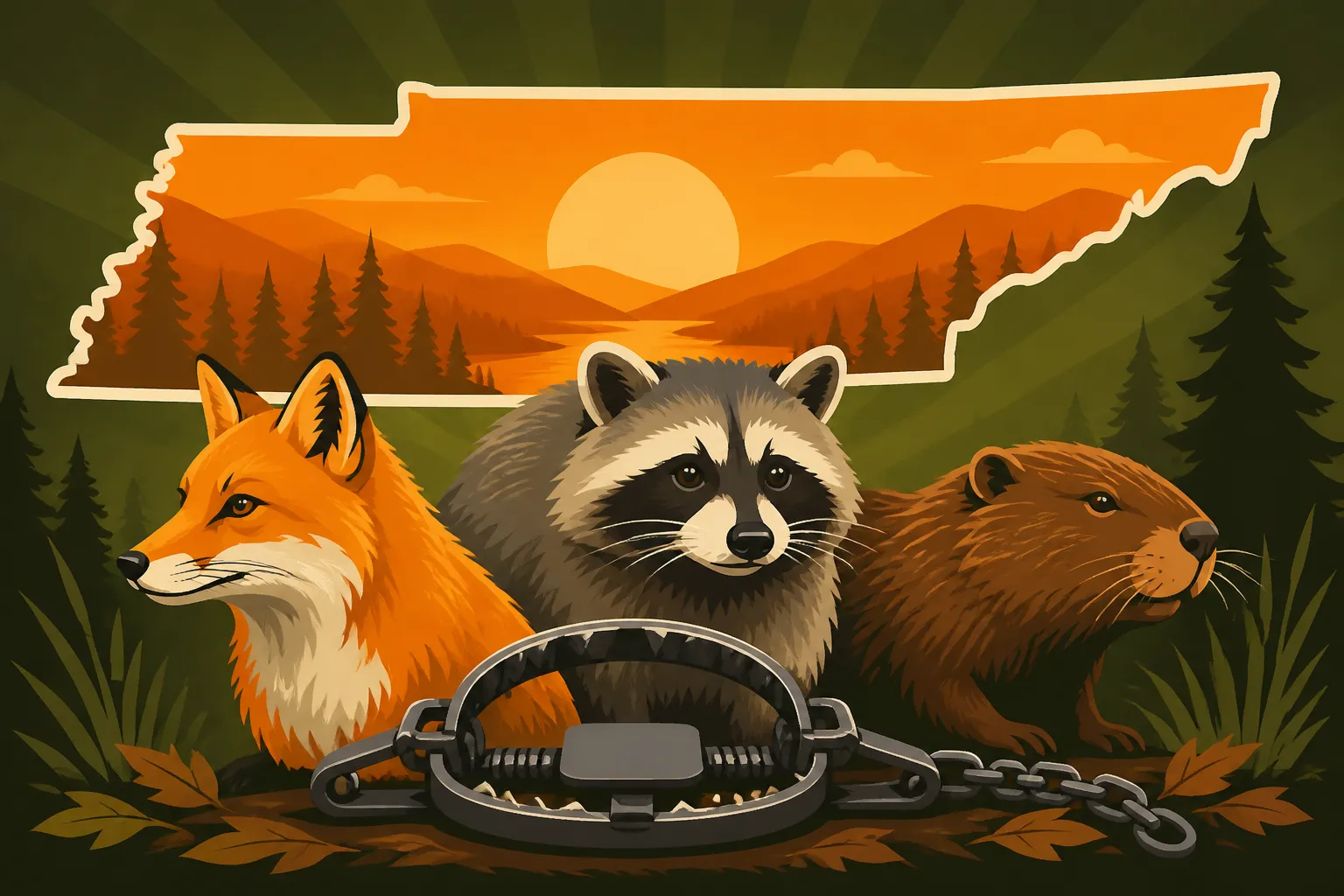
When you talk about furbearers in Tennessee, you're looking at quite a roster of animals, each with its own quirks and habits. The most commonly targeted species for trappers include raccoons, opossums, skunks, coyotes, red and gray foxes, muskrats, and beavers. Each of these animals occupies a unique niche, and understanding their individual behaviors is the first step to successful trapping. Raccoons, for instance, are notoriously curious and adaptable, thriving in both rural and suburban environments, often found near water sources. Opossums are also highly adaptable, often seen as nature's clean-up crew, while skunks, well, you know their most famous defense mechanism. Coyotes and foxes are the primary wild canids, with coyotes being particularly widespread and controversial due to their impact on deer and livestock. Then you have the semi-aquatic furbearers like muskrats, which are smaller, prolific breeders found in marshes and slow-moving waters, and beavers, the master engineers of the wetlands, whose dam-building can cause significant flooding and timber damage.
Ecological Role and Population Dynamics
Every furbearer plays a part in the ecological symphony of Tennessee. Coyotes and foxes, for example, are crucial predators that help regulate populations of small mammals, birds, and even deer fawns. Their presence helps keep the ecosystem in check, though locally, their numbers can swell to where they become a concern for landowners and deer hunters alike. Beavers, through their dam-building activities, create wetlands that benefit countless other species, from waterfowl to amphibians, but this alteration of habitat can also flood agricultural land or valuable timber. Raccoons are opportunistic omnivores, and while they help clean up carrion, their high numbers can sometimes impact ground-nesting birds or spread disease. Understanding these roles, and the dynamic nature of their populations, is essential. Predator populations, for instance, often fluctuate with the abundance of their prey. A good acorn year might lead to a boom in small mammal populations, which in turn can support more foxes and coyotes. These are the kinds of intricate connections you start to see when you spend time observing the wild.
The Importance of Furbearer Management
Managing furbearer populations isn't about eradication; it's about maintaining a healthy balance. Trapping serves several important purposes in Tennessee. Firstly, it helps control populations that might become overabundant, reducing damage to property, livestock, or agricultural crops. Think about a beaver dam that floods a farmer's field or a growing coyote population that's putting significant pressure on local deer fawns. Secondly, it can reduce the spread of diseases like rabies or canine distemper, which can devastate wildlife populations and pose risks to humans and pets. Finally, furbearer trapping provides an economic incentive for some, with pelts still holding value, though it's certainly not the booming industry it once was. For many, it's about the connection to nature, the challenge, and the satisfaction of ethically managing a resource. The Tennessee Wildlife Resources Agency (TWRA) plays a critical role in monitoring these populations and setting regulations to ensure sustainability, which is why staying informed about their guidelines is paramount.
Tennessee Trapping Regulations and Licensing
Before you even think about setting a trap, you absolutely must understand the rules of the game. Tennessee, like every state, has specific regulations governing trapping, designed to ensure sustainability, public safety, and humane practices. Ignorance of the law is no excuse, and the TWRA takes these regulations seriously. You don't want to find yourself in hot water over a misunderstanding, so let's dig into the nitty-gritty.
Essential Licenses and Permits
To legally trap furbearers in Tennessee, you'll need the proper licenses. The primary requirement for most trappers is a valid Tennessee hunting and fishing license, along with a special "Trapping License." For residents, this typically means a Resident Hunting & Fishing License and a Resident Trapping License. Non-residents will need a Non-resident Hunting & Fishing License and a Non-resident Trapping License. You can purchase these through the TWRA's Go Outdoors Tennessee website, at authorized license agents, or even by phone. It's always a good idea to check out the current year's "Tennessee Trapping License Requirements" from the TWRA to make sure you have everything in order. Also, if you plan to trap on any Wildlife Management Areas (WMAs) or other special public lands, there might be additional permits or specific rules you need to adhere to, so always check the WMA's specific regulations before heading out.
Season Dates and Bag Limits
Just like hunting, trapping in Tennessee operates within specific seasons and, for some species, bag limits. These dates are set by the TWRA based on population data and management objectives. Generally, furbearer seasons run through the fall and winter months when pelts are at their prime. For example, the season for common species like raccoon, opossum, and skunk often extends for several months. For predators like foxes and bobcats, the "Tennessee Fox and Bobcat Trapping Season" will have specific start and end dates. Coyotes, however, often have a continuous open season due to their widespread presence and management status as an unprotected species, though specific trapping methods might still have seasonal restrictions. Muskrats and beavers also have their own specific seasons, often aligning with other furbearers but sometimes with slightly different windows, especially concerning water trapping. There are generally no bag limits on most furbearers for trappers, but it's crucial to consult the current TWRA Furbearer Hunting and Trapping Guide annually, as these regulations can change. Never assume last year's rules are this year's rules!
Legal Traps and Set Restrictions
Tennessee has clear guidelines on what types of traps are legal and how they can be set. This is where things get really specific.
- Body-Grip Traps (Conibears): These traps are often restricted in size for land sets to prevent injury to non-target animals like domestic pets. For instance, body-grip traps over a certain jaw spread (e.g., 5 inches for single-spring, 7 inches for double-spring) are typically prohibited on land, or must be completely submerged in water. However, larger body-grip traps are often permitted for water sets for beaver or otter.
- Foothold Traps: Also known as leghold traps, these are legal but come with important stipulations. They must be equipped with smooth, unsharpened jaws, and padded or laminated jaws are often preferred for humane reasons. They must also be securely anchored, and for some species, like canids, trap-check intervals are strictly enforced to minimize the time an animal spends in the trap. There are often maximum jaw spreads for land-set foothold traps (e.g., 6 ¾ inches), to avoid capturing larger non-target animals.
- Snares: Cable restraints or snares are legal in Tennessee but are highly regulated. They typically must be equipped with a "breakaway device" that allows larger animals (like deer) to break free, and a "stop" to prevent the loop from closing too tightly. There are also height restrictions for snares on land to minimize deer entanglement. Snares must be checked regularly, and usually require specific training or certification to use effectively and legally.
- Setback Distances: Traps cannot be set within certain distances of public roads, trails, or occupied dwellings without landowner permission. This is for public safety and to prevent accidental captures of pets or people.
It’s vital to be aware of these restrictions. Using a mapping tool, perhaps one similar to what GoHunt offers for deer hunting, could be beneficial for marking property lines, potential trap locations, and ensuring you’re not violating any setback rules near dwellings or public access points. Always refer to the most recent TWRA Furbearer Hunting and Trapping Guide for the exact specifications, as they can and do change.
Choosing the Right Gear and Trap Types
Trapping isn't a one-size-fits-all endeavor. The success of your efforts hinges heavily on selecting the correct traps for the species you're targeting and the environment you're working in. Just as you wouldn't use a deer rifle for squirrel hunting, you wouldn't use a tiny muskrat trap for a large beaver. Investing in quality gear is crucial for humane catches and durable equipment that will last season after season.
Body-Grip Traps and Their Applications
Body-grip traps, often referred to by the brand name Conibear, are designed to dispatch an animal quickly and humanely by striking it across the body or neck. They are incredibly effective when used correctly, especially for species that enter enclosed spaces or travel through specific conduits.
- Beavers: For beavers, larger body-grip traps (like the Conibear 330) are commonly used. These are typically set underwater in channels, dam breaches, or at castor mound sets. The trap is completely submerged, reducing the risk of non-target catches on land and ensuring a swift dispatch. Their effectiveness here is paramount in managing "Tennessee Beaver Population and Damage" in agricultural areas.
- Muskrats: Smaller body-grip traps (like the Conibear 110 or 120) are perfect for muskrats. These are often set in underwater runs, den entrances, or feeding stations. Again, submerging the trap is key.
- Raccoons and Opossums: While larger body-grips can be too indiscriminate for land sets, smaller, legal-sized body-grips can be used effectively in "cubby sets" or "box traps" for raccoons and opossums, where the trap is recessed within a wooden box or culvert to guide the animal's entry and reduce non-target captures.
The key to using body-grip traps effectively and ethically is precise placement and ensuring non-target animals can't easily access them, particularly on land. This often means placing them inside protective enclosures or completely underwater.
Foothold Traps for Specific Species
Foothold traps, sometimes called leghold traps, are designed to humanely hold an animal by the foot until the trapper arrives. Modern foothold traps are far removed from the "bear traps" of old; they feature smooth, rounded jaws, and many have offset or laminated jaws to further reduce injury.
- Canids (Coyotes, Foxes): Foothold traps are the workhorse for targeting coyotes and both red and gray foxes. Sizes typically range from a #1.5 to a #3, with offset or padded jaws being highly recommended for these species. These traps are usually deployed in "dirt hole sets" or "flat sets," which mimic natural animal activity (like digging for food or marking territory). The goal is to get the animal to step directly on the trap pan.
- Raccoons and Opossums: Smaller foothold traps (like a #1.5 or even a #1) are very effective for raccoons and opossums. They can be used in pocket sets along creek banks or in dirt hole sets, often lured with sweet baits or fishy attractants.
- Beavers: Larger foothold traps (like a #3 or #4) can be used for beavers, often set on submerged logs, slides, or bank trails where the beaver is likely to step. These are less common than body-grip or snare sets for beavers but can be effective in certain situations.
When using foothold traps, secure anchoring is paramount. Many trappers use rebar stakes, disposable stakes, or drag systems to prevent the animal from escaping with the trap. The trap also needs to be blended seamlessly into the environment to avoid suspicion.
Snare Lines and Cable Restraints
Snares are essentially loops of cable designed to capture an animal around the neck or body. They are incredibly versatile but also require a high degree of skill and knowledge of regulations to use ethically and effectively.
- Canids (Coyotes, Foxes): Snares are a popular tool for capturing coyotes and foxes, especially in areas with high traffic or where traditional dirt hole sets are difficult to conceal. They are typically set in trails, fence crossings, or pinch points where canids are known to travel. Tennessee regulations require snares to have breakaway devices and stops to prevent them from closing too tightly, and specific height requirements for the loop. This makes them more humane by allowing non-target animals like deer to escape. Understanding "Tennessee Coyote Hunting Season Rules" can sometimes provide insight into areas of high coyote activity where snares might be effective for population control.
- Beavers: Underwater snares are highly effective for beavers, set in plunge poles or constricted channels where beavers swim. Like body-grips, the underwater placement helps ensure a humane and quick capture.
- Raccoons: Smaller snares can be used for raccoons in specific trail sets or den entrances, though foothold traps are often preferred for them due to the higher potential for non-target catches with land snares.
Snares require constant vigilance regarding placement to avoid non-target animals, and they must be checked frequently. Proper snare construction, including the correct cable size and type, is also critical.
Baits, Lures, and Attractants
Once you have your traps, you need something to draw the furbearers in. Baits, lures, and attractants are the secret sauce of trapping, designed to appeal to an animal's natural curiosity, hunger, or territorial instincts.
- Baits: These are typically food items. For raccoons and opossums, sweet treats like marshmallows, fruit, or commercial pastes work well. Fish scraps or cat food are also highly effective. For canids, meat scraps, deer trimmings, or specially formulated trapping baits can be very enticing. "Tennessee Coyote Diet in Farm Country" research can offer clues for what local baits might be most effective.
- Lures: Lures are scents designed to mimic other animals or specific gland secretions. Gland lures for coyotes and foxes, which mimic the scent of another canid, can draw them in by appealing to their territorial nature. Curiosity lures, often made with sweet or pungent oils, can work for a variety of furbearers.
- Attractants: Visual attractants, like a piece of bright tin or a feather fluttering above a set, can pique an animal's curiosity and draw them in for a closer look. Urine (fox, coyote, bobcat) is also a powerful attractant, particularly for canids marking territory.
The combination of a well-placed trap, appropriate lure, and a natural-looking set is what makes trapping an art form. You're trying to outsmart a wild animal, and that requires thinking like one.
Effective Trapping Techniques for Tennessee Habitats
Setting a trap isn't just about digging a hole and dropping it in. It's about understanding the nuances of the terrain, the habits of your target species, and how to blend your set into the natural environment. Tennessee's varied landscapes offer different challenges and opportunities for trappers.
Water Sets for Beaver and Muskrat
Water trapping is a specialized art, and it's particularly effective for beavers and muskrats, given their aquatic nature. The beauty of water sets is that they often minimize non-target catches and, when properly executed, lead to quick, humane dispatches.
- Beaver Dam Sets: When beavers are causing problems by damming up creeks or culverts, breaching the dam can be an effective strategy. Beavers are diligent engineers and will quickly move to repair a break in their dam. By placing large body-grip traps (like a 330) or underwater snares directly in the breach, you can intercept them during their repair work. Submerging the trap completely is key. You'll often see signs like fresh mud and stick work around the dam, indicating active beaver presence.
- Castor Mound Sets: Beavers communicate through scent mounds made of mud and vegetation, topped with castor oil. Trappers can mimic these "castor mounds" along water's edge, luring beavers to investigate. A foothold trap (size #3 or #4) can be set directly in the water adjacent to this mock mound, or a body-grip trap can be set in a submerged run leading to it. The lure of another beaver's scent is incredibly powerful.
- Channel and Run Sets: Beavers and muskrats create well-defined travel lanes or "runs" in the water or along the bank. Identifying these natural funnels is crucial. For muskrats, smaller body-grip traps (110 or 120) or small snares can be placed in submerged runs or at the entrance to their bank dens. For beavers, these runs can be deeper, and larger body-grips or snares placed in these channels are highly effective. You might also find old "Tennessee Muskrat and Mink Trapping Trends" documents highlighting the importance of trapping these runs.
Water trapping requires waders, a good understanding of water levels, and the ability to work in often cold and muddy conditions. Always make sure your traps are securely anchored and completely submerged for the best results and ethical practices.
Land Sets for Raccoon, Opossum, and Skunk
These adaptable furbearers are frequently found near human habitation and agricultural areas, making land sets a common and effective method for their capture.
- Dirt Hole Sets: This is a classic and versatile set, particularly effective for raccoons and opossums, and can even catch foxes if you’re careful with your bait selection. It mimics an animal digging for food. You dig a small hole (about 6-8 inches deep and 3-4 inches wide) at an angle. The trap (a #1.5 or #2 foothold) is bedded directly in front of the hole, and the hole is baited with a sweet lure, fish, or corn. The entire trap and trap bed are then carefully camouflaged with dirt and leaves. The animal is drawn to the smell and steps on the pan while investigating the hole.
- Cubby or Box Sets: For raccoons and opossums, especially in areas where non-target animals might be an issue, a cubby set is ideal. This involves placing bait (like marshmallows or sweet paste) and sometimes a smaller body-grip trap or foothold trap inside a wooden box, culvert, or rock crevice. The enclosure protects the bait and funnels the animal directly into the trap. This can be a very selective method.
- Pocket Sets: Along creek banks, ditches, or ponds, raccoons and opossums will often investigate natural holes or pockets in the bank. You can enhance these or create artificial ones, placing bait deep inside and bedding a foothold trap (a #1.5 or #2) directly at the entrance. The natural curiosity of these animals, especially raccoons, makes this set incredibly effective.
When creating land sets, pay close attention to blending. The less your set looks disturbed, the more likely a cautious furbearer is to approach it. Consider the wind direction and place your set where the scent will drift naturally.
Canine Sets for Fox and Coyote
Trapping coyotes and foxes requires a bit more finesse and a deeper understanding of their cautious nature. These animals are intelligent and can quickly become "trap shy" if sets are poorly executed or easily detected.
- Dirt Hole Sets for Canids: While similar to raccoon dirt holes, canine dirt holes are usually larger, deeper, and placed in more strategic locations like field edges, trail intersections, or subtle rises in the terrain. The trap (#1.75 to #3 foothold with offset jaws) is meticulously bedded 6-8 inches from the hole, and the trap area is completely blended with the surrounding soil. Bait often includes meat scraps or commercial canine bait, and powerful gland lures or urine (coyote or fox) are used to simulate a territorial intrusion or food source. The precise placement and blending of the set are critical for overcoming a coyote's inherent suspicion.
- Flat Sets: This set is more subtle, mimicking a place where a canine might investigate a scent or mark its territory. Instead of a hole, you create a slightly mounded area or use a natural object like a log or clump of grass as a "backing." A foothold trap is bedded in front of this backing, and lures (gland or urine) are applied to the backing. There's no obvious hole, so it looks like a natural investigation point. This is particularly effective for wary foxes and coyotes.
- Snares on Trails: As mentioned earlier, snares are highly effective for canids, especially in constricted travel routes. Identifying game trails, fence crossings, or dense brush lines where coyotes or foxes consistently travel is key. The snare is set just above the ground in these pinch points, with the loop size and height carefully calibrated to the target species. Always ensure compliance with Tennessee's snare regulations, including breakaway devices and stops. Scouting these areas, perhaps with an app that shows game trails or using methods like "Reading Tennessee Mud for Fresh Deer Movement" to identify tracks, can greatly improve success.
For all canine sets, scent control is paramount. Wear clean gloves, minimize human odor, and use natural materials to blend your set. A cautious coyote can detect even subtle disturbances.
Ethical Trapping Practices and Animal Care
The responsibility of a trapper extends far beyond simply catching an animal. Ethical trapping is a commitment to humane practices, responsible wildlife management, and minimizing any negative impacts. This is where the true character of a trapper shines through.
Trap Check Laws and Minimizing Non-Target Catches
Tennessee has specific laws regarding how often traps must be checked. Generally, all traps on land must be checked at least once every 24 hours. Water sets for beavers and muskrats often have similar or slightly extended check times. This regular checking is critical for several reasons:
- Humane Dispatch: It minimizes the time an animal spends in a trap, reducing stress, exposure to elements, and potential injury.
- Preventing Spoiled Pelts: For fur trappers, prompt dispatch prevents the pelt from becoming damaged or spoiling.
- Releasing Non-Target Animals: Regular checks allow for the swift release of any non-target animals (like domestic pets or protected species) that might be accidentally caught. If you do catch a non-target animal, you must release it unharmed if possible.
Minimizing non-target catches starts with smart set placement. Avoid setting traps near known domestic animal trails or close to roadsides where pets might wander. Using selective traps, like dog-proof traps for raccoons (which require the animal to pull a trigger mechanism inside a tube) or specific cubby sets, can also significantly reduce unintended captures. Using a mapping tool, such as those that provide property boundaries, can help you ensure you are on suitable land and away from residences.
Dispatch Methods and Humane Handling
When you do catch a target furbearer, humane dispatch is a non-negotiable part of ethical trapping. The goal is a quick, clean, and respectful end.
- Firearms: For canids and larger furbearers, a small-caliber firearm (like a .22 rifle or pistol) is often the most humane and safest option. A well-placed shot to the brain ensures instantaneous dispatch. Always ensure you are following all firearm safety rules and local ordinances.
- Blunt Force Trauma: For smaller furbearers like muskrats or opossums, a quick, forceful blow to the head with a blunt object can be an effective and humane method, provided it is done decisively and correctly.
- Drowning: For semi-aquatic furbearers like beavers and muskrats, water sets designed for drowning are considered humane. This involves a heavy anchor system that pulls the animal into deep water, causing rapid drowning. This is a common and accepted method in water trapping.
Handling trapped animals, even after dispatch, requires care. Some animals, like skunks, can still spray after death, and even dead animals can carry diseases. Wear gloves, and be prepared for the situation. Respect for the animal you've trapped is paramount throughout the process.
Processing Furbearers and Hide Care
Once an animal is dispatched, the work isn't over. Proper processing and hide care are essential, especially if you intend to sell the fur or use it yourself.
- Field Dressing: For larger animals like coyotes or foxes, you might choose to "field dress" them by removing internal organs to cool the carcass, especially in warmer weather. This helps preserve the meat if you intend to utilize it, or prevents the hide from "tainting."
- Skinning: Skinning a furbearer is a learned skill. There are generally two methods: "open skinning" (like you would a deer) or "cased skinning," where the hide is pulled off like a sock, leaving a tube of fur. Most furbearers are cased skinned. You'll need sharp knives, and a fleshing beam and fleshing knife are invaluable for removing fat and membrane from the hide.
- Fleshing and Drying: After skinning, the hide must be thoroughly fleshed to remove all fat and muscle tissue. This prevents spoilage and allows the hide to dry properly. Once fleshed, the hide is stretched onto a stretcher board, fur-side in (for drying) or fur-side out (for displaying), and allowed to dry in a cool, well-ventilated area.
Proper hide care is what determines the value of the fur. A well-skinned, fleshed, and dried hide will fetch a much better price than one that is poorly prepared. This process connects you deeply to the resource and is a rewarding part of the trapping experience.
| Species | Common Habitats | Ideal Trap Types | Key Baits/Lures | Notes |
|---|---|---|---|---|
| Raccoon | Waterways, agricultural fields, suburban areas | Foothold (#1.5-2), Dog-Proof, Cubby | Sweet (marshmallow), Fishy, Corn | Curious, adaptable. |
| Opossum | Woodlands, brushy areas, urban fringes | Foothold (#1.5-2), Cubby | Sweet, Meat scraps | Slow-moving, omnivorous. |
| Skunk | Open woodlands, grasslands, agricultural edges | Cubby (small body-grip), Live trap | Fishy, Sweet | Avoid direct contact! |
| Coyote | Widespread, open country, forests, agricultural | Foothold (#1.75-3), Snares | Meat, Gland lures, Urine (coyote) | Wary, intelligent. |
| Red Fox | Farmland, open woodlands, suburban | Foothold (#1.5-2), Snares | Meat, Gland lures, Urine (fox) | More common in open areas. |
| Gray Fox | Dense woodlands, rocky terrain | Foothold (#1.5-2), Snares | Meat, Gland lures, Urine (fox) | Often climbs trees. |
| Muskrat | Marshes, ponds, slow rivers, ditches | Body-grip (110/120), Small Foothold | Vegetable (carrot, apple), Muskrat lure | Prolific, semi-aquatic. |
| Beaver | Rivers, creeks, lakes, impoundments | Body-grip (330), Large Foothold, Snares | Castor mound, Poplar, Commercial beaver lure | Dam builder, significant habitat modifier. |
Challenges and Rewards of Trapping in Tennessee
Trapping, while incredibly rewarding, isn't always easy. Tennessee's varied environment presents unique obstacles, but overcoming them deepens your understanding of the land and its creatures. It's a journey that builds resilience and offers a profound connection to the natural world.
Navigating Public Versus Private Land for Trapping
One of the biggest hurdles for any trapper, especially new ones, is finding suitable ground to set traps.
- Private Land: This is often the best option. Gaining permission from landowners can provide access to productive areas that see less pressure. Farmers and landowners are often eager for trappers to help manage nuisance animals like coyotes impacting livestock or beavers flooding fields. When asking for access, be polite, professional, and clear about your intentions. Offer to share your catch or help with other tasks. Always know "Do You Need Written Permission in Tennessee?" and comply with state law to avoid any misunderstandings.
- Public Land: While Tennessee does have public hunting and trapping land, including Wildlife Management Areas (WMAs) and portions of the Cherokee National Forest, trapping on these areas comes with specific regulations and often significant pressure from other users. You'll need to research each WMA's specific rules, as some may have different season dates, trap restrictions, or even prohibit trapping entirely. Finding areas that see fewer hikers or dog walkers can be a challenge. Checking "Tennessee Public Land Hunting Hours" and WMA-specific rules is a must. Tools like those similar to GoHunt or the TWRA app can help you identify public land boundaries and features, helping you scout remotely.
Finding good trapping spots requires extensive scouting, often before the season even opens. Look for pinch points, natural funnels, food sources, and fresh sign.
Dealing with Environmental Factors
Tennessee weather can be fickle, and the terrain challenging. These environmental factors play a huge role in your success and comfort.
- Weather: Rain, snow, ice, and fluctuating temperatures all impact trapping. Heavy rain can wash out sets or make access difficult. Freezing temperatures can lock up traps, making them inoperable, or cause animals to "freeze down" in foothold traps, which is inhumane. Trappers often use antifreeze solutions (like salt or calcium chloride) in their dirt hole sets to prevent freezing, and check traps even more frequently during cold snaps. Snow can hide sets, but also reveal fresh tracks, helping you adjust your strategy.
- Terrain: From the steep, rocky ridges of the Cumberland Plateau to the muddy bottomlands of West Tennessee, the terrain influences trap choice and set location. Walking long trap lines in rugged country requires physical fitness and good gear, especially boots for "Boots for Walking Tennessee Ridges" or rubber boots for wet ground. Knowledge of "Wind and Thermals on a Ridge System" can also help you determine where a furbearer might travel or where scent will carry best.
- Wildlife Interactions: You're not the only predator out there. Other animals, including domestic dogs, can interfere with your sets. You also need to be aware of the possibility of encountering potentially dangerous wildlife, though serious incidents are rare.
Being prepared for the elements and understanding how they affect both your sets and the furbearers themselves is a mark of an experienced trapper.
The Conservation Value and Personal Satisfaction
Despite the challenges, trapping offers immense personal satisfaction and contributes directly to wildlife conservation.
- Conservation: Ethical trapping is a vital tool for scientific wildlife management. It helps control disease spread, manage nuisance animals, and maintain healthy populations by balancing predator-prey dynamics. When you participate, you're contributing data and helping the TWRA achieve its conservation goals. Being part of "Tennessee Wildlife Disease Monitoring" efforts, for instance, by reporting any sick animals you encounter, is a crucial part of this.
- Connection to Nature: There’s nothing quite like walking a trap line at first light, seeing the signs of the wild, and feeling completely immersed in nature. You develop a deep understanding of animal behavior, seasonal changes, and the intricate web of life. It teaches patience, observation, and resilience.
- Skill and Self-Reliance: Trapping is a demanding skill that requires a blend of knowledge, craftsmanship, and perseverance. Successfully outsmarting a wild animal with a well-placed set brings a unique sense of accomplishment and self-reliance. For many, it's a connection to a simpler time, a link to the traditions of generations past.
Whether you're looking to manage a specific problem animal, enjoy the challenge of the outdoors, or simply connect with Tennessee's wild heritage, trapping offers a unique and deeply rewarding experience that few other outdoor pursuits can match.
Disclaimer
Please remember that trapping regulations, season dates, and specific requirements can change annually. Always consult the most current Tennessee Wildlife Resources Agency (TWRA) Furbearer Hunting and Trapping Guide before engaging in any trapping activities. This article is for informational purposes only and does not constitute legal advice. It is your responsibility to know and follow all applicable laws and regulations.