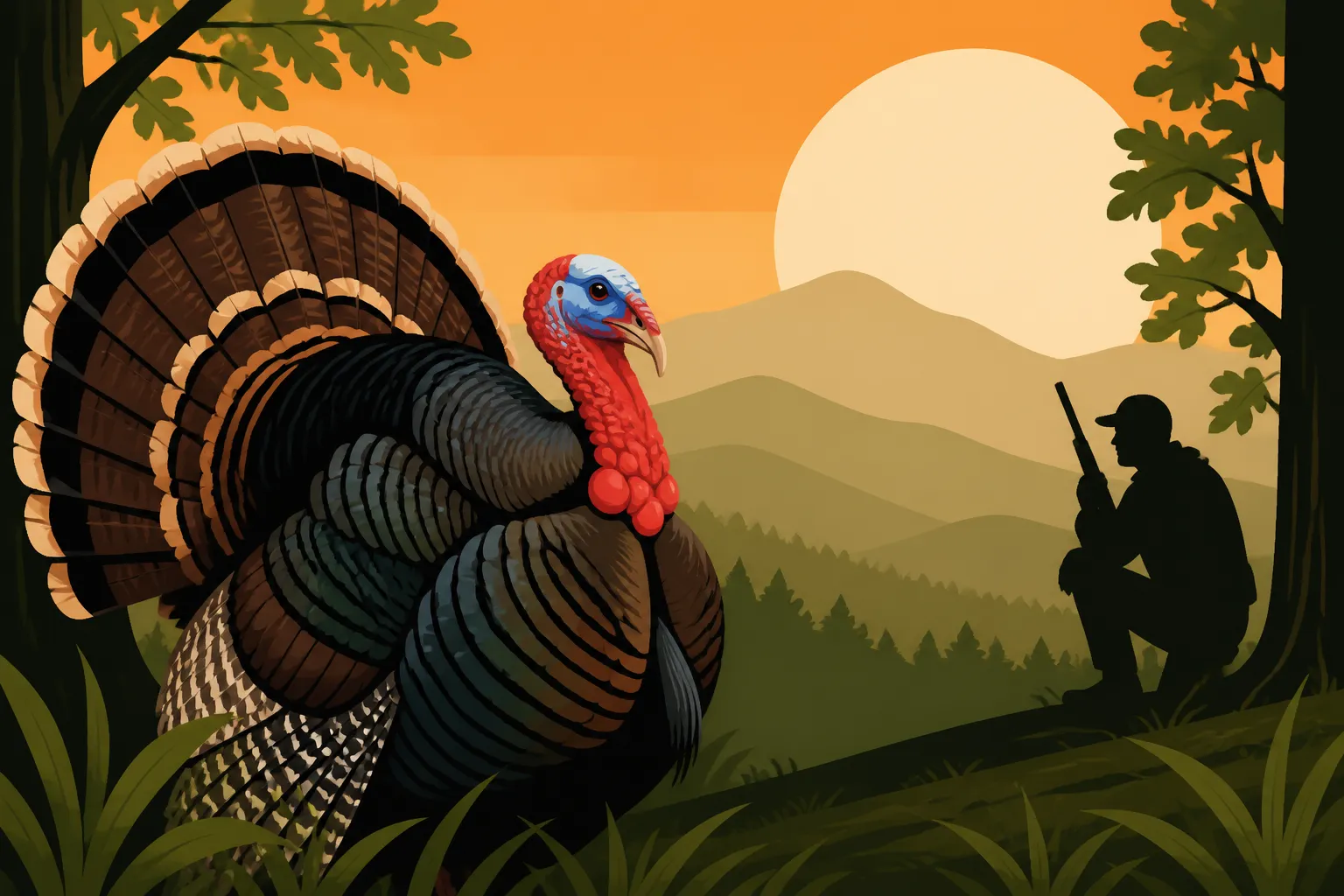
When Tennessee Gobblers Go Quiet in May
By the time May rolls around in Tennessee, many turkey hunters find themselves staring into the woods wondering where all the gobblers went. That early season thunder, the birds sounding off from the roost, and the eagerness to charge into your calls often vanish as the calendar pages turn. It’s a frustrating shift, leaving you questioning your tactics and wondering if you're doing something wrong. This comprehensive guide will explain why those boisterous spring gobblers suddenly get tight-lipped in May and, more importantly, equip you with proven strategies to still punch your tag when the woods go quiet.
The Seasonal Shift: Why May Gobblers Go Silent
It’s not just your imagination; there’s a distinct change in turkey behavior as the spring season progresses into May. The woods literally come alive, not just with green leaves, but with the subtle shifts in the daily lives of wild turkeys. Understanding these changes is the first step to adapting your hunting strategy and finding success when the going gets tough.
Post-Peak Breeding Behavior
The primary driver for a gobbler's vocalizations is reproduction. In April, especially during the peak of the breeding season, those big Toms are strutting and gobbling relentlessly, trying to attract hens. They're wired for it, full of testosterone, and eager to impress. But by May, a significant portion of the hens are already bred and have started laying eggs, or they're actively nesting.
Think about it from a turkey's perspective: if all the hens are sitting on nests or already paired off, a gobbler’s frantic calling suddenly loses its urgency. He doesn't need to advertise his presence as aggressively because the prime window for breeding has passed. His energy levels might also be a bit lower after weeks of constant strutting and breeding. This doesn't mean they stop breeding entirely, but the intense, non-stop gobbling effort dramatically decreases. The hens are less responsive to gobblers, too, because their focus has shifted to the nest. This behavioral change is critical to grasp for anyone trying to understand what makes Tennessee Spring Turkey Season Rules unique later in the season.
Increased Hunting Pressure and Gobbler Adaptations
Another significant factor contributing to silent May gobblers is the cumulative effect of hunting pressure. Tennessee's statewide turkey opener in April often sees a rush of hunters eager to bag an early bird. From private lands to public hunting areas, these birds have heard a lot of calls, seen a lot of decoys, and likely encountered hunters.
Wild turkeys are incredibly intelligent and learn quickly. By May, many of the most vocal, aggressive gobblers have either been harvested or have become incredibly wary. They've been called to, spooked, and observed. They learn that a yelp from behind a thicket might not be a lonely hen, but a hunter. This makes them much less likely to respond to even perfect calling. They might still hear you, but they'll often come in silently, circle wide, or just ignore you altogether. This increased wariness forces us to be more strategic and less reliant on sheer vocal prowess. If you're hunting public ground, especially, these birds have truly run the gauntlet, and your tactics need to reflect that heightened sense of danger.
Environmental Changes: Leaf-Out and New Food Sources
The physical landscape of Tennessee undergoes a dramatic transformation from early April to late May. What was open timber with good visibility in early spring quickly becomes a dense jungle of green leaves. This "leaf-out" significantly impacts both hunter and turkey.
For hunters, visibility is drastically reduced, making it harder to spot birds and increasing the challenge of navigating quietly. For turkeys, the dense foliage offers more cover, making them feel safer. They can move through the woods with less concern about being seen by predators, including hunters. This cover also allows them to slip away undetected more easily if they sense danger.
Furthermore, May brings new food sources. Early in the season, turkeys might concentrate on remaining acorns or fresh green sprouts. By May, insects are abundant, and other plant foods are widely available. This means turkeys don't have to travel as far or concentrate in specific areas to find food, making their movements less predictable. They might also spend more time foraging quietly, rather than actively gobbling. Understanding these shifts helps you better predict where to find them, even when they're not making a sound.
Adapting Your Approach: Tactics for Quiet May Birds
When gobblers clam up, it's time to put away the aggressive calling strategies that worked in April and embrace a more finessed, patient, and observational approach. May hunting is often less about calling them in and more about finding them first and then making a strategic move.
Prioritizing Scouting Over Calling
In May, your ears are often less reliable than your eyes and your boots. Instead of relying solely on a gobbler sounding off to locate him, you need to shift your focus heavily to scouting. This means getting out in the woods, even on non-hunting days, and looking for fresh sign.
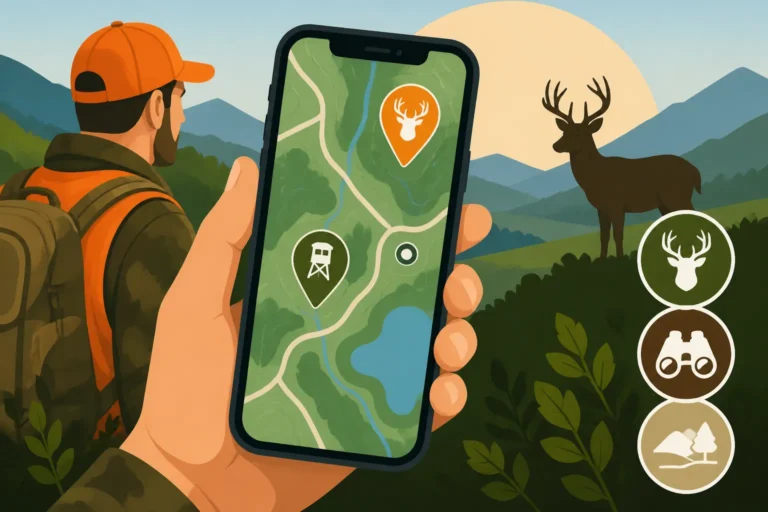
Look for tracks in muddy creek bottoms or on logging roads. Scan for droppings, especially those distinctive j-shaped gobbler droppings. Freshly scraped strut marks in dirt or pine needles are gold, indicating a gobbler has been displaying there recently. Inspect dusting bowls, where turkeys roll in dirt to clean their feathers, for signs of recent use. You're looking for patterns of movement, routes they use between roosting areas, feeding grounds, and water sources. Using a mapping application like GoHunt can be invaluable here. You can mark fresh sign, analyze terrain features, and identify potential travel corridors or ambush points. Don't just look for where a turkey was; try to deduce where it's going and why. This kind of diligent pre-hunt scouting is crucial when Roost Hunting Tennessee Gobblers becomes less effective due to silent birds.
Mastering Locator Calls and Soft Talk
While aggressive yelping and cutting might scare off a wary May gobbler, locator calls can still play a role, albeit with caution. Owl hoots, crow calls, and even coyote howls can sometimes shock a silent gobbler into sounding off without directly associating the sound with a hen. Use these sparingly and strategically, especially at first light.
Once you have a bird located, or if you're working a likely area, switch to soft, subtle turkey vocalizations. Instead of loud yelps and cuts, opt for soft clucks, purrs, and quiet tree yelps. These sounds mimic a contented hen going about her business, which can be far less threatening to a pressured gobbler. The goal isn't to draw him in with urgency, but to pique his curiosity just enough to make him want to investigate. Often, he’ll come in silently, so you need to be ready. Subtle calling can be a game-changer; think of it as whispering an invitation rather than shouting a demand. Selecting the right Turkey Calls Worth Carrying in Tennessee becomes even more important in this scenario.
Setting Up Smart: Decoy Strategies and Patience
When gobblers are quiet and wary, your setup becomes paramount. Forget running and gunning until you hear a gobble; by May, you might have to commit to an area and let the birds come to you. Look for natural funnels, pinch points, or areas where you’ve seen fresh sign that indicate a travel route. Setting up on a field edge or along a ridge where turkeys are likely to pass through is a smart move. When Setting Up Against a Big Oak, ensure you have good visibility and a clear shooting lane.
Decoys can still be effective, but consider adjusting your spread. A lone hen decoy can sometimes be more enticing than a whole flock, especially if gobblers are tired of fighting for hens. Or, paradoxically, a jake decoy paired with a submissive hen can sometimes anger a dominant gobbler into coming to challenge the intruder, even silently. However, be cautious with jake or full strut gobbler decoys on public land where other hunters might mistake them for live birds. Always prioritize safety. Proper Decoy Placement for Pressured Tennessee Birds in May means placing them where a silently approaching gobbler will see them from a distance, hopefully enticing him to close the last few yards.
The Art of the Run-and-Gun with a Twist
The traditional Run-and-Gun Turkey Tactics on Public Land involves covering a lot of ground, calling frequently, and hoping to strike a hot bird. In May, this can backfire if you're too aggressive. However, a modified run-and-gun can still be productive. Instead of loud, frequent calling, think of it as "scout-and-move."
Walk quietly, pausing often to listen for the softest cluck or distant gobble. Use your locator calls judiciously, perhaps every 200-300 yards, and give birds plenty of time to respond. When you do hear something, even a distant gobble, don't charge in. Instead, circle wide, use terrain to your advantage, and try to get ahead of the bird or position yourself where he's likely to go. Then, set up quietly and call softly. This low-impact approach is about minimizing disturbance while maximizing your chances of intercepting a bird that might not be eager to travel far to your call. This is particularly effective in larger public land tracts, like sections of the Cherokee National Forest or even some of the Wildlife Management Areas across the state.
Specific May Challenges and Solutions
May presents unique obstacles that weren't as prevalent earlier in the season. Understanding these specific challenges and having a game plan for each can make the difference between a successful hunt and a frustrating walk in the woods.
Dealing with Hen-Up Gobblers
By May, it's common to encounter gobblers that are "hen-up," meaning they're with one or more hens that aren't yet committed to a nest. These hens often dictate the gobbler's movements, making him incredibly difficult to call away. He already has what he wants, so why would he come to your calls?
The best strategy here is often patience and persistence. If you locate a hen-up gobbler, try to determine their direction of travel. Then, get ahead of them, set up quietly, and imitate a hen, but perhaps a different hen than the one he's with. Sometimes, a subtle approach can make his current hen jealous, or convince her to come check you out, bringing the gobbler with her. Another tactic is to try and "break up" the flock. If you can sneak close enough to them without spooking, a sudden, aggressive calling sequence (like a fly-down cackle or a series of loud cuts) can sometimes disorient the group, causing the hen to scatter. Once the gobbler is alone, even for a few minutes, he might be much more responsive to your subtle calls. This can be a high-risk, high-reward strategy, so choose your moments wisely.
Hunting the Midday Lull
Many hunters pack it in by mid-morning, especially if the gobbling has died down. This creates a prime opportunity during the "midday lull." While the loudest gobbling often occurs around dawn, turkeys are active throughout the day. In May, when gobblers are quieter and pressured, the midday period (roughly 10 AM to 3 PM) can be surprisingly productive because many other hunters have gone home.
During these hours, turkeys might be moving to different feeding areas, watering holes, or just strutting in open timber after the hens have gone to nest. This is a great time to implement your modified run-and-gun or to commit to sitting in a high-traffic area. Look for shady spots near water or food sources where turkeys might retreat during the warmer parts of the day. A patient sit in a strategically chosen location could yield a silent gobbler sneaking in to investigate a soft cluck or purr. Don't underestimate the power of simply being present when no one else is. Focus on Turkey Tactics for Farmland Field Edges during this time, as they often offer good visibility and are areas where turkeys might gather.
Weather Factors
May weather in Tennessee can be fickle, ranging from warm, sunny days to sudden thunderstorms and cooler fronts. Each condition requires a slight adjustment to your tactics.
- Rainy Days: Turkeys often become less vocal in heavy rain. Their hearing is affected, and they're more focused on finding shelter. However, light rain or a drizzle can sometimes make them more active, as insects become more exposed. On rainy days, focus on areas with good overhead cover, like dense pine stands or thick bottomland timber. Turkeys might use these areas as travel corridors or to seek refuge. Use softer calls and rely heavily on stealth and observation.
- Windy Days: Wind is a hunter's double-edged sword. While it can make it harder for turkeys to hear you (or gobble loudly), it also helps mask your sounds and movements. On windy days, position yourself where the wind is in your favor, ideally with it blowing your scent away from where you expect birds to approach. Focus on creek bottoms, hollers, or leeward sides of ridges where the wind is less intense. Again, observation and subtle calling are key.
- Cold Fronts: A sudden drop in temperature in May can sometimes make turkeys less active initially, but often, the days following a cold front can be excellent. The birds might become more focused on feeding, and if the sun is out, they’ll seek warmth in open areas. Keep an eye on weather patterns; a cold snap might just be what you need to refresh the birds' activity.
Essential Gear and Mindset for Late Season
Success in May isn't just about tactics; it's also about being properly equipped and maintaining the right mental attitude. When turkeys are challenging, every little advantage helps.
Optics and Stealth
With reduced gobbling, your eyes become your most valuable tool. A good pair of binoculars is indispensable for spotting silent birds, discerning movement in thick cover, and verifying legal targets before making a move. Spend time glassing likely areas from a distance before moving in.
Stealth, already critical in turkey hunting, becomes even more important in May. Wear good camouflage that matches the lush green of the late spring woods. Move slowly, deliberately, and quietly. Avoid rustling leaves, breaking twigs, or making unnecessary noise. Your approach should be more like still-hunting for deer than aggressive turkey calling. This might include using a ground blind for extended, silent sits, especially on fields or food plots. Remember that good concealment allows you to reposition or draw your bow/raise your gun without being detected by a silently approaching gobbler.
Patience and Persistence
This is arguably the most crucial aspect of May turkey hunting. The birds aren’t going to come screaming in every time you call. You'll likely encounter long periods of silence, missed opportunities, and birds that simply vanish. It’s easy to get discouraged.
However, the hunter who sticks with it, who keeps scouting, keeps moving slowly, and maintains a positive attitude, is often the one who finds success. Don’t give up on an area just because you don’t hear a gobble at first light. Stay out longer, hunt the midday, and trust your scouting. It's a grind, but the satisfaction of tagging a silent, wary May gobbler is immense because you truly earned it. You're trying to Making the Most of a Two-Bird Season Limit, and that often means putting in the extra effort when others quit.
Understanding Regulations and Safety
Even in the late season, it's vital to stay informed about Tennessee Statewide Turkey Bag Limit Rules and any local regulations. Always double-check your WMA rules, as some areas might have different season structures or restrictions. Blaze orange isn't required for turkey hunting in Tennessee, but it's always wise to exercise extreme caution, especially when walking in or out, or when carrying a harvested bird. Identify your target positively, ensure no other hunters are in your line of fire, and always be aware of your surroundings. Safety should never take a backseat to ambition.
Here’s a quick comparison of typical early vs. late season tactics:
| Feature | Early Season (April) | Late Season (May) |
|---|---|---|
| Gobbling | Frequent, loud, often responsive | Infrequent, softer, less responsive, silent |
| Calling | Aggressive yelps, cuts, fly-down cackles | Soft clucks, purrs, subtle tree yelps |
| Scouting | Focused on roosts, initial patterns | Intense, looking for fresh sign (tracks, droppings, strut marks) |
| Decoys | Active gobbler/hen setups, multiple hen spreads | Single hen, jake/hen combination (cautiously) |
| Movement | Aggressive run-and-gun to hot birds | Stealthy scout-and-move, deliberate repositioning |
| Patience | Important, but opportunities can come quickly | Critical, long waits, persistent effort |
| Visibility | Fairly open timber | Dense leaf-out, reduced visibility |
| Pressure | High at opener, but birds may be less wary initially | Cumulative pressure, wary, educated birds |
Remember, the Tennessee Turkey Population Trends show healthy numbers, but the birds learn quickly. Just because they're quiet doesn't mean they aren't there. It simply means you need to adjust your strategy to outsmart them.
The shift in May from booming gobblers to silent operators is a rite of passage for many Tennessee turkey hunters. It’s a period that tests patience and demands a deeper understanding of turkey behavior. By adapting your scouting, refining your calling to a subtle art, and committing to smart setups, you absolutely can find success. Don't get discouraged by the silence; let it motivate you to become a more complete, observant, and patient hunter. The rewards of tagging a hard-earned May gobbler are truly some of the sweetest in the woods.
Disclaimer
Hunting is an inherently dangerous activity. Always prioritize safety, adhere to all local, state, and federal regulations, and obtain proper licenses and permits. The information provided in this guide is for educational purposes only and should not replace professional guidance or official wildlife agency regulations. Conditions and regulations can change, so always consult the latest Tennessee Wildlife Resources Agency (TWRA) guidelines before hunting.