Tennessee Turkey Population Trends
For many of us who cherish those crisp spring mornings, listening for that first gobble to shatter the silence, there's been a growing concern. It feels like the gobblers aren't as plentiful as they once were, or perhaps they're just not as vocal, making you wonder what's really happening with Tennessee's wild turkey populations. This guide dives deep into the current trends, historical context, and critical factors influencing the birds we love to pursue, offering insights into what the future might hold.
The Remarkable Story of Tennessee's Turkey Restoration
It's easy to forget, especially if you haven't been hunting for decades, just how dire the situation was for wild turkeys in Tennessee not that long ago. Their presence was almost nonexistent for a significant period. Understanding where we've come from is crucial to appreciating the challenges and successes we see today.
From Near Extinction to Thriving Flocks
Imagine a Tennessee where hearing a wild gobble was a rarity, a distant memory from pioneer days. That was the reality for much of the 20th century. By the early 1900s, unchecked market hunting and widespread habitat destruction had decimated the eastern wild turkey across the state. They were essentially extirpated from most of Tennessee, a stark reminder of what can happen without thoughtful conservation.
The restoration effort, beginning in the 1950s and really picking up steam in the 1970s, is one of the greatest conservation success stories in North America. It wasn't just about protecting the few birds left; it was a massive, concerted effort to bring them back. This involved trap-and-transfer programs, where biologists would humanely capture turkeys from healthy populations in areas where they still existed and then release them into suitable habitats across Tennessee. This was painstaking work, often done with cannon nets or rocket nets, moving birds sometimes hundreds of miles to establish new breeding populations. It's truly incredible what dedicated conservationists and state agencies like the Tennessee Wildlife Resources Agency (TWRA) accomplished, showing that with enough effort, even seemingly insurmountable ecological damage can be reversed. If you're curious about the mechanics, you can learn more about how turkeys were restored to Tennessee.
Habitat Management and Protection
The trap-and-transfer program, while vital, wouldn't have worked without a significant improvement in habitat. Turkeys need specific types of habitat to thrive: large tracts of mature timber for roosting, open understories for easy movement, and diverse fields or clearings for foraging and nesting. The resurgence of Tennessee's forests from the turn of the century, coupled with intentional habitat management practices, played an equally critical role.
Landowners and public land managers began implementing strategies like prescribed burning, which helps maintain open understories and promotes new growth of grasses and forbs, crucial food sources for turkeys and their poults. Selective timber harvesting practices also created the diverse age classes of forest that turkeys utilize for different life stages. These efforts weren't just about deer or timber; they were about creating a mosaic of habitats that supported a wide array of wildlife, including the burgeoning turkey population. Without these long-term commitments to habitat, all the trap-and-transfer efforts would have been for naught. The combination of putting birds back and giving them good places to live allowed the population to explode, leading to the robust turkey hunting seasons we've enjoyed for decades.
Current Tennessee Turkey Population Status
After decades of incredible growth, many hunters have started to notice changes in the turkey woods. The loud, boisterous mornings some remember seem to be fewer and further between, leading to questions about the overall health of the state's turkey population.
What the Numbers Tell Us
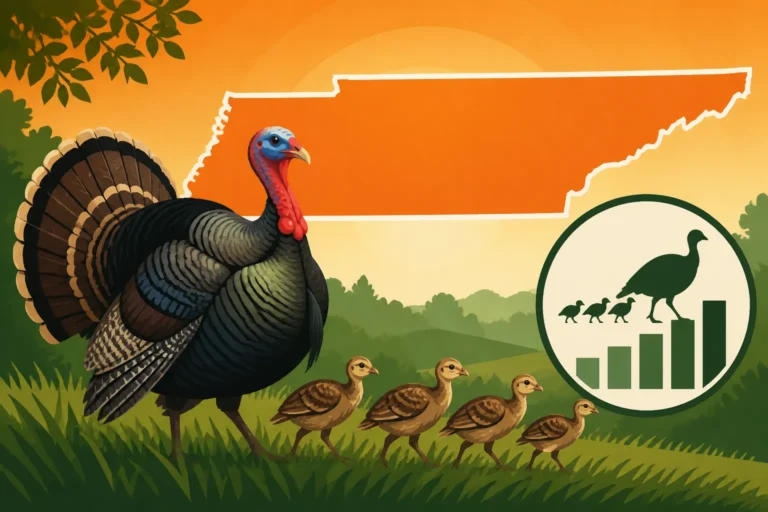
While anecdotal evidence from hunters is incredibly valuable, wildlife agencies rely on scientific data to assess population trends. The TWRA continually monitors turkey populations through various methods, including harvest data, brood surveys, and biologist observations. What these numbers consistently show is that while Tennessee's wild turkey population is still strong in many areas, the exponential growth seen in past decades has leveled off, and in some regions, populations have begun to decline.
For instance, the peak of Tennessee's turkey harvest occurred around the early 2010s. Since then, while we still harvest a significant number of birds annually, the overall trend has shown a slight but consistent downturn. This isn't a return to the pre-restoration era, but it's certainly a deviation from the upward trajectory we enjoyed for so long. Understanding these broader patterns, especially when looking at data from different regions across the state, helps us move beyond just our personal experiences and grasp the larger picture of Tennessee turkey population trends.
Here's a simplified look at the harvest trends over recent years, though remember, harvest numbers don't always perfectly reflect population, but they are a strong indicator of hunter success and population availability.
| Year Range | Average Spring Harvest (Approx.) | Trend Direction |
|---|---|---|
| Early 2000s | 25,000 – 30,000 | Increasing |
| Late 2000s | 35,000 – 40,000 | Strong Increase |
| Early 2010s | 40,000 – 45,000 | Peak/Stabilizing |
| Mid to Late 2010s | 35,000 – 40,000 | Slight Decline |
| Early 2020s | 30,000 – 35,000 | Stabilizing/Slight Decline |
Note: These are generalized figures based on publicly available TWRA data and may vary slightly year to year.
Regional Variations Across the State
One of the most important things to remember about wildlife populations is that they aren't uniform across an entire state. Tennessee is a diverse state, from the rugged mountains of the east to the rolling hills of Middle Tennessee and the rich agricultural bottomlands of West Tennessee. Each region presents unique challenges and opportunities for wild turkeys, and consequently, their populations can fluctuate differently.
For example, some areas in West Tennessee, with their extensive river bottoms and agricultural interfaces, might still hold dense turkey populations in certain pockets, even as overall numbers decline elsewhere. On the other hand, parts of the Cumberland Plateau or the more fragmented landscapes of Middle Tennessee might be experiencing more noticeable declines due to differing habitat pressures or predator dynamics. When you're out there using tools like the GoHunt app to scout new areas, it's really helpful to remember that what you see in one county might not reflect the exact situation twenty miles away. Knowing the local conditions and listening to reports from other hunters in specific areas can paint a much clearer picture of turkey densities than a statewide average.
Factors Influencing Turkey Populations
The health of a wild turkey population is a complex equation, influenced by a myriad of environmental, biological, and human-related factors. It's rarely one single issue, but rather a combination of pressures that can lead to booms or busts.
Habitat Degradation and Fragmentation
While habitat improvements were key to restoration, habitat loss and degradation remain significant threats to wild turkeys today. As Tennessee continues to grow, development encroaches on prime turkey habitat, turning sprawling forests into subdivisions or breaking up large tracts of woods with new roads and infrastructure. This fragmentation makes it harder for turkeys to move freely between nesting, roosting, and feeding areas, isolating populations and reducing genetic diversity.
Furthermore, changes in agricultural practices can also impact turkeys. While some agricultural lands provide excellent food sources, large-scale monoculture farming, where vast fields are dedicated to a single crop, offers less diversity and cover compared to smaller, more varied farming operations. The loss of hedgerows, field borders, and fallow fields reduces critical nesting and brood-rearing cover. This is especially true for poults, which need dense, insect-rich vegetation to survive their vulnerable early weeks. When those crucial areas disappear, even if the adult turkeys can adapt, the next generation struggles, leading to declining recruitment.
Predation and Disease
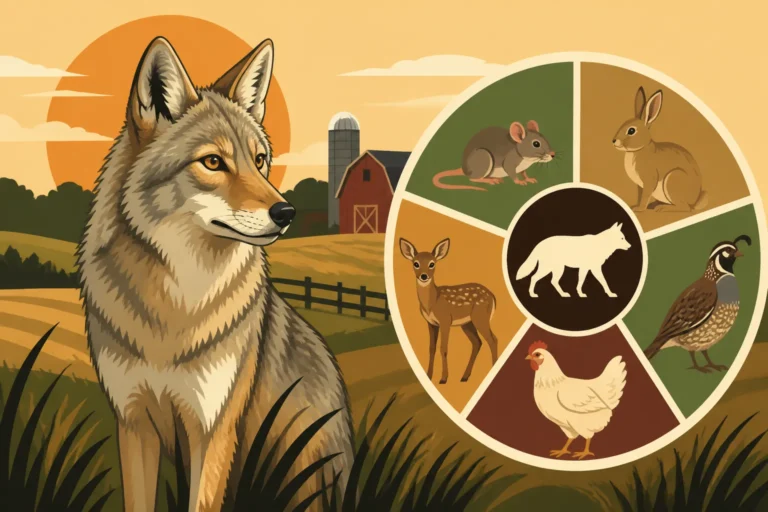
Predators are a natural part of any ecosystem, and turkeys have always contended with a variety of them, from raccoons and opossums raiding nests to coyotes and bobcats preying on adults and poults. However, changes in predator populations, sometimes influenced by human activity or other environmental factors, can put increased pressure on turkeys, especially when their numbers are already strained. For instance, an increase in mesopredators like raccoons can significantly impact nest success.
Beyond predation, diseases can also sweep through turkey populations. Avian pox, for example, while often not fatal to adult birds, can weaken them and make them more susceptible to other issues. More significantly, lymphoproliferative disease (LPD) has been identified in wild turkeys and can be a serious concern. While not as widespread or well-known as Chronic Wasting Disease (CWD) in deer, which we monitor closely in Tennessee, turkey diseases are still on the radar of wildlife managers. These diseases, combined with heavy predator loads, can be especially detrimental during critical periods like nesting and brood-rearing, making it harder for populations to recover from other stressors.
Weather Patterns and Climate Change
The weather plays an enormous, often underappreciated, role in turkey populations. Mild winters can mean higher overwinter survival rates for hens, leading to more birds ready to breed in the spring. However, extremely wet and cold springs can be devastating for poult survival. Young turkeys are incredibly vulnerable to exposure and hypothermia, and prolonged periods of rain can chill them quickly, reducing their chances of survival. Wet weather also reduces insect availability, a crucial food source for growing poults.
Droughts in the summer can also negatively impact food availability, particularly acorns and other mast crops that turkeys rely on during fall and winter. As climate patterns shift, we might see more unpredictable weather events – more intense heat, heavier rainfall during nesting season, or prolonged droughts – all of which can put added stress on turkey populations. Hunters who keep an eye on Tennessee Turkey Brood Survey Results often see a direct correlation between good spring weather and higher poult-to-hen ratios later in the summer, highlighting just how critical weather is for the success of the next generation.
TWRA Management and Conservation Efforts
The Tennessee Wildlife Resources Agency (TWRA) is at the forefront of monitoring and managing our state's wild turkey populations. Their work is essential in navigating the challenges and ensuring sustainable hunting opportunities for future generations.
Monitoring and Data Collection
A key part of the TWRA's strategy is comprehensive monitoring and data collection. This isn't just about counting gobblers; it's a sophisticated effort to understand the intricate dynamics of turkey populations. One of the most critical tools they use is harvest data, collected directly from hunters who report their birds. This provides invaluable insight into hunter success, distribution of birds, and annual fluctuations in harvest numbers. When you learn about Tennessee Turkey Harvest Numbers, you see the direct result of this reporting.
Beyond harvest, the TWRA conducts annual brood surveys in the summer, where volunteers and staff report sightings of hens with poults. This data helps calculate the crucial poult-to-hen ratio, a direct indicator of reproductive success for that year. A low ratio signals a challenging nesting season, while a high ratio suggests a strong hatch. These surveys, combined with targeted research projects on habitat use, disease prevalence, and predator impacts, allow the TWRA to build a holistic picture of the state's turkey health. It's a continuous feedback loop that informs their management decisions, ensuring they are based on sound science rather than guesswork.
Season Structure and Bag Limits
Based on the data collected, the TWRA carefully adjusts season structures and bag limits to promote healthy turkey populations. This often means making tough decisions that might not always be popular with every hunter, but are rooted in conservation principles. For instance, if brood surveys indicate several years of poor reproductive success, the agency might consider reducing the statewide turkey bag limit to ease pressure on the population and allow it to recover. Learning about Tennessee Spring Turkey Season Rules is essential for any hunter to understand these regulations.
They also manage specific hunt periods, such as the statewide turkey opener in April and the Young Sportsman Turkey Weekend, with conservation in mind. These season dates are chosen to minimize disturbance during crucial nesting periods and to align with turkey breeding cycles. The long-term goal is always to find that delicate balance: providing ample opportunity for hunters to enjoy the sport while ensuring the population remains robust and resilient for years to come. This adaptive management approach is vital in responding to environmental changes and other pressures that impact our wild turkeys.
Habitat Improvement Programs
The TWRA, often in partnership with private landowners and other conservation groups, continues to implement and promote habitat improvement programs specifically designed to benefit wild turkeys. These efforts go beyond general forest management to target the unique needs of turkeys throughout their life cycle. One common practice involves creating and maintaining early successional habitats through prescribed burns, mechanical thinning, and planting native warm-season grasses. These areas provide dense cover for nesting hens and an abundance of insects for poults, which are essential for their rapid growth and survival.
On public lands, like Wildlife Management Areas (WMAs), you'll often see active timber management that creates a mosaic of forest ages, providing both mature roosting timber and younger, denser escape cover. The TWRA also works to restore native plant communities and manage food plots that supplement natural food sources, particularly in areas where natural mast crops might be inconsistent. These proactive habitat initiatives are crucial, especially in areas facing habitat fragmentation, and are a testament to the ongoing commitment to ensuring turkeys have the diverse environments they need to thrive. Using tools like the GoHunt app can often help hunters identify areas on public land that have recently undergone such habitat work, giving them an edge in finding birds.
How Hunters Can Contribute to Turkey Conservation
As hunters, we're not just consumers of the resource; we are its most passionate stewards. Our actions in and out of the woods can significantly impact the future of wild turkey hunting in Tennessee.
Responsible Hunting Practices
Ethical and responsible hunting practices are paramount to conservation. This means strictly adhering to all Tennessee Spring Turkey Season Rules and regulations, including bag limits, legal shooting hours, and methods of take. For instance, ensuring you identify your target properly and are confident in your shot before pulling the trigger helps prevent the unintentional take of hens, which are the backbone of any turkey population. Understanding why only one jake counts toward the limit also highlights the importance of managing the age structure of the flock.
Beyond the regulations, it’s about making smart choices. Avoiding over-pressuring specific areas, especially during the nesting season, can help birds feel secure. Being mindful of public land etiquette, such as scouting Tennessee public land before season and minimizing disturbance, contributes to a positive experience for all hunters and less stress on the birds. Every time we report a harvest accurately, educate a new hunter, or pass on a questionable shot, we are actively participating in responsible wildlife management. It’s a privilege to hunt, and with that privilege comes the responsibility to ensure the resource remains vibrant.
Participating in Brood Surveys and Harvest Reporting
One of the most direct and impactful ways hunters can help is by actively participating in TWRA's data collection efforts. When you harvest a bird, it is critical to report it accurately and promptly. This harvest reporting is not just a formality; it provides the TWRA with real-time data on harvest numbers, distribution, and even hunter effort across the state. Accurate reporting allows wildlife managers to make informed decisions about future season structures and bag limits.
Beyond harvest, consider becoming a volunteer for the annual brood surveys. These surveys typically take place in summer, and they involve reporting sightings of hens and their poults. This data directly contributes to understanding reproductive success, which is a key indicator of population health. Even if you're just out for a drive on a back road, or scouting for deer season, submitting observations can make a real difference. Check the TWRA website for details on how to get involved; it’s an easy way to turn your passion into tangible conservation action.
Supporting Conservation Organizations
Finally, financially supporting and actively participating in conservation organizations dedicated to wild turkeys is a powerful way to contribute. Groups like the National Wild Turkey Federation (NWTF) are instrumental in funding habitat improvement projects, research initiatives, and public land access programs right here in Tennessee. They work closely with state agencies and private landowners to ensure critical turkey habitat is protected and enhanced.
Your membership dues, donations, or even just volunteering your time at local NWTF chapter events, directly translate into acres of habitat restored, educational programs for youth, and advocacy for sound wildlife policies. These organizations are the boots on the ground, often filling gaps where state budgets might be stretched thin. By joining forces with these groups, hunters ensure that their passion for turkeys is backed by collective action, leaving a lasting legacy for the future of Tennessee turkey hunting.
Looking Ahead: The Future of Tennessee Turkeys
While there are certainly challenges to address, the future of wild turkeys in Tennessee is far from bleak. The dedicated efforts of wildlife agencies, conservation organizations, and responsible hunters continue to shape the trajectory of this incredible game bird.
Adaptable Management for Evolving Challenges
The TWRA is continuously reviewing its management strategies, understanding that what worked perfectly during the peak of restoration might need adjustments for current conditions. This adaptive management approach is key to tackling evolving challenges like habitat fragmentation, changing predator dynamics, and the impacts of unpredictable weather. They regularly analyze new research, collaborate with other state agencies and universities, and incorporate hunter feedback to fine-tune regulations and habitat programs.
Expect to see continued emphasis on habitat diversity, potentially even more nuanced approaches to season setting in specific regions, and ongoing research into factors like disease and poult survival rates. The goal is to be proactive, not just reactive, ensuring that management practices are responsive to the real-world conditions facing turkeys on the ground. This scientific, flexible approach gives us the best chance of navigating the ups and downs of turkey populations and maintaining robust flocks across the state.
The Role of Hunter Engagement
Ultimately, the future health of Tennessee’s turkey population rests heavily on the shoulders of its hunters. Engaged hunters who understand the science, respect the regulations, and actively participate in conservation efforts are the most valuable assets we have. This means continuing to share your observations, both good and bad, with wildlife officials, participating in surveys, and championing habitat work.
It also means mentoring the next generation, instilling in them not just the skills to hunt, but the deep appreciation for conservation that defines our community. By fostering a culture of stewardship, we ensure that the passion for wild turkeys endures, driving the collective effort needed to overcome challenges. The more informed and involved we are, the better equipped we become to advocate for the birds and ensure those thrilling spring gobblers continue to echo through the Tennessee woods for many years to come.
Disclaimer
Please remember that hunting regulations and wildlife management strategies are subject to change. Always consult the most current Tennessee Wildlife Resources Agency (TWRA) regulations before engaging in any hunting activities. This information is intended for educational purposes and should not be considered a substitute for official legal guidance or professional wildlife management advice.