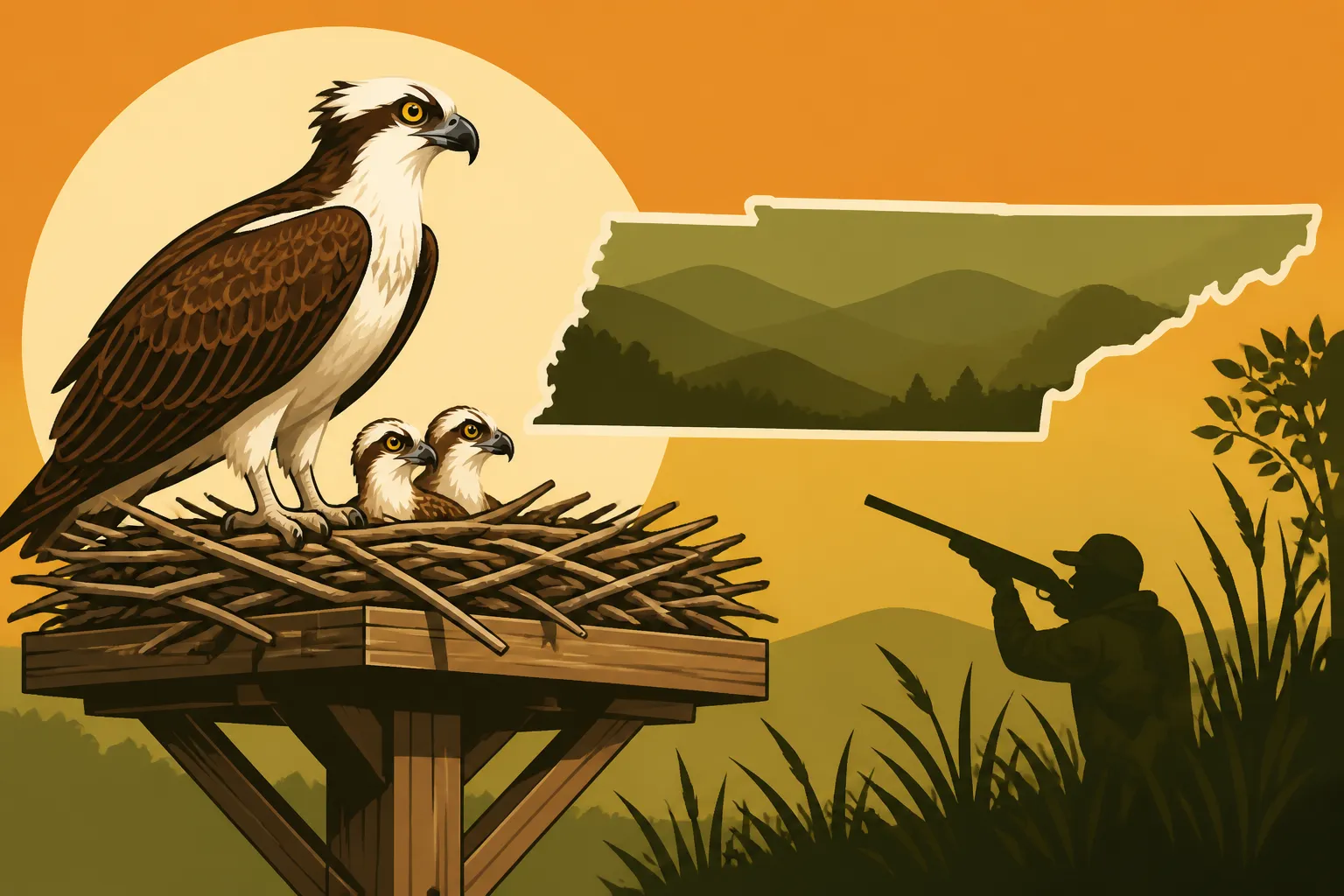
Tennessee Osprey Nesting Platforms
It's easy to get laser-focused on the deer tracks or the gobbler's strut, but a true Tennessee outdoorsman knows that understanding the broader ecosystem makes us all better stewards and more effective hunters. One often-overlooked yet critical element of our state's thriving natural world is the presence of osprey nesting platforms, unsung heroes in a remarkable conservation story that speaks volumes about the health of our waterways and the dedication of our communities. This guide will walk you through why these platforms matter, how they contribute to a vibrant Tennessee, and how their success reflects a commitment to wildlife that benefits every one of us who cherishes the wild.
The Resurgence of Ospreys in Tennessee: A Conservation Success Story
For many years, the sight of an osprey gracefully diving talons-first into a lake or river was a rarity in Tennessee, a bird pushed to the brink by environmental challenges. But today, thanks to concerted conservation efforts, these magnificent raptors are a more common and welcome sight, a testament to what we can achieve when we prioritize our wildlife. Their return isn't just a win for birdwatchers; it signals a healthier environment for all creatures, from the smallest baitfish to the biggest whitetail buck.
From Near Extinction to Thriving Populations
Back in the mid-20th century, the osprey population across North America, including right here in Tennessee, suffered dramatically. The widespread use of pesticides like DDT devastated their reproductive success, causing eggshells to thin and break under the weight of the incubating parents. It was a bleak time, with their numbers dwindling to alarming lows. Many feared we might lose them forever.
However, once DDT was banned and aggressive conservation programs were put into place, these incredible birds began their slow, arduous comeback. Here in Tennessee, this recovery has been particularly inspiring. State wildlife agencies, along with countless volunteers and organizations, spearheaded efforts to reintroduce ospreys and, crucially, to provide safe, elevated nesting sites where they could raise their young away from ground predators and human disturbance. These deliberate actions, coupled with a renewed focus on environmental health, have allowed the osprey to rebound, transforming them from a critically endangered species in our state to a common sight over many of our major reservoirs and river systems.
The Vital Role Ospreys Play in Our Ecosystems
Ospreys aren't just pretty birds to look at; they are crucial components of a balanced ecosystem. Often called "fish hawks," their diet consists almost entirely of fish, making them top predators in aquatic environments. This specialized diet means their presence is a strong indicator of healthy fish populations and clean water. If ospreys are thriving, it generally suggests that the lakes, rivers, and reservoirs they hunt in are healthy and capable of supporting a diverse aquatic food web.
From a hunter's perspective, this is incredibly important. Clean water and abundant fish populations don't just benefit ospreys; they support the entire chain of life, including the ducks and geese that winter here, the raccoons and muskrats along the banks, and even the deer that come to drink. Ospreys are essentially nature's litmus test for aquatic health. When you see one circling overhead, snatching a fish from the surface, you're witnessing a direct sign that the environmental work we've all contributed to, directly or indirectly, is paying off. It's a reminder that conservation efforts are deeply interconnected, and a win for one species often means a win for many.
Understanding Osprey Nesting Platforms: Design, Placement, and Purpose
These nesting platforms are more than just simple poles with a basket on top; they are carefully designed structures placed in strategic locations to give ospreys the best possible chance at successful breeding. Understanding their construction and siting can give you a deeper appreciation for the thought and effort that goes into supporting these magnificent birds.
Key Components of a Successful Platform Structure
An effective osprey nesting platform is built with several key considerations in mind. At its core, it consists of a tall, sturdy pole, often made of treated lumber or a recycled utility pole, cemented deep into the ground. This height is crucial, typically ranging from 20 to 50 feet, to provide a commanding view for the ospreys and deter most ground predators like raccoons or snakes from reaching the nest. Hanging a Stand on a Cumberland Ridge involves finding suitable trees, and similarly, these platforms require robust, well-anchored structures.
On top of this pole sits the actual nesting platform, usually a rectangular or square wooden frame, sometimes with a shallow basket or a wire mesh base. This frame provides a stable foundation for the osprey to build its bulky nest of sticks and debris. Often, a few starter sticks are placed on the platform to encourage initial use, acting like a "welcome mat" for prospecting pairs. Some platforms even include a perch bar slightly above the nest, allowing the male to stand guard or bring food to the female without disturbing the eggs or young. All these elements work together to create an irresistible and safe home.
Strategic Siting for Osprey Attraction and Safety
The placement of these platforms is just as important as their design. Ospreys are fish eaters, so platforms are almost exclusively located near large bodies of water – think major lakes, wide rivers, or expansive reservoirs. Places like Reelfoot Lake or the expansive impoundments along the Tennessee River are prime candidates. Hunting Tennessee River Bottom Funnels and Hunting West Tennessee River Bottoms are areas where you'd be likely to spot these platforms. The platform needs to be within easy flying distance of good fishing grounds.
Beyond proximity to water, safety is paramount. Platforms are typically placed in open areas, away from dense tree cover that might obstruct their flight paths or provide perching opportunities for rival raptors like great-horned owls, which can prey on osprey chicks. They're also often situated away from heavy human disturbance, though ospreys can become accustomed to some activity once they've established a nest. Power lines are another consideration; platforms are usually kept a safe distance to prevent electrocution risks for the large birds. The goal is to provide a safe, accessible, and productive nesting site that meets all the osprey's unique needs.
Common Challenges and Maintenance Considerations
While osprey platforms are fantastic, they aren't entirely set-and-forget structures. They face their own set of challenges, and ongoing maintenance is often required to keep them viable. One common issue is simply wear and tear from weather. Strong winds, heavy rains, and the sheer weight of a large, stick-built nest can take their toll over time, necessitating repairs or even replacement of the platform or pole.
Another challenge can be competition for nesting sites. While designed for ospreys, other birds, like Canada geese or even great-horned owls, might sometimes try to usurp a platform. Wildlife managers occasionally have to intervene to ensure the platform remains available for its intended occupants. Furthermore, if a platform isn't being used, it might indicate issues with the surrounding habitat or fish populations, prompting further investigation. These structures represent a long-term commitment, requiring periodic checks and interventions to remain effective tools in osprey conservation.
| Feature | Description | Importance for Ospreys |
|---|---|---|
| Sturdy Pole | Tall, durable, weather-resistant material (e.g., utility pole) | Elevated safety from ground predators, visibility |
| Flat Platform Top | Square or rectangular frame, sometimes with mesh or basket | Stable base for nest building |
| Starter Sticks | A few branches pre-placed on the platform | Encourages initial nesting, a "welcome" sign |
| Perch Bar (Optional) | Horizontal bar above nest for non-incubating parent | Observation point, food exchange without disturbance |
| Location | Near large, fish-filled bodies of water, open sight lines | Access to food, clear flight paths, predator avoidance |
Connecting Osprey Conservation to Broader Tennessee Hunting Values
You might be thinking, "What does a fish hawk have to do with my deer stand?" The truth is, quite a lot. The principles behind osprey conservation are deeply intertwined with the values that drive responsible hunting and wildlife management in Tennessee. It's all about ensuring healthy, sustainable populations and habitats for all species, which ultimately benefits everyone who enjoys the outdoors.
Healthy Habitats Benefit All Wildlife, Not Just Game Species
The core of osprey conservation is habitat protection and enhancement. By providing clean water, abundant fish, and safe nesting sites, we're not just helping ospreys; we're strengthening the entire aquatic and riparian ecosystem. This means healthier populations of game fish, more robust insect life, and better conditions for waterfowl, furbearers, and even white-tailed deer that rely on these water sources. Think about it: the same rivers and lakes where ospreys hunt are often the same places you find beavers, muskrats, and migrating ducks.
When conservationists work to clean up a waterway or establish a protected area, the benefits ripple outward. A healthy river system with thriving osprey populations often means better water quality downstream, which impacts everything from agricultural lands to municipal water supplies. For hunters, this translates directly to more vibrant public lands, stronger game populations, and a more enjoyable outdoor experience. It reinforces the idea that all parts of nature are connected, and neglecting one species can have unforeseen consequences for others. When you're Scouting Tennessee Public Land Before Season, you're often assessing habitat quality, and osprey presence is a good signpost.
The Hunter's Role in Environmental Stewardship
Hunters have historically been, and continue to be, among the strongest advocates for wildlife conservation. From funding mechanisms like license sales and excise taxes on gear to direct involvement in habitat projects, our community has a deep-seated commitment to preserving wild places and wild creatures. The recovery of the osprey, while not a directly hunted species, stands as a prime example of the broader conservation ethic that hunters champion.
When we support efforts to restore a species or protect a habitat, whether it's for elk in North Cumberland or a small stream for native trout, we're acting on the principle of leaving the land better than we found it. Ospreys are a charismatic emblem of this success. Their thriving presence reinforces the value of sound wildlife management principles and the importance of scientific conservation, approaches that are consistently championed by responsible hunters. It's about recognizing that our hunting heritage is tied to a healthy natural world for all species.
Discovering and Supporting Osprey Platforms Across Tennessee
With ospreys making such a magnificent comeback, there are more opportunities than ever to observe these birds and even contribute to their ongoing success. Whether you're a seasoned hunter scouting new territory or simply an outdoor enthusiast looking to appreciate nature, knowing where to find these platforms and how to get involved can be incredibly rewarding.
Identifying Active Platforms on Public and Private Lands
Osprey platforms are typically found near large bodies of water. You'll often see them along major rivers like the Tennessee and Cumberland, and especially on the larger reservoirs such as Kentucky Lake, Percy Priest, Old Hickory, Watts Bar, and Tellico Lake. Many Wildlife Management Areas (WMAs) and state parks that border these water bodies also host platforms as part of their broader conservation efforts. If you're using a mapping tool like GoHunt for scouting Reading Aerial Photos for Cumberland Plateau Deer or other game, take a moment to look along shorelines. You might spot a distinct, man-made structure sticking up from the water or on a nearby bank, often with a large stick nest perched on top.
Keep an eye out, too, for the birds themselves. An osprey circling high overhead, or diving feet-first into the water, is a dead giveaway that a nesting platform is likely nearby. Observing their flight patterns can lead you directly to their nest. Remember, though, to maintain a respectful distance, especially during nesting season (typically March through August), to avoid disturbing the birds. Binoculars or a spotting scope are your best friends for enjoying these majestic raptors without causing stress.
How Individuals and Groups Can Get Involved
Want to lend a hand in ensuring the osprey's continued success? There are several ways to get involved. Many local conservation organizations, birding clubs, and even chapters of national hunting and fishing groups frequently organize projects to build, install, or maintain osprey nesting platforms. Volunteering your time and skills for such projects is a direct way to contribute to habitat improvement. Just as with programs like Earning a Buck Tag Through CWD Testing for deer, collective action makes a huge difference.
Beyond direct involvement, financial contributions to organizations dedicated to raptor conservation or general wildlife habitat improvement also make a significant impact. You can also advocate for responsible land and water management practices in your community. Simply reporting observations of ospreys and their nesting activities to your local wildlife agency (like the Tennessee Wildlife Resources Agency) can contribute valuable data to their population monitoring efforts. Every little bit helps ensure that future generations of Tennesseans, hunters and non-hunters alike, can continue to marvel at these incredible birds soaring over our waters.
Disclaimer
This article is for general informational purposes only and does not constitute professional advice. Laws, prices and regulations vary by location and change over time. Consult a qualified professional for guidance on your specific situation.