Tennessee’s Restored Elk Herd
For so many folks across Tennessee, the idea of elk still feels like a distant dream, something you see out West or in the really big mountain states. Maybe you’ve heard whispers of a herd, but the reality of hunting them in our home state seems shrouded in mystery, almost unachievable. This guide is here to pull back that curtain, offering a deep dive into Tennessee's restored elk herd, covering everything from their incredible return to the rigorous, yet rewarding, pursuit of a tag and the hunt itself.
The Incredible Journey Tennessee's Elk Made Back Home
It's easy to forget that Tennessee was once home to magnificent elk herds. Before European settlement pushed westward, these grand animals roamed our forests, a vital part of the natural ecosystem. But as happens too often with unchecked expansion and market hunting, their populations dwindled, eventually leading to their complete disappearance from the state by the mid-19th century. For generations, the only elk most Tennesseans ever saw were in books or on TV.
From Extinction to Reintroduction Efforts
The dream of bringing elk back to Tennessee wasn't just a fleeting thought; it was a decades-long vision held by wildlife biologists and conservationists. The idea gained serious traction in the late 1990s, inspired by successful reintroduction projects in other eastern states like Kentucky, Pennsylvania, and North Carolina. These efforts showed that with careful planning, suitable habitat, and dedicated management, elk could indeed thrive once more in their ancestral ranges. It wasn't about simply releasing animals; it was about preparing the landscape, educating the public, and securing the necessary funding and political will to make such an ambitious project a reality. This wasn't just a TWRA project; it involved countless volunteers, local landowners, and conservation groups who believed in the power of ecological restoration.
The Initial Stocking and Early Challenges
The first chapter of Tennessee's modern elk story began in 2000, when the initial release of elk took place in the North Cumberland Wildlife Management Area. These majestic creatures, sourced primarily from Canada and Kentucky, were carefully transported and released into specially prepared holding pens before their final liberation into the wild. The excitement was palpable, but so were the challenges. Adapting to a new environment, avoiding disease, and navigating an entirely new predator landscape were significant hurdles for the nascent herd. Early years involved intensive monitoring, tracking individual animals via radio collars, and vigilant health assessments to ensure the herd had the best possible chance to grow and establish itself. It was a slow, painstaking process, watching individual cows calve and bulls grow their racks, knowing each success was a small victory in a much larger conservation battle.
Establishing the North Cumberland Elk Restoration Zone
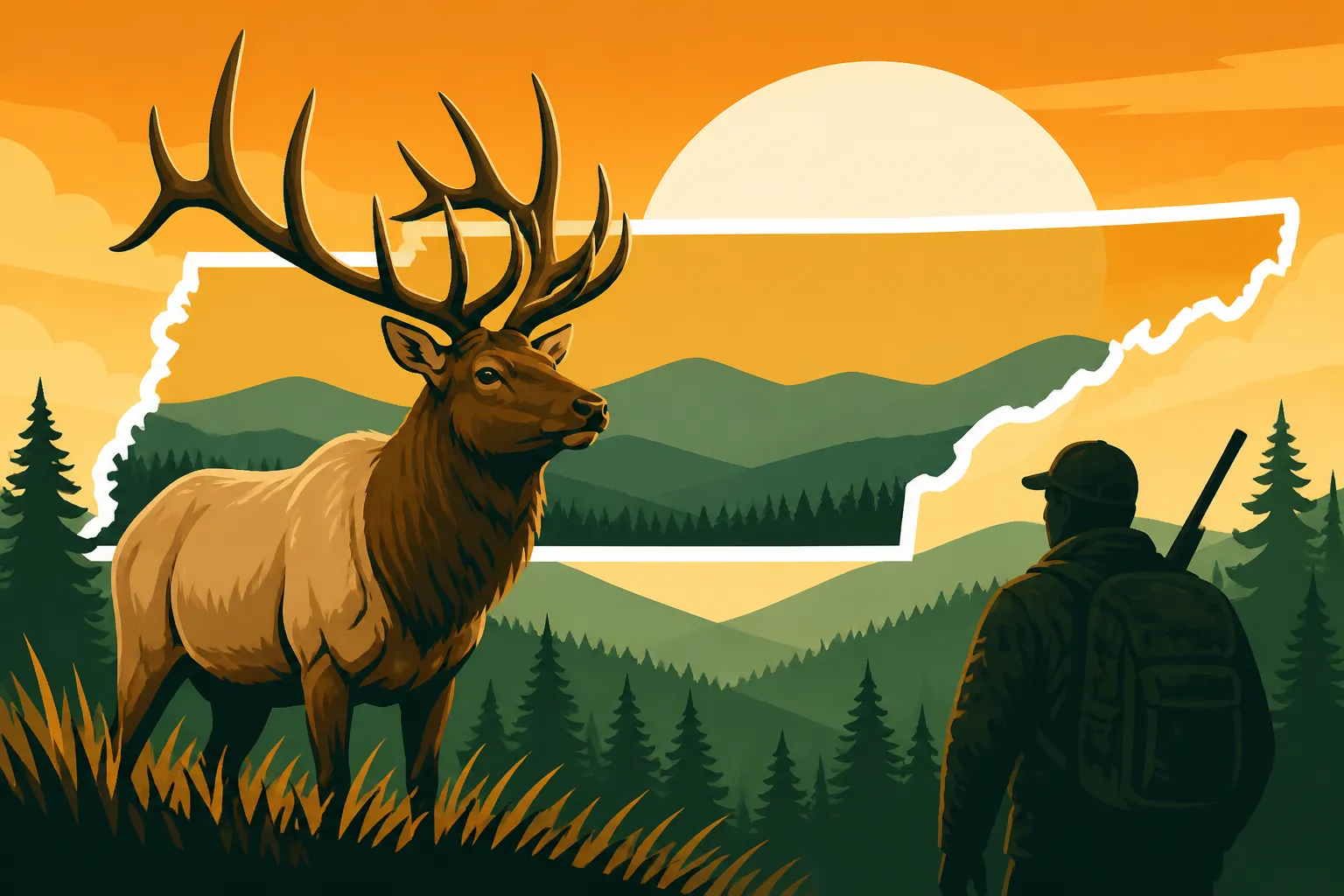
To truly give the elk a fighting chance, a specific area was designated: the North Cumberland Elk Restoration Zone. This encompasses parts of Scott, Campbell, Claiborne, Morgan, and Anderson counties in Northeast Tennessee, an expanse of rugged, mountainous terrain rich with dense forests, clear-cuts, and open fields, providing diverse forage and cover. This zone was chosen for its vast stretches of public land, its historical suitability for elk, and its relatively low human population density compared to other parts of the state. The establishment of this zone wasn't just about setting boundaries on a map; it also came with specific regulations designed to protect the growing herd, restricting certain activities and providing sanctuary areas. The commitment to this zone has been unwavering, allowing the elk to spread, find prime bedding and feeding areas, and slowly reclaim their place in the Appalachian foothills. Over the years, the zone has been expanded and refined to better suit the growing herd's needs.
Where Tennessee's Elk Roam Today: The North Cumberland Zone
When we talk about Tennessee elk, we're almost exclusively talking about the North Cumberland Elk Restoration Zone. This isn't like deer, where you find them statewide. Elk are a localized phenomenon, making the North Cumberland a truly special place in our state's hunting and wildlife landscape. It’s rugged, beautiful, and demanding, all at once.
Understanding the Geographic Boundaries
The North Cumberland Elk Restoration Zone is an immense area, covering approximately 700,000 acres of public and private land. Its boundaries are carefully delineated, stretching across those five key counties: Scott, Campbell, Claiborne, Morgan, and Anderson. This region is characterized by steep ridges, deep hollows, and a mix of mature timber, reclaimed strip mines, and managed wildlife openings. It’s not a single, unbroken block of land but a patchwork, with critical habitat intertwined with active logging operations, gas well sites, and residential properties. Understanding these boundaries is absolutely crucial for any hunter, scout, or wildlife enthusiast venturing into the area. You can find detailed maps on the TWRA website or using a mapping application like GoHunt, which overlays property lines and public land boundaries. This helps you identify exactly where you are and whether you are within the designated elk zone or one of the specific hunt zones.
Key Public Lands Within the Zone
The vast majority of elk hunting opportunities and elk sightings occur on the extensive public lands within the North Cumberland Zone. This includes a significant portion of the North Cumberland Wildlife Management Area, which is managed explicitly for a variety of game, including elk. Other important public areas include portions of Royal Blue Wildlife Management Area, Sundquist Wildlife Management Area, and considerable stretches of privately owned timberlands and mining lands that are enrolled in public access programs or managed by timber companies. The sheer scale of these public holdings means that hunters often have to hike deep into remote country to find unpressured animals. These are not small, easily accessible plots; they are vast, wild spaces that demand physical fitness and serious woodsmanship. When planning your hunt, familiarizing yourself with these specific WMAs and their access points is your first step.
Habitat Characteristics That Support Elk
The success of the North Cumberland elk restoration is directly tied to the unique habitat characteristics of the region. The area boasts a rich mosaic of forage types. Reclaimed strip mines, for example, have been revegetated with grasses, clovers, and forbs, creating vital open areas for elk to graze, especially during morning and evening hours. These meadows, often interspersed with pockets of woods, provide excellent feeding opportunities. Additionally, the mature hardwood forests provide mast crops like acorns, which are a critical food source in the fall. Dense thickets and young timber cuts offer crucial thermal and escape cover, especially for calves and during harsh winter weather. The numerous drainages and creeks ensure a consistent water supply. This diversity—openings for grazing, thickets for bedding, and hardwoods for mast—is precisely what a thriving elk herd needs. Without this varied habitat, the herd simply wouldn't have been able to rebound as strongly as it has.
The Health and Size of Tennessee's Elk Herd
Monitoring a wild animal population, especially one that was reintroduced, is a complex and ongoing effort. For Tennessee's elk, understanding their health and numbers is paramount to ensuring the long-term success of the restoration project and informing sustainable hunting strategies.
Current Population Estimates and Trends
The Tennessee Wildlife Resources Agency (TWRA) conducts regular surveys to estimate the size of the elk herd. While the exact number fluctuates, the herd has shown steady growth since the initial reintroductions. Current estimates place the herd at around 400-500 animals, a testament to the success of the restoration efforts. This might not sound like the massive herds of the Rockies, but for a reintroduced population in the eastern US, it's a significant achievement. This growth isn't just about total numbers; it's also about the geographical spread of the animals within the North Cumberland Zone and even occasional sightings outside its core. Maintaining a healthy growth rate is a delicate balance, requiring careful management of habitat, monitoring for disease, and, yes, a limited hunting season to manage herd dynamics. Hunters who are interested in the details of How Many Elk Live in North Cumberland can delve into the specific population reports.
Elk Biology and Behavior in Tennessee's Landscape
Elk in Tennessee exhibit behaviors similar to their western counterparts, but they've adapted to our unique Appalachian environment. They are primarily grazers, preferring grasses and forbs, but they will also browse on woody vegetation, especially in winter. During the rut, typically in late September and early October, the bulls become incredibly vocal, their bugles echoing through the hollows – a sound that’s truly unforgettable if you’re lucky enough to hear it. Cows typically calve in late spring, usually in May or June, seeking out dense cover in secluded areas. Understanding these seasonal behaviors is crucial for hunters and wildlife viewers alike. For example, during the summer, elk tend to be more dispersed, while in colder months, they may concentrate around specific food sources. Their large size and need for considerable forage mean they often move between different habitat types throughout the day, from open feeding grounds to dense bedding areas, and can cover vast distances.
Monitoring Efforts and Conservation Challenges
The TWRA, along with university partners and volunteers, continuously monitors the elk herd. This involves ongoing radio-telemetry studies, trail camera surveys, aerial counts, and citizen science reports. Disease monitoring is a critical component, especially concerning Chronic Wasting Disease (CWD), which poses a threat to deer populations in other parts of Tennessee. So far, CWD has not been detected in Tennessee's elk herd, but vigilance is high. Another challenge is managing human-elk interactions, particularly with landowners whose crops or property might be impacted by foraging elk. As the herd grows, so does the potential for such conflicts. The overall goal is to maintain a healthy, free-ranging elk population that is sustainable and provides both hunting and viewing opportunities for the people of Tennessee. Part of this success also comes down to understanding How Two Hundred and One Elk Built a Herd and how careful management and protection fostered their growth from a small founding population.
The Highly Coveted Tennessee Elk Quota Hunt
For many Tennessee hunters, drawing an elk tag is the ultimate dream, often considered a once-in-a-lifetime opportunity. It’s a limited draw for a reason: to manage the herd responsibly and ensure a high-quality hunting experience. This is where the rubber meets the road for aspiring elk hunters.
Applying for a North Cumberland Elk Permit
Each year, the TWRA holds a public drawing for a very limited number of elk hunting permits. The application period typically opens in late spring or early summer, and it’s a process you don't want to miss. To apply, you usually need a valid Tennessee hunting license and a big game permit. The application is done online through the TWRA's Go Outdoors Tennessee platform. There are specific categories of tags: bull-only, antlerless, and a special youth tag. It’s essential to read the regulations thoroughly each year, as rules can occasionally change. The fee for applying is generally quite modest, but the potential reward is immense. Many hunters apply year after year, patiently building preference points, hoping to eventually draw that golden ticket. You can learn more about Applying for a North Cumberland Elk Permit directly from the TWRA guidelines.
Understanding the Lottery and Drawing Odds
Let's be realistic: the odds of drawing a Tennessee elk tag are tough. Very tough. Only a handful of permits are issued each year – historically, around 19 permits for the general public, including various types like bull, antlerless, and youth. This makes it one of the most exclusive big game draws in the country. The TWRA employs a preference point system, meaning for every year you apply and don't draw, you gain a point, theoretically increasing your chances in future drawings. However, it's still a lottery. Some hunters draw in their first few years, while others wait for decades. Don't let the low odds deter you, though; someone has to draw those tags! Many aspiring hunters use tools like GoHunt's drawing odds calculators to understand their chances and strategize their applications, especially if they're also applying in other states. It's a game of patience and perseverance.
What to Expect if You Draw a Tag
If you're one of the incredibly lucky few to draw a Tennessee elk tag, get ready for an unforgettable adventure. Drawing a tag is just the beginning. You'll be assigned to one of the Tennessee's Ten Elk Hunt Zones within the North Cumberland Elk Restoration Zone. These zones help distribute hunters and minimize pressure on the herd. Immediately after drawing, you should immerse yourself in scouting. This isn't a hunt you can walk into cold. Expect rugged, steep terrain, dense cover, and elk that are incredibly wary. Many successful hunters spend weeks, even months, before the season, hiking, learning the land, and locating elk. There's usually a mandatory orientation meeting with the TWRA that provides critical information and resources. This is a wilderness hunt, demanding physical conditioning, top-tier gear, and a strong mental game.
| Elk Hunt Season Type | Dates (Approximate) | Legal Weapons | Tag Type(s) | Notes |
|---|---|---|---|---|
| Archery-Only | Late September – Early October | Archery equipment (vertical bow, crossbow) | Bull-only, Antlerless | Coincides with the peak of the rut, often high activity. |
| General Firearms | Mid-October | Centerfire rifles, muzzleloaders, shotguns, handguns | Bull-only, Antlerless | Most popular season, greater success rates typically. |
| Youth | Late September / Mid-October | Varies (archery, firearms allowed) | Bull-only, Antlerless | Specific weekend(s) designated for youth hunters. |
Note: Specific dates and regulations can vary annually. Always consult the official TWRA hunting guide for the most up-to-date information.
Elk Hunting Seasons and Specific Rules
Once you've drawn a tag, understanding the specific season dates and rules for your particular permit is paramount. Tennessee offers a few distinct elk hunting seasons, each with its own nuances and requirements. These seasons are carefully structured to provide opportunities while maintaining herd health.
Archery-Only Elk Season Specifics
The Tennessee Archery-Only Elk Season Dates typically fall in late September to early October, perfectly coinciding with the peak of the elk rut. This is an incredible time to be in the woods, as bull elk are highly vocal and active, bugling and challenging rivals. For the archer, it's an opportunity for an up-close and personal encounter. Legal equipment includes vertical bows and crossbows, as per statewide archery regulations. Success in this season often hinges on calling strategies, patience, and silent movement through the dense timber. Unlike rifle hunting, you're relying on getting within very close range, which demands a higher level of stealth and woodsmanship. The weather can be mild, but the terrain is still unforgiving. Many hunters prefer this season for the intense, raw experience of hunting bugling bulls.
General Firearms Elk Season Details
The Tennessee General Firearms Elk Season Dates usually take place in mid-October. This is often the most popular season and historically sees higher success rates due to the expanded range and power of firearms. Legal weapons typically include centerfire rifles (with specific minimum caliber requirements), muzzleloaders, shotguns, and handguns. Hunters must adhere to Tennessee's general firearms regulations, including blaze orange requirements for safety. While the peak of the rut may have passed, bulls can still be responsive to calling, and elk will be actively feeding, building up reserves for winter. This season provides a different set of challenges, often involving longer shots and the need for precision marksmanship in mountainous conditions. The crowds on public land can also be heavier during this period, requiring even more effort to find secluded elk.
Youth Elk Season Opportunities
Recognizing the importance of introducing the next generation to conservation and hunting, Tennessee also offers a special Tennessee Youth Elk Season Rules. This season typically runs for a specific weekend or short period, often overlapping with either the archery or general firearms seasons. These tags are usually for either-sex elk and are designed to provide a mentored hunting experience for young hunters. Specific age requirements apply, and youth hunters must be accompanied by an adult mentor who meets certain criteria. It's an incredible opportunity to share the excitement of elk hunting with a young person and instill a lifelong appreciation for wildlife and the outdoors. These hunts are truly about the experience and education, providing memories that will last a lifetime for both the youth hunter and their mentor.
Preparing for a North Cumberland Elk Hunt
Drawing an elk tag is a monumental achievement, but the real work begins long before you set foot in the woods. Preparing for a North Cumberland Elk Hunt is an intensive undertaking that demands physical, mental, and logistical planning. This isn't your typical whitetail hunt from a comfortable stand.
Essential Gear and Equipment Considerations
The ruggedness of the North Cumberland Zone means your gear needs to be robust and reliable. Your rifle, bow, or muzzleloader must be sighted in perfectly, and you should be proficient with it at various ranges, including uphill and downhill shots. Optics are crucial: high-quality binoculars (10x or 12x) and a dependable rangefinder will be invaluable for glassing distant ridges and accurately judging yardage in varied terrain. Don't skimp on a good pack – one that can comfortably carry your essentials for a day in the woods and, crucially, pack out meat. Consider a sturdy frame pack if you plan to bone out an animal far from the road. Navigation tools like a handheld GPS or a robust phone app (with downloaded maps for no cell service) are non-negotiable. Layered clothing, waterproof outerwear, and durable, broken-in hiking boots are also absolute must-haves. Think about the worst-case scenario and pack accordingly.
Scouting Strategies and Physical Conditioning
This is perhaps the most critical component of a successful elk hunt. You cannot over-scout for a North Cumberland elk. Spend as much time as possible in your assigned hunt zone before the season. Learn the roads, the drainages, the ridges, and the bedding and feeding areas. Look for fresh sign: tracks, droppings, rubs, and wallows. Use tools like aerial maps and topographic maps from GoHunt to identify potential travel corridors, saddles, and water sources. Many successful hunters also rely on trail cameras to pattern elk movement. Beyond scouting the land, you absolutely must scout your body. The North Cumberland is unforgiving. You'll be climbing steep grades, descending into deep hollows, and covering miles of rough terrain, often off-trail. Start a rigorous physical conditioning program months in advance, focusing on cardio, strength training, and especially hiking with your hunting pack on. Don't underestimate how demanding these mountains are.
Navigating the Rugged Terrain
The North Cumberland Elk Restoration Zone is beautiful but brutal. Expect steep inclines, rocky outcrops, dense rhododendron thickets, and deep, often wet, hollows. Many areas have limited trail systems, meaning you'll be bushwhacking through dense cover. This necessitates careful planning of your approach and exit routes, always with a backup plan. Wind and thermals are constantly shifting in this mountainous environment, making scent control and strategic movement paramount. Knowing how to read the terrain, identify subtle game trails, and anticipate where elk will move is a skill honed over many hours in the woods. Proper navigation, especially in low light or fog, can literally be a lifesaver. Furthermore, if you are lucky enough to harvest an animal, the task of recovering it from a remote, steep hollow can be an epic undertaking, often requiring multiple trips and assistance from hunting partners. You might also want to look into methods for Calling a North Cumberland Bull Elk and how to best use those calls to draw a bull closer in this challenging landscape.
Ethical Elk Hunting Practices and Wildlife Stewardship
Successfully drawing an elk tag and embarking on a hunt is an enormous privilege. With that privilege comes a significant responsibility to uphold the highest ethical standards, respect the resource, and contribute to the ongoing success of Tennessee's elk restoration.
Respecting the Resource and Other Hunters
An elk tag is more than just a piece of paper; it represents a commitment to ethical hunting. This means knowing your effective range and only taking shots you are confident in making, ensuring a quick and humane harvest. It means understanding and adhering to all hunting regulations, not just those concerning elk but also general public land rules. Furthermore, the North Cumberland Zone is vast, but it's not without other hunters. Respecting fellow hunters, whether they are also after elk, deer, or small game, is crucial. Avoid crowding, communicate intentions, and leave no trace of your presence. This shared resource thrives on mutual respect and responsible behavior. The long-term success of the herd relies on every hunter being a good steward of the land and the animals.
Post-Harvest Requirements and Meat Care
If you are fortunate enough to harvest an elk, the work is far from over. Immediately after the shot, it's critical to locate and recover the animal quickly and efficiently. Elk are large animals, and proper field dressing and meat care are essential, especially if temperatures are mild. You'll need to work fast to cool the meat down to prevent spoilage. Depending on your location, this might mean quartering the animal in the field and packing it out in stages. Always ensure you fulfill all harvest reporting requirements with the TWRA, which usually involves online reporting. There may also be specific requirements for biological samples (e.g., CWD testing) that need to be submitted. Proper care of the meat ensures that your hard-earned harvest provides quality table fare and honors the animal.
The Future of Elk in Tennessee
The return of elk to Tennessee is a modern conservation success story. The herd, while still relatively small compared to western populations, is thriving and represents a vibrant part of our state's natural heritage. The future of elk in Tennessee depends on continued sound management practices, habitat protection, and the ongoing support of hunters, landowners, and conservationists. Every hunter who pursues an elk in Tennessee becomes a part of this story, contributing to the data, supporting the management efforts through license fees, and serving as an ambassador for responsible wildlife stewardship. The goal is to ensure that future generations of Tennesseans can also experience the thrill of seeing, and perhaps even hunting, this magnificent animal in our own mountains. It's a reminder of what dedicated conservation efforts can achieve.
Disclaimer
Please note that hunting regulations, season dates, and permit requirements in Tennessee can change. Always consult the official Tennessee Wildlife Resources Agency (TWRA) hunting guide and website for the most current and accurate information before planning any hunting trip. This article is intended for informational purposes only and should not be considered a substitute for official TWRA regulations.