Applying for a North Cumberland Elk Permit
The dream of chasing a majestic elk through the rugged mountains of Tennessee is a powerful one, but securing a permit can feel like winning the lottery. It's a highly competitive process that can leave even seasoned hunters scratching their heads about where to start. This guide is here to demystify the application process for a North Cumberland Elk Permit, walking you through every step to boost your chances and understand what it truly takes.
Understanding the North Cumberland Elk Herd and Zone
Let's be honest, the idea of elk in Tennessee sounds almost like a tall tale to some. But it's very real, and it's a testament to incredible conservation efforts. Before you dive into the application, it's crucial to understand the history, the boundaries, and the sheer value of this hunt.
A Brief History of Tennessee's Elk Restoration
Tennessee's landscape once teemed with elk, but by the mid-1800s, overhunting and habitat loss drove them to local extinction. Fast forward to the early 2000s, and the Tennessee Wildlife Resources Agency (TWRA), in partnership with organizations like the Rocky Mountain Elk Foundation, began a monumental effort to reintroduce elk into the North Cumberland Plateau region. Initial translocations from Canada and other states like Kentucky established a core herd. These efforts have slowly but surely blossomed into a thriving population, making the dream of a Tennessee elk hunt a reality for a select few. It's a true conservation success story, and being part of it, even just applying, connects you to that legacy. If you're curious about the journey, you can dive deeper into the history of Tennessee's Restored Elk Herd.
Mapping the North Cumberland Elk Zone
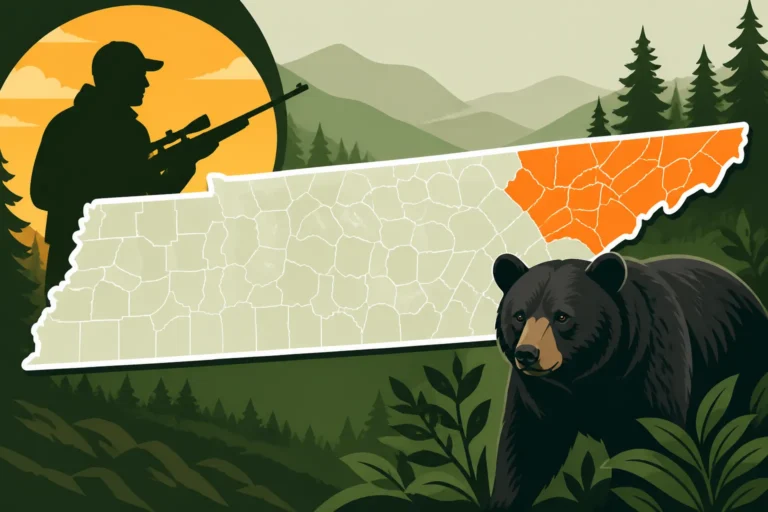
The elk restoration zone primarily encompasses portions of Campbell, Claiborne, Scott, Morgan, and Anderson counties in Northeast Tennessee. This vast area, primarily within the Cumberland Mountains and Plateau, offers a mix of public and private lands, although the quota hunt focuses heavily on specific tracts within the North Cumberland Wildlife Management Area (WMA). This region is characterized by steep ridges, deep hollows, dense timber, and reclaimed strip mine lands that provide ideal habitat. Understanding the geographic scope of the elk zone is the first step in envisioning your hunt, even before you apply. These specific boundaries are outlined by the TWRA and are critical to know if you are lucky enough to draw a tag.
The Rarity and Value of a Tennessee Elk Tag
Let's not sugarcoat it: a Tennessee elk permit is one of the hardest tags to draw in the state, if not the entire Southeast. The TWRA issues an incredibly limited number of permits each year, typically around 19 to 20 for the general public, including various types of hunts. This low number is by design, aimed at carefully managing the growing herd and providing a high-quality hunting experience. The value of this tag isn't just in the potential for harvesting a magnificent animal; it's in the unique opportunity to pursue elk in a state where they were once absent. It’s an experience that few get to have, and that rarity drives home the importance of a meticulous application process. For a full breakdown of the limited opportunities, check out How Many Elk Permits Tennessee Issues.
Eligibility and Requirements for Applying
Before you even think about putting your name in the hat, you need to ensure you meet all the basic criteria. There are no shortcuts here; the TWRA has strict rules to maintain the integrity of the hunt and ensure qualified hunters are participating.
Resident vs. Non-Resident Status
One of the first things to clarify is your residency status. Tennessee residents and non-residents are both eligible to apply for the North Cumberland Elk Permit, but the pricing and certain requirements might differ. Generally, residents will find their overall license and permit costs to be lower, which is typical across most state wildlife agencies. Non-residents, while welcome, should be prepared for higher fees for their base hunting license and potentially the elk permit itself. The TWRA website provides clear definitions of residency, usually requiring you to have lived in the state for a certain period and possess a Tennessee driver's license. Don't assume; always verify your status before proceeding.
License and Permit Prerequisites
Simply applying for an elk permit isn't a standalone transaction. To be eligible, you must possess certain foundational licenses and permits first. For Tennessee residents, this typically means a valid annual hunting license (like the Type 001) and often a Tennessee Big Game permit (Type 009 for residents or Type 010 for lifetime). Non-residents will need a non-resident annual hunting license (Type 071) and a non-resident annual big game permit (Type 072). Critically, for the elk quota hunt, you will also need a WMA (Wildlife Management Area) permit, as the North Cumberland Elk Zone is largely within WMA boundaries. Always double-check the current year's TWRA Hunting Guide for the exact license combinations required, as these can occasionally change. For a comprehensive overview of what you'll need, refer to Tennessee Big Game License Requirements.
Age Restrictions and Hunter Education
To apply for any big game hunt in Tennessee, you typically need to be at least 10 years old. However, the youth elk hunt has specific rules, so if you're applying for a younger hunter, ensure you're looking at those distinct guidelines. More importantly, most hunters born on or after January 1, 1969, are required to complete a Hunter Education course before they can purchase a Tennessee hunting license. This certification is mandatory for safety and responsible hunting practices. If you haven't completed it yet, make sure you factor this into your timeline well before the application window opens. Even if you're experienced, if you fall into that age bracket and haven't taken the course, you won't be able to proceed. You can find more details about this requirement at Tennessee Hunter Education Requirements.
Navigating the Application Process Itself
The application process, while entirely online, has specific nuances and deadlines that you absolutely cannot miss. Missing a key date or making an error in your application can cost you the chance at a tag for an entire year.
Key Dates and Deadlines
This is perhaps the most critical section for anyone looking to apply. The TWRA sets a specific application window each year, and it's generally consistent from one year to the next, but always verify the exact dates. Historically, the application period for the North Cumberland Elk Permit runs from early July through mid-August. The drawing typically takes place in late August, with successful applicants notified shortly thereafter.
| Event | Approximate Timeline (Annual) | Notes |
|---|---|---|
| Application Period Opens | Early July | Typically the first Monday of July |
| Application Period Closes | Mid-August | Usually the last Wednesday of August |
| Permit Drawing | Late August | Exact date varies, often within a week after applications close |
| Notifications Sent | Late August / Early September | Check your email and TWRA Go Outdoors account |
| Hunt Dates | Late September – Mid-October | Varies by specific hunt zone and weapon type (archery, firearms) |
Always confirm these dates on the official TWRA website or in the current Hunting Guide, as they are subject to change. Mark these dates on your calendar, set reminders, and don't procrastinate. You can often find the official application window details at Tennessee Elk Application Window Dates.
Step-by-Step Through the Go Outdoors Tennessee System
The entire application for a North Cumberland Elk Permit is handled through the TWRA's online platform, Go Outdoors Tennessee. If you're new to Tennessee hunting, you'll need to create an account first.
- Create or Log In to Your Account: Go to the Go Outdoors Tennessee website. If you're a returning hunter, log in with your customer ID and password. If you're new, follow the prompts to create a new customer profile. Make sure all your personal information is accurate and up-to-date, as this will be tied to any permits you draw.
- Purchase Required Licenses: Before you can apply for the elk permit, you must have all the necessary base licenses and permits in your cart or already purchased and active. This includes your annual hunting license, big game permit, and WMA permit. The system usually won't let you proceed with the elk application if these prerequisites aren't met.
- Navigate to Quota Hunts: Once logged in and licensed, look for a section related to "Quota Hunts," "Permit Hunts," or "Big Game Applications." This is where you'll find the option to apply for the North Cumberland Elk Hunt.
- Select Elk Permit Application: Choose the North Cumberland Elk application. You'll likely be presented with different hunt choices (archery, general firearms, youth) and specific hunt periods or zones. Carefully review these options. You might have the opportunity to apply for multiple choices or a specific type of hunt.
- Review and Submit: Before finalizing, thoroughly review all your selections. Ensure you've picked the correct hunt type and that all your personal information is accurate. The application will typically cost a small, non-refundable fee (e.g., $10-$25), which covers the administrative cost of entering the draw. Once submitted, you'll usually receive an email confirmation. Keep this confirmation for your records.
This system is generally user-friendly, but taking your time and double-checking everything is key. Websites like GoHunt can also offer valuable insights and reminders for these critical dates.
Understanding the Permit Draw System
Tennessee's elk draw operates on a preference point system, which is a common way for states to manage demand for highly coveted tags. When you apply, if you are unsuccessful in drawing a permit, you generally receive a preference point for that species for the following year.
Here's how it works:
- Preference Points: These points increase your mathematical odds in future drawings. The more preference points you have, the higher your chances in subsequent years' drawings. It's essentially a loyalty program for persistent applicants. If you draw a tag, your preference points for elk reset to zero.
- Weighted Draw: The actual drawing is a random lottery, but your preference points give you more "entries" or a higher weight in that lottery. For example, if you have 5 preference points, you might get 6 entries into the draw (1 for applying + 5 for your points), while someone with 0 points only gets 1 entry.
- Youth vs. Adult: There are separate draws for youth and adult permits. The youth hunt is specifically for young sportsmen, often with slightly different rules and dates, usually allowing hunters aged 10-16.
This system means that even if you've been applying for years, there's no guarantee, but your patience does get rewarded with better odds over time. Understanding the system is crucial for managing your expectations and strategizing your applications year after year. For a deeper dive into how this affects your long-term strategy, look into Tennessee Elk Preference Point System.
Utilizing Resources like GoHunt for Draw Odds
In the competitive world of limited-entry hunts, any advantage you can get is worth pursuing. This is where tools like GoHunt become incredibly valuable. While the TWRA provides the official application portal, external resources often compile data on past draw odds, application trends, and hunt success rates.
GoHunt, for example, offers detailed insights into draw odds for various state hunts, including Tennessee elk. They often break down information by resident/non-resident, preference points levels, and even specific hunt choices if enough historical data is available. By consulting resources like GoHunt, you can:
- Gauge Your Chances: Get a realistic idea of what your odds are with your current number of preference points. This can help set expectations.
- Strategize Hunt Choices: If there are multiple hunt periods or weapon types (archery, general firearms) available, GoHunt might show which ones have slightly better odds, helping you make an informed decision on which to prioritize.
- Stay Informed: Beyond draw odds, these platforms often provide reminders for application deadlines and news updates relevant to specific hunts.
While no tool can guarantee a tag, using data-driven resources like GoHunt can transform a shot in the dark into a more calculated endeavor, helping you apply smarter, not just harder.
Maximizing Your Chances and What Happens Next
Applying is just one part of the journey. Understanding how to play the long game with preference points and knowing what steps to take, whether you draw a tag or not, is essential for every aspiring Tennessee elk hunter.
Preference Points: The Long Game
For most hunters, drawing a North Cumberland Elk Permit isn't a one-and-done deal. It's a multi-year commitment, and preference points are your currency in this game. As mentioned, if you apply and are unsuccessful, you accrue a preference point (or sometimes purchase one without applying for a hunt). These points accumulate each year you participate in the draw without success, and they significantly increase your odds in subsequent years.
The key to the long game is consistency. Don't skip a year! Even if you know your odds are slim with zero points, applying ensures you're building towards a better chance in the future. Imagine putting in for 5, 10, or even 15 years. Each year, your name carries more weight in the draw. It's a test of patience, but for many, it's the only realistic path to securing one of these coveted tags. Think of it as investing in your future elk hunt.
What to Do If You're Drawn (and if you're not)
The notification process happens quickly. If you're one of the lucky few, the TWRA will typically notify you via email and your Go Outdoors Tennessee account. This is the moment you've been dreaming of!
- If You're Drawn: Congratulations! You'll need to follow specific instructions to claim your permit, which often includes paying the permit fee (if not already paid during application) and confirming your hunt details. This is when your preference points for elk will reset to zero. Immediately, you should start planning your hunt. This includes scouting, getting your gear in order, and confirming your travel and accommodation. Don't waste a minute!
- If You're Not Drawn: This is the more common outcome, and while it stings, it's part of the process. If you applied, you will receive a preference point for the next year's draw. Take a moment to acknowledge the disappointment, then shift your focus to the next year. Ensure you understand that you've gained a point, and start planning for next year's application window. You might also consider exploring other hunting opportunities in Tennessee, like Deer Drives on Tennessee Public Land or Bowhunting Tennessee's Long Archery Season, to keep your skills sharp and your passion alive while you wait for your elk tag.
Understanding the Specific Hunt Zones and Dates
If you are fortunate enough to draw an elk permit, it’s critical to understand the specifics of your tag. Tennessee's elk hunts are broken down into specific zones and dates within the North Cumberland WMA. These aren't just broad "elk season" dates.
- Hunt Zones: The North Cumberland Elk Zone is often subdivided into smaller hunt units or zones. Your permit will specify which zone you are allowed to hunt in. This helps distribute hunting pressure and manage the herd more effectively. You need to thoroughly study maps of your assigned zone.
- Weapon Types: Permits are issued for specific weapon types: archery-only, muzzleloader, or general firearms. These hunts occur at different times of the year. For example, the Hunting the Archery-Only Elk Season might be in late September, while the Hunting the General Firearms Elk Season could be in early October. Your permit will clearly state which weapon type and corresponding dates you have.
- Bull or Antlerless: Most highly sought-after tags are for bull elk, but there may be specific antlerless opportunities as well, typically used for herd management. Your tag will specify what kind of elk you are allowed to harvest.
Understanding these details immediately after drawing your permit is paramount for effective planning and compliance with TWRA regulations.
Beyond the Application: Preparing for Your Hunt
Drawing an elk permit is a massive achievement, but it's only the first step. The real work begins once that golden ticket is in your hand. An elk hunt in the mountains of Tennessee is physically demanding and requires significant preparation.
Physical and Mental Preparation
Hunting elk in the North Cumberland is no walk in the park. The terrain is steep, rugged, and unforgiving. You'll be climbing, descending, and traversing dense cover, often at high elevations. This isn't flat farmland hunting.
- Physical Conditioning: Start an intensive workout regimen months in advance. Focus on cardio, strength training (especially legs and core), and hiking with a loaded pack. Practice hiking up and down hills with the boots you plan to wear. This will prepare you for the strenuous demands of packing out a large animal over difficult terrain.
- Mental Fortitude: Elk hunting often involves early mornings, long days, battling the elements, and pushing through discomfort. The mental game is just as important as the physical. Be prepared for setbacks, missed opportunities, and the sheer challenge. Embrace the grind, and you'll be better for it. You can explore more about what this entails by looking at Preparing for a North Cumberland Elk Hunt.
Essential Gear and Scouting Advice
Once you have your permit, your gear choices become critical, and scouting needs to be your top priority.
- Gear: Think lightweight, durable, and reliable. This includes a quality rifle or bow setup appropriate for elk, good optics (binoculars, spotting scope, rangefinder), sturdy hiking boots, a comfortable and capable backpack, and layering clothing that can handle the unpredictable mountain weather. Don't forget navigation tools like a GPS or a reliable mapping app (GoHunt's mapping features are excellent for this type of terrain) with offline capabilities.
- Scouting: If possible, scout your assigned hunt zone well in advance. Look for elk sign – tracks, rubs, wallows, and droppings. Identify potential bedding areas, feeding areas, and travel corridors. Focus on water sources, especially during drier periods. If you can't physically scout, use aerial maps and topographic maps to learn the terrain intimately. Identify natural funnels, saddles, and benches that elk might use. Understanding the landscape can significantly increase your odds.
Understanding the Hunt Choices: Archery, Muzzleloader, General Firearms
Your permit will dictate your weapon choice and the specific dates you can hunt, each offering a distinct experience and set of challenges.
- Archery-Only Elk Season: This hunt typically occurs earlier in the fall, offering a chance to hunt during the tail end of the bugling season. It's an intimate and challenging hunt that requires close-range shot opportunities. Success often hinges on calling ability and stealth. If you're drawn for this, you'll want to hone your calling skills, potentially even looking into Calling a North Cumberland Bull Elk beforehand.
- Muzzleloader Elk Season: Often falling between archery and general firearms, this season provides hunters with another challenging yet rewarding experience. Muzzleloaders offer more range than archery but still require careful shot placement and attention to weather conditions to keep powder dry.
- General Firearms Elk Season: This is typically the most popular and often has the highest success rates due to the increased range and power of modern firearms. It occurs during cooler weather, which can mean more active elk movement. Shot placement and ethical hunting are paramount regardless of weapon choice, but especially with powerful rifles capable of longer shots. Be sure your rifle is sighted in and that you are proficient at various ranges you might encounter.
Each hunt type demands a different strategy and skill set. Familiarize yourself with the regulations specific to your permit and prepare accordingly to make the most of this once-in-a-lifetime opportunity.
Disclaimer
Please remember that hunting regulations, season dates, and permit requirements can change. Always consult the official Tennessee Wildlife Resources Agency (TWRA) website and the current year's hunting guide for the most up-to-date and accurate information before planning any hunting trip.