Tennessee Statewide Turkey Bag Limit Rules
There’s nothing quite like the sound of a spring gobbler hammering on the roost, or the heart-stopping moment when a longbeard struts into view, completely committed to your calls. But for all that excitement, figuring out the Tennessee statewide turkey bag limit rules can sometimes feel like trying to decipher an old gobbler's secret hiding spot – confusing and a little frustrating. Many hunters worry about running afoul of the regulations, especially with nuances between jakes and gobblers, or special youth seasons. This guide is here to untangle all those rules, offering clear, detailed explanations so you can focus on what truly matters: a successful, legal, and memorable spring turkey hunt in the Volunteer State.
Understanding the Core Statewide Spring Turkey Limits
When you’re gearing up for spring turkey season in Tennessee, the very first thing on every hunter's mind is, naturally, "How many birds can I even take home?" It’s a crucial question, and thankfully, the statewide regulation for spring turkeys is pretty straightforward at its heart, though it does have a couple of important layers that are easy to miss if you’re not paying close attention. Getting this right means a smooth season and avoiding any unwelcome surprises from the game warden.
The Two-Bearded-Bird Maximum
For most of us hitting the woods, the main takeaway is simple: you are allowed to harvest a maximum of two (2) bearded turkeys during the statewide spring season. This isn't two birds total across all seasons or special hunts; this specifically refers to the general spring gobbler season that runs across most of Tennessee. Each of these birds must be "bearded," meaning it displays a beard, which is typically a characteristic of male turkeys (gobblers and jakes). Hens can occasionally grow beards, but they are generally protected during the spring season, and the rule aims at taking male birds. This overarching limit provides a generous opportunity for hunters to engage with Tennessee’s thriving wild turkey population without overharvesting.
It's tempting to think that since you have two tags, you can take two birds whenever you get the chance. However, Tennessee law also stipulates that you can only harvest one (1) bearded turkey per day. So, even if you had an incredible morning with two longbeards strutting into your setup, you'd only be able to tag one and would have to wait for another day to fill your second tag. This daily limit is designed to spread out the harvest pressure and encourage more ethical hunting practices, giving the birds a bit of a break. It means less pressure to double up on a single outing, allowing you to really savor each successful hunt. Remember, even if you tag out early in the season, there’s still plenty of joy to be found in helping a friend call in a bird or just enjoying the beauty of a spring morning in the woods.
The "One Jake" Rule
Here's where things can sometimes get a little fuzzy for hunters, especially those new to turkey hunting or coming from states with different regulations. Of your two-bearded-turkey statewide limit, only one (1) of those birds may be a jake. For those unfamiliar, a "jake" is a juvenile male turkey, typically identified by a shorter beard (often only a few inches) and shorter central tail feathers compared to the rest of its fan. A "gobbler" or "longbeard" is a mature male turkey, characterized by a longer beard and a more uniform, fanned-out tail.
The purpose of this "one jake" rule is rooted in sound wildlife management. By limiting the take of jakes, the Tennessee Wildlife Resources Agency (TWRA) helps ensure that a strong cohort of young males survives into the next breeding season, contributing to the long-term health and stability of the turkey population. It encourages hunters to pass on younger birds, allowing them to mature and contribute to the gene pool. So, if your first bird of the season is a jake, your second bird must be a mature gobbler. If your first bird is a gobbler, your second can be either another gobbler or a jake. It’s a subtle but important distinction that makes a big difference for turkey populations, especially in areas that might see higher hunting pressure. It really makes you think about target identification, which is a key skill for any successful turkey hunter.
Special Considerations for Youth and Specific Hunt Areas
While the statewide limits offer a good baseline, Tennessee hunting regulations are designed to be dynamic, accounting for different hunter demographics and specific land management goals. This means that youth hunters have their own designated opportunities, and certain public lands operate under their own sets of rules. It’s vital to understand these variations to ensure a compliant and enjoyable hunt, whether you’re guiding a youngster or venturing onto a Wildlife Management Area (WMA).
Young Sportsman Turkey Weekend Regulations
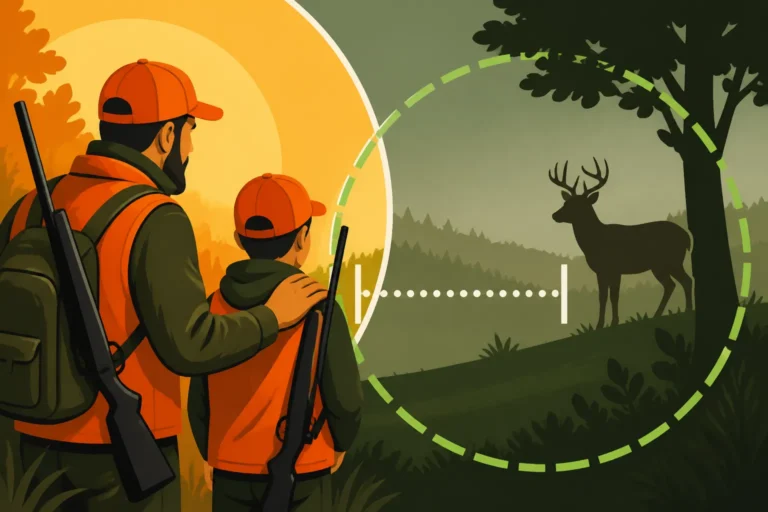
Tennessee is big on fostering the next generation of hunters, and the Tennessee Young Sportsman Turkey Weekend is a shining example of that commitment. Typically held before the regular statewide opener, this special weekend allows youth hunters (usually age 6-16) to get out into the woods with an adult mentor. The bag limit for this youth-only weekend is generally one (1) bearded turkey. This bird, if harvested, counts toward the youth hunter’s statewide two-bearded-bird limit for the spring season.
The idea behind this separate weekend is fantastic. It reduces competition from adult hunters, creating a more relaxed and focused environment for young people to learn the ropes of turkey hunting. It's a chance to really focus on scouting, calling, and patiently waiting for a bird without the added pressure of crowded public lands. The mentor-mentee relationship is crucial here, as the adult is responsible for ensuring the youth hunter understands and adheres to all regulations, including proper shot placement and identification. It’s more than just a hunt; it's an educational experience that builds character and connection to the outdoors.
Wildlife Management Area (WMA) and Quota Hunt Variations
Tennessee boasts an incredible array of public hunting lands, from sprawling national forests to smaller, intensely managed Wildlife Management Areas. While the statewide limits apply to private land and most WMAs, it’s absolutely critical to remember that many WMAs have their own specific turkey hunting regulations, which can override or supplement the statewide rules. These variations are put in place for specific conservation goals, to manage hunter pressure, or to address unique local turkey populations.
For example, some WMAs might have reduced bag limits, specific hunt dates that differ from the statewide season, or even a requirement for a quota hunt permit. A quota hunt means you have to apply and be drawn to get a permit to hunt a particular area during a specific time. This helps control the number of hunters and maintain a high-quality hunting experience. Before you even think about setting foot on a WMA, you must consult the latest TWRA hunting guide or check the specific WMA regulations online. Tools like GoHunt's mapping and regulation overlays can be incredibly useful for quickly identifying specific WMA boundaries and their unique rules, saving you a lot of headache and potential legal trouble. Failing to do so can lead to hefty fines or loss of hunting privileges. Always assume that WMA rules might be different and verify them before planning your hunt. Some WMAs may even prohibit turkey hunting entirely, so knowing Which Tennessee WMAs Restrict Turkey Hunting is essential.
Mandatory Reporting and Ethical Harvest Practices
Harvesting a wild turkey is a moment of triumph, the culmination of scouting, patience, and skill. But the job isn’t done once the bird is on the ground. Tennessee, like most states, has mandatory reporting requirements for big game harvests, and wild turkeys are no exception. This isn't just bureaucratic red tape; it's a critical component of wildlife management, providing the TWRA with vital data to make informed conservation decisions for future turkey seasons.
The Importance of Prompt Harvest Reporting
Every bearded turkey harvested in Tennessee must be reported to the TWRA. This isn't an optional step; it's a legal requirement. Generally, you need to report your harvest by the end of the calendar day on which the animal was taken. The TWRA offers a couple of convenient ways to do this:
- Online: The most popular method is usually through the TWRA's Go Outdoors Tennessee website or mobile app. This allows you to quickly enter the necessary information, such as the date, county of harvest, and license details, right from your phone, even while still in the field if you have service.
- By Phone: You can also call a dedicated toll-free number to report your harvest.
The data collected from these reports is invaluable. It helps the TWRA track harvest trends, assess turkey populations in different parts of the state, and evaluate the effectiveness of current bag limits and season structures. Without accurate reporting, wildlife managers would be flying blind, making it much harder to ensure healthy, sustainable turkey populations for future generations of hunters. So, as tempting as it is to just admire your bird and head straight for the cooler, remember to fulfill your responsibility as a conservationist and report your harvest promptly. If you need more detailed steps, check out Tennessee Turkey Checking Requirements.
Ethical Shot Placement and Identification
Beyond the legalities, there’s an ethical dimension to every hunt. When it comes to wild turkeys, this largely revolves around ensuring a quick, clean kill and properly identifying your target before you pull the trigger. There's no worse feeling than making a poor shot or, even worse, taking a protected bird by mistake.
Turkey anatomy means specific shot placement is crucial. The vast majority of turkey hunters aim for the head and neck, as this area offers the most humane and effective kill zone with a shotgun. A well-placed shot here drops a bird instantly, minimizing suffering and ensuring recovery. Patterns are key, so make sure your Turkey Shotguns and Chokes are well-matched and you've patterned your gun and chosen ammunition at various distances before season.
Equally important is positive identification. Always be 100% certain it's a legal, bearded bird before shooting. The "one jake" rule makes this even more critical. While a jake is legal (within its limits), you certainly don't want to accidentally shoot a hen. Hens are generally smaller, lack a prominent beard (though some do have short ones), and usually have a duller, bluer head. In the excitement of the moment, a mistaken identity can happen, but patience and careful observation are your best defense. If you're unsure, don't shoot. It’s always better to let a bird walk away than to make a mistake you'll regret.
Why These Rules Matter: Conservation and Population Management
Sometimes, hunters can feel like regulations are just there to make things harder. We might grumble about the paperwork or the specific limits. But when it comes to wildlife management, every single rule, including those around turkey bag limits, is put in place for a very good reason. These aren't arbitrary hoops to jump through; they are carefully crafted strategies born from scientific research, designed to protect and enhance Tennessee’s wild turkey population for the long haul.
Protecting the Turkey Resource
Think back to the early 20th century. Wild turkeys, once abundant across North America, were decimated by habitat loss and unregulated hunting. Tennessee’s own turkey population plummeted to near non-existence. The incredible comeback we’ve witnessed is a testament to dedicated conservation efforts, including strict hunting regulations, restocking programs, and habitat restoration. The statewide bag limits – the two-bearded-bird maximum and the "one jake" rule – are direct descendants of these successful conservation strategies.
These limits prevent overharvesting, ensuring that enough breeding birds survive each season to replenish the population. They help maintain a healthy age structure within the turkey flock, allowing mature gobblers to spread their genetics and young birds to grow into future breeders. This careful balancing act is essential for the long-term sustainability of the resource. Without these rules, it wouldn't take long for turkey numbers to decline, impacting not just our hunting opportunities but the entire ecosystem that relies on these magnificent birds. It's a prime example of how hunters, through regulated seasons, are directly contributing to conservation. Understanding the Tennessee Turkey Population Trends helps you appreciate the history and future of these efforts.
The Role of Data in Management Decisions
Harvest reporting, as mentioned earlier, feeds directly into these conservation goals. Every bird reported provides a data point that TWRA biologists use to monitor population health. They look at things like harvest rates in specific counties, the ratio of jakes to gobblers being taken, and overall success rates. This information, combined with other survey data like the Tennessee Turkey Brood Survey Results, helps them understand how the turkey population is faring.
For instance, if harvest numbers suddenly spike in an unexpected area, or if the proportion of jakes being harvested shifts dramatically, biologists can investigate the cause. They can then adjust future regulations – perhaps tightening bag limits in certain zones, tweaking season dates, or implementing special management practices on WMAs – to ensure the population remains robust. This scientific, data-driven approach is a cornerstone of modern wildlife management, and our participation as hunters in reporting our harvests is crucial to its success. Without this feedback loop, the TWRA wouldn't have the necessary information to make informed decisions that protect our hunting heritage.
Navigating License Requirements and Permits for Turkey Season
Beyond knowing the specific bag limits, ensuring you have the correct licenses and permits in hand before heading afield is non-negotiable for spring turkey season in Tennessee. It's not just a formality; it's a legal requirement that directly funds wildlife conservation efforts. Missing a critical piece of paperwork can quickly turn a hopeful hunt into a costly mistake.
Essential Licenses for Tennessee Turkey Hunting
Every hunter, regardless of age (with some youth exceptions), needs a valid Tennessee hunting license. For residents, this typically involves a basic annual hunting license, and then a supplemental big game license or a comprehensive Sportsman License. Non-residents have a few options, usually an annual non-resident hunting license and a specific non-resident big game permit. The Tennessee Resident Hunting License Options and Tennessee Nonresident Hunting License Options articles provide deeper dives into these choices.
It's crucial to purchase these well in advance of the season opener. While you can often buy them online through the TWRA Go Outdoors Tennessee portal, don't wait until the last minute. Technical glitches or slow internet can derail your plans. The funds generated from these license sales go directly to the TWRA, supporting everything from habitat improvement projects and law enforcement to wildlife research and public land management. So, when you buy your license, you're not just getting permission to hunt; you're actively investing in the future of Tennessee's wildlife.
Understanding Additional Permits and Stamps
In addition to your general hunting license and big game permit, there might be other specific permits or stamps required depending on where you plan to hunt.
1. WMA Permits: If your spring turkey hunt takes you to one of Tennessee’s many Wildlife Management Areas, you’ll almost certainly need a WMA permit or stamp. This is an extra fee that specifically helps fund the management of those particular public lands. The requirements can vary, so always double-check the specific WMA you intend to hunt. This is another area where GoHunt's platform can shine, providing quick access to WMA-specific rules and permit requirements directly linked to location.
2. Federal Duck Stamp (Not for Turkey, but Good to Know): While not applicable to turkey hunting, many hunters who pursue other species later in the year also buy a Federal Duck Stamp. This is a common point of confusion for new hunters; always remember what stamps are for what species.
3. Youth Licenses and Mentorship: For youth hunters, while they still need a license, the requirements are often simplified or at a reduced cost. It's important for adult mentors to understand the Tennessee Youth Deer Hunt Rules, as many principles carry over to turkey hunting regarding supervision and safety. Tennessee also offers an apprentice hunting license for those who haven't completed hunter education, allowing them to hunt under the direct supervision of a licensed adult. This is a fantastic pathway for newcomers to get started.
Here’s a quick overview of typical turkey hunting requirements:
| License Type | Resident Annual Cost (Approx.) | Non-Resident Annual Cost (Approx.) | Covers | Notes |
|---|---|---|---|---|
| Basic Hunting License (Type 001) | $34 | $110 (Small Game/Furbearer) | Small game, general hunting | Prerequisite for big game permits. |
| Supplemental Big Game Permit (Type 009) | $30 | Included with Non-Resident Big Game Pmt | Deer, Bear, Turkey, Elk | Required in addition to basic license for big game. |
| Sportsman License (Type 94) | $196 | N/A | All state hunting/fishing | All-inclusive, often best value for avid hunters. |
| WMA Quota Permit (Varies) | $15 – $20 (If applicable) | $15 – $20 (If applicable) | Specific WMA hunts | May require application/drawing. Check WMA rules. |
| Annual Youth Hunting License (Type 002) | $10 | N/A | All state hunting/fishing | For ages 13-15. Free with purchase of adult license. |
Note: These are approximate costs and can change. Always check the official TWRA website for the most current pricing and regulations.
Staying Informed and Preparing for Success
The spring turkey woods are dynamic, and so are hunting regulations. What was true last season might have subtle changes this year, particularly regarding WMA rules or special zones. Being a well-informed and prepared hunter is the best way to ensure a successful and compliant season. It's about more than just knowing the Tennessee Spring Turkey Season Rules; it's about being proactive.
Resources for Current Regulations
Your primary source for all current Tennessee hunting regulations should always be the official TWRA website or their printed hunting guide, which you can usually pick up wherever licenses are sold. These resources are updated annually and provide the most accurate and legally binding information.
However, many hunters find supplementary tools incredibly valuable. Online mapping platforms like GoHunt offer digital copies of regulations, often with map overlays that show WMA boundaries, CWD zones (not directly turkey-related, but good for deer hunters), and other critical information. This can be a huge time-saver when you're scouting new areas or trying to quickly check a rule while in the field. There’s also nothing quite like reading up on tips and tricks in articles like Run-and-Gun Turkey Tactics on Public Land to hone your skills.
Pre-Season Scouting and Preparation
Knowing the rules is one thing; putting yourself in a position to execute them is another. Pre-season scouting is absolutely essential for turkey hunting success. This means getting out into the woods weeks or even months before the season opens.
- Listen for Roosts: Early mornings, listen for gobblers sounding off from their roosts. This gives you a starting point.
- Look for Sign: Scout for tracks, droppings, dusting bowls, and shed feathers. These indicate where turkeys are active.
- Identify Travel Corridors: Turkeys often follow predictable paths, especially along ridges, creek bottoms, or field edges. Knowing these can help you set up effectively. For instance, understanding Turkey Tactics for Farmland Field Edges can be a game-changer.
- Permission for Private Land: If hunting private land, secure permission well in advance. Don't wait until opening morning.
Beyond scouting, your gear needs to be ready. Pattern your shotgun with your chosen turkey loads to know its effective range. Practice your calling – from soft yelps and purrs to aggressive cutting and clucks. Ensure your camouflage is in good shape, and your boots are broken in. The more prepared you are, the less you'll have to worry about in the heat of the moment, allowing you to make clear, ethical decisions about your shot and stay within those crucial bag limits. This deep preparation also helps you understand the nuances of the birds, like When Tennessee Gobblers Go Quiet in May, which can inform your late-season strategies.
Disclaimer
Hunting regulations can change. While this guide provides comprehensive and up-to-date information at the time of writing, it is the individual hunter's responsibility to verify all current rules and regulations with the Tennessee Wildlife Resources Agency (TWRA) before participating in any hunting activity.