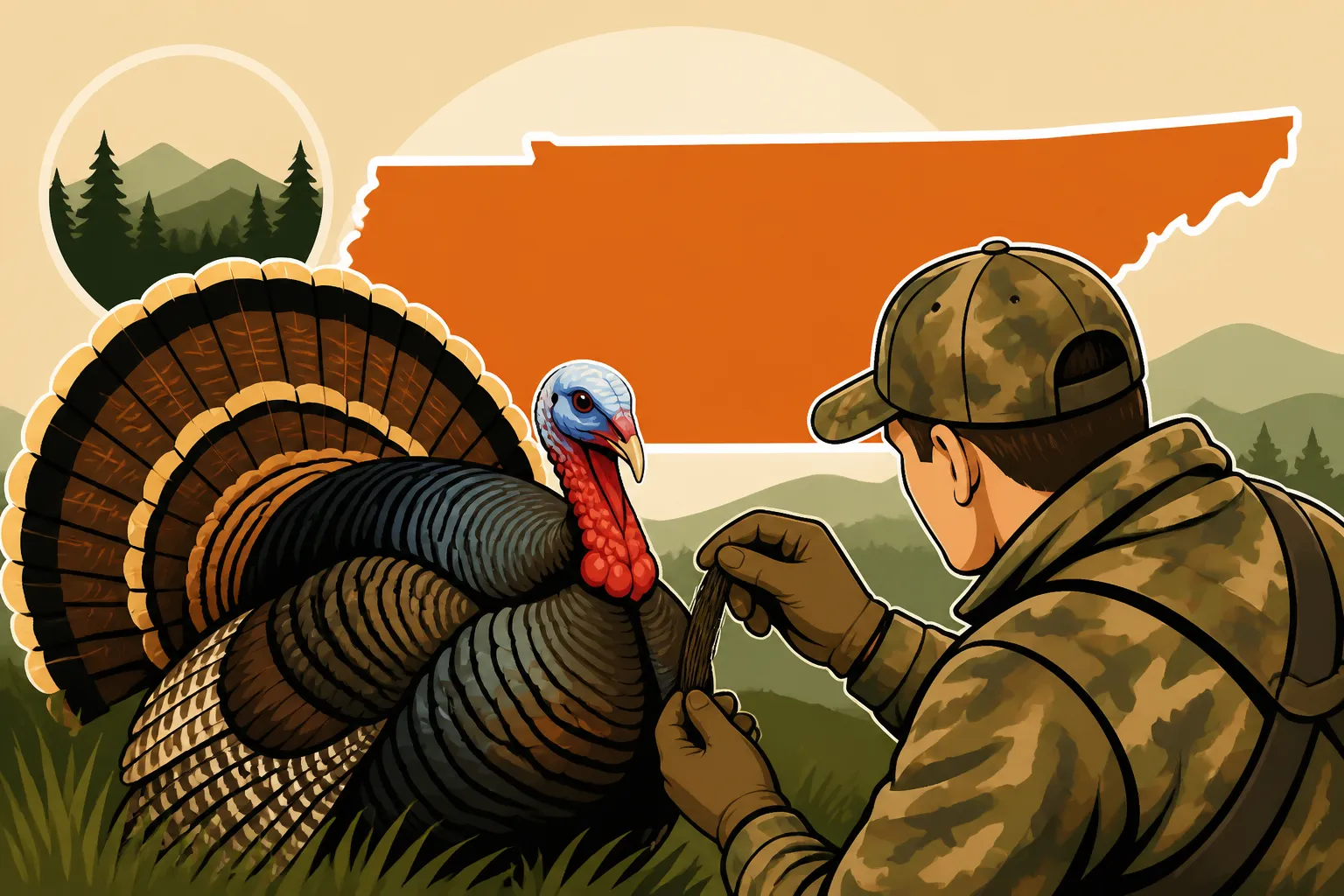
Tennessee Turkey Checking Requirements
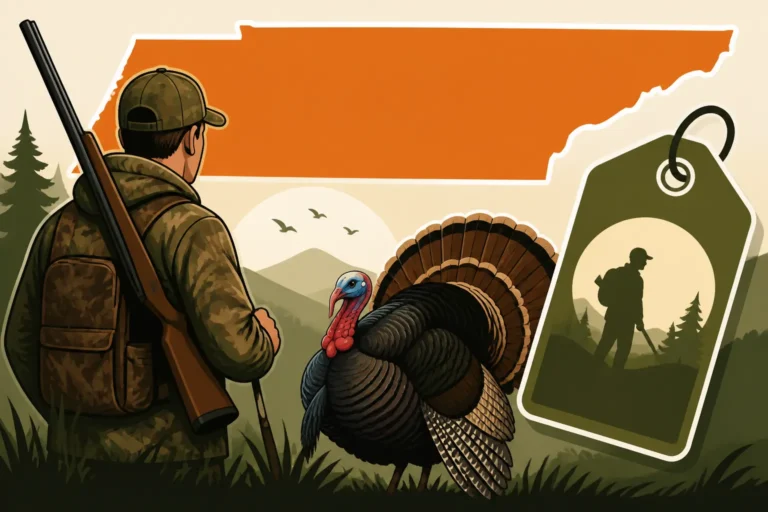
Harvesting a wild turkey in Tennessee is an exhilarating experience, but the excitement often comes with a bit of confusion when it's time to follow through with the legal requirements. You've put in the scouting, the calls, and the patience, and now you're standing over your bird, wondering exactly what steps you need to take to properly check it in. This guide is here to walk you through every detail of Tennessee's turkey checking requirements, ensuring you stay compliant and contribute to vital wildlife management efforts.
Why Checking Your Turkey is Crucial
It might seem like just another piece of paperwork, but reporting your turkey harvest isn't just a formality; it's a critical part of how the Tennessee Wildlife Resources Agency (TWRA) manages the state's wild turkey population. Every checked bird provides valuable data that helps ensure future hunting opportunities for all of us.
The Importance of Accurate Harvest Data
Think of every checked turkey as a piece of a giant puzzle. When hunters accurately report their harvests, the TWRA gets a clear picture of how many birds are being taken each season, where those harvests are concentrated, and even the age and sex ratios of the birds. This information is absolutely vital. Without it, wildlife biologists would be guessing, and that could lead to seasons that are too liberal, potentially harming the turkey population, or too restrictive, which limits our hunting opportunities unnecessarily. It helps track overall Tennessee Turkey Population Trends and health across different regions.
This data directly influences future season dates, bag limits, and specific regulations. If harvest numbers are consistently low in a particular area, it might signal a need for habitat improvements or adjusted hunting pressure. Conversely, if numbers are high and stable, it affirms current management strategies. It’s a dynamic system, and our participation as hunters is the backbone of its success. Every time you punch that tag and check your bird, you’re actively contributing to sound wildlife science.
Preventing Poaching and Illegal Activity
Properly checking your turkey is also a significant deterrent to poaching and other illegal hunting activities. The requirement to report a harvest creates a clear record, making it much harder for individuals to take more than their legal Tennessee Statewide Turkey Bag Limit Rules or hunt outside of legal seasons. When every harvested bird is accounted for, it adds a layer of transparency that helps wildlife officers identify and prosecute those who disregard the law.
Imagine a scenario where there were no checking requirements. It would be a free-for-all, making it nearly impossible to protect the resource from those who would exploit it. The checking system, along with physical tags and specific Tennessee Spring Turkey Season Rules, forms a comprehensive framework designed to uphold ethical hunting practices and safeguard the integrity of the sport. It protects our shared wildlife resources for generations to come.
Contributing to Wildlife Management
Beyond just data collection, checking your turkey is a direct contribution to the broader goals of wildlife management. It helps the TWRA understand population dynamics, reproductive success (like poult-to-hen ratios), and the impacts of environmental factors or disease. For example, if several birds from a certain county are reported with unusual conditions, it could trigger further investigation into potential health concerns within that local population.
This collective data allows the TWRA to make informed decisions that benefit the entire ecosystem, not just the turkey population. Healthy turkey populations often indicate healthy forest and field habitats, which in turn benefit countless other species. By participating in this fundamental step, you're not just reporting a kill; you're playing an active role in conservation, helping to maintain the balance and abundance of Tennessee's incredible natural heritage.
The Official Tennessee Turkey Checking Process
Once you've successfully harvested your Tennessee gobbler, the next critical step is to report it to the TWRA. This isn't something you can put off; there are specific guidelines and deadlines you must adhere to. Thankfully, the process has been streamlined for modern hunters, offering both online and phone options.
Online Reporting Through Go Outdoors Tennessee
The most popular and often most convenient method for checking your turkey is through the TWRA’s official Go Outdoors Tennessee website or mobile app. This platform is designed to handle all your licensing and harvest reporting needs. After you’ve successfully punched your turkey tag at the kill site, you’ll need to access the system. You’ll log in with your customer account, which you would have created when purchasing your Tennessee Hunting Licenses and What They Cost or other permits.
Once logged in, navigate to the harvest reporting section. You’ll be prompted to enter specific details about your harvest. This includes the county where the turkey was harvested, the date of harvest, and characteristics of the bird itself, such as sex (gobbler or jake) and beard length. It's crucial to have your license information and the tag number readily available. Many hunters use mapping applications like GoHunt to mark their kill site, which can help precisely identify the county and even specific WMA if you're Hunting Where the Antlerless Limit Drops to Two or on public land. The online system is generally user-friendly, providing step-by-step instructions to ensure a complete and accurate report. Make sure to receive and save your confirmation number once the process is finished.
Reporting by Phone
For hunters who might be in areas without reliable internet access, or who simply prefer to speak with someone, the TWRA also offers a phone-in reporting option. This method provides an alternative to the online system but requires the same attention to detail. You'll dial a dedicated toll-free number provided by the TWRA, usually found in the current hunting guide or on their website.
When you call, a representative will guide you through the same series of questions as the online system. You’ll need to provide your license number, the tag number, the county of harvest, the date, and the bird's characteristics. It’s a good idea to have all this information written down before you call to ensure a smooth and quick reporting process. Just like with online reporting, you'll be given a confirmation number that you should record and keep with your license. This telephone option is particularly helpful if you're hunting in remote parts of the Cherokee National Forest or other areas with spotty cell service, far from a computer.
Required Information for Checking Your Turkey
Regardless of whether you choose to report online or by phone, certain pieces of information are absolutely mandatory to complete your turkey check-in. Having these details ready immediately after the harvest will save you time and potential frustration.
Here’s a breakdown of the key information you’ll need:
| Information Type | Description |
|---|---|
| Hunter ID/License # | Your valid Tennessee hunting license number. This identifies you in the TWRA system. |
| Tag Number | The specific tag number from your turkey hunting permit that you punched at the kill site. |
| Harvest Date | The exact calendar date on which the turkey was harvested. |
| Harvest County | The specific county in Tennessee where the turkey was taken. Accuracy here is important for localized data collection. |
| Turkey Sex | Whether the bird was a gobbler (male) or a jake (a juvenile male). This distinction is vital for bag limits, as Why Only One Jake Counts Toward the Limit. |
| Beard Length | The approximate length of the turkey's beard in inches. This helps assess age class. |
| Spur Length (Optional) | While not always mandatory for checking, knowing spur length is a good practice for your records and helps further age estimation. |
| Weight (Optional) | The estimated or actual weight of the bird. Again, not required for checking but useful data for yourself and potentially for biologists. |
Remember, this information is critical for accurate record-keeping and wildlife management. Take a moment at the kill site to gather these details immediately after securing your bird and punching your tag. It's an important part of ensuring you comply with Tennessee Big Game License Requirements and responsible hunting.
Common Pitfalls and How to Avoid Them
Even with a straightforward checking process, hunters can sometimes run into issues. Being aware of these common pitfalls can help you avoid unnecessary stress or even legal complications after a successful hunt. A little foresight goes a long way, especially when you're still buzzing from a great morning in the woods.
Overlooking the Deadline
One of the most frequent mistakes hunters make is simply forgetting or delaying the harvest report past the deadline. In Tennessee, all legally harvested turkeys must be checked in on the same calendar day of the harvest. This is a strict rule, and there are no grace periods. Whether you shot your bird at dawn or dusk, it needs to be reported before midnight rolls around.
This strict deadline means you need a plan. Before you even head out for Tennessee Spring Turkey Opening Day, know how you're going to access the Go Outdoors Tennessee system, whether through their website, app, or by phone. Consider bringing a portable charger for your phone if you plan to use the app in the field, especially if you're on a long Run-and-Gun Turkey Tactics on Public Land adventure. Don't let the excitement of the hunt overshadow this critical step. Setting a reminder on your phone for early afternoon, or making it a ritual to report as soon as you're out of the woods, can prevent a stressful scramble as the clock ticks towards midnight.
Incorrectly Identifying Your Bird
Another common issue arises from misidentifying the harvested bird, particularly confusing a jake with a gobbler, or vice-versa. While the general Tennessee Statewide Turkey Bag Limit Rules allow for a certain number of turkeys, there are specific regulations regarding jakes. For instance, in Tennessee, only one jake may count towards your annual statewide bag limit. If you inaccurately report a jake as a gobbler, or vice versa, you could inadvertently violate bag limits or misrepresent crucial data to the TWRA.
Take the time to properly identify your bird after the shot. Gobblers typically have longer beards (usually 6 inches or more), longer spurs, and larger, more prominent heads. Jakes, on the other hand, have shorter beards (often just a few inches or a "pencil beard"), undeveloped spurs, and a smaller overall frame. If you're unsure, consult a reliable field guide or the TWRA hunting guide. Many hunters like to use supplemental apps like GoHunt not only for scouting but also for quick access to regulation summaries or identification tips, which can be invaluable when you're making that harvest report. When it comes to something as important as the health of the Tennessee Turkey Population Trends, accuracy matters.
Technical Issues with Online Reporting
While the Go Outdoors Tennessee platform is generally robust, technology isn't infallible. Hunters can sometimes encounter technical glitches, poor internet connectivity, or app crashes, especially when trying to report from remote locations. Imagine you've just brought down a fantastic gobbler while Hunting the Young Sportsman Turkey Weekend, and then your phone battery dies or you lose signal right when you're trying to report it. That’s a real frustration!
To mitigate these issues, always charge your phone completely before heading out. Consider downloading maps and the Go Outdoors Tennessee app content for offline use if possible. If you encounter persistent technical issues with the online system, don’t panic. This is precisely why the phone reporting option exists. Have that toll-free number saved in your contacts. If you're deep in Hunting Tennessee's Restored Elk Herd territory, or just in a remote part of the state where cell service is spotty, having multiple options for checking your bird is essential. Being prepared for potential tech hiccups means you'll still be able to fulfill your reporting obligation, even if your preferred method isn't cooperating.
Special Considerations for Turkey Checking
While the general rules apply to most hunters, there are a few specific scenarios and locations that come with their own unique considerations for turkey checking. Being aware of these exceptions or nuances ensures you remain compliant, no matter your hunting situation.
Young Sportsman Weekend Reporting
The Tennessee Young Sportsman Turkey Weekend is a fantastic opportunity for young hunters to get out in the woods. These hunts, usually held just before the statewide opener, have specific rules, and that includes harvest reporting. Parents or adult mentors are responsible for ensuring their young hunters properly check in any harvested birds. The process itself is the same—using the Go Outdoors Tennessee platform or the phone line—but it's vital that the youth hunter's license and tag information are used for the report.
It's a great teaching moment, too. After a successful hunt, sit down with your young sportsman and walk them through the reporting process. Show them how to find their license number, explain why the county and date are important, and discuss how to differentiate between a gobbler and a jake. This reinforces responsible hunting ethics from an early age and ensures they understand the importance of contributing to conservation efforts. Just like for adults, the same-day reporting deadline applies, so make sure to prioritize this step once the hunt is over.
WMA-Specific Rules
Many of Tennessee's Wildlife Management Areas (WMAs) have their own distinct regulations that can sometimes differ from statewide rules. This can include specific hunting dates, bag limits, and occasionally, specialized checking requirements. For example, some WMAs might require check-in at a physical WMA check station in addition to the statewide online or phone reporting, or they might have different reporting deadlines depending on the quota hunt type. It is absolutely critical to consult the current Tennessee Hunting & Trapping Guide for the specific WMA you plan to hunt. You can also research Which Tennessee WMAs Restrict Turkey Hunting before you go.
Before heading out to a WMA like Chuck Swan or Catoosa for a turkey hunt, always double-check the WMA-specific regulations. These details are typically listed under the WMA section of the TWRA guide or on the TWRA website. Overlooking these specific rules can lead to citations or the loss of your harvested bird, which is a disappointing end to any hunt. Planning your hunt, scouting, and familiarizing yourself with the area's specific rules, perhaps even using a mapping tool like GoHunt to understand WMA boundaries, are just as important as your Turkey Tactics for Farmland Field Edges or calling strategy.
Non-Resident Hunter Requirements
For hunters visiting Tennessee from out of state, the turkey checking requirements are largely the same as for residents, but with a few additional considerations. Non-residents must purchase the appropriate Tennessee Nonresident Hunting License Options and big game permits. Their harvest report will still go through the Go Outdoors Tennessee system or phone line, using their Tennessee-issued license and tag numbers.
The main difference for non-residents is ensuring they fully understand the regulations before arriving, as they may differ from their home state. Pay close attention to bag limits, season dates, and any WMA-specific rules. While Tennessee's system is fairly standard, the nuances can sometimes trip up an unfamiliar hunter. Confirming all your required documentation, including any hunter education certifications (check Tennessee Hunter Education Requirements if you're unsure), and having a solid plan for checking your bird immediately after harvest will make your Tennessee turkey hunting experience smooth and enjoyable. Don't leave these details to chance; a quick read of the regulations can prevent any issues down the line.
Disclaimer
Please remember that hunting regulations can change. While this guide provides comprehensive information on Tennessee turkey checking requirements, it is crucial to always consult the most current official Tennessee Hunting & Trapping Guide and the Tennessee Wildlife Resources Agency (TWRA) website before going afield. This article is for informational purposes only and should not be considered a substitute for official TWRA regulations.