Tennessee Hunting Licenses and What They Cost
It's no secret that getting ready for hunting season in Tennessee can feel like navigating a maze, and honestly, figuring out which licenses and permits you actually need, and how much they're all going to cost, is often one of the biggest headaches. You just want to get out there and enjoy the woods, but the paperwork can be daunting. This comprehensive guide is here to untangle all that confusion, breaking down every type of Tennessee hunting license, its specific requirements, and the associated costs, so you can focus on the hunt itself, not the bureaucracy.
Navigating the Tennessee Hunting License Landscape
Stepping into the world of Tennessee hunting licenses can feel a bit like trying to read a treasure map without a key. You've got the Tennessee Wildlife Resources Agency (TWRA) managing everything, and they've got a system designed to cover a huge variety of hunting scenarios, from chasing whitetails in the western river bottoms to calling turkeys in the eastern mountains. It's a system that, while thorough, can be incredibly confusing if you're not used to it, or even if you're just new to a particular type of hunting. The good news is, once you understand the core components, it all starts to make a lot more sense. The TWRA's goal is to manage wildlife and raise funds for conservation, and licenses are their primary tool for both.
Understanding the Basic Requirements
Before you even think about which species you're going after or which part of the state you'll be in, there are some fundamental requirements every hunter in Tennessee needs to grasp. First and foremost, almost everyone needs a license. There are a few very specific exemptions, like landowners hunting on their own property, but for the vast majority of us, a valid Tennessee hunting license is a must-have. The minimum age to hunt in Tennessee generally means that if you're 10 years old or older, you'll need at least a basic license or permit. Younger hunters, typically 6 to 9 years old, can participate in youth hunts but must be accompanied by a licensed adult and usually don't need their own license for many species, though specific youth weekend rules vary.
Beyond age, Hunter Education Requirements are crucial. If you were born on or after January 1, 1969, you absolutely must complete an approved hunter education course before you can purchase an annual hunting license in Tennessee. This isn't just a suggestion; it's a legal requirement designed to ensure safety and responsible hunting practices. There's a temporary workaround for new hunters, which we'll dive into later, but for most adults, that orange card is non-negotiable. It's a rite of passage for many, teaching everything from firearm safety to wildlife identification and ethical hunting.
The Annual License Cycle
One common frustration is understanding when licenses are valid. In Tennessee, most annual hunting licenses operate on a fiscal year cycle. This means they are valid from March 1st through the last day of February the following year. So, if you buy a license on April 15th, it's good until the end of next February, not a full 365 days from your purchase date. This is really important to remember, especially if you're planning a late-season hunt in February and your license from the previous March is about to expire.
The renewal process is pretty straightforward once you're in the system. You can renew online, by phone, or at a licensed agent. Many folks just set a reminder on their phone for early March to get their new license squared away for spring turkey season or to be ready for the upcoming deer season. It's also worth noting that if you let your license lapse for a year or two, you're not penalized; you simply buy a new one when you're ready to hunt again. This annual cycle ensures continuity in funding for wildlife management programs and simplifies administrative tracking for the TWRA.
Tennessee Resident Hunting Licenses: Your Essential Toolkit
For those of us lucky enough to call Tennessee home, there's a range of license options designed to cover every type of hunter. It can feel like you need a spreadsheet to keep track, but once you understand the foundational license and the endorsements that build on it, it becomes much clearer. The key is knowing what you plan to hunt and matching your license to that goal.
The Core Annual Hunting & Fishing License
Let's start with the absolute bedrock: the Resident Annual Hunting & Fishing License, often referred to as the Type 01. This is your essential gateway to almost all hunting and fishing activities in Tennessee. At a relatively modest price (currently around $34), it covers basic small game hunting like squirrels, rabbits, doves, and waterfowl (though migratory bird stamps are still needed), as well as statewide fishing privileges. For many casual hunters and anglers, this is the only license they'll need for much of the year.
However, and this is a big "however," it does not cover big game species like deer, turkey, bear, or elk. This is where many new hunters or those expanding their pursuits get tripped up. Think of the Type 01 as your entry ticket, but if you want access to the VIP lounge (big game), you'll need additional passes. It also doesn't cover hunting on specific Wildlife Management Areas (WMAs) which sometimes require an extra permit. So, while it's foundational, it's rarely the only thing a serious big game hunter will need. This separation helps the TWRA manage different species and funding streams more effectively.
Big Game & Waterfowl Permits
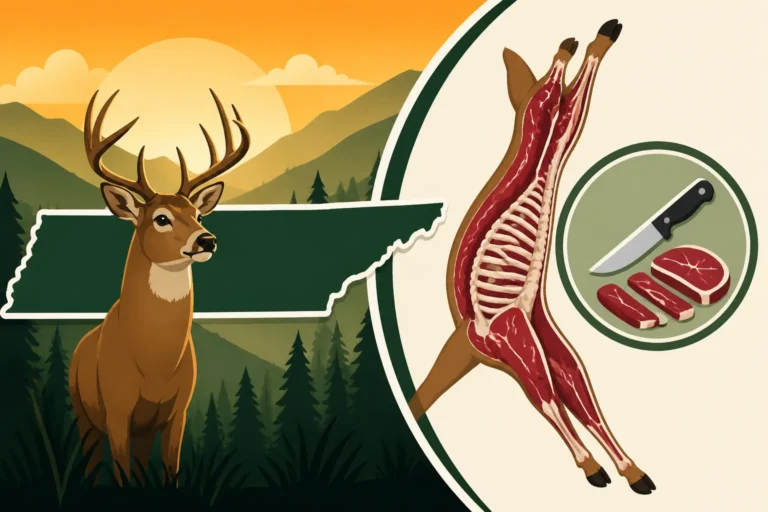
If your sights are set on a Tennessee whitetail, a spring gobbler, or even a shot at a black bear, you'll need to add specific big game permits on top of your Type 01. For deer, there are several options depending on the season: an Archery/Muzzleloader/Gun Deer Supplemental License (Type 094), which covers all three deer seasons, or individual Archery, Muzzleloader, and Gun Season permits (Types 090, 091, 092) if you only plan to hunt one or two specific seasons. The supplemental license is usually the most cost-effective if you anticipate hunting multiple deer seasons.
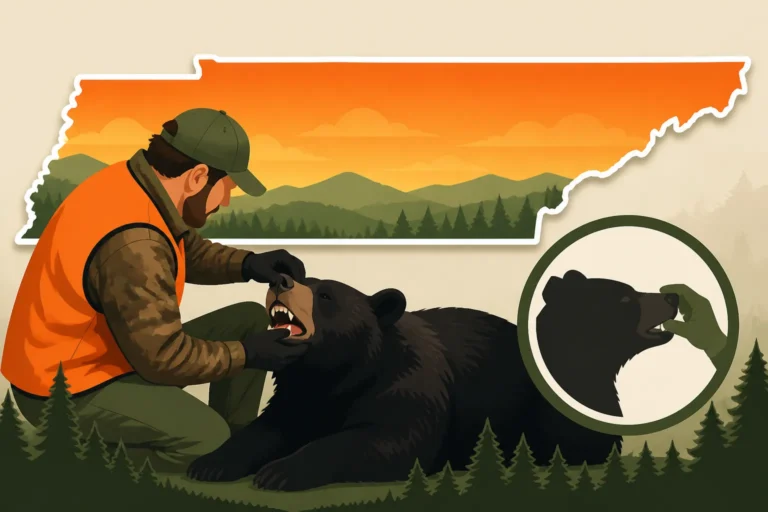
For wild turkeys, you'll need the Turkey Supplemental License (Type 093), and for bears, the Bear Supplemental License (Type 096). Elk hunting, being a quota hunt, has its own specific permit requirements once you're drawn. Waterfowl hunting also has additional requirements; beyond your basic Type 01, you'll need a Migratory Bird Permit (Type 006) and a Federal Duck Stamp, which is a separate purchase from the U.S. Fish and Wildlife Service. These additional permits ensure that specific conservation efforts for these species are adequately funded. Understanding these Tennessee Big Game License Requirements is crucial to avoid any unpleasant surprises in the field.
The Sportsman License Bundle: A Hunter's Dream?
For the dedicated Tennessee hunter who truly does it all, the All-Inclusive Resident Sportsman License (Type 40 or 94) often feels like a godsend. Instead of juggling multiple permits and worrying if you have everything you need, this bundle covers literally almost everything. We're talking statewide hunting for all game animals, including deer, turkey, bear, and even the privilege to apply for quota hunts without needing a separate application fee. It also includes fishing, all the required migratory bird stamps, and WMA permits. It’s truly the ultimate convenience.
The cost is higher, of course, currently around $165. But when you add up the individual costs of a basic license, deer, turkey, bear, migratory bird, and WMA permits, the Sportsman License often breaks even or even saves you money if you plan to hunt multiple species and utilize WMAs. It eliminates the constant worry of accidentally missing a small, required endorsement. For someone who spends significant time in the field chasing various game, it's not just a convenience; it's a smart financial decision in many cases. Read more about The Tennessee Sportsman License Bundle to see if it's the right fit for your hunting habits.
License Type Resident Cost (Approx.) Non-Resident Cost (Approx.) What it Covers Primarily Additional Notes
:</subheadings with 3-4 paragraphs of detailed content each.
Resident License Cost Overview
For residents, the simplest option is the Resident Annual Hunting & Fishing License (Type 001), which currently runs about $34. This covers most small game and statewide fishing. If you're planning on deer hunting, you'll likely want the Resident Supplemental Deer License (Type 094), which costs approximately $34. This single license covers all archery, muzzleloader, and gun deer seasons, saving you the hassle and cost of buying individual permits. For turkey, the Resident Supplemental Turkey License (Type 093) is about $34.
Many hunters also need a WMA permit if they plan to hunt on any of Tennessee's Wildlife Management Areas, which is an additional $16 for residents (Type 098). For waterfowl hunters, don't forget the Migratory Bird Permit (Type 006) for around $2, plus the mandatory Federal Duck Stamp, which is usually around $25 and purchased separately from the U.S. Fish and Wildlife Service. All these individual permits add up quickly, which is why the Sportsman License Bundle is so popular.
Non-Resident License Cost Overview
Non-residents face significantly higher costs, reflecting their contribution to conservation efforts in a state they don't primarily fund through other taxes. The most basic hunting-only option for non-residents is the Annual Small Game/Waterfowl License (Type 07), priced at approximately $110. However, most non-residents coming to Tennessee are after big game. For deer, you're looking at a Non-Resident All Game (Annual) License (Type 070) for about $305. This covers all legal game species (deer, turkey, bear, small game) for the year.
If you're only planning a short trip, there are Non-Resident 7-Day All Game (Type 071) options available for around $215. This can be a more economical choice if you're only coming for a single deer hunt or a short turkey trip. Remember that any WMA permit (Type 098, ~$46 for non-residents) and the Federal Duck Stamp will still be required if applicable. The pricing structure encourages non-residents to either make a significant annual commitment or choose a shorter, more focused hunting trip. Check out Tennessee Nonresident Hunting License Options for a detailed breakdown of these permits.
Common License Pitfalls and How to Avoid Them
Even with all the information at your fingertips, it's incredibly easy to make a small mistake that can lead to big headaches in the field. Trust me, I've seen it happen to even the most seasoned hunters. A quick check before you head out can save you from a ruined hunt or, even worse, a citation from a wildlife officer. The TWRA's regulations are there to ensure fair chase and conservation, and ignorance, unfortunately, is rarely an excuse.
Forgetting Endorsements or WMA Permits
This is perhaps the most common mistake: a hunter buys their basic annual license (Type 01) and thinks they're good to go for everything. Then they bag a nice buck, only to realize they never purchased the Resident Supplemental Deer License. Or they head to a WMA, full of anticipation, and get checked only to find they don't have the required WMA permit. It's a gut punch, to say the least.
Always, and I mean always, double-check what you plan to hunt and where. If it's deer, turkey, or bear, you need that supplemental permit. If you're on public land managed as a WMA, you very likely need a WMA permit (Type 098). Many WMAs also have specific rules that supersede statewide regulations, so it's critical to review those before you hunt. It's much easier to spend an extra minute clicking a few buttons online than to deal with the consequences of an invalid license. Go Outdoors Tennessee makes it easy to add these endorsements to your cart when you're making your initial purchase.
Misunderstanding CWD Zone Requirements
Chronic Wasting Disease (CWD) is a serious concern for Tennessee's deer herd, and the TWRA has implemented specific regulations for hunters in affected counties, known as the CWD Zone. These rules are constantly evolving as the disease spreads, and misunderstanding them can have significant repercussions. For instance, there are strict rules about moving deer carcasses out of a CWD-positive county. You cannot transport a whole carcass out; it must be deboned, or only specific parts (like clean skulls, antlers, or hides) can leave the zone.
These regulations also sometimes come with incentives, like the "Earn-a-Buck" program in some CWD zones, which allows hunters to earn an additional antlered deer tag by harvesting and submitting an antlerless deer for CWD testing. Hunters in these zones also have different antlerless bag limits designed to help manage the disease. It's vital to know if you're hunting in a CWD county and to understand the specific rules. Check Tennessee's Chronic Wasting Disease Management Zone information thoroughly if you plan to hunt anywhere near West or Middle Tennessee.
Expired Licenses and Renewal Reminders
Remember that March 1st to February 28th/29th license cycle we talked about? It's a common oversight, especially for those who primarily hunt fall deer season and buy their license in August or September. They might assume it's good for a full year from purchase, only to find themselves hunting illegally in February when their license from the previous March has expired. This is why having a system for renewal is so important.
Set a calendar reminder for late February or early March to purchase your new license. The TWRA's Go Outdoors Tennessee system will also send out renewal reminders if your email is on file, which is a helpful nudge. Don't rely on memory alone. An expired license, even by a day, is an invalid license, and wildlife officers will treat it as such. A quick check of your license's validity date on your phone or physical copy before each season, especially if hunting near the end of the license year, can prevent an unfortunate encounter.
Ensuring Compliance and Enjoying Your Hunt
Ultimately, the goal of understanding Tennessee's hunting licenses is to ensure you're compliant with the law, contribute to conservation, and can fully enjoy your time in the outdoors without worry. The TWRA has many resources to help, and taking advantage of them is part of being a responsible hunter.
Hunter Education and Apprentice Hunter Licenses
For anyone new to hunting, or those born after January 1, 1969, Tennessee Hunter Education Requirements are fundamental. This course covers everything from firearm safety to wildlife identification and ethical hunting practices. You can take it online or in person, and it’s a valuable experience. If you haven't taken it yet, don't despair! Tennessee offers an Apprentice Hunter License (Type 005 for residents, Type 075 for non-residents).
This special license allows you to hunt for one license year without having completed hunter education, provided you are accompanied by an adult who is at least 18 years old and holds a valid Tennessee hunting license. This "mentor" must be in a position to take immediate control of the hunting device. It's a fantastic way to introduce new hunters to the sport under careful supervision, allowing them to gain experience before committing to the full hunter education course.
Staying Informed About Regulations
The TWRA website is your absolute best friend when it comes to staying up-to-date on regulations. Regulations change annually, and sometimes even within a season, especially with issues like CWD management or unexpected game population changes. Relying solely on what you think you remember from last year can be a recipe for disaster. Before each season, make it a habit to download and review the current year's hunting guide.
Resources like the TWRA app or online tools can also be invaluable. For instance, the TWRA App can help you find WMAs, check regulations, and even report harvests from the field. Additionally, other hunting resources and platforms, like GoHunt, often provide excellent mapping tools and regulatory summaries that can help hunters plan their trips more effectively, cross-referencing information with official TWRA sources to ensure accuracy. While not an official source for purchasing licenses, these kinds of platforms can be great for scouting and understanding the landscape of regulations you'll be navigating. Keeping an eye on TWRA news releases and their social media channels can also provide real-time updates that might impact your hunt.
Disclaimer
The information provided in this guide is intended for general informational purposes only and does not constitute legal advice. Hunting regulations in Tennessee are subject to change. Always consult the official Tennessee Wildlife Resources Agency (TWRA) website or current Hunting & Trapping Guide for the most up-to-date and complete regulations before engaging in any hunting activities.