Hunting a Green Field Planted for Deer
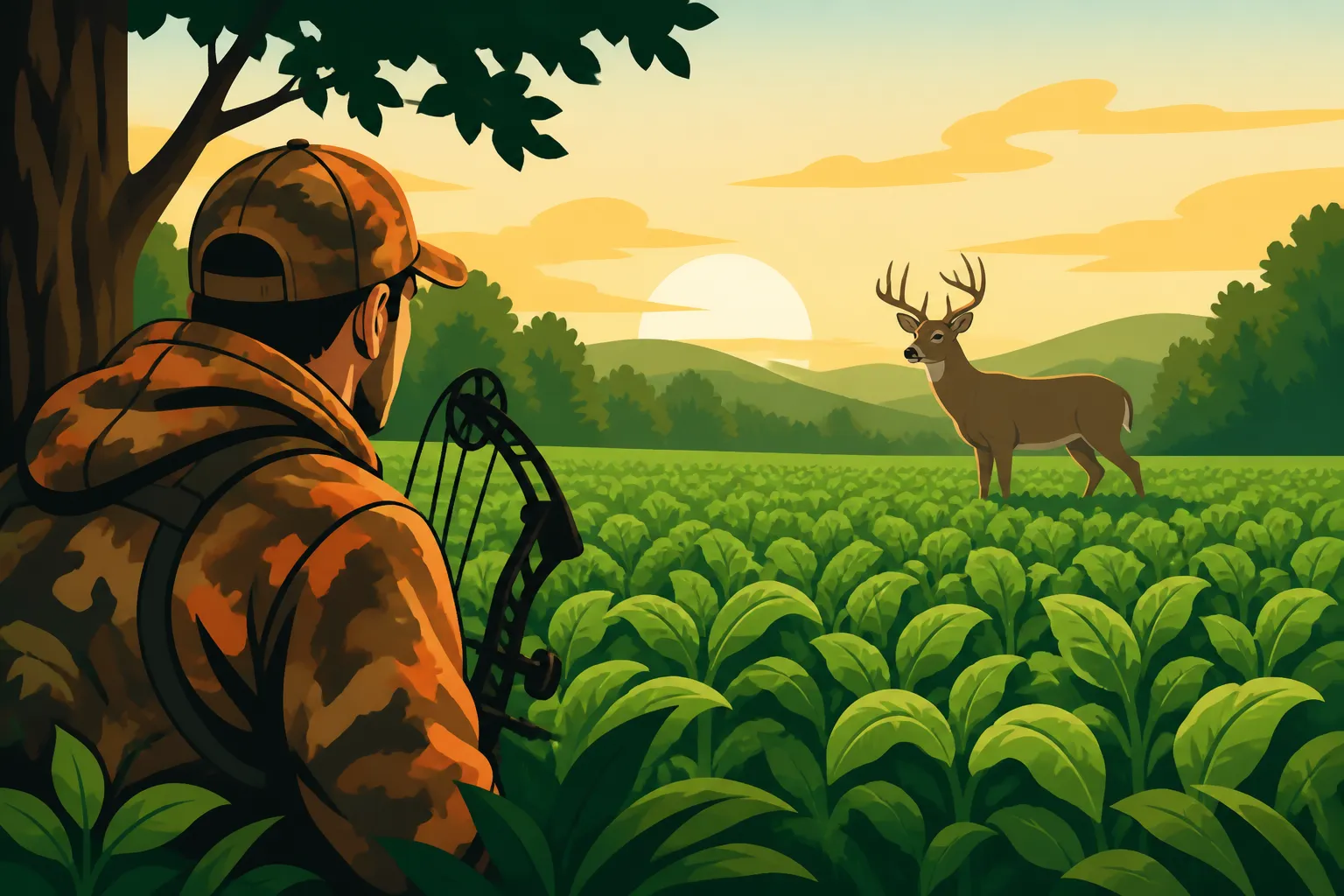
There’s nothing quite like the sight of a lush green field, especially in the late season or during those early archery days, drawing deer in like a magnet. It's easy to spot deer in these lush green oases, but getting one to come within range for a clean shot when they seem so wary and exposed? That's where the real challenge begins, often leading to frustration as deer seem to vanish the moment you step foot near the field. This guide is dedicated to dissecting effective strategies for hunting these planted food sources, helping you turn those tantalizing sightings into successful harvests here in Tennessee.
Understanding Deer Behavior Around Green Fields
Green fields, whether they're planted with clover, winter wheat, brassicas, or a mix of forage, are designed to attract and hold deer. However, simply knowing deer are there isn't enough; you need to understand how and when they use these fields to maximize your hunting success. Their patterns can shift dramatically based on the time of day, weather, and hunting pressure.
Why Deer Are Drawn to Green Fields
Deer are creatures of habit and opportunity, and a well-maintained green field offers a caloric bounty that's hard for them to resist, especially when natural forage dwindles. In the early archery season, when acorns might still be abundant, a clover or alfalfa plot provides a high-protein supplement that deer actively seek out. As the season progresses into the colder months, winter wheat, oats, and brassicas become critical late-season food sources for Tennessee whitetails, offering vital energy to sustain them through harsh weather. They are magnets, particularly in areas like the rich agricultural lands of West Tennessee or managed wildlife areas on the Highland Rim, where these plots provide a concentrated, reliable food source. Bucks might use them to bulk up before the rut, does use them for consistent nutrition, and fawns learn quickly where to find an easy meal. This consistent draw creates predictable patterns, which, if understood, can be exploited by a smart hunter.
Time of Day Patterns and Movement
The rhythm of a deer's day often dictates when they'll visit a green field. Generally, deer are most active in green fields during the dawn and dusk hours. In the mornings, they might linger for a while after sunrise, especially during cooler temperatures, before retreating to bedding areas. Evenings see a slow trickle of deer from bedding cover, typically starting well before sunset, as they stage in nearby timber or thickets before committing to the open field. This staging behavior is crucial. Deer rarely burst into the center of a field directly from their beds; instead, they often emerge at the edges, nibble nervously, and assess the situation before moving further in. Midday movements are less common, but they do happen, particularly during the rut when bucks are actively seeking does, or on overcast, drizzly days when deer might feel more secure. Overcast days or those with a light, steady rain can sometimes be gold mines, as the decreased visibility and sound-dampening qualities of the rain make deer feel less exposed.
Seasonal Shifts and Field Preferences
Just like human tastes, a deer's dietary preferences change throughout the year. What's irresistible in September might be ignored in December. Early season plots featuring clover or alfalfa are hot tickets from late summer through early fall, providing palatable green growth. As fall progresses and temperatures drop, deer will shift their attention to brassicas, turnips, or winter wheat, which become more digestible and sweet after a few hard frosts. Understanding these transitions is key. Planting a field that maintains its appeal throughout the entire season, or having a variety of plots, can keep deer coming back. For example, a mixture of clover for early season and brassicas for late season can create a consistent draw. Observing which fields deer are hitting, and when, is paramount. Often, mature bucks will avoid open fields during daylight hours if hunting pressure is high, choosing instead to feed under the cover of darkness or stick to more secluded pockets of natural forage. This means your scouting needs to be fluid, adapting to current conditions and deer behavior.
Strategic Setup and Approach
Hunting green fields successfully isn't just about showing up; it's about anticipating deer movement and minimizing your impact. Your entry, exit, and stand placement are just as important as the field itself. A careless approach can send every deer in the vicinity into lockdown, making the field unproductive for days.
Wind Direction and Stealthy Entry/Exit Routes
The wind is your most critical factor when hunting a green field. Deer rely heavily on their sense of smell, and if your scent drifts into the field or their approach corridors, your hunt is over before it begins. Always plan your approach and exit routes based on the prevailing wind, ensuring your scent cone is blowing away from where you expect deer to be. This might mean taking a longer, more circuitous route through thick cover, using creek bottoms, or walking along ridge tops. For instance, if you're hunting a field in West Tennessee bottomland, you might use a dry creek bed as a concealed travel lane. Map out multiple entry and exit points for each stand location using a robust mapping tool. Tools like GoHunt can be invaluable here, allowing you to mark potential bedding areas, probable travel corridors, and plan your routes in advance, even identifying areas where the terrain might naturally funnel deer movement. Consider using a wind checker religiously, even checking it as you walk in, to confirm the wind is doing what you expect.
Optimal Stand Placement for Field Edges
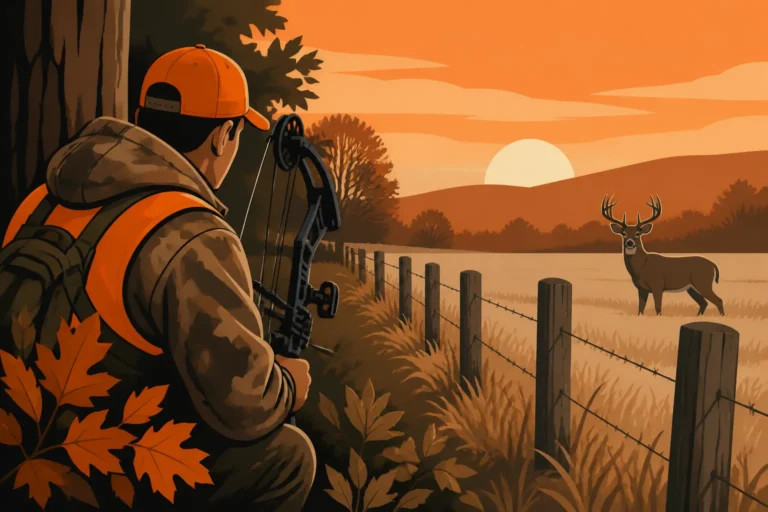
Where you hang your stand around a green field is crucial. The goal is to be close enough for a shot, but far enough back to remain concealed and to have good shooting lanes without being easily detected. Consider the sun's position – you don't want to be silhouetted against a setting or rising sun, nor do you want it directly in your eyes. Focus on locations that offer natural cover, such as a gnarly oak on the edge of a hardwood stand, or a cluster of pines that break up your outline. Look for pinch points or funnels that lead deer to the field, rather than just hanging out in the middle of a wide-open edge. Deer often use these funnels to enter and exit fields, providing excellent shot opportunities. Also, think about the primary direction deer are coming from, usually their bedding areas. Setting up on the downwind side of these travel routes can give you an advantage. For some fields, especially those receiving high pressure, hanging a stand 50-70 yards back into the timber, overlooking a small opening or a secondary trail leading to the field, can be more effective than sitting directly on the edge. This allows you to catch deer as they stage and feel more secure before fully committing to the open plot. This type of strategic thinking is also critical when you are doing something like Treestand Setups in Cherokee National Forest, where terrain and deer movement can be very different.
Ground Blind Considerations
While treestands offer a bird's-eye view, ground blinds can be incredibly effective for green field hunting, especially if you set them up early and allow deer to get accustomed to them. They provide excellent concealment from both deer and the elements, and are often more comfortable for long sits, which can be essential during late season hunts. When choosing a location for a ground blind, look for natural backdrops that help break up its outline, like a dense thicket, a pile of brush, or a large tree. Don't just plop it in the middle of a field edge; position it where it blends in. Brushing in a blind on a field edge is absolutely critical for success. Pile natural vegetation like branches, corn stalks, or tall grasses around it to make it look like part of the landscape. Pay attention to shooting lanes from a seated position, as they will be lower than from a treestand. Also, be mindful of windows and reflections, especially when the sun is low. Scent control is just as important, if not more so, in a ground blind because you are at deer level. Always have an escape route in mind for your exit, making sure you can slip out undetected.
Adapting to Pressure and Conditions
Deer are highly adaptable, and so must hunters be. Green fields, by their very nature, are often magnets for hunting pressure. You'll need to adjust your tactics based on how much the deer have been bothered, as well as respond to the ever-changing weather patterns common in Tennessee.
Hunting Pressured Green Fields
Highly pressured green fields often see deer only under the cover of darkness. When this happens, you need to shift your strategy. Instead of focusing on the field itself, scout for secondary food sources or bedding areas adjacent to the field. Deer will often "stage" in thick cover just off the field before venturing out after dark. This staging area, perhaps a thick pine stand or a dense hedgerow, is where you want to focus your efforts during daylight hours. Look for rubs, fresh tracks, and droppings that indicate deer are using these transitional zones. You might need to push further into thick cover, away from the immediate field edge, to catch bucks moving before last light. Learning how to identify these subtle travel patterns is part of Scouting Tennessee Public Land Before Season. Another strategy is to hunt the green field only on days with unfavorable weather conditions for other hunters, such as a steady drizzle, heavy fog, or a significant cold front. These conditions can sometimes make deer feel more secure moving during the day, and fewer hunters will be out to disturb them.
Post-Rain Strategies
A fresh rain can completely reset a green field, washing away old scent and revitalizing the forage. It also makes for quiet walking, which is a huge advantage for hunters. Deer often become very active immediately after a rain, particularly if it's been dry for a while. The ground is soft, making tracks easy to read, and the air is clean, carrying scent effectively. Focus on the edges of the green field and any well-worn trails leading into it. Bucks especially love to check scrape lines along a logging road or field edge after a rain. The fresh, moist earth makes it easy for them to leave their scent, and they'll often come to "freshen up" these communication hubs. Pay attention to how the water drains off the field; deer will often use higher, drier ground to travel if other areas are muddy. A post-rain afternoon hunt on a green field, especially as the sun begins to break through the clouds, can be incredibly productive.
Impact of Cold Fronts on Field Use
Cold fronts are a deer hunter's best friend. The sudden drop in temperature, especially after a period of warm weather, almost always triggers increased deer activity. Deer need to consume more calories to maintain their body temperature, making green fields an even more attractive food source. The days immediately following a significant cold front, particularly if accompanied by high pressure, are prime times to be in a stand overlooking a green field. Expect to see deer moving earlier in the afternoon and staying out later in the morning. This is especially true as the season progresses into late December and January when food sources are scarce. During this period, Hunting the Late-Season January Lull can be challenging, but a green field during a cold snap is often the best bet. Be prepared for longer sits and colder temperatures, as the best hunting often coincides with the most uncomfortable weather.
Field Edge Tactics and Beyond
Hunting a green field isn't just about the field itself; it's about understanding the surrounding habitat and how deer interact with it. Sometimes the best strategy isn't to be in the field, but just off of it, using terrain and cover to your advantage.
Scouting Beyond the Green Field
While the green field is the draw, true success often comes from understanding what's happening around it. Don't just scout the field edges; delve into the adjacent timber, thickets, and creek bottoms. Look for established travel corridors, rub lines, and bedding areas. Deer rarely spend all their daylight hours in the open field, especially mature bucks. They'll often bed just a few hundred yards away in dense cover, only moving to the field under the cloak of darkness or during low-light conditions. Identifying these bedding areas and the trails leading to the field is critical. Use a mapping app, like GoHunt, to analyze topography, identify potential funnels, and mark sign. Pay attention to where the deer are coming from and going to. Is there a water source nearby? A staging area with preferred browse? Finding these transition zones can provide much better shot opportunities than sitting directly on a wide-open field edge, particularly on properties that experience higher hunting pressure.
Utilizing Cover and Terrain for Advantage
Tennessee's diverse landscape, from the rolling hills of the Cumberland Plateau to the river bottoms of West Tennessee, offers numerous opportunities to use cover and terrain to your advantage. When hunting a green field, consider how natural features can aid your concealment and approach. A small ridge line that overlooks a field can offer excellent visibility while keeping you hidden below the crest. A dense cedar thicket or a section of planted pines can provide a natural blind. Think about elevation changes around the field; deer often prefer to travel just below a ridge or along the contours of a hill, rather than silhouetting themselves on the skyline. Using these natural barriers for your approach and exit is paramount. For example, if you're hunting a field bordered by a steep hollow, you might approach from the bottom of the hollow, using the topography to block your scent and sight from the field until you're in your stand. Remember, deer are always looking for the path of least resistance and maximum security.
Calling and Decoying on Field Edges
Sometimes, a little extra persuasion can bring a hesitant buck into range on a green field edge. Calling can be highly effective, especially during the rut in early November. Grunt calls can pique a buck's curiosity, making him think another deer is in the area. Rattling can simulate a fight between two bucks, potentially drawing in an inquisitive dominant buck looking for a challenge or a satellite buck hoping to sneak in for a doe. However, use caution with calling on open fields; if a deer comes in and doesn't see what it expects, it might spook easily. Decoys can also be very effective, especially a lone doe or a small buck decoy placed within comfortable shooting range. A buck decoy, particularly during the rut, can challenge a territorial buck. When using a decoy, always position it so that an approaching deer will present a broadside shot as it comes to investigate. Always consider the wind direction when using decoys, as deer will almost always approach from downwind to scent-check the "intruder." However, on highly pressured public land, sometimes no calling or decoys are the best option, letting your stealth and stand placement do all the work.
| Time of Day | Deer Behavior in Green Fields | Best Tactics | Considerations |
|---|---|---|---|
| Morning | Often feed at first light, then move towards bedding areas. | Focus on entry points, trails leading into thick cover. | Be in stand well before first light. Quiet exit is crucial. |
| Midday | Less activity, occasional movement during rut or bad weather. | Great for still-hunting adjacent cover or if pressure is low. | High risk if deer are pressured; often better to avoid. |
| Evening | Emerge from bedding, stage near edges, then move into field. | Focus on staging areas, primary entry points into field. | Be in stand early enough to avoid disturbing staging deer. |
| Night | Heavy feeding, especially for pressured or mature bucks. | Not legal to hunt at night; indicates need for earlier setups. | Adjust daylight strategy to intercept before darkness. |
Disclaimer
Hunting involves inherent risks, including but not limited to those associated with firearms, archery equipment, treestands, and outdoor conditions. Always prioritize safety, follow all local, state, and federal hunting regulations, and consider taking a hunter education course. The information provided in this guide is for educational and informational purposes only and should not be considered a substitute for professional instruction or official wildlife agency guidelines. Always check the current Tennessee Wildlife Resources Agency (TWRA) regulations before hunting.