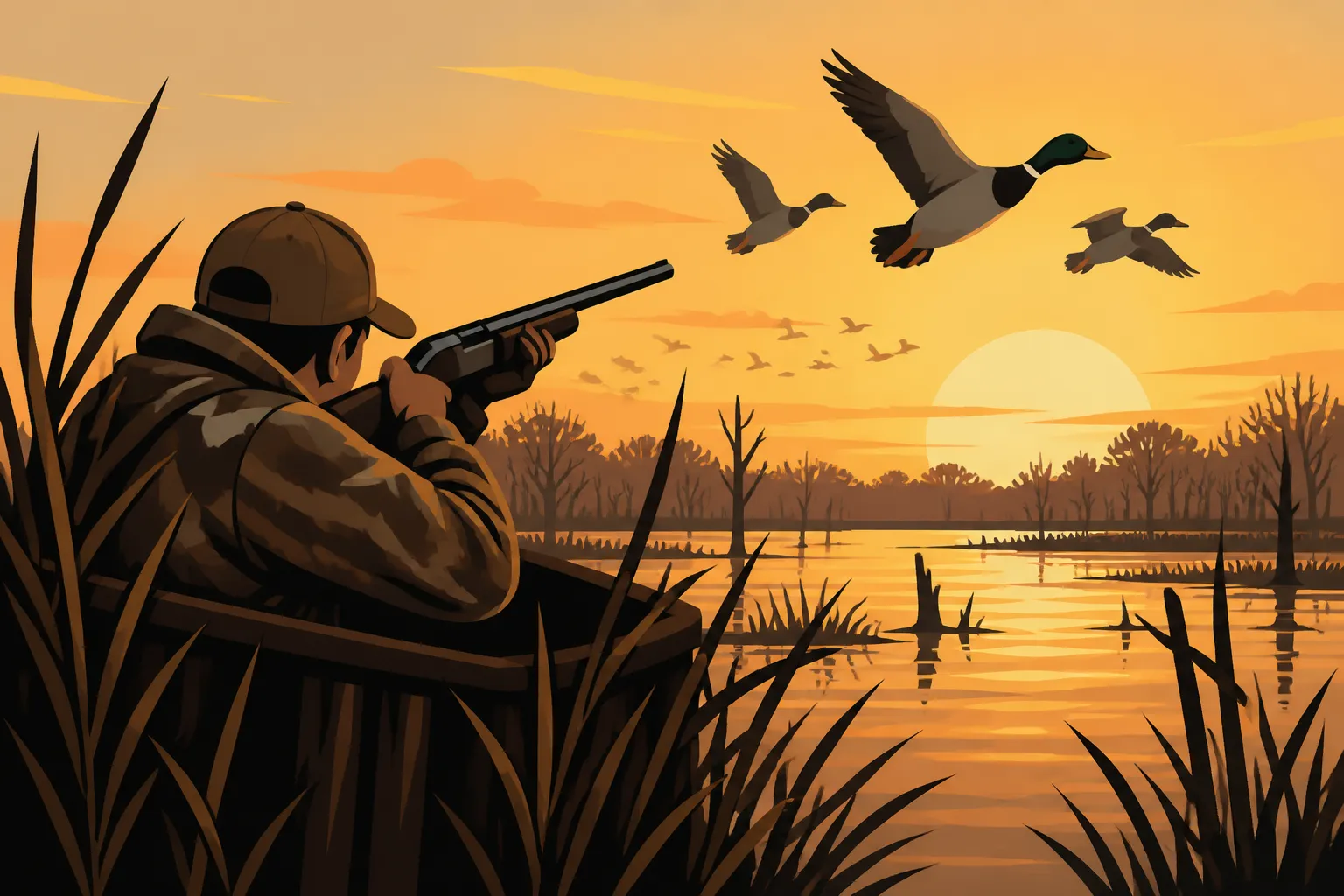
Hunting the Mississippi Flyway Backwaters
Hunting Tennessee's vast network of Mississippi Flyway backwaters can feel like stepping into a labyrinth. You're constantly battling unpredictable water levels, dense cover, and ducks that seem to materialize and vanish in the blink of an eye. It's a challenging environment, but with the right knowledge and preparation, it offers some of the most rewarding waterfowl hunting experiences in the state. This guide will help you navigate those challenges, offering practical advice and tactics to fill your strap in Tennessee's incredible backwater habitats.
Understanding the Mississippi Flyway Backwaters in Tennessee
The Mississippi Flyway is a superhighway for migratory birds, and Tennessee sits right in the thick of it. Our western part of the state, especially, is crisscrossed with river systems, sloughs, and shallow impoundments that become critical wintering grounds and stopovers for millions of ducks and geese. But these "backwaters" aren't always easy to hunt, and knowing what you're getting into is half the battle.
Defining "Backwaters" and Their Importance
When we talk about backwaters in Tennessee, we're generally referring to the intricate network of shallow lakes, oxbows, flooded timber, cypress swamps, and slow-moving sloughs that are either directly fed by or are remnants of the mighty Mississippi River and its tributaries like the Obion, Forked Deer, and Hatchie rivers. These areas often experience significant water level fluctuations, turning dry ground into prime duck habitat overnight or, conversely, leaving once-flooded timber high and dry. Unlike large, open lakes or managed impoundments, backwaters offer ducks a sense of security due to the thick cover and often difficult access for hunters. This makes them incredibly important sanctuaries for migrating waterfowl, drawing in huge numbers during the fall and winter months. The challenge for hunters is translating that high duck population into successful hunts, which often means getting into places others can't or won't.
Key Species and Their Movement Patterns
The Mississippi Flyway backwaters are a magnet for a diverse array of duck species. You'll primarily encounter mallards, especially green-heads, which are the kings of the flooded timber and shallow marshes. Wood ducks are also incredibly common, particularly in the earlier parts of the season, darting through the trees with their characteristic agility. You'll also find gadwalls, wigeon, and various teal species, particularly blue-winged teal in the early migration and green-winged teal throughout the season. Divers like ring-necked ducks, scaup, and buffleheads might show up in slightly deeper pockets of water, but the backwaters are truly dabbler territory. Understanding their daily movement patterns is crucial. Ducks will typically feed in agricultural fields or open water during the night and early morning, then retreat to the safety and loafing cover of the backwaters during the day. Targeting these daytime loafing areas, or intercepting them as they move between feeding and resting spots, is often the most productive strategy. Pay close attention to migration timing, as it dictates which species you're likely to encounter. Information on the broader topic of Tennessee Waterfowl Migration Timing can offer valuable insights.
Identifying Prime Backwater Locations
Identifying truly prime backwater locations isn't always obvious from a map. You're looking for areas that offer a combination of food, cover, and refuge. This often means shallow areas with submerged vegetation, cypress and tupelo stands, or mixed hardwoods that become flooded. Creek channels, oxbows, and sloughs that connect larger bodies of water are also excellent travel corridors. Don't be afraid to put in the legwork (or paddle-work) during the off-season to scout these areas. Walk them when the water is low, noting potential roosting spots, old feed signs, and natural funnels. Tools like GoHunt mapping software can be invaluable here, allowing you to layer aerial imagery with topographical data to identify elevation changes that indicate shallow water or hidden channels. Look for areas that are difficult to reach—a long paddle, a hike through thick brush, or a shallow passage that keeps larger boats out. These harder-to-reach spots often hold less-pressured birds. Public access areas, especially those designated as Wildlife Management Areas (WMAs) along the Mississippi River and its tributaries, can be fantastic, but they also see significant pressure. Exploring a variety of locations is key to finding consistent success throughout the season. For specific opportunities, look into Hunting West Tennessee River Bottoms.
Essential Scouting and Preparation for Backwater Hunts
Success in the backwaters rarely comes by chance. It's built on a foundation of diligent scouting, meticulous preparation, and a healthy respect for the challenging conditions you'll face. Rushing into a backwater hunt unprepared is a recipe for frustration, or worse, danger.
Pre-Season Reconnaissance and Water Levels
Pre-season scouting is paramount for backwater hunting. Unlike open fields or steady lakes, backwaters are incredibly dynamic. What looks like prime flooded timber in August could be bone dry by November, or vice-versa. Start your scouting in the summer and early fall when water levels are typically lower. This allows you to walk areas that will be flooded later, identifying natural high spots, deep channels, and clearings where ducks might land. Look for signs of past duck activity: old feather piles, droppings, and browsed vegetation. Note the types of trees – oaks, cypress, and tupelo are often indicators of good duck habitat when flooded. Pay close attention to elevation changes. Even a few inches can make a huge difference in duck preference. Use aerial maps from services like GoHunt to pinpoint areas that appear to hold water or have connecting sloughs. Once hunting season approaches, keep a close eye on rainfall and river gauges, particularly for the Mississippi River and its major tributaries. A significant rain event upstream can raise backwater levels dramatically downstream within days, opening up new hunting opportunities or rendering old spots inaccessible.
Understanding Public and Private Access
Tennessee offers a mix of public and private land hunting opportunities in the backwaters. Many of the most productive backwater areas are found on public WMAs, such as those associated with the Reelfoot Lake area or along the Hatchie River. However, public land often comes with crowds, especially on opening day or during peak migration. It's crucial to understand the specific rules and regulations for each WMA, as they can vary greatly, including restrictions on boat size, motor type, or hunting hours. Always consult the official TWRA regulations. For private land, gaining access can be challenging but incredibly rewarding. Farmers with flooded agricultural fields adjacent to river bottoms or landowners with private sloughs often experience duck activity that public lands can't match. A polite knock on the door, offering to help with other tasks, or providing a small gift can sometimes open doors. Even when hunting public ground, understanding the adjacent private land boundaries is critical to avoid trespassing, which mapping tools like GoHunt can help clarify.
Weather and Water Conditions
Weather and water conditions are perhaps the biggest variables in backwater hunting. A strong cold front to the north can push massive numbers of birds down the flyway, but it also brings harsh conditions. Ducks prefer calm, shallow water for loafing, so a strong wind can push them into sheltered pockets of timber or make open backwater areas less appealing. Rain can raise water levels, opening up new areas, but also make for a miserable hunt if you're not properly geared. Freezing temperatures can lock up shallow water, concentrating ducks into remaining open pockets, which can be fantastic if you find them, but also quickly end a hunt. Always check the forecast leading up to your hunt, and be prepared for changes. Pay particular attention to ice formation – navigating icy backwaters can be incredibly dangerous. Strong currents, especially after heavy rains or during periods of rising water, can make paddling and retrieving birds hazardous. Being adaptable and having alternative spots scouted for different conditions is a hallmark of a successful backwater hunter.
Key Tactics for Success in Backwater Environments
Once you've done your scouting and understand the conditions, it's time to put a plan into action. Backwater hunting requires a nuanced approach, combining decoy strategy, effective concealment, and calling techniques tailored to the unique environment.
Decoy Spreads for Backwater Ducks
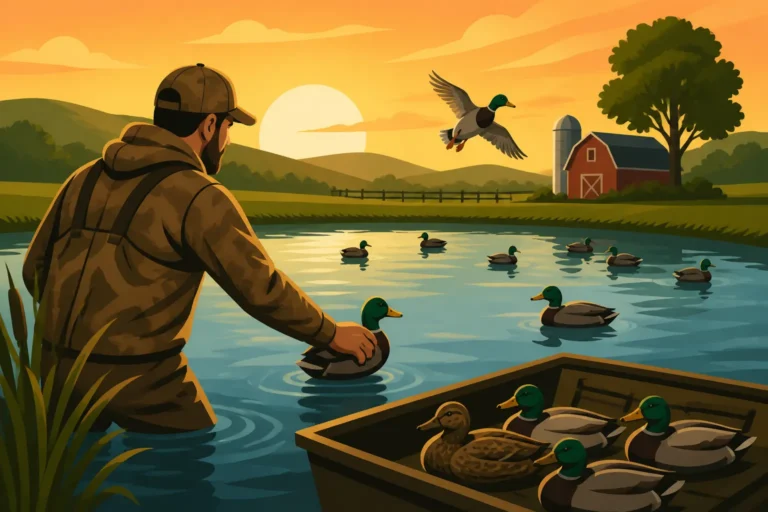
Decoy spreads in the backwaters are often much different than those used in open water. Forget massive spreads of dozens of blocks; in tight, timbered backwaters, subtlety is often key. A small spread of 6-12 realistic decoys is usually more than enough, especially if you're targeting mallards and wood ducks in flooded timber. Focus on creating a natural-looking "loafing" or "feeding" scenario. Mallards often prefer to land in small openings in the timber, so position your decoys to guide them into a clear shooting lane. Use a mix of active feeder decoys and upright sentinels. Motion decoys, like spinning wing decoys, can be incredibly effective in attracting attention from distant birds, but be mindful of their use in highly pressured areas where ducks may become wary. Always anchor your decoys securely; backwater currents, while often subtle, can pull unweighted decoys away quickly. Don't be afraid to experiment with different patterns. Sometimes a simple "J" hook or a cluster with a landing hole works best. For more specific advice, check out Decoy Spreads for Reelfoot Mallards.
Blind Building and Concealment
Concealment is non-negotiable in backwater hunting. Ducks in these environments are often pressured and incredibly wary. You need to blend seamlessly into your surroundings. Natural blinds are almost always superior to artificial ones. Utilize the dense vegetation, fallen logs, or cypress knees to break up your outline. Don't just sit behind cover; become part of it. If hunting from a boat, brush it in thoroughly with local vegetation – cypress branches, willow limbs, or cane. If you're wading in, wear camouflage that matches the flooded timber or marsh grass. A face mask and gloves are essential, as a duck's eyesight is legendary. Pay attention to the sun's position throughout your hunt to ensure you're not silhouetted. Often, the best blind isn't built at all but is simply an existing natural feature that you tuck yourself into perfectly. Remember, ducks are looking down for danger, so even small movements can give you away.
Calling Strategies for Flooded Timber
Calling in the backwaters is a distinct art form. While loud, aggressive calling might work in open fields, it can often scare off birds in the tight confines of flooded timber. Subtle, realistic calling is usually much more effective. Start with soft greeting calls or quiet contented clucks and quacks. Listen intently to the birds you're calling to. Are they responding to your calls? Are they coming closer? Adjust your calling based on their reaction. If they're coming in strong, back off the calling to avoid over-calling. If they're hesitant, try some softer, pleading calls. Often, less is more. A well-placed feed call or a soft comeback call can be incredibly enticing. Practice your calling before the season, focusing on realism over volume. Having a variety of calls – a single-reed and a double-reed mallard call, perhaps a wood duck call – gives you versatility. Always remember that the ultimate goal of calling isn't to blast as loud as you can but to create an illusion that ducks are already happy and feeding in your spread. If you're having trouble locating birds on the roost, articles like Reading a Bottomland Slough for a Morning Flight might provide helpful insight.
Gear and Safety Considerations for Backwater Duck Hunters
The backwater environment is as rewarding as it is demanding. To ensure a successful and safe hunt, you need the right gear and a vigilant approach to safety, especially when dealing with cold water and shifting conditions.
Crucial Gear for Navigating and Hunting
Navigating backwaters means dealing with shallow, often muddy water and dense cover. A reliable boat is essential, and often, smaller, more maneuverable boats like jon boats or even canoes/kayaks are preferred over larger vessels. A mud motor can be a game-changer, allowing access to extremely shallow areas where traditional outboards would get bogged down. If you're wading, high-quality waders are non-negotiable. Invest in breathable chest waders, preferably insulated for late-season hunts, and ensure they are patched and leak-free. Nothing ruins a hunt faster than cold, wet feet. Consider appropriate footwear for your waders, such as neoprene boots or specific wading boots for added grip on slick bottoms. For those long treks through flooded timber, a good pair of Waders for Flooded Timber Hunting is absolutely essential. Carry a dry bag for electronics, extra layers, and your hunting license. A reliable headlamp with extra batteries is crucial for pre-dawn setups and post-hunt retrieves. Lastly, always have a fully charged cell phone (in a waterproof case) and consider a GPS unit, or a robust mapping app on your phone, to navigate the often confusing network of channels and timber.
Staying Safe in Dynamic Water Environments
Safety should always be your top priority when hunting backwaters. The dynamic nature of these environments presents several hazards. First and foremost, always wear a life vest, even if you're an experienced swimmer. Cold water immersion is a serious risk, and a life vest can be the difference between life and death if you accidentally fall overboard. Inform someone of your hunting plans, including your exact location and expected return time. Go with a partner whenever possible; two heads are better than one, especially in an emergency. Be acutely aware of changing weather conditions, particularly high winds that can make open water crossings treacherous or rapidly dropping temperatures that can lead to hypothermia. If hunting from a boat, know your boat's limits and avoid overloading it. Be cautious of submerged obstacles like stumps and logs, which can damage your boat or cause capsizing. Finally, understand the specific regulations for Tennessee Migratory Bird Certification and other safety requirements, like possessing a valid federal duck stamp.
Layering for Cold, Wet Conditions
Tennessee weather, especially during waterfowl season, can be notoriously unpredictable. One day it's mild and rainy, the next it's bone-chilling cold with a biting wind. Proper layering is the key to staying comfortable and safe in these conditions. Start with a moisture-wicking base layer against your skin to pull sweat away. Cotton is a definite no-go as a base layer, as it holds moisture and loses its insulating properties when wet. Next, add an insulating mid-layer, such as fleece or synthetic puffy jackets, to trap warmth. The number and thickness of these layers will depend on the ambient temperature and your activity level. Your outer layer should be a waterproof and windproof shell to protect against rain, sleet, and driving winds. Look for durable materials that can withstand snags from brush and timber. Insulated waders and waterproof gloves are also critical. Remember, you can always shed layers if you get too warm, but you can't add what you didn't bring. Being over-prepared for the cold and wet is always better than being caught off guard.
| Essential Backwater Hunting Gear Checklist |
|---|
| Valid Tennessee Hunting License & Waterfowl Permits |
| Reliable Boat (Jon boat, canoe, kayak) |
| Mud Motor or Paddle/Push Pole |
| Personal Flotation Device (PFD) |
| Breathable Insulated Chest Waders |
| Waterproof/Windproof Outerwear (Jacket & Pants) |
| Moisture-Wicking Base Layers (No Cotton) |
| Insulating Mid-Layers (Fleece, Synthetic) |
| Waterproof Gloves & Warm Hat |
| Shotgun (with Non-Toxic Shot) |
| Decoys (6-12 realistic, natural spread) |
| Duck Calls (mallard, wood duck) |
| Dry Bag (for electronics, extra layers, first aid) |
| Headlamp with Fresh Batteries |
| GPS Unit or Mapping App (e.g., GoHunt) |
| Thermos with Hot Beverage / Water |
| Snacks |
| First Aid Kit |
| Rope/Tie-Downs for Boat & Decoys |
| Game Strap / Bag |
| Whistle (for emergencies) |
Disclaimer
Please remember that hunting regulations, seasons, and licensing requirements can change. Always consult the latest official Tennessee Wildlife Resources Agency (TWRA) regulations before heading into the field. This guide is for informational purposes only and does not supersede state laws or official TWRA guidance.