Hunting a Funnel Between Two Bottoms
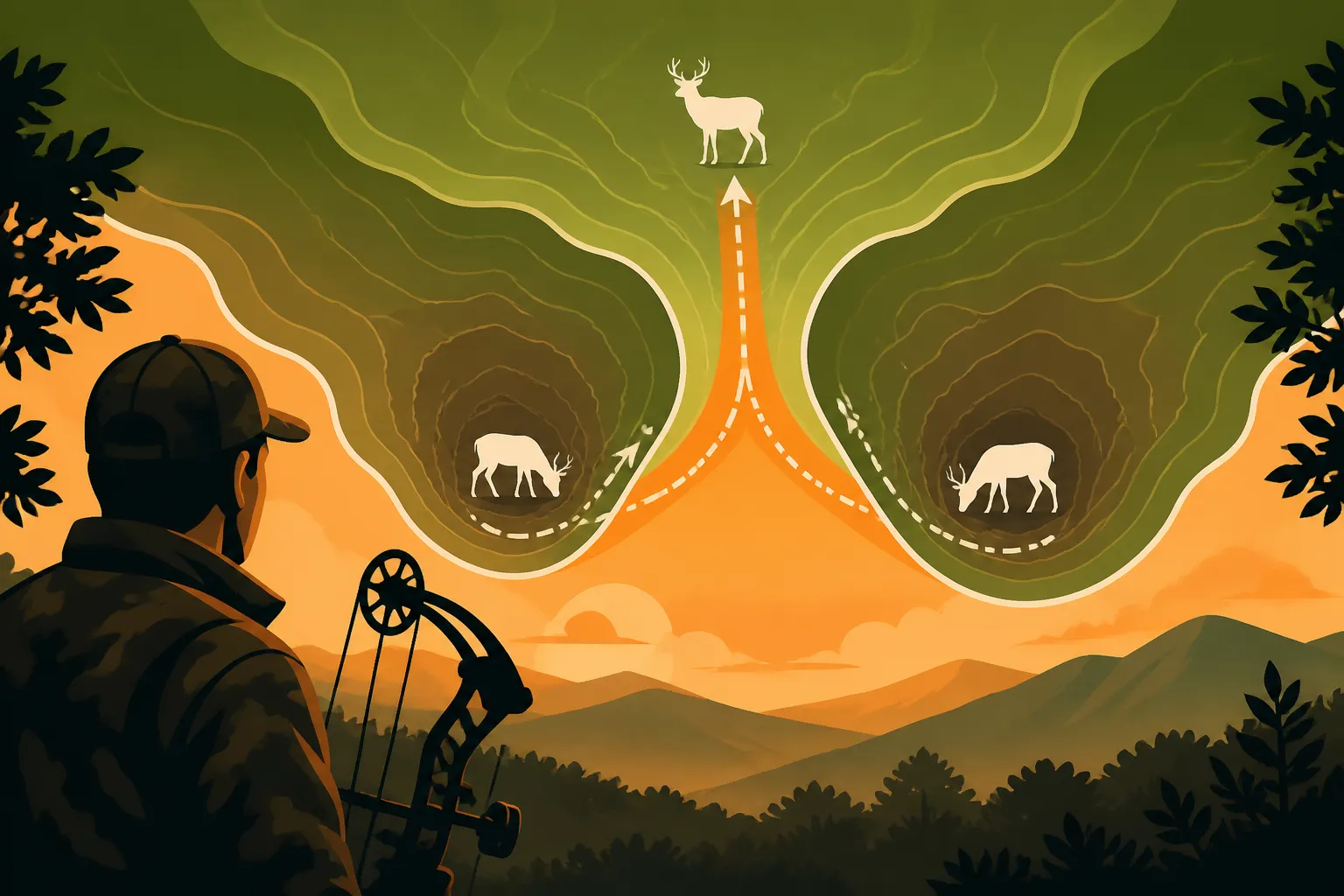
It can be incredibly frustrating to scout a prime bottomland area, finding all the food and cover a deer could ever want, only to realize the deer aren't quite where you expect them. Often, the missing piece isn't the presence of deer, but understanding how they move between those lush, resource-rich lowlands. This guide is all about cracking that code, focusing on how to effectively hunt the vital funnels that connect two distinct bottomland areas here in Tennessee, helping you predict deer movement and put yourself in the right place at the right time.
Understanding Bottomland Deer Movement
Tennessee's landscape, with its rolling hills, winding rivers, and countless creeks, creates incredible bottomland habitats. These low-lying areas, often fertile and sheltered, are absolute magnets for deer. But just because deer live there doesn't mean they stay put. They're constantly on the move, and understanding these travel patterns is key to successful hunting.
The Allure of Bottomlands for Whitetails
Bottomlands are like a deer's perfect resort. They offer an incredible trifecta of necessities: abundant food, reliable water, and thick cover. Think about the rich, alluvial soils along the Tennessee River or the smaller creek bottoms in the Cumberland Plateau. These areas typically boast a diverse array of browse, from honeysuckle and greenbrier to acorns dropping from towering oaks in the fall. During the colder months, standing row crops like corn or beans bordering a river bottom provide crucial caloric intake, drawing deer in from miles around. Water is rarely an issue, with creeks, rivers, and small ponds consistently available. And when it comes to cover, the dense understory, cane thickets, and mature timber found in these lowlands offer excellent bedding and sanctuary from both predators and human disturbance. It's a natural buffet with a built-in bedroom.
For example, a stretch of the Hatchie National Wildlife Refuge in West Tennessee, characterized by its sprawling bottomland hardwoods and sloughs, is a prime example. Deer will bed deep in the thickest cypress and tupelo stands during the day, emerging in the evenings to browse on whatever mast is available or to hit adjacent agricultural fields. Their entire daily routine revolves around these resource-rich havens. The challenge isn't finding deer in the bottom, but knowing exactly which path they'll take when they decide to move.
Why Deer Need to Travel Between Bottoms
While a single bottomland area might seem to have everything a deer needs, deer are inherently restless, and their needs change throughout the day and the season. They're not content to simply stay in one spot. Sometimes, they'll bed in one creek bottom, finding comfort and security in a thicket, but their preferred feeding ground might be a quarter-mile away in another, perhaps offering a different mast crop or a farmer's newly planted winter wheat. This creates a natural impetus to travel.
During the rut, this need to travel between bottomlands becomes even more pronounced. Bucks will actively cruise through these connecting routes, scent-checking for does. A doe might retreat to a particularly dense, secluded bottom for bedding, only to venture to an adjacent bottom for water or to visit a preferred food source. This forces both sexes to traverse the ground between these sanctuaries. Additionally, escape routes from hunting pressure often lead deer from one bottomland haven to another. When hunters push through one area, deer will naturally seek out the quickest, safest route to another known secure location, frequently utilizing any topographical or cover features that provide a sense of concealment. These movements are predictable if you know what to look for, making the connections between these areas absolute gold mines for hunters.
Identifying and Interpreting Bottomland Fashions
Finding the "sweet spot" between two bottomlands means becoming a detective of the landscape. Deer, like us, prefer the path of least resistance, but they also prioritize cover and security. These preferences, combined with natural and man-made features, create the funnels we're looking for.
Natural Topography: Ridges, Dips, and Pinch Points
Nature itself often provides the perfect template for deer funnels. Even in seemingly flat bottomland country, subtle changes in elevation, like a low ridge that gradually rises out of a floodplain, can create a natural highway. Deer will naturally walk these slightly elevated spines, which offer drier footing and a better vantage point, even if it's just a few feet higher than the surrounding swampy ground. Similarly, a slight dip or narrow swale between two higher points can concentrate movement.
Think about a small, finger-like ridge extending from a larger bluff down into a river bottom, or a narrow strip of slightly higher ground that separates two distinct low-lying areas. These are prime examples of natural funnels. They act as "pinch points" where the available travel corridor narrows, forcing deer into a smaller area. Using advanced mapping tools like GoHunt can be invaluable here. You can literally trace contour lines and identify these subtle elevation changes that might not be obvious on the ground until you're right on top of them. I've spent countless hours on the computer, using aerial photos and topographic maps to identify these features before ever stepping foot in the woods. This is especially useful when you're considering Reading Aerial Photos for Cumberland Plateau Deer, a skill that translates well to any varied terrain.
Man-Made Funnels: Fences, Field Edges, and Old Roads
Beyond natural features, human activity can inadvertently create equally effective, if not more pronounced, funnels. These man-made structures often serve to channel deer movement into predictable corridors. An old logging road, for instance, might cut through a dense bottomland, providing an easy travel lane that deer will readily use. While they might veer off into cover, the road itself is often a primary thoroughfare.
Fencelines are another huge one. A property line fence, especially one that's older and somewhat overgrown, can act as a barrier, forcing deer to travel along its edge until they find an easy crossing point, or simply to move parallel to it if their destination is on the same side. The edge of an agricultural field where it meets a woodlot is a classic example. Deer will often skirt the field edge under the cover of timber, rather than expose themselves in the open. When two such field edges converge, or when a fence leads into a narrow timber strip separating two bottoms, you've got yourself a man-made funnel. Again, GoHunt can help you pick out these field boundaries, fencelines (if marked), and old access roads with ease. These features become key components when you're Hunting West Tennessee Bottomland Deer or other areas with a mix of agriculture and timber.
Reading the Sign: Tracks, Scrapes, and Rubs
Once you've identified potential funnel locations on a map or through observation, the real work begins: boots-on-the-ground scouting to confirm deer activity. Deer sign doesn't lie, and in a funnel, it can be incredibly concentrated. Look for heavily used trails — not just one or two tracks, but distinct paths worn into the soil, especially where deer have had to step over obstacles or navigate a tight spot. In soft, muddy bottomland soils, these trails can be exceptionally clear, giving you a perfect read on how recently and frequently deer are using that corridor. This sign reading is an essential part of Scouting Tennessee Public Land Before Season.
During the rut, funnels become even more evident with breeding-related sign. Bucks will make scrapes and rubs along these travel corridors as they search for does. An active scrape line, where bucks repeatedly paw the ground and urinate, often with an overhanging branch (licking branch) that they rub their forehead on, is a clear indicator of heavy buck traffic. Look for rubs on small saplings or larger trees where bucks have rubbed their antlers, leaving fresh bark scars. The fresher the sign, the more active the funnel. If you find multiple rubs and scrapes within a confined area that connects two bottomlands, you're absolutely in the right place. Don't underestimate the power of Reading Tennessee Mud for Fresh Deer Movement to tell you what's happening.
Strategic Setup and Tactics for Funnel Hunting
Once you've zeroed in on a promising funnel, your next challenge is to set up in a way that maximizes your chances without alerting the deer. This involves careful consideration of your stand location, the timing of your hunt, and how you might use calls or decoys to draw deer into range.
Choosing Your Stand or Blind Location
Selecting the right spot for your stand or blind within a funnel is critical. You want to be close enough to intercept deer, but far enough away to remain undetected. The primary considerations are wind direction, concealment, and shot opportunities. Always prioritize the wind; deer will smell you long before they see or hear you. Identify prevailing winds for your chosen funnel and ensure your setup keeps your scent blowing away from where deer are likely to approach. This might mean having multiple stand locations for different wind directions, or being prepared to move. Understanding Wind and Thermals on a Ridge System is crucial, even in bottomlands where subtle air currents can be tricky.
For treestands, look for mature trees along the edge of the funnel that offer good cover and shooting lanes into the travel corridor. You want to be high enough to break up your silhouette but not so high that shooting angles become too steep. A good stand placement might be just off the main trail, allowing you to intercept deer as they pass. If you're on public land, consider options like a portable climber or a saddle system, which offer flexibility. You can learn more about general principles for Treestand Setups in Cherokee National Forest, which apply across varied terrains. For ground blinds, especially in thicker bottomland cover or near field edges, ensure it's brushed in thoroughly and set up well in advance to allow deer to get accustomed to its presence. Using a Ground Blind on Tennessee Public Land can be highly effective in these situations.
Timing Your Hunt: The Rut and Beyond
Funnels are productive throughout the season, but there are certain times when they become absolute hotspots. The whitetail rut is, without a doubt, the prime time. As bucks begin to actively seek out does, they will repeatedly check these high-traffic corridors. A mature buck is less likely to expose himself in open areas, preferring the security of timbered funnels to move between bedding and feeding areas, or simply to patrol for estrous does. During the peak of Hunting the Rut in Early November, an all-day sit in a well-placed funnel stand can be incredibly rewarding, as deer movement can happen at any hour.
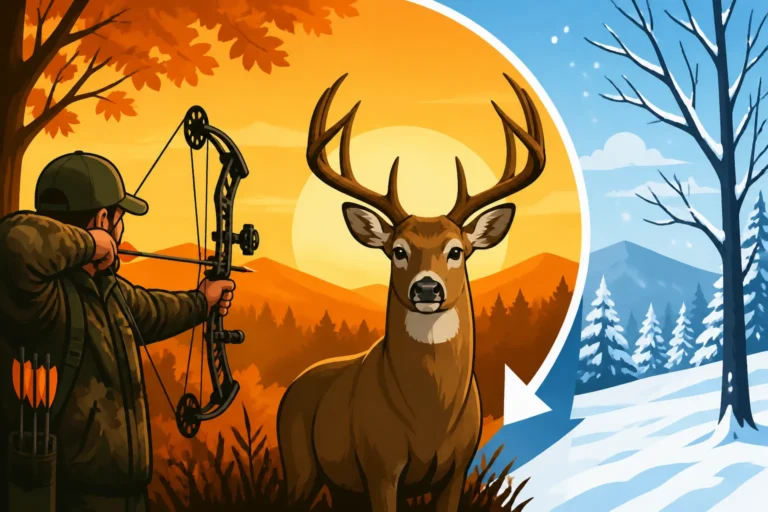
Beyond the rut, funnels also shine during periods of cold weather or increased hunting pressure. When temperatures drop, deer become more focused on food sources, and funnels connecting bedding areas to those food plots or mast crops will see increased activity. Similarly, if there's a lot of pressure in one bottom, deer will use funnels to quietly slip into adjacent, less disturbed areas. Pay attention to weather fronts; a sharp drop in temperature or the day after a rain can often trigger increased deer movement through these pathways.
Calling and Decoying Strategies
When hunting funnels, aggressive calling can sometimes be too much, but subtle vocalizations can be very effective. Grunt calls and doe bleats, used sparingly, can pique a deer's curiosity and draw them a few extra yards into your shooting lane. If you see a deer moving parallel to your funnel but just out of range, a soft grunt might just be enough to turn its head and bring it closer. This is where mastering Rattling and Grunting in Tennessee comes into play. You don't need to be overly loud; rather, focus on realism and timing.
Decoying can also be an option, particularly during the rut. A single buck decoy placed strategically, visible but not overly exposed, can draw a cruising buck into the funnel for a closer look. Similarly, a doe decoy can sometimes stop a buck in his tracks, giving you a shot opportunity. Always consider the wind when using decoys, as you don't want a deer to circle downwind and scent check the decoy, only to bust you in the process. Ensure your setup allows you to get a shot off before the deer gets too close to the decoy or realizes it's not real.
Overcoming Common Challenges
Hunting funnels, while highly effective, isn't without its challenges. Dealing with other hunters and adapting to ever-changing conditions are part of the game.
Dealing with Hunting Pressure
Public land, or even smaller private tracts, often see significant hunting pressure, especially during opening weekend or peak rut. Deer are smart, and they quickly learn to avoid areas where they perceive danger. A funnel that looks perfect on a map and shows fresh sign might become a ghost town if hunters are constantly walking through it or setting up in obvious spots. To counter this, you need to be strategic.
First, consider hunting secondary funnels that other hunters might overlook. While everyone crowds the most obvious pinch points, a less prominent, slightly thicker travel corridor might see more consistent, unpressured movement. Second, focus on your entry and exit routes. Nothing ruins a hunt faster than spooking deer on your way in or out. Plan a quiet, concealed approach that avoids disturbing the funnel itself. Sometimes, this means taking a longer, more circuitous route. Lastly, consider hunting during off-peak times, like weekdays or during inclement weather when fewer hunters are afield. The article on Hunting Pressure on Tennessee Public Land offers more insights into this critical aspect of hunting.
Adapting to Changing Conditions
Deer movement through funnels isn't static; it's heavily influenced by environmental factors. A funnel that was hot during the early bow season might be dead quiet by the late gun season if the primary food source has been depleted or the water levels have shifted. Heavy rains can flood out low-lying funnels, forcing deer to find higher, drier ground. Conversely, a drought can dry up smaller water sources, causing deer to concentrate their movement along funnels that lead to perennial water.
Your strategy must be flexible. Regularly scout your funnels, even if it's just a quick check, to see how deer are reacting to recent changes. Are new trails emerging? Has an old water source dried up? Is there a fresh mast crop attracting deer to a different bottom? Be prepared to move your stand or blind if conditions dictate. Using your mapping tools like GoHunt to identify alternative funnels or escape routes based on new conditions can save a hunt. For instance, if one Hunting Tennessee River Bottom Funnels location gets flooded, immediately look for higher, parallel ground that deer will naturally shift to.
Funnel Hunting Strategies at a Glance
Here’s a quick overview of the key differences and benefits of natural versus man-made funnels, and where you might consider setting up your next hunt.
| Funnel Type | Characteristics | Advantages | Ideal Setup/Tactics |
|---|---|---|---|
| Natural | Subtle ridges, narrow swales, creek bends, timber lines. | Often less pressured, deer use them instinctively for security and ease. | Treestand on the downwind side, 20-30 yards off the main trail. Early morning/late evening. |
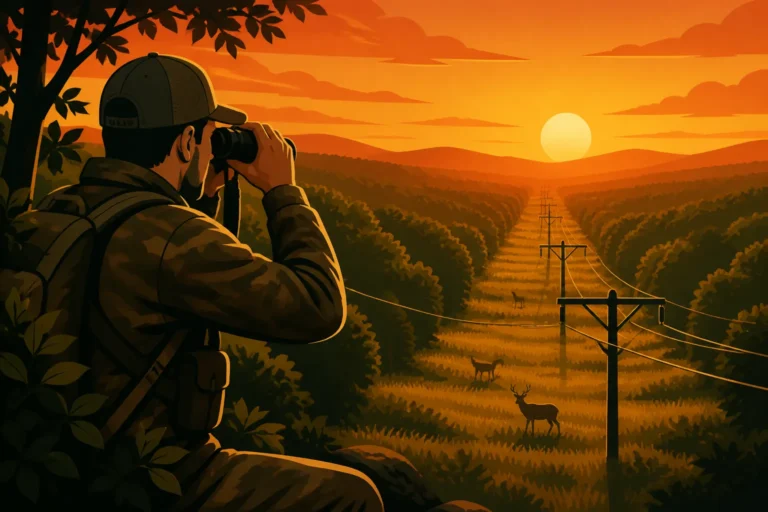
| Man-Made | Fencelines, field edges, old logging roads, power lines. | Very defined travel corridors, often connecting distinct food/bedding areas. | Ground blind brushed into field edge, stand overlooking fence crossing. Rut cruising. |
No matter where you hunt in Tennessee, the principle of funneling deer movement remains a constant. From the thick bottoms of West Tennessee to the rugged creek systems of the Cumberland Plateau, understanding these travel corridors is a game-changer. It takes patience, diligent scouting, and a willingness to adapt, but the rewards of intercepting a deer precisely where you expected it to be are truly satisfying.
Disclaimer
Hunting involves inherent risks. Always follow all Tennessee Wildlife Resources Agency (TWRA) regulations, practice firearm safety, and obtain proper licenses and permits before hunting. The information provided here is for educational purposes and should not replace professional guidance or personal judgment.