Where Cumberland Plateau Bucks Bed
Finding a mature buck on the Cumberland Plateau can feel like searching for a needle in a haystack. The rugged, expansive terrain with its dense forests, steep hollows, and endless ridges offers countless places for a whitetail to disappear, leaving hunters scratching their heads about where these elusive creatures spend their daylight hours. This guide is designed to peel back the layers of this challenging landscape, helping you understand the specific bedding preferences of Cumberland Plateau bucks and giving you actionable strategies to find them.
Understanding the Cumberland Plateau Landscape
The Cumberland Plateau isn't your typical flat agricultural deer country. It's a land defined by its dramatic topography and diverse vegetation, both of which heavily influence where bucks choose to bed down. If you want to consistently find deer here, you've got to learn to read the land like a book.
Topography and Vegetation's Influence
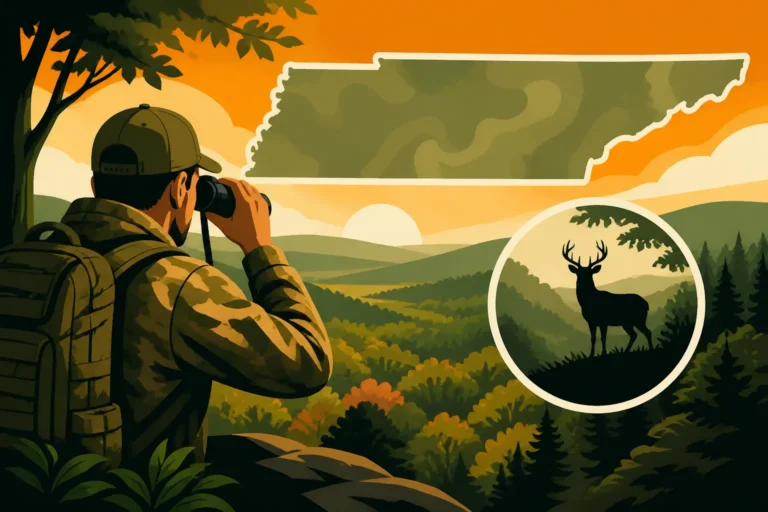
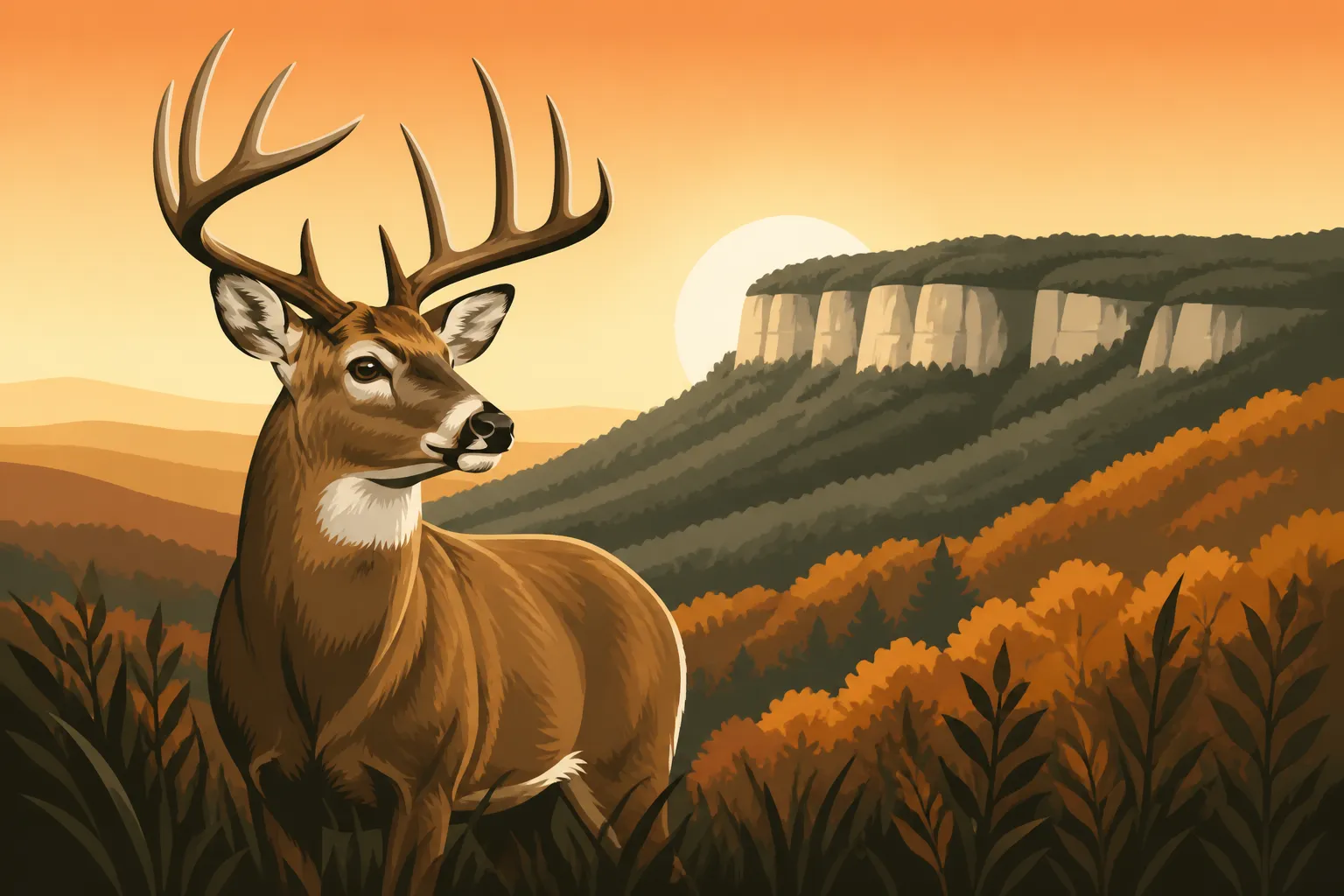
Imagine a vast expanse of rolling hills suddenly giving way to deep, steep-sided hollows, often carved out by ancient waterways. You'll find towering sandstone bluffs that offer natural vantage points, and rocky outcroppings that create secluded nooks. This isn't just pretty scenery; it's a fortress for whitetails. Bucks, especially the older, wiser ones, crave security and advantage. The broken terrain provides endless opportunities for them to find secluded spots with excellent wind thermals and visibility. They can bed on a knob that offers a 270-degree view, letting them see anything approaching from below, while the wind carries their scent to cover their back trail.
The vegetation plays an equally crucial role. The Cumberland Plateau is a mosaic of mature hardwood forests, often dominated by various oak species, hickories, and maples. These provide essential food sources, especially during the fall mast crop. But intermingled are dense stands of evergreen conifers, like Virginia pine and eastern red cedar, particularly on south-facing slopes or in areas that were historically logged. These thickets are absolute sanctuaries, offering visual cover from predators (including hunters), thermal protection from harsh winter winds, and even shade during warmer early-season hunts. When you're Scouting Tennessee Public Land Before Season, pay close attention to where these different timber types meet and mingle; those transition lines are gold for bedding. The higher the Cumberland Plateau Deer Density, the more critical these secure bedding areas become for older bucks avoiding pressure.
Food and Water Sources as Bedding Indicators
While security is paramount, a buck also isn't going to bed miles away from a convenient meal or a drink of water. Their bedding choices are often a strategic balance between safety and proximity to resources. Throughout the seasons, their food priorities shift, and so do the bedding areas that best facilitate access to them.
In the early archery season, when temperatures are still warm, bucks might bed closer to soft mast like persimmons or muscadines, or lush green browse in cooler, north-facing hollows. As fall progresses and the acorns start dropping, the availability of hard mast becomes the primary driver. Bucks will key in on productive white oak or red oak ridges. Their bedding areas will often be just a short distance from these feeding zones, strategically located to allow them to slip in and out under the cover of darkness or twilight.
Water is also a less obvious but equally vital factor. While Tennessee usually gets plenty of rain, a consistent water source in a dry spell can concentrate deer. Scattered seeps along steep hillsides, small spring-fed creeks at the bottom of hollows, or even temporary pockets of water in rocky depressions can draw deer. A buck's bed might not be right on top of the water, but it will be positioned to allow easy, secure access. Learning to read the subtle signs of deer activity around these ephemeral water sources can give you a significant advantage, especially when Hunting After a Poor Acorn Year when deer might be forced to range more widely for food and water.
Prime Bedding Locations for Cumberland Plateau Bucks
Now that we understand the ingredients, let's talk about the specific spots where these ingredients combine to create ideal buck bedding areas. These aren't just random guesses; these are patterns observed by seasoned hunters who spend countless hours dissecting this unique landscape.
Ridge Top Benches and Points
Ridge tops are classic whitetail country on the Plateau, and for good reason. Bucks love to bed on benches or points that jut out from the main ridge line, especially those offering a commanding view. Think about it: a slight dip or shelf on a steep slope, often just 20-50 yards below the crest. From here, a buck can usually see downhill for a considerable distance, giving him ample warning of approaching danger. His scent, meanwhile, is carried by the prevailing wind up over the ridge, covering his back. This creates a highly effective "wind advantage" where he can smell danger from behind and see it from the front.
Often, these benches are on the leeward side of the prevailing wind, providing a bit of a thermal break and allowing the wind to swirl, further confusing predators. In colder weather, a south-facing bench or point can be a sun trap, offering much-needed warmth. Conversely, in the heat of early season, a north-facing slope provides cooler temperatures. The transition zone where a relatively open hardwood ridge meets a dense cedar thicket or pine stand is a prime example of where to look. These spots provide both browse (from the hardwoods) and impenetrable visual cover (from the evergreens). When you're thinking about Hanging a Stand on a Cumberland Ridge, these types of features should be at the top of your list for observation and potential ambush. Understanding Wind and Thermals on a Ridge System is absolutely critical for effectively hunting these bedding locations, as getting busted by swirling wind is a common pitfall.
Steep Hollows and Drainages
While ridge tops offer visibility, the deep, steep hollows and drainages of the Cumberland Plateau provide seclusion and thermal regulation. These are the places where mature bucks can truly disappear. Within these hollows, you'll often find dense undergrowth, laurel thickets, or rhododendron patches that create near-impenetrable cover. The steep sides of the hollow offer natural barriers, and the bottom often holds cooler, moister air in the early season, or offers a reprieve from harsh winds in the late season.
Bucks will often bed on a slight rise or knoll within a hollow, or on the steepest part of the slope, again using the terrain to their advantage. They might pick a spot just below the crest of a ridge, on the leeward side of the wind, where their scent can be carried down into the hollow, covering a potential approach from below. Old logging roads or game trails that traverse these hollows can be natural travel corridors, and bucks will bed near them to intercept does or keep tabs on their territory. The sheer difficulty of navigating and hunting these steep, brushy areas means they often receive less hunting pressure, making them magnets for older deer.
Thick Cover and Overgrown Clear-Cuts
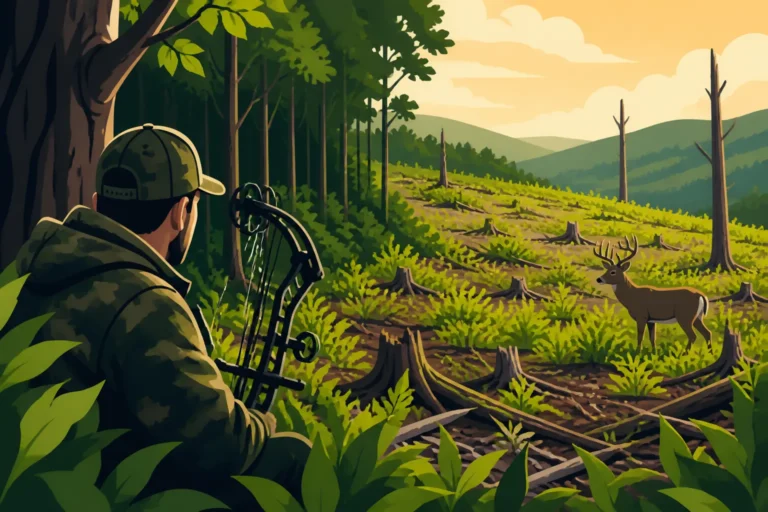
Nothing says "security" to a whitetail like an impenetrable thicket. The Cumberland Plateau has its share of them, whether they're natural areas of dense regrowth, a stand of thorny briars, or, very commonly, old clear-cuts. When timber is harvested, the resulting regrowth can be incredibly dense, creating a veritable jungle of small trees, bushes, and vines that deer can literally crawl through. These areas offer extreme visual security, and often, a buffet of young, tender browse.
Mature bucks will bed deep within these thickets, sometimes just feet off a well-used trail that they use to slip in and out. The sheer density of the cover means hunters often shy away from these spots, making them even more attractive to pressured deer. The challenge, of course, is effectively hunting them. Approaching silently and undetected is incredibly difficult. Often, the best strategy is to identify the travel corridors leading in and out of these thickets and set up on the downwind side, hoping to catch a buck transitioning during legal hunting hours. This is where understanding how to effectively execute Deer Drives on Tennessee Public Land can be useful, as pushing these thickets can sometimes move deer out into more open terrain for other hunters.
Seasonal Variations in Bedding Habits
Just like human preferences for clothing and activities change with the seasons, a buck's bedding habits are far from static. They adapt to temperature, food availability, breeding cycles, and, critically, hunting pressure. Understanding these shifts is key to consistent success.
Early Season Archery Bedding
When Tennessee's archery season kicks off in late September, temperatures can still be quite warm on the Cumberland Plateau. Bucks, still in their bachelor groups for a while, are primarily focused on food and thermal comfort. You'll often find them bedding relatively close to abundant food sources like white oak flats where acorns are dropping, or agricultural fields (if available) where they can munch on soybeans or corn.
However, with the heat, they'll seek out cooler bedding. This often means north-facing slopes or the bottoms of deep hollows where shade is prevalent and air temperatures are slightly lower. They might also utilize dense, shaded conifer stands for thermal regulation. These early season bucks are typically less pressured, so they might tolerate bedding a bit closer to human activity than they would later in the season. Your best bet is to scout for fresh droppings and tracks around preferred food sources and then look for dense, cool cover nearby. Hunting Where the Antlerless Limit Drops to Two might also offer insights into local deer behavior, as does will often bed in similar areas to bucks in the early season, although with less emphasis on extreme security.
Rut and Post-Rut Bedding
Ah, the rut! Usually peaking in early November on the Cumberland Plateau, this is when bucks become far more mobile, cruising for does. Their bedding habits become less predictable, driven more by the presence of receptive does than by a need for a specific bedding location. A mature buck might bed down anywhere he finds himself exhausted after chasing a doe, even in what seems like open, less secure cover.
However, when they do settle down to rest, they'll still gravitate towards areas that offer some level of security. They might bed on a ridge point overlooking a doe bedding area, or in a thicket adjacent to a major travel corridor they know does frequent. Staging areas, just off a field edge or food plot, where does congregate before entering, can also be temporary bedding spots for bucks waiting for the action to start. After the peak of the rut, in the post-rut period, bucks are often worn out, having lost a significant amount of weight. They'll prioritize bedding near high-calorie food sources to recover, often seeking out the densest cover available to rest and recuperate. This is also a time when understanding the full Tennessee Deer Season Structure Explained becomes critical, as different weapons might be allowed, increasing hunting pressure.
Late Season Gun/Muzzleloader Bedding
By the time the gun and muzzleloader seasons roll around on the Cumberland Plateau, often extending into January, the landscape has changed dramatically. Leaves are down, making cover sparse, and temperatures can be downright frigid. Food sources are also dwindling. At this point, a buck's bedding strategy pivots to focus intensely on thermal cover and remaining food.
Dense evergreen thickets—especially pine or cedar stands on south-facing slopes—become prime bedding areas. These offer crucial thermal protection from biting winter winds and often catch the weak winter sun, providing warmth. Bucks will often bed within these thickets, sometimes on the very steepest part of a slope, making them difficult to approach. Remaining hard mast (acorns that were missed or late droppers) or browse that stays green through the winter (like honeysuckle or greenbrier) will also draw deer. These late-season bucks are under immense pressure and are extremely wary. They'll hold tight in their beds, sometimes not moving until after dark. This is when deep dives into areas like Muzzleloader Deer Hunting in Tennessee or seeking out Late-Season Food Sources for Tennessee Whitetails are vital, as every advantage counts.
Scouting Strategies for Pinpointing Bedding Areas
Finding these elusive bedding areas requires a systematic approach, combining modern technology with good old-fashioned boots-on-the-ground effort. You can't just wander aimlessly and expect to stumble upon them.
Topographic Map and Aerial Imagery Analysis
Before you ever step foot in the woods, spend significant time analyzing maps. Modern mapping applications are incredible tools for this. Using a platform like GoHunt or other detailed mapping apps, start by looking for those key topographical features we've discussed: ridge points, saddles, benches, steep drainages, and hollows. Pay close attention to contour lines – tight lines indicate steep terrain, looser lines indicate benches or flatter ground.
Then, switch to aerial imagery. Look for changes in vegetation. Darker green patches often indicate dense conifers or thick evergreen undergrowth. Look for the distinct patterns of old clear-cuts, often characterized by a different shade or texture of green indicating young, dense regrowth. Identify transition lines where different habitat types meet. Imagine yourself as a buck: Where would you feel safest? Where could you get the best wind advantage? Where is the thickest cover near a food source? Use the map to identify at least three or four potential bedding locations for a given area, taking into account prevailing winds. For those serious about understanding the landscape, Reading Aerial Photos for Cumberland Plateau Deer offers even more in-depth techniques for this vital pre-season step.
| Bedding Location Type | Primary Advantages | Best Time to Scout/Hunt | Key Signs to Look For |
|---|---|---|---|
| Ridge Top Benches/Points | Wind advantage, visibility, escape routes | All season, especially rut | Large tracks, rubs, deep beds, droppings on high ground |
| Steep Hollows/Drainages | Seclusion, thermal regulation, dense cover | Early & late season, during pressure | Well-used trails, thickets, scattered beds |
| Overgrown Clear-Cuts | Extreme visual security, browse food | Late season, during pressure | Tunnel-like trails, heavy browse lines, fresh rubs |
| South-Facing Slopes (conifer) | Thermal warmth, visual cover | Late season (cold weather) | Concentrated tracks, fresh droppings, beds in pine needles |
| North-Facing Slopes (hardwood) | Cooler temps, shade, early food | Early season (warm weather) | Moist ground, cooler beds, signs near soft mast |
Boots-on-the-Ground Reconnaissance
Once you've narrowed down your potential spots on the map, it's time for some boots-on-the-ground work. The key here is to scout intelligently and with minimal disturbance. Ideally, do most of your intensive scouting during the off-season (late winter/early spring) when deer patterns are less sensitive to human presence, and you can see tracks and signs more easily without leaves on the trees. When you are in the woods, use the wind to your advantage, just like a hunter would. Approach potential bedding areas from downwind, moving slowly and quietly.
Look for actual buck beds. These are typically oval-shaped depressions in the leaves or dirt, often larger than a doe's bed, sometimes with a clear rub nearby. Pay attention to the orientation of the bed—a buck will almost always bed with his nose to the wind or in a spot where he can see and smell danger from multiple directions. Look for large tracks leading to and from these beds, distinct rub lines on trees indicating a buck's territorial markers, and fresh droppings. If you find a cluster of signs, you've likely found a core bedding area. When scouting, it's also a good idea to identify escape routes. How would a buck leave this bed if pressured? Knowing this helps you plan your approach or potential ambush spots for when the season opens. Utilizing the mapping features of GoHunt while actually walking the terrain allows you to mark sign, verify topography, and even record Wind and Thermals on a Ridge System in real-time, refining your understanding of the area. Don't forget to consider areas like Tennessee's Chronic Wasting Disease Management Zone when planning scouting trips, as specific regulations might apply to carcass movement or deer testing.
Disclaimer
Please note: Hunting regulations and seasons can change. Always consult the official Tennessee Wildlife Resources Agency (TWRA) regulations before heading into the field. This guide provides general information and recommendations for hunting on the Cumberland Plateau.