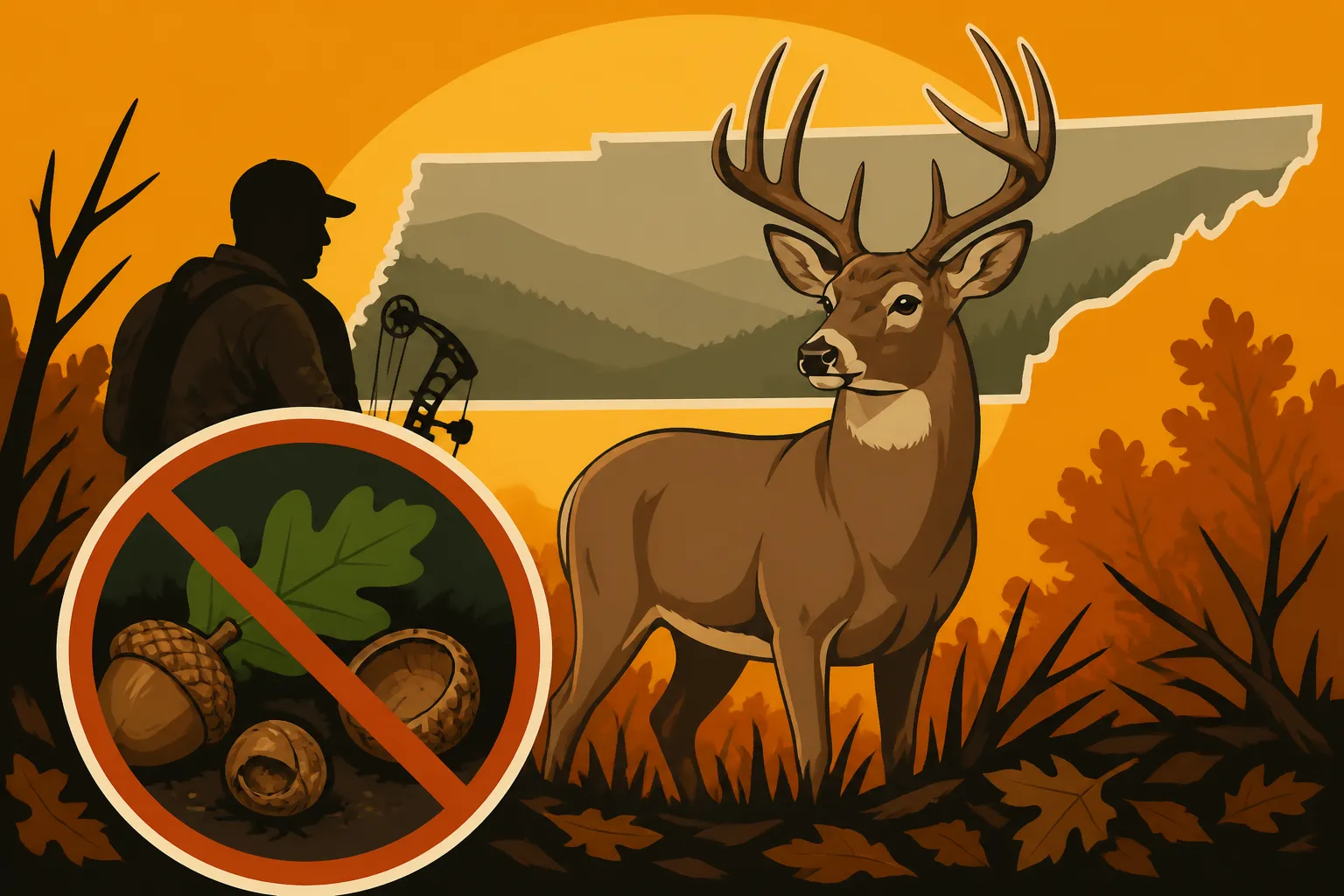
Hunting After a Poor Acorn Year
One of the biggest head-scratchers for any deer hunter in Tennessee is when you roll into your favorite hunting spot, full of anticipation, only to find the ground under those majestic oak trees completely barren. No acorns. None at all. It's a frustrating realization because you know just how much whitetails, and plenty of other game, rely on that consistent, high-energy food source. So, what do you do when the woods go quiet and the deer seem to vanish? This guide is all about understanding the ripple effect of a poor acorn year and equipping you with the strategies to adapt your hunting plans to find success, even when Mother Nature throws a curveball.
Understanding the Impact of a Poor Acorn Crop on Tennessee Wildlife
When you talk about deer food in Tennessee, acorns are often at the top of the list. They're like candy to whitetails, packed with fat and carbohydrates, providing that essential fuel to get through the fall and winter. But what happens when that natural candy store closes? The woods can feel eerily different, and it absolutely shifts how and where deer move.
Why Acorns are a Big Deal for Deer and Other Game
Acorns are, simply put, a critical food source for a vast array of wildlife in our state. For deer, they represent a high-calorie, easily digestible meal that helps them put on weight before the rut and the lean months of winter. Think about it: a deer can gobble down a significant amount of acorns quickly, getting a lot of bang for its buck, nutritionally speaking. When you're talking about the boom-and-bust cycle of mast crops, acorns are the prime example. Some years, the ground is literally covered, and other years, like the "poor acorn year" we're discussing, they're practically non-existent. This variability directly impacts deer health, movement, and even reproductive success in the long run.
It’s not just deer, either. Wild turkeys absolutely gorge themselves on acorns, using them to build reserves before the spring breeding season. Bears, especially in areas like the Cherokee National Forest, depend heavily on a good mast crop to fatten up for hibernation. Even small game like squirrels and grouse will feel the pinch, forcing them to seek out other food sources. If you're out Squirrel Hunting a Tennessee Oak Ridge after a bust, you'll notice a lot less activity. This interconnectedness means a poor acorn crop doesn't just affect your deer hunt; it can change the entire ecosystem for the season.
The Immediate and Long-Term Effects on Deer Behavior
The most immediate effect of a poor acorn crop is a sudden and significant shift in deer movement. Instead of meandering through oak flats, casually munching on fallen acorns, deer are forced to actively seek out alternative food sources. This means they might travel farther and spend more time looking for sustenance. You might see increased activity around specific areas that still offer food, which can be both a challenge and an opportunity for hunters. Their routine, which often revolves around these prime oak areas, gets completely thrown off, making them harder to pattern.
In the long term, if a poor acorn year is followed by another, or if other critical food sources are also scarce, it can have more serious implications. Deer might enter the rut in poorer body condition, potentially impacting breeding success. Fawns born in subsequent springs might be smaller or less robust. While one bad year isn't catastrophic for the overall Tennessee Deer Herd Size, a consistent trend can lead to noticeable declines in herd health, reproduction, and even antler growth, as bucks divert energy from antler development to basic survival. This drive to find food can make them move more during daylight, making certain travel corridors between bedding and these new food sources incredibly important to identify.
Identifying Alternative Food Sources When Acorns Are Scarce
When the oaks aren't dropping, deer aren't just going to sit around and starve. They're incredibly adaptable creatures, and their survival instinct kicks in, pushing them to find whatever sustenance is available. This is where a savvy hunter can gain a real advantage by understanding what those alternative food sources are and where to find them.
Natural Browse and Forbs
Without acorns, deer quickly turn their attention to natural browse and forbs. Browse refers to the tender twigs, leaves, and shoots of woody plants, while forbs are broad-leafed herbaceous plants that aren't grasses. Think of them as the wild salad bar of the forest. In Tennessee, deer have a wide variety of these options. You'll often see them nipping at honeysuckle vines, which stay green well into the fall and offer a good energy boost. Greenbrier, with its thorny stems and persistent leaves, is another favorite, providing both food and thick cover. Dogwood, sumac, wild grapevines, and various young saplings are all on the menu.
To find these, you need to look for areas with dense undergrowth, especially in younger timber cuts, along creek bottoms, or on the edges of older clear-cuts. Deer will create "browse lines" where they've consistently eaten leaves and twigs up to their reachable height. You can also use a tool like GoHunt's mapping layers to identify areas of young forest growth or recent timber operations. These spots might not look like traditional "hunting grounds," but in a poor acorn year, they become crucial feeding locations. Spending time Scouting Tennessee Public Land Before Season will reveal these hidden gems.
Agricultural Crops and Planted Food Plots
If you're hunting in areas with agricultural fields, a poor acorn year will make these spots absolute magnets for deer. Crops like soybeans, corn, and winter wheat become prime feeding grounds. Deer will raid unharvested or recently harvested fields, gleaning leftover grains. In West Tennessee, where agriculture dominates much of the landscape, this shift is especially pronounced. A standing cornfield or a cut bean field adjacent to a woodlot can be deer central, particularly during the late season when other natural foods are depleted.
For hunters who have access to private land or Wildlife Management Areas (WMAs) with managed plots, planted food plots become invaluable. Clover, brassicas (like turnips and radishes), and cereal grains (oats, wheat, rye) are specifically designed to attract and hold deer. These plots offer a consistent, high-quality food source that is incredibly attractive when acorns aren't around. Deer will often hit these plots in the evenings and mornings, making them ideal ambush locations. Knowing Late-Season Food Sources for Tennessee Whitetails is key when natural mast fails.
Soft Mast and Other Hard Mast
Beyond acorns, there are other types of mast that deer consume. Soft mast includes fruits and berries, while other hard mast refers to nuts from trees other than oaks. When acorns are scarce, deer will readily switch to these alternatives.
Soft Mast:
- Persimmons: These are gold for deer, especially in early to mid-fall. When persimmon trees drop their ripe, orange fruits, deer will seek them out, often making repeated visits to the same tree until all the fruit is gone. Look for trees along field edges, old fencerows, and creek bottoms.
- Wild Grapes: The tangled vines of wild grapes often produce abundant clusters of fruit. Deer, bears, and turkeys all enjoy them.
- Dogwood Berries and Crabapples: While less significant than persimmons, these can still provide supplemental food.
- Blackberries and Elderberries: Early in the season, these can be hit hard.
Other Hard Mast:
- Hickories: While not as preferred as acorns due to their harder shells and higher tannin content, deer will certainly eat hickory nuts if nothing else is available. They're a bit tougher for them to crack, but the nutritional payoff is there.
- Beechnuts: In areas where American beech trees are present (less common than oaks but can be found in certain parts of East Tennessee), their small, triangular nuts are highly prized.
- Black Gum: The small, dark berries of the black gum tree are also consumed by deer and other wildlife.
Finding these alternative mast sources often requires diligent scouting. Look for areas with a mix of tree species, not just pure oak stands. These diverse forest compositions provide a natural buffer against a single crop failure.
Adapting Your Hunting Strategy for a Lean Acorn Year
A poor acorn year doesn't mean your season is doomed. It just means you need to be more strategic, more observant, and more willing to adapt. The deer are still out there, they're just focused on different areas.
Scouting and Locating Key Food Areas
This cannot be stressed enough: scouting becomes absolutely critical. Your pre-season routine should change. Instead of just looking for rubs and scrapes on oak ridges, you need to actively identify alternative food sources. Before the season, walk creek bottoms, scout the edges of agricultural fields, explore recent clear-cuts, and identify thickets dense with honeysuckle and greenbrier. Pay close attention to subtle signs like fresh tracks, droppings, and browse lines.
Digital mapping tools, like the ones offered by GoHunt, can be incredibly helpful here. You can use aerial imagery to pinpoint agricultural fields, identify different timber types, and even spot potential clear-cuts or areas of dense growth that might hold browse. Overlaying public land boundaries with these features can help you prioritize your scouting efforts. During the season, use game cameras near these alternative food sources to confirm deer activity and establish patterns. Understanding Reading Aerial Photos for Cumberland Plateau Deer can give you an edge in identifying these new hot spots.
Adjusting Stand Placement and Hunting Times
Once you've identified these alternative food sources, your stand placement needs to adjust accordingly. Forget those beautiful oak trees for a season; now you're thinking about:
- Field Edges: Set up on the downwind side of corn, soybean, or winter wheat fields, especially where deer are entering and exiting the woods.
- Creek Bottoms and River Corridors: These areas often hold a mix of diverse tree species, providing soft mast and ample browse. They also serve as natural travel corridors, linking bedding areas to new food sources. Hunting Tennessee River Bottom Funnels becomes even more effective.
- Thickets and Young Growth: Dense areas with heavy browse provide both food and security. Deer might bed very close to these food sources, moving only short distances to feed.
- Transition Zones: Look for funnels and pinch points that connect bedding cover to these alternative food areas. This could be a narrow strip of timber, a saddle in a ridge, or a thick fencerow.
As for hunting times, deer might be forced to move more during daylight hours to find enough food. This means that all-day sits, particularly in areas between heavy cover and a reliable food source, could pay off. Early mornings and late evenings around agricultural fields or dense browse thickets are still prime times, but don't overlook midday movement if deer are truly hungry.
Understanding Increased Pressure and Deer Movement
When deer concentrate around limited food sources, hunter pressure can also increase, especially on public land. Everyone is looking for the same thing, and this can make deer even warier. If you find a hotspot, expect others to find it too. This increased pressure can push deer into even thicker cover, or make them primarily nocturnal.
To counter this, consider:
- Deep Woods Penetration: While others hunt the obvious field edges, try to find less-pressured patches of browse or soft mast deeper in the timber.
- Thermals and Wind: Pay extra attention to wind direction and thermals, especially when hunting creek bottoms or saddles. Deer will use these to their advantage to detect predators. Wind and Thermals on a Ridge System are always important, but even more so when deer are concentrated.
- Early Morning/Late Evening: Focus on those twilight hours, or even consider hunting after a January cold front when deer are forced to move regardless of pressure.
- Low-Impact Access: Plan your entry and exit routes carefully to minimize disturbance. Use routes that keep the wind in your favor and avoid walking directly through bedding areas. Remember, Hunting Pressure on Tennessee Public Land is a real factor, so finding ground others walk past is key.
Broader Implications and Long-Term Strategies
A single poor acorn year is rarely catastrophic, but it's a stark reminder of how interconnected the ecosystem is. Understanding these broader implications can help you not only for the current season but also for future hunting endeavors and even habitat management.
The Role of Water Sources
When food sources are disrupted, water becomes even more critical. Deer need water daily, and if a poor acorn year coincides with a dry spell, certain water sources can become magnets. Small ponds, seeps, creek bottoms, and river systems will see increased deer activity. These areas often also provide dense cover and alternative browse, making them highly attractive to deer.
If you're hunting during an unusually dry fall, pay close attention to any standing water, even small puddles or damp areas in creek beds. Deer might stage near these water sources before heading to a food plot, or visit them during midday. Identifying these crucial water points can add another layer to your hunting strategy, especially if you're hunting in rugged terrain where water isn't always abundant.
Consideration for Other Game Species
As mentioned earlier, deer aren't the only ones affected by a lack of acorns.
- Wild Turkeys: Without a plentiful acorn crop, turkeys will shift their diet more heavily towards insects, grubs, and soft mast like persimmons and wild grapes. You might find them spending more time in pastures, field edges, or creek bottoms where insects are abundant, rather than solely scratching in oak flats. Spring Turkey Hunting in Tennessee tactics might need to be adjusted in subsequent seasons if populations are impacted.
- Squirrels: A complete bust in acorns means squirrels will work harder to find other nuts like hickories, or they'll turn to agricultural fields for corn or soybeans. Their populations can take a hit if food is scarce for an extended period.
- Black Bears: In the mountainous regions, bears rely heavily on mast to pack on fat before denning. A poor acorn crop can mean bears are more active for longer periods into the fall, desperately seeking any available calories. This could lead to more encounters or broader foraging patterns.
Understanding these shifts in other species can provide clues to where deer might also be. If you see turkeys and squirrels concentrated in a particular area, it’s a good bet deer might also be utilizing those same alternative food sources.
Habitat Management and Planning for Future Seasons
For landowners, a poor acorn year is a valuable lesson in habitat diversification. Relying solely on one food source leaves your property vulnerable to fluctuations. Implementing a diverse habitat management plan can mitigate the impact of future acorn busts.
- Planting a Variety of Food Plots: Incorporate a mix of perennial clover, brassicas, and cereal grains to provide year-round food.
- Promoting Diverse Browse: Encourage the growth of native browse species like honeysuckle, greenbrier, and various shrubs through selective timber stand improvement or controlled burns.
- Managing Other Mast Trees: If you have them, encourage the health of persimmon, wild grape, hickory, and beech trees.
- Water Management: Ensure consistent water sources are available on your property.
Even for public land hunters, this understanding can help. The TWRA and other land management agencies often undertake habitat work that aims for diversity. Look for areas with a mix of timber ages, clear-cuts, and bottomland features. A single poor acorn year isn't going to cause a deer herd to crash, but it reminds us that adaptability is key, both for the wildlife and for us hunters who pursue them. It's about being prepared to change your game plan on the fly.
Key Alternative Food Sources for Deer in Tennessee
| Food Source Category | Specific Examples | Preferred Location | Season of Availability | Hunter Strategy |
|---|---|---|---|---|
| Natural Browse | Honeysuckle, Greenbrier, Young Saplings, Sumac | Dense thickets, clear-cut edges, creek bottoms, understory of mixed timber | Year-round, especially important in fall/winter | Hunt travel corridors leading to/from thickets, focus on areas with high browse lines. |
| Agricultural Crops | Soybeans (leftovers), Corn (leftovers), Winter Wheat, Alfalfa | Field edges adjacent to cover, active farm fields | Fall through early winter (post-harvest) | Set up on downwind field edges, target entry/exit points, use GoHunt to identify crop types. |
| Soft Mast | Persimmons, Wild Grapes, Dogwood Berries, Crabapples | Old fencerows, field edges, creek beds, mixed timber stands | Early to late fall | Locate specific trees/vines, scout for fresh droppings and ground sign, hunt nearby. |
| Other Hard Mast | Hickories, Beechnuts, Black Gum berries | Mixed hardwood ridges, bottomland hardwoods | Fall | Scout for less preferred nut trees if acorns are completely absent; deer will hit them out of necessity. |
| Food Plots | Clover, Brassicas (turnips/radishes), Oats, Winter Wheat | Dedicated planted areas on private land or WMAs | Fall through winter | Hunt directly over plots (where legal), or trails leading to/from plots from bedding areas. |
Disclaimer
Please note: Hunting regulations, seasons, and bag limits in Tennessee are subject to change. Always consult the most current Tennessee Wildlife Resources Agency (TWRA) regulations before heading afield. This guide provides general information and should not be considered legal advice.