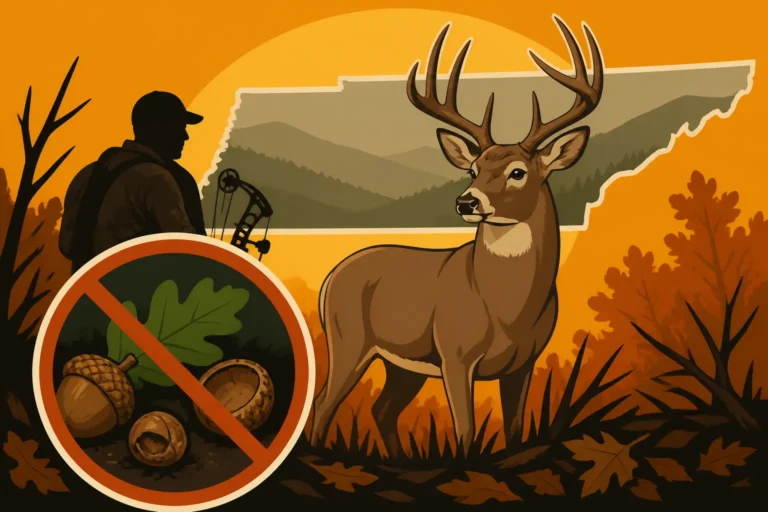
Why the August Hunt Went Archery-Only
Oh, the August deer hunt. For many of us, that shift to archery-only felt like a wrench thrown into our well-oiled hunting plans. It wasn't just a minor tweak; it changed how we approached the very start of the season, leaving some of us scratching our heads and others scrambling for new gear. This guide is all about pulling back the curtain on why the Tennessee Wildlife Resources Agency (TWRA) made that significant move, exploring the underlying management philosophies and what it truly means for hunters across the state.
The Management Shift: Why the August Hunt Became Archery-Only
Let's be honest, change can be tough, especially when it affects a tradition we hold dear. The August deer hunt, once an opportunity for any legal weapon, transitioned to an archery-only affair, specifically targeting antlerless deer in many units. This wasn't a spur-of-the-moment decision by the TWRA; it was a calculated move rooted in years of data, observation, and a long-term vision for deer herd health and hunter opportunity.
The Evolution of Early Season Deer Hunting in Tennessee
For a long time, Tennessee's deer seasons started a bit later, typically in late September or early October for archers, with muzzleloader and gun seasons following. The introduction of an earlier August hunt, even if it was initially open to firearms in some zones, was a strategy to address specific herd management needs. In many areas, deer populations had grown robustly, and the TWRA recognized the need to increase antlerless harvest to maintain a healthy balance between deer numbers and habitat capacity. The thought was that getting hunters into the woods earlier could help achieve these harvest goals before the traditional seasons kicked into high gear.
However, opening any weapon type in August also brought its own set of considerations. The heat can be brutal, impacting meat care. Deer are still primarily in their summer patterns, often nocturnal, and haven't really begun the pre-rut movements we associate with later seasons. Plus, the sudden pressure of firearms so early in the year could potentially shift deer behavior dramatically, making them more wary come October and November. The agency was observing these dynamics closely, gathering data on harvest success, hunter participation, and overall herd health.
The Data Behind the Decision
Wildlife management is a science, and the TWRA makes its decisions based on a lot of complex data. When they looked at the impact of the early August hunt, several factors likely came into play. One major concern was often the buck-to-doe ratio and the age structure of the buck herd. While increasing antlerless harvest is generally a good thing for herd health, a significant early buck harvest, even unintentional, could skew the age structure of male deer. If too many young bucks are taken in August, it means fewer mature bucks available during the peak of the rut later in the season.
By shifting the August hunt to archery-only, the TWRA could still encourage antlerless harvest in those specific DMUs where it was needed, but with a tool that generally results in a lower overall harvest rate compared to firearms. Archers typically have closer shot opportunities and lower success rates per hunter, which can be a more precise way to manage harvest pressure. This allows for early season pressure without the broad impact of guns, offering a more nuanced approach to controlling numbers while letting younger bucks mature. It's about fine-tuning the dial, not just turning it on or off. You can dive deeper into how the agency manages White-Tailed Deer Across Tennessee and the specific goals for each region.
Balancing Hunter Opportunity and Conservation Goals
At its heart, the change was about finding a balance. Hunters want opportunities, and the TWRA wants to provide them, but not at the expense of long-term herd health. The archery-only stipulation for the August hunt was a strategic compromise. It still provides an exciting early opportunity for archers to get into the woods, especially for harvesting does. This can be critical for fulfilling specific antlerless quotas in various Tennessee's Six Deer Management Units.
Think about it: the very start of Tennessee Archery Season Opening Day is still a big deal. By making August archery-only, the agency could extend the archery season even further, giving dedicated bowhunters an exclusive window. This also encourages more people to participate in bowhunting, which is a fantastic skill to develop. It's a way to engage hunters in a different type of challenge, fostering a deeper connection to the woods and the nuances of deer behavior before the main firearms seasons.
Adapting Your Early Season Approach for Archery-Only Success
The rule change definitely meant a pivot for many hunters. You couldn't just grab your trusty rifle and head out anymore; you needed a bow and a whole different mindset. But embracing this change can open up new opportunities and a deeper understanding of early season deer.
Gear Considerations for the August Hunt
First things first, if you weren't already a bowhunter, this might have been the push you needed to become one. The August heat demands lightweight, breathable clothing. Forget those heavy camo layers; think performance fabrics that wick moisture away. Hydration is absolutely key.
For your bow setup, ensure it's tuned and sighted in perfectly. Since shots are often at closer ranges in thick summer foliage, focus on accuracy over extreme distance. Fixed-blade broadheads are often preferred by many for their reliability, but modern mechanical broadheads have come a long way. If you're considering a crossbow, remember that Crossbow Versus Vertical Bow in Tennessee each have their pros and cons, but both are legal for this season. You'll want to review your specific Bow and Crossbow Setups for Tennessee to ensure you're ready. Don't forget bug spray – the mosquitoes and ticks can be relentless in August!
Scouting and Strategy for Archery Success
Early season archery success hinges on knowing your deer's summer patterns. They're still focused on food, water, and bedding. Look for soft mast like persimmons and mulberries, as well as agricultural fields (corn, soybeans, alfalfa). Deer will be hitting these food sources consistently. Water is another huge draw, especially during hot August days. Find those hidden seeps, creek bottoms, and pond edges.
Scouting tools like the GoHunt app become invaluable here. You can use its satellite imagery to pinpoint potential food sources, identify bedding areas, and map out subtle travel corridors deer might use between them. Being able to drop pins and analyze topo maps without disturbing the area is a game-changer. Look for fresh tracks, droppings, and browse lines near these areas. Deer may not be hitting scrapes or rubbing trees yet, so focus on feeding patterns.
When it comes to your setup, think about ambush points along these travel routes. A well-placed treestand or a carefully brushed-in ground blind can be deadly. Consider Treestand Setups in Cherokee National Forest or Using a Ground Blind on Tennessee Public Land for ideas that adapt to your terrain. Be mindful of wind direction, as deer are incredibly sensitive to scent, especially in still summer air. A little forethought in Scouting Tennessee Public Land Before Season goes a long way.
The Benefits and Challenges of Archery-Only
The August archery-only hunt offers a unique set of benefits and challenges.
Benefits:
- Extended Season: It provides an earlier start, extending your overall time in the deer woods.
- Focused Antlerless Harvest: It's an excellent opportunity to fill your antlerless tags early, which helps the herd and provides venison.
- Less Pressure: Generally, there are fewer hunters afield during the August archery season compared to the later firearm seasons, potentially leading to less pressured deer.
- Skill Building: It hones your archery skills, requiring precise shot placement and stealth.
Challenges:
- Heat and Insects: The Tennessee summer can be brutal, making long sits uncomfortable and meat care crucial.
- Dense Foliage: Heavy leaves can obscure shooting lanes and make tracking more difficult.
- Summer Patterns: Deer patterns might be less predictable than during the rut, and they are often more nocturnal.
- Scent Control: Managing human scent in hot, humid conditions is a significant challenge.
Despite these challenges, many hunters relish the quiet intensity of an early August archery hunt. It's a true test of woodsmanship and patience.
Broader Implications for Tennessee Deer Management
This shift in the August hunt isn't an isolated incident; it's part of a larger, evolving strategy by the TWRA to manage Tennessee's deer population effectively. Understanding these broader implications helps us appreciate the "why" behind such decisions.
Managing Antlerless Harvest Effectively
One of the primary goals of any deer management program is to keep the herd in balance with its habitat. Overpopulation can lead to habitat degradation, increased disease transmission, and more deer-vehicle collisions. The archery-only August hunt is a precise tool for managing antlerless harvest. By opening a specific, lower-impact season for does early in the year, the TWRA can chip away at the female population in targeted areas.
This helps ensure that the overall doe harvest for the year is met, which is crucial for controlling herd growth. It's often easier to harvest does when they are still in their summer patterns, before they become highly pressured by later seasons. This strategy contributes directly to maintaining a healthy herd size and robust habitat, especially in counties within DMUs One Through Three Antlerless Limits, which often have higher population densities.
Promoting Quality Buck Opportunities
Another critical aspect of the archery-only August hunt, particularly in relation to antlerless-only stipulations for much of it, is its role in fostering better buck age structures. By limiting early season buck harvest pressure to archery, and often restricting it entirely in August, the TWRA gives younger bucks a better chance to mature.
Imagine if firearms were still allowed statewide in August, and hunters were tagging young bucks that were just starting to grow their antlers. That would directly reduce the number of 3.5, 4.5, and older bucks available in November, when many hunters are truly hoping to encounter a mature animal during Hunting the Rut in Early November. The archery-only approach for the August hunt is a subtle yet effective way to influence the male deer population, allowing more bucks to reach older age classes and, consequently, grow larger antlers. This benefits hunters who prioritize trophy potential and contributes to a healthier genetic pool.
Adapting to Changing Wildlife Needs
The TWRA is constantly monitoring the state's wildlife populations, habitat conditions, and external factors like disease. For example, the spread of Chronic Wasting Disease (CWD) is a significant concern that influences many management decisions, including harvest strategies. While the August archery-only hunt wasn't directly implemented because of CWD, the agency's willingness to adapt seasons and rules shows its responsiveness to changing wildlife needs.
The ability of the TWRA to implement targeted, nuanced regulations, like the August archery-only season, demonstrates their commitment to science-based management. Hunters need to stay informed about these changes, not just the dates, but the reasons behind them. Resources like the TWRA website and even platforms like GoHunt that integrate regulations can help you keep up to date. This adaptability ensures that Tennessee's hunting heritage remains vibrant and sustainable for generations to come, requiring hunters to also adapt their methods, be it through Hunting Tennessee's Long Archery Season or simply staying informed about local rules.
Here's a quick comparison of the general nature of the August hunt before and after the archery-only change:
| Feature | Old August Hunt (Before Archery-Only) | Current August Hunt (Archery-Only) |
|---|---|---|
| Legal Weapon | Any legal weapon (firearm, muzzleloader, archery, depending on DMU) | Archery equipment only (vertical bow, crossbow) |
| Target Deer | Antlerless and sometimes antlered deer (depending on DMU) | Primarily antlerless deer in most DMUs |
| Hunter Pressure | Potentially higher initial pressure due to firearm access | Generally lower pressure due to archery-specific requirements |
| Impact on Bucks | Higher risk of early season buck harvest, potentially affecting age structure | Reduced early season buck harvest, promoting buck maturity |
| Management Focus | Broad antlerless harvest, early opportunity | Targeted antlerless harvest, early archery opportunity, buck age structure protection |
| Hunter Experience | More varied, but could be noisy with firearms | Quieter, more challenging, focused on close-range skills |
Tennessee Deer Harvest Reporting Rules
A final, crucial piece of the puzzle is mandatory harvest reporting. Regardless of how you harvest your deer, whether it's an antlerless deer during the August archery-only season or a trophy buck later in the year, you must report it. The data collected from these reports directly informs the TWRA's future management decisions, including any potential adjustments to seasons like the August hunt. It's our responsibility as hunters to contribute to this data, ensuring that the agencies have the most accurate picture of the deer population and harvest trends. You can easily report your harvest through the Go Outdoors Tennessee website or mobile app.
Disclaimer
Please remember that hunting regulations, season dates, and specific rules for Wildlife Management Areas (WMAs) can change frequently. Always consult the most current Tennessee Hunting and Trapping Guide published by the Tennessee Wildlife Resources Agency (TWRA) before planning any hunt. This guide is for informational purposes only and does not supersede official TWRA regulations.