Bow and Crossbow Setups for Tennessee
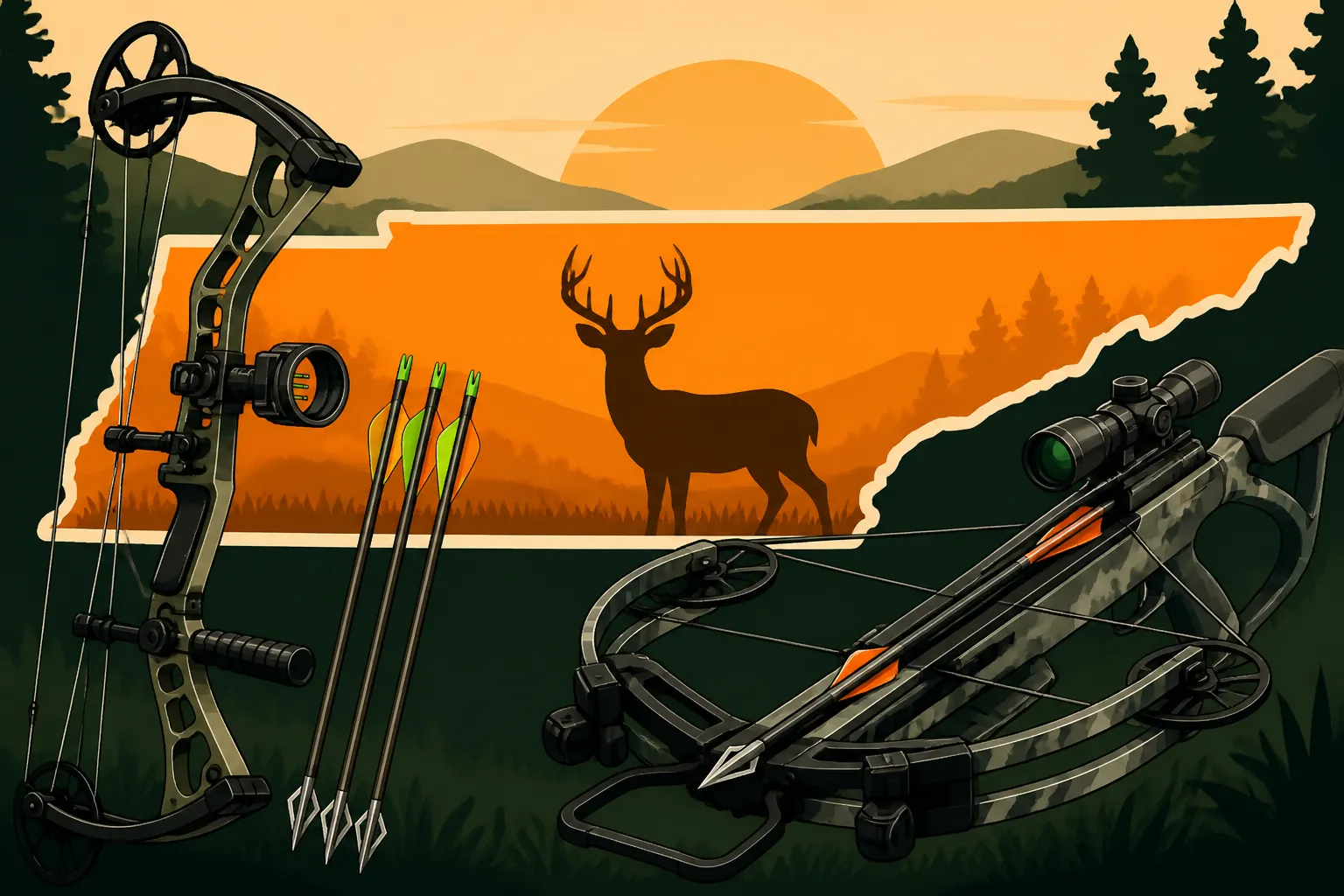
The crisp autumn air, the rustle of leaves underfoot, the adrenaline of a deer stepping into your shooting lane – there’s nothing quite like bowhunting in Tennessee. But getting ready for the season can feel overwhelming, especially with all the gear choices out there. From the latest compound bows to traditional sticks and the ever-popular crossbows, setting up your rig right is crucial for success and ethical hunting in our diverse Tennessee landscapes. This comprehensive guide will walk you through everything you need to know about selecting, setting up, and optimizing your bow or crossbow for the Volunteer State's unique challenges.
Understanding Tennessee's Archery Season & Regulations
Before you even think about broadheads and arrow spine, you absolutely have to know the rules of the game here in Tennessee. Our state has specific regulations that dictate what kind of equipment you can use and when, and not knowing them can quickly turn a hopeful hunt into a frustrating, or even illegal, situation. Trust me, nobody wants to have their season cut short because they overlooked a detail in the hunting guide.
Vertical Bow vs. Crossbow Rules
Tennessee is pretty welcoming to both vertical bow (compound and traditional) and crossbow hunters, which is fantastic for offering flexibility to a wide range of archers. For a good chunk of our deer season, these implements are the only legal means of harvest. The state generally treats them similarly during the designated archery-only periods, but it's vital to stay updated on the specific dates. For instance, sometimes certain early antlerless hunts might have specific restrictions, or later seasons might open up to other weapon types. Always check the current year's hunting guide from the Tennessee Wildlife Resources Agency (TWRA) before heading afield.
What's great about Tennessee is that we have a long archery season, often starting in late September or early October, and it frequently overlaps with other weapon seasons later on. This flexibility means you can often stick with your preferred archery setup even when guns or muzzleloaders become legal. The key is knowing what's allowed in your specific Deer Management Unit (DMU) and ensuring your equipment adheres to statewide standards. Being informed is your first and most important piece of gear.
Minimum Draw Weight & Broadhead Requirements
When it comes to the nitty-gritty of your setup, Tennessee has some non-negotiables. For vertical bows, there isn't a statewide minimum draw weight specified by law for deer, which might surprise some folks coming from other states. However, ethical hunting dictates that you should use a bow with sufficient draw weight to generate enough kinetic energy for a clean, humane kill. Most experienced hunters recommend a minimum of 40-50 pounds for deer, especially if you're using mechanical broadheads or hunting larger game like black bear or elk if you're lucky enough to draw a tag.
Broadheads, on the other hand, do have specific requirements. They must be sharpened and have a minimum of two cutting edges. This applies to both vertical bows and crossbows. Expandable or mechanical broadheads are legal, but they must have a minimum cutting diameter of 7/8 inches when open. Fixed blade broadheads need a cutting width of at least 7/8 inches. You can't use bows or crossbows for hunting big game if they're equipped with barbed broadheads, explosive arrowheads, or those that contain any drug, chemical, or poison. Stick to sharp, ethical cutting heads, and you'll be good to go.
Blaze Orange for Archery Season
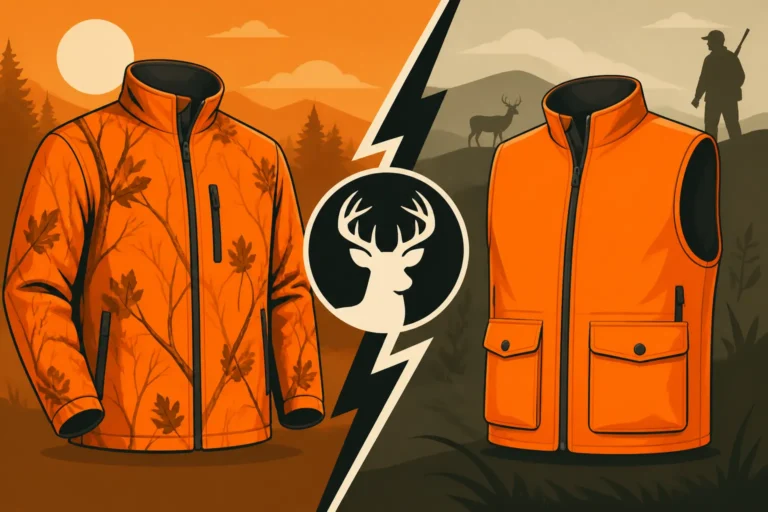
This is one that often trips up new hunters or those crossing state lines. Generally speaking, during the archery-only portions of Tennessee's deer season, hunters are not required to wear blaze orange. This is a huge advantage for bowhunters who rely on maximum concealment to get within close range of their quarry. It allows for the use of full camouflage patterns without having to break them up with bright orange.
However, and this is a big "however," if you are bowhunting during a period when modern firearms or muzzleloaders are also legal, then the blaze orange requirements do apply to you. This is typically when gun season opens up and runs into January. In these situations, you'll need to wear at least 500 square inches of solid blaze orange on your head, chest, and back. So, while you might start the season in full camo, be ready to layer up with some bright orange later in the fall. Always double-check the current Tennessee Blaze Orange Requirements to be safe.
Choosing Your Weapon: Vertical Bow Considerations
For many, the vertical bow is the purest form of archery hunting. Whether you're pulling back on a compound or finding your anchor with a recurve, there's a deep satisfaction in the challenge. Tennessee's varied terrain, from the steep ridges of the Cumberland Plateau to the dense bottomlands of West Tennessee, offers unique challenges that can influence your setup choices.
Compound Bow Features for Tennessee Terrain
Compound bows are by far the most popular choice for vertical bowhunters in Tennessee, and for good reason. They offer excellent speed, accuracy, and adjustability. When selecting a compound for our state, think about the kind of hunting you'll primarily be doing. If you're spending most of your time in a treestand in dense woods, a shorter axle-to-axle bow (around 30-32 inches) might be more maneuverable in tight quarters. A longer bow might offer a bit more stability for longer shots, but those are less common in our typically thick Tennessee timber.
Another critical factor is your draw weight. Most modern compounds are highly adjustable, allowing you to change the draw weight without needing a bow press. This is fantastic for fine-tuning or even starting a new hunter with a lower weight. A smooth draw cycle and a comfortable back wall are also important for holding at full draw when that buck finally steps into your lane. Brands like Hoyt, Bowtech, and Mathews offer excellent choices that can be customized to your specific needs. Don't forget to consider a quiet bow with minimal vibration, as Tennessee deer are notoriously wary, especially on public land.
Traditional Bowhunting in the Volunteer State
Ah, traditional bowhunting – the ultimate test of skill, patience, and woodsmanship. While not as prevalent as compound hunting, there's a strong and growing community of traditional archers here in Tennessee. Hunting with a recurve or longbow offers a unique connection to the hunt, relying more on instinct and natural form. For Tennessee's thick woods, the shorter length of many traditional bows can be a huge advantage, making them incredibly agile for still-hunting through brushy creek bottoms or navigating dense oak stands.
The draw weight for traditional bows is static, meaning it's not adjustable without changing limbs or buying a new bow. You'll want a draw weight that you can comfortably and accurately shoot, typically in the 45-60 pound range for deer. Accuracy comes from consistent practice and good form, as there are no cams, let-off, or pins to aid your aim. Many traditional hunters opt for simple, fixed-blade broadheads, favoring their reliability and penetration on close-range shots. If you're looking for a profound challenge and a deep connection to the hunting heritage, traditional bowhunting in Tennessee might just be for you.
Essential Accessories for a Vertical Bow Setup
Your bow is just the beginning. A complete, effective vertical bow setup requires a few key accessories that will significantly impact your hunting success. First up, a quality sight. Most compound hunters use a multi-pin sight, allowing them to dial in for various distances. Some prefer single-pin movable sights for ultimate precision. For traditional hunters, sights are generally eschewed in favor of instinctive shooting, though some do use small, simple pins.
Next, a reliable arrow rest. Drop-away rests are incredibly popular for compounds as they provide full fletching clearance, maximizing accuracy. Whisker biscuit rests are also durable and popular, especially for those hunting in rough terrain or adverse weather. A stabilizer is also important for balance and vibration dampening, which contributes to accuracy and a quieter shot. Don't forget a quiver, either a bow-mounted or hip/back quiver, to carry your arrows safely and accessibly. And of course, a good release aid is crucial for consistent shots with a compound bow. Remember, every piece of your setup works together, so invest in quality where it counts.
Crossbow Setups for Tennessee Hunters
Crossbows have seen a surge in popularity in Tennessee, offering a fantastic option for hunters who might have physical limitations, want an extended hunting season, or simply prefer the rifle-like shooting experience. They're a legal and effective tool for pursuing deer across the state, but like vertical bows, a proper setup is key.
Selecting a Crossbow for Eastern Hardwoods
When choosing a crossbow for Tennessee's eastern hardwoods, whether you're climbing a ridge in Cherokee National Forest or slipping through a creek bottom near the Tennessee River, consider maneuverability. Many crossbows can be quite bulky, and a compact design will be your best friend when navigating thick brush or moving in a treestand. Look for models with a narrower axle-to-axle width when cocked, as this will help prevent snags.
Speed and kinetic energy are important, but don't get hung up on just the highest numbers. Most modern crossbows shoot well over 300 feet per second, which is more than sufficient for deer out to ethical hunting ranges. Instead, prioritize accuracy, a smooth trigger pull, and quiet operation. Many crossbows can be loud, and Tennessee deer will react quickly to noise. Features like anti-dry fire mechanisms and automatic safety are also important for safe handling in the field. Brands like TenPoint, Ravin, and Excalibur are well-regarded for their reliability and performance.
Optics and Sighting Systems for Crossbows
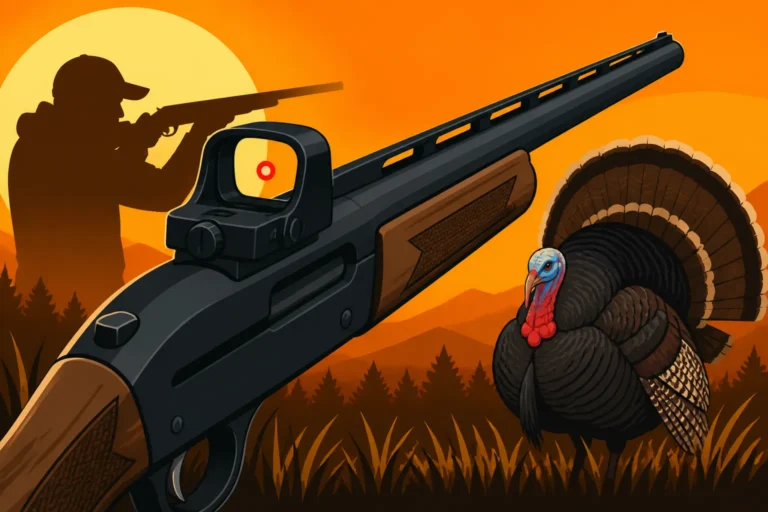
One of the big advantages of crossbows is their ability to utilize rifle-style optics, which can significantly enhance accuracy, especially for those with vision challenges or those who prefer a more precise aiming point. Most crossbows come with a scope, but upgrading to a higher-quality optic can make a world of difference. Look for scopes designed specifically for crossbows, often featuring multiple aiming points (reticles) calibrated for different distances.
Many scopes offer illumination, which can be invaluable in low-light conditions common during prime hunting hours in dense Tennessee woods. Some hunters even opt for red dot sights for quick target acquisition at closer ranges, especially in thick cover. When mounting your scope, ensure it's secure and level. Properly sighting in your crossbow is paramount, and it often involves shooting at multiple distances to confirm your holdovers for each reticle. Don't just sight it in at 20 yards and call it good; extend your practice out to your maximum ethical shooting range. A high-quality rangefinder, like those from Leupold or Vortex, can be easily integrated into your crossbow setup to eliminate guesswork.
Bolt and Broadhead Selection for Crossbows
Just like with vertical bows, the bolts (arrows for crossbows) and broadheads you choose are critical to performance and ethical hunting. Crossbows typically use shorter, heavier bolts than vertical bows. Pay close attention to the manufacturer's recommendations for bolt weight and length, as using incorrect bolts can negatively impact accuracy and even damage your crossbow. Carbon bolts are popular for their durability and consistent flight characteristics.
For broadheads, the same Tennessee legal requirements apply: sharpened, minimum two cutting edges, and specific cutting diameters. Many crossbow hunters opt for fixed-blade broadheads due to their robust construction and reliability, especially with the high speeds crossbows generate. However, mechanical broadheads designed specifically for crossbows are also very effective, often opening up to create larger wound channels. Whichever you choose, ensure they are compatible with your bolts and fly accurately from your crossbow. Practice shooting with your chosen hunting broadheads or identical practice heads to confirm their flight path.
| Feature | Vertical Bow (Compound) | Crossbow |
|---|---|---|
| Maneuverability | Generally very agile, especially shorter axle-to-axle. | Can be bulky; narrower models better for tight spots. |
| Draw/Cocking | Requires strength/technique to draw & hold. | Cocked mechanically (crank or rope); less physical exertion. |
| Learning Curve | Higher, requires extensive practice for accuracy. | Faster learning curve, more rifle-like shooting. |
| Accuracy | Excellent, but highly dependent on shooter skill. | Excellent, less dependent on shooter's holding ability. |
| Speed | Moderate to fast (280-350 fps typical). | Fast (300-450+ fps typical). |
| Noise | Generally quieter. | Can be louder on the shot; requires dampeners. |
| Sighting | Multi-pin sights; some instinctive. | Scopes with reticles; red dots. |
| Cost | Wide range; high-end setups comparable to crossbows. | Wide range; often higher entry point for quality. |
| Ethical Range | Typically 20-40 yards for most hunters. | Can extend further due to optics, but ethical limits apply. |
Optimizing Your Archery Setup for Accuracy
Having the best bow or crossbow on the market means nothing if it's not tuned correctly and you haven't put in the practice. Accuracy is the cornerstone of ethical hunting, ensuring a quick, humane harvest. This isn't just about hitting a paper target; it's about being able to place your shot precisely in a high-pressure, real-world hunting scenario.
Bow Tuning for Peak Performance
Tuning your bow or crossbow is like getting a precision sports car aligned and balanced – it ensures every component is working in harmony for maximum efficiency and accuracy. For vertical bows, this means checking things like cam timing, tiller, nocking point, and arrow rest position. Paper tuning, where you shoot an arrow through paper to analyze tear patterns, is a common method to identify and correct issues. Walk-back tuning and broadhead tuning (ensuring your field points and broadheads hit the same spot) are also critical steps. A properly tuned bow will shoot consistently, helping you group arrows tightly.
Crossbows also benefit from tuning, though it's often simpler. This primarily involves ensuring your scope is securely mounted and sighted in correctly. Checking your string and cable wear, ensuring limbs are not stressed, and verifying that your bolts are straight and fletched properly are all part of maintaining peak performance. Pay attention to how your broadheads fly compared to field points; if there's a significant difference, you might need to adjust your fletching, broadhead, or even try different bolt-and-broadhead combinations. Don't skip these steps – a perfectly tuned setup boosts confidence and success rates.
Rangefinding and Yardage Estimation
In Tennessee's varied terrain, accurately judging distance is paramount for bowhunters. Shots are rarely flat and open like they might be in a western state. You'll often be shooting from an elevated stand, down into a hollow, or across a ravine. This is where a reliable rangefinder becomes an absolute game-changer. Brands like Vortex, Leupold, and Bushnell offer excellent options that are compact, fast, and feature angle compensation, which is crucial for treestand hunting where the true horizontal distance is less than the line-of-sight distance.
While rangefinders are fantastic tools, don't solely rely on them. Practice estimating yardage without a rangefinder. Pick out objects in the woods and guess the distance, then check it with your rangefinder. This develops a "feel" for yardage that can save you precious seconds when a deer appears unexpectedly. Knowing your bow's trajectory at various distances, especially in 5-yard increments, is also invaluable. If you're a GoHunt user, you can often mark reference points on aerial maps during scouting, giving you a better idea of shooting lanes and distances before you ever set foot in the stand.
The Importance of Practice and Ethical Shot Placement
There's no substitute for practice. Consistently shooting your bow or crossbow year-round, not just a few weeks before season, will build muscle memory, strengthen your form, and instill confidence. Practice from various positions: standing, kneeling, from a treestand, and even simulating shots from a ground blind. Practice in different weather conditions and at different times of day to get a feel for how your body and your equipment perform. Shoot at 3D targets to get a better understanding of animal anatomy and where to aim for vital organs.
Ethical shot placement is paramount for bowhunting. Unlike a rifle shot, a bow's kinetic energy and broadhead cutting require precise placement to sever major arteries, veins, or vital organs for a quick, humane kill. This means aiming for the "boiler room" – the heart and lungs area, slightly behind the shoulder. Avoid shoulder shots, as the bone can stop or deflect an arrow. Know your limitations; if a shot feels too far, too obstructed, or if the animal is not broadside or slightly quartering away, pass on it. The goal is a clean kill, every time. Learn about Tracking a Deer Through Tennessee Leaf Litter to be prepared.
Gear Beyond the Bow: Essentials for Tennessee Archery
While your bow or crossbow is the star of the show, a successful and comfortable archery hunt in Tennessee depends on a host of other essential gear. These items support your setup, enhance your concealment, and ensure you're prepared for whatever our beautiful but challenging environment throws your way.
Treestand Safety & Setup for Bowhunters
For many Tennessee bowhunters, treestands are indispensable. They offer an elevated vantage point, improve scent control, and get you above a deer's natural line of sight. When choosing a treestand, consider portable options like climbers, hang-ons, or ladder stands, depending on the trees in your hunting area and how often you plan to move. Stability and comfort are key, as you might be sitting for hours. Safety, however, is the absolute top priority. Always use a full-body harness, even when ascending and descending, and stay tethered to the tree from the moment your feet leave the ground until you're back down. Treestand Setups in Cherokee National Forest can give you an idea of how specialized setups might be needed for tougher terrain.
Setting up your treestand correctly for bowhunting is an art. You need clear shooting lanes to your primary kill zones. Before the season, trim any branches that would impede a shot. Think about your entry and exit routes to minimize disturbance. Consider the prevailing wind direction and sunlight, positioning your stand so you're not silhouetted against the morning or evening sky. If you're using a GoHunt map, you can mark potential stand locations and shooting lanes digitally to plan out your approach and optimal setup points. Don't just pick any tree; choose one that offers good cover, an advantageous wind, and clear shot opportunities.
Ground Blinds and Concealment
While treestands are popular, ground blinds offer a versatile alternative, especially in areas with sparse or unsuitable trees, or for hunters who prefer to be closer to the ground. Modern pop-up ground blinds provide excellent concealment, breaking up your outline and containing your movement and scent. They're also great for hunting with kids or introducing new hunters, offering a comfortable and forgiving environment. When setting up a ground blind in Tennessee, brush it in thoroughly with natural vegetation to help it blend into the surroundings. This will make it appear less alien to wary deer.
Beyond structured blinds, natural concealment is always important. Wear camouflage patterns that match the local flora – whether it's the dark bark of oak trees in the hardwoods or the lighter tones of river cane in a bottomland. Scent control is also paramount. Use scent-eliminating sprays, wash your clothes in scent-free detergent, and store them in airtight bags. Our deer have incredible noses, and even the slightest human odor can send them packing. Think about every angle of concealment: visual, auditory, and olfactory.
Field Dressing & Meat Care in Archery Season
Early archery season in Tennessee often means warm weather, which adds urgency to field dressing and meat care. Unlike late gun season, you can't always let a deer lie for hours. Once you recover your animal, the clock starts ticking. Prompt field dressing is crucial to cool the carcass quickly and prevent spoilage. Carry a sharp, reliable field dressing knife and learn the gutless method if you hunt in remote areas, as it can significantly reduce the weight you have to pack out.
Beyond gutting, consider how you'll get the meat out of the woods. A good pack frame or deer cart can be invaluable, especially on public land where vehicle access is restricted. Game bags are essential for protecting the meat from dirt and insects, allowing it to breathe while it cools. If temperatures are above 40-50 degrees Fahrenheit, you'll need to get that meat on ice quickly. This might mean quartering the deer and immediately putting the pieces into a cooler with ice. Learning about Butchering a Deer at Camp can help you streamline this process, especially if you're far from home or a processor.
Navigating Public Land Challenges with Archery Gear
Tennessee boasts some fantastic public hunting opportunities, from the vast stretches of the Cherokee National Forest to numerous Wildlife Management Areas (WMAs) across the state. However, public land often comes with its own set of challenges, particularly for bowhunters who need to get exceptionally close to their quarry. Your gear setup and tactics need to be optimized to overcome these hurdles.
Scouting and Access with Archery Gear
Effective scouting is magnified on public land, especially for bowhunters. Before the season, you need to find prime bedding areas, food sources, and travel corridors where you can reasonably expect to get a shot within 40 yards or less. Using mapping tools, like the ones available on GoHunt, is absolutely essential. You can identify potential pinch points, terrain features like ridge saddles, creek crossings, or funnels between different habitat types. These are all natural places deer move through and offer excellent ambush points.
When scouting, pay attention to sign – rubs, scrapes, tracks, and droppings – but also consider hunting pressure. Many public land deer have learned to move to thicker, harder-to-reach areas. Be willing to walk further, climb steeper, or penetrate denser cover than others. Knowing Reading Aerial Photos for Cumberland Plateau Deer or Finding Sign in Big Cherokee Forest Timber can guide your preseason efforts. Your archery gear, being lighter and less cumbersome than a firearm, often allows for deeper, quieter penetration into these overlooked pockets of public land.
Minimizing Scent and Noise
Deer on public land are often older, wiser, and more sensitive to human disturbance. As a bowhunter, you're trying to get within spitting distance, so minimizing your scent and noise is paramount. Every rustle, every creak, every whiff of human odor is a potential bust. This starts long before you ever leave the truck. Invest in quality scent-control clothing, use scent-eliminating washes and sprays, and pay meticulous attention to wind direction. Playing the wind is non-negotiable for bowhunters; if the wind is wrong, your hunt is likely over before it begins.
Your gear itself needs to be quiet. Silencers on your bow string, limb dampeners, and tight-fitting accessories will help reduce noise. Ensure your treestand doesn't squeak, and your boots don't make crunching noises on dry leaves. Practice moving silently through the woods. Walk slowly, pick up your feet, and avoid breaking twigs. Even the GoHunt app, used quietly on your phone, needs to be handled without fumbling or loud taps. Think like a predator, moving with calculated stealth, and you'll increase your chances of getting a shot on those wary public land deer.
Dealing with Hunting Pressure on Public Land
One of the biggest realities of public land in Tennessee is hunting pressure. During popular seasons, especially the opener, some areas can feel like a carnival. This pressure forces deer into nocturnal patterns, thicker cover, or areas that hunters overlook. As a bowhunter, you have a distinct advantage in that you can often hunt quieter, deeper, and during times when other hunters might not be out. Understanding Hunting Pressure on Tennessee Public Land is key to adapting your strategy.
To counter pressure, focus on areas that are difficult to access – steep hollows, dense thickets, or parcels surrounded by private land where access is limited. Sometimes, simply walking an extra half-mile from the nearest access point can put you in untouched territory. Hunt during the weekdays if possible, when pressure is typically lower. Learn to recognize escape routes and sanctuaries deer use when pressured, and set up your ambush points along these pathways. Your specialized bow setup, demanding close-range engagement, means you have to work harder and smarter to find those less-pressured deer.
Disclaimer
This article is for general informational purposes only and does not constitute professional advice. Laws, prices and regulations vary by location and change over time. Consult a qualified professional for guidance on your specific situation.