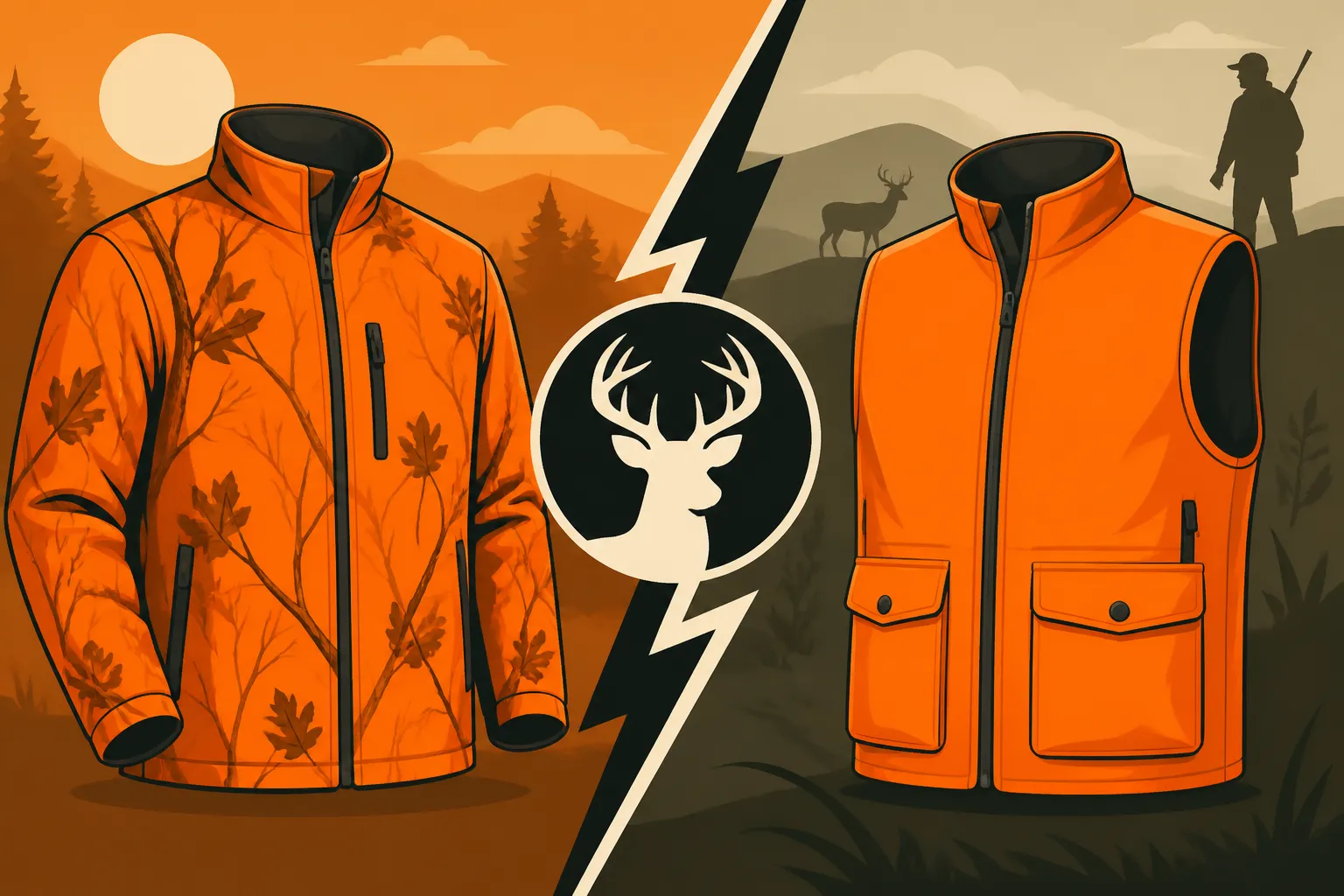
Blaze Orange Jackets Versus Vests
There's nothing quite like the feeling of stepping into the Tennessee woods, rifle or muzzleloader in hand, especially when deer season rolls around. But for many of us, before we even get to thinking about tracking that big buck, there's a practical question that often causes a moment of hesitation: what exactly are we supposed to wear to meet those blaze orange requirements? The choice between a full blaze orange jacket and a simple vest might seem minor, but it can significantly impact your comfort, safety, and compliance out in the field. This guide will walk you through the nuances of Tennessee's blaze orange rules, helping you decide whether a jacket or a vest is the right call for your next hunt.
Understanding Tennessee's Blaze Orange Requirements
Before we even consider the practicalities of vests versus jackets, it's absolutely crucial to grasp the legal necessities regarding blaze orange in Tennessee. Ignoring these rules isn't just a matter of getting a ticket; it's a matter of life and death, both for you and for other hunters in the woods. Tennessee's regulations are designed to keep everyone safe, especially during the busy firearms seasons.
The Basic Rules for Wearing Orange
In Tennessee, the rules for wearing blaze orange are pretty straightforward, but they're non-negotiable during specific hunting seasons and on certain public lands. Generally, any person hunting big game (like deer, bear, or elk) during the firearms seasons, or any person hunting on a Wildlife Management Area (WMA) where firearms hunting is permitted, must wear a minimum of 500 square inches of blaze orange or blaze pink on their outermost garment, visible from all sides (360 degrees). This typically applies throughout the entire firearms portion of deer season, including the popular Tennessee Gun Season Opening Day and even during the special Tennessee Muzzleloader Season Tactics.
Think about it: 500 square inches. That's a pretty substantial amount, and it needs to be seen from the front, back, and both sides. This isn't just a patch on your hat; it needs to be a noticeable, continuous presence. It's often where the jacket versus vest debate truly begins, as some vests, especially smaller ones, might barely meet this threshold depending on your body size and what you're wearing underneath. You can't just throw on a hat and call it good; the law specifically calls for an "outermost garment" to have that coverage. It’s also wise to check the specific regulations for any WMA you plan to hunt, as some areas might have slightly different rules or even more stringent requirements depending on the type of hunt or population density. The official Tennessee Blaze Orange Requirements outline these details clearly and are your best source for exact figures.
Why Blaze Orange Matters Beyond the Law
While legal compliance is a significant motivator, the core reason for blaze orange goes far beyond avoiding a fine. It's about safety, pure and simple. Hunting accidents, particularly those involving mistaken identity, are tragic and largely preventable. Wearing highly visible clothing drastically reduces your chances of being mistaken for game by another hunter. In the often dense Tennessee timber, especially during low light conditions or when the leaves are down, camouflaged hunters can blend in almost perfectly with the surroundings. A flash of brown or grey could easily be mistaken for a deer in a moment of excitement.
Consider a scenario in the thick, rolling hills of the Cumberland Plateau. You’ve just still-hunted a ridge, carefully moving through the hardwoods, and you pause for a moment in a thick stand of pines. Another hunter, perhaps unfamiliar with the area or simply scanning a little too quickly, might catch movement and misidentify you. Your blaze orange, even if just a vest, could be the visual cue that makes them pause, look closer, and confirm you're a human hunter. The vibrant color screams "person" in a way that no natural camouflage ever could. It’s an ethical responsibility we all share to protect ourselves and our fellow sportsmen. Every year, across the country, tragic accidents occur that could have been avoided with proper use of high-visibility clothing. It's not just about what you can see; it's about making sure you can be seen.
Blaze Pink as an Option
For those looking for an alternative, Tennessee law does allow for blaze pink to be worn in the same manner as blaze orange. The requirement remains the same: 500 square inches on the outermost garment, visible from 360 degrees. Blaze pink offers the same high visibility as blaze orange and serves the same critical safety purpose.
While blaze orange is still the overwhelmingly popular choice, blaze pink provides an option for hunters who might prefer it or simply want to try something different. It reflects light effectively, standing out against the natural greens, browns, and grays of the Tennessee landscape. The important thing is to ensure that whatever color you choose, it meets the minimum square inch requirement and is truly visible from all angles. Checking the official Blaze Pink Options Under Tennessee Law will confirm the specific details if you decide to go this route.
Blaze Orange Vests: Pros, Cons, and Practical Applications
Let's dive into the specifics of blaze orange vests. These are often the go-to for many hunters, especially those who prioritize versatility and light packing. But they come with their own set of considerations.
Advantages of a Vest
One of the biggest appeals of a blaze orange vest is its incredible versatility. Imagine hunting the early gun season in Tennessee, say during Opening Weekend Tactics for Tennessee Gun Season. The mornings might start chilly, but by midday, the sun can be beating down, and temperatures can climb unexpectedly high. A vest allows you to layer effectively underneath. You can start with a light base layer and a camouflage jacket, then simply slip the vest on top once shooting hours begin or as you move into areas requiring orange. If the weather warms up, you can shed the camo jacket, leaving just your base layer and the vest, ensuring you stay comfortable while remaining compliant.
This layering capability also means vests are generally more breathable. They don't cover your entire arms or often as much of your core, allowing for better airflow, which is a huge benefit during active hunts like still-hunting through thick brush or when climbing up and down steep ridges. They're also typically more cost-effective than a full jacket, making them an accessible option for new hunters or those looking to save a few dollars. Lastly, vests are lightweight and easy to pack. They can be rolled up small and stowed in a backpack, ready to be deployed when needed without adding significant bulk or weight to your gear. This is particularly useful for public land hunters who might have a long walk to their stand or are planning to cover a lot of ground throughout the day.
| Feature | Blaze Orange Vest | Blaze Orange Jacket |
|---|---|---|
| Layering | Excellent, worn over varied layers | Integrated, less flexible |
| Breathability | High, good for active/warm weather | Variable, can be hot |
| Coverage | Core, 360-degree (if sized correctly) | Full body, arms, back, chest |
| Warmth/Weather | Minimal, relies on layers beneath | Integrated insulation/weatherproofing |
| Cost | Generally lower | Generally higher |
| Packability | Very good, lightweight, compact | Fair to poor, can be bulky |
| Durability | Variable, depends on material | Often more robust and tear-resistant |
| Visibility | Meets 500 sq. inches (if proper size) | Easily meets 500 sq. inches |
Disadvantages of a Vest
While vests offer great flexibility, they aren't without their drawbacks. The primary concern is coverage. While the law mandates 500 square inches, a smaller vest on a larger hunter, especially if worn over a non-orange jacket with exposed shoulders or upper arms, might not actually meet the spirit, or even the letter, of the 360-degree visibility rule. You must ensure that whatever you wear underneath is also compliant, or that your vest truly extends enough to be seen from all angles. A vest that rides up or gets bunched can easily create blind spots.
Another disadvantage is their limited protection from the elements. A vest offers no insulation, no rain protection, and minimal wind blocking. If you're hunting during a chilly, damp November day in Tennessee, relying solely on a vest means your underlying layers must provide all the warmth and weather resistance. If you choose a thin, mesh vest, it's not going to do much to keep you comfortable in a biting wind or unexpected drizzle. This means you’re essentially adding another piece of gear without much functional benefit beyond visibility, requiring your other garments to pull double duty for warmth and protection.
When to Choose a Vest
So, when does a vest truly shine? It's ideal for those warmer days of the gun season, particularly in the earlier weeks when Tennessee weather can still be quite mild. If you're planning an active hunt, such as Still-Hunting Cumberland Plateau Ridges or covering a lot of ground in West Tennessee bottomlands, a vest allows for maximum freedom of movement and prevents overheating.
It's also a great option if you already have a fantastic camouflage hunting jacket that you love for its comfort, pockets, or weatherproofing. You can simply wear your preferred jacket underneath and throw a compliant blaze orange vest over top. This allows you to leverage your existing gear while meeting safety requirements. Just make sure that vest is generously sized and truly provides that 360-degree coverage over your chosen outer layer. For those days where you're unsure how the weather will turn, or you anticipate a wide swing in temperature, a vest coupled with a versatile layering system underneath is often your best bet for comfort and compliance.
Blaze Orange Jackets: Pros, Cons, and Practical Applications
Now, let's turn our attention to the full blaze orange jacket. This is a common choice for many hunters, especially as the season progresses and the weather turns colder.
Advantages of a Jacket
The most obvious advantage of a full blaze orange jacket is the comprehensive coverage it provides. With a jacket, you're almost guaranteed to meet or exceed the 500 square inches of blaze orange, and it naturally ensures visibility from 360 degrees, including your arms, chest, and back. There's less worry about gaps in coverage, which gives many hunters peace of mind. Many jackets are designed as dedicated hunting garments, meaning they often come with integrated warmth and weather protection. They might be insulated for those frigid late-season mornings, or waterproof/water-resistant to shrug off the persistent drizzle that can sometimes plague a Tennessee hunt.
A good blaze orange jacket can simplify your layering system. Instead of having multiple layers for warmth, waterproofing, and then adding a vest, a jacket often combines these functions into one piece. This can lead to a less bulky feel overall, depending on the jacket's design. They also tend to be more durable than thin vests, often made from tougher fabrics designed to withstand snags from briars and abrasion from rubbing against trees while walking through dense cover. For hunters who spend a lot of time in a stationary position, like in a treestand, a well-insulated blaze orange jacket is often far more comfortable and effective at keeping them warm than a vest layered over a non-orange jacket.
Disadvantages of a Jacket
The biggest drawback of a full blaze orange jacket is its lack of adaptability to varying temperatures. If you invest in an insulated jacket for cold weather, it will be far too warm for a mild Opening Weekend Tactics for Tennessee Gun Season. This means you might need multiple blaze orange jackets for different seasons, which can quickly add up in cost. A heavy jacket is also less breathable than a vest, which can lead to overheating and sweating during active hunts or when temperatures unexpectedly rise.
Furthermore, jackets are generally bulkier and heavier than vests. This makes them less convenient to pack if you're hiking a long distance or need to carry additional gear. If you're someone who likes to pack light and move fast, a bulky jacket might hinder your mobility and add unnecessary weight. The initial investment is also typically higher for a quality blaze orange jacket compared to a simple vest. This can be a significant consideration, especially if you hunt infrequently or are on a tighter budget.
When to Choose a Jacket
A full blaze orange jacket truly shines when the mercury drops, or when you anticipate sitting for long periods in potentially harsh conditions. If you're planning a late-season hunt, like Hunting the Late-Season January Lull, when frigid temperatures and biting winds are common, an insulated blaze orange jacket is indispensable. It provides the necessary warmth and protection against the elements, allowing you to stay on stand longer and remain more comfortable. Similarly, for a Cold-Weather Sitting Strategy in Tennessee or when Hunting Deer After a January Cold Front, a jacket becomes less of a choice and more of a necessity.
It's also an excellent choice for hunters who prefer a single, integrated garment for safety and warmth. If your hunting style involves less movement and more stationary waiting, especially from a ground blind or a treestand, the added insulation and weather protection of a jacket will serve you well. Just remember to choose one appropriate for the expected conditions, or be prepared to have lighter options available for warmer days.
Making the Right Choice for Your Tennessee Hunt
Ultimately, the decision between a blaze orange jacket and a vest boils down to a few key factors specific to your hunt. There's no one-size-fits-all answer, and a smart hunter often owns both to adapt to Tennessee's famously unpredictable weather.
Considering Weather and Activity Level
Tennessee weather can be a real rollercoaster, even within a single day. You might start your hunt in a frosty hollow at dawn, only to find yourself sweating by noon as the sun climbs high. This variability is perhaps the most significant factor in your blaze orange decision. If you're hunting the mild weeks of October or early November, especially in lower elevations, a vest over a light jacket might be all you need. It allows you to vent heat and stay agile.
However, if you're targeting those bitter cold days in December or January, or venturing into the higher elevations of the Cherokee National Forest, a well-insulated blaze orange jacket will be your best friend. Your activity level also plays a huge role. Are you planning on covering miles of ground, pushing through thickets, and climbing steep terrain? A vest offers more freedom and less bulk. Are you sitting patiently in a stand, hoping a big buck will come by a pre-scouted Scrape Lines Along a Logging Road? A jacket will provide the necessary warmth and comfort for prolonged inactivity. Before every hunt, take a moment to consult a reliable weather forecast – apps like GoHunt can give you hyper-local hourly breakdowns – and consider what your body will be doing in those conditions.
Layering Strategies for Optimal Safety and Comfort
The real trick, whether you choose a vest or a jacket, is effective layering. If you opt for a vest, your base and mid-layers become critical. Choose moisture-wicking materials like merino wool or synthetics for your base layer to draw sweat away from your body, preventing chills. Your mid-layers should provide insulation, such as fleece or a puffy jacket, ensuring that any exposed camouflage is covered by your blaze orange vest. Remember that 360-degree visibility is paramount, so ensure your vest is appropriately sized and doesn't get obscured by your pack or other gear. For a detailed guide on this, check out Layering for a Tennessee Deer Stand.
If you go with a jacket, you'll still want a good base layer to manage moisture, but your mid-layers can be lighter, as the jacket itself will provide significant warmth and weather protection. The beauty of layering is that it allows you to adjust throughout the day. Start with multiple thinner layers, and you can add or remove them as conditions change, always keeping your blaze orange as your outermost, highly visible garment. Don't forget that even if you're wearing a jacket, a blaze orange hat is an excellent addition, providing even more visibility, especially when your back is turned.
The Importance of a 360-Degree View
No matter if you choose a jacket or a vest, always conduct a quick self-check to ensure your blaze orange is truly visible from every angle. Spin around, look at your reflection if possible, or even ask a hunting buddy for a quick assessment. Imagine a deer passing behind you; would another hunter be able to clearly identify you as human? This is especially critical in areas of dense cover where visibility is naturally reduced, or in hilly terrain where hunters might be approaching from unexpected angles.
Think about how you're carrying your pack. Does it cover a large portion of your back? If so, you might need a vest that goes over your pack, or a jacket with ample orange coverage on the shoulder and upper back area even when a pack is worn. The goal is to present a consistent, unmistakable signal that you are a human hunter, not an animal. Paying attention to details like Wind and Thermals on a Ridge System or how deer move through various covers can help you anticipate where another hunter might be positioned relative to you, reinforcing the need for that all-around visibility.
Disclaimer
This article is for general informational purposes only and does not constitute professional advice. Laws, prices and regulations vary by location and change over time. Consult a qualified professional for guidance on your specific situation.