Cold-Weather Sitting Strategy in Tennessee
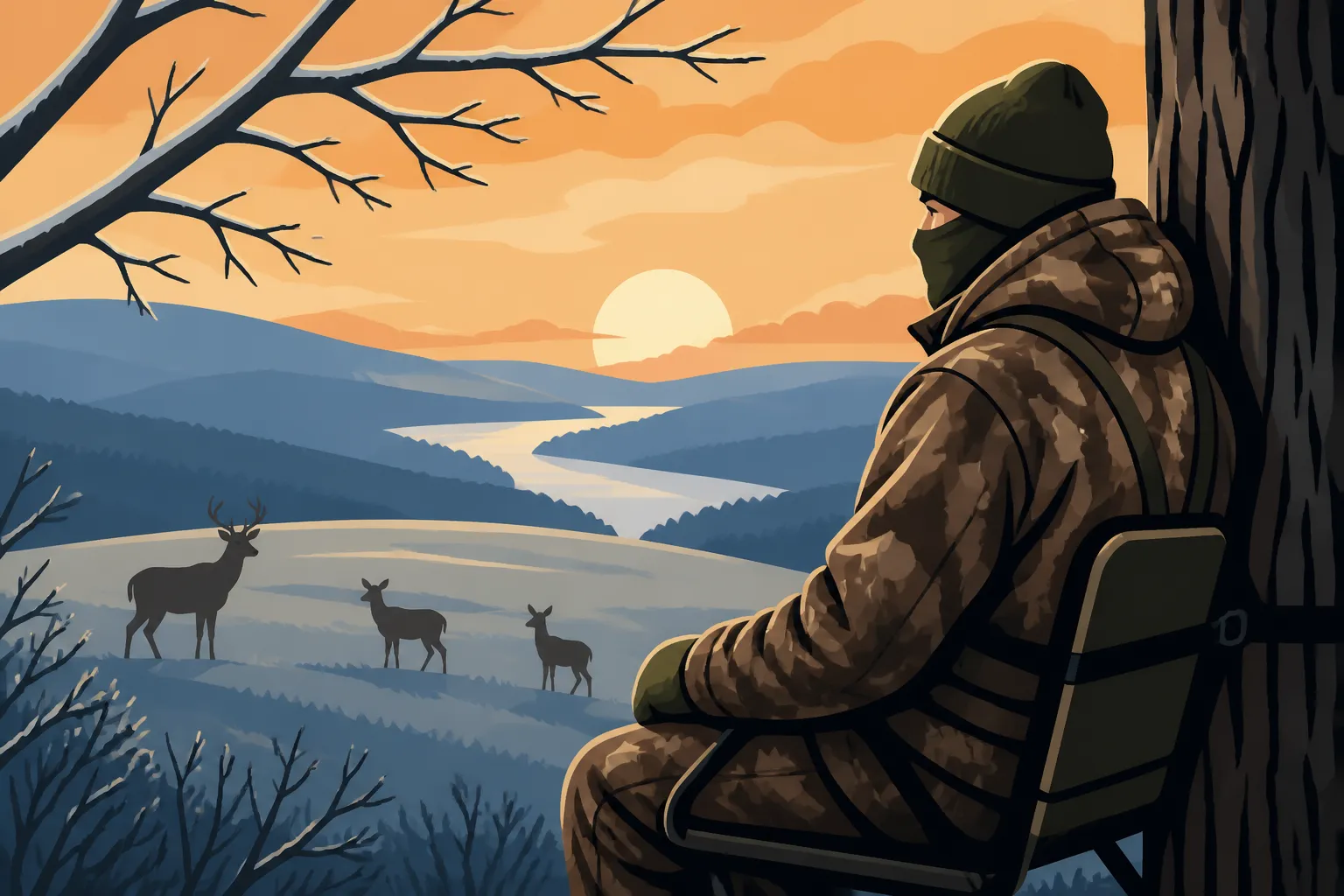
There's nothing quite like the crisp, still air of a Tennessee winter morning in the deer woods. The bare trees reveal more, sounds travel further, and a fresh blanket of snow can turn an ordinary hunt into a tracking paradise. But let's be honest, those beautiful, bitter cold days can also be absolutely miserable if you're not prepared. We’ve all been there – shivering uncontrollably an hour into the sit, hands and feet numb, counting down the minutes until you can bail out and find warmth. This guide is all about turning those painful experiences into prolonged, comfortable, and ultimately more successful cold-weather hunts, offering practical strategies to endure and even enjoy the chill.
Understanding Tennessee's Winter Chill
Tennessee’s winter weather can be surprisingly diverse, ranging from mild, damp days to truly bitter, single-digit cold fronts. It’s not always the deep-freeze of the northern states, but the unique combination of humidity, wind, and fluctuating temperatures can make those colder days feel much more intense than the thermometer suggests.
The Reality of Cold Fronts and Temperature Swings
One minute you might be enjoying a relatively mild late fall morning, and the next, a fierce cold front blasts through, dropping temperatures by 20 degrees or more overnight. These sudden changes aren't just uncomfortable for us; they can drastically shift deer behavior. Often, a significant cold front, especially after a period of mild weather, can kick deer activity into high gear as they try to stock up on calories before the real bite sets in. This is precisely when you want to be out there, but also when your comfort levels will be most challenged. Understanding that Tennessee winters aren't consistently frigid means you need a versatile system, capable of shedding layers when the sun peaks, but ready to batten down the hatches when the wind picks up. Those chilly December and January days, especially when you're looking for activity during the often slow period of the "Hunting the Late-Season January Lull", demand that you adapt.
How Wind and Moisture Amplify the Cold
It's one thing when the air is still and cold, but add a biting wind or dampness, and that "feels like" temperature plummets. In Tennessee, especially along river bottoms or on exposed ridges of the Cumberland Plateau, wind can be a constant battle. Wind strips away your body's insulating layer of warm air, making you feel much colder. Likewise, moisture – whether it's freezing rain, wet snow, or even just high humidity that seeps into your clothing – conducts heat away from your body far faster than dry air. You might start a morning hunt completely dry, but a quick shower, or even just leaning against a dew-covered tree, can compromise your insulation. This is why paying attention to the forecast beyond just temperature is crucial; wind chill and precipitation chances are just as important as the predicted low. You need gear that can block the wind and repel moisture effectively, even if the forecast isn't calling for a blizzard.
Essential Gear for All-Day Comfort
Sitting still for hours in freezing temperatures is a battle of attrition against the elements. Your gear isn't just about looking the part; it's your frontline defense. Investing in the right cold-weather hunting clothing and accessories can make or break your hunt, transforming a miserable experience into an enjoyable and productive one.
Layering Systems for Static Stands
The key to staying warm without overheating (and sweating, which leads to chilling) is a smart layering system. This isn't just about throwing on extra clothes; it's about choosing materials that work together to manage moisture and provide adaptable insulation.
- Base Layer: This is your foundation and critical for wicking moisture away from your skin. Avoid cotton at all costs; once wet, it stays wet and will make you cold. Merino wool or synthetic blends are your best friends here. A good merino base layer, like those from Smartwool or Sitka Gear, can keep you warm even when damp and won't hold odor as much as synthetics.
- Mid-Layer: This layer provides the bulk of your insulation. Fleece, down, or synthetic puff jackets work wonderfully. You might have one or two mid-layers depending on the severity of the cold. The beauty of this system is that you can adjust it easily. Walking to your stand, you might only wear your base and outer shell, preventing a sweat-soaked mid-layer. Once you're settled in your stand, you can quietly add that warm puffer.
- Outer Layer: Your outermost layer needs to be windproof and water-resistant (or waterproof). This is your shield against the elements. Look for quiet fabrics that won't rustle when you move. High-quality hunting jackets and pants designed for cold weather, often with built-in insulation, are ideal. Companies like First Lite, Kuiu, and Browning offer excellent options designed for demanding conditions. Remember, you'll want to choose your "Layering for a Tennessee Deer Stand" based on the specific forecast.
Here's a quick comparison of common layering materials:
| Layer Type | Material | Pros | Cons | Best Use Case |
|---|---|---|---|---|
| Base | Merino Wool | Excellent warmth-to-weight, wicks, odor-resistant | Can be expensive, slower drying than synthetics | All-day sits, fluctuating temps, scent control needed |
| Synthetic (Poly) | Dries very fast, durable, less expensive | Can retain odor, not as warm when wet as merino | High-activity hunts, budget-conscious, quick-drying | |
| Mid | Fleece | Affordable, breathable, good insulation | Bulky, not windproof, can get wet easily | General insulation, easy to add/remove |
| Down | Superior warmth-to-weight, compressible | Expensive, loses insulation when wet, requires careful care | Extreme cold, minimal bulk for maximum warmth | |
| Synthetic Puff | Insulates when wet, durable, less expensive than down | Heavier and bulkier than down for same warmth | Cold/wet conditions, versatile, good value | |
| Outer | Softshell | Flexible, quiet, wind/water resistant | Not fully waterproof, less insulating on its own | Mild to moderate cold, active hunting |
| Hardshell | Fully waterproof/windproof, durable | Can be noisy, less breathable, stiff | Wet/windy conditions, static sits, layering over |
Footwear and Hand Protection: Your Cold Weather Weak Links
Hands and feet are often the first to get cold, and once they're numb, the rest of you quickly follows suit. Don't skimp here.
- Footwear: You need insulated, waterproof boots that are comfortable for walking but offer plenty of warmth for sitting. Look for models with at least 800-1200 grams of Thinsulate insulation. Brands like LaCrosse, Kenetrek, and Schnee's are popular among serious cold-weather hunters. Ensure they are roomy enough to accommodate thick wool socks (again, no cotton!) without being so tight that they restrict circulation. Consider bringing an extra pair of dry socks to change into if your feet get damp on the walk in. When picking your "Insulated Boots for All-Day Sits", prioritize warmth and waterproofing above all else. If you're often in "Hunting West Tennessee River Bottoms", tall rubber boots with insulation, like those from Muck Boot Company, might be a better choice for staying dry in marshy areas or crossing small creeks.
- Hand Protection: This is a tricky one because you need warmth and dexterity. A multi-layer approach often works best. Start with a thin pair of merino wool or synthetic liner gloves. Over these, wear a pair of insulated mittens or a "shoot-through" glove that allows your trigger finger to be exposed when needed, or a muffs-style hand warmer. Many hunters swear by hand muffs with chemical or battery-powered "Hand Warmers That Last a Full Sit" inside. This allows you to keep your hands warm and protected, but quickly pull them out when a shot opportunity arises.
Portable Heating and Insulated Accessories
Sometimes, even the best layers aren't enough when the mercury truly plunges.
- Seat Pads and Portable Heaters: An insulated seat pad makes a world of difference, especially on metal treestands or damp ground. Brands like Therm-a-Rest or even simple foam pads provide a crucial barrier between you and the cold. For truly brutal days, portable catalytic heaters can be a game-changer for ground blinds, offering a gentle, radiant warmth. Just be mindful of ventilation and carbon monoxide. For treestand hunters, pocket-sized rechargeable hand warmers or chemical hand and foot warmers are indispensable.
- Head and Neck Protection: A significant amount of body heat is lost through your head and neck. A warm beanie, balaclava, or neck gaiter is essential. Look for windproof options for maximum protection. Again, merino wool or fleece are excellent choices.
Strategic Tactics for Cold-Weather Success
Beyond the gear, how you approach your hunt in frigid conditions can greatly impact your comfort and effectiveness. It’s about more than just staying warm; it’s about hunting smarter when the elements are at their harshest.
Choosing the Right Stand Location
In cold weather, deer behavior shifts. They become highly focused on food sources and thermal cover. This means your stand placement should reflect these priorities.
- Food Sources: Late-season food sources become magnets. Think about standing corn or bean fields (if available and not harvested), oak ridges with remaining acorns, or planted food plots. These become critical energy hubs for deer trying to pack on calories. A good tool for scouting these areas and identifying pinch points is an app like GoHunt, which helps you analyze terrain and property boundaries, showing you the most likely travel corridors to these food sources. You can learn more about finding these crucial areas in our article on "Late-Season Food Sources for Tennessee Whitetails".
- Thermal Cover: Thick pine stands, cedar thickets, and south-facing slopes that catch more sun offer deer crucial refuge from biting winds and cold. Deer will often bed in these areas, especially during or after a severe cold snap. Setting up on the downwind edge of such cover, or along trails leading to it, can be incredibly effective. Consider how to position yourself to take advantage of sun exposure throughout the day, aiming for stands that will catch the morning or afternoon sun to help thaw you out.
- Terrain Features: On the Cumberland Plateau, "Reading a Ridge for East Tennessee Deer" means understanding how deer use saddles, draws, and benches to travel with minimal effort, especially when deep snow makes climbing difficult. These natural funnels become even more pronounced in cold conditions.
Managing Movement and Staying Alert
Sitting still for hours in the cold takes mental and physical fortitude. Minimizing movement is critical for staying hidden, but you also need strategies to keep your blood flowing and your mind sharp.
- Controlled Movement: While minimizing motion, occasional subtle movements are important to prevent stiffening and improve circulation. Gently shifting your weight, wiggling your toes, or flexing your fingers can help. Just make sure these movements are slow and deliberate, especially if you're "Using a Ground Blind on Tennessee Public Land" where sudden movements can be easily seen.
- Mental Engagement: The cold can make your mind wander, but staying alert is paramount. Scan your surroundings constantly, looking for subtle signs like flicking ears or horizontal lines that don't belong. Try to predict where a deer might appear next. Using binoculars (even a small pair can help "Binocular Power for Ridge Hunting") to pick apart cover regularly keeps your eyes and mind engaged.
- Patience and Persistence: Cold-weather hunting tests your resolve. It’s tempting to quit early, but often, the biggest bucks move when others are heading back to the truck. If you’re dressed properly and have chosen a good spot, commit to a long sit, especially when "Hunting Deer After a January Cold Front". The reward for enduring the discomfort can be a memory that lasts a lifetime. Utilize mapping tools like GoHunt to mark potential secondary spots if your primary location isn't producing, allowing you to adapt without totally giving up the hunt.
Nutrition and Hydration to Fuel Your Hunt
What you put into your body is just as important as what you put on it when battling the cold. Your body burns more calories to stay warm, so fueling it correctly is essential.
- Calorie-Dense Snacks: Pack snacks that are high in calories and easy to eat quietly. Nuts, trail mix, protein bars, and even a small piece of dark chocolate can provide quick energy. Avoid sugary snacks that will lead to a crash.
- Warm Drinks: A thermos of hot coffee, tea, or broth can be a lifesaver. It provides internal warmth and helps you stay hydrated. Dehydration can actually make you feel colder, so don't overlook this. Remember that GoHunt app you used for scouting? You can mark thermos refill points if you're on a multi-day trip or near a camp.
- Avoid Alcohol: While a nip might seem like a good idea to warm up, alcohol actually lowers your core body temperature and impairs your judgment. Save it for back at camp when the day's hunt is done.
Post-Hunt Cold Management
The hunt doesn't end when you leave the stand, especially if you’ve been out in truly frigid conditions. Proper post-hunt care ensures your body recovers and your gear is ready for the next adventure.
Recovering from a Deep Freeze
Once you're back at the truck or camp, prioritize getting warm slowly and safely.
- Warm Up Gradually: Don't blast the heat in your vehicle or stand directly in front of a roaring fire right away. This can cause discomfort and even be dangerous if you’re severely chilled. Remove wet layers, put on dry clothes, and let your body warm up gradually.
- Rehydrate and Refuel: Continue to drink warm liquids and eat a good, warm meal. Your body is still working hard to regulate its temperature. This is especially true if you’ve had to perform strenuous activity like "Dragging a Deer Out of a Steep Hollow" after a long, cold sit.
- Check for Frostbite: Pay attention to your fingers, toes, ears, and nose. Look for signs of frostbite (pale, waxy skin, numbness, tingling). If you suspect frostbite, seek medical attention.
Gear Care for Longevity
Taking care of your cold-weather gear prolongs its life and ensures it performs when you need it most.
- Dry Everything Thoroughly: As soon as you can, unpack your gear and hang everything to dry completely. Even if it didn't rain, sweat and condensation can build up. This is especially important for insulated garments and boots. Place boot dryers in your boots to ensure the insulation is fully dry.
- Clean as Needed: If your outer layers are muddy or bloody, clean them according to the manufacturer's instructions. Dirt and grime can compromise the performance of waterproof membranes and insulation.
- Store Properly: Once dry and clean, store your gear in a well-ventilated area. Avoid compressing insulated items (especially down) for long periods, as this can damage the loft and reduce its insulating properties.
By understanding Tennessee's unique cold-weather challenges, investing in quality gear, and implementing smart hunting tactics, you can transform those daunting frigid days into some of the most memorable and successful hunts of your season. Don't let the cold chase you out of the woods prematurely; embrace it and hunt on!
Disclaimer
Hunting is an inherently dangerous activity. This guide provides general information and strategies. Always prioritize safety, adhere to all Tennessee Wildlife Resources Agency (TWRA) regulations, and consider your personal skill level and physical condition before venturing into the field. Weather conditions can change rapidly and present serious risks. It is the individual hunter's responsibility to understand and mitigate these risks.