Hunting the Late-Season January Lull
When the holiday cheer fades and the new year truly begins, many deer hunters in Tennessee pack up their gear, thinking the season is effectively over. But for those who stick with it, January offers a unique, challenging, yet incredibly rewarding opportunity to fill a tag. This late-season "lull," as some call it, is characterized by brutally cold temperatures, scarce natural food sources, and deer that have been pressured for months. This guide will dive deep into understanding these late-season conditions and equip you with the knowledge and tactics to successfully pursue whitetails during Tennessee's closing weeks.
Understanding the January Landscape and Deer Behavior
January hunting in Tennessee is a different beast entirely from the early archery opener or the chaos of the rut. The landscape itself has transformed, and so have the deer that inhabit it. Success now hinges on a keen understanding of these changes.
Weather Patterns and Their Impact
The true cold of winter usually sets in during January across Tennessee. You might encounter anything from crisp, sunny days with temperatures barely breaking freezing, to bitter winds, sleet, or even several inches of snow, especially in the higher elevations of the Cumberland Plateau and East Tennessee. This extreme weather profoundly impacts deer. Their primary goal becomes survival, conserving energy, and finding enough calories to sustain themselves.
When temperatures plummet, deer often become more active during daylight hours, but their movement patterns are highly concentrated. They’ll move from secure bedding areas directly to food sources and back, often using the most efficient routes possible to minimize energy expenditure. A frigid morning might see them bedding down longer, only to move more urgently in the late afternoon. Understanding these subtle shifts is crucial. You'll want to layer up with appropriate clothing for a Tennessee late season, as long sits in frigid conditions are often the name of the game.
Food Source Scarcity and Changes
By January, the bounty of fall has largely vanished. Acorns, once a deer magnet, are mostly gone, consumed by deer, turkeys, squirrels, and other critters. Lush green browse has withered, and many agricultural fields have been harvested, leaving only stubble. This scarcity forces deer to be opportunistic and incredibly selective about what they eat.
They'll focus on whatever remaining high-energy food sources they can find. This might include overlooked pockets of acorns, especially white oak varieties that can persist longer, or persistent browse like honeysuckle and greenbrier, particularly in protected thickets or along creek bottoms. Standing agricultural crops, like corn or soybeans that haven't been fully harvested, become absolute magnets. Even waste grain in cut fields can draw deer, though it provides less nutritional value than standing crops. Knowing these Late-Season Food Sources for Tennessee Whitetails is paramount.
Deer Movement in the Post-Rut, Pre-Greenup Period
The frenzy of the rut is a distant memory by January. Bucks are often exhausted, having lost significant body weight, and are now focused on recovery. Does, having been bred or still needing to be bred, are also looking to regain strength. This means the wide-ranging, sometimes unpredictable movements of November are replaced by a more predictable, almost reclusive behavior.
Deer tend to move less frequently and over shorter distances. Their patterns become highly correlated with cover, bedding, and the most accessible food. They're more cautious, more attuned to pressure, and less forgiving of mistakes. They've run the gauntlet of Tennessee's Gun Deer Season Into January and many have seen, heard, or smelled hunters for months. The deer that remain are often the smartest, most elusive animals in the herd. Their survival instincts are at an all-time high, making them a significant challenge to hunt.
Strategies for Locating and Approaching Late-Season Whitetails
With the deer herd now highly pressured and focused on survival, your hunting strategy needs to adapt dramatically. This isn't the time for aggressive rattling or blind calling; it's a time for meticulous scouting, stealth, and precision.
Targeting Remaining Food Sources
As mentioned, food is king in January. Your scouting efforts should be entirely geared toward finding what little high-value food remains.
- Standing Crops: If you have access to private land with unharvested corn or soybeans, these are goldmines. Deer will literally live in them. Even cut fields can hold deer grazing on waste grain, especially after a fresh snow reveals where they've been pawing through the stubble.
- Persistent Mast: Scout hard for isolated pockets of white oaks that might still be dropping acorns, or areas where red oaks are still holding onto their mast. Don't overlook beech nuts either, if you're in an area where they occur.
- Browse and Cover: Honeysuckle patches, greenbrier thickets, and areas of new growth in clear-cuts provide both food and crucial thermal cover. Deer will bed in these areas and browse throughout the day, especially on colder days. Consider Hunting a Clear-Cut Regrowth Edge where food and cover converge.
- Green Fields: If you have permission to hunt private land with winter food plots (clover, wheat, oats, brassicas), these can be incredible magnets. Deer will hit these fields hard, often right at dawn and dusk, but also sometimes midday if pressure is low. Consider Hunting a Green Field Planted for Deer.
A great way to use mapping tools like GoHunt is to identify potential food sources on aerial maps. Look for unharvested fields, dense timber edges bordering agricultural land, and areas of thick regeneration that might hold green browse. Then, hit the ground to confirm.
Scouting for Fresh Sign and Winter Bedding Areas
Effective late-season scouting isn't about covering miles; it's about covering key areas intelligently. After months of hunting pressure, deer have likely shifted their core ranges to avoid disturbance.
- Snow and Mud: A fresh dusting of snow or a good rain can be your best friend. Look for fresh tracks, especially larger buck tracks, leading from thick bedding cover to food sources. This tells you exactly where deer are moving and when.
- Thermal Cover: South-facing slopes that catch the most sunlight are prime winter bedding areas. Deer will bed on these slopes to soak up the sun's warmth. Combine this with thick evergreen cover like cedars or pines, and you've found a late-season sanctuary.
- Thickets and Bottoms: Don't overlook dense brushy thickets, briar patches, or tangled creek bottoms. These areas provide both thermal cover and security, allowing deer to escape the wind and cold. Look for Working a Creek Bottom for Late-Season Deer where deer might congregate.
- Trails: Focus on well-used trails connecting bedding to food, especially those that offer the most cover. These trails will often be subtly different from early season trails, reflecting the deer's current, more cautious movements.
When Scouting Tennessee Public Land Before Season, pay close attention to areas that look too thick or difficult to access. These are often the places deer retreat to when pressured.
Low-Impact Entry and Exit Routes
This might be the single most critical factor for January success. Deer are incredibly wary. Any disturbance, especially during daylight hours, can shut down an area for days.
- Approach in Darkness: Always plan your entry and exit to happen under the cover of darkness. Use a headlamp sparingly and with a red or green light filter if possible.
- Use Natural Barriers: Utilize creek beds, ditches, ridgelines, or thick fencerows to mask your approach. Keep the wind in your favor, always.
- Avoid Bedding Areas: Never bust a deer out of its bedding area, especially a mature buck. This will teach it to leave the area and associate it with danger. GoHunt can assist with identifying contour lines and potential bedding areas, allowing you to plan routes that skirt these zones.
- Minimize Scent: Be meticulous with scent control. Wear clean hunting clothes that have been stored outside or in scent-free containers. Rubber boots are a must to eliminate foot scent.
Stand Placement and Hunting Tactics for Cold Weather
With food located and a low-impact approach planned, now comes the waiting game. Your stand choice and hunting style need to reflect the conditions and the deer's heightened wariness.
Adapting Treestand and Ground Blind Setups
Your setup in January needs to maximize concealment and comfort while strategically intercepting deer.
- Close to Cover: Instead of setting up on open field edges, focus on the timber line, 20-50 yards inside the woods where deer feel more secure before stepping into the open.
- Near Thermal Cover: Place stands overlooking dense evergreen thickets, south-facing slopes, or brushy bottoms where deer will be seeking warmth and security.
- Pinch Points and Funnels: Any natural bottleneck that funnels deer movement between bedding and feeding areas is prime real estate. This could be a narrow strip of timber between two fields, a saddle on a ridge, or a bend in a creek.
- Ground Blinds: Don't underestimate the power of a good ground blind in January. They offer excellent concealment from weary deer and, perhaps more importantly, protection from the brutal cold. Position them well in advance to allow deer to get used to them, or brush them in heavily. Learn more about Brushing In a Blind on a Field Edge.
Remember, you might only get one chance at a late-season deer. Make that setup count.
Patience and Persistence in the Cold
January hunting is not for the faint of heart. It demands a level of patience and mental toughness that can be grueling.
- Long Sits: Deer movement can be minimal, and you might only see action during a short window. Be prepared to sit all day if possible, especially on days immediately following a severe cold front or heavy snow. Cold-Weather Sitting Strategy in Tennessee is essential here.
- Layering: Staying warm is paramount to staying focused. Utilize a good layering system: moisture-wicking base layers, insulating mid-layers (fleece, down, or synthetic), and a waterproof/windproof outer shell. Hand warmers and insulated boots (like the ones discussed in Insulated Boots for All-Day Sits) are non-negotiable.
- Mental Fortitude: The "lull" can feel exactly like that – a long period of quiet. Stay positive, trust your scouting, and remain alert. A wise hunter once told me, "You can't shoot a deer from the couch." This is especially true in January.
Considering Deer Drives on Public Land
While most late-season hunting emphasizes stealth, small, organized deer drives can be effective on public land, especially in larger timber blocks where deer have ample room to escape pressure.
- Small Groups: This isn't about huge, noisy drives. Think 2-4 hunters, with one or two "pushers" quietly still-hunting through thick cover, and one or two "posters" positioned strategically on known escape routes or pinch points.
- Thick Cover Focus: Target dense bedding areas, cedar thickets, or creek bottom tangles that deer are likely to be hiding in.
- Safety First: Communication and knowing your shooting lanes are absolutely critical. Always wear plenty of blaze orange, even beyond the Tennessee Blaze Orange Requirements. Discussing Deer Drives With Three or Four Hunters can provide further insight. This method can be very effective for moving deer that are otherwise locked down.
Essential Gear and Preparations for January Hunts
Being prepared for the rigors of a Tennessee winter hunt means having the right gear and knowing how to use it. Don't skimp on items that will keep you safe, warm, and effective.
Layering for Extreme Cold
Staying warm is the key to enduring those long, frigid January sits.
- Base Layers: Start with a good quality, moisture-wicking base layer. Merino wool or high-tech synthetics are excellent choices as they pull sweat away from your skin, keeping you dry and warm even if you exert yourself on the walk in.
- Insulation: Layer up with insulating garments like fleece, down, or synthetic puff jackets and pants. The amount of insulation depends on the temperature, but it's always better to have too much and remove a layer than not enough. Check out Layering for a Tennessee Deer Stand for more detailed advice.
- Outer Shell: Your outermost layer needs to be windproof and waterproof. This will protect you from biting winds, sleet, or snow. Camouflage patterns should be suited for winter, breaking up your outline against bare trees and muted landscapes.
- Extremities: Don't forget your head, hands, and feet. A warm knit hat or balaclava, insulated gloves or mittens (with hand warmers inside), and high-quality, insulated boots with warm wool socks are critical. I often carry multiple pairs of socks and switch them out if my feet start to get damp.
Optics and Tracking Tools
Good optics are always important, but in January, they can be a game-changer for spotting wary deer at a distance or picking out a sliver of antler in thick cover.
- Binoculars: A quality pair of 10×42 binoculars from a reputable brand (like the ones from Leupold or Vortex) will serve you well. Use them to scan edges, pick apart thickets, and verify what you're seeing before making a move.
- Rangefinder: With deer often on the move and difficult to judge distances in sparse timber, a reliable rangefinder is essential for making ethical shots.
- Tracking Tools: If you do connect, tracking can be challenging in frozen ground or leaf litter. A powerful headlamp for Blood Trailing After Dark in Tennessee, flagging tape, and a good sharp knife are crucial. Consider a game camera like those offered by Moultrie or Browning for scouting, especially on trails leading to those late-season food sources.
| Late-Season Food Source | Where to Find It | Deer Preference (January) |
|---|---|---|
| Standing Corn/Soybeans | Private fields, often near thick cover | High |
| White Oak Acorns | Undisturbed timber, ridge tops | Medium to High |
| Honeysuckle/Greenbrier | Thickets, creek bottoms, clear-cuts | Medium |
| Winter Food Plots | Private land, managed areas | High |
| Waste Grain (cut fields) | Agricultural areas | Low to Medium |
| Privet / Cedar Berries | Edges of woods, old fields | Low |
Navigation and Safety in Winter Conditions
Winter hunting presents additional safety considerations. Being prepared can mean the difference between a successful hunt and a dangerous situation.
- GPS/Mapping App: Always carry a reliable GPS device or a smartphone app like GoHunt that has offline map capabilities. Cell service can be spotty in remote parts of Tennessee, especially in the Appalachian foothills or the vast expanses of the Cherokee National Forest. Knowing your exact location is vital.
- Headlamp: A powerful headlamp with extra batteries is non-negotiable. You'll be walking in and out in the dark, and potentially tracking after sunset.
- First-Aid Kit: A compact first-aid kit with essentials for cuts, blisters, and minor emergencies should always be in your pack.
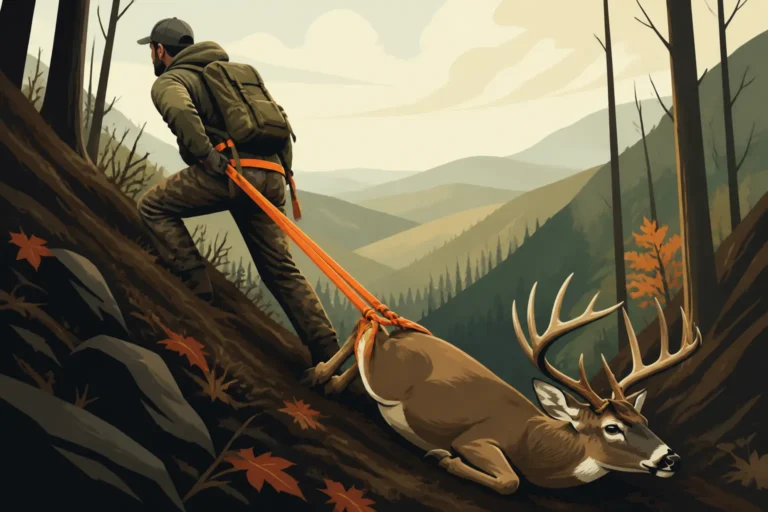
- Emergency Supplies: Consider carrying a small survival kit with a fire starter, emergency blanket, and a whistle. It's always better to be over-prepared for the unexpected, especially when Recovering a Deer From a Steep Hollow in rough terrain.
The January lull is a tough nut to crack, but with the right mindset, a solid understanding of deer behavior, and a commitment to strategic, patient hunting, you can absolutely punch your tag when most other hunters are off the woods. It's often where the biggest rewards are found for those willing to brave the cold.
Disclaimer
Hunting is a regulated activity. Always consult the latest Tennessee Wildlife Resources Agency (TWRA) regulations and local laws before planning any hunt. Ensure you have all required licenses and permits, and adhere to all safety guidelines. This guide is for informational purposes only and does not supersede official regulations.