Hand Warmers That Last a Full Sit
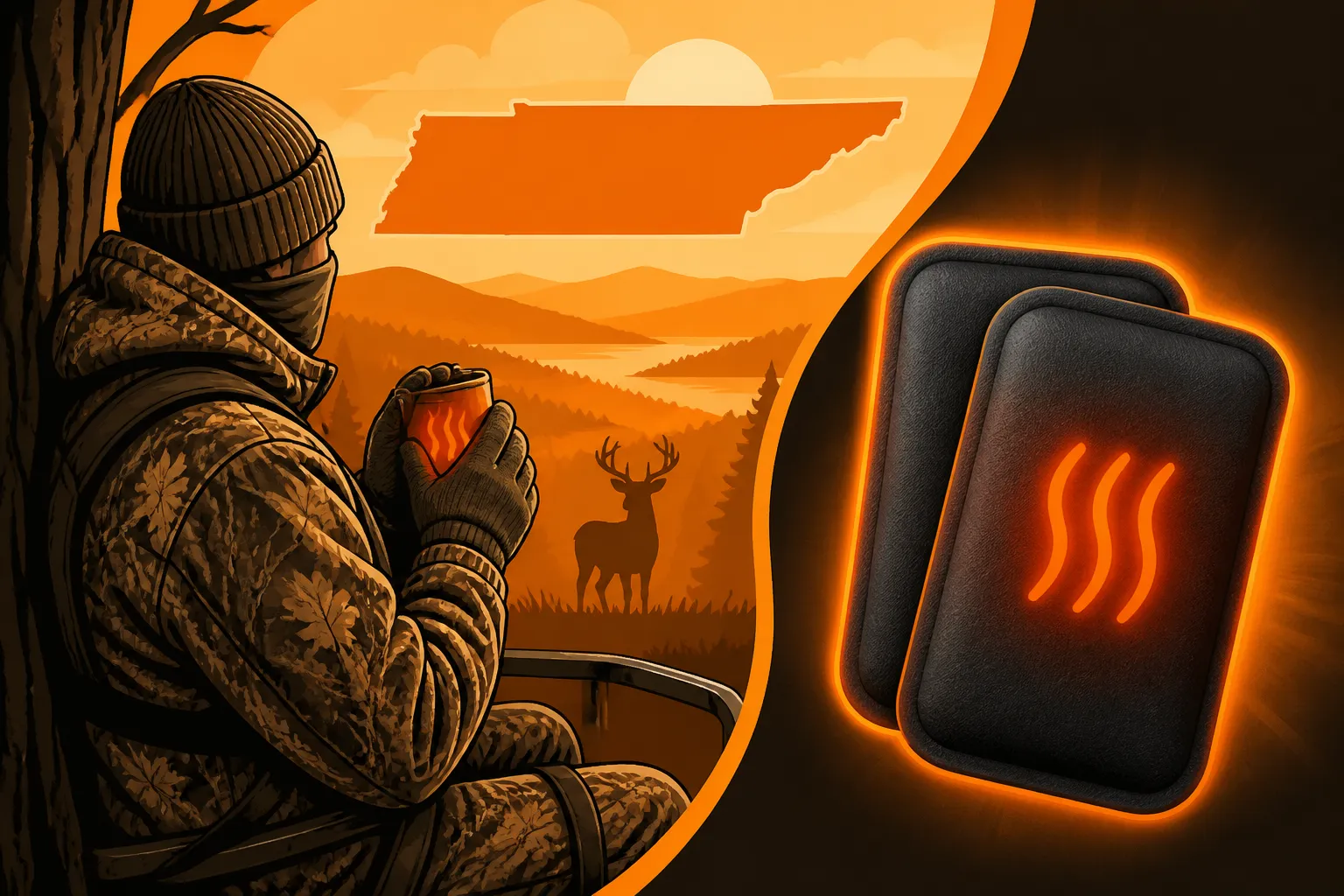
There's nothing quite like that bone-deep chill that creeps into your fingers when you've been sitting motionless in a deer stand for hours, especially during a crisp Tennessee late-season hunt. You've spent weeks scouting, put in the effort to get to your spot before daylight, and now your hands are starting to ache, making it hard to even grip your bow or rifle. The frustration is real, and it can absolutely cut a good hunt short. This guide is all about helping you keep those digits toasty, exploring the different types of hand warmers available and, most importantly, how to make them last through those long, patient sits when every moment counts.
Understanding the Different Types of Hand Warmers for Hunters
When you're out in the Tennessee woods, battling a frosty morning in December or a raw January afternoon, the right hand warmers can make all the difference between an enjoyable, productive hunt and an early trip back to the truck. Not all hand warmers are created equal, though. Each type has its own quirks, benefits, and drawbacks that make it better suited for different situations and preferences.
Disposable Chemical Air-Activated Warmers
These are probably what most hunters picture first: those little packets you crinkle, shake, and then tuck into your pockets or gloves. They're incredibly popular for a reason! They work through an oxidation process, where iron powder inside the packet reacts with oxygen in the air, releasing heat. It's a simple, reliable chemical reaction, and you don't need any special equipment to get them going.
The biggest pros here are convenience and accessibility. You can grab a box at almost any outdoor store or even a gas station on your way to the hunt. They're lightweight, require no fuel or batteries, and are relatively inexpensive, especially if you buy them in bulk. For a quick morning sit or as a reliable backup, they’re hard to beat. However, they are single-use, which means generating more waste, and once they're activated, you can't really "turn them off." Their heat output is usually moderate, and while many claim to last 8-10 hours, that duration can shrink dramatically in truly frigid, exposed conditions. If you're planning a full day out in a spot like Hunting Cumberland Plateau Ridgelines, you might find yourself needing a fresh pair by midday.
Reusable Liquid/Gel Snap-Activated Warmers
These are a bit less common in hunting circles but have a niche. They typically contain a supersaturated solution of sodium acetate and a small metal disc. When you flex or "snap" the disc, it triggers a rapid crystallization process that releases heat. The beauty of these is their instant warmth and reusability. You get immediate heat, and when they cool down, you can boil them in water to revert the crystals back into a liquid state, ready for your next hunt.
The downside? Their heat duration is usually much shorter, often only 30 minutes to an hour, sometimes two if well insulated. While great for a sudden burst of warmth or a quick walk to the stand on a chilly morning, they won't cut it for a prolonged sit. Resetting them by boiling isn't practical in the field, so you're limited to how many you can bring if you need multiple warm-ups throughout the day. They're more of a short-term solution or a supplemental warmer rather than a primary heat source for a sustained cold sit.
Catalytic Fluid-Filled Hand Warmers
Now we're talking about serious heat and longevity! These warmers use lighter fluid (like the kind you'd use in a Zippo) and a platinum-catalyzed burner. The fluid vaporizes and reacts with the oxygen on the catalyst, producing heat without a flame. They're often made of metal, like stainless steel or chrome, and have a sleek, classic look.
The primary advantage of catalytic warmers is their incredibly long burn time and consistent, intense heat. Many models can run for 12-24 hours on a single fill of fuel, providing a deep, penetrating warmth that disposable warmers simply can't match. They're reusable, environmentally friendlier than disposables, and over time, can be more cost-effective. However, they require careful handling to fill and ignite (using a lighter to start the catalytic process), and there's a slight odor from the lighter fluid, which could be a concern for scent-sensitive game like White-Tailed Deer Across Tennessee. You also need to carry lighter fluid, adding another item to your pack. For dedicated hunters who endure truly cold conditions on a Tennessee's Gun Deer Season Into January hunt, these are often the gold standard.
Electric Rechargeable Hand Warmers
Welcome to the modern age of warmth! Electric hand warmers are essentially portable battery packs with heating elements. They charge via USB, offer adjustable heat settings, and can be turned on and off at will, conserving battery life. Many models even double as power banks, allowing you to charge your phone or other small electronics in the field.
The control these offer is fantastic. You can dial in the exact warmth you need and turn them off during periods of high activity or when you don't need heat, saving juice. They're reusable, silent, and produce no odor. However, battery life is the main concern. While some claim 6-12 hours, that's often on the lowest setting, and extreme cold will drain batteries faster. A full-day sit in freezing temperatures might require a larger, heavier unit or carrying a backup power bank to recharge it. Initial cost is also significantly higher than disposable options. If you're using a mapping app like the one on GoHunt to navigate and locate game, having a reliable power source for your phone is critical, so an electric warmer that doubles as a charger can be a real multi-tasker.
What Makes a Hand Warmer Last "A Full Sit" in Tennessee?
It’s one thing for a hand warmer to claim it lasts 10 hours on the package; it’s another for it to actually keep your hands warm through a nine-hour sit in a freezing blind near Hunting West Tennessee River Bottoms. The real-world performance of hand warmers is influenced by a complex interplay of environmental conditions, the specific technology of the warmer itself, and how you, the hunter, manage its use. Understanding these factors is key to choosing the right warmer and maximizing its output.
The Relentless Assault of Tennessee Weather
Tennessee weather is notoriously fickle. You might start a morning hunt in November with temperatures in the low 40s, only for a cold front to roll through, dropping it into the 20s by midday, accompanied by a biting wind.
- Air Temperature: This is the most obvious factor. Colder air extracts heat faster from everything, including your hand warmers. A warmer designed for a 60-degree day won't stand a chance against a 20-degree morning.
- Wind Chill: Wind is a silent killer of warmth. It strips away the insulating layer of warm air around you and your warmers at an alarming rate. If you're exposed on a ridge during a windy day, even the best hand warmer will struggle to keep up. This is where Wind and Thermals on a Ridge System come into play – understanding how they affect not just deer movement, but your personal comfort.
- Humidity and Precipitation: Dampness, whether from fog, rain, or melting snow, conducts heat away from objects much more efficiently than dry air. Disposable chemical warmers, in particular, can be affected by moisture, as it can inhibit the air-activated chemical reaction or even make the packets soggy and less effective. Electric warmers need to be kept dry to prevent damage.
- Insulation: This is huge. A hand warmer left out in the open air will cool off rapidly. One tucked deep inside an insulated pocket, a warm glove, or even a specialized hand-muff will retain its heat much longer because it's effectively "insulating itself" from the cold.
The Science Behind the Heat
Each type of hand warmer has its own operational quirks that dictate its longevity.
- Chemical Air-Activated: These rely on a consistent supply of oxygen to fuel their exothermic reaction. If they're completely sealed off from air (e.g., in a vacuum-sealed bag or a super-tight glove), the reaction will slow or stop. However, too much cold air exposure will draw heat away faster than they can produce it. The quantity and composition of the chemicals also determine how long they can react.
- Catalytic Fuel Warmers: These operate on a slow, flameless combustion of lighter fluid. The amount of fuel you put in directly correlates to the burn time. A full fill will give you maximum duration. The efficiency of the catalytic burner and the design of the warmer's casing to retain heat also play roles.
- Electric Warmers: Battery capacity (measured in mAh) is the primary determinant here. A 5,000 mAh warmer will generally last longer than a 2,500 mAh one, assuming similar heat output. As mentioned, cold temperatures significantly impact battery performance, causing them to drain faster. Running them on a higher heat setting also consumes battery life at an accelerated pace.
Your Role in Maximizing Warmth
You, the hunter, have a significant impact on how long your hand warmers last.
- Strategic Placement: Simply putting a warmer in an outer pocket where it's exposed to the elements is less effective than placing it inside an insulated hand-muff, a deep inner pocket, or even directly against your skin (with a thin layer of clothing in between to prevent burns).
- Layering: Your overall clothing system plays a huge role. If your core is cold, your body will prioritize sending warm blood to vital organs, leaving your extremities colder. A solid Clothing for a Tennessee Late Season strategy, combined with Insulated Boots for All-Day Sits, will keep your whole body warmer, making your hand warmers' job easier.
- Activity Level: Movement generates body heat. If you're still-hunting or walking to your stand, your hands might stay warm naturally. Once you sit down and become motionless for hours, the reliance on supplemental heat sources like hand warmers becomes paramount. For a true Cold-Weather Sitting Strategy in Tennessee, hand warmers are non-negotiable.
Strategic Placement and Insulation for Maximum Heat Retention
Alright, you've got your hand warmers, you've checked the forecast on your GoHunt app, and you're ready to head out for a long sit. But simply stuffing a warmer into your glove and hoping for the best isn't always going to cut it, especially when you're targeting elusive game during the Hunting the Late-Season January Lull. Maximizing the effectiveness and longevity of your hand warmers is all about smart placement and leveraging insulation. Think of your warmers as tiny little furnaces, and your job is to trap that heat and direct it where it's most needed.
The Hand-Muff: A Hunter's Best Friend for Warm Hands
If you don't already own one, an insulated hand-muff is, without a doubt, one of the best investments a cold-weather hunter can make. These aren't just for fashion; they are purpose-built to create a warm microclimate for your hands.
- Why it Works: A good hand-muff, especially one with a fleece lining and a windproof, water-resistant exterior, provides a pocket of air that your body heat, combined with a hand warmer, can quickly heat up. Once warm, that heat is trapped. You can wear thin gloves inside the muff for added dexterity, or just keep your bare hands in there.
- Placement within the Muff: This is crucial. Instead of just letting your hand warmer bounce around, try to position it directly against your palm or the back of your hand. Many muffs have small pockets or compartments specifically designed to hold hand warmers. Placing one on the top side (towards the outside air) and one on the bottom side (towards your body) can create a truly enveloping warmth.
- Versatility: Muffs often attach to your waist or chest harness, keeping them easily accessible and allowing for quick, silent access to your hands. This is far better than fumbling with frozen gloves in a jacket pocket when that buck finally steps out.
Leveraging Your Clothing Layers
Your overall layering strategy isn't just for your core; it directly impacts your hands. Remember, your body will try to keep your vital organs warm first. If your core is cold, it's going to restrict blood flow to your extremities, making your hands and feet feel even colder.
- Insulated Pockets: Many hunting jackets come with insulated hand-warmer pockets. These are designed with specific materials that trap heat. Using these pockets, perhaps with an additional chemical warmer inside, can be very effective. Try to keep other items (like keys or calls) out of these pockets so the warmers have direct contact with your hands and the insulation isn't compressed.
- Under Gloves/Mitts: For disposable warmers, placing them on the back of your hand, inside a thin glove, and then pulling a larger, insulated mitt over it, creates a highly effective system. The thin glove allows the warmer to activate and provides a barrier, while the mitt insulates everything. For Using a Ground Blind on Tennessee Public Land, you might find yourself with more room for bulkier mitts than in a treestand.
- Base Layers: Even something as simple as wearing good quality Base Layers for a Tennessee November can help your entire body regulate temperature better, which, in turn, helps your hands stay warmer.
GoHunt and Strategic Scouting
While GoHunt is primarily known for its incredible mapping and scouting tools, thinking strategically about your stand placement can actually help you manage the cold.
- Wind Breaks: When you're using a mapping tool like GoHunt to analyze terrain and potential stand locations, look for natural windbreaks – thick pines, dense cedar thickets, or the lee side of a ridge. Setting up in a spot that offers some protection from the prevailing wind will significantly reduce wind chill, making your hand warmers last longer and feel more effective. Scouting Tennessee Public Land Before Season isn't just about deer sign; it's about comfort and endurance.
- Sunlight Exposure: On cold, sunny days, consider stand locations that will get morning or afternoon sun. Even a little direct sunlight can make a huge difference in ambient temperature, giving your warmers a bit of a break. GoHunt’s sun exposure features can help you pick the perfect spot for warmth.
Choosing Your Go-To Hand Warmer for Tennessee Hunts
Deciding which hand warmer is best isn't a one-size-fits-all answer. It largely depends on your hunting style, the specific conditions you'll face in Tennessee, and your personal priorities. Are you a minimalist archer spending Hunting the August Antlerless-Only Archery Hunt or a gun hunter waiting patiently for a big buck during Opening Weekend Tactics for Tennessee Gun Season? Each scenario might call for a different approach.
Duration vs. Portability and Convenience
This is often the core trade-off.
- All-Day Sit in Deep Cold: If you're planning to stay on stand from dark to dark in freezing conditions, especially in exposed areas like a clear-cut edge or a powerline cut, a catalytic warmer or a high-capacity electric warmer is likely your best bet. Their extended heat duration is unparalleled. Be prepared for the slight odor of a catalytic warmer or the need to manage battery life for an electric one.
- Shorter Sits or Active Hunting: For shorter morning or evening hunts, or if you're frequently moving (like still-hunting or on a deer drive), disposable air-activated warmers offer excellent convenience. They're light, easy to stash in various pockets, and you can just toss them when done.
- Backup or Supplemental Heat: Many hunters choose a combination. They might rely on a catalytic or electric warmer for primary heat and carry a few disposable ones as backups or for an extra boost in gloves or boot toes.
Environmental Impact and Cost-Effectiveness
Consider your impact and your wallet.
- Disposables: While cheap per packet, the cost adds up quickly over a season, and the waste generated can be a concern for environmentally conscious hunters. For example, if you use two per day for 20 hunting days a season, that's 40 packets of waste.
- Reusable (Catalytic/Electric): These have a higher upfront cost but pay for themselves over time. Catalytic warmers require lighter fluid, which is an ongoing expense but relatively small. Electric warmers have no recurring material cost other than the electricity to charge them. Both are far more sustainable choices.
Scent Control and Stealth
For deer hunting, scent is always a concern.
- Catalytic Warmers: The lighter fluid used in catalytic warmers can emit a faint, distinct odor. While some hunters swear it doesn't bother deer, others are adamant that any unnatural smell is a problem. If you're religiously practicing scent control methods for Tennessee deer hunting, this is something to consider. You might want to air them out for a bit before heading to the stand.
- Electric and Disposable Warmers: These are generally considered scent-free, making them a safer bet if you're paranoid about giving away your position to a wary buck.
Reliability and Backup Plans
No matter which type you choose, things can go wrong. Chemical warmers might not activate properly, catalytic warmers might run out of fuel, and electric warmers can die.
- Always Have a Backup: Carrying a small pack of disposable warmers as an emergency backup, regardless of your primary choice, is a smart move. There's nothing worse than having your main heat source fail when you're three miles deep in the Cherokee National Forest Hunting in December.
- Test Your Gear: Before heading out on a crucial hunt, especially for something as demanding as Hunting Tennessee's Restored Elk Herd, test your hand warmers. Make sure your electric warmer charges, your catalytic warmer lights easily, and your disposable warmers activate when shaken.
Ultimately, the best hand warmer for your Tennessee hunts is the one that keeps you comfortable, focused, and in the woods longer, increasing your chances of success. Using resources like GoHunt to scout and plan, and then choosing your gear wisely based on those plans, will help ensure your hands stay toasty through every long sit.
Disclaimer
This article is for general informational purposes only and does not constitute professional advice. Laws, prices and regulations vary by location and change over time. Consult a qualified professional for guidance on your specific situation.