Hunting the August Antlerless-Only Archery Hunt
That unique August antlerless-only archery hunt in Tennessee often leaves hunters scratching their heads. The heat is stifling, the foliage is thick, and deer patterns are still largely dictated by summer routines. It's a completely different ballgame than the cool, crisp days of late fall. This guide will walk you through the ins and outs of this special early season, helping you understand the regulations, refine your scouting, and execute a successful hunt despite the challenging conditions.
Understanding the August Antlerless-Only Archery Hunt
The thought of hitting the woods in August for deer hunting might seem a little unconventional, especially when most of us associate deer season with cooler temperatures and falling leaves. But here in Tennessee, we've got a unique opportunity with the August antlerless-only archery hunt. It's a short, focused window that demands a different approach than the general season.
Why August? The Rationale Behind This Early Season
You might be asking yourself, "Why in the world would they open a deer season in August, when it's hotter than Hades and the mosquitoes could carry me away?" And honestly, that's a fair question many of us ponder. The Tennessee Wildlife Resources Agency (TWRA) has several sound reasons for implementing this early antlerless-only hunt. Primarily, it's a strategic move for deer population management, especially in areas where deer numbers are robust and landowners are experiencing agricultural damage. Taking antlerless deer early in the season can help curb herd growth before the main breeding season, contributing to overall herd health and balancing the deer population with available habitat.
Another significant factor, and one that's increasingly critical, is the management of Chronic Wasting Disease (CWD). The August hunt offers an additional opportunity to harvest deer in affected or at-risk counties, which plays a role in monitoring and potentially slowing the spread of this devastating disease. Think of it as an early intervention strategy. Plus, let's be honest, it gives eager archers an exciting chance to get out into the woods sooner! It can be a great way to shake off the off-season rust and reconnect with nature before the traditional hustle and bustle of October and November.
Specific Regulations and Legal Archery Equipment
This isn't just "early deer season." It's a very specific hunt with clear parameters you must adhere to. First and foremost, as the name implies, it's antlerless-only. That means no spikes, no button bucks, no small forks – only does. Accidentally harvesting an antlered deer, even a small one, during this period can lead to fines and loss of hunting privileges, so positive identification is paramount. You need to be absolutely certain of your target.
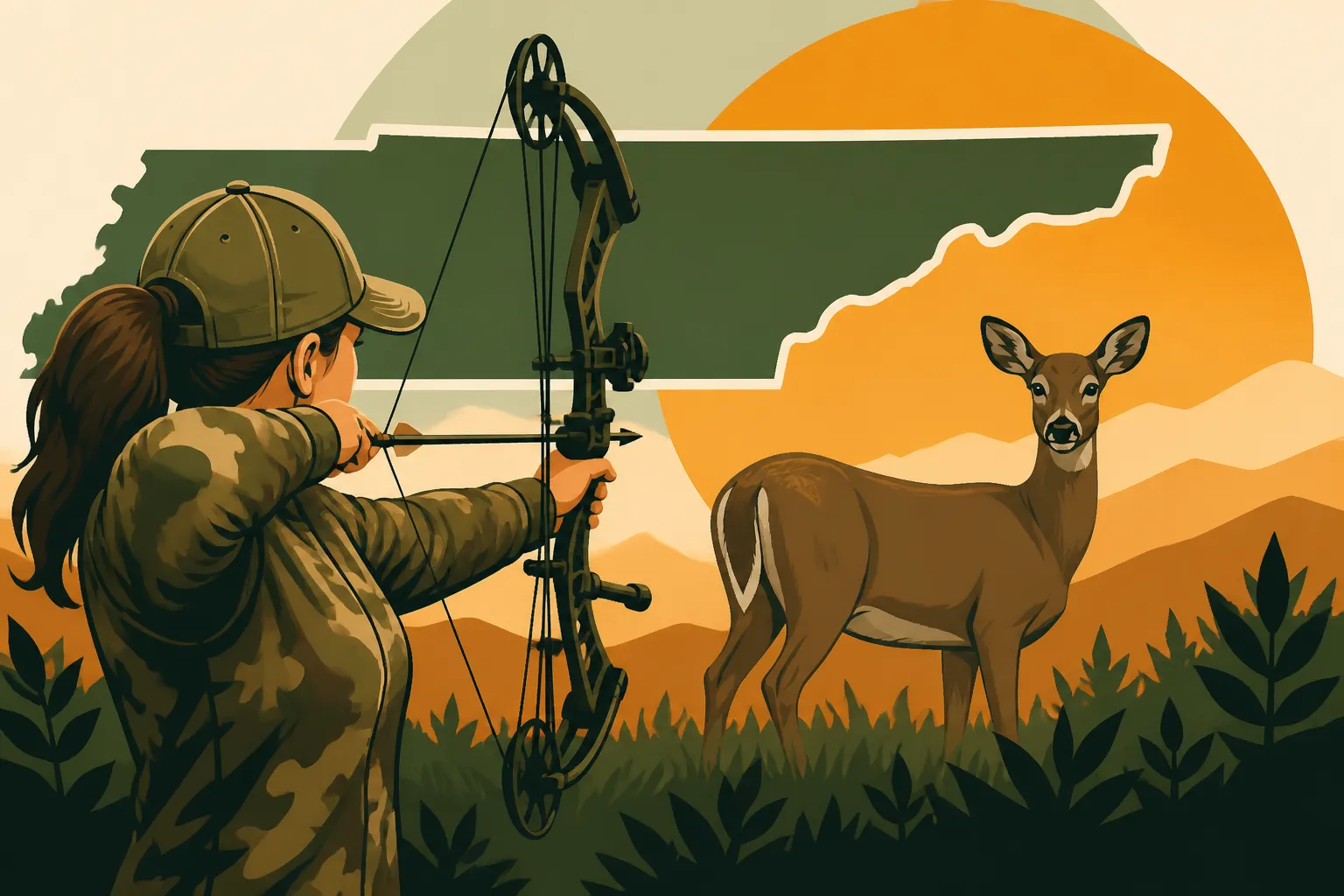
Secondly, it's archery-only. This means vertical bows (compound, recurve, longbow) are the only legal weapons. While crossbows are generally permitted during Tennessee's regular archery season, they are not allowed during this specific August antlerless-only hunt unless the hunter possesses a valid disabled hunting permit. It's a crucial distinction. Always double-check the current TWRA regulations before heading out, as rules can sometimes change. Beyond your weapon, you’ll also need your current Tennessee Hunting Licenses and What They Cost and a big game permit. Make sure you've purchased these well in advance through the Go Outdoors Tennessee website or a licensed agent. It might seem like a no-brainer, but verifying you have all the correct tags and permits for the specific game and season is often overlooked in the excitement of a new season.
Scouting and Locating Deer in Late Summer
Scouting for deer in August is a different beast entirely from tracking them in the fall. You're dealing with lush, thick foliage, high temperatures, and deer still very much in their summer patterns. Success hinges on understanding their immediate needs: food, water, and shade.
Key Food Sources and Water During August
When you hit the woods in August, you're not looking for fallen acorns everywhere just yet. Deer at this time are heavily reliant on soft mast and early-ripening fruits. Think persimmons. If you can find a persimmon tree that's dropping ripe fruit, especially one tucked away in a secluded woodlot or along a field edge, you've hit the jackpot. Muscadines are another fantastic August food source. Look for these wild grapes climbing trees along creek bottoms or on sunny edges. Deer absolutely love them.
Early dropping white oaks can also start providing a valuable food source, but these are often hit-or-miss depending on the year and specific tree. Don't overlook agricultural fields either. Soybeans, alfalfa, and even lush clover food plots can be major drawcards, especially if they're close to thick cover. These are the kinds of spots where does and their fawns will congregate, feeding heavily as they build reserves. Water sources are incredibly important. With the August heat, deer need to drink regularly. Look for trails leading to secluded ponds, springs, or even slow-moving creeks. A small seep in a shaded hollow could be a goldmine. When you're out Scouting Tennessee Public Land Before Season, pay close attention to any moist areas or natural water points; these will be magnets.
Identifying Antlerless Deer Travel Patterns
In August, deer patterns are largely dictated by comfort and sustenance. They're trying to stay cool, avoid bugs, and find enough to eat. Does and fawns will often travel in predictable groups from bedding areas to feeding grounds, often making multiple trips to water. Their bedding areas will typically be in thick, shady cover – dense cedar thickets, brushy creek bottoms, or the coolest, darkest parts of a deep woods. Pay attention to how the wind and thermals affect these travel routes. In the mornings, thermals will typically pull air downhill, and in the evenings, they'll draw it uphill. This dictates how deer approach and leave bedding and feeding areas.
Look for well-worn trails leading out of thick cover towards those prime food sources or water. These trails might not be as pronounced as they'll become during the rut, but they'll be there. You're looking for subtle signs: fresh tracks in soft earth near water, nibbled vegetation, or droppings. Focus on areas that offer easy access to cover, food, and water. A secluded field edge bordering a dense woodlot, or a bend in a creek that offers both water and muscadine vines, could be ideal ambush points. Remember, antlerless deer are generally less wary than mature bucks, but they still have keen senses, especially in areas with hunting pressure.
Strategic Hunting Tactics for Warm Weather
Hunting in August means dealing with temperatures that can easily climb into the 80s and 90s, high humidity, and a healthy population of biting insects. These factors demand a completely different set of tactics than what you might use in cooler months.
Minimizing Scent and Managing the Heat
In the stifling August heat, scent control becomes an even more critical factor. Deer are already on high alert, and human odor carries exceptionally well in warm, humid air. Start with scent-free laundry detergent for all your hunting clothes. Shower with scent-eliminating soap before you go and use antiperspirant. Consider bringing a change of clothes for the walk in, then switching to your hunting clothes once you're close to your stand. This can help minimize sweat-soaked clothing before you even start hunting.
Beyond that, you need to understand thermals. In the morning, as the sun heats the earth, air typically flows downhill. In the evening, as the air cools, it flows uphill. Your stand placement needs to account for this. If you're hunting an evening feed, set up on the downwind side, accounting for rising thermals. For a morning hunt, consider how the falling thermals will carry your scent. Short hunts are often more effective. Don't sit all day; focus on prime periods like the first two hours of daylight and the last two hours of evening. The middle of the day is often too hot for deer to be moving much, and it's certainly too hot for human comfort.
Hydration is key for you. Bring plenty of water and consider electrolyte drinks. A cooling towel can be a lifesaver. You want to be comfortable and focused, not miserable and dehydrated. Think about how deer are trying to stay cool too; this will influence where they move. They'll be looking for shady, breezy spots, which might draw them through unexpected corridors.
Setting Up for Early Season Success
With the dense summer foliage, visibility can be severely limited, making shot placement even more challenging. Your setup needs to maximize your advantage over deer moving through thick cover. Elevated treestands or saddle hunting setups can work well, giving you a better view over the underbrush, but access and ascent can be sweaty work. Look for trees that offer natural screening, allowing you to get into position without being noticed.
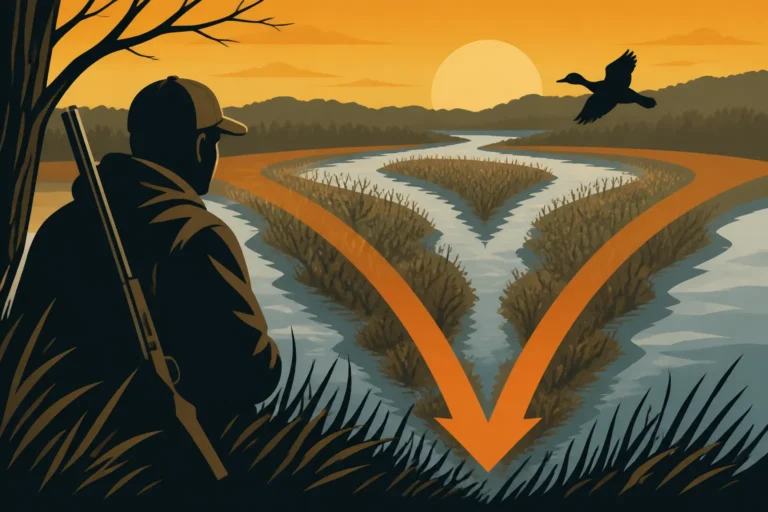
Ground blinds are often a fantastic option for the August hunt. They offer excellent concealment, help contain some of your scent, and provide shade and bug protection. If you're Using a Ground Blind on Tennessee Public Land, make sure it's brushed in naturally and set up well in advance if possible to allow deer to get used to it. The key is to place your blind or stand along a known travel corridor between a bedding area and a preferred food or water source. Think about bottlenecks, funnels created by terrain features, or where trails merge.
Consider setting up closer to bedding areas than you might during the general season, but still maintaining enough distance to avoid bumping deer. The dense cover often allows for closer encounters. Your shot opportunities might be fleeting and at closer ranges, so practice those short-range shots and be ready for quick decision-making. Scouting with apps like GoHunt can help you identify these key areas and plan your access routes efficiently, considering both scent and terrain.
Post-Harvest Care and CWD Considerations
The moment of truth arrives, and you've harvested an antlerless deer. Congratulations! But the job isn't done, especially not in the August heat. Proper post-harvest care is paramount to salvaging your meat.
Rapid Game Recovery and Meat Preservation
This is probably the most critical aspect of hunting in warm weather: rapid game recovery. Every minute counts. Unlike a cold November morning where you might let a deer lie for an hour or two, in August, you need to be on that deer as quickly and safely as possible. A deer left in 80-degree heat for too long will spoil quickly, especially if the gut cavity isn't opened to allow heat to escape. If you're tracking a deer through the thick August woods, be prepared for a challenge. Blood Trailing After Dark in Tennessee might be necessary, but try to avoid it if possible due to the heat.
Once you find your deer, get it gutted immediately. Don't delay. Open up that body cavity to let the heat out. Consider using the gutless method in extreme heat or if you have a long drag, as it allows you to get the meat off the bone and into coolers faster. For a detailed guide on field dressing, you might reference Field Dressing a Deer in Cold Weather and adapt the principles for speed and heat management. Get the deer, or its deboned meat, on ice as soon as humanly possible. Large coolers filled with ice are not optional; they are essential. If you’re far from your vehicle, consider using game bags and an external frame pack to shuttle meat out, frequently checking ice levels to ensure proper cooling. Having an extra set of hands with you is a huge benefit for hauling and getting the animal cooled down quickly.
Navigating CWD Regulations for August Deer
Chronic Wasting Disease (CWD) is a serious concern for Tennessee deer hunters, and the August hunt is no exception. If you're hunting in any of Tennessee's CWD-positive counties or the surrounding CWD Management Zone, there are specific rules you must follow. This includes carcass transport restrictions and mandatory CWD testing.
Before you go, check the current TWRA CWD zone map to determine if your hunting location is affected. If it is, you'll need to understand Tennessee's Chronic Wasting Disease Management Zone rules. Typically, this means you cannot transport whole carcasses out of the CWD zone. You'll need to debone the meat within the zone, and you can only transport specific parts like deboned meat, clean skull plates, and capes.
Many counties in the CWD zone have mandatory testing requirements or strongly encouraged voluntary sampling stations. Take advantage of these! It's how we monitor the disease and ensure the health of our deer herd. Be prepared to submit samples at a Finding a Tennessee CWD Sampling Station. The TWRA website and the Go Outdoors Tennessee app are excellent resources for the most up-to-date CWD regulations and sampling locations. Don't cut corners here; responsible hunting includes adherence to wildlife health regulations.
Gear Considerations for the August Hunt
Beyond your standard archery setup, the August hunt demands specific gear choices to combat the heat, humidity, and bugs while maximizing your effectiveness.
Archery Equipment and Accessories
For the antlerless-only archery hunt, your primary focus is on reliable, accurate equipment that you're proficient with. A vertical bow, whether compound, recurve, or longbow, is your only legal option (unless you have a crossbow permit for disability). Ensure your bow is tuned, and you've practiced extensively, especially for those close-range, through-the-brush shots that are common in thick August cover.
Fixed-blade broadheads are often preferred by many hunters for their reliability and penetration on tougher bone, but mechanical broadheads can certainly do the job if you're confident in their performance. Just ensure whatever broadhead you choose is razor-sharp. Given the dense foliage, consider an arrow setup that offers good penetration. A rangefinder is always a good idea, even for short shots, as judging distance accurately through thick leaves can be deceptively difficult. Rangefinders Under 100 Yards are particularly useful here, as most shots will be short.
Don't forget your bug spray! Permethrin treatment for your clothes a few days before the hunt can significantly reduce tick and chigger encounters, and a good DEET spray for exposed skin will help with mosquitoes. Headlamps for early morning walks and late evening recoveries are essential. When considering gear, think lightweight and efficient. The less bulk you have to carry in the heat, the better. GoHunt's gear reviews can often provide insights into durable, lightweight options suitable for demanding conditions.
Clothing and Comfort in the Tennessee Heat
Forget your heavy wool and insulated layers for this hunt. August demands clothing that is lightweight, breathable, and designed to wick moisture away from your body. Synthetic fabrics are generally your best friend here. Look for light colors or patterns that blend with the green foliage, rather than the browns of fall.
A good base layer that wicks sweat is crucial. Over that, wear light pants and a long-sleeve shirt, even in the heat, for sun protection and bug deterrence. Some hunters even prefer light mesh-backed vests. Brands like Sitka, Kuiu, or even more budget-friendly options from Bass Pro Shops or Cabela's offer excellent warm-weather hunting apparel. A wide-brimmed hat can provide crucial shade for your face and neck.
Perhaps most importantly, consider scent-control clothing. While no clothing makes you truly "scent-free," options with activated carbon or silver antimicrobial treatments can help minimize odor in sweaty conditions. Remember, you're fighting an uphill battle against your own perspiration, so every little bit helps. And don't forget comfortable, breathable hunting boots. Mud and wet ground are common in August, so something waterproof but not overly insulated is ideal.
Public Land Strategies and Permission
Hunting the August antlerless-only season on public land in Tennessee offers fantastic opportunities, but it also comes with unique challenges, including potential pressure and finding productive spots.
Finding Productive Public Land Spots
Public lands in Tennessee, like many Wildlife Management Areas (WMAs) or sections of the Cherokee National Forest, offer vast expanses for hunting. The key to success, especially during an early, niche season like the August antlerless hunt, is often finding ground that others walk past. This means getting away from easy access points, parking lots, and well-worn trails. Think about how far the average hunter is willing to walk, and then push beyond that.
Focus your scouting on areas that provide a combination of dense cover, reliable water sources, and those early soft mast trees like persimmons or muscadines. Creek bottoms, overlooked thickets, and remote hollows can hold deer that are less pressured. Use satellite imagery and topographic maps from tools like GoHunt or the TWRA app to identify potential bedding areas and travel corridors that are hard to reach. A small bench on a steep hillside, or a hidden field edge deep in a WMA, could be a gold mine. Remember, deer are seeking solitude and comfort from the heat and bugs, so areas that offer dense canopy and airflow will be favored. Don't be afraid to put in the miles; it often pays off when everyone else is sticking to the easily accessible spots. For more ideas on finding hidden gems, check out Finding Ground Others Walk Past.
Securing Private Land Access for Antlerless Opportunities
While public land is a great resource, securing private land permission can significantly increase your success during the August antlerless hunt. Many landowners, especially farmers, face issues with deer depredation on crops. Offering to harvest antlerless deer can be a mutually beneficial arrangement.
Approach landowners respectfully and professionally. Introduce yourself, explain the specific August antlerless-only season, and how you can help manage their deer population. Emphasize that you're only targeting does and that you'll be respectful of their property. Offer to help with chores or provide some venison in exchange for access. Showing up with a detailed plan – highlighting your commitment to safety, ethical hunting, and quick game recovery in the heat – can make a big difference.
Focus on properties adjacent to known deer bedding areas or those with agricultural fields that deer are actively feeding in. A small woodlot with a dropping persimmon tree on a farm could be incredibly productive. Having access to even a small private tract can relieve the pressure of public land and give you more control over your hunting experience. For a more detailed approach, consider reading Getting Private Land Permission in Tennessee.
August Antlerless Archery Hunt Key Considerations
To help you keep track of all the specifics for this unique early season, here's a quick reference table.
| Feature | Description | Important Note |
|---|---|---|
| Season Dates | Typically starts in late August; exact dates vary annually. | Always confirm on the current TWRA Hunting Guide. When Tennessee's Archery Season Opens |
| Deer Type | Antlerless Deer ONLY (does). | Positive identification is CRUCIAL to avoid violations. |
| Weapon Type | Vertical Bow ONLY (compound, recurve, longbow). | Crossbows are generally NOT permitted unless the hunter has a valid disabled permit. |
| License Requirements | Valid Tennessee hunting license and big game permit. | Purchase well in advance. |
| Primary Food Sources | Soft mast (persimmons, muscadines), early white oaks, lush green fields (soybeans, alfalfa). | Deer are targeting easily digestible foods. |
| Water Needs | Deer need constant access to water due to heat. | Focus scouting efforts around secluded ponds, springs, and creeks. |
| Scent Control | Paramount due to heat and humidity. | Scent-free everything, play the wind/thermals. Consider a change of clothes for the stand. |
| Game Recovery | IMMEDIATE recovery is critical to prevent meat spoilage. | Have coolers with ice ready. Consider gutless method for quick cooling. |
| CWD Zone Rules | Adhere to carcass transport restrictions and testing requirements if hunting in affected counties. | Debone meat within the zone; utilize sampling stations. Tennessee CWD Testing for Hunters |
| Clothing | Lightweight, breathable, moisture-wicking synthetics. | Light colors/camo for summer foliage. Permethrin and bug spray are a must. |
| Public Land Strategy | Hunt remote, less-pressured areas. Focus on thick cover, water, and food sources away from access points. | Use scouting apps like GoHunt to find hidden spots. |
| Private Land Strategy | Offer to help landowners with deer management by harvesting antlerless deer. | Be professional and respectful. |
Disclaimer
Please remember that hunting regulations and season dates can change. Always consult the current Tennessee Wildlife Resources Agency (TWRA) Hunting and Trapping Guide or visit their official website before heading afield to ensure you are fully compliant with all state and local laws. This guide is for informational purposes only and should not be considered a substitute for official regulations.