Packs for a Day on Public Land
Hitting the public lands in Tennessee for a day of hunting can be an incredible experience, but it often comes with the frustration of being far from your truck, needing a piece of gear, and realizing it's buried at the bottom of a chaotic pack. We've all been there: fumbling for a rangefinder as a buck walks off, or reaching for water only to find it's warm and tucked away. This guide is all about helping you choose and organize the perfect day pack so you can hunt smarter, stay comfortable, and have everything you need literally at your fingertips for your next adventure in the Volunteer State.
Why Your Day Pack is More Than Just a Bag on Tennessee Public Land
When you're hunting public land in Tennessee, whether it's the steep, unforgiving terrain of the Cherokee National Forest or the sprawling bottomlands of West Tennessee, your day pack isn't just an accessory—it's your lifeline. Unlike private land hunts where you might have an ATV or be just a short walk from your vehicle, public land often demands you carry everything you need for 8-10 hours, sometimes more, miles deep into the wilderness. This isn't the time for a flimsy school backpack or a bulky pack designed for multi-day excursions. You need something purpose-built, something that feels like an extension of yourself, not a burden.
Think about it: a sudden change in weather on the Cumberland Plateau can turn a pleasant morning into a frigid, rainy afternoon. Without the right layers packed strategically, your hunt is over. Or imagine you've just made a great shot on a deer, but your field dressing kit is lost in a black hole of gear, and darkness is closing in. These are real scenarios, and the right day pack, properly loaded, is the difference between success and a frustrating, sometimes uncomfortable, end to your day. It’s about being self-sufficient, prepared for the unexpected, and able to react quickly to opportunities. Every item you carry, and where you carry it, contributes to your overall effectiveness and enjoyment of the hunt. It might seem like a small detail, but neglecting your pack can have huge consequences when you’re out there.
Key Features to Look For in a Public Land Day Pack
Choosing the right day pack for public land hunting in Tennessee involves balancing several critical factors. You're looking for a sweet spot between carrying enough gear and not being overloaded. This isn't a one-size-fits-all answer, as the "perfect" pack depends on your hunting style, the terrain, and the time of year. However, there are some universal features that will make your life a whole lot easier.
Capacity and Size Considerations
For most day hunts, a pack in the 1,500 to 3,000 cubic inch range is generally ideal. This capacity allows you to carry your essentials—water, snacks, rain gear, first aid, calls, knife—without being so large that it becomes cumbersome or catches on every branch. If you plan on doing still-hunting through thick brush or walking long distances, a more streamlined 1,500-2,000 cubic inch pack might be better to avoid snags. However, if you're treestand hunting and need to carry a heavier jacket, a Treestand Safety Gear for Steep Ground, a thermos, or even a compact saw for clearing shooting lanes, bumping up to 2,500-3,000 cubic inches offers that extra flexibility. It’s a constant trade-off, and finding what works for you will likely involve trying a few different sizes. You don't want so much room that everything rattles around, but enough that you aren't stuffing items to the point of bursting seams.
Comfort and Fit for Long Hauls
This is probably the most overlooked aspect of a good hunting pack. You'll be walking miles, often up and down steep hills, through uneven terrain. A pack that doesn't fit well or distribute weight properly will create hot spots, pinch nerves, and turn your hunt into a miserable hike. Look for adjustable shoulder straps, a padded hip belt, and a sternum strap. The hip belt is especially crucial as it transfers much of the pack's weight from your shoulders to your hips, where your body is better equipped to carry it. Ensure the padding is substantial but not overly bulky, allowing for a full range of motion.
Load lifter straps, which connect the top of the shoulder straps to the top of the pack, are another game-changer. They pull the pack closer to your body, preventing it from sagging and shifting, which is invaluable when scrambling over rocks or climbing into a stand. Try on packs with some weight in them—even if it's just a few water bottles—and walk around the store if you can. Bend, squat, and simulate movements you'd make in the woods. Pay attention to how the weight feels and if there are any points of uncomfortable pressure.
Material Durability and Weather Resistance
Tennessee weather is notoriously unpredictable. One moment it's clear and sunny, the next you're caught in a pop-up shower. Your pack needs to be tough enough to handle briars, sharp branches, and repeated abuse, while also protecting your gear from moisture. Look for durable, abrasion-resistant fabrics like Cordura or robust nylon. While "waterproof" packs exist, many are just water-resistant, meaning they'll shed light rain but won't keep contents dry in a downpour. Consider a pack with a built-in rain cover, or invest in a separate one. Even better, use dry bags or Ziploc bags for critical items like your phone, license, and extra clothing inside your pack. This layered approach to weather protection is usually the most reliable. Also, think about quietness. A pack that crinkles or rubs loudly every time you move will betray your presence to wary game. Test the zippers and buckles for noise.
What to Actually Put in Your Pack for a Tennessee Day Hunt
Alright, let's talk about the guts of your pack. What you carry can vary slightly based on the season, the specific game you're after, and the area you're hunting—whether you're Hunting the Cumberland Plateau or a river bottom—but there's a core set of items that no Tennessee public land hunter should leave home without. Prioritizing these essentials means you’re ready for anything the day throws at you.
Hydration and Nutrition
This is non-negotiable. Dehydration and low energy can quickly sap your focus and enjoyment, especially during strenuous walks or warmer early season hunts.
- Water: Carry more than you think you'll need. A 2-3 liter hydration bladder is often preferred because it allows you to drink on the move without stopping and fumbling for a bottle. Many packs have dedicated hydration sleeves. If you prefer bottles, make sure they're easily accessible in side pockets. For longer treks, consider a water filter or purification tablets as a backup.
- Snacks: High-energy, non-perishable snacks are key. Think protein bars, trail mix, jerky, or dried fruit. Avoid anything that can melt easily in warmer temperatures or become noisy when trying to open. These aren't just for hunger; they can be critical for maintaining blood sugar and focus if you're out longer than planned.
- Electrolytes: Small packets of electrolyte powder can be a lifesaver in hot weather or after a long, sweaty hike. They replenish what you lose through sweat and help prevent cramping.
Navigation and Communication
Getting lost on public land is a real danger, and sometimes cell service is nonexistent. Having reliable navigation is paramount.
- Maps and Compass: Even if you rely on a GPS unit or a phone app like GoHunt, always carry a physical map of the area and a compass. Batteries die, screens crack, and signals can drop. Learn how to use them before you need them.
- GPS Unit/Phone with Mapping App: Modern GPS units or mapping apps like GoHunt offer incredible detail, showing property lines, terrain features, and satellite imagery. Always download offline maps before you leave home, especially if you know you'll be in an area with spotty service. Consider an external battery pack for your phone; nothing stinks more than a dead phone when you're trying to find your way back to the truck after dark. Our article on GPS Units Versus Phone Apps might offer more insight here.
- Two-Way Radio (Optional but Recommended): If hunting with a partner, two-way radios can be invaluable for staying in touch, especially in rugged terrain where line of sight is broken.
First Aid and Emergency Gear
Accidents happen. Being prepared for minor injuries or emergencies is crucial, especially when you're far from immediate help.
- First Aid Kit: A compact kit should include bandages, antiseptic wipes, pain relievers, moleskin for blisters, allergy medicine, and any personal medications. Don't skimp here. A separate, more detailed article on First Aid Kits for Remote Cherokee Forest Ground goes into depth on this.
- Headlamp/Flashlight: Essential for walking in before dawn or out after dusk. Even if you plan to be back before dark, delays happen. A small, bright headlamp with extra batteries is a must.
- Fire Starter: Waterproof matches, a lighter, or a ferro rod can be critical for signaling or staying warm in a true emergency.
- Whistle: A loud whistle is an excellent signaling device if you get lost or need to attract attention.
Hunting-Specific Essentials
These are the items that directly support your hunt.
- Game Processing Kit: Gloves, a sharp knife, game bags, and perhaps a small saw are essential for field dressing. Consider Field Dressing Knives Worth Carrying for recommendations.
- Calls: Whatever calls you use for your target species (deer grunts, turkey yelpers, etc.) should be easily accessible.
- Rangefinder and Binoculars: Keep these in accessible pockets or a bino harness so you can quickly glass an area or range a shot. For example, when you're Glassing a Powerline Cut at Last Light, quick access to your optics is key.
- License and Tags: Your hunting license and any required tags must be on your person. Keep them in a waterproof pouch.
- Wind Checker: A small bottle of powder can help you confirm wind direction before making a move.
- Blaze Orange/Pink: If required for the season you're hunting, ensure you have it in an easily accessible pouch to put on when walking out or in. Check Blaze Orange Jackets Versus Vests for compliance details.
Seasonal and Situational Additions
Depending on the specific hunt, you might add:
- Extra Layers: During fall or winter hunts, always pack an extra warm layer (fleece, down jacket) and rain gear. It's better to shed layers than to shiver. Consider Layering for a Tennessee Deer Stand for tips.
- Insect Repellent: Especially important during early archery season or spring turkey hunts.
- Sunscreen/Hat: For open country or sunny days.
- Game Cart/Sled (optional): Not in the pack, but worth mentioning that if you're hunting in flat river bottoms, a compact game cart can save your back when retrieving game. For rugged terrain, a deer sled that rolls up and stores in the pack is often a better option than nothing.
Organizing Your Pack for Quick Access and Efficiency
Having all the right gear means nothing if you can't find it when you need it. A well-organized pack can be the difference between a successful, smooth hunt and a frustrating, noisy mess. This is where you become a strategic packer, thinking through every step of your hunt and placing items accordingly.
The "Bottom, Middle, Top" Method
Think of your pack in layers.
- Bottom Layer (Least Used): Items you might need but probably won't, or things you only need once you're back at the truck. This includes emergency fire starter, extra batteries, a survival blanket, or spare socks. You don't want to dig for these during the hunt.
- Middle Layer (Less Frequent Access): Bulkier items that you'll use once you reach your stand or location, but not constantly throughout the walk. This might be your lunch, a heavier rain jacket that you only pull out if it storms, or a small ground pad for sitting.
- Top Layer (Most Used/Quick Access): These are your "grab-and-go" items. Your rangefinder, wind checker, calls, knife, and a quick snack should be in the top pocket or an easily accessible side pocket. Your water hydration hose should be clipped to your shoulder strap. The goal is to get to these items with minimal movement and noise.
Utilizing External Pockets and Loops
Most good hunting packs come with multiple pockets and attachment points. Use them!
- Side Pockets: Great for water bottles, a small saw, or even your binoculars if you don't use a chest harness. Ensure they are secure so items don't fall out when bending over.
- Hip Belt Pockets: These are invaluable. Use them for your phone (with offline GoHunt maps loaded, of course!), license, a small snack, or a wind checker. Anything you need while actively moving or sitting quietly should be here. This reduces the need to remove your pack and rummage.
- Front/Lid Pockets: Ideal for calls, a headlamp, gloves, or a small first aid kit.
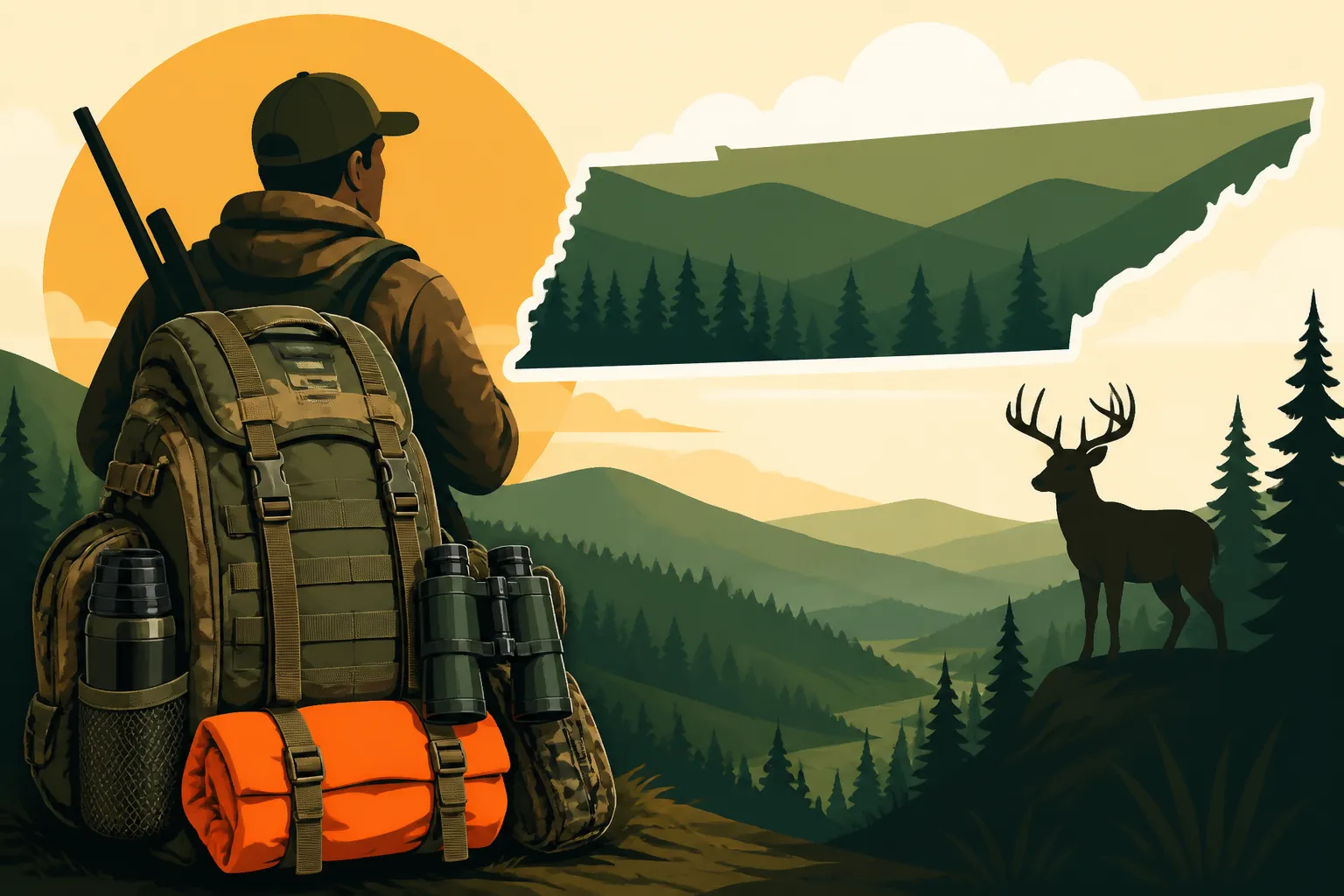
- External Straps: Many packs have external compression straps or loops. These are perfect for attaching a rolled-up jacket after the morning chill wears off, or for securing a compact Using a Ground Blind on Tennessee Public Land. Make sure anything attached externally is cinched down tight to prevent swinging and noise.
Noise Reduction and Weather Protection
Silence is golden in the woods.
- Wrap or Pad Noisy Items: Anything metal or hard that can clank or rattle should be wrapped in a sock, cloth, or tucked into a soft pouch. Your rangefinder, extra ammo, or even a thermos can be surprisingly loud.
- Dry Bags and Ziplocs: Not only do these protect against rain, but they can also help organize smaller items and prevent them from rattling around. Place spare layers in a dry bag to keep them dry and compressed.
- Keep a Clear "Kill Zone": Designate specific, easily accessible pockets for your most critical hunting tools—your rangefinder, calls, and knife. Practice retrieving these items quietly and efficiently. When you're Rattling and Grunting in Tennessee, you want to make sure your calls are right there, not buried.
By thinking through what you need, how often you need it, and how to access it silently, you transform your day pack from a simple carrying device into a strategic piece of hunting gear. A well-prepared pack allows you to focus on the hunt itself, rather than wrestling with your equipment.
| Pack Area | Common Items Stored | Access Priority | Noise Reduction Tips |
|---|---|---|---|
| Main Compartment | Extra layers, rain gear, lunch, larger first aid kit | Low/Medium | Use dry bags/stuff sacks to compress and silence |
| Top Lid/Pocket | Calls, headlamp, small first aid, compass, map | High | Wrap hard items in cloth, secure zippers |
| Hip Belt Pockets | Phone, license, small snack, wind checker, rangefinder | Highest | Soft items only, test for easy, quiet opening |
| Side Pockets | Water bottles, small saw, GPS, extra gloves | Medium | Use elastic straps, ensure snug fit for bottles |
| External Straps | Rolled jacket, compact ground blind, treestand base (if light) | Low | Cinch tight, avoid dangling parts, check for rubbing |
Remember, your pack is an investment in comfort, safety, and success. Treat it as such, and it will serve you well on the diverse public lands Tennessee has to offer. Before any hunt, take a moment to review your pack and make sure it’s ready for the task at hand, perhaps even using a mapping tool like GoHunt to visualize your planned route and anticipate your needs.
Disclaimer
This article is for general informational purposes only and does not constitute professional advice. Laws, prices and regulations vary by location and change over time. Consult a qualified professional for guidance on your specific situation.