First Aid Kits for Remote Cherokee Forest Ground
The deep woods of the Cherokee National Forest call to many Tennessee hunters, offering solitude, challenging terrain, and the chance to truly immerse oneself in the wild. Yet, that very remoteness, while a primary draw, also introduces significant risks. When you're miles from the nearest road, with no cell service and hours from professional medical help, a twisted ankle, a deep cut, or even a sudden allergic reaction can quickly turn a memorable hunt into a life-threatening emergency. This guide isn't about scaring you, but empowering you to recognize the unique dangers of such wild places and equip yourself with a first aid kit specifically tailored for the demanding environment of the Cherokee National Forest.
The Harsh Realities of Cherokee National Forest and Why a First Aid Kit Isn't Optional
Hunting in the vast expanses of the Cherokee National Forest is an experience unlike any other in Tennessee. It's a land of steep ridges, deep hollows, rushing creeks, and dense timber, far removed from the easily accessible fields and woodlots of more populated areas. This wildness demands a higher level of self-sufficiency, especially when it comes to personal safety and emergency preparedness.
The Isolation Factor
One of the most striking aspects of hunting in the Cherokee National Forest is the profound sense of isolation. Unlike suburban or even rural private land, help isn't just a phone call and a short drive away. Cell phone service is spotty at best, often non-existent in the deep hollows or behind rugged ridgelines. If you or a hunting partner experiences an injury or medical emergency, you could be facing a multi-hour trek just to reach a road where you might find a signal, let alone the time it takes for emergency services to locate and reach you.
Imagine you're still-hunting a remote section of the forest, perhaps following a faint deer trail along a rocky drainage, and you misstep, twisting your ankle severely. In a local park, that might mean a quick call to a friend for a ride home. Deep in the Cherokee, however, it means the agonizing reality of trying to self-rescue over unforgiving terrain with a compromised limb, or waiting hours, possibly overnight, for someone to realize you're overdue and begin a search. This isolation elevates even minor incidents to serious concerns, making immediate self-care capabilities absolutely non-negotiable.
Common Hunting-Related Injuries and Ailments
The act of hunting itself, combined with the challenging environment, presents a specific set of injury risks. It's not just about a stray bullet or a fall from a tree stand—though those are certainly critical concerns we always plan to avoid. More often, it's the cumulative wear and tear, or a momentary lapse in focus, that leads to trouble.
Cuts and lacerations are surprisingly common, whether from field dressing a deer with a sharp knife, accidentally brushing against a razor-sharp briar patch, or a broadhead slipping during handling. A simple cut can become infected quickly in a wilderness setting, especially if not cleaned and dressed properly. Sprains, strains, and even fractures are a constant threat due to the uneven, often slippery ground, steep inclines, and the heavy gear we carry. A slip on a wet moss-covered rock while Hunting Tennessee River Bottom Funnels or a misstep on a leaf-covered log while traversing a Hunting a Ridge-Top Saddle for Rutting Bucks can easily lead to a debilitating injury. Dehydration, especially during early archery season, and hypothermia during colder periods, are also very real risks. While less common, encounters with venomous snakes (like rattlesnakes or copperheads) are also a possibility, though direct bites are rare, and proper education on avoidance is key. Each of these scenarios can be managed more effectively if you have the right tools and knowledge at hand.
Unexpected Emergencies Beyond the Hunt
While hunting-specific injuries are top of mind, it’s crucial to remember that general medical emergencies don't magically disappear when you enter the woods. A hunter could suffer a sudden heart attack, a stroke, or an unexpected severe allergic reaction to an insect sting or plant. These situations require immediate intervention, and again, the remote nature of the Cherokee National Forest drastically reduces the time available for external help to arrive.
Beyond purely medical incidents, unforeseen events like getting lost or adverse weather conditions can quickly escalate. A small cut, if left unattended while you're disoriented and exposed to the elements, can turn into a serious issue. Furthermore, your first aid kit isn't just for you; it's for anyone in your hunting party, or even a fellow hunter you might encounter in distress. Being prepared means being able to assist yourself and others effectively, ensuring that everyone has the best possible chance of getting home safely. It's about being a responsible outdoors person, not just a responsible hunter.
Building Your Comprehensive Cherokee Forest First Aid Kit
Putting together a first aid kit for remote hunting isn't about grabbing a generic pre-packed box from the pharmacy. It requires careful thought, consideration of specific risks, and often, a little customization. Think of it as a life insurance policy in a bag—you hope you never need it, but you're profoundly grateful when you do.
Basic Wound Care Essentials
Most wilderness injuries involve cuts, scrapes, and blisters. Having the right supplies to manage these effectively can prevent infection and alleviate discomfort, which is especially important when you might be days away from home.
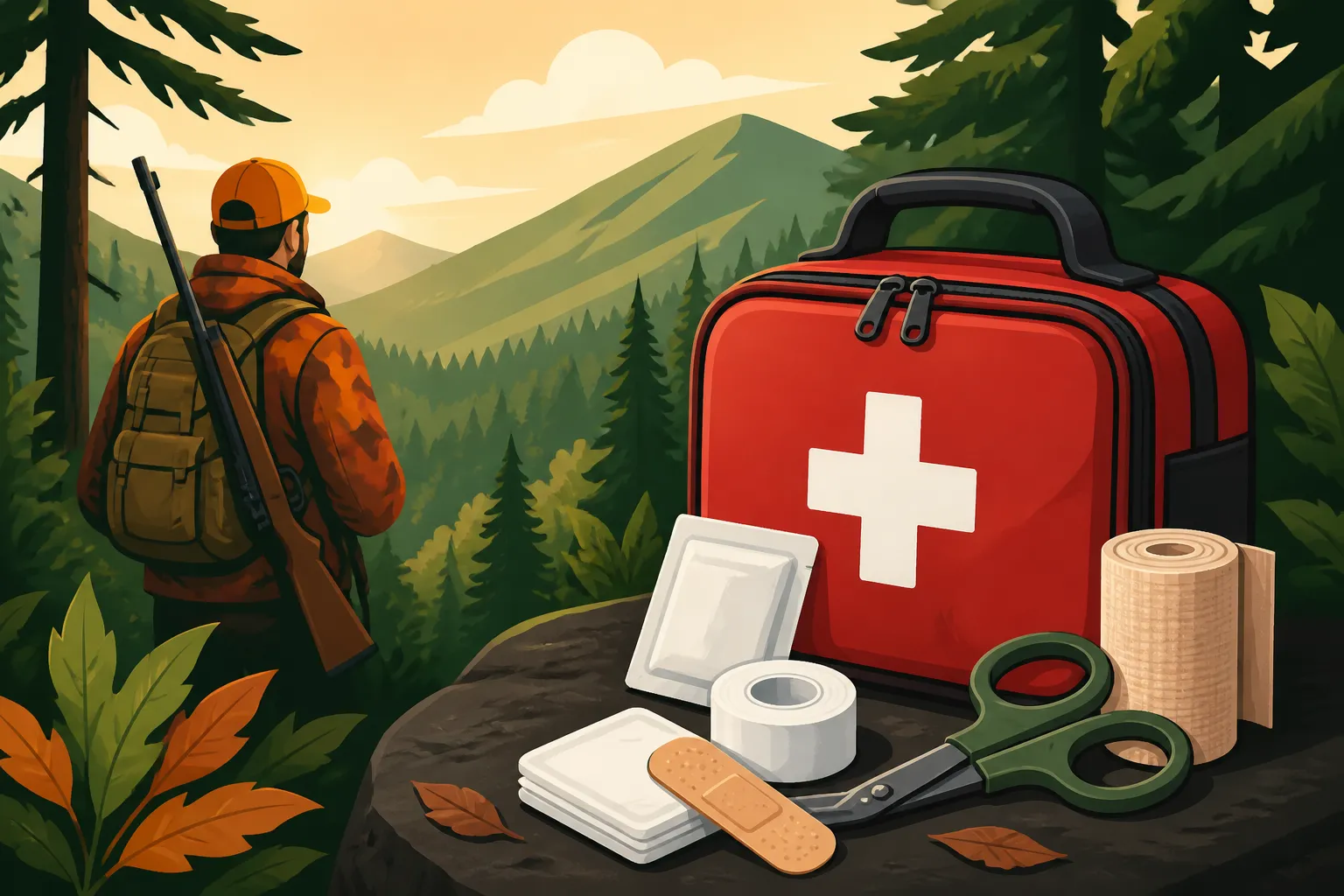
Your kit should absolutely start with several pairs of nitrile gloves. You never want to expose an open wound, either yours or someone else's, to dirty hands. Next, a good supply of antiseptic wipes or a small bottle of antiseptic solution (like Betadine or an iodine prep pad) is critical for cleaning wounds thoroughly. For coverage, pack an assortment of sterile gauze pads, from 2×2 to 4×4 inches, along with a roll of self-adhering rolled gauze to secure dressings. Medical tape, both cloth and waterproof, is also invaluable. Don't forget an array of adhesive bandages (Band-Aids) in various sizes, especially those meant for tough, outdoor use. For deeper cuts that might benefit from closing, include butterfly bandages or Steri-Strips, which can sometimes prevent the need for stitches or at least hold the wound together until professional care can be sought. Finally, a small pair of clean, sharp scissors for cutting tape or gauze, and a fine-point pair of tweezers for splinter removal, complete your basic wound care. These simple items, when used correctly, can make a huge difference in preventing complications.
Addressing Trauma and More Serious Injuries
While we hope to never face severe trauma, preparedness means acknowledging the possibility. A bad fall, an accident with a sharp tool, or even an animal encounter can lead to serious bleeding or fractures that require immediate, decisive action.
For severe bleeding, a Combat Application Tourniquet (CAT) or a SOF Tactical Tourniquet-Wide (SOFTT-W) should be a non-negotiable item in your kit. These are designed for rapid application and can be a literal lifesaver in cases of arterial bleeding. Additionally, pack at least one Israeli compression bandage; these are excellent for applying direct, sustained pressure to a wound. Trauma shears are also incredibly useful for quickly cutting away clothing to access an injury. For suspected fractures or sprains, a SAM Splint is a compact and versatile solution that can be molded to immobilize almost any joint or limb. Pair this with several triangular bandages, which can be used as slings, improvised tourniquets, or to secure splints. Knowing how to properly use these items through training is just as vital as having them. When planning your route or scouting new ground, a tool like GoHunt can help you identify particularly rugged sections where falls might be more likely, reminding you of the need for these trauma-specific items.
Medications and Personal Health Items
Even if you're generally healthy, the physical demands of hunting can sometimes bring on unexpected symptoms, and existing conditions require careful management.
Include a variety of over-the-counter pain relievers, such as ibuprofen (for inflammation and pain) and acetaminophen (for pain and fever). Antihistamines, like diphenhydramine (Benadryl), are essential for allergic reactions to insect stings or plants, which can range from mild discomfort to dangerous anaphylaxis. If you or a hunting partner has a known severe allergy, carrying a prescribed EpiPen is critical. Anti-diarrhea medication and antacids can provide immense relief from gastrointestinal distress that could otherwise incapacitate you. Don't forget blister treatment—moleskin, blister pads, and specialized tapes can save your feet on long treks. Crucially, any personal prescription medications (e.g., for heart conditions, diabetes, asthma) must be carried in sufficient supply, clearly labeled, and kept in a waterproof container. Inform your hunting partners about your medical conditions and where your medications are stored.
Essential Tools and Miscellaneous Items
Beyond purely medical supplies, certain tools and miscellaneous items significantly enhance the functionality and life-saving potential of your first aid kit, extending its utility into general survival.
A bright, reliable headlamp or flashlight with extra batteries is vital for treating injuries in low light or navigating after dark, especially if you're tracking a deer through dense cover after sunset. A signaling mirror and a loud whistle can be used to attract attention from rescuers or hunting partners if you become separated or incapacitated. Include a reliable fire starter—waterproof matches, a lighter, or a ferro rod—as maintaining warmth can be critical for someone in shock or suffering from exposure. A small, sturdy multi-tool with pliers, knife, and screwdriver functions is always handy. Don't underestimate the power of duct tape; a small, tightly wrapped roll can be used for repairs, improvised bandages, or securing splints. An emergency thermal blanket, often compact and lightweight, can help prevent hypothermia and treat shock. Lastly, water purification tablets or a small personal water filter are essential for ensuring a safe water supply, which is critical for hydration, especially if an injury prolongs your stay in the woods.
Here’s a simplified breakdown of kit components:
| Category | Essential Items (Core Day Hunt) | Extended Items (Multi-Day/Remote) |
|---|---|---|
| Wound Care | Nitrile Gloves, Antiseptic Wipes | Assorted Gauze, Medical Tape, Butterfly Strips |
| Band-Aids (various sizes) | Small Scissors, Tweezers | |
| Trauma | Tourniquet | Israeli Bandage, SAM Splint |
| Triangular Bandages | Trauma Shears | |
| Medication | Pain Relievers (Ibuprofen, Acetaminophen) | Antihistamines, Anti-Diarrhea, Antacids |
| Personal Prescriptions (as needed) | Blister Treatment (Moleskin) | |
| Survival/Tools | Headlamp/Flashlight + extra batteries | Signaling Mirror, Whistle, Fire Starter |
| Small Multi-tool | Emergency Blanket, Duct Tape (small roll) | |
| Water Purification Tablets | Satellite Messenger (optional but highly recommended) |
Customizing Your Kit for Cherokee Forest's Unique Challenges
The "one-size-fits-all" approach rarely works for wilderness first aid. The Cherokee National Forest presents diverse terrain, extreme weather fluctuations, and specific game species that demand a tailored approach to your preparedness.
Terrain-Specific Considerations
The varying topography of the Cherokee National Forest means your kit might need subtle adjustments. Are you spending most of your time on steep, rocky ridges, or are you primarily working through wet, muddy creek bottoms?
If your hunt takes you to areas with Hunting Cumberland Plateau Ridgelines or similar steep, rocky slopes, you'll want to emphasize ankle and knee support items. Elastic compression bandages (like Ace bandages) can provide much-needed stability for a minor sprain, helping you limp back to safety. More robust wound dressings for abrasions and deeper cuts are also wise, as falls on sharp rocks can create nasty injuries. Ensure your splinting material is versatile enough for awkward limb breaks. Conversely, if you're hunting in wet, muddy creek bottoms or near the Tennessee River, blister prevention and treatment become paramount. Your feet will be constantly damp, increasing the likelihood of painful hot spots and blisters. Pack extra moleskin, blister pads, and consider waterproof bandages. Ensure all your first aid supplies are stored in sturdy, waterproof bags or containers to protect them from the elements. Dense brush and thickets, common in regrowth areas or along game trails, might also necessitate a small magnifying glass and needle for thorn removal, or perhaps some eye drops if dust and debris are an issue.
Adapting for Weather and Season
Tennessee's weather can be notoriously fickle, often swinging wildly within a single day, especially in the mountains. Your first aid kit needs to reflect these potential environmental challenges.
During the warmer months of early archery season, when you might be Hunting the August Antlerless-Only Archery Hunt, insect repellent (though usually applied externally) and sting relief pads are important additions. Hydration salts or electrolyte mixes can combat dehydration from exertion and heat. Sunscreen is also crucial for preventing burns during long days in exposed areas. As fall progresses and transitions into the colder late season, when you're employing a Cold-Weather Sitting Strategy in Tennessee, the focus shifts dramatically. Pack extra hand and foot warmers to prevent frostbite. An emergency thermal blanket, as mentioned, becomes even more critical for treating hypothermia symptoms in someone who has fallen or is in shock. Consider adding a small bottle of hand sanitizer to your kit as well; while not directly weather-related, it becomes more important when water for handwashing might be scarce in freezing temperatures. For any wet conditions, whether from rain, snow, or crossing streams, ensure all your supplies are double-bagged or stored in a completely waterproof case to prevent contamination and damage.
Game-Specific Risk Assessment
While a first aid kit is for general emergencies, specific game animals can pose unique risks that are worth considering.
If you're among those dedicated to Hog Hunting Tennessee's Wild Boar, you understand the potential danger of an aggressive hog. While rare, a charging boar can inflict severe puncture wounds with its tusks. In such a scenario, your trauma management supplies—especially compression bandages and tourniquets—would be absolutely critical. For bear hunters venturing into Bear Hunting Cherokee National Forest, it's important to understand bear behavior and carry bear spray as a deterrent. While bear spray isn't a first aid item, it's a preventative measure that reduces the likelihood of needing a trauma kit for bear-related injuries. For deer hunting, beyond the obvious risks of knife or broadhead accidents, remember the physical strain of Dragging a Deer Out of a Steep Hollow. This can lead to back strains, muscle pulls, or even falls, reinforcing the need for pain relievers and effective splinting materials for potential fractures. Always consider the worst-case scenario for your specific hunt and pack accordingly.
Beyond the Kit: Cultivating a Culture of Preparedness
Having a well-stocked first aid kit is a fantastic start, but it's only one piece of the puzzle. True preparedness in remote hunting environments like the Cherokee National Forest involves knowledge, planning, and a commitment to safety beyond just the gear you carry.
Essential First Aid and Wilderness Training
The best first aid kit in the world is useless if you don't know how to use its contents effectively. This is why formal training is an absolute game-changer. Basic first aid and CPR courses are widely available and provide a foundational understanding of how to respond to common emergencies. However, for those venturing into truly remote areas, a Wilderness First Aid (WFA) or even a Wilderness First Responder (WFR) course is highly recommended.
These specialized courses teach you how to improvise with limited resources, manage prolonged patient care when help is hours or days away, and make critical decisions in austere environments. Learning how to properly apply a tourniquet, stabilize a fractured limb, or recognize the signs of hypothermia and heatstroke can be the difference between a successful self-rescue and a tragic outcome. Practicing these skills regularly, perhaps with your hunting partners, builds confidence and ensures that when an emergency strikes, your actions are automatic and effective, not hesitant. Don't just pack the kit; pack the knowledge to use it.
Communication, Navigation, and Emergency Planning
In remote areas where cell service is non-existent, communication and navigation become paramount. You can't call for help if you don't have a way to do it, and rescuers can't find you if you don't know where you are.
Investing in a satellite messenger (like a Garmin InReach or Zoleo device) is one of the most significant safety upgrades a remote hunter can make. These devices allow you to send SOS messages to emergency services, communicate with loved ones, and share your location even when miles from a cell tower. Alongside this technology, always carry traditional navigation tools: a detailed paper map of your hunting area and a compass. Know how to use them, even if you primarily rely on GPS devices or smartphone apps. Apps like GoHunt can be invaluable here, allowing you to download offline maps before you leave home, mark your exact location, and share your planned routes with your hunting partners. Before every hunt, especially deep in the Cherokee National Forest, create a detailed trip plan that includes your route, expected return time, and the contact information of your hunting partners. Leave this plan with a trusted person who knows when to initiate a search if you don't check in. Knowing your exact GPS coordinates and being able to relay them accurately to rescuers is also a critical skill that can drastically reduce search times. Scouting Tennessee Public Land Before Season is not just for finding game; it's also for identifying potential hazards and planning escape routes.
The Power of the Buddy System
While a solo hunt can be a deeply personal experience, venturing into truly remote terrain alone significantly increases your risk. The buddy system isn't just for kids at summer camp; it's a fundamental safety principle in wilderness pursuits.
Hunting with a partner, or a small group, provides a crucial layer of safety. In an emergency, you have immediate assistance: another person to apply first aid, to go for help, or to simply offer moral support and an extra set of hands. Imagine trying to Recovering a Deer From a Steep Hollow with a bad leg alone—it's nearly impossible. With a partner, it becomes a challenge, but often a manageable one. Ensure that everyone in your hunting party knows the location of the first aid kit, understands its contents, and has at least basic first aid training. Before you even set foot in the woods, discuss potential emergency scenarios and what each person's role would be. Establish clear communication protocols, especially if you plan to split up during the hunt. Tools like GoHunt can also facilitate this, allowing partners to share their real-time locations or send messages to each other within the app, even if only via satellite device communication. The camaraderie of a hunting trip is great, but the unspoken safety net of knowing someone has your back is priceless in the challenging environment of the Cherokee National Forest.
Disclaimer
This article is for general informational purposes only and does not constitute professional advice. Laws, prices and regulations vary by location and change over time. Consult a qualified professional for guidance on your specific situation.