Layout Blinds and Marsh Boats
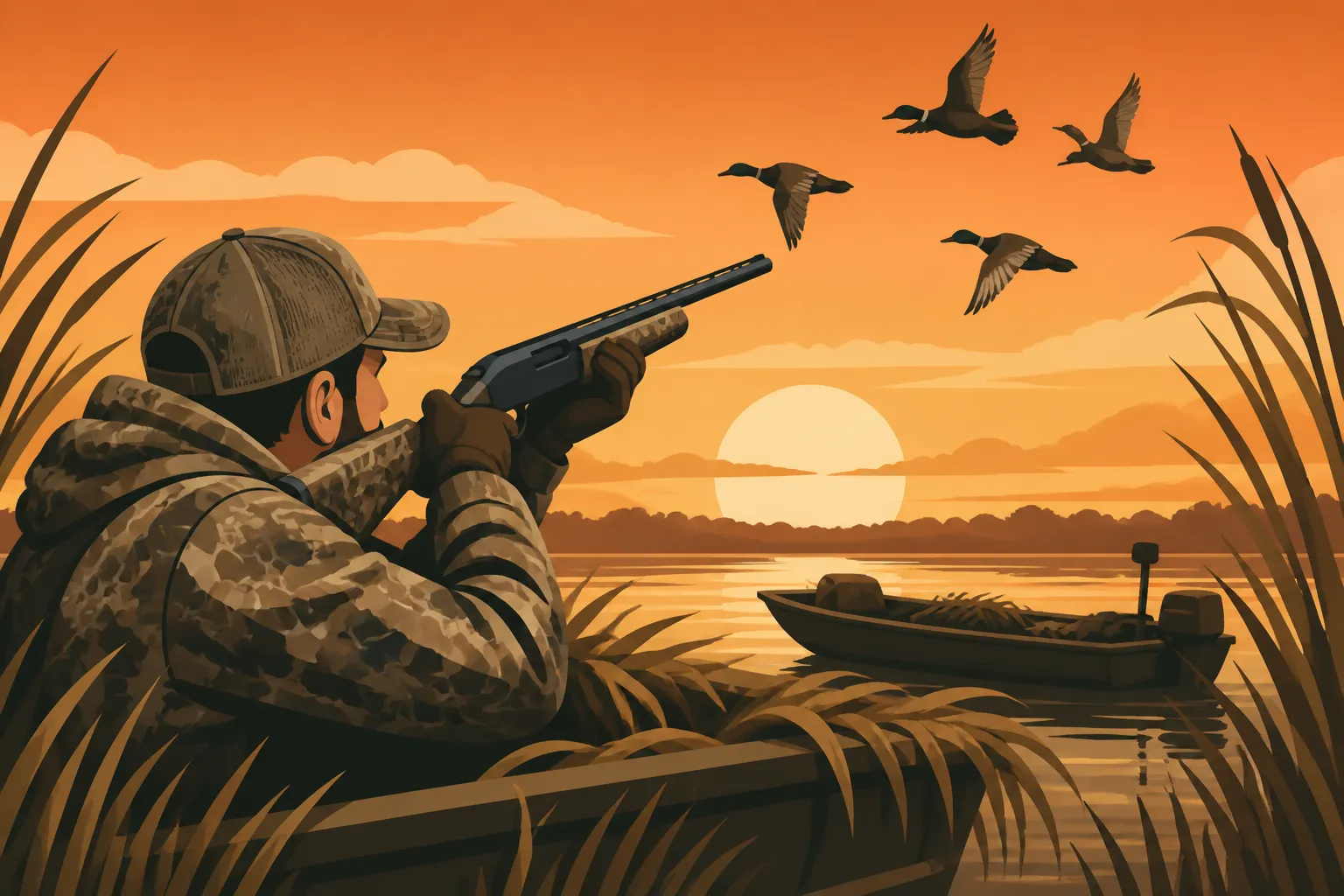
There's nothing quite like the chill of a pre-dawn Tennessee morning, the air thick with anticipation, as you make your way to a waterfowl spot. But that excitement can quickly turn to frustration if you’re not properly concealed or if getting to your perfect hidey-hole means slogging through knee-deep mud or fighting thick brush. This guide is all about embracing those challenges head-on, exploring how layout blinds and marsh boats become indispensable tools for the dedicated Tennessee duck and goose hunter, helping you disappear into the landscape and access those hard-to-reach honey holes.
Understanding Layout Blinds for Tennessee Waterfowl
Anyone who’s spent time chasing ducks and geese knows how sharp-eyed these birds can be. A slight silhouette, an unnatural shape, or even just movement in the wrong place can send an entire flock flaring, leaving you with nothing but a sinking feeling and an empty shotgun. That’s where layout blinds come into play, offering a level of concealment that traditional upright blinds often can’t match in certain scenarios. They are a game-changer for many Tennessee waterfowlers, allowing them to truly blend in with the terrain.
What is a Layout Blind and Why Use One?
A layout blind is essentially a low-profile, portable hunting blind designed to allow a hunter to lie down in a field or on a shallow bank, completely concealed from overhead birds. Think of it like a camouflaged sleeping bag with a lid. They typically have a frame that supports a fabric shell, often covered in stubble straps or pockets where you can add natural vegetation from your hunting location. You lie on your back, peer out through a mesh viewing screen, and when the birds commit, you sit up, open the top, and take your shot. The primary advantage of a layout blind is its ability to melt into the environment, particularly in open fields, short stubble, or thin cover along the edge of a water body. In places like West Tennessee's agricultural lands, where ducks and geese might be feeding in cut cornfields or soybean fields, a layout blind is often the only way to effectively hide. It keeps you out of sight, and crucially, keeps you comfortable and warm while you wait for the perfect moment.
Picture this: you've scouted a field where Canada geese are consistently feeding. There's no ditch line, no standing timber, just acres of short-cut stubble. Trying to hide behind a few sparse weeds or a hastily built brush blind would be an exercise in futility. The geese would spot you a mile away. But with a layout blind, brushed in with the surrounding corn stalks or bean stubble, you virtually disappear. The low profile eliminates the tell-tale human outline that waterfowl are so adept at picking out. You're lying comfortably, staying warm, and waiting for those birds to cup their wings and commit. This level of invisibility is why many hunters consider them essential, especially when hunting specific species like snow geese or specklebellies that are notoriously wary.
Key Features to Look For in a Tennessee Layout Blind
When you're looking to invest in a layout blind for Tennessee hunting, there are several features that can make a huge difference in comfort, effectiveness, and longevity. The conditions here can vary wildly, from crisp, dry fields to muddy, wet edges, so versatility and durability are key.
First, consider the materials and durability. You need a blind that can stand up to mud, water, briars, and repeated setting up and tearing down. Look for rugged, waterproof fabrics that won't tear easily. The frame should be sturdy, often made of aluminum, to prevent bending or breaking, especially if you're frequently moving it or if you happen to be a larger hunter. Good quality zippers and buckles are also crucial, as cheap ones will fail quickly in the elements. Second, concealment and brushability are paramount. A good layout blind will have ample stubble straps or pockets for you to weave in natural vegetation. The more material you can add from the immediate surroundings—corn stalks, river cane, dried grass—the better you'll blend. Some blinds even come with integrated camouflage patterns that are effective on their own, but adding natural cover is always the best practice.
Third, comfort and ease of entry/exit are often overlooked. You'll be spending hours in this thing, so it needs to be comfortable. Look for adequate padding and enough interior space to move around a bit, especially if you're a bigger individual or wearing bulky cold-weather gear. A blind that's difficult to get in and out of quickly can cost you shots and be a safety hazard. Pay attention to the size of the face flap and how easily it opens. Fourth, portability and weight matter, especially if you're hiking into a spot. Some blinds are much lighter and fold up more compactly than others. If you frequently find yourself walking long distances across fields or through muck to get to your hunting area, a lighter, more streamlined design will be a blessing. Finally, features like a full-length zippered bottom can be incredibly useful for cleaning out mud and debris after a hunt, making maintenance much easier. Brands like Avery, Final Approach, and Rogers Sporting Goods offer a range of blinds with these features, each with slightly different takes on functionality and user experience. When you're comparing options, it's always wise to think about the specific types of fields and water edges you'll be hunting most often.
Setting Up Your Layout Blind for Maximum Concealment
The best layout blind in the world is useless if it's not set up correctly. Mastering the art of brushing in your blind is what separates the average hunter from the successful one. It's not just about throwing a few handfuls of grass on it; it's about making it vanish.
The first step is always scouting your location thoroughly. Before opening day, use tools like GoHunt or aerial maps to pinpoint feeding areas, travel corridors, and potential roosting spots. Once you’ve identified a field or a shallow water edge that holds birds, walk it during the day. Look for natural depressions, slight rises in terrain, or existing cover that can help break up your outline. Even a subtle change in elevation can make a huge difference in how your blind disappears into the landscape. Pay attention to the sun's angle – you want the sun at your back, if possible, to keep it out of the birds' eyes and make your silhouette less visible against a bright sky.
Next comes the actual brushing in. This is where you literally become part of the environment. Collect local vegetation: corn stalks, soybean stubble, Johnson grass, reeds, river cane, whatever is naturally growing right where you are. Critically, don't just lay it on top; weave it into the stubble straps and pockets of your blind. Think about creating depth and texture, not just a flat covering. Break up the hard lines of the blind. Pay extra attention to the head and foot ends, which tend to be the most visible. The goal is to make your blind look like a natural clump of debris or a slight variation in the field. When you're done, step back a good 50-100 yards and look at your setup from multiple angles, especially from the direction the birds will be approaching. If you can pick out your blind easily, so can they. Adjust until it's truly gone. Don't be afraid to over-brush; it's better to have too much cover than not enough. This meticulous attention to detail is crucial, especially for wary ducks and geese that have seen it all on the Mississippi Flyway Backwaters.
Another often-overlooked aspect is your entry and exit points. Make sure you can get into and out of your blind without disturbing the surrounding cover too much. Practice doing it quietly and smoothly. If you're hunting with multiple blinds, arrange them in a spread that makes sense for the decoy setup and the expected flight path of the birds. Remember, a layout blind is about stealth; any unnatural movement or poorly concealed gear around it will defeat the purpose.
Navigating Tennessee Waters with Marsh Boats
While layout blinds are fantastic for fields, a significant portion of Tennessee's waterfowl hunting happens on or near water – flooded timber, river bottoms, sloughs, and the vast expanses of Reelfoot Lake. For these environments, a specialized watercraft is often the only way to get to your spot, retrieve birds, and stay safe. Marsh boats, often smaller and more maneuverable than traditional duck boats, are designed specifically for these challenging aquatic landscapes.
Types of Marsh Boats Suitable for Tennessee Hunting
When you're hunting Tennessee's diverse waterfowl habitats, from the cypress knees of Reelfoot Lake to the winding sloughs of the Hunting West Tennessee Bottomland Deer, having the right marsh boat can make or break your hunt. It's not a one-size-fits-all situation, and different types of marsh boats excel in different conditions.
One of the most common types you’ll see is the jon boat, typically 10-16 feet long. These flat-bottomed boats are incredibly stable and can navigate very shallow water, especially when paired with a mud motor or an outboard with a jack plate. Their open design allows for plenty of gear, decoys, and even a hunting dog. They’re robust enough to handle stumps and submerged obstacles, making them popular on many Tennessee rivers and larger WMA impoundments. While they might not be the most agile in truly dense cover, their versatility and carrying capacity are huge advantages. Many hunters choose to camouflage their jon boats heavily or use a boat blind to help them disappear once they reach their spot.
Then there are more specialized options like sneak boats or layout boats. These are generally smaller, very low-profile, and designed for maximum concealment on open water. A layout boat, for instance, is essentially a floating layout blind, allowing the hunter to lie down just above the waterline, practically invisible to incoming birds. These are phenomenal for big-water hunting, like certain areas of Reelfoot, or large open ponds where no natural cover exists. They often require being towed or deployed from a larger boat. Another category includes kayaks or canoes, which, while not traditional "marsh boats," are increasingly popular for solo hunters or those needing extreme stealth and access to very tight, hard-to-reach pockets of water. They're silent, lightweight, and incredibly maneuverable through thick cover, though they offer less stability and carrying capacity than a jon boat. Finally, custom-built shallow-draft boats or specialized aluminum skiffs with powerful mud motors are designed to push through vegetation and mud, perfect for those backwaters and flooded fields where conventional outboards just won't cut it. Your choice really depends on your specific hunting style and the waters you frequent most often.
Essential Features for a Tennessee Marsh Boat
Just like with layout blinds, choosing a marsh boat for Tennessee hunting requires careful consideration of its features. The environment here is unique, often demanding specific capabilities from your watercraft. You're not just moving across open water; you're navigating stump fields, fighting current, pushing through thick weeds, and often doing it all in the dark.
First and foremost, shallow draft capability is absolutely critical. Many prime waterfowl spots in Tennessee, especially in the bottomlands of the western part of the state or along smaller rivers, involve very shallow water, muddy flats, or heavily vegetated areas. A boat that can float and move in mere inches of water, either with a specialized mud motor or by being push-poled, is invaluable. This goes hand-in-hand with durability and construction. Your boat will undoubtedly encounter stumps, logs, rocks, and icy conditions. Welded aluminum construction is often preferred for its strength and ability to withstand impacts without compromising the hull. Avoid thin, flimsy materials that might puncture easily.
Next, consider stability. You'll be standing up, moving around, retrieving decoys, and possibly dealing with a rambunctious hunting dog. A wide, flat-bottom design provides excellent stability, reducing the risk of capsizing. Storage and capacity are also huge factors. Waterfowl hunting involves a lot of gear: decoys, guns, calls, blind bags, waders, and often a partner and a dog. Your marsh boat needs sufficient open space and possibly dry storage compartments to keep essential items safe and organized. Lastly, maneuverability and power options are key. Whether you opt for a traditional outboard, a long-tail mud motor, or a short-tail mud motor, ensure it's matched to your boat and the conditions you expect to face. Mud motors are particularly effective in Tennessee's mucky, vegetated waters, allowing you to traverse areas where a prop-driven outboard would simply bog down. Don't forget attachment points for push poles and paddles, as sometimes silent, manual propulsion is your best friend when sneaking into a quiet slough. The right combination of these features will ensure your Marsh Boats and Push Poles can get you into the best hunting grounds safely and efficiently.
Safe Operation and Navigation in Marsh Environments
Navigating Tennessee's marsh environments, especially during the early morning hours or late evening retrieves, demands a high level of caution and preparation. These waters can be deceptive, with hidden obstacles and rapidly changing conditions. Safety should always be your top priority, not just for yourself, but for your hunting partners and your dog.
Always begin with a thorough understanding of your boat and motor. Know how it handles in shallow water, how it turns, and its limitations. Practice maneuvering in different conditions before the season starts. Always ensure your motor is properly maintained; breakdowns in remote areas are not just inconvenient, they can be dangerous. Carry spare shear pins, tools, and extra fuel. When you're heading out, always wear a life vest, especially if you're alone or in cold water. Make sure everyone on board has one. Have all required safety equipment: throwable flotation device, whistle, fire extinguisher (if applicable), and navigation lights if you'll be operating in low light or darkness.
Knowledge of the waterways is paramount. If you're hunting a new area, scout it thoroughly during daylight. Look for submerged stumps, shallow bars, rock piles, and choked areas of vegetation. Use mapping apps like GoHunt or a dedicated GPS unit to mark hazards and safe travel routes. Things can look very different in the dark! During your actual hunt, operate at a safe speed, especially in unfamiliar or obstructed waters. It’s better to arrive a few minutes late than to hit a submerged object at full throttle. Pay attention to water levels, which can fluctuate rapidly, especially on rivers. A route that was navigable in the morning might be impassable by afternoon. Finally, communicate your plans. Tell someone where you're going and when you expect to return. Carry a fully charged cell phone (in a waterproof bag) and a two-way radio if hunting in areas with spotty cell service. These precautions are not just good practice; they can save lives, allowing you to focus on the thrill of the hunt rather than worrying about unforeseen dangers.
Combining Blinds and Boats for Effective Waterfowling
The true magic happens when you understand how to integrate layout blinds and marsh boats into a cohesive hunting strategy. It's not just about using them individually; it's about making them work together to give you the ultimate advantage in Tennessee's diverse waterfowl landscape. This synergy allows you to access those secret spots and disappear into them completely.
Strategies for Deploying Layout Blinds from a Marsh Boat
Deploying layout blinds from a marsh boat opens up a whole new world of hunting opportunities, especially in larger water bodies or areas with sparse natural cover along the edges. Imagine a vast flooded field or a wide-open flat on a lake, devoid of traditional bank-side cover. This is where your marsh boat becomes your mobile base of operations, allowing you to drop blinds exactly where the birds want to be.
One common strategy involves using your marsh boat as a shuttle. You load your layout blinds, decoys, and gear into the boat, motor out to a strategically chosen shallow flat or small island, and then deploy your blinds. The key here is to anchor your boat a reasonable distance away from your blind setup, hidden in a brush line or behind a natural rise, so it doesn't flare incoming birds. You might even use it as a makeshift blind for a retriever. This allows you to hunt spots that would be otherwise inaccessible or offer no natural concealment. For instance, on a big Tennessee river, you might find a sandbar or a wide, shallow point that's a magnet for ducks. You can run your Hunting Tennessee River Bottom Funnels with your marsh boat, land on the point, quickly set up your layout blinds, and then tuck the boat away in an eddy or behind some reeds.
Another effective method involves hunting directly out of a layout boat, which is essentially a specialized marsh boat designed to be a floating blind. These are typically used in very open water where concealment is otherwise impossible. You'd motor out, set your decoy spread, and then lie down in the boat itself, which is camouflaged to look like a pile of debris or a small island. This is common for hunting wary divers or open-water geese. When deploying any layout blind from a boat, always prioritize safety. Make sure the water is shallow enough for comfortable entry and exit from the blind, and that you have a clear shooting lane. Use a push pole or paddle to make silent final adjustments to your position, ensuring minimal disturbance. Always consider wind direction and current when positioning both your boat and your blinds, as these factors will influence how birds approach your spread and how easily you can retrieve downed game.
Considerations for Decoy Spreads and Retrieval
Your decoy spread is an extension of your concealment, and how you integrate it with your layout blinds and marsh boat can significantly impact your success. The goal is to create a realistic, inviting scene that draws birds into easy shooting range.
When hunting from layout blinds, your decoy spread often needs to be more aggressive and closer than with traditional upright blinds. Since you're on the ground, birds are less likely to spot a large blob of hunter-shaped camouflage at a distance. They need to commit and get right into the sweet spot. A common tactic is to create a "hole" or landing zone right in front of your blinds, maybe 20-30 yards out. Place your decoys in a natural-looking "J" or "U" shape, with the open end facing the direction you expect birds to approach, funneling them directly into your shooting lane. Varying your Decoy Spreads for Reelfoot Mallards by including different species like pintails, wigeon, and even a few goose decoys can add realism and appeal to a broader range of birds. Motion decoys, like spinning wing decoys or jerk strings, are also incredibly effective at drawing attention to your spread and signaling "all clear" to passing birds. Remember, your setup needs to look natural and inviting, not like a trap.
Retrieval of downed birds is where the marsh boat truly shines. After a successful volley, you can quickly and safely motor out to retrieve your birds, minimizing disturbance to the rest of your spread and preventing cripples from escaping. This is particularly important in cold water or areas with thick vegetation where a dog might struggle. If you’re hunting in a large flooded field, having your boat ready to go means you can pick up birds quickly and then return to your blinds for the next flight. This also makes it easier to keep your hunting area clean of downed birds, which can sometimes make incoming birds wary. If you have a dog, train them to work from the boat and know how to safely get in and out, ensuring they are wearing Dog Vests for Cold Water Retrieves to keep them warm and visible. The ability to retrieve quickly is not just about getting your game; it's about respecting the resource and minimizing any lost birds.
Adapting to Different Tennessee Waterfowl Habitats
Tennessee's diverse landscape offers a variety of waterfowl hunting opportunities, and mastering layout blinds and marsh boats means knowing how to adapt your strategy to each unique habitat. What works on Reelfoot Lake might not work in a flooded green timber hole in West Tennessee.
For open agricultural fields – like cut corn, soybean, or winter wheat fields common in Middle and West Tennessee – layout blinds are almost always the go-to. Here, the challenge is sheer openness. Your marsh boat might be used to transport gear to a field edge, but the hunting itself is done entirely from the blinds. The key is extreme attention to brushing in, matching the local stubble exactly. In these situations, large decoy spreads of both ducks and geese are often effective, drawing birds in from long distances. This is a classic scenario for Layout Blind Hunting a Cut Cornfield.
In flooded timber or cypress swamps, such as those found around Reelfoot Lake or along the Mississippi River, marsh boats are indispensable. They allow you to navigate through dense trees, reach isolated pockets of water, and pick up birds among the snags. While you might not use a traditional layout blind in deep timber, smaller boat blinds or even simply brushing in your jon boat can act as your concealment. A push pole becomes your best friend here, allowing silent movement. The boat also serves as a retrieval platform, effortlessly plucking birds from tangles of wood. For Hunting Reelfoot's Flooded Cypress Timber, having a stable, maneuverable marsh boat is non-negotiable.
For large, open water bodies like major rivers or vast impoundments, the combination truly shines. Here, you might use a larger marsh boat to ferry smaller layout boats or individual layout blinds out to an open flat or sandbar. The boat then acts as a retrieve vehicle and a place to warm up between flights. In these situations, wind and current can be significant factors, so secure anchoring for both your boat and blinds is paramount. Adapt your decoy spread for these larger areas, often requiring more decoys to be visible from a distance. Being flexible and observing how the birds are using the specific habitat on any given day will always be your best bet.
Gear and Logistics for a Successful Hunt
Having the right layout blind and marsh boat is only part of the equation. To truly maximize your effectiveness and enjoy your time in Tennessee's wetlands, you need to think about all the supplementary gear and the logistical challenges of operating in these environments. It's about preparedness, comfort, and efficiency.
Essential Accessories for Layout Blind Hunters
While your layout blind is your primary concealment, a few key accessories can significantly enhance your comfort, safety, and overall success, particularly during those long, cold Tennessee mornings.
First up, warm, waterproof clothing. You'll be lying low to the ground, often in damp or muddy conditions, with minimal movement. Layering is crucial. Start with good base layers that wick moisture, add insulating mid-layers, and top it off with a waterproof, windproof outer shell. Your head, hands, and feet are critical heat-loss areas, so a warm hat, waterproof gloves, and insulated, waterproof boots are non-negotiable. Remember, if you’re cold and miserable, your focus will wane, and you’ll be less effective. Many hunters opt for specific Cold-Weather Sitting Strategy in Tennessee gear to endure long waits.
Next, consider a comfortable blind chair or backrest. While many layout blinds have some padding, an extra cushion or a lightweight, foldable backrest can make a huge difference in comfort over several hours. This prevents fatigue and helps you stay still longer. A small blind bag is also essential. This compact bag should hold your calls, extra shells, a thermos of coffee, snacks, a flashlight, and maybe a small first-aid kit. Keeping these items organized and within easy reach means less fumbling and less movement when birds are working. Finally, don't forget face paint or a face mask. Even from a layout blind, an exposed, light-colored face can reflect light and be easily spotted by sharp-eyed birds. Total concealment means covering all exposed skin. These small additions can dramatically improve your experience and success rate.
Maintaining Your Gear for Longevity
Investing in quality layout blinds and marsh boats means you want them to last. The harsh conditions of waterfowl hunting – mud, water, cold, and constant abuse – can quickly take their toll if you're not diligent about maintenance. A little effort after each hunt goes a long way toward ensuring your gear is ready for the next outing.
For layout blinds, the most critical step is cleaning them immediately after each hunt. Don't just throw a muddy, wet blind into storage. Unzip the bottom and shake out all the mud, debris, and spent shells. If it's really dirty, hose it down and let it thoroughly air dry before folding it up. Storing a wet blind will lead to mildew and rot, ruining the fabric. Inspect the frame for any bends or damage, and check all zippers and buckles for proper function. A quick spray of silicone lubricant on zippers can keep them running smoothly. If you've used natural vegetation for brushing in, remove it after the hunt, as it can attract pests and hold moisture.
Marsh boats require even more attention. After every trip, especially if you've been in muddy or shallow water, flush your motor with fresh water to prevent corrosion. This is crucial for both outboards and mud motors. Clean the hull of your boat, removing any mud, weeds, or debris. Inspect for any dings, scratches, or potential leaks that might need repair. Check your propeller for damage and replace it if necessary. Keep your bilge pump clean and functioning. If you're storing your boat for an extended period, ensure it's completely dry, and consider covering it to protect it from the elements. Regularly check and tighten any loose bolts on your trailer and boat. Proactive maintenance not only extends the life of your gear but also prevents frustrating and potentially dangerous equipment failures out in the field. Think of it as part of the ritual, helping you to reflect on a great day out on the water.
Transportation and Storage of Blinds and Boats
Getting your gear to and from the hunting grounds and storing it properly between seasons can be a logistical challenge, especially with bulkier items like layout blinds and marsh boats. Planning ahead can save you a lot of headache and ensure your gear is always ready for action.
Transporting layout blinds is usually straightforward, as most are designed to fold up relatively compactly. However, they can still be awkward. Many hunters use a dedicated truck bed, a large cargo box, or even a small trailer if hauling multiple blinds and other gear. If you’re hiking into a spot, look for blinds with integrated backpack straps or consider a separate carry bag to make the trek easier. The key is to keep them clean and dry during transport, especially if you're driving long distances. Don’t just toss a wet, muddy blind into the back of your vehicle without protecting the interior.
Transporting a marsh boat typically requires a dedicated boat trailer. Ensure your trailer is properly sized for your boat, and that all lights and brakes are functioning. Always secure your boat with straps to prevent shifting during transit. If you're heading to a remote boat launch, check the accessibility beforehand, especially if it's muddy or unpaved. For storage, both blinds and boats benefit from a dry, secure location. A garage, shed, or dedicated storage unit is ideal. Layout blinds should be stored fully dry and, if possible, slightly open to allow for air circulation. Avoid storing them in direct sunlight for extended periods, as UV rays can degrade fabrics. Boats should be winterized if needed, covered, and stored on their trailer or a secure stand. Disconnecting the battery and raising the motor are good practices for long-term storage. By taking these steps, you'll protect your investment and make sure your gear is in top shape when the next season rolls around.
Legalities and Best Practices for Tennessee Hunters
Hunting in Tennessee, whether it's for deer, turkey, or waterfowl, comes with a set of rules and ethical guidelines designed to ensure safety, conservation, and fair chase. When utilizing specialized gear like layout blinds and marsh boats, it's particularly important to be aware of the specific regulations that apply to waterfowl hunting in the state. Don't let ignorance ruin your hunt or put you on the wrong side of a game warden.
Understanding TWRA Regulations for Blinds and Boats
The Tennessee Wildlife Resources Agency (TWRA) has specific rules governing waterfowl hunting, and these often pertain directly to how blinds and boats can be used, especially on public lands and WMAs. It’s absolutely critical to stay informed.
First, always check the current TWRA waterfowl guide for season dates, bag limits, and specific regulations for the zone you'll be hunting in, such as the Tennessee Waterfowl Zones and Seasons. Regulations can change year to year, so relying on old information is a recipe for trouble. Pay close attention to rules regarding permanent versus temporary blinds. On many public lands and WMAs, permanent blinds may be prohibited or require a special permit. Temporary blinds, including layout blinds and boat blinds, are generally allowed but might have rules about how long they can be left unattended or what materials can be used for brushing them in. For instance, leaving a layout blind out overnight on public land might be considered littering or reserving a spot, which is often prohibited.
For marsh boats, be aware of regulations regarding motor size limits, speed restrictions, and no-wake zones, particularly on WMAs or refuges like Reelfoot National Wildlife Refuge Rules. All boats must have proper registration, and you must carry all required safety equipment, including life vests for everyone onboard. Remember, federal regulations also apply to migratory bird hunting, which means understanding things like Tennessee Federal Duck Stamp Requirement and Tennessee HIP Certification for Bird Hunters. There can be specific rules about baiting, lead shot (which is entirely prohibited for waterfowl), and shooting hours. Always assume that if you're unsure about a rule, a quick check of the TWRA website or a call to a local game warden is the safest course of action. It's better to ask than to find out the hard way during a field check.
Ethical Considerations and Respect for the Resource
Beyond the written laws, ethical hunting is a cornerstone of responsible outdoor recreation. When using layout blinds and marsh boats, particularly in popular waterfowl areas, a strong sense of ethics and respect for fellow hunters and the resource is paramount.
One key ethical consideration is fair chase. While layout blinds provide superior concealment, they shouldn't be used to gain an unfair advantage in a way that disrespects the animal. This means knowing your effective range, practicing your shooting, and only taking clean, ethical shots. Don't push the limits of your equipment or your skill, especially when birds are out of range. Crippled birds are a tragedy, and it's our responsibility as hunters to ensure quick, humane kills. Another aspect is respect for other hunters. Popular waterfowl spots, especially on public land, can get crowded. Be mindful of established spreads, give other hunters ample space, and avoid sky-busting or flaring birds that are working someone else's decoys. Communication and courtesy go a long way in fostering a positive hunting environment.
Furthermore, always strive to leave no trace. Pack out everything you pack in, including spent shell casings, food wrappers, and any broken gear. Never leave blinds or trash in the field or on the water. Be particularly careful about disturbing nesting areas or sensitive habitats, especially during early or late season hunts. Your marsh boat should be used to minimize disturbance, not create it. When you're retrieving birds, do so quickly and efficiently. Our hunting privileges are contingent on demonstrating responsible stewardship of the land and wildlife. By acting ethically and showing respect, we ensure that Tennessee's waterfowl hunting traditions can continue for generations to come.
Scouting and Preparation: The Foundation of Success
Ultimately, even the best layout blind and most capable marsh boat are only tools. Their effectiveness is multiplied exponentially by thorough scouting and meticulous preparation. This is where you truly earn your success in the waterfowl blind.
Scouting is a continuous process. It doesn't just happen the week before the season opens. Pay attention to bird movements throughout the fall. What fields are they feeding in? What water bodies are they roosting on? Where are their travel corridors? Use binoculars and GoHunt's mapping features to observe without disturbing the birds. Look for fresh sign: tracks in the mud, droppings in a field, or concentrations of feathers. Reading a Bottomland Slough for a Morning Flight will give you insights into where ducks are likely to land. Don't rely on old information; bird patterns can change day by day, influenced by weather, food sources, and hunting pressure. Drive back roads, walk field edges, and spend time observing from a distance.
Once you’ve identified a potential spot, meticulous preparation begins. This includes making sure your layout blind is brushed in perfectly, matching the exact vegetation of the field. For your marsh boat, ensure it's fueled, functional, and loaded with all necessary gear, from decoys to safety equipment. Charge your phone, GPS, and any electronic calls. Organize your blind bag so everything is easily accessible in the dark. Lay out your clothing the night before so you're not fumbling in the predawn gloom. Confirm hunting partners know the plan, including meeting times, routes, and emergency procedures. The less you have to worry about in the field, the more you can focus on the incoming birds. True success in waterfowl hunting isn't about luck; it's about the relentless pursuit of knowledge and the discipline to prepare for every eventuality.
Disclaimer
This article is for general informational purposes only and does not constitute professional advice. Laws, prices and regulations vary by location and change over time. Consult a qualified professional for guidance on your specific situation.