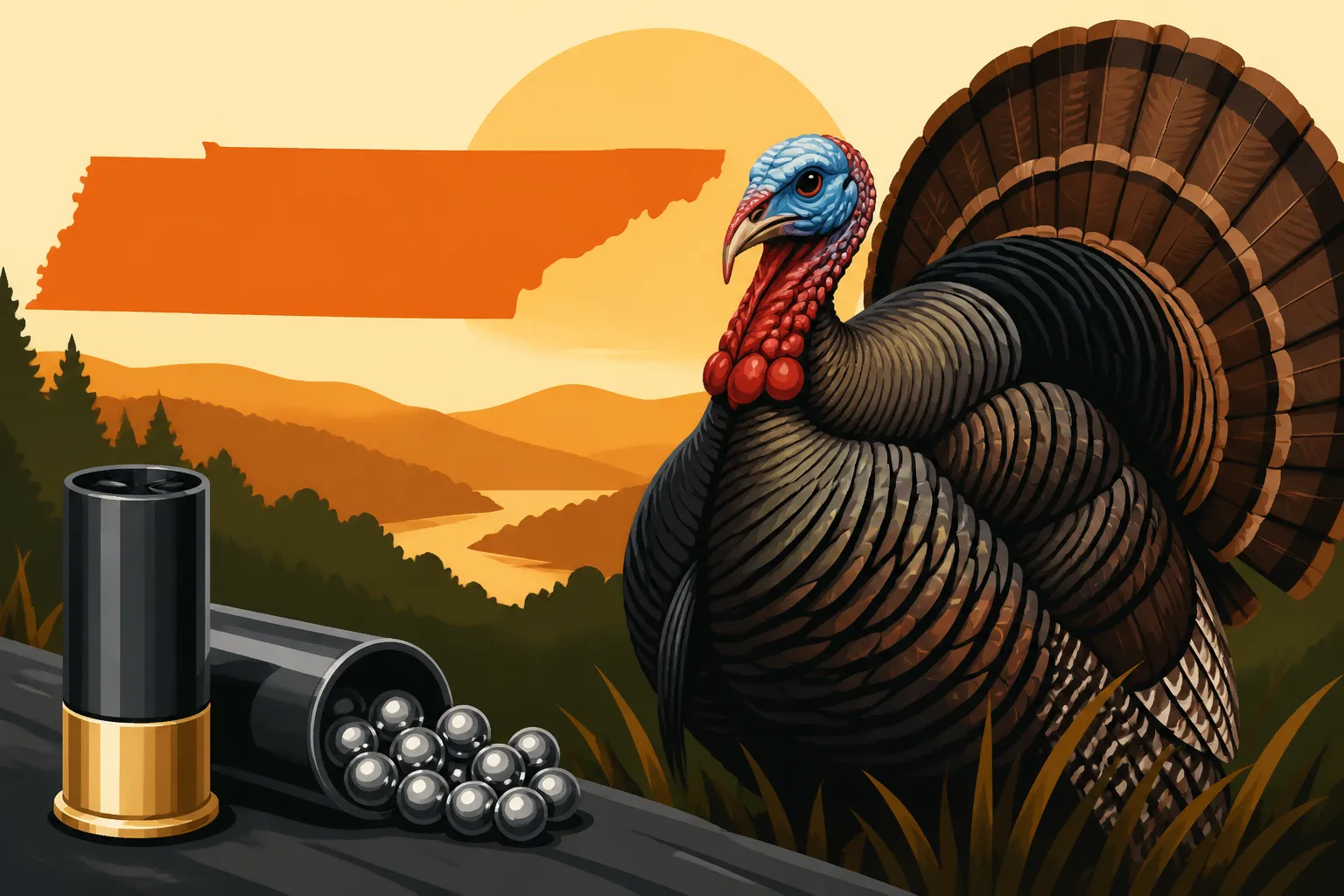
Tungsten Turkey Loads Worth the Price
We’ve all been there: hunkered down against a big oak, heart pounding, as a tom gobbles just out of range, or worse, just beyond the effective reach of your shotgun. The frustration of watching a prized bird walk away, or taking a shot that leaves you second-guessing, can really sour a hunt. This guide is all about diving deep into tungsten turkey loads to help you understand if these premium shells are truly worth the investment for your next Tennessee spring gobbler hunt, ensuring you have the confidence to make every shot count.
The Frustration of Traditional Turkey Loads
For generations, turkey hunters in Tennessee and across the country relied on lead shot. It was effective, affordable, and widely available. But as turkeys got smarter, and hunters pushed the boundaries of their setups, the limitations of traditional materials became more apparent. We’ve all faced those moments where you wonder if your old standby is really giving you the edge you need.
Limitations of Lead and Bismuth
Lead, while dense, is a relatively soft metal. When it leaves the barrel and flies downrange, individual pellets can deform, especially if they're not protected effectively within the shell. This deformation leads to erratic flight paths, which in turn causes your pattern to open up more quickly. What starts as a tight, lethal pattern at 20 yards can quickly degrade into a sparse, inconsistent spread at 40 yards and beyond. You might have seen this yourself when patterning your shotgun, noticing flyers or patches where pellets simply aren't hitting the target. This isn't just an inconvenience; it can mean the difference between a clean kill and a missed opportunity, or worse, a wounded bird.
Bismuth emerged as an alternative, particularly when non-toxic shot rules began to expand in certain waterfowl areas or for those who simply prefer to avoid lead. It's denser than steel, offering better energy retention, but still falls short of lead's density. Bismuth is also a brittle material. While it might pattern better than steel, it can fracture upon ignition, especially in older guns with tighter chokes, leading to similar pattern degradation issues as lead, though often less severe. For a wary Tennessee gobbler in an open field or across a creek bottom, these limitations can feel significant when you're trying to stretch your range ethically. Many of us have tried different brands, different chokes, endlessly trying to coax a few more yards or a tighter pattern out of these traditional materials, often with mixed results and a growing sense of doubt.
The Weight of Doubt in the Turkey Woods
There’s a unique kind of pressure that comes with calling a gobbler in close. You've scouted, you've patterned, you've spent hours on Roost Hunting Tennessee Gobblers, and now, the bird is there. But what if he hangs up at 45 yards? What if he’s partially obscured by brush? That doubt about your equipment's effectiveness can creep in at the worst possible moment. No one wants to take a questionable shot, and no one wants to feel undergunned when the moment of truth arrives. This isn't just about maximizing range; it's about maximizing confidence within your ethical limits.
Imagine spending months preparing for spring season, maybe even traveling to a specific WMA like Catoosa or Chuck Swan. You've done your homework, found the birds, and now you’re in position. A big tom steps out, but he's standing a few steps further than you'd like, or perhaps he's only giving you a head-and-neck shot that demands absolute precision. In these critical seconds, the confidence that your shotgun and load can deliver a lethal payload exactly where you aim is invaluable. The mental game in turkey hunting is half the battle, and knowing you have the best possible ammunition can lift a huge weight off your shoulders, allowing you to focus on the shot rather than the capabilities of your gear. Run-and-Gun Turkey Tactics on Public Land often put you in situations where quick, decisive shots are necessary, and reliable patterns are paramount.
Understanding Tungsten: What Makes it Different?
Tungsten isn't just another metal; it's a game-changer in the world of turkey hunting ammunition. Its unique properties address many of the frustrations hunters have experienced with traditional loads, offering a significant leap in performance.
The Science Behind Tungsten's Superiority
At its core, tungsten is incredibly dense. We're talking about a metal that is significantly heavier than lead – roughly 50-60% denser, depending on the specific alloy. This superior density is the secret sauce. Imagine a tiny pellet the size of a BB. If that pellet is made of tungsten instead of lead, it carries substantially more mass and, therefore, more kinetic energy. This translates to two critical advantages: deeper penetration and a higher pellet count. Because tungsten pellets are so dense, you can use smaller shot sizes, like #7, #9, or even #9.5, and still achieve the same or greater energy transfer and penetration than much larger lead shot. This means a shell loaded with #9 tungsten pellets can hold many, many more pellets than a traditional lead #5 or #6 load, creating an incredibly dense cloud of lethal energy downrange.
Furthermore, tungsten is much harder than lead or bismuth, which means it resists deformation. When these pellets travel down the barrel and through the choke, they maintain their spherical shape far better. This consistency in pellet shape is crucial for maintaining a tight, uniform pattern. Instead of a few flyers and a patchy spread, you get a much more concentrated and consistent pattern that retains its lethality at extended distances. The hardness also means the pellets don't lose energy from deforming upon impact, transferring more of that kinetic energy to the target. This scientific advantage isn't just marketing hype; it's physics at work, delivering a more efficient and effective projectile for turkey hunting.
How Tungsten Translates to Performance in the Field
So, how does all this science translate to real-world hunting scenarios here in Tennessee? Simple: tighter patterns, extended effective range, and more forgiving shot placement. With tungsten, hunters often report seeing patterns at 50 or even 60 yards that rival what lead could achieve at 35 or 40 yards. This isn't an invitation to take irresponsible long shots, but it does mean that if a gobbler hangs up at 50 yards, a well-placed shot with a tungsten load can be ethical and lethal. This extended reach can be a huge advantage when hunting pressured birds on public land where getting them into spitting distance can be a real challenge.
Think about those big, old toms that have seen it all. They've been called to, shot at, and are experts at staying just out of reach. With tungsten, that 45-yard tom suddenly becomes a viable shot, which means you might close the deal on a bird that would have simply walked away with traditional loads. The incredibly dense patterns also provide a much larger "kill zone" on the turkey's head and neck. While precision is always key, a slightly off-center shot still has a much higher chance of connecting with enough pellets to be immediately fatal. This increased margin for error doesn't mean you should get sloppy, but it certainly boosts confidence. Whether you’re Setting Up Against a Big Oak or trying to pinpoint a bird in thicker timber, tungsten can make a tangible difference in your ability to convert opportunities into successful harvests. When you're trying to call a Tennessee gobbler off the roost, having that extra confidence in your pattern is invaluable.
The "Worth It" Factor: Breaking Down the Cost-Benefit
Let's not beat around the bush: tungsten turkey loads are expensive. There's no way around that fact. Compared to a box of traditional lead loads, a box of tungsten shells will certainly make your wallet feel lighter. But is that initial sticker shock justified by the performance? For many hunters, the answer is a resounding "yes."
Initial Investment vs. Long-Term Value
The price of a box of tungsten turkey loads can be several times that of a comparable box of lead or even bismuth shells. This is often the biggest hurdle for hunters considering the switch. However, it's crucial to look at this as an investment rather than just an expense. How many shells do you realistically shoot during a turkey season? For most, it's just a handful: one or two for patterning, and then maybe one or two per bird harvested. The cost per bird, when you break it down, might still be higher, but consider the value of a successful hunt.
If a tungsten load increases your chances of a clean harvest by even a small percentage, preventing a missed bird or a frustrating follow-up, then that value quickly outweighs the extra cost. No one wants to spend weeks scouting, strategizing, and hunting, only to have a single shot fail due to ammunition limitations. The long-term value comes in the form of increased success rates, fewer missed opportunities, and the peace of mind knowing you're giving yourself the absolute best chance. You're buying confidence, capability, and the ethical advantage of a cleaner kill. While specific pricing varies, always check current rates at your local sporting goods store or online retailers for the most up-to-date figures before making a purchase. Many hunters, after making the switch, find they wouldn't go back, viewing the initial investment as minor compared to the satisfaction of a successful, ethical hunt.
Ethical Considerations and Shot Opportunity
Beyond just pure performance, there's a significant ethical component to considering tungsten loads. As hunters, we have a responsibility to make the cleanest, most humane kill possible. Traditional loads, with their inherent pattern limitations and reduced energy at range, can sometimes fall short, especially when conditions aren't perfect or the shot distance creeps up. A wounded bird that escapes is a deeply unsatisfying and regrettable outcome for any ethical hunter.
Tungsten loads, by delivering denser patterns and superior energy, drastically reduce the chance of wounding. This means more clean, instant kills, even if your shot placement isn't absolutely flawless or the bird presents a challenging angle within ethical limits. When you only get a few tags during Tennessee Statewide Turkey Bag Limit Rules, making each one count ethically is paramount. Using tungsten isn't about extending your range recklessly; it's about making sure that when you do take an ethical shot, it has the maximum possible chance of resulting in a quick, clean harvest. It's an investment in animal welfare as much as it is in your personal success. This consideration alone is often enough to convince many hunters that the higher price is indeed worth it.
Practical Application and Choosing Your Tungsten Load
So, you're convinced that tungsten might be for you. Great! But simply buying a box isn't the end of the journey. To truly unlock its potential, you need to understand how to get the most out of these premium shells.
Choke Selection and Patterning Your Shotgun
This is arguably the most critical step when making the switch to tungsten. Do NOT assume your existing choke that works wonders with lead will automatically be the best for tungsten. Tungsten's extreme density and hardness mean it interacts differently with choke constriction. What might be a "full" or "extra full" choke for lead could be too tight for tungsten, actually causing pattern degradation or even damage to the choke in some rare cases. Conversely, a slightly less constricted choke might surprisingly throw a tighter pattern with tungsten.
The golden rule here is: you must pattern your shotgun with your chosen tungsten load and choke combination. Start at 20-25 yards to ensure you're on paper, then move out to 40 yards, and potentially 50 or 60 yards, to see your true pattern. Many manufacturers, like Carlson's or Indian Creek, offer specialized chokes designed specifically for tungsten loads. These often have different constriction geometries that are optimized for the harder, denser shot. Don't be afraid to try a few different choke brands and constriction levels to find the perfect pairing for your gun and load. This is where you really dial in that tight, lethal pattern you're paying for. Remember, Turkey Shotguns and Chokes are just one piece of the puzzle; the ammo is the other. Knowing your gun's sweet spot for patterning is key.
Brands and Pellet Sizes for Tennessee Turkeys
When it comes to tungsten, there are several reputable brands on the market, each with its own loyal following. You'll find offerings from Federal (often credited with popularizing Tungsten Super Shot or TSS), Apex Ammunition, and sometimes specialized loads from other major manufacturers. While I can't advise on specific current product lines, these brands generally focus on delivering high-quality, consistent tungsten loads. You can use resources like GoHunt to research user reviews or discussions about different brands and their performance.
As for pellet sizes, you'll commonly see #7, #9, and sometimes even #9.5. Remember, because tungsten is so dense, these small pellets hit with the force of much larger lead shot. A #9 tungsten pellet, for instance, has similar energy to a #5 lead pellet, but you can fit many more #9s into a shell. For most hunters pursuing Tennessee gobblers, #9 or #7 shot offers an excellent balance of pellet count and individual pellet energy. Experimentation during patterning will help you decide which pellet size and brand provides the most consistent and effective pattern from your specific shotgun setup. Patterning a Turkey Gun at 40 Yards with different loads will illuminate the best choice for you.
Here's a quick comparison of shot material properties, to give you a clearer picture of why tungsten stands out:
| Property | Lead (Traditional) | Bismuth (Non-toxic) | Tungsten (TSS) |
|---|---|---|---|
| Density (approx.) | Medium-High | Medium | Very High |
| Hardness | Soft | Brittle | Very Hard |
| Pellet Deformation | High | Moderate/High | Very Low |
| Pattern Consistency | Moderate | Moderate | Excellent |
| Penetration | Good | Good | Superior |
| Effective Range | Standard | Standard | Extended |
| Ethical Kill Potential | Good | Good | Excellent |
| Cost | Low | Medium | High |
The decision to invest in tungsten turkey loads is a personal one, weighing the higher cost against the undeniable performance benefits and ethical advantages. For many Tennessee hunters, the confidence that comes from a superior pattern, extended ethical range, and the peace of mind of a clean kill makes tungsten a truly worthwhile expense. So, the next time you're out Hunting the Rut in Early November or prepping for turkey season, consider whether making the switch to tungsten could elevate your hunting experience.
Disclaimer
This article is for general informational purposes only and does not constitute professional advice. Laws, prices and regulations vary by location and change over time. Consult a qualified professional for guidance on your specific situation.