Cherokee National Forest Hunting
Oh, the Cherokee National Forest. Just hearing those words conjures up images of vast, wild country, steep ridges, and dark hollows. For many Tennessee hunters, myself included, the thought of chasing game in such a massive, rugged landscape is both exhilarating and a little bit daunting. It’s not your average woodlot hunt, that's for sure. The sheer scale and unforgiving terrain can be intimidating, making it tough to even know where to begin planning a trip. But don't you worry, because this guide is here to unravel the complexities of hunting the Cherokee, giving you the insights and strategies you need to tackle this incredible public land.
Understanding the Vastness and Unique Challenges of Cherokee National Forest
When we talk about the Cherokee National Forest, we're not just talking about a big piece of public land; we're talking about a true wilderness experience for many. This isn't where you'll find easy road access around every corner or manicured food plots. It's wild, it's rugged, and that's precisely its appeal. However, that also brings its own set of challenges that every hunter needs to respect and prepare for.
Geographical Footprint and Diverse Habitats
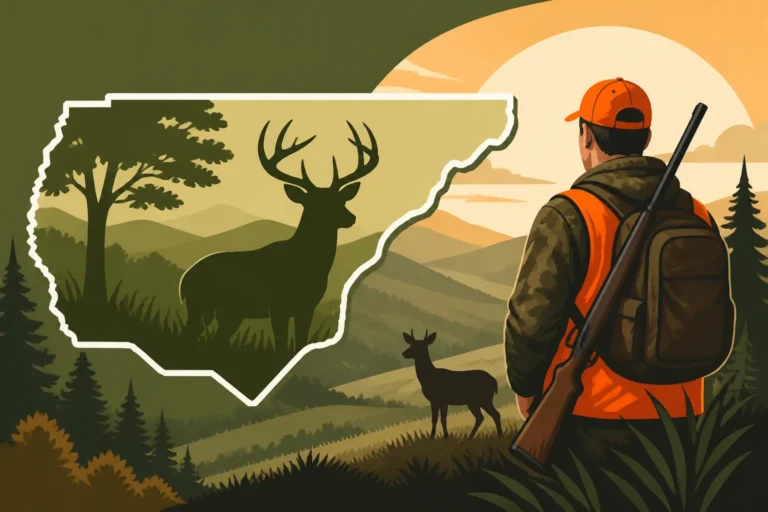
The Cherokee National Forest sprawls across 650,000 acres, broken into two distinct units: the northern Unaka Mountains and the southern Ocoee/Hiwassee Rivers section. Think about that for a second – six hundred and fifty thousand acres. It’s absolutely massive. This vastness means incredible habitat diversity, from high-elevation hardwood ridges adorned with towering oaks and hickories, to deep, dark hollows choked with rhododendron and mountain laurel, all crisscrossed by countless creeks and rivers. You'll find everything from mature timber to regeneration cuts, each offering different opportunities and presenting unique hunting puzzles.
The sheer range of elevation alone is a game-changer. You might start your day in a valley bottom, pushing through thick undergrowth, only to find yourself climbing several hundred feet to a breezy ridge top. This constant change in elevation and vegetation creates a complex mosaic of deer, bear, and turkey habitat. Understanding these nuances—which areas offer acorns, which are dense bedding cover, or where water sources are reliable—is critical to success. It's a land where the contour lines on your map dictate movement, both yours and the game's.
Because of this varied terrain, different parts of the forest will hold different types of game, or the same game will behave differently. For instance, the higher, steeper slopes might be fantastic for bears gorging on mast crops in the fall, while the benches and saddles along mid-slopes are classic deer travel corridors. The thick creek bottoms, though tough to navigate, can hold pressured deer and offer excellent turkey roosting sites. It’s not a one-size-fits-all approach; you need to adapt your strategy to the specific micro-habitat you're in.
The Double-Edged Sword of Public Land Pressure
Let's be real: hunting on public land, especially a renowned spot like the Cherokee, often means dealing with other hunters. On opening weekend, or during the rut, certain accessible areas can feel like Grand Central Station. Roadsides, popular trails, and anything within a quarter-mile of easy parking can see significant pressure, and deer in these areas become incredibly wary, often moving mostly at night or relocating to thicker, less disturbed cover.
This pressure is a double-edged sword. While it can make hunting frustrating, it also tends to push game into those harder-to-reach places – the very places you're probably dreaming of hunting anyway. To escape the crowds and find undisturbed animals, you absolutely have to be willing to put in the work. That means hiking further, climbing steeper, and navigating denser cover than most other hunters are willing to tackle. That commitment is often what separates a successful hunter from one who only sees boot tracks.
Think about it: if you're not seeing any sign or hearing any gobblers where you parked, don't just sit there lamenting the pressure. Take it as a sign to push deeper. Invest in good mapping software like onX Hunt or GoHunt to identify those remote ridges, overlooked hollows, and potential bedding areas that are a mile or more from the nearest road. Those are the spots where you'll find animals acting naturally, simply because fewer people are willing to make the trek.
Wildlife Diversity and Management
The Cherokee National Forest is a wildlife paradise, offering opportunities for a variety of species. White-tailed deer are, of course, a primary draw, but they are typically smaller-bodied than their agricultural counterparts in other parts of the state due to the less nutrient-rich forest diet. However, what they lack in antler size, they often make up for in tenacity and wildness. You'll also find a robust population of black bears, especially in the central and northern reaches of the forest, providing a unique challenge for those seeking big game.
Wild turkeys thrive in the rolling hills and timber, offering some fantastic spring hunting, albeit in rugged terrain that will test your legs and your calling skills. For those who enjoy chasing smaller game, the forest is home to grouse (though numbers can be cyclical), squirrels, and rabbits, often providing opportunities when big game seasons are closed or during the late season. It's a true mixed bag, and understanding each species' habits in this mountainous environment is key.
The Tennessee Wildlife Resources Agency (TWRA) works in conjunction with the U.S. Forest Service to manage these populations and habitats. This management includes timber harvests that create early successional habitat beneficial to deer, grouse, and turkeys, as well as prescribed burns that improve forage. Knowing where these activities have occurred can give you a significant advantage, as game will often gravitate toward these areas of improved food and cover.
Navigating Regulations and Licensing Specific to Cherokee National Forest
Hunting in such a vast federal forest means you're dealing with layers of regulations – state-wide laws, federal rules, and sometimes specific management area guidelines. It can feel like a maze, but understanding these requirements upfront is non-negotiable for a legal and ethical hunt. Don't let a technicality ruin your trip!
General Tennessee Hunting License Requirements
Before you even step foot in the Cherokee National Forest, you need to ensure you have all your basic Tennessee hunting licenses in order. This usually means a statewide hunting license, which varies in cost for residents and non-residents. Beyond that, if you're targeting specific game, you'll need the appropriate big game permits. For instance, deer hunting requires a supplemental deer tag, and if you plan to chase bear, you'll need a bear specific permit.
It’s crucial to check the current TWRA regulations annually, as rules and fees can change. What was valid last year might have minor tweaks this season. The Go Outdoors Tennessee website is your best friend here, offering a portal to purchase licenses and permits, and to access the most up-to-date regulations. Don't just assume; confirm everything before you head out. Tennessee Hunting Licenses and What They Cost is a great resource to get started on understanding the various options.
Always carry proof of your license and permits, whether that's a physical copy or a digital version on your phone. Game wardens frequently patrol the more accessible areas of the forest, and you want to be ready if they check. Being caught without the proper licensure is an easy way to turn an exciting hunt into a costly and embarrassing experience.
Special Cherokee National Forest Rules and Permits
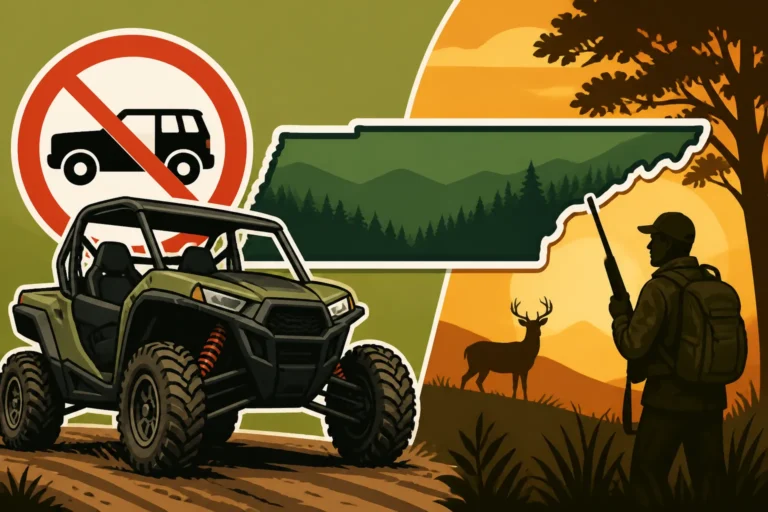
While your state license covers the act of hunting, the Cherokee National Forest, being federal land, has its own set of rules regarding access, equipment, and activities. These aren't always explicitly on your hunting license, so you need to be proactive in finding them. Common examples include restrictions on motorized vehicle use off designated roads, rules for camping, and critical regulations regarding treestand placement and removal.
For instance, on much of the Cherokee National Forest, treestands and ground blinds cannot be left overnight. Any stand you use generally needs to be removed at the end of each day's hunt, or within a specified timeframe, to prevent abandonment and damage to trees. It’s important to research these specifics for the particular area you plan to hunt. Treestand Rules on Tennessee Public Land can give you a good overview of what's generally allowed on public land in Tennessee, including national forests.
Additionally, some parts of the Cherokee may fall under specific Wildlife Management Area (WMA) guidelines, even though it's technically National Forest land. Always double-check if your chosen hunting area has any WMA overlays or special federal regulations that might differ from general state rules. These details are typically found in the TWRA hunting guide or on the Forest Service website for the Cherokee National Forest itself.
Understanding Bear Hunting Zones and Seasons
Bear hunting in Tennessee, especially within the Cherokee National Forest, is highly regulated and divided into specific bear hunting zones, each with its own season dates and rules. The Cherokee National Forest generally falls within different bear zones, meaning you need to pay close attention to which zone you are in and its associated season structure. This often dictates when you can hunt, what methods are allowed, and whether a quota or draw system is in place for certain areas.
For example, some zones might have an early archery season, followed by a muzzleloader season, and then a gun season, or specific "dog hunting" periods. Knowing these nuances is absolutely critical, as showing up with a rifle during an archery-only period could land you in serious trouble. Always refer to the TWRA's annual hunting guide for the precise dates and regulations for each bear zone. Tennessee's Three Bear Hunting Zones provides an excellent resource to help you delineate these areas.
Bear hunting in the Cherokee can be incredibly rewarding, but it demands meticulous planning and adherence to the rules. These regulations are in place to ensure the health and sustainability of Tennessee's recovering bear population, and as responsible hunters, it's our duty to respect them. Make sure your permits are in order and you understand the specific zone's rules before committing to a bear hunt in this beautiful but complex landscape.
Scouting Strategies for Success in Mountainous Terrain
Scouting the Cherokee National Forest is an entirely different beast than scouting a flat farm field. The terrain is unforgiving, the distances are vast, and the cover can be incredibly dense. You can't just drive around and expect to see deer or bear. Successful hunting here starts long before opening day, with a dedicated and often strenuous scouting regimen.
Topographical Map and Aerial Photo Analysis
Your pre-season scouting really kicks off from the comfort of your home, with detailed topographical maps and aerial imagery. This is where modern tools like onX Hunt become indispensable. Instead of just looking at flat fields, you're studying contour lines, identifying saddles, benches, natural funnels created by converging drainages, and potential bedding areas on steep slopes. You want to understand the lay of the land, how water flows, and how animals might navigate these complex features. Reading Aerial Photos for Cumberland Plateau Deer offers excellent insights that are highly applicable to the mountainous terrain of the Cherokee.
Look for subtle changes in elevation that create shelves or "benches" along a ridge. These are often natural travel corridors for deer and bear, providing easier passage than climbing directly up or down a steep face. Identify south-facing slopes, which tend to melt snow faster and receive more sunlight, making them appealing bedding areas in colder weather. Also, pinpoint potential food sources, like stands of oak or hickory, keeping in mind that mast crops can vary year to year.
Using the layers available on onX Hunt or GoHunt can help you identify property boundaries (crucial to avoid trespassing), logging roads, and even different timber types, which can indicate varying levels of cover and food. You can mark potential stand sites, ingress and egress routes, and points of interest from your couch, saving you countless miles and hours in the woods. This initial map work is your blueprint for an effective ground scouting plan.
Boot-on-the-Ground Reconnaissance
Once you've identified promising areas on your maps, it's time to hit the trails – or often, create your own. Boot-on-the-ground scouting in the Cherokee means putting in the miles. You're looking for fresh sign: tracks, rubs, scrapes, and bedding areas. Don't just stick to the main trails; push into the thick stuff, especially where your map reconnaissance suggested bedding or travel corridors. The deeper you go, the more likely you are to find undisturbed sign.
As you walk, pay close attention to thermals and wind. In mountainous terrain, thermals will typically pull air uphill in the morning as the sun heats the ground, and push air downhill in the evening as it cools. This dramatically affects how game moves and how you need to approach your stand. Understanding these air currents is critical for successful hunting, as deer and bear will use them to their advantage. Wind and Thermals on a Ridge System is an invaluable read for this specific challenge.
Look for "deer highways" – worn trails that indicate consistent use. In dense rhododendron thickets, these trails might be subtle, but they're there. Look for droppings, nibbled browse, and fresh tracks in soft earth near water sources or crossing old logging roads. The more fresh sign you find, the higher your chances of encountering game during the season. It’s physically demanding work, but it’s how you truly learn the landscape.
Trail Cameras and Their Strategic Placement
Trail cameras can be an incredibly effective scouting tool in the Cherokee National Forest, but their placement requires thought and strategy. Unlike open country where a camera on a food plot might catch everything, in dense forest, you need to be precise. Focus on pinch points, saddles, and funnels where game movement is naturally constricted. A well-placed camera on a logging road that acts as a natural travel corridor, or overlooking a scrape line, can provide invaluable intelligence.
Before deploying cameras, always check the current TWRA and Forest Service regulations regarding their use on public land. Rules can vary, and you want to be sure you're operating legally. Once you're clear, think about your target species. For deer, look for areas where multiple trails converge, or along the edges of thick bedding cover and feeding areas. For bears, focus on known mast-producing ridges or near water sources during dry spells. Where to Hang a Camera on a Logging Road offers practical advice that applies perfectly to the many old logging roads found throughout the Cherokee.
Remember, privacy and security are considerations on public land. Place cameras discreetly and securely. Reviewing the images can help you determine not just what animals are in the area, but also their travel patterns and even their daily routines, giving you a massive advantage when it comes time to hunt.
Hunting Deer in Cherokee National Forest
Deer hunting in the Cherokee National Forest is a different experience compared to hunting agricultural land. These are truly wild deer, often smaller in body and antler size, but incredibly wary and tough. The terrain dictates their movement, and understanding how they use the steep ridges, hollows, and benches is paramount to success.
Ridge Systems and Saddle Hunting
Ridge systems are the highways of the Cherokee National Forest for deer. Whitetails, being creatures of efficiency, will often travel along these less-strenuous routes, using the top or just below the crest of a ridge to move between bedding and feeding areas. Look for prominent ridges that connect larger feeding grounds (like areas with a good acorn crop) to thick bedding cover on steep slopes. These ridges become especially active during the rut when bucks are cruising for does.
Saddles, which are dips or low points in a ridge, are absolute gold mines. They act as natural funnels, concentrating deer movement as animals cross from one side of a mountain to another or move between different drainages. A well-defined saddle with good sign (tracks, rubs) is an ideal location for a morning or evening stand. Always consider the wind direction when setting up, as deer will often try to circle downwind before crossing a saddle. Hunting a Ridge-Top Saddle for Rutting Bucks delves deeper into capitalizing on these prime locations.
When hunting ridge systems, think about the time of day. In the morning, deer might be moving off bedding areas on the slopes to feeding areas, or heading back to bed. In the evening, the reverse is true. Position yourself to intercept them during these transitions. Climbing a little higher than you think you need to can often give you a better vantage point and keep your scent above the primary travel routes.
Hunting Hollows and Creek Bottoms
While ridges are key, don't overlook the potential of the deep hollows and creek bottoms that dissect the Cherokee. These areas, often choked with rhododendron, mountain laurel, and other dense vegetation, provide excellent bedding and security cover for deer, especially when pressure builds on the ridges. During warmer parts of the season or dry spells, deer will gravitate towards creek bottoms for water.
Hunting these areas requires patience and a willingness to get into the thickest stuff. Deer trails through these dense covers can be subtle, but they exist. Look for small openings, game crossings over creeks, or areas where the terrain creates a natural pinch point. Movement will be slower here, and shots will likely be close, so practice those quick, quiet draws if you're bowhunting. Hunting Smoky Mountain Foothill Deer offers tactics that translate well to these rugged, lower-elevation areas within the Cherokee.
The challenge in hollows is often swirling winds and limited visibility. Thermals can play havoc, rising in the morning and falling in the evening, often creating unpredictable air currents. This means you need to be extra cautious with your scent control and be prepared to move if the wind isn't cooperating. But the reward can be finding a mature buck that's successfully evaded other hunters by disappearing into these seemingly impenetrable sanctuaries.
Rut Behavior and Stand Placement
The rut in the Cherokee National Forest is an exciting time, usually peaking in early November, but with activity leading up to it and trailing off afterwards. During this period, buck behavior changes dramatically, as they become less cautious and more focused on finding receptive does. This creates new opportunities but also requires adjustments to your hunting strategy and stand placement. Hunting the Rut in Early November is an excellent resource for timing and tactics during this critical phase.
During the pre-rut, bucks will begin making scrapes and rubs more frequently. Look for these signs along ridge lines, logging roads, and the edges of thick cover. Placing a stand overlooking a fresh scrape line or a series of rubs can be highly effective. During the peak rut, bucks will be actively cruising, sometimes covering significant ground across ridges and through hollows, so positioning yourself on a primary travel corridor becomes even more important.
Consider terrain features that funnel deer, such as the neck of a ridge before it drops into a hollow, or a saddle that connects two larger bedding areas. Bucks will often use these routes to scent check for does. Also, think about areas with good visibility where you can glass, as deer might be moving more openly during daylight hours. A good understanding of the local rut timing, combined with smart stand placement based on deer movement patterns, significantly increases your odds of encountering a mature buck in the Cherokee.
Pursuing Black Bears in the Forest's Depths
For many, hunting a black bear in the Cherokee National Forest is the ultimate trophy. These magnificent animals thrive in the rugged, forested habitat, but they are notoriously elusive and require a dedicated and often physically demanding effort to hunt successfully. The dense cover and steep terrain make it a true test of a hunter's skill and perseverance.
Bear Zones and Season Timing
The Cherokee National Forest spans multiple bear hunting zones, each with its own specific season dates, bag limits, and legal methods. For example, parts of the forest fall into what's often designated as "Bear Zone One" in the northeast, or "Bear Zone Two" nearer the Smokies. These zones can have distinct archery, muzzleloader, and gun seasons, and some might even have specific periods for hunting with hounds. It’s absolutely essential to consult the current TWRA regulations and identify precisely which bear zone your hunting area falls within. Hunting Bear Zone One in Northeast Tennessee provides specific details for that region of the forest.
The timing of the season often coincides with major mast crop availability, particularly acorns. Bears will shift their patterns dramatically based on food sources, so understanding when and where those resources are abundant is critical. Early seasons might see bears still focused on berries and softer mast, while later seasons will find them concentrated on hard mast like acorns or hickory nuts.
Successfully hunting bear means meticulous planning, not just for the season dates, but also for the specific regulations of your chosen zone. The TWRA manages these zones to ensure a healthy and sustainable bear population, and respecting the rules is vital for the future of bear hunting in Tennessee. Always double-check your permits and the specific zone rules before you head into the woods.
Identifying Bear Sign and Food Sources
Unlike deer, bear sign can be less common but more distinctive. When scouting for bear, you're looking for evidence of their feeding habits, travel routes, and sometimes even their resting areas. Tracks are a clear indicator, and you'll often find them in muddy creek bottoms or along old logging roads. Look for five-toed paw prints that are wider than they are long. Scat, which can vary wildly depending on their diet, is another strong indicator of their presence.
More uniquely, look for claw marks on trees, especially on certain species like beech, indicating where bears have climbed to access nuts. Ripped-apart logs or overturned rocks suggest they've been foraging for insects. But the most crucial sign, especially in the fall, is evidence of feeding on natural mast crops. If you find an area with abundant acorns, particularly white oak acorns which bears prefer, look for piles of chewed acorn hulls under the trees. Hunting Bears Over Natural Mast in the Mountains is an excellent guide for understanding and locating these critical food sources.
Bears are opportunistic eaters, and their diet changes seasonally. In spring and early summer, they might focus on lush green vegetation, grubs, and early berries. As summer progresses, they'll target blackberries, blueberries, and other soft mast. But come fall, when they're packing on weight for winter, hard mast becomes king. Finding a productive oak ridge where acorns are dropping can be the key to locating bears, as they will often gorge themselves in these areas.
Spot-and-Stalk and Hound Hunting Considerations
Hunting black bears in the Cherokee National Forest can be approached in a couple of primary ways: spot-and-stalk (or still-hunting) and, where permitted, hunting with hounds. Spot-and-stalk in the dense, steep terrain of the Cherokee is incredibly challenging. It requires exceptional stealth, keen observation skills, and a deep understanding of the wind and thermals. You'll often be slowly still-hunting through prime feeding areas, hoping to catch a bear unawares. Glassing from a high vantage point overlooking a mast-rich hollow can also be effective, but finding open enough country for long-range glassing can be difficult. Spot-and-Stalk Tactics for Cherokee Forest Bears details the intricacies of this demanding method.
Hound hunting, where allowed and with proper permits, is a different beast entirely. It involves using trained dogs to track and bay or tree a bear, allowing the hunter to approach for a shot. This is a highly specialized method that typically involves dedicated bear hunters with years of experience and well-trained dogs. It requires a lot of physical stamina to keep up with the dogs over incredibly rugged terrain, and a team effort. If you're considering this, joining an experienced hound hunting group is the best way to learn the ropes.
Regardless of the method, bear hunting in the Cherokee demands heavy-hitting caliber firearms that can anchor a large, tough animal. Shot placement is critical, and you must be prepared for a difficult recovery if the bear runs into dense cover. It’s a hunt for those seeking a true challenge and willing to put in the immense effort.
Turkey and Small Game Opportunities
While deer and bear often steal the spotlight, the Cherokee National Forest offers fantastic opportunities for turkey and small game hunting. These hunts can provide exhilarating action, test different skill sets, and allow you to explore the forest outside of the peak big game seasons.
Spring Turkey Hunting in Rugged Terrain
Spring turkey hunting in the Cherokee National Forest is an experience unlike any other. You'll be chasing Eastern wild turkeys in their native, rugged habitat, which means you better have your hiking boots broken in. These birds can be incredibly responsive but also extremely challenging due to the steep terrain and dense cover. Gobblers love to roost high on the ridges, and hearing a booming gobble echo through the timber at dawn is an unforgettable sound. Roost Hunting Tennessee Gobblers offers excellent strategies for locating these birds.
The challenge comes with navigating the terrain to get in position. A gobbler might be on one ridge, and you're on another, with a deep hollow in between. This often means quick, quiet movements, using terrain features to close the distance without being seen. Run-and-gun tactics, where you move and call frequently until you get a response, are often effective. Be prepared for birds to hang up on adjacent ridges or use the dense cover to their advantage, making them tough to pinpoint for a shot.
Calling turkeys in the mountains also requires a bit of finesse. Louder, more aggressive calls might be needed to reach across hollows, but once a bird is close, soft tree yelps and purrs can be all it takes to seal the deal. Decoy use can be effective, especially a single hen or jake, but be mindful of visibility in the thick timber. Above all, patience, physical fitness, and adaptability are your greatest assets when chasing Cherokee gobblers.
Grouse and Squirrel Hunting on Forested Slopes
For those who appreciate upland birds, the Cherokee National Forest offers a chance to pursue ruffed grouse, albeit in declining numbers in some areas. Grouse thrive in early successional habitats – those younger forest cuts, clearings, and thickets that provide dense cover and abundant food sources. You'll often find them along logging roads or in areas that have recently been timbered, as they favor this regenerating forest. Grouse Hunting Cumberland Plateau Cover shares insights that are highly relevant to the similar habitats in the Cherokee.
Hunting grouse is a fast-paced affair, often with a good bird dog (though flushing them without one is also possible). It involves covering a lot of ground, pushing through thick cover, and being ready for an explosive flush. They're often found near streams or in areas with persistent dense undergrowth. A light, fast-swinging shotgun is your best friend here. It's a challenging hunt, but the reward of a wild grouse in hand is deeply satisfying.
Squirrel hunting, on the other hand, is a much more accessible and often productive small game hunt in the Cherokee. The forest's abundant oak, hickory, and beech trees provide prime habitat for both gray and fox squirrels. During the early season, look for them feeding on nuts, particularly in the morning and late afternoon. You'll often find evidence of their feeding in the form of chewed nut cuttings on logs or rocks. Still-hunting slowly through mature hardwood ridges, or sitting quietly near a cluster of productive nut trees, can yield excellent results. It's a great way to introduce new hunters to the woods, sharpen your shooting skills, and put some delicious meat on the table.
Gear Considerations for Upland Hunters
When you're chasing turkeys, grouse, or squirrels in the Cherokee National Forest, your gear choices are critical for comfort, safety, and success. For turkeys, a reliable 12- or 20-gauge shotgun patterned tightly for turkey loads is essential. Carry a variety of calls – slate, mouth, box – to adapt to different situations and birds. A comfortable turkey vest with a built-in seat cushion will be a lifesaver during those long sits.
For grouse and squirrels, a lighter gauge shotgun, like a 20-gauge or even a .410, is often preferred for its maneuverability in dense cover. Small game hunters will appreciate an upland vest with plenty of game storage and perhaps some water capacity for dogs. Regardless of the species, your footwear is paramount. You'll be doing a lot of walking, often on steep, uneven terrain, so a pair of comfortable, supportive, and waterproof hiking boots is non-negotiable.
Don't forget layering system clothing. Mornings can be chilly, even in spring, but once you start climbing those ridges, you'll heat up fast. Being able to shed or add layers as needed will keep you comfortable. And, as always, carry navigation tools, a first aid kit, and water. These smaller game hunts might seem less intense than big game, but the Cherokee National Forest can still present unexpected challenges.
Essential Gear and Safety for Cherokee National Forest Hunters
Hunting in the Cherokee National Forest is an adventure, but it's one that demands respect for the wilderness and meticulous preparation. The vastness, rugged terrain, and often limited cell service mean that being self-sufficient and prepared for any eventuality isn't just a good idea; it's essential.
Navigation Tools and Communication
In the sprawling, often featureless (to the untrained eye) terrain of the Cherokee National Forest, reliable navigation is your absolute lifeline. Do not rely solely on your phone's native map app, as cell service is notoriously spotty or non-existent in many hollows and deep within the forest. A dedicated GPS unit is highly recommended. These devices offer robust mapping capabilities, are built for rugged outdoor use, and don't rely on cellular signals. GPS Units Versus Phone Apps provides a detailed comparison to help you choose the best option.
However, modern hunting apps like onX Hunt and GoHunt can be incredibly powerful when properly utilized. Crucially, download offline maps before you leave home. This allows your phone's GPS receiver to still track your location even without cell service. Use these apps to mark your vehicle, potential stand locations, game sign, and escape routes. Always carry a compass and a physical map as a backup – batteries die, screens break, and technology can fail. Knowing how to use them manually could literally save your life.
Beyond navigation, consider your communication strategy. If you're hunting alone, or even with a partner, and get into trouble in an area without cell service, how will you call for help? Satellite communicators (like those offered by Garmin inReach or Zoleo) are a fantastic investment for serious backcountry hunters. They allow you to send SOS messages and text loved ones even when miles from civilization. If hunting with a group, two-way radios can keep everyone in contact within a reasonable range, which is critical for safety on drives or when splitting up.
Clothing and Footwear for Mountainous Conditions
Your clothing and footwear choices for hunting the Cherokee National Forest are arguably more critical than for almost any other hunt in Tennessee. The weather can change rapidly, and the terrain is relentless. Layering is paramount: a moisture-wicking base layer, insulating mid-layers (fleece or wool), and a waterproof/windproof outer shell will allow you to adapt to changing temperatures and conditions, from frosty mornings to warm midday climbs, and sudden rain showers. Wool or quality synthetics are preferred over cotton, as they retain insulating properties even when wet. Layering for a Tennessee Deer Stand and Wool Versus Synthetics in Wet Cold offer great insights.
Footwear is where many hunters make a mistake. You need comfortable, supportive, and absolutely waterproof boots with excellent ankle support. Forget your flimsy rubber boots for these mountains. You'll be traversing steep, uneven terrain, crossing creeks, and scrambling over rocks and downed timber. A blown-out knee or a nasty fall is not something you want miles deep in the Cherokee. Invest in high-quality leather or synthetic hunting boots designed for rugged mountain use. Ensure they are well-broken in before your hunt to prevent blisters. Boots for Tennessee Hollows and Creek Bottoms is a must-read for selecting the right footwear.
Don't forget blaze orange or pink. Tennessee has specific requirements for wearing these colors during gun seasons, but it's a good idea to incorporate them even during archery season for increased visibility, especially on heavily used public land. A good pair of comfortable, durable hunting pants that can withstand briars and rough terrain is also crucial.
First Aid, Survival, and Emergency Preparedness
This isn't your backyard hunt. When you're in the Cherokee National Forest, you are often truly isolated. A comprehensive first aid kit is non-negotiable. It should include more than just a few band-aids; think about blister care, wound dressing, pain relievers, allergy medication, and any personal prescriptions. Know how to use everything in it. First Aid Kits for Remote Remote Cherokee Forest Ground is an excellent guide for what to pack and why.
Beyond first aid, carry basic survival essentials: a reliable fire starter (multiple methods are best), a headlamp with extra batteries, a knife, a multi-tool, a small roll of duct tape, and a way to purify water (filter, tablets, or even a small pot for boiling). A lightweight emergency shelter, like a space blanket or a tarp, could be a lifesaver if you're unexpectedly forced to spend a night in the woods due to injury or getting lost.
Before you leave, always tell someone your exact hunting location, your planned route, and when you expect to return. Give them a detailed itinerary. If your plans change, let them know. Having someone aware of your whereabouts is one of the simplest yet most effective safety measures you can take. While the Cherokee National Forest offers incredible hunting opportunities, its wild nature demands respect and thorough preparation. Hunt smart, hunt safe, and cherish the experience.
| Game Species | Primary Habitat in Cherokee NF | Key Hunting Method | Best Time to Hunt |
|---|---|---|---|
| White-Tailed Deer | Ridge tops, saddles, hollows, creek bottoms | Still-hunting, stand hunting | Archery (Sept-Oct), Rut (Nov), Late Season (Jan) |
| Black Bear | Steep, mast-producing ridges, dense hollows | Spot-and-stalk, hound hunting | Fall (late Sept-Nov), specific zone seasons |
| Wild Turkey | Ridge roosts, creek bottoms, open timber | Calling (run-and-gun), ambush | Spring (April-May) |
| Ruffed Grouse | Early successional cuts, thickets, regenerating timber | Flushing (with/without dog) | Fall (Oct-Jan) |
| Squirrels | Mature oak, hickory, beech ridges, creek bottoms | Still-hunting, sitting | Early Fall (Aug-Sept), Late Fall (Oct-Dec) |
Disclaimer
This article is for general informational purposes only and does not constitute professional advice. Laws, prices and regulations vary by location and change over time. Consult a qualified professional for guidance on your specific situation.