Hunting Bear Zone One in Northeast Tennessee
Hunting black bears in Northeast Tennessee's Bear Zone One presents a unique set of challenges and immense rewards. This rugged, mountainous terrain, teeming with dense forests and steep hollows, can be daunting for the uninitiated, but understanding the specific regulations, landscape, and effective tactics is key to success. This comprehensive guide will walk you through everything you need to know to pursue these magnificent animals in this challenging yet incredibly rewarding region.
Understanding Bear Zone One Boundaries and Regulations
Navigating the rules for bear hunting in Tennessee can feel like deciphering ancient hieroglyphs, especially when you factor in the specific zones and their unique seasons. Bear Zone One, which predominantly encompasses the northeastern mountainous counties of Tennessee, is a prime example of this complexity. It's often where you'll find some of the state's most challenging — and therefore most exciting — bear hunting opportunities.
Defining Zone One Boundaries and Regulations
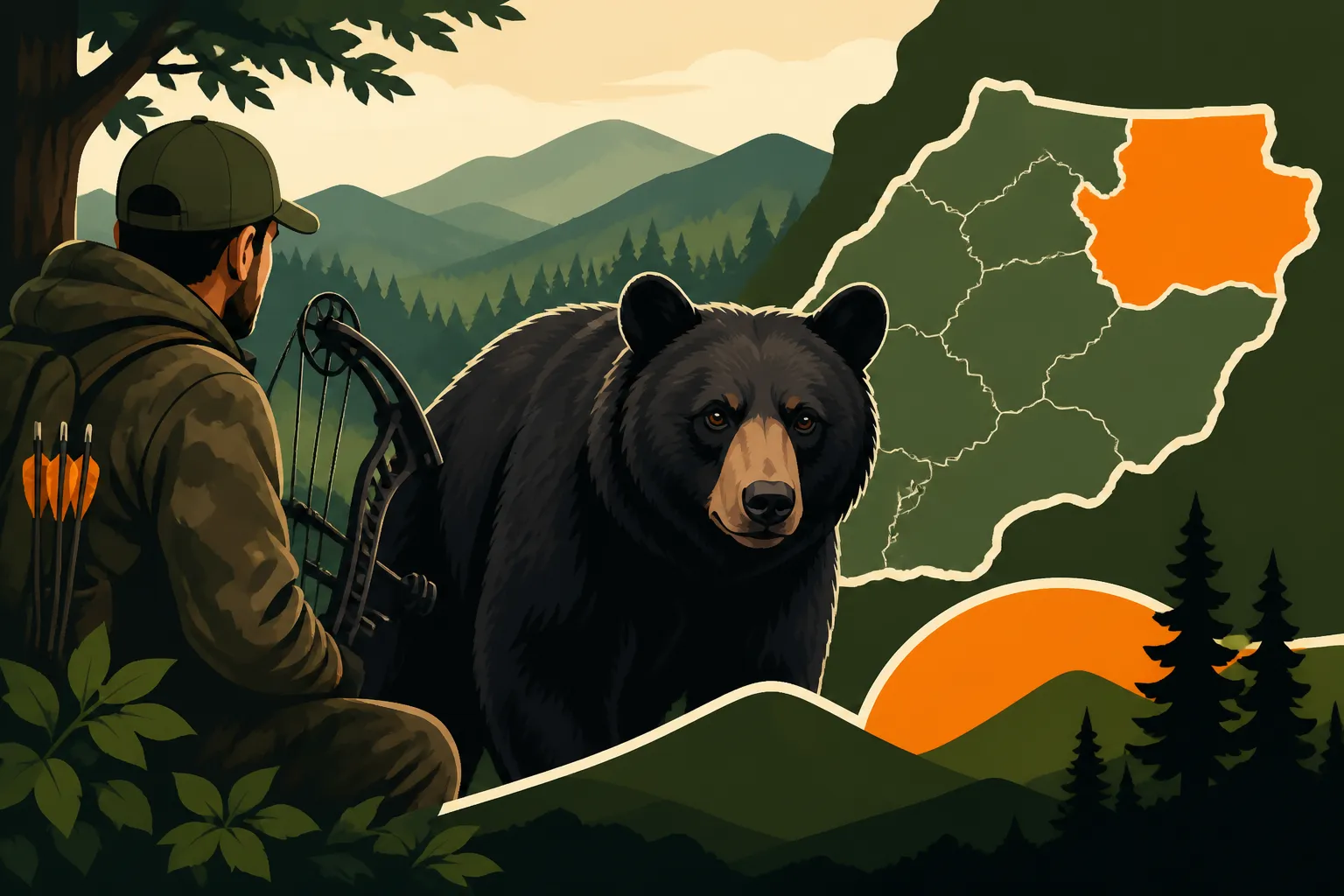
Bear Zone One typically covers a swath of counties in Northeast Tennessee, often including significant portions of the Cherokee National Forest. We're talking about places like Johnson, Carter, Sullivan, Greene, Cocke, Sevier, Blount, Monroe, and Polk counties. The exact boundaries can fluctuate slightly or have specific WMA exclusions, so it’s absolutely critical to consult the most current Tennessee Wildlife Resources Agency (TWRA) hunting guide each season. This isn't just a suggestion; it's a non-negotiable step to avoid costly mistakes.
The regulations within Zone One are distinct from other bear zones in Tennessee. For instance, you’ll find specific seasons for archery, muzzleloader, and gun hunters, often with staggered opening and closing dates. What really sets Zone One apart is the significant role of dog hunting in its management and tradition. There are usually separate dog hunting seasons, which draw a passionate group of hunters who utilize well-trained hounds to pursue bears through the rugged Appalachian landscape. The bag limits, too, are specific to Zone One, and generally, only one bear per hunter per year is allowed statewide, but always double-check the specific rules for your zone. Remember, female bears with cubs are almost universally protected, and identifying them before the shot is paramount for ethical hunting. For a deeper dive into these specifics, you'll find more information in our guide on Tennessee Bear Zone One Rules.
Unique Challenges of Hunting in the Appalachian Foothills
Hunting in the Appalachian Foothills is a completely different beast than hunting deer in a West Tennessee river bottom or ducks on Reelfoot Lake. The terrain is unforgiving – think steep ascents, precipitous descents, thick rhododendron thickets, and endless stretches of mature hardwood forests. This isn't flat ground where you can glass for miles; visibility is often limited, and bears can vanish into the dense cover in the blink of an eye. The physical demands are immense; you'll be earning every mile you cover and every foot of elevation you gain.
Moreover, bears in this region are incredibly wild and wary. They face significant hunting pressure, particularly during dog seasons, which sharpens their senses and makes them adept at avoiding human encounters. Their home ranges are vast, covering thousands of acres, meaning they can be here today and miles away tomorrow, following food sources or escaping pressure. Add to this the variable weather – from warm, muggy early season days to frigid late-season snaps, sometimes all in the same week – and you have a truly challenging environment. Expect to encounter deep draws and ridges, requiring constant attention to wind and thermals, which are often unpredictable in mountainous areas.
Navigating Public Land Access and WMA Rules
A significant portion of Bear Zone One hunting takes place on public lands, most notably the sprawling Cherokee National Forest. While this offers incredible opportunities, it also comes with its own set of guidelines. Beyond the general TWRA regulations, each Wildlife Management Area (WMA) or specific section of the National Forest might have additional, localized rules. These could include restrictions on vehicle access, camping regulations, specific permit requirements, or even temporary closures for timber operations or prescribed burns.
Before you ever set foot in the woods, it's crucial to identify the specific WMA or National Forest unit you plan to hunt and review its individual regulations. The TWRA website and their Go Outdoors Tennessee app are invaluable resources for this. Using the mapping features on the app can help you identify land ownership, boundaries, and potential access points. Be particularly mindful of areas designated as bear reserves or specific closures during certain seasons, like the "South Cherokee Bear Reserve Boundaries" that might have different rules. For an overarching understanding of where these black bears roam, you might want to read our guide on Where Tennessee Black Bears Live. Remember, respect for the land and fellow hunters is paramount. Parking in designated areas, packing out all trash, and understanding the nuances of public land etiquette ensures these opportunities remain available for everyone.
Scouting Strategies for Northeast Tennessee Bears
Successful bear hunting in Zone One isn't about luck; it's about meticulous preparation, intelligent scouting, and understanding the bear's habits within its natural habitat. Given the vastness and ruggedness of the terrain, effective scouting is perhaps even more critical here than in other hunting scenarios.
Locating Food Sources Throughout the Seasons
Bears are opportunistic omnivores, and their movements are dictated primarily by the availability of food. In Northeast Tennessee's mountainous region, this means a constantly shifting buffet of natural mast. Early season hunts, often in September or October, might find bears feasting on soft mast like blackberries, blueberries, and wild grapes in clear-cuts or along sun-drenched edges. As autumn progresses, the focus shifts dramatically to hard mast, with acorns being the undisputed king. White oak acorns are typically preferred first due to their lower tannin content, but bears will readily consume red oak acorns, hickory nuts, and beechnuts once those become available.
To scout for food sources, you need to be in the woods well before the season opens. Identify areas with abundant oak stands, particularly on south-facing slopes or ridge tops where acorns mature earlier. Look for "oak flats" – areas of relatively flat ground on a ridge or saddle where mature oak trees dominate. Scrutinize the ground for recent acorn drop and, more importantly, for signs of bear activity around these food sources. A good tactic is to focus on areas that are harder for hunters to access, as these spots often hold undisturbed feeding bears. Remember that food availability can vary dramatically year to year, so pre-season scouting is a dynamic process. Our article on Hunting Bears Over Natural Mast in the Mountains offers more depth on this crucial aspect.
Identifying Bear Sign and Travel Corridors
Once you've narrowed down potential food sources, the next step is to find tangible evidence of bears using those areas. Bear sign is unmistakable once you know what to look for.
- Scat: This is one of the most common indicators. Bear scat can vary greatly in appearance depending on their diet. In late summer/early fall, it might be dark, loose, and full of berry seeds. Later, it will be firmer, often containing acorn caps, hair, or insect fragments. Fresh scat indicates recent activity.
- Tracks: Look for large, five-toed tracks in soft earth, mud around water sources, or along old logging roads. The hind paw is often longer and narrower than the front.
- Rub Trees: Bears often rub their backs against trees, leaving hair and scratch marks. These are typically larger trees, especially evergreens, and can be scent-marked.
- Scratch Marks: Bears will often claw trees, particularly beech and pine, to mark territory or climb for food. Look for parallel claw marks high on tree trunks.
- Day Beds: Bears will create shallow depressions in dense cover or under large conifers for bedding. These are harder to find but indicate bedding areas.
- Wallows: In wet areas, bears might create muddy wallows.
Beyond individual signs, look for travel corridors that connect food sources to bedding areas or water. These often follow ridge lines, creek bottoms, old logging roads, or natural funnels between thickets. Understanding these travel patterns is crucial for setting up a stand or planning a still hunt.
Utilizing Technology for E-Scouting
In this modern age, technology can be a huge asset for scouting bears in vast mountain terrain. Tools like satellite imagery and topographical maps, often integrated into hunting apps, can save you countless miles of walking and help you formulate a more efficient scouting plan. Many hunters rely on platforms like GoHunt for their detailed mapping overlays, which allow you to virtually scout vast tracts of land from the comfort of your home.
Before you ever lace up your boots, use these tools to:
- Identify potential access points: Look for forest service roads, old logging trails, or clear-cuts that might offer a way into prime habitat.
- Locate water sources: Bears need water daily, so identify creeks, springs, or seeps, particularly on drier ridges.
- Pinpoint elevation changes and natural funnels: Topo maps reveal saddles, benches, and draws that bears will naturally use for easier travel.
- Spot different timber types: Areas of mature hardwoods (especially oaks) will show up differently than pine thickets or rhododendron hells. This helps you target food-rich areas.
- Mark potential bedding areas: Look for dense, dark-green canopy areas on satellite imagery, often on steep, north-facing slopes, which provide cool, secure bedding.
While e-scouting is powerful, it’s not a substitute for boots on the ground. Use it to narrow down your focus, then spend your time efficiently verifying your assumptions and looking for fresh sign in person. It’s also wise to prepare for limited cell service in these remote areas; download offline maps to your GoHunt app or dedicated GPS unit before heading out. Our guide on Scouting Tennessee Public Land Before Season provides excellent foundational knowledge applicable to bear hunting.
Effective Hunting Methods in Zone One
Bear hunting in Northeast Tennessee is an active pursuit, demanding resilience, keen observation, and often, a lot of walking. While specific tactics vary by hunter preference and season, three main approaches typically dominate in Bear Zone One.
Spot-and-Stalk Tactics in Steep Terrain
The concept of spot-and-stalk might conjure images of vast western landscapes, but it's a highly effective, albeit challenging, method in the Appalachian Mountains. It’s particularly suited for hunters who are physically fit and enjoy an active hunting style. The key here is not necessarily to spot a bear from miles away, but rather to methodically still-hunt through prime habitat, spotting the bear before it spots you, and then executing a cautious stalk for a shot.
This involves moving slowly, often taking just a few steps every minute, and pausing frequently to scan your surroundings. Use your binoculars to pick apart every shadow, every downed log, and every thicket. Focus on areas with good visibility but also proximity to food sources or bedding. Ridge lines can offer better sightlines, allowing you to peek into hollows or observe opposite slopes. Always pay attention to the wind, as a bear's nose is its greatest defense. If the wind swirls or shifts, you might need to adjust your approach or even back out. When you do spot a bear, assess its direction of travel, the terrain, and the wind, then plan your stalk to get within ethical shooting range. This often means using natural cover like thickets, terrain breaks, and downed timber to mask your movement. Remember, patience is paramount; a hasty move will almost certainly result in a missed opportunity. Our article on Spot-and-Stalk Tactics for Cherokee Forest Bears delves deeper into these techniques.
Stand Hunting Over Natural Mast and Funnels
For hunters who prefer a more static approach, or during periods when bears are heavily concentrated on specific food sources, stand hunting can be incredibly productive. This method involves setting up a treestand or ground blind in a strategic location and waiting for a bear to come to you.
The most effective stand placements are typically overlooking:
- Active mast crops: As discussed, white oak acorn flats, hickory groves, or areas with abundant wild grapevines are prime spots. Look for fresh scat and tracks.
- Natural funnels: These are constricted travel corridors that bears are forced to use. Think saddles between ridges, narrow creek bottoms, or benches along steep slopes. Bears, like deer, prefer the path of least resistance.
- Transition areas: The edge where a dense bedding thicket meets a more open feeding area is a classic ambush point, especially during morning and evening hours.
Setting up a stand for bears requires a sturdy, reliable treestand or a well-brushed-in ground blind. Bears are often less aware of vertical movement than deer, but scent control and quiet entry/exit are still crucial. Plan your approach and departure routes carefully to avoid spooking bears in the area. Consider using a climbing stick system or a quality ladder stand for safety and stability in the rugged terrain. Unlike deer stands, you might need to place a bear stand higher to see over dense undergrowth, but always prioritize safety. Our guide on Treestand Setups in Cherokee National Forest offers valuable insights for stand hunting in this environment.
Understanding Hound Hunting Dynamics
Hound hunting for bears is a deeply ingrained tradition in many parts of the Appalachian Mountains, and Bear Zone One is no exception. This method is distinct and requires specialized dogs, equipment, and a significant time commitment, but it’s also one of the most effective ways to locate and pursue bears in dense cover.
When hound hunting, a pack of well-trained bear dogs is released on a fresh bear track. The dogs then follow the scent, baying loudly as they pursue the bear. The goal is for the dogs to eventually "tree" or "bay up" the bear on the ground, holding it in place until the hunters can arrive for a shot. This pursuit can cover significant distances over extremely challenging terrain, sometimes miles up and down mountainsides.
Hunters often use GPS collars on their dogs to track their location and progress. This technology is vital for knowing where the dogs and the bear are, and for safely retrieving the dogs if the chase goes out of range or into difficult areas. The physical demands on hound hunters are immense, as they must often hike at a strenuous pace through rough country to reach the bayed bear. Ethical hound hunting prioritizes the welfare of the dogs and the fair chase of the bear. Hunters must be prepared for long, tough days, and have a deep understanding of dog behavior and mountain navigation. While it's a team effort, responsible hound hunting is a highly regulated and respected method in Tennessee's bear zones. If you're considering this method or want to understand it better, our resource on Running Hounds for Cherokee Forest Bears is a great starting point.
Gear and Logistics for Mountain Bear Hunts
Hunting bears in Northeast Tennessee demands specific gear and a robust physical and mental preparation. This isn't a casual stroll in the park; it's a challenging endeavor that will test your equipment and your endurance.
Essential Clothing and Pack Items
The mountains of Zone One can experience significant temperature swings, often within a single day. Layering is not just recommended; it's essential. Start with a moisture-wicking base layer to manage sweat during strenuous climbs. Add an insulating mid-layer like fleece or lightweight synthetic puff jacket for warmth. Your outer layer should be durable, quiet, and offer protection from wind and rain. Look for sturdy materials that can withstand snagging on briars and rhododendrons. While bear hunting doesn't have the same blaze orange requirements as deer gun season, it's always wise to wear some visible orange for safety, especially if other hunters are in the area.
Beyond clothing, your pack is your lifeline. A robust daypack, ideally between 25-45 liters, is crucial for carrying essentials. Inside, you'll need:
- Water: More than you think. A hydration bladder plus extra bottles.
- High-energy snacks: Nuts, jerky, energy bars.
- First-aid kit: For both you and potentially your dog (if hound hunting). Our guide on First Aid Kits for Remote Cherokee Forest Ground has specifics.
- Navigation tools: GPS unit (downloaded offline maps are critical as cell service is spotty, especially with GoHunt's mapping features), compass, and a physical map.
- Headlamp or flashlight: Even if you plan to be out before dark, things can go wrong.
- Emergency shelter/fire starter: A space blanket, lighter, or waterproof matches.
- Game bags: If you're successful, you'll need to protect the meat.
- Knife/saw: For field dressing.
- Gloves: For warmth and protection.
- Binoculars: For spotting distant bears or confirming sign.
- Wind indicator: A small bottle of powder or thread helps gauge wind direction.
Every item in your pack should serve a purpose and be able to withstand the abuse of mountain hunting. Our article on Packs for a Cherokee Forest Day Hunt can help you choose the right one.
Firearms and Optics for Mountain Bear
Choosing the right firearm for bear hunting in Zone One is about striking a balance between stopping power and shootability in challenging conditions. While smaller calibers like a .243 or 6.5 Creedmoor are popular for deer, for bears, you want something with more punch. Calibers like .30-06, .300 Win Mag, .308, or even a .338 Win Mag are excellent choices. The key is to use a bullet designed for large, tough game that will penetrate deeply and reliably expand. Shot placement is always king, but a powerful bullet increases your margin for error on a strong animal like a bear.
Optics also play a critical role. A quality variable-power rifle scope (e.g., 3-9x or 4-12x) with good low-light performance is ideal. Shots can be close and quick in thick timber, or occasionally reach out a bit further across a hollow. Good binoculars (8×42 or 10×42) are indispensable for scouting and spotting bears in dense cover. A rangefinder is also a smart addition, helping you accurately judge distances in terrain that can be deceptive.
For muzzleloader seasons, choose a rifle capable of delivering significant energy. A .50 caliber or larger, shooting a heavy conical bullet or sabot, is a good choice. Practice extensively with your chosen firearm and load combination to ensure you're confident and accurate, especially from awkward field positions. Our guide on Rifle Calibers for Tennessee Bear offers more specific advice.
Physical Preparation and Safety Considerations
Bear hunting in Zone One is physically demanding. You'll be climbing steep hills, navigating dense cover, and potentially dragging a heavy animal out of a remote location. Starting a fitness regimen weeks or even months before the season is highly recommended. Focus on cardio, leg strength, and endurance. Hiking with a loaded pack is excellent preparation.
Beyond physical fitness, safety is paramount.
- Tell someone your plan: Always inform a reliable person of your hunting location, expected return time, and your vehicle's make and model.
- Hunt with a buddy: Whenever possible, hunt with a partner, especially in remote areas.
- Bear spray: Carry bear spray (and know how to use it) as a last line of defense in close encounters. While black bears are generally shy, a surprise encounter or a sow with cubs can be dangerous.
- Navigation: Don't rely solely on your phone. A handheld GPS and compass/map are critical backups. Know how to use them.
- Weather: Be prepared for sudden changes in weather. Rain, cold fronts, or even unexpected snow can turn a hunt dangerous quickly.
- Shot placement: Understand bear anatomy for ethical and quick kills. Our guide on Shot Placement on a Tennessee Black Bear is a must-read. If you wound a bear, it can be extremely dangerous to track, so always exercise extreme caution.
Staying hydrated, taking breaks, and knowing your physical limits are crucial for a safe and enjoyable hunt in this rugged country.
Post-Harvest Protocol and Safety
Congratulations, you've successfully harvested a bear in Northeast Tennessee! This is a moment of immense pride and accomplishment, but the work isn't over. Proper post-harvest protocols are essential for legal compliance, meat preservation, and personal safety.
Harvest Reporting and Carcass Management
Once your bear is down, the very first thing to do, after ensuring it's expired and approaching with caution, is to tag it. Tennessee's regulations require immediate tagging of harvested big game. This often means attaching your physical bear tag to the animal's hide.
Next, you must report your harvest to the TWRA. This can typically be done online through their Go Outdoors Tennessee system or via their mobile app. You'll need information like the date of harvest, county, WMA (if applicable), sex of the bear, and the type of weapon used. The TWRA uses this data to monitor bear populations and set future seasons, so accurate reporting is vital for conservation efforts. This is a critical legal step, and failure to report your harvest promptly can result in penalties. Always carry proof of your license and permits, which can often be displayed on your phone via the Go Outdoors Tennessee app. You can find more details on Tennessee Bear Checking Requirements.
Proper carcass management immediately after the kill is also crucial, especially if you're hunting in warmer early-season conditions. Field dressing should begin as soon as possible to allow the carcass to cool down.
Field Dressing and Meat Preservation in Warm Weather
Field dressing a bear is similar to deer but often involves more fat and a larger, tougher hide. The primary goal is to remove the entrails quickly to allow the body cavity to cool and prevent spoilage. If you plan to have a rug or taxidermy mount done, be sure to make the appropriate cuts to preserve the hide.
In the challenging terrain of Zone One, you might be a long way from your vehicle. Consider the "gutless method" if you're alone or facing a long pack-out. This method involves quartering the animal and deboning the meat in the field, leaving the hide and carcass where the bear fell. This significantly reduces the weight you have to carry.
Here's a quick overview of essential meat care:
| Step | Description | Why It's Important |
|---|---|---|
| Field Dress Quickly | Remove all internal organs, including the esophagus and trachea. | Allows the carcass to cool, preventing bacterial growth and spoilage. |
| Cool Thoroughly | Prop open the cavity, get air circulating, especially if using bone-in quarters. Hang if possible. | Reduces core temperature; crucial for quality meat. |
| Use Game Bags | Place quarters or deboned meat into breathable game bags (cotton or synthetic mesh). | Protects meat from flies, dirt, and debris while allowing air circulation. |
| Pack Out Efficiently | Utilize a sturdy frame pack or game cart (if terrain allows) to transport meat quickly to cold storage. | Minimizes time meat spends at ambient temperatures, reducing spoilage risk. |
| Refrigerate/Freeze | Get meat into a cooler with ice (not submerged) or a walk-in cooler as soon as possible. | Stops bacterial growth and preserves quality for processing. |
Remember, bear meat, especially from corn-fed or acorn-fed bears, can be absolutely delicious, but it needs proper care from the moment of harvest. Don't let your hard-earned meat go to waste! Our guide on Handling a Bear After the Shot provides a detailed step-by-step for field care.
Staying Safe in Bear Country
Even after a bear is harvested, or even if you're just scouting, it's vital to remain bear-aware. You are in their home, and other bears are likely in the vicinity.
- Be cautious with food: Never leave food or garbage exposed at your camp or vehicle. Bears are highly intelligent and will quickly associate humans with easy meals.
- Hang food: If camping, suspend food, toiletries, and anything with a scent from a tree limb, at least 10 feet off the ground and 4 feet from the trunk.
- Cleanliness: Keep your camp and hunting area clean. Avoid cooking strong-smelling foods near your sleeping area.
- Encountering other bears: If you encounter another bear, especially a sow with cubs, give it plenty of space. Make noise, make yourself look large, and slowly back away. If a bear charges, stand your ground and use bear spray if it gets too close. Never run.
- Wounded bears: Tracking a wounded bear is one of the most dangerous situations a hunter can face. Always wait an appropriate amount of time (at least an hour, sometimes longer depending on the shot) before beginning to track. Proceed with extreme caution, ideally with multiple people, and be prepared for a close-quarters confrontation.
By understanding bear behavior, being prepared with the right gear, and adhering to strict safety protocols, you can ensure your bear hunting experience in Northeast Tennessee is not only successful but also safe and respectful of these incredible animals.
Disclaimer
Hunting is an inherently dangerous activity. This guide provides general information and recommendations. All hunters are responsible for reviewing and adhering to the most current Tennessee Wildlife Resources Agency (TWRA) regulations, obtaining the necessary licenses and permits, and ensuring their own safety and the safety of others. Wildlife regulations can change, so always check the official TWRA sources before heading afield.