Running Hounds for Cherokee Forest Bears
There’s a unique kind of grit that comes with chasing black bears through the rugged, unforgiving terrain of the Cherokee National Forest. It’s a challenge that tests your endurance, your knowledge of the woods, and your dog’s unwavering dedication. For those who feel the call of the chase, the thought of coordinating a pack of hounds across those steep ridges and deep hollows can feel daunting, but it's an incredibly rewarding experience. This guide is all about helping you navigate the thrilling, complex world of running hounds for bears in Tennessee's eastern mountains.
Understanding Cherokee National Forest Bear Hunting Zones and Regulations
Before you even think about putting a dog on the ground, you absolutely have to be intimately familiar with the specific rules and zones that govern bear hunting in the Cherokee National Forest. This isn't like deer hunting in your local farm country; the stakes are higher, the terrain is tougher, and the regulations are designed to protect both the bear population and the safety of hunters. Ignoring these details can quickly turn an exciting adventure into a frustrating, or even illegal, situation.
Navigating the Specific Bear Zones
Tennessee's bear hunting is divided into distinct zones, and the Cherokee National Forest falls primarily within two key areas: Bear Zone One (Northeast Tennessee) and Bear Zone Three (South Cherokee). Each zone has its own season dates, bag limits, and specific regulations, including when and where hound hunting is permitted. For example, some areas within the Cherokee National Forest might be designated as bear reserves, which often have stricter rules or even closures during specific times, especially during the dog hunting season. It’s critical to verify which zone your intended hunting area falls into and cross-reference that with the most current TWRA hunting guide. The landscape itself, with its vast wilderness and limited access points, can make navigating these zones challenging, but understanding them is your first step to a legal and successful hunt. Knowing where the Where Cherokee Forest Bears Range will help you choose your zone.
Furthermore, within these zones, you'll encounter varying public land use designations. While the Cherokee National Forest generally allows hunting, certain areas might have special considerations, such as proximity to hiking trails, campgrounds, or designated wilderness areas where dog use could be restricted or require extra caution. Always check for any temporary closures or special restrictions that the U.S. Forest Service or TWRA might have in place. A good map, whether a physical one or a digital app like GoHunt, that clearly delineates these boundaries and any special use areas, is an absolute must-have. Don't rely solely on memory; these boundaries can be complex, and a misstep could lead to trouble. A great resource to start with is the overarching Bear Hunting Cherokee National Forest guide.
Essential Licensing and Permits for Hound Hunters
Just having a general hunting license isn't enough when you're pursuing bears with hounds in Tennessee. You'll need specific permits on top of your standard statewide hunting license. For residents, this typically includes the appropriate annual hunting and fishing license, plus a Big Game license. Non-residents face a different set of fees and permit requirements, often needing specific non-resident big game and bear permits. Beyond that, if you're engaging in any activities with dogs that are considered training or hunting outside of the general small game seasons, you'll likely need to ensure your dogs are properly licensed and that you have the necessary permits for running them.
It's not just about what permits you hold, but also about carrying them properly. Ensure you have physical copies or easily accessible digital proof of all required licenses and permits on your person at all times while hunting. Wildlife officers are out there, especially during bear season, and they will check. Don't let a technicality ruin your hunt or lead to fines. Understanding Tennessee's Three Bear Hunting Zones will also shed light on any specific tag requirements for each zone. The costs can add up, so be sure to budget for the Tennessee Bear Tag Cost and other permits well in advance of the season.
Season Dates and Legal Hunting Hours
The timing of your hunt is paramount. Bear seasons in the Cherokee National Forest are typically split into different periods, with specific dates for archery, muzzleloader, and general firearms seasons. Hound hunting for bears generally falls within the general firearms season, but there can be specific "dog hunting" periods or even "closed" periods for dog hunting within these zones. It's not uncommon for these dates to vary slightly year to year, so always consult the most current Tennessee Hunting and Trapping Guide published by the TWRA. This guide will clarify when you can legally run your dogs.
| Bear Zone | Primary Counties (Cherokee NF) | Season Start Date (Example) | Season End Date (Example) | Hound Hunting Permitted? | General Antlerless Limit |
|---|---|---|---|---|---|
| Bear Zone One | Monroe, Polk, McMinn | Early September | Mid-October | Yes (specific dates) | Varies |
| Bear Zone Three | Monroe, Polk, McMinn | Late October | Early December | Yes (specific dates) | Varies |
Note: Season dates and limits are examples and subject to change annually. Always consult the current TWRA hunting guide.
Beyond the season dates, you must adhere to legal hunting hours. Typically, this means one-half hour before sunrise to one-half hour after sunset. However, tracking your dogs through vast, difficult terrain can often lead to situations where you're out past these hours. While you're generally permitted to recover dogs after dark, the actual hunting activity, including releasing dogs or taking a bear, must occur within legal shooting hours. Be prepared for late nights recovering dogs, and always have appropriate lighting and safety gear. This highlights the intense commitment required for Running Hounds for Cherokee Forest Bears.
The Art of Training and Managing Bear Hounds
Running hounds for bears isn't something you just wake up and decide to do one Saturday. It’s a lifestyle, a commitment, and an art form that demands years of dedication, patience, and often, significant financial investment. The relationship between a bear hound hunter and their pack is truly unique, built on trust, instinct, and a shared passion for the chase. Without a well-trained, disciplined pack, success in the dense forests of the Cherokee National Forest will remain elusive.
Developing a Strong Pack: Breed Choices and Early Training
The foundation of any successful bear hound operation lies in the dogs themselves. While many breeds can be trained for scent work, certain breeds are legendary for their bear-hunting prowess. Plott hounds, with their tenacious drive and rugged build, are often considered the gold standard in the Appalachians. Black and Tan Coonhounds are known for their cold noses and steady trailing ability, while Walker Hounds bring speed and stamina to the chase. Many experienced hunters will often run a mixed pack, leveraging the strengths of different breeds to create a well-rounded team. The choice of breed often depends on the type of terrain you hunt and your personal preferences, but a consistent trait across all good bear hounds is an unyielding desire to trail and tree.
Early training is critical, starting from puppyhood. This isn't just about teaching them to chase; it's about instilling obedience, developing their nose, and building their endurance. Puppies should be socialized, exposed to different environments, and taught basic commands like "come," "stay," and "kennel." Scent training can begin early with bear scents, gradually moving to controlled exposure to actual bear trails. The goal is to build confidence, focus their drive, and teach them to work as a cohesive unit. This also involves conditioning them physically, preparing them for the arduous climbs and long hours they’ll face in the Cherokee National Forest. Your dog's equipment is just as important as your own; consider investing in Cut Vests and Gear for Hound Dogs to protect them from the harsh wilderness.
Advanced Training Techniques and Conditioning for Mountain Terrain
Once the basics are covered, advanced training for mountain bear hunting becomes paramount. This includes specialized scent work to distinguish bear trails from other animals, working in a diverse pack, and developing the endurance to navigate steep elevations, dense rhododendron thickets, and rocky terrain. Many hunters utilize training scenarios that simulate actual bear hunts, releasing dogs on captive bear tracks or in areas with known wild bear activity during the off-season (while strictly adhering to all state regulations regarding training). The dogs need to learn how to handle difficult terrain, cross water, and ignore distractions like deer or other small game.
Physical conditioning is a year-round commitment. Bear hounds need to be in peak physical condition to withstand the rigors of a long chase. This means regular exercise, a high-quality diet, and veterinary care. Running dogs on trails, allowing them to swim, and even having them pull weighted sleds can help build the muscle and stamina needed for hours of pursuit. Moreover, they need to be trained to listen to specific commands from a distance, often through specialized radio collars or whistles, as they can quickly disappear from sight in the dense forest. This intense physical and mental preparation ensures they are ready for the demanding environment of the Cherokee National Forest, where a bear hunt can easily turn into an all-day, multi-mile odyssey.
Tracking and Locating Bears with Hounds
The moment a hound strikes a fresh bear track, the adrenaline surges. But the real work of the hunter begins. Modern technology has revolutionized the ability to track dogs in real-time. GPS collars are indispensable tools for bear hound hunters, allowing them to monitor their dogs' positions, speed, and direction, even when miles deep in the backcountry. Brands like Garmin Alpha and Garmin Astro are popular choices, offering robust GPS tracking, often integrated with satellite communication capabilities. These devices are literally lifesavers, helping hunters locate their dogs if they get separated or injured. Using an app like GoHunt can be invaluable for pinpointing old logging roads or identifying potential bedding areas where your dogs might pick up a fresh track.
Beyond the technology, understanding your dog's vocalizations is a crucial skill. Each dog in a pack might have a slightly different "bark" or "bay" that signals different stages of the chase—from striking a track, to trailing, to finally treeing or baying a bear. Experienced hound hunters can often tell by the sound alone whether their dogs are on a hot trail, pushing hard, or have finally stopped the bear. This combination of advanced GPS tracking and an intimate knowledge of your pack's communication allows hunters to follow the chase, often by vehicle on accessible forest roads, or on foot through grueling terrain, to eventually reach their dogs and the treed or bayed bear. Equipping your dogs with GPS Collars for Cherokee Forest Bear Hounds is non-negotiable for safety and success.
Executing a Successful Bear Hound Hunt in Cherokee Forest
Putting all the pieces together—the regulations, the trained dogs, the gear—culminates in the actual hunt. There’s a certain dance to a bear hound hunt, a balance between strategy and reacting to the unpredictable nature of wild bears and the enthusiasm of your pack. It’s physically demanding, mentally taxing, and ultimately, an incredibly visceral experience unlike any other form of hunting.
Scouting for Bear Sign and Identifying Prime Areas
A successful bear hunt starts long before the season opener. Thorough scouting is paramount, especially in a vast area like the Cherokee National Forest. You're looking for signs of bear activity: tracks, scat, rubbed trees, claw marks on beechnuts or oak trees, and overturned rocks. Concentrate your efforts in areas known for mast crops, such as oak ridges and beech bottoms, particularly after a good acorn year. Bear activity can vary significantly from year to year based on food availability. You should also pay attention to natural travel corridors like creek bottoms, saddles between ridges, and old logging roads where bears might be moving.
Understanding bear behavior is also key. Bears often follow predictable patterns based on food sources, denning sites, and seasonal movements. In early fall, they might be focused on high-elevation mast crops, while later in the season, they could move into lower elevations seeking different food sources. This is where a digital mapping system like GoHunt truly shines. You can mark areas of bear sign, potential travel routes, and even identify areas with dense cover where a bear might seek refuge. Knowing when and where to find Hunting Bears Over Natural Mast in the Mountains is a huge advantage. Pre-season scouting helps you develop a game plan and identify starting points for releasing your hounds.
The Chase: Releasing Hounds and Following the Action
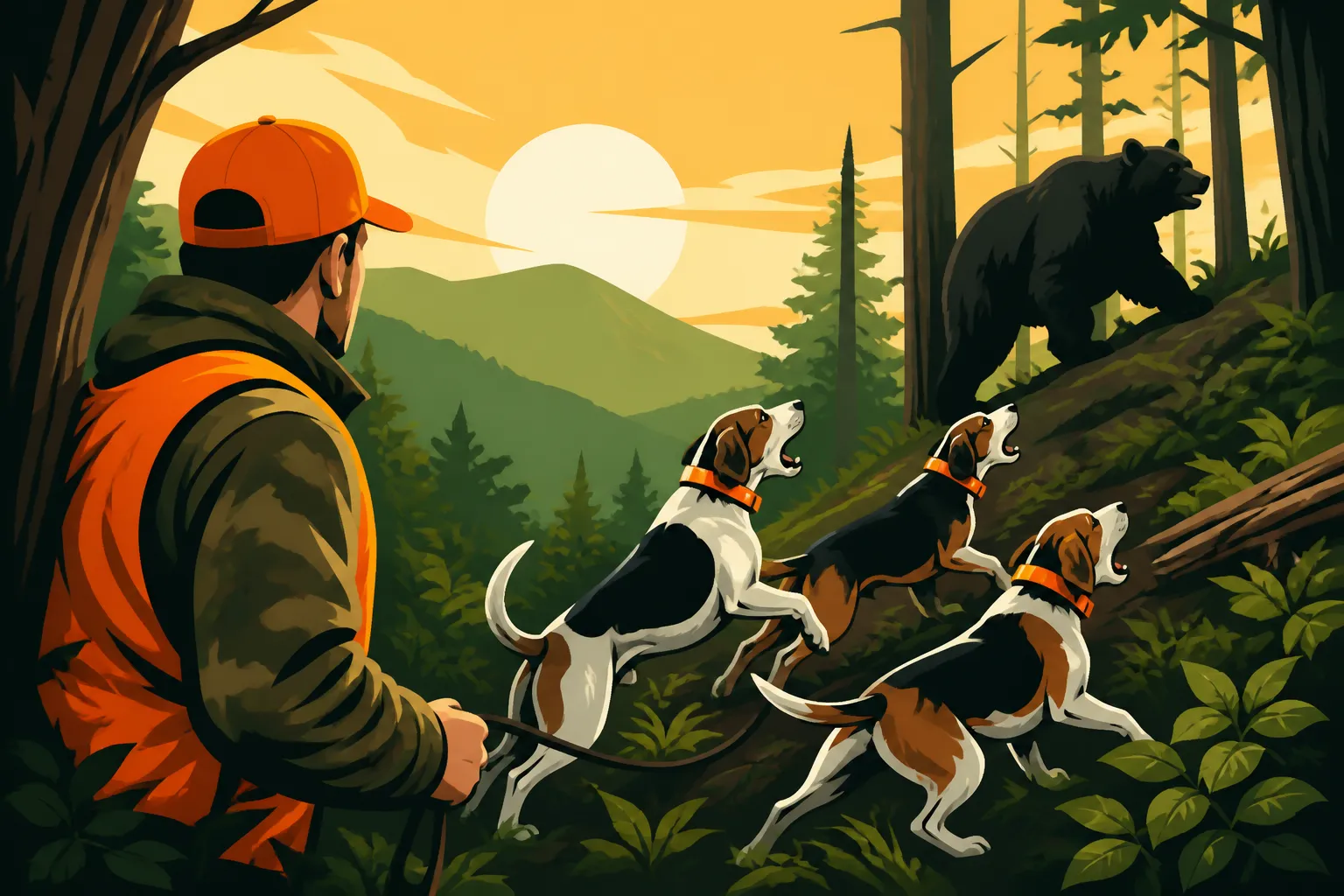
Once you've located fresh bear sign or a promising area, the moment of truth arrives: releasing the hounds. This is often done from a vehicle on a forest road, or on foot if you've tracked a bear to a more remote spot. The lead dogs, often referred to as "strike dogs," are usually released first to pick up the scent. Once they've confirmed a hot trail and let out their distinctive baying, the rest of the pack can be released to join the chase. The key is to get them on a fresh, hot track, as this reduces the likelihood of them running off after other game.
Following the chase is a high-octane affair. You'll be listening intently to your dogs, watching your GPS collars, and navigating the challenging terrain. Often, hunters will "road hunt," meaning they drive accessible forest roads, listening for the dogs and trying to cut them off if the chase takes them across a road. Other times, it's afoot chase, climbing steep inclines and pushing through dense undergrowth to stay with the pack. This is where physical conditioning for both hunter and dog becomes critically important. Remember that ATV Rules on Tennessee Forest Roads must be strictly followed, as not all forest roads are open to ATVs. The chase can last for minutes or for many hours, sometimes covering incredible distances across the rugged Appalachian landscape.
Baying, Treeing, and Approaching the Bear
The ultimate goal of a hound hunt is for the dogs to either "tree" the bear (force it up a tree) or "bay" it (hold it at bay on the ground). When the dogs switch from a trailing bay to a frantic, excited, stationary bay, you know they've got the bear. This is the signal for the hunters to converge on the location. Approaching a treed or bayed bear requires extreme caution. Bears can be unpredictable, especially when cornered or stressed, and can inflict serious injury on dogs or hunters. The dogs themselves can be in a frenzy, and it's essential to manage them calmly.
Upon reaching the bear, the lead hunter will assess the situation. Is it a legal bear? Is there a safe, ethical shot opportunity? Sometimes, the bear may not be legal, or the shot may be unsafe. In such cases, the dogs are often called off, and the bear is allowed to go free. If a shot is taken, it must be quick, clean, and humane. Shot Placement on a Tennessee Black Bear is critical for a swift harvest and to minimize risk to dogs and hunters. Once the bear is down, the dogs are usually secured, and the careful work of processing and packing out the bear begins. It's a moment of mixed emotions: the thrill of the hunt, the respect for the animal, and the deep satisfaction of a successful chase with your loyal hounds.
Safety and Ethical Considerations for Hound Hunters
Bear hunting with hounds in the Cherokee National Forest is an inherently challenging and potentially dangerous activity. It requires not only skill and preparation but also a deep commitment to safety, ethics, and respect for both the wildlife and other users of the forest. Ignoring these aspects not only endangers yourself and your dogs but also reflects poorly on the entire hunting community.
Prioritizing Hunter and Dog Safety in Rugged Terrain
The terrain of the Cherokee National Forest is beautiful, but it's also unforgiving. Steep slopes, slippery rocks, dense thickets, and remote locations are the norm. Falls, sprains, and getting lost are real possibilities. Always hunt with a partner or a group, and ensure someone not on the hunt knows your general plans and expected return time. Carry a fully charged cell phone (though service is spotty), a satellite communication device (like a Garmin InReach or Spot device), and a detailed map or GPS unit. First Aid Kits for Remote Cherokee Forest Ground are not optional; they are essential, equipped for both human and dog injuries.
For your dogs, safety means proper conditioning, adequate hydration, and protection from the elements and sharp objects. Cut vests protect them from thorns and briars, and regular checks for injuries are vital. Be mindful of aggressive bears, especially sows with cubs, and always give them space. A bayed bear, even if treed, can be dangerous. Never approach from below a treed bear, and always be aware of the escape routes for both the bear and yourself. The safety of your pack and your fellow hunters should always be your top priority, above the harvest of any bear. Consider carrying a personal locator beacon (PLB) for emergencies in areas without cell service.
Respecting Wildlife and Other Forest Users
The Cherokee National Forest is a multi-use area. This means you'll encounter hikers, campers, mountain bikers, and other outdoor enthusiasts. As hound hunters, it's crucial to be ambassadors for the sport. Keep your dogs under control and out of high-traffic areas where they might disturb other users or their campsites. If you encounter non-hunters, be courteous, answer questions politely, and try to minimize any disturbance. Your actions reflect on all hunters. Always be aware of Camping Rules on Cherokee National Forest Land if you are planning an overnight stay or setting up a base camp.
Ethical hunting also extends to how you interact with the bears themselves. This includes adhering to fair chase principles, ensuring legal harvests, and making every effort to recover any bear you shoot. It's about respecting the animal, its habitat, and the ecosystem it inhabits. Understand that not every chase will end in a harvest, and sometimes the most ethical choice is to call off the dogs and let the bear go, especially if conditions aren't ideal for a safe shot or recovery. Learning Hunting Bear Zone Three on South Cherokee specifically will help ensure you adhere to local customs and regulations.
Understanding Fair Chase and Responsible Hunting Practices
Fair chase is a cornerstone of ethical hunting, meaning the hunter does not have an improper advantage over the animal. For hound hunting, this typically means not using modern technology to directly manipulate the bear's movement, and not taking advantage of bears that are in a vulnerable state (e.g., denning). It's about letting the dogs and the bear engage in a natural chase, with the hunter relying on their dogs' abilities and their own woodsmanship to eventually find the animal.
Responsible hunting also includes being a good steward of the land. Pack out everything you pack in, and leave no trace. If you’re processing a bear in the field, dispose of entrails discreetly and away from trails or water sources. Adhere to all regulations regarding baiting or feeding, even in the off-season, as these activities can disrupt natural bear behavior and are often illegal. Education about bear ecology and habitat is ongoing, and hunters should strive to stay informed about the latest conservation efforts and best practices. Your goal should be to contribute positively to the conservation of Tennessee's Black Bear Population for future generations.
Post-Hunt Procedures and Regulations
The hunt doesn't end when the bear is on the ground. There are critical steps that must be followed after a successful harvest, from legal reporting to proper meat care and ensuring your valuable hounds are recovered and cared for. These post-hunt duties are just as important as the hunt itself, ensuring compliance, respect for the animal, and the well-being of your pack.
Checking and Reporting Your Bear Harvest
Once you've harvested a bear in Tennessee, prompt reporting is not just a good idea—it's a legal requirement. All bear harvests must be reported to the TWRA. This can typically be done online through the TWRA Go Outdoors Tennessee website or app, or by calling a designated number. You'll need to provide specific information about the kill, including the date, time, county, sex of the bear, and the method of harvest. Additionally, the bear's skull must often be submitted for inspection and biological data collection. This helps the TWRA monitor the bear population and set future hunting regulations.
Failing to report your harvest or submitting inaccurate information can result in penalties. Always double-check the current regulations for specific reporting deadlines and any physical check-in requirements. Some areas or zones might require bears to be presented at a physical check station within a certain timeframe, especially if biological samples or teeth are needed. The data collected from successful hunts helps the TWRA manage the Tennessee Bear Harvest Trends and ensures the long-term health of the black bear population in the Cherokee National Forest. Familiarize yourself with the Tennessee Bear Checking Requirements before you head out.
Meat Care and Carcass Transport from Remote Areas
Bears are large animals, and recovering one from the remote reaches of the Cherokee National Forest can be a monumental task. Once harvested, proper meat care is crucial, especially in warmer weather, to prevent spoilage. Field dressing should be done as quickly and efficiently as possible. If you're deep in the backcountry, you might need to quarter the bear in the field and pack out the meat. This often requires heavy-duty game bags, a sturdy pack frame, and multiple trips, often with the help of hunting partners.
Transporting the carcass or meat out of the woods also requires careful planning. Ensure you have the appropriate vehicle and equipment to handle the weight. Keep the meat cool during transport; this might mean using coolers with ice, especially if you have a long drive ahead. Remember, not all parts of the bear are typically harvested for meat; ensure you understand what parts are required for reporting (like the skull for inspection) and what can be left in the field, adhering to any specific regulations about carcass disposal. For a detailed overview of field care, consider how you might apply advice from Handling a Bear After the Shot to bear.
Dog Recovery and Post-Hunt Care
After a long, arduous chase, your hounds will be exhausted. Recovering all your dogs is paramount. Use your GPS collars to confirm all dogs are accounted for and make sure they are safely loaded back into their kennels. Sometimes, a dog might be injured, lost, or simply too tired to make it back to the vehicle on its own. Be prepared to hike back in, potentially after dark, to retrieve any missing or stranded dogs. This often involves carrying water and food for them, and potentially a first aid kit for any scrapes or injuries they might have sustained.
Once back at camp or home, proper post-hunt care for your hounds is crucial for their health and longevity. This includes inspecting them thoroughly for any cuts, punctures, or tick bites. Provide them with ample water and a high-quality meal to help them recover their energy. Good nutrition, rest, and veterinary care are vital for keeping your hunting partners in top condition season after season. The bond you build with your hounds during these demanding hunts is incredibly strong, and their well-being should always be a priority.
Disclaimer
Please remember that hunting regulations, seasons, and permit requirements in Tennessee are subject to change. Always consult the most current Tennessee Wildlife Resources Agency (TWRA) hunting guide and local regulations before planning any hunting trip. This guide is for informational purposes only and does not substitute for official legal advice or thorough personal research.