Cut Vests and Gear for Hound Dogs
When you're running hounds through the rugged, wild landscapes of Tennessee, whether you're after wild boar, bear, or even just chasing coyotes, your dogs face a gauntlet of dangers. From the razor-sharp tusks of an angry hog to the dense, unforgiving briar patches and rocky terrain, it's a constant threat to their well-being. This guide is all about equipping your canine partners with the protective cut vests and essential gear they need to come home safe and sound after a long day in the woods, helping you understand what's out there and how to best prepare your pack for the challenges of the Volunteer State.
Why Hound Dogs Need Protection in Tennessee
The notion that a dog is "tough enough" for the woods often fades quickly when faced with the harsh realities of Tennessee's wild country. Our hunting grounds here are beautiful, but they're also unforgiving. Your hounds are out there putting in serious work, often out of sight, and the risks they encounter are far more numerous than many hunters realize. Protecting them isn't just about sentiment; it's about preserving your invaluable hunting partners and ensuring their long-term health and ability to perform.
Threats from Tennessee's Wild Hogs and Predators
Let's be blunt: a wild hog can be absolutely brutal. Their tusks are designed for ripping and tearing, and a boar on the defensive is a formidable opponent. When your hounds corner a hog, they put themselves in direct harm's way, often taking hits to the chest, flanks, and legs. These aren't just minor scrapes; deep lacerations, punctured lungs, and broken bones are very real possibilities. I've seen good dogs lose their lives to a quick, violent charge. Hog Hunting Tennessee's Wild Boar can be exhilarating, but the danger to your dogs is paramount.
Beyond hogs, Tennessee has a healthy population of predators that, while typically more wary of dogs, can pose a threat, especially if a dog gets separated or injured. Coyotes, for example, are highly territorial and can be aggressive, particularly towards smaller or lone dogs. While less common, a black bear, especially a sow with cubs, can also be incredibly dangerous if a dog corners it unexpectedly. These encounters are often fast and furious, leaving little time for intervention. We even have Tennessee Coyote Range and Density maps that show just how widespread these animals are, especially in prime hunting areas.
Navigating Rugged Terrain and Dense Cover
It's not just the animals your hounds are up against; it's the very land itself. Tennessee is known for its diverse topography, from the steep, rocky ridges of the Cumberland Plateau to the thick, tangled bottomlands of West Tennessee. Imagine your dog crashing through a briar patch that could snag and tear open human skin, or scrambling over broken rock outcroppings. Sharp sticks, jagged rocks, and even old, forgotten barbed wire fences are everywhere.
These aren't just minor irritants; they cause deep cuts, abrasions, and punctures that can quickly become infected or lead to debilitating injuries. A dog pushing through thick cover can get tangled, impaled, or simply exhaust itself struggling against the natural obstacles. This constant grind takes a toll, wearing down their pads, scraping their bellies, and sometimes leading to more serious, unseen injuries like muscle strains or joint damage from awkward falls. Even the simple act of Tracking a Deer Through Tennessee Leaf Litter can hide unseen hazards beneath the leaves.
Understanding Cut Vests: Materials, Design, and Features
When you think about protecting your hound, a cut vest is often the first thing that comes to mind, and for good reason. These aren't just glorified dog coats; they're specialized pieces of armor designed to withstand the brutal forces your dog might encounter. The technology and materials that go into them have evolved significantly, offering remarkable levels of protection without unduly restricting a dog's movement or overheating them.
Key Materials and Construction
At the heart of any effective cut vest are the materials used to construct it. The most common and effective protective layer is often made from aramid fibers, like Kevlar, which is renowned for its incredible tensile strength and puncture resistance. This isn't just one layer; good vests will feature multiple layers of these high-tech fabrics, strategically placed in areas most vulnerable to hog tusks or sharp objects. These layers are often sandwiched between durable outer layers of ripstop nylon or Cordura, which provide abrasion resistance against briars and rocks, preventing the inner protective layers from fraying or tearing prematurely.
The stitching is just as critical as the fabric. Manufacturers typically use heavy-duty, reinforced stitching, often with specialized thread, to ensure that the vest holds together under extreme stress. Think about how a vest might snag on a tree branch or take a direct hit from a hog. Weak seams mean a compromised vest. Some brands, like those found through resources like GoHunt, prioritize meticulous construction, understanding that a vest's integrity is directly tied to a dog's safety. It's not just about stopping a tusk; it's about enduring the punishment of a whole season.
Design Features for Comfort and Safety
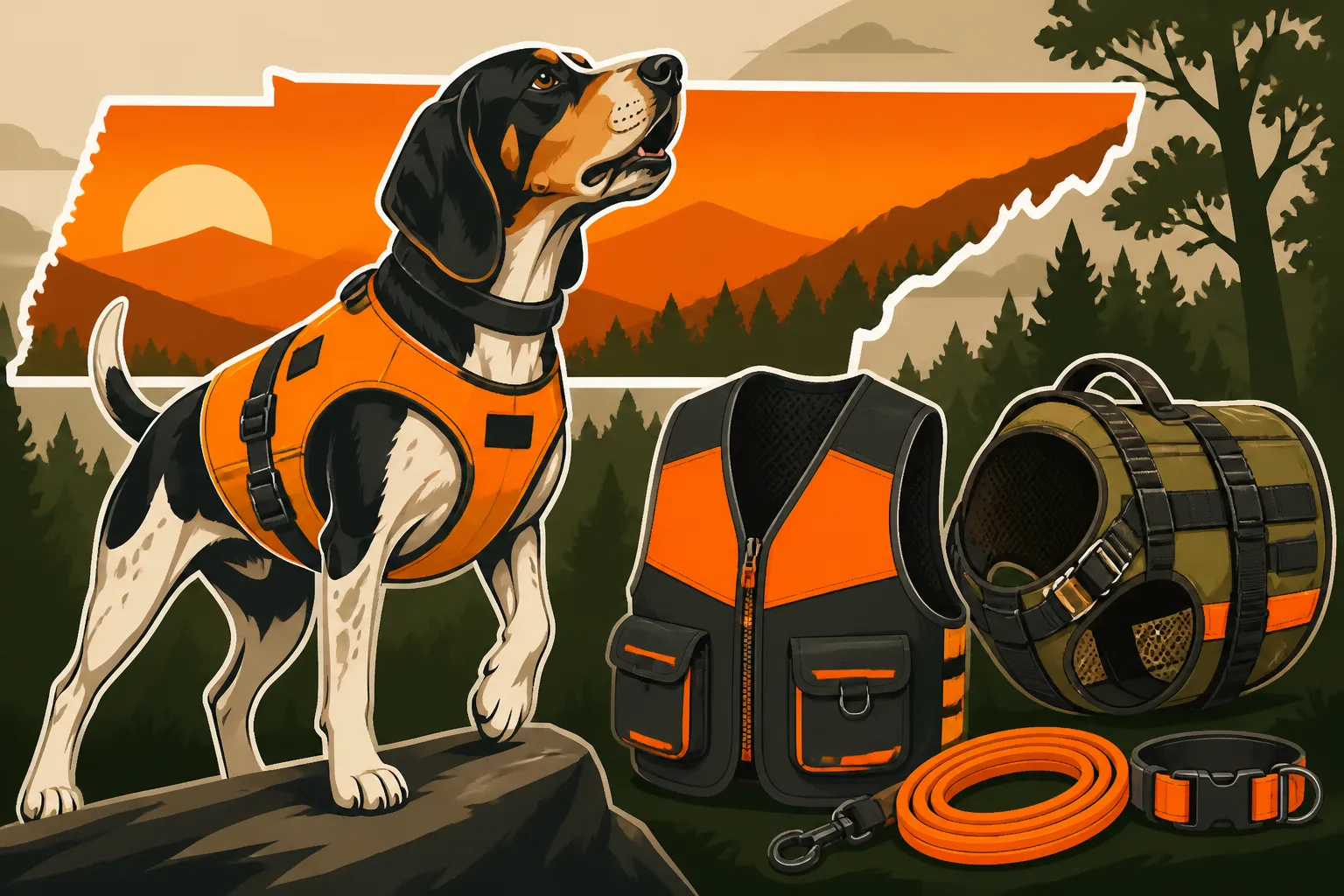
A great cut vest strikes a balance between protection and practicality. After all, a vest that protects perfectly but hinders a dog's ability to run, breathe, or move freely is counterproductive. Key design features include adjustable straps to ensure a snug, non-chafing fit that allows for a full range of motion. Many vests incorporate bright, high-visibility colors like blaze orange or yellow, not just for aesthetics but as a critical safety feature. In dense cover, or when hunting with multiple parties, this visibility can prevent accidental shootings. How Much Blaze Orange Tennessee Requires for human hunters should give you an idea of its importance.
Some vests also include flotation elements, which can be invaluable if your hunt takes you near water, preventing your dog from tiring if they have to swim across a creek or fall into a marshy area. D-rings and attachment points are often integrated for leashes or GPS collars, ensuring your tracking device stays secure. Furthermore, ventilation panels, typically made of mesh or breathable fabrics, are crucial to prevent overheating, especially during warmer early-season hunts in Tennessee or during intense physical exertion. A dog running hard generates a lot of heat, and if that heat can't escape, performance suffers, and health risks increase.
Different Styles for Different Hunts
Not all cut vests are created equal, and what works best depends heavily on the type of hunting you're doing.
| Vest Style | Primary Protection Focus | Key Features | Best Use Case |
|---|---|---|---|
| Tracking Vest | Chest, Belly, Sides | Full coverage, often flexible materials | Trailing wounded game, general protection |
| Bay Vest | Neck, Chest, Shoulders, Full Sides | Heavy duty, rigid panels, often more padding | Direct hog engagement, high impact |
| Chest Plate | Front Chest, Underbelly | Minimalist, focused on vitals, lighter | Lighter cover, less direct engagement risks |
| Full Protection | All-around, neck, back, legs | Maximum coverage, heavy, sometimes restricts | Extremely aggressive hogs, very dense briars |
A minimalist chest plate might be suitable for dogs primarily engaged in Coyote Calling in Tennessee Farm Country where direct physical contact is less likely, but heavy briars might still be an issue. However, for a dog that will be going nose-to-tusk with an angry boar, a full-coverage bay vest, often with reinforced neck and chest protection, is absolutely essential. These are typically bulkier but offer the highest level of defense. Choosing the right style means carefully assessing the specific threats your dogs will face on your Tennessee hunts. For those running hounds for larger game, the consideration for a more robust vest increases dramatically. For example, when Running Hounds for Cherokee Forest Bears, you want maximum protection.
Essential Supplementary Gear for Hound Dogs
While the cut vest is critical, it's just one piece of the puzzle. Modern hound hunting in Tennessee benefits greatly from a suite of supplementary gear designed to enhance safety, improve tracking, and ensure quick response in emergencies. Thinking holistically about your dog's gear can make the difference between a successful, safe hunt and a stressful, potentially dangerous one.
GPS Trackers and Communication Collars
In the vast, undulating hills and thick timber of Tennessee's public lands, it's incredibly easy for a hound to get out of sight and out of earshot. That's where GPS trackers become not just helpful, but absolutely indispensable. Devices like those integrated with a GoHunt mapping system or standalone units specifically designed for hunting dogs allow you to monitor your dog's exact location, speed, and even direction of travel in real-time. This capability can save hours of agonizing searching and prevent a dog from getting lost or ending up in dangerous territory.
Many modern GPS collars also incorporate communication features. These can range from remote activation of a beeper on the collar (to help you pinpoint a dog in thick cover) to more advanced systems that allow for remote commands or even bark detection, telling you when your dog is on point or baying game. When your dog is out of range of your voice, these remote functions are crucial for guiding them, calling them back, or simply knowing their status. They're a game-changer for safety and efficiency, especially in areas where cell service is spotty, like parts of the Cherokee National Forest Hunting grounds.
Visibility Aids and Bells
Beyond the high-visibility colors often built into cut vests, additional visibility aids can be a smart addition. Reflective strips or tape applied to collars and vests can make a dog much easier to spot with a flashlight or headlamp during low-light conditions or when walking out after dark. For hunters who spend time in the woods after sunset, reflective gear is a simple yet effective safety measure.
Bells, while old-school, still serve an important purpose. A good "coon bell" or "hog bell" attached to a dog's collar allows you to hear their movements, even if you can't see them, helping you keep track of their general direction and speed through dense undergrowth. In areas with high Hunting Pressure on Tennessee Public Land, bells can also serve as an audible warning to other hunters that a dog is working nearby, reducing the risk of accidental encounters. For a dog that tends to work close or in areas you expect to be visually obscured, a bell is a valuable tool.
First Aid and Emergency Preparedness
No matter how well-equipped your dogs are, accidents can still happen. That's why carrying a comprehensive first aid kit specifically for dogs is non-negotiable. This isn't just a basic human kit; it needs items tailored to canine injuries, such as paw bandages, antiseptic wipes, blood-clotting agents, vet wrap, and even tools for removing splinters or ticks. Knowing basic canine first aid, like how to stop bleeding, treat shock, or immobilize a limb, is paramount. I've often needed to break out the kit after a dog encountered some nasty briars or a sharp rock. Even something as common as a torn pad can quickly become a serious issue if not addressed promptly.
Additionally, think about emergency extraction. If a dog gets seriously injured deep in the woods, how will you get them out? Carrying a sturdy dog harness with a handle or even a small, foldable stretcher can make a world of difference. Having an emergency plan, knowing who to call, and even having a pre-identified veterinary clinic that handles emergencies (especially after hours) is part of responsible hound hunting. First Aid Kits for Remote Cherokee Forest Ground for humans are essential, and the same principle applies to our canine companions.
Choosing and Fitting the Right Gear
Investing in cut vests and supplementary gear for your hounds is a significant decision. It's not just about buying the most expensive item; it's about selecting the right tools for your specific hunting style, the terrain you'll encounter in Tennessee, and the individual needs of each dog. A poorly fitting vest is as bad as no vest at all, and neglected gear offers false security.
Proper Sizing and Fit for Mobility
This is probably the most critical aspect after choosing the type of protection. A cut vest that's too loose can shift, snag, and fail to protect vital areas, while one that's too tight can restrict movement, cause chafing, and even impede breathing. Before you buy, accurately measure your dog. Most manufacturers provide detailed sizing charts, requiring measurements like neck circumference, chest girth (just behind the front legs), and back length. Don't guess, and don't assume one size fits all.
Once you have the vest, put it on your dog and observe them. Do they move naturally? Does it rub in any spots? Can they lie down comfortably? Walk them around, let them run a bit. Adjust the straps for a snug fit that still allows for two fingers to slip underneath. Pay particular attention to the armpit areas and chest, where chafing is most common. Remember, your dogs will be wearing this for hours on end, often exerting themselves to their maximum. Comfort directly translates to performance and safety. A good fit ensures the vest protects where it needs to and doesn't hinder their ability to navigate rough country or work game.
Maintenance and Care for Longevity
Protective gear is an investment, and like any good hunting equipment, it needs proper care to last. After every hunt, especially in muddy or wet conditions, clean the vest. Remove any burrs, thorns, or debris embedded in the fabric. A simple rinse with a hose and a gentle scrub with mild soap is often enough. For vests with heavy mud or blood, a more thorough cleaning might be needed. Always allow the vest to air dry completely before storing it to prevent mildew and degradation of materials.
Regularly inspect the vest for signs of wear and tear. Check seams for loose stitching, look for cuts or punctures in the outer layers, and examine buckles and straps for damage. Even small tears can compromise the integrity of the protective layers beneath. Address minor repairs promptly; a small patch or re-stitching can prevent a small issue from becoming a major failure. Just as you maintain your firearms and Rifle Setups for Tennessee Deer Hunting, you should be diligent with your dog's protective gear. Some gear from GoHunt also provides guidance on maintenance, helping you get the most life out of your investment.
Introducing Gear to Your Dog
Not all dogs take kindly to new gear, especially something as substantial as a cut vest or a GPS collar. The key is a gradual introduction combined with positive reinforcement. Start by letting them sniff and investigate the gear in a relaxed environment. Then, put it on them for short periods, perhaps during feeding time or before a favorite walk. Praise them, offer treats, and make it a positive experience.
Gradually increase the time they wear it, eventually incorporating it into their normal routine and short training sessions. This desensitization process is crucial. You don't want the first time they wear a vest to be during an intense hunt when they're already excited and potentially distracted. A dog that is comfortable and accustomed to their gear will perform better, be less stressed, and ultimately be safer in the field. This also applies to new GPS collars or bells; get them used to the weight and feel long before hunting season begins.
Disclaimer
This article is for general informational purposes only and does not constitute professional advice. Laws, prices and regulations vary by location and change over time. Consult a qualified professional for guidance on your specific situation.