Grouse Hunting the Cumberland Plateau
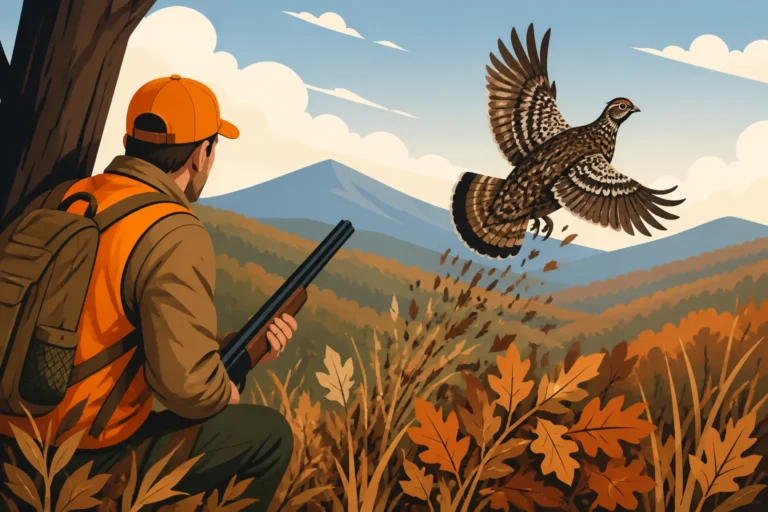
Oh, the ruffed grouse! If you've spent any time chasing these "thunder chickens" on the Cumberland Plateau, you know it's not just a hunt; it's a quest. Many folks head into the woods year after year, walking miles through rugged terrain, only to hear that tell-tale explosion of wings a split second too late, or worse, not hear it at all. It's frustrating, sometimes soul-crushing, and it can make you feel like you're doing something wrong. But don't you worry, you're not alone. This comprehensive guide is dedicated to helping you unravel the mysteries of grouse hunting in Tennessee, focusing on the specific challenges and incredible rewards of the Cumberland Plateau, so you can confidently hit the coverts and hopefully, fill your vest.
The Elusive Appalachian Pheasant: Why Grouse Hunting in Tennessee is a Unique Challenge
Hunting ruffed grouse in Tennessee isn't like walking a neat field edge for pheasants in the Midwest. It's a completely different beast, demanding a blend of stamina, woodsmanship, and a touch of stubborn optimism. The terrain itself is a formidable opponent, and the birds? Well, they're masters of camouflage and escape. It’s no wonder so many hunters find it incredibly tough, and often, those who persist develop an almost reverent appreciation for every bird flushed and every shot taken. It's a true test of a hunter's skill and dedication in some of the most beautiful, yet unforgiving, landscapes Tennessee has to offer.
Understanding the Ruffed Grouse Population in Tennessee
Let's be real, Tennessee isn't exactly a grouse Mecca compared to states further north in the grouse range. Our birds are on the southern fringe of their natural habitat, which means their populations can be more volatile and sensitive to changes in weather and habitat. You might hear stories from old-timers about flushes around every corner, but the reality for many hunters today is a lot more sparse. The Tennessee Ruffed Grouse Numbers Today show a declining trend over the past few decades, a situation that often leaves hunters scratching their heads about where the birds have gone. This isn't due to overhunting, but rather broader ecological shifts, primarily habitat loss and maturation of forests.
The frustration is palpable when you walk your favorite haunts only to find fewer and fewer birds. Many factors contribute to these localized declines, including weather patterns during nesting and brood-rearing, predation, and the natural cyclical nature of grouse populations. Understanding Where Tennessee Sits in the Grouse Cycle can help set realistic expectations. While we might not have the numbers of states like Michigan or Wisconsin, there are still pockets of good hunting, especially in the right habitat on the Plateau, if you know where to look and how to hunt it.
Identifying Prime Grouse Coverts on the Cumberland Plateau
So, where do you find these phantom birds? On the Cumberland Plateau, it all comes down to habitat, and specifically, early successional forest. Grouse thrive in young, regenerating timber that offers dense overhead cover from raptors and thick understory to hide from ground predators. Think about cuts from logging operations, particularly those that are 8-20 years old. These areas are often choked with saplings, briars, and various forms of new growth, making for tough walking, but excellent grouse habitat. It’s a challenge to push through, but that's precisely why the grouse love it.
Beyond clear-cuts, you'll often find grouse holding tight in dense laurel and rhododendron thickets, especially along stream bottoms, ravines, and steep hillsides. These evergreen tunnels provide year-round thermal cover and protection, making them ideal hideouts, especially during colder weather or when hunting pressure is high. Additionally, look for areas with a good mix of hardwoods and evergreens, particularly those with a reliable food source like wild grapes, dogwood berries, or even discarded acorns from oak trees. Finding these specific habitat features often means pouring over aerial maps and scouting on foot, sometimes using tools like the GoHunt app to identify potential cuts and thickets before you even lace up your boots.
Tactics for Kicking Up Birds: Flushing Strategies That Work
Once you've identified potential grouse coverts, the real work begins. Grouse hunting isn't about sitting and waiting; it's an active, relentless pursuit. You're trying to surprise a bird that's incredibly adept at avoiding detection. This means employing specific strategies to maximize your chances of flushing a bird within shooting range, often in milliseconds before they vanish into the thick timber. It's a game of chess against a feathered opponent, played out over rugged terrain.
Methodical Walks Through Young Forest Cuts
When you're in a young forest cut – that glorious, tangled mess of regenerating timber – your approach needs to be slow, deliberate, and systematic. Don't just wander aimlessly. Imagine the cut as a grid and try to walk lines, crisscrossing the densest cover. These young stands, especially those in the sweet spot for age – typically 8 to 20 years old – provide the perfect combination of food and impenetrable cover. Many hunters ask, How Old a Cut Should Be for Grouse, and while there's no single magic number, that age range is a fantastic starting point. The idea is to push through every bit of that dense cover, making noise, but being ready for a sudden flush at any moment.
Grouse will often hold incredibly tight, relying on their camouflage until you're almost on top of them. This is where your pace comes in. Pause frequently, listen, and scan. Sometimes, a brief stop will unnerve a hidden bird, causing it to flush. When you're walking, try to present a broad front, covering as much ground as possible. If hunting with a partner, spread out about 20-30 yards apart, staying within earshot but covering more ground efficiently. Pay close attention to any subtle changes in elevation, small draws, or patches of thicker cover within the cut – these are prime spots where a grouse might choose to hunker down.
Navigating Steep Terrain and Creek Bottoms for Flushes
The Cumberland Plateau isn't flat, and its topography plays a huge role in where grouse live and how they can be hunted. You'll often find grouse holding on steep hillsides, particularly where there's a bench or a break in the slope, or down in the tangle of a creek bottom. These areas provide different challenges and require adapted strategies. When traversing steep ground, try to walk horizontally along contours rather than straight up and down. This conserves energy and allows you to cover more varied terrain where grouse might be present. Birds often prefer to flush downhill or across the slope, so anticipating their escape route can give you a precious second to react.
Creek bottoms are natural highways for wildlife and can be incredibly productive, but they are also often choked with thick cover like rhododendron and mountain laurel. This dense, evergreen growth provides exceptional year-round thermal and escape cover for grouse. Work these areas slowly and meticulously, paying attention to areas where the creek bends or where small feeder ravines intersect. These junctions often create pockets of even thicker cover where grouse feel secure. Be prepared for incredibly fast, close-range shots in these environments. The key is to be constantly ready, gun mounted in a low-ready position, eyes scanning for any subtle movement or a flash of brown.
Flushing Grouse Without a Dog: The Solo Hunter's Approach
While many grouse hunters swear by a good bird dog, it's absolutely possible to find success Flushing Grouse Without a Dog, especially on the Cumberland Plateau. This approach demands even more diligence, patience, and a keen eye for cover. When you're solo, you become both the "beater" and the "shooter." Your pace and method are critical. A common technique is the "stop-and-go" method: walk for 15-20 yards, then stop completely for 10-15 seconds. This abrupt halt often unnerves a bird that has been holding tight, causing it to flush as you stand still. Those precious seconds give you a better chance to mount your gun and make a shot.
Another strategy is to focus on micro-habitat features. Without a dog to pinpoint scent, you need to rely on visually identifying the most likely spots. Look for blowdowns, brush piles, dense tangles of briars, or the edges where different types of cover meet. These are natural places for grouse to hide. When you approach such a feature, circle it, or try to flush into it, again, using the stop-and-go. Remember, a grouse rarely flies far, often just to the next dense patch of cover. Mark where it lands and slowly approach again. It's tough, gritty hunting, but incredibly rewarding when you finally connect with a bird you've worked so hard to find on your own.
Essential Gear for the Grouse Hunter: From Shotguns to Boots
Grouse hunting on the Cumberland Plateau isn't a stroll in the park. It's physically demanding, often in challenging weather, and the terrain will test your equipment. Having the right gear isn't just about comfort; it's about safety and maximizing your chances of success. Forget the latest gadgets; think rugged, practical, and reliable. Every piece of gear should earn its place in your kit.
Selecting the Right Shotgun and Ammunition
When it comes to grouse, speed and maneuverability are king. Most veteran grouse hunters opt for a fast-handling shotgun, typically a 20-gauge or even a 28-gauge. While a 12-gauge will certainly do the job, its added weight can become a burden after miles of walking through dense cover, and the recoil can be more noticeable when taking quick, instinctive shots. A lighter gauge shotgun allows for quicker swings and easier shouldering in tight spots, giving you a fraction of a second more to get on target. The shotgun gauge choice often comes down to personal preference, but many find the 20-gauge to be the perfect balance of power and portability.
Barrel length is another crucial consideration. A shorter barrel, usually 24-26 inches, is far more practical when pushing through thick briars and tight timber. It snaggs less and swings faster. You might want to read more about Barrel Length for Walking Thick Cover to understand the nuances. For choke, open patterns are essential. Improved Cylinder (IC) or Skeet (SK) are ideal, as most shots will be at very close range, often under 25 yards, in dense foliage where a wide shot pattern is an advantage. As for ammunition, light game loads with 7 1/2 or 8 shot are standard. You want enough pellets to ensure a clean kill without over-penetrating, and smaller shot sizes provide a denser pattern at close range.
Layering for Comfort and Durability in Upland Cover
Tennessee weather, especially in the mountains, can be notoriously unpredictable. One minute it's crisp and cool, the next you're sweating uphill, or a sudden cold front rolls in. Layering is absolutely critical for grouse hunting. Start with a moisture-wicking base layer to manage sweat, then add insulating layers like fleece or wool for warmth, and top it off with a durable, water-resistant outer shell. The outer layer needs to be tough enough to resist thorns and briars without tearing. Brands like Filson or Orvis make excellent upland apparel, but many mainstream hunting brands offer good options too.
Don't forget the importance of briar-resistant pants or chaps. You will be pushing through thorny thickets, and regular hunting pants just won't cut it. Look for canvas, Cordura, or other reinforced materials. As for footwear, comfortable, supportive, and waterproof boots are non-negotiable. You'll be covering miles over uneven, often wet, terrain. Boots designed for Boots for Walking Tennessee Ridges with good ankle support and aggressive traction are a must. A good pair of wool socks can make all the difference in preventing blisters and keeping your feet warm and dry. And finally, a comfortable Upland Vests With Water Capacity is essential for carrying shells, water, snacks, and most importantly, your birds.
Crucial Navigation Tools for the Plateau's Remote Corners
The Cumberland Plateau, particularly in the larger public land tracts like the Cherokee National Forest or various WMAs, can be disorienting. Logging roads, old trails, and clear-cuts can change frequently, and it’s easy to get turned around. A reliable navigation system is not just a convenience; it's a safety essential. While many hunters rely on their smartphones, a dedicated GPS unit can offer more robust battery life and better signal in deep hollows. However, modern hunting apps have become incredibly powerful.
Applications like GoHunt, onX Hunt, or Garmin BaseCamp provide detailed topographic maps, satellite imagery, and public/private land boundary overlays right on your phone or GPS device. These tools allow you to mark your vehicle, track your path, and identify key habitat features like clear-cuts or creek drainages beforehand. Many hunters also use a physical compass and map as a backup, a skill that's never a bad idea to brush up on, especially when Using Go Outdoors TN Without Cell Service might be a reality. Knowing how to use these tools effectively is crucial for both finding grouse and finding your way back to the truck after a long, hard day in the thick stuff.
The Indispensable Role of a Good Grouse Dog
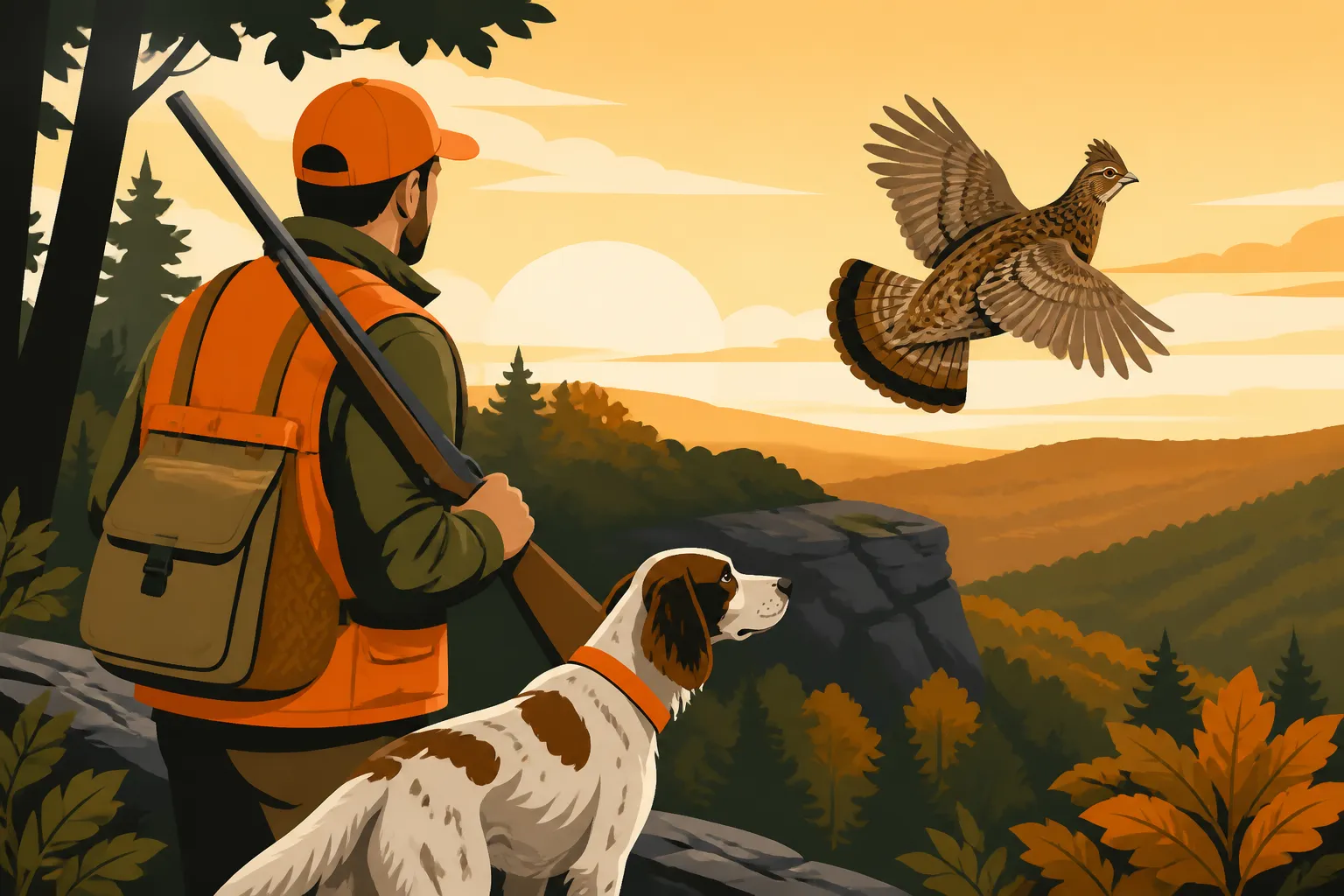
While solo hunting without a dog is possible, bringing a well-trained bird dog into the equation dramatically changes the grouse hunting experience. A good grouse dog isn't just a companion; it's a partner that can locate birds by scent, hold them on point, and retrieve downed game, making the hunting far more efficient and enjoyable. The bond you build with a dog in the grouse woods is truly special, a testament to teamwork and instinct.
Training Your Upland Companion for Tennessee Birds
Training a dog for grouse in Tennessee, especially on the Cumberland Plateau, requires specific attention to the bird's unique habits and the challenging terrain. Unlike pheasants that might hold in open fields, grouse are experts at running through dense cover and flushing wild. Your dog needs to learn to hunt close, understand directional commands, and, most importantly, possess the stamina to cover miles of rugged ground. Breeds like English setters, pointers, German shorthaired pointers, and even some spaniels are popular choices.
Training should focus on scent recognition, quartering effectively (working back and forth in front of you), and holding a solid point even when the bird runs. Desensitizing your dog to gunshots early on is also crucial. It's a long process, often involving countless hours in the field during the off-season, simulating hunting scenarios. Many hunters find local chapters of organizations like the Ruffed Grouse Society or local sporting dog clubs to be invaluable resources for training tips, advice, and even finding training grounds. Consistency and patience are key, as is understanding your dog's natural instincts and channeling them towards finding and holding those elusive Plateau grouse.
Working Your Dog in Tight Cover and Thick Laurels
Working a grouse dog in the thick, unforgiving cover of the Cumberland Plateau is a true art form. It's not about letting your dog range far and wide; it's about control and close-in hunting. In dense laurel or rhododendron thickets, your dog needs to understand the concept of "bell distance" – staying close enough for you to get to the point before the bird flushes. Many grouse hunters equip their dogs with a bell or a beeper collar (like those from SportDOG or Garmin) to help track their movements in the heavy cover. The sound helps you pinpoint their location and know when they've gone on point.
When your dog goes on point in these dense environments, be ready for a fast approach. Grouse won't typically hold for long, and they'll often run a short distance before flushing. Move quickly but deliberately to get into position for a shot, always being mindful of your dog's safety and your shooting lane. It's a constant dance between hunter and dog, reading the cover, anticipating the bird's moves, and reacting in a split second. The reward of seeing your dog lock up on a grouse, followed by that explosive flush and a successful shot, is one of the most satisfying experiences in upland hunting.
Timing Your Hunt: Maximizing Your Chances on the Plateau
Timing isn't just about the season dates; it's about understanding when grouse are most active, how weather influences their behavior, and what clues they leave behind. Being strategic about when you hit the woods can significantly improve your odds of encountering these elusive birds.
Seasonal Considerations and Weather Impacts
Tennessee's grouse season typically runs from early November into February. The early season can be productive, especially after a good hatch, but the foliage is still thick, making shots incredibly difficult. As the leaves drop in late November and December, visibility improves significantly, making it arguably the prime time for grouse hunting on the Plateau. This coincides with cooler temperatures, which encourage birds to feed more actively and makes the dogs' scenting ability much better. However, late season can also be good, especially if there's snow cover, which can make birds stand out more.
Weather plays a huge role. Overcast, drizzly days, or those immediately following a light rain, can be excellent as the ground scent is improved for dogs, and birds may be more active. Avoid extremely windy days, as the noise makes it hard to hear flushes, and birds may be more skittish. Likewise, bitter cold snaps can make birds hold even tighter, but they'll also be focused on feeding, so targeting reliable food sources becomes key. Always check the forecast and dress appropriately, as a cold, wet hunt is a miserable one.
Scouting and Interpreting Grouse Sign
Successful grouse hunting often starts long before opening day with diligent scouting. You can learn a lot about grouse presence by simply walking prospective coverts in the off-season. Look for "cuttings" – small twigs or buds that grouse have snipped off while feeding. These are often found at the base of trees or shrubs where birds have been active. Droppings, while small and hard to spot, also indicate activity. Fresh droppings are soft and moist, while older ones are dry and crumbly.
During the season, pay attention to drumming logs. Male grouse will "drum" by rapidly beating their wings against the air to attract mates, and they often use the same log year after year. While drumming is primarily a spring activity, knowing the location of these logs can indicate prime habitat. Look for logs in slightly elevated, open areas within dense cover. Additionally, tracks in mud or snow can reveal travel patterns. Using mapping tools like GoHunt during your scouting trips allows you to mark potential hot spots, noted flush locations, and even areas where you've seen cuttings, building a comprehensive picture of grouse activity over time. The more you know about what to look for, the better your chances are of putting a bird in your vest.
Accessing Prime Grouse Habitat: Public Lands and Regulations
Tennessee offers a surprising amount of public land, much of it on the Cumberland Plateau, that can hold grouse. However, navigating these areas and understanding the specific rules is crucial for a legal and successful hunt. It pays to do your homework before you go.
Navigating Wildlife Management Areas and National Forests
The majority of grouse hunting opportunities in Tennessee will be found on public lands, primarily Wildlife Management Areas (WMAs) managed by the Tennessee Wildlife Resources Agency (TWRA) and portions of the Cherokee National Forest. WMAs like Catoosa, Royal Blue, and Chuck Swan (though Chuck Swan is not on the Plateau) are well-known for their rugged terrain and potential for grouse, especially where active timber management has created early successional habitat. The TWRA's website and app are excellent resources for Finding a Tennessee WMA Near You and understanding specific WMA regulations, which can sometimes differ from statewide rules.
The Cherokee National Forest, particularly its northern units that extend onto the Plateau, also offers vast tracts of land. While much of it is mature timber, diligent scouting can reveal past logging operations or natural disturbances that have created grouse-friendly cover. It's helpful to know How Many Acres Cherokee National Forest Covers to appreciate the sheer scale and the potential for solitude. Remember that National Forests have their own set of rules regarding camping, vehicle access, and sometimes even hunting methods, so always check with the Forest Service in addition to TWRA regulations before your hunt. Utilizing mapping platforms like GoHunt can be invaluable for identifying land ownership boundaries and navigating these large public tracts, making sure you stay on public land.
Understanding Tennessee's Specific Grouse Season Rules
Tennessee's grouse season is usually pretty straightforward, but it's essential to consult the current TWRA hunting guide every year, as dates and regulations can change. Typically, the season opens in early November and runs through the end of February. There is a statewide bag limit, often set at one bird per day, with a possession limit. This low bag limit reflects the fragile nature of our grouse population and underscores the conservation-minded approach to hunting these birds.
Unlike deer or turkey, there are no specific tags or checking requirements for grouse, but you must have a valid Tennessee hunting license and appropriate permits if hunting on a WMA (like a WMA small game stamp, often included in an annual license bundle). Blaze orange requirements are also important, especially during overlap with deer gun season. While not strictly required for small game if you're not hunting during gun season, wearing blaze orange or blaze pink is always a smart safety precaution, especially on public land. It's about being visible to other hunters and ensuring everyone has a safe experience in the woods. Always carry your license and proof of any required permits, and respect both the birds and your fellow hunters out in the field.
Grouse Habitat and Hunting Considerations on the Cumberland Plateau
| Habitat Type | Typical Grouse Use | Hunting Strategy | Challenges |
|---|---|---|---|
| Young Forest Clear-cuts | Dense cover, abundant food (berries, buds, insects) | Slow, methodical grid walks; focus on edges & internal thickets | Very thick cover, limited visibility; hard walking |
| Rhododendron/Laurel Thickets | Year-round thermal and escape cover, often near water | Push through slowly; work with dog at close range; anticipate quick flushes | Extremely dense; hard to shoot; easy to lose dog |
| Mixed Hardwood/Pine Stands | Food sources (acorns, pine nuts), varied cover | Focus on transitions between cover types; look for blowdowns | Can be too open if mature; grouse scatter more easily |
| Steep Slopes & Ravines | Secure hideouts, escape routes | Walk contours; be ready for downhill flushes; use dogs to pin birds | Strenuous walking; dangerous footing; difficult retrieves |
| Stream Bottoms | Water source, lush vegetation, dense linear cover | Work slowly along creek beds; target junctions and bends | Wet, muddy, extremely thick; noisy environment |
Disclaimer
Hunting is an inherently dangerous activity. Always prioritize safety, follow all local and state regulations, and ensure you have the proper training and equipment. The information provided here is for educational purposes and should not replace official hunting guides or professional instruction. Respect wildlife, the land, and your fellow hunters.