How Many Acres Cherokee National Forest Covers
Planning a hunt in Tennessee often conjures images of rolling hills and hardwood bottoms, but then you hear about the Cherokee National Forest, and suddenly you're facing a different kind of challenge: sheer, overwhelming size. It’s easy to feel lost before you even leave your driveway when you consider the vastness of this public land, wondering how on earth you're supposed to pick a spot or even understand the regulations. This guide is here to untangle that knot, breaking down the immense scale of the Cherokee National Forest, what that acreage truly means for hunters, and how to effectively navigate its wild expanse.
Unpacking the Immense Scale of Cherokee National Forest
The Cherokee National Forest isn't just a big chunk of woods; it's a sprawling, rugged, and incredibly diverse landscape that dominates much of eastern Tennessee. When you're thinking about hunting it, the sheer numbers can be daunting, but understanding them is the first step toward a successful and safe outing.
The Acreage Revealed: North and South Units
Let's get right to it: the Cherokee National Forest covers a staggering 655,598 acres across ten different counties in East Tennessee. To put that into perspective, it's the largest tract of public land in the state, making it an absolute gem for hunters seeking a true wilderness experience. This isn't one continuous block, though. The forest is functionally divided into two major units, bisected roughly by Interstate 40. You have the North Unit, which stretches up towards the Virginia border, and the South Unit, which reaches down to the Georgia and North Carolina lines. While both fall under the Cherokee National Forest umbrella, they can feel like distinct hunting territories, each with its own character, access points, and subtle habitat differences.
It's absolutely crucial for any hunter to remember that this vast acreage is often a mosaic, interlocking with private land, state parks, and even other smaller wildlife management areas. This patchwork nature means that while you might be deep in the "National Forest," you could be just a stone's throw from a private property line. Knowing these boundaries isn't just good practice; it's essential for legal and ethical hunting. The opportunities for extensive backcountry exploration are unmatched, but they come with the responsibility of understanding where you are at all times.
The sheer scale isn't just a number; it defines the hunting experience. Imagine walking for hours, seeing no other signs of human activity, and knowing you're truly self-reliant. That's the allure of the Cherokee National Forest for many. It's a place where you can escape the crowds found in smaller, more accessible public lands and truly test your woodsmanship against a wild landscape.
Topography and Diverse Habitats Within the Forest
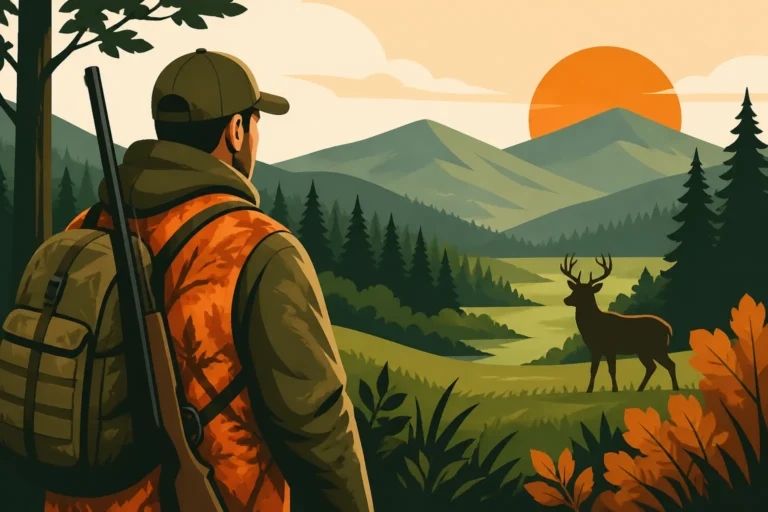
Within those hundreds of thousands of acres lies some of the most rugged and breathtaking topography in Tennessee. We're talking about the Appalachian Mountains here, which means incredibly steep slopes, deep, shaded hollows, towering ridgelines, and winding creek bottoms. This isn't flat farm country; it's a place where a "short walk" to your stand can turn into a serious climb, and packing out an animal often involves navigating challenging terrain. Hunters need to be prepared for significant elevation changes, which directly impact not only their physical exertion but also how game animals move and where they seek refuge.
The habitat diversity is equally impressive. You'll find vast expanses of mature hardwoods—oaks, hickories, and poplars—that provide critical mast crops for deer and bear. Interspersed are areas of dense pine plantations, particularly in areas that have seen past logging activity, offering thick cover for bedding and security. Then there are the notorious rhododendron and mountain laurel thickets, almost impenetrable in places, which serve as incredible escape cover and bedding areas for black bears and older whitetail bucks. You'll also encounter lush creek bottoms, small clearings from old homesteads or timber cuts, and the occasional powerline right-of-way that can act as a natural travel corridor.
This incredible variety of habitats means that hunting strategies need to be adaptable. Deer might be found browsing on new growth in a recent clear-cut, while bears could be gorging on acorns on a high ridge. Understanding how these different habitat types fit together, and how animals use them throughout the season, is key to success. The ever-present elevation changes also mean you're constantly battling or using the wind and thermals to your advantage. A cold air sink in a hollow at dawn can quickly become an updraft on a sunny slope, carrying your scent far and wide. Wind and Thermals on a Ridge System It's a complex puzzle, but that's what makes hunting the Cherokee National Forest so uniquely rewarding.
The Hunting Opportunities and Challenges in Such a Large Forest
The sheer size of the Cherokee National Forest presents both incredible opportunities and significant challenges for hunters. It's a double-edged sword: the vastness offers solitude and untouched areas, but also demands a higher level of preparation and skill.
Finding Solitude and Unpressured Game
One of the greatest appeals of hunting the Cherokee National Forest's immense acreage is the opportunity to truly get away from it all. Unlike smaller WMAs or heavily hunted state lands, the CNF's vastness means you can often walk for miles from any road or parking area and find yourself in truly wild, quiet country. This is where the magic happens for many backcountry hunters. When you put in the effort to hike deep, away from the obvious access points, you often find less pressured game. Animals here aren't accustomed to seeing hunters every day; they move more naturally, following ancient patterns rather than constantly reacting to human intrusion.
This lack of pressure can translate into incredible hunting experiences. Bucks might be less wary, bears might move more freely during daylight hours, and turkeys might be more responsive to calling. It's not a guarantee of an easy harvest, by any means—the terrain itself is a formidable challenge—but it does offer a chance to observe and hunt animals in a more primitive, untainted setting. For those who value the journey as much as the destination, the Cherokee National Forest provides a profound sense of accomplishment, knowing you've earned your solitude and put in the work to reach those secluded pockets of wilderness. It's about Finding Ground Others Walk Past and being willing to go the extra mile, sometimes literally, to find it.
Navigating and Planning for the Backcountry
While the promise of solitude is enticing, the reality of navigating hundreds of thousands of acres of rugged mountain terrain is a serious undertaking. This isn't the place for a casual wander with only a phone for navigation. Cell service is notoriously unreliable in many of the deep hollows and remote ridges, meaning you absolutely cannot rely on it as your sole navigation tool. Hunters need robust, redundant systems. A dedicated GPS unit is a smart investment, and pairing it with a mapping app like onX Hunt, where you can download offline maps to your phone, is critical. This combination allows you to clearly see property lines, topographic features, and your current location even without a signal. onX Layers for Tennessee Land Status Knowing exactly where you are and where the boundaries lie is paramount.
Physical fitness is another non-negotiable aspect of hunting the Cherokee National Forest. Long hikes over steep, uneven ground are the norm, and the effort only compounds when you have to pack out an animal. Preparing physically before the season starts can make a huge difference in your enjoyment and safety. Beyond physical prowess, mental preparedness for potential challenges—sudden weather changes, getting turned around, or a difficult recovery—is essential. It's a wild place, and it demands respect. Pre-scouting, even if it's primarily done from home using aerial photos and topographic maps, is invaluable. Tools like GoHunt and mapping apps allow you to pick apart terrain, identify potential bedding areas, travel corridors, and even water sources, saving you precious time and energy when you're on the ground. This detailed planning is a core component of successful hunting in expansive, rugged terrain.
| Unit Name | Primary Location | Key Characteristics | Common Game Species | Terrain Difficulty |
|---|---|---|---|---|
| North Unit | North of I-40, towards VA | More remote, higher elevations, dense timber | Deer, Bear, Grouse, Turkey, Squirrel | Very High |
| South Unit | South of I-40, towards GA/NC | Rugged, river drainages, varied timber cuts | Deer, Bear, Turkey, Squirrel, Waterfowl* | High to Very High |
| Note: Waterfowl opportunities typically on impoundments or larger rivers bordering the unit. |
Key Game Species Thriving Across Cherokee National Forest's Land
The expansive and diverse habitats of the Cherokee National Forest provide excellent homes for a variety of game species, offering hunters different challenges and opportunities throughout the year.
Whitetail Deer and Black Bear Haven
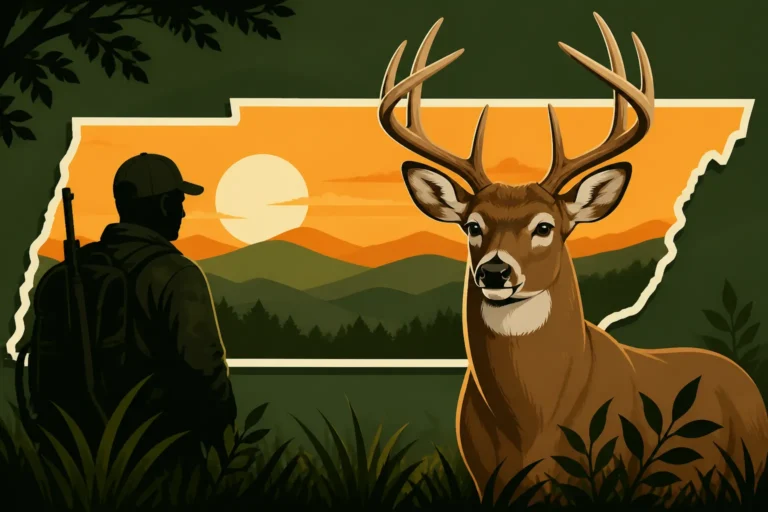
For many, the draw of the Cherokee National Forest revolves around its big game. The forest supports a healthy population of whitetail deer. While the mountain deer tend to be smaller-bodied than their counterparts in the fertile river bottoms of West Tennessee, they are incredibly tough, cunning, and perfectly adapted to the rugged terrain. Bucks in the CNF often utilize the dense cover of rhododendron thickets and steep hollows, making them challenging to locate and even harder to extract once harvested. Hunting these animals often involves a combination of still-hunting ridgelines, scouting for rubs and scrapes along logging roads, and patience in strategically placed stands overlooking natural funnels or food sources. White-Tailed Deer Across Tennessee
Even more iconic to the Cherokee National Forest are its black bears. This region is one of Tennessee's primary strongholds for a robust and growing bear population. Where Cherokee Forest Bears Range Bear hunting here is an experience unlike any other, demanding intimate knowledge of the forest and bear behavior. These powerful animals thrive on the abundant mast crops—acorns, hickory nuts, and berries—that blanket the mountains in fall. Locating their feeding areas, finding fresh sign, and understanding their travel patterns between bedding and foraging spots are critical. Hunters often employ methods like spot-and-stalk tactics, especially in more open areas or powerline cuts, or utilize trained hounds in designated zones, an intense and exhilarating method unique to Cherokee Forest bears. Success in bear hunting in the CNF comes down to diligent scouting, understanding the intricate relationship between food availability and bear movement, and being prepared for a truly physically demanding hunt.
Small Game and Predatory Opportunities
Beyond the big game, the vast acreage of the Cherokee National Forest provides a wealth of opportunities for small game and predator hunters. Squirrel hunting, often overlooked, can be incredibly rewarding here. Both gray and fox squirrels thrive in the mature hardwood stands, especially during good mast years. It's a fantastic way to enjoy the forest, hone your woodsmanship, and put some delicious meat on the table. Ruffed grouse, while rarer and challenging to find, still persist in certain areas, particularly in younger forest cuts and dense thickets. Grouse and Small Game Hunting in Tennessee Flushing a grouse from its cover is a heart-pounding experience for any upland hunter.
Predators, primarily coyotes, are abundant throughout the Cherokee National Forest. They offer year-round hunting opportunities and can be called in using various vocalizations or electronic calls. Hunting coyotes here often involves hiking to strategic overlooks along ridges or setting up near clear-cuts and open areas where they might be actively hunting prey. Coyote Calling in Tennessee Farm Country While the focus for many is on deer and bear, these other species provide excellent reasons to explore different parts of the forest, extend your hunting season, and experience the varied ecological richness that these 655,598 acres offer.
Practical Tips for Hunting Cherokee National Forest's Extensive Domain
Successfully hunting in an area as vast and rugged as the Cherokee National Forest requires more than just a hunting license; it demands thorough preparation, a focus on safety, and a deep respect for the wild.
Essential Gear and Safety Considerations
When you venture into the Cherokee National Forest, you're stepping into true backcountry, and your gear list needs to reflect that. First and foremost, never rely solely on your phone for navigation. While apps like onX Hunt are incredibly powerful, signal can be nonexistent. Always carry a physical map (a USGS topo map is ideal) and a compass, and know how to use them. A reliable handheld GPS unit is also highly recommended. Beyond navigation, pack plenty of water, high-energy snacks, a comprehensive first-aid kit, a headlamp, and emergency fire-starting tools. Weather in the mountains can change rapidly, so appropriate layering—including rain gear—is crucial, even if the forecast looks clear. Clothing for a Tennessee Late Season
Safety in the backcountry also extends to sharing your plans. Always inform someone reliable about your hunting location, your intended route, and your expected return time. If you don't check in, they'll know to initiate a search. Given the steep, often treacherous terrain, serious injuries are a real possibility, and self-rescue might be your only option for a significant period. Furthermore, being physically prepared is paramount. Hiking up and down these mountains, potentially carrying a heavy pack or dragging a deer out of a steep hollow, is incredibly demanding. Dragging a Deer Out of a Steep Hollow Start training well before the season to ensure you're up to the task.
Navigating Regulations and Access
Hunting in the Cherokee National Forest means understanding a unique blend of regulations. While the forest itself is federal land, hunting is managed by the Tennessee Wildlife Resources Agency (TWRA). This means you'll need the appropriate Tennessee hunting licenses and permits. However, certain areas within the forest might also be designated as Wildlife Management Areas (WMAs), which can have their own specific rules regarding seasons, bag limits, weapons, and access. For instance, parts of the forest fall within the Cherokee Forest's Unaka Unit or Cherokee Forest's Ocoee-Hiwassee Unit, each with distinct features and regulations that hunters should research.
Before you ever set foot in the woods, it's vital to consult the current TWRA Hunting and Trapping Guide and specifically look up the regulations for the particular unit of the Cherokee National Forest you plan to hunt. The Go Outdoors Tennessee website and app are excellent resources for this, providing up-to-date information on seasons, bag limits, and any special restrictions. Scouting With the Tennessee TWRA App Always double-check boundaries, especially when using an app like onX Hunt, to ensure you're not inadvertently trespassing on private land or entering a restricted area. The responsibility falls squarely on the hunter to know and abide by all applicable laws and regulations to ensure a safe, legal, and ethical hunting experience in this magnificent forest.
Disclaimer
This article is for general informational purposes only and does not constitute professional advice. Laws, prices and regulations vary by location and change over time. Consult a qualified professional for guidance on your specific situation.