Chuck Swan Wildlife Management Area
Finding quality public hunting land in Tennessee can feel like searching for a needle in a haystack, especially when you're looking for an area with diverse opportunities and well-managed game populations. Many hunters get frustrated with overcrowded spots or areas that feel picked over before they even arrive. This guide is here to shed light on one of Tennessee's true gems for public land hunting: Chuck Swan Wildlife Management Area, offering a detailed look at what makes it stand out and how you can make the most of your time there.
Understanding Chuck Swan Wildlife Management Area
Chuck Swan Wildlife Management Area (WMA) is more than just another piece of public land; it’s a sprawling peninsula stretching into the beautiful waters of Norris Lake. This unique geographical feature alone sets it apart, offering a distinctive hunting experience that blends terrestrial forest habitats with the expansive influence of the lake. It's a place where the deep woods meet vast water, creating diverse ecosystems for various game species. For many of us who crave solitude and a true wilderness feel, Chuck Swan delivers, providing a substantial tract of managed land to explore.
A Unique Peninsula Setting
Imagine a place where nearly every direction you walk, you eventually hit the shimmering edge of a massive lake. That’s Chuck Swan. Located primarily in Union County, with small portions extending into Campbell and Claiborne counties, this WMA encompasses thousands of acres, almost entirely surrounded by Norris Lake. This peninsula characteristic means that deer, turkeys, and other wildlife are somewhat contained, creating a more stable and observable population than on many other WMAs. It also means you’ll often find yourself traversing rolling hills and steep hollows that drain directly into the lake, influencing how game moves and where they might bed down. The sheer beauty of the landscape, with its mature hardwoods and rocky bluffs overlooking the water, adds an element of enjoyment to any hunting trip, even if the game isn't cooperating. It’s a place where you can truly immerse yourself in the natural world.
Management Goals and History
Chuck Swan WMA has a rich history of wildlife management, evolving from early restoration efforts to its current status as a premier hunting destination. The Tennessee Wildlife Resources Agency (TWRA) manages this area with specific goals in mind, primarily focused on maintaining healthy populations of deer, turkey, and other small game while providing quality public hunting opportunities. Unlike some WMAs that might have more permissive regulations, Chuck Swan often operates under a quota hunt system for big game, which helps to control hunting pressure and maintain a balanced ecosystem. These management strategies include prescribed burns, timber stand improvements, and strategic food plot plantings, all designed to enhance habitat and ensure robust game populations for years to come. Understanding these management efforts can give you a better insight into why game animals behave the way they do here, and where they might prefer to forage or seek cover. Tennessee Wildlife Management Areas are often managed very intentionally, and Chuck Swan is a prime example of that dedication.
Accessing and Navigating Chuck Swan WMA
Chuck Swan is relatively isolated, which contributes to its wild character but also means you need to be prepared for access. It’s not a place you just stumble upon; it requires a bit of planning to get there and even more to navigate once you’re inside. Knowing the ins and outs of entry and how to get around efficiently can make or break your hunting experience. Nobody wants to waste precious daylight hours trying to figure out if they’re on the right road or if a certain trail is open.
Getting There and Entrance Requirements
Access to Chuck Swan WMA is typically via a single main entrance road, Chuck Swan Road, off State Route 33. This limited access helps manage vehicle traffic and maintain the area's wild feel. Before you even set foot in the woods, it’s crucial to understand the specific entrance requirements. During certain hunting seasons, particularly quota hunts, there might be check-in stations where you need to present your permits and license. It's not uncommon for these areas to have gate hours, so showing up after dark or before dawn without prior knowledge could leave you locked out. Make sure your vehicle is in good shape for gravel roads, as you’ll be on them for a while. Always double-check the current TWRA regulations for any specific entry dates, times, or vehicle restrictions that might be in place for your intended hunt. Getting all your Tennessee Hunting Licenses and What They Cost squared away well in advance is a smart move.
Navigating the Interior
Once inside Chuck Swan, you’ll find a network of gravel roads and primitive trails that crisscross the peninsula. While these provide excellent access to different sectors of the WMA, they can also be confusing if you’re unfamiliar with the area. The terrain itself ranges from relatively flat ridges to incredibly steep hollows, often requiring strenuous hikes. This is where modern navigation tools truly shine. Apps like onX Hunt are invaluable, offering detailed topographic maps, property boundaries, and the ability to mark waypoints for your stand locations, game sightings, or even your vehicle. Having your maps downloaded for offline use is crucial, as cell service can be spotty or nonexistent in many parts of the WMA. Scouting Tennessee Public Land Before Season with these tools, even virtually, can save you a lot of guesswork and legwork once you’re on the ground. GoHunt also offers some mapping features that can be helpful for general reconnaissance of the area's contours and potential access points. Understanding the flow of the terrain, where saddles and drainages lead, and how they relate to the lake's edge will be key to deciphering game movement.
Hunting Opportunities at Chuck Swan WMA
Chuck Swan WMA offers a diverse range of hunting opportunities, primarily focused on deer and turkey, but also including small game. The specific regulations and season dates often differ from statewide seasons, reflecting the intensive management regime designed to provide quality hunting experiences. Hunters need to pay close attention to the TWRA's specific rules for Chuck Swan, as what's legal in one county might not be here.
Deer Hunting Strategies and Regulations
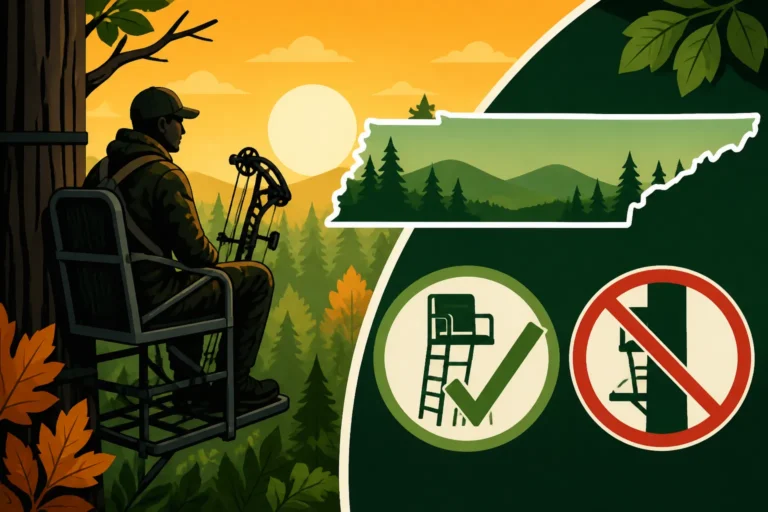
Deer hunting is arguably the most popular pursuit at Chuck Swan, and for good reason. The WMA boasts a healthy deer population, often producing mature bucks due to the controlled hunting pressure. Most deer hunting here occurs through special quota hunts, which means you'll need to apply in advance and be drawn for a permit. These hunts limit the number of hunters in the area at any given time, which can significantly enhance the quality of your experience and increase your chances of encountering less pressured deer. Archery hunts are common, and often an excellent time to experience the area with fewer people. Hunting the Rut in Early November can be a prime time here, but always check if it aligns with a quota hunt period. When hunting deer on this rugged terrain, consider using a good set of optics. Optics for Cumberland Plateau Ridges are essential for spotting deer on distant slopes or through thick timber, especially during the early morning and late evening hours. Treestands are popular, but the steep topography also lends itself to still-hunting or using ground blinds strategically placed in funnels or near known food sources.
Turkey and Small Game Prospects
Beyond deer, Chuck Swan offers fantastic turkey hunting, particularly during the spring season. The mature hardwood forests provide excellent roosting and foraging habitat for wild turkeys, and the quota hunt system again helps maintain a robust population. Hunters often find success by listening for gobblers off the roost and then trying to get ahead of them on the numerous ridges. Roost Hunting Tennessee Gobblers requires stealth and knowledge of the terrain, but the rewards can be incredible. Small game, such as squirrels and rabbits, are also plentiful. Squirrel hunting is a classic pursuit in the abundant oak and hickory stands, while rabbit hunting can be productive in brushy areas and along field edges. These hunts offer a more relaxed pace and a chance to explore different parts of the WMA. Always remember that even for small game, WMA-specific regulations regarding weapons, bag limits, and season dates must be followed.
Bear and Other Species Considerations
While deer and turkey are the main draws, Chuck Swan WMA is within the range of black bears in Tennessee, particularly given its proximity to the more mountainous eastern counties. However, bear hunting at Chuck Swan is generally not a primary focus and may be restricted or nonexistent, depending on current management objectives and bear population trends in that specific area. Always consult the TWRA regulations specific to Chuck Swan WMA for the most up-to-date information on bear hunting. For other furbearers and predators like coyotes, opportunities may exist, but again, always refer to the official WMA specific rules. Never assume statewide regulations apply without checking. This granular approach to rules ensures that the management area can maintain a healthy ecosystem for all its inhabitants.
Permits, Licenses, and Special Regulations
Navigating the bureaucratic side of hunting can be tedious, but it's absolutely essential, especially on a managed area like Chuck Swan. Ignoring the rules can lead to fines, loss of hunting privileges, and a ruined trip. Chuck Swan, with its quota hunt system and unique management, has several layers of requirements that hunters must understand.
Required Licenses and WMA Permits
Before you even think about putting boots on the ground at Chuck Swan, you need to ensure you have all the necessary licenses and permits. This typically includes a valid Tennessee hunting license (resident or non-resident) and a WMA-specific permit. The Tennessee Resident Hunting License Cost varies, as do options for non-residents. Many hunters opt for The Tennessee Sportsman License Bundle because it covers many permits, including WMA access, and simplifies the process. For big game, especially deer and turkey, a Big Game Permit is almost always required. Some special hunts might also require an additional WMA permit specific to Chuck Swan, which can sometimes be purchased directly or obtained through the quota draw. Don't show up without having everything in order; TWRA officers frequently patrol Chuck Swan to ensure compliance. It's often easiest to Buying a License on Go Outdoors Tennessee online before you leave home.
Special Hunt Application Process
The hallmark of big game hunting at Chuck Swan is its quota hunt system. This means that for popular deer and turkey hunts, you cannot simply show up and hunt. Instead, you must apply during a designated application window, and successful applicants are then drawn for a limited number of permits. The application process is usually handled through the TWRA's Go Outdoors Tennessee platform. It’s crucial to pay close attention to application deadlines, which are often months in advance of the hunting season. Missing a deadline means missing the opportunity for that year. Hunters drawn for quota hunts typically receive specific dates and instructions, which are vital to follow precisely. These controlled access hunts are a big part of why Chuck Swan can offer such high-quality hunting, as it prevents overcrowding and reduces pressure on the game.
Safety and Ethical Hunting Guidelines
Hunting at Chuck Swan, like anywhere else, requires adherence to fundamental safety practices and ethical guidelines. Tennessee law mandates certain Tennessee Blaze Orange Requirements during specific seasons, often including a minimum amount of outer clothing in fluorescent orange. Always know your target and what is beyond it, especially in areas with varying terrain and potential blind spots. Given that some areas of Tennessee are within the Chronic Wasting Disease (CWD) Management Zone, be sure to check if Chuck Swan is affected and follow any Tennessee Carcass Deboning Requirements or testing protocols that might be in place. While Chuck Swan is generally a place of respectful hunters, always practice good sportsmanship, retrieve all your trash, and leave no trace. This helps preserve the quality of the hunting experience for everyone and ensures that access to these precious public lands continues.
Here’s a quick overview of typical hunting opportunities at Chuck Swan WMA:
| Game Species | Primary Season Type | Typical Access Method | Notes |
|---|---|---|---|
| Deer | Quota (Archery, Gun) | Application Draw | Often high quality, limited hunter numbers |
| Turkey | Quota (Spring) | Application Draw | Excellent habitat, good success rates |
| Squirrel | General | Open Access | Abundant in hardwoods, statewide rules |
| Rabbit | General | Open Access | Good in brushy areas, statewide rules |
| Other Small Game | General | Open Access | Check specific TWRA regulations |
Note: Always consult the current TWRA hunting guide for Chuck Swan WMA for exact dates, regulations, and permit requirements.
Preparing for Your Chuck Swan Hunt
A successful hunt on any public land, especially one as unique as Chuck Swan, hinges on thorough preparation. It’s not just about having the right gear; it’s about understanding the environment, scouting effectively, and knowing what to expect. This can be the difference between a frustrating trip and a memorable experience.
Scouting Before Season
Scouting is paramount for Chuck Swan. Because of the rugged terrain and the vastness of the WMA, going in blind can be overwhelming. Start your scouting long before the season opens, if possible. Utilize digital mapping tools like onX Hunt to study the topography, identify potential funnels, benches, and bedding areas. Look for creek drainages that lead to the lake, as these often act as travel corridors for deer and turkeys. Identify areas with different timber types, such as mature oak stands for acorns, or thick regrowth for cover. Early season scouting allows you to pinpoint water sources, natural clearings, and potential food sources that might not be obvious during the hunt itself. If you can do some boots-on-the-ground scouting, focus on finding fresh sign, rub lines, and scrapes. However, even if you can't visit in person, a deep dive into satellite imagery and topo maps can give you a significant advantage. Reading Aerial Photos for Cumberland Plateau Deer can give you a real edge, and much of that same principle applies to Chuck Swan's terrain.
Gear Considerations
The diverse and often challenging terrain of Chuck Swan dictates specific gear choices. Expect to do a fair amount of walking, sometimes on steep, uneven ground. Quality, waterproof hiking boots are non-negotiable. Layered clothing is crucial due to fluctuating temperatures, especially during early morning and late evening sits. Depending on your hunting method, a reliable treestand or saddle setup that is lightweight and easy to transport is beneficial. For gun hunters, choosing a Rifle Setups for Tennessee Deer Hunting that is accurate and manageable for shots up to 100-200 yards across hollows is wise. Archery hunters should ensure their Bow Draw Weight for Tennessee Whitetails is appropriate for quick, close-range shots in thick cover. Don't forget a good backpack to carry your essentials, including water, snacks, a first-aid kit, and a reliable headlamp for walking in and out in the dark. A GPS unit or a fully charged phone with a mapping app like onX Hunt is vital for navigation and safety.
Camping and Lodging Options
For those looking to fully immerse themselves in the Chuck Swan experience, camping is a popular option. The WMA typically offers designated camping areas, though these are often primitive and operate on a first-come, first-served basis. Always check the TWRA regulations for specific camping rules, including fire restrictions, length of stay, and designated areas. Camping within the WMA allows you to be on-site early for those crucial morning hunts and stay late for evening activity. If roughing it isn't your style, there are lodging options available in nearby towns like Maynardville, New Tazewell, or LaFollette, which are typically a reasonable drive from the WMA. Planning your accommodations in advance, especially during peak hunting seasons, is always a good idea to avoid scrambling for a place to stay. Knowing you have a comfortable place to lay your head after a long day of Still-Hunting Cumberland Plateau Ridges can make all the difference.
Disclaimer
This article is for general informational purposes only and does not constitute professional advice. Laws, prices and regulations vary by location and change over time. Consult a qualified professional for guidance on your specific situation.