Bow Draw Weight for Tennessee Whitetails
Few things are more frustrating for a bowhunter than drawing back on a mature Tennessee whitetail, only to find your muscles trembling, your form compromised, and that perfect shot window rapidly closing. It's a moment that can make or break a season, and often, the culprit isn't the deer, but a draw weight that's simply too heavy for consistent, controlled execution. This guide is all about helping you understand the nuances of bow draw weight so you can set yourself up for success, ensuring you're delivering ethical, effective shots on Tennessee deer season.
Demystifying Bow Draw Weight for Deer Hunting
Let's cut through the jargon and get to the heart of what draw weight really means for us as bowhunters, especially when we're chasing those wily Tennessee whitetails. It's not just a number on your bow; it's a critical factor in your shooting consistency and, ultimately, your ethical responsibility to the game you pursue.
What is Draw Weight and Why Does It Matter?
At its simplest, draw weight is the amount of force, measured in pounds, required to pull your bowstring back to its full draw length. For compound bows, this peak weight is typically achieved somewhere in the middle of the draw cycle, and then a significant "let-off" reduces the holding weight at full draw, making it much easier to hold steady. Traditional bows, like recurves and longbows, have a linear draw weight – the further you pull, the heavier it gets, with no let-off. This fundamental difference is crucial because it dictates how much muscle you need throughout the shot sequence.
Why does it matter so much for deer hunting? Well, think about those moments in the woods. You're cold, perhaps you've been sitting for hours, or maybe a buck suddenly appears at an awkward angle, requiring you to contort your body slightly. If your draw weight is at the absolute limit of what you can manage in a gym, it's going to feel like a ton of bricks when your adrenaline is pumping, and your muscles are stiff. An optimal draw weight allows for a smooth, controlled draw, minimal movement that might spook a deer, and the ability to hold steady for those precious few seconds needed to settle your pin and execute a clean release. It's the difference between a confident shot and a shaky one, and for a whitetail, that's often the difference between a quick, ethical harvest and a long, potentially unsuccessful tracking job.
The Science of Penetration: Kinetic Energy and Momentum
While form and control are paramount, we can't ignore the physics behind arrow penetration. Draw weight contributes directly to the kinetic energy and momentum of your arrow, which are the driving forces behind a successful pass-through shot. Kinetic energy (KE) is essentially the energy of motion, while momentum (P) is a measure of an object's mass in motion. Both are vital for effective arrow penetration, especially when encountering bone or thicker hide.
Generally, a higher draw weight will impart more kinetic energy and momentum to your arrow, assuming all other factors like arrow weight and broadhead design remain constant. This added power helps push the broadhead through the animal, ensuring it can reach vital organs on both sides, which greatly aids in quick recovery and blood trailing. However, there's a point of diminishing returns. An arrow with sufficient KE and momentum, shot with perfect form, will always outperform an arrow with maximum KE and momentum shot poorly. The goal isn't just to maximize these numbers, but to find the sweet spot where you can generate enough power with maximum accuracy and consistency. Trying to pull a bow that's too heavy can lead to poor form, inconsistent accuracy, and ultimately, less effective penetration, even if the raw numbers look good on paper.
Tennessee's Stance on Minimum Draw Weight
When it comes to the legalities of hunting in the Volunteer State, Tennessee keeps things fairly simple regarding bow draw weight. Unlike some states that might specify a minimum draw weight for certain big game animals, Tennessee's regulations on deer hunting generally do not impose a specific minimum draw weight for archery equipment. This means the onus is entirely on the individual hunter to ensure their equipment is capable of ethically harvesting an animal.
This lack of a strict minimum doesn't mean "anything goes," though. It places a greater responsibility on you, the hunter, to understand what constitutes an ethical setup. While a very low draw weight might be fine for target shooting or small game, it's generally not sufficient for deer. A good rule of thumb, often recommended by seasoned bowhunters and pro shop technicians, is to aim for a draw weight that produces at least 40-45 foot-pounds of kinetic energy for deer. For many compound bows, this typically translates to a draw weight in the 40-50 pound range, especially with a reasonably weighted arrow and proper broadhead. For traditional archers, where there's no let-off, slightly higher draw weights are often sought to achieve similar penetration, though shot distance and arrow flight dynamics are also major factors. Always remember that just because it's legal doesn't mean it's ethical if you can't consistently achieve adequate penetration.
Finding Your Ideal Draw Weight: Form Over Force
This is where the rubber meets the road. It's not about what your buddy pulls, or what the guy on TV uses. It's about you and your ability to execute a perfect shot when it counts. Chasing high poundage just for the sake of it is one of the quickest ways to develop bad habits and miss opportunities in the field.
Prioritizing Proper Shooting Form and Comfort
Good shooting form is the foundation of accuracy, and it's absolutely paramount in bowhunting. It doesn't matter if you're chasing deer in the Cherokee National Forest Hunting or setting up along a field edge in West Tennessee, consistent form is key. A draw weight that's too high will instantly compromise your form. You'll likely find yourself muscling the bow back, shrugging your shoulder, or tilting your head to reach anchor. These compensations introduce torque into the bow and inconsistencies into your shot, making accurate arrow placement incredibly difficult.
Think about it this way: if you're straining just to pull the bow back, how steady will you be when you have to hold it for 10-20 seconds waiting for a deer to turn broadside? How consistent will your release be when your muscles are screaming? The answer is, not very. Your ideal draw weight should allow you to draw the bow smoothly and effortlessly, using proper back muscles rather than just your arms and shoulders. You should be able to settle into your anchor point comfortably, hold for at least 30 seconds without excessive shaking, and execute a clean release without flinching or collapsing. If you can't do these things consistently, your draw weight is too high. Prioritizing comfort and impeccable form will lead to much better accuracy and, in turn, more ethical harvests.
Practical Ways to Test Your Maximum Effective Draw Weight
So, how do you figure out what that "ideal" draw weight is for you? It's a process of careful adjustment and honest self-assessment. Start by reducing your draw weight to a point where you can easily draw the bow back without straining. Then, gradually increase it, about 2-3 pounds at a time, until you start to feel a challenge. The key is to find the heaviest weight you can handle while maintaining perfect form.
Here’s a simple test you can do at home or at an archery shop:
- Draw and Hold Test: With your bow set at a manageable weight, try drawing it back while standing relaxed, with good posture. Hold it at full draw for 30 seconds. Can you do it without shaking excessively? Now try holding it with your eyes closed for a few seconds to focus on muscle tension. Can you keep your pin rock steady?
- Repetitive Draw Test: Draw your bow 10-15 times in a row, as if you were practicing or hunting. Do you feel fatigue setting in? Does your form start to break down? If so, the weight is likely too high for prolonged hunting situations.
- Draw While Seated: Simulate a treestand or ground blind draw. Can you draw the bow back smoothly from a seated position, perhaps twisting slightly to the side, without straining or banging your bow on anything? This is crucial for real-world hunting scenarios.
- Draw with Cold Muscles: Try drawing your bow first thing in the morning, before any warm-up. This simulates a cold morning in the deer stand. If you struggle, that weight is likely too heavy.
Remember, it's always better to be slightly under-bowed and shoot accurately than over-bowed and inconsistent. Don't be afraid to drop poundage if your form dictates it.
Common Mistakes When Setting Your Draw Weight
Many bowhunters fall into common traps when determining their draw weight, often driven by ego or misinformation. Avoiding these pitfalls is crucial for long-term success and enjoyment in the sport.
One of the most prevalent mistakes is listening to the "more is better" mentality. There's a persistent myth that you must shoot a heavy draw weight to be a "real" bowhunter or to ethically kill a deer. While sufficient penetration is necessary, going beyond your comfort zone achieves the opposite effect. Another common error is setting draw weight based solely on what you can pull once in a controlled environment. The ability to pull 70 pounds once in a pro shop doesn't mean you can consistently and accurately shoot it after an hour-long hike into your stand, or after sitting motionless in the cold for several hours. Hunters often neglect the impact of fatigue, cold weather, and adrenaline, all of which make drawing a bow feel significantly heavier. Using resources like GoHunt to scout and understand the specific demands of your hunting area can also help in preparing physically, ensuring your chosen draw weight is practical for the conditions you'll face.
Lastly, some hunters adjust their draw weight by themselves without proper instruction or the right tools. While many bows are adjustable, making significant changes without understanding how it affects cam timing, limb deflection, and other critical tuning parameters can lead to a bow that's out of tune and incredibly frustrating to shoot. If you're unsure, visit a reputable pro shop. They have the expertise and equipment to ensure your bow is properly set up for your ideal draw weight, keeping it shooting consistently.
| Draw Weight Range (Compound) | Typical Kinetic Energy (KE)* | Impact on Whitetail Hunting | Ideal Hunter Profile |
|---|---|---|---|
| 30-40 lbs | 25-35 ft-lbs | Adequate for small game, potentially marginal for deer. Requires perfect shot placement and broadhead choice. | Youth, smaller framed adults, rehabilitation. |
| 40-50 lbs | 40-55 ft-lbs | Excellent for whitetail deer with good broadhead and shot placement. | Most adult women, many adult men, those prioritizing comfort. |
| 50-60 lbs | 50-70 ft-lbs | Ample power for all whitetail situations, larger deer, and potential for larger game. | Average to strong adult men, experienced hunters. |
| 60-70 lbs | 65-85+ ft-lbs | High power for large game. Can be overkill for whitetail, may compromise form if over-bowed. | Strong, experienced hunters. |
*Assumes average arrow weight (350-450 grains) and typical draw length (27-29 inches). Actual KE will vary.
Draw Weight in the Tennessee Whitetail Woods
Hunting in Tennessee presents a diverse array of challenges, from the steep, rugged terrain of the Cumberland Plateau to the dense bottomland hardwoods of West Tennessee. Your bow setup, particularly your draw weight, needs to be practical for these varied conditions.
Adjusting for Different Bow Types: Compound vs. Traditional
The type of bow you choose fundamentally impacts how you approach draw weight. Compound bows, with their cam systems and significant let-off, allow hunters to manage much higher peak draw weights than traditional bows. A compound hunter pulling 60 pounds might only be holding 10-15 pounds at full draw, making it easier to aim steadily for extended periods. This makes higher poundage more manageable for many, providing a good balance of power and holdability. For compound hunters, the key is to ensure you can smoothly draw the peak weight in any hunting scenario – from a treestand, on your knees, or with cold hands. You'll find many hunters successfully using 50-60 pound compounds for White-Tailed Deer Across Tennessee.
Traditional archers, however, face a different challenge. With no let-off, a 45-pound recurve requires you to hold the full 45 pounds (or more, if you're drawing past the bow's marked weight) at full draw. This demands much more muscular strength and endurance, making consistency more difficult. Traditional bowhunters often opt for slightly lower draw weights than their compound counterparts, focusing intently on perfect form and shot timing to ensure clean kills. For them, a 45-55 pound bow is a common sweet spot, prioritizing accuracy and consistent execution within their effective range. Whether you're pulling a compound or a traditional bow, the fundamental principle remains: choose a weight you can handle flawlessly, every single time.
Considering Shot Distances and Angles in Diverse Terrain
Tennessee's varied landscapes mean your typical shot distance can fluctuate dramatically. In the thick, undulating terrain of the Cumberland Plateau Ridgelines or the Reading a Ridge for East Tennessee Deer, shots are often close-range, frequently within 20-30 yards. Here, pinpoint accuracy at moderate power is often more beneficial than maximum power at the expense of control. A broadhead needs to drive through hide and ribs at any angle, so consistent arrow flight is paramount.
Conversely, if you're hunting more open ground, like Setting Up on a West Tennessee Field Edge or along the edges of agricultural fields, you might encounter deer at slightly longer distances, perhaps 30-40 yards. While a little more kinetic energy can offer peace of mind, it still doesn't trump shot placement. A heavier draw weight that compromises your form at 20 yards will be an absolute disaster at 40. Furthermore, ethical shots aren't always broadside. Deer may present at quartering-away angles, requiring deeper penetration and the ability to punch through more tissue and potentially more bone. Your draw weight needs to be sufficient for these varied angles and scenarios, but critically, you must be able to put the arrow exactly where it needs to go, regardless of the distance or angle within your ethical limits.
The Impact of Cold Weather and Long Treestand Sits
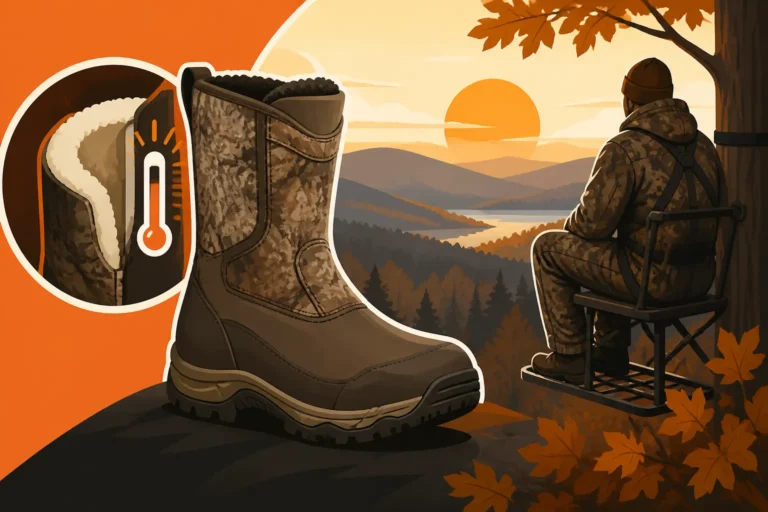
Imagine this scenario: it's a frigid late-season morning in January, the mercury is hovering around freezing, and you've been perched in your treestand since before dawn. Your muscles are stiff, your fingers are numb, and then, a mature buck finally steps into your shooting lane. This is precisely when an overly heavy draw weight becomes a major liability. Cold weather constricts muscles, making them less flexible and weaker. The sheer effort of drawing a bow that felt manageable in warm conditions can become a monumental struggle when your body is cold and stiff.
Long sits also contribute to fatigue. Even if you're not actively moving, maintaining vigilance and staying relatively still for hours can drain your energy reserves. When you finally get that opportunity, you want to be able to make a smooth, effortless draw. If you're shivering, fatigued, or cold, and your bow is at the upper end of your strength, you risk fumbling the shot, making excessive movement that spooks the deer, or simply being unable to draw back at all. When planning your Cold-Weather Sitting Strategy in Tennessee, remember to factor in how the elements will affect your physical capabilities. Many experienced hunters will actually reduce their draw weight by 5-10 pounds for late-season hunts just to ensure they can maintain perfect form when the conditions are at their harshest. It's a smart adjustment that prioritizes consistency and ethics over raw power.
Beyond Draw Weight: Maximizing Your Bowhunting Setup
While draw weight is a crucial component, it's just one piece of the puzzle. A truly effective and ethical bowhunting setup considers every element working in harmony to deliver maximum performance.
The Critical Role of Arrow Weight and FOC
You could be pulling a 70-pound bow, but if you're shooting an incredibly light arrow, you're sacrificing momentum and penetration. Conversely, a moderate draw weight with a heavier arrow can often achieve superior penetration due to increased momentum. Arrow weight is measured in grains, and the general consensus for deer hunting is to use an arrow that weighs between 6 to 8 grains per pound of draw weight. So, if you're pulling 50 pounds, an arrow in the 300-400 grain range would be a good starting point. Heavier arrows, within reason, tend to retain more kinetic energy downrange, are less affected by wind, and penetrate better, especially through bone.
Beyond overall weight, Front of Center (FOC) is another vital factor. FOC refers to the percentage of an arrow's total weight that is located in the front half of the arrow. A higher FOC (typically 10-15% or more for hunting) means the arrow is more stable in flight, recovers faster from paradox (the bend in the arrow as it leaves the bow), and, most importantly, enhances penetration. This is because a front-heavy arrow pulls itself through the target more efficiently. Achieving a good FOC often involves using heavier broadheads or inserts. When considering Arrow Weight for Short Shots in thick Tennessee cover, a heavier, high-FOC arrow can be a real game-changer for driving through obstructions and getting to the vitals.
Broadhead Selection for Optimal Performance
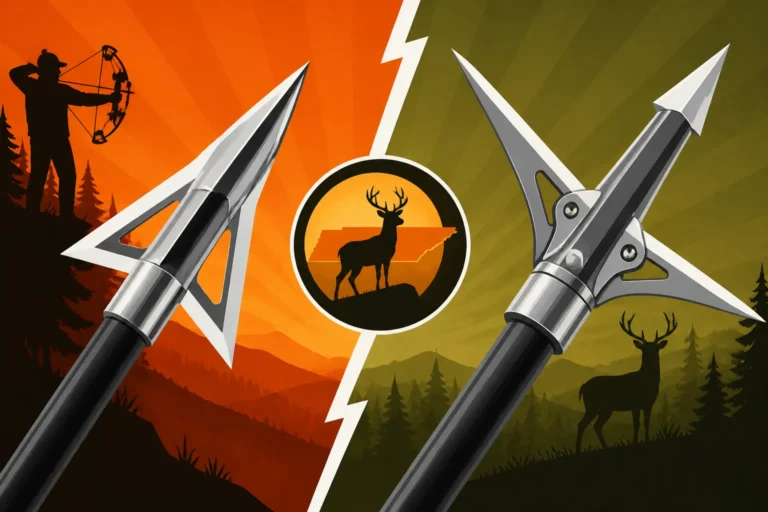
Your broadhead is the business end of your arrow, and its performance is just as critical, if not more so, than your draw weight or arrow weight. There's a perpetual debate between fixed-blade and mechanical broadheads, and both have their merits. Fixed-blade broadheads are known for their robust construction, reliability, and ability to slice through tissue, often providing two cutting edges even if the tip hits bone. They tend to be more forgiving if you hit a shoulder blade.
Mechanical broadheads, on the other hand, fly more like field points, offering superior accuracy for some hunters, especially at longer distances. They deploy upon impact, creating wider cutting diameters, which can lead to larger wound channels and better blood trails. However, they rely on moving parts and require sufficient kinetic energy to reliably deploy and penetrate. For hunters using lower draw weights, a well-designed fixed-blade broadhead often offers more reliable penetration. Regardless of your choice, ensure your broadheads are razor sharp and tuned to fly true with your specific arrow and bow setup. A visit to a pro shop can help you confirm the flight of your Broadheads for Timber Shots.
The Non-Negotiable Practice Regimen
All the talk about draw weight, arrow weight, and broadheads is meaningless without consistent, disciplined practice. You can have the most expensive, perfectly tuned setup in the world, but if you don't practice, you won't be able to put that arrow where it needs to go when the moment of truth arrives. Practice isn't just about flinging arrows; it's about refining your form, building muscle memory, and mentally preparing for hunting situations.
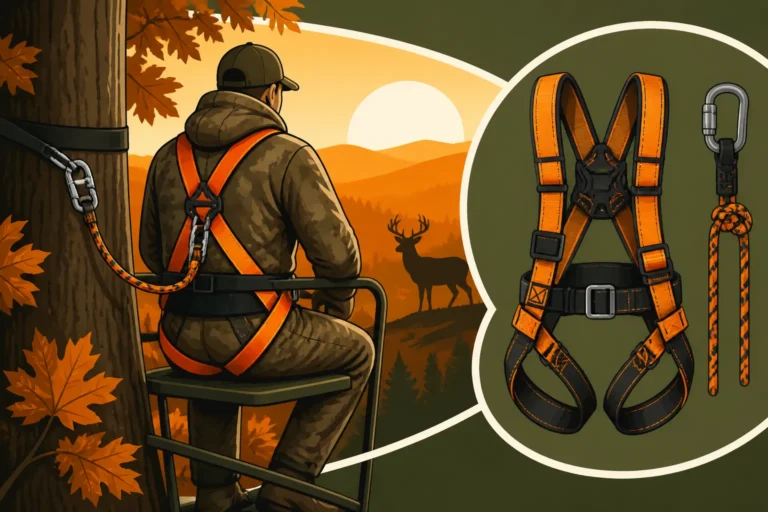
Your practice regimen should mimic real-world hunting scenarios as much as possible. Practice from a treestand, or from a kneeling or seated position. Practice in the clothing you'll wear hunting, including your safety harness. Practice in varying weather conditions – wind, cold, light rain – if possible. Most importantly, practice until you can consistently group your arrows tightly, especially at the maximum ethical distance you plan to shoot in the field. This consistency will build confidence, which is invaluable when a trophy buck steps out. Even if you only get to the range once a week, make those sessions count. Many hunters use apps or online tools like GoHunt to track their practice sessions and analyze shot data, helping them identify areas for improvement. This dedication to practice ensures that when your hard work Scouting Tennessee Public Land Before Season pays off, you'll be ready to make the shot.
Busting Draw Weight Myths and Looking Ahead
The world of bowhunting is rife with opinions and old wives' tales, and draw weight is certainly no exception. It's time to debunk some of these common myths and encourage a more realistic, performance-oriented approach.
The "More Poundage, More Power" Misconception
This is perhaps the most dangerous myth in bowhunting. While it's true that, all else being equal, a higher draw weight does generate more kinetic energy, it absolutely does not equate to "more power" if you can't control it. As we've discussed, if the draw weight is too heavy, your form will suffer. You'll punch the trigger, torque the bow, collapse at the shot, or simply develop a flinch. All of these lead to poor accuracy and inconsistent arrow flight. What good is 80 foot-pounds of kinetic energy if your arrow misses the vitals by six inches?
The reality is that "effective power" comes from the combination of adequate kinetic energy/momentum and precise shot placement. A 45-pound bow, shot with perfect form and a heavy, sharp broadhead, that places an arrow directly through both lungs will be infinitely more "powerful" and ethical than a 70-pound bow that sends an arrow through the paunch or clips a shoulder. Focus on the maximum poundage you can shoot accurately and consistently rather than simply the maximum poundage you can pull back. Your goal is clean, ethical kills, not bragging rights about your draw weight.
Adapting Your Setup as Your Body Changes
Our bodies aren't static; they change over time. What felt comfortable and manageable in your 20s might be a struggle in your 40s or 60s. Injuries, age, lifestyle changes, and even temporary illness can all impact your strength and flexibility. A seasoned bowhunter understands this and isn't afraid to adapt their equipment accordingly.
If you start noticing that drawing your bow feels harder, or your accuracy begins to decline despite consistent practice, it's time for an honest assessment. Don't push through pain or frustration; that's a recipe for developing bad habits or even sustaining an injury. Many older hunters or those recovering from injuries find renewed enjoyment and success by simply dropping their draw weight by 5 or 10 pounds. Modern bows are incredibly efficient, and a 40-50 pound compound can still be a highly effective deer killing machine. There's no shame in adjusting your setup to match your current physical capabilities. In fact, it's a sign of a smart, experienced hunter who prioritizes ethical hunting and personal performance. This philosophy applies to other gear too, like choosing Clothing for a Tennessee Late Season to stay warm and comfortable without being restricted.
Seeking Expert Advice for Fine-Tuning Your System
While this guide offers a lot of information, there's no substitute for hands-on, expert advice from a qualified archery technician. They have the tools, the knowledge, and the experience to help you fine-tune your entire bowhunting system, not just your draw weight.
A good pro shop can help you confirm your draw length, which is fundamental to proper form and maximizing your bow's efficiency. They can measure your actual draw weight, check cam timing, ensure your arrow rest is perfectly level, and assist with broadhead tuning to ensure your hunting arrows fly exactly like your field points. They can also offer personalized advice on arrow spine, weight, and FOC, recommending options that will perform best with your specific bow and draw weight. If you're struggling with accuracy, experiencing pain, or simply want to optimize your setup, investing time at a reputable archery shop is one of the best decisions you can make. They can provide a fresh pair of eyes and objective advice, helping you achieve a level of confidence and proficiency that will serve you well in the Tennessee deer woods. Remember, a perfectly tuned bow at a comfortable draw weight, in the hands of a practiced hunter, is the most effective tool you can carry.
Disclaimer
This article is for general informational purposes only and does not constitute professional advice. Laws, prices and regulations vary by location and change over time. Consult a qualified professional for guidance on your specific situation.