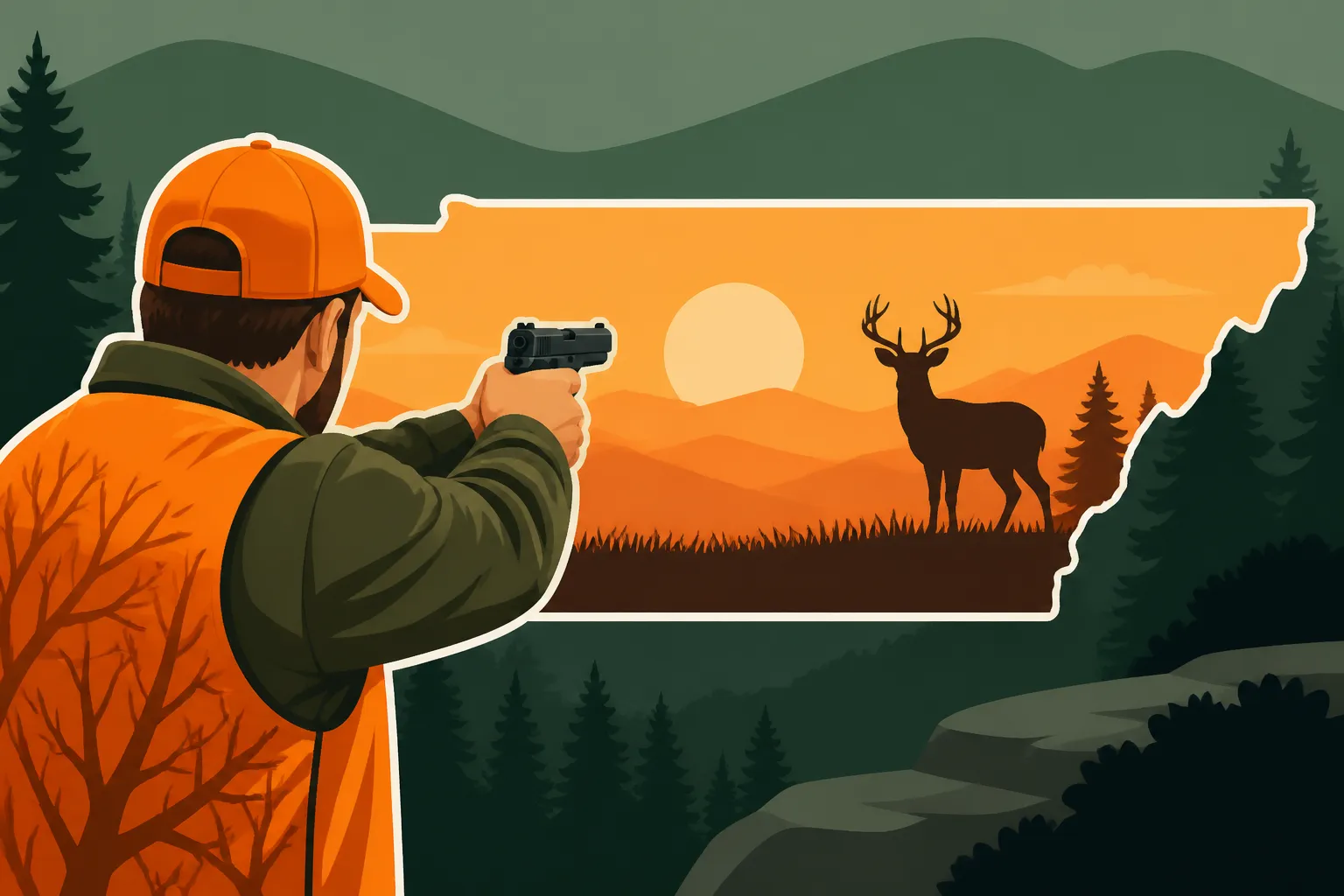
Handgun Hunting Rules in Tennessee
It can feel like a maze sometimes, trying to figure out all the nuances of hunting regulations, especially when you're looking to use something a little less common than your typical rifle or shotgun. For many of us, the idea of hunting with a handgun holds a unique appeal—it's challenging, demands close-range skill, and feels like a return to a more primitive, focused style of hunting. But diving into Tennessee's rules for handgun hunting can leave you scratching your head, wondering what's allowed, what's not, and what permits you actually need. This guide is here to untangle those rules, walking you through everything you need to know to hunt legally and ethically with a handgun in the Volunteer State.
Understanding Tennessee's Core Handgun Hunting Regulations
Before you even think about stepping into the woods with a handgun, you absolutely need to grasp the foundational regulations. Tennessee, like most states, has specific laws governing not just if you can hunt with a handgun, but how and when. It's not just about what you can carry, but what it can shoot and during which specific seasons. Many hunters assume that if they can carry a pistol, they can hunt with it, but that's a dangerous assumption that can lead to fines and lost hunting privileges.
Legal Calibers and Ammunition
One of the biggest questions revolves around what calibers are actually legal for handgun hunting in Tennessee, especially for big game like deer. You can't just grab your everyday carry pistol and head to the deer woods. The regulations are pretty clear: for deer, handguns must fire a centerfire cartridge and be at least .35 caliber. This means your common 9mm or .380 ACP isn't going to cut it for whitetails. We're talking about cartridges like a .357 Magnum, .41 Magnum, .44 Magnum, .45 Colt, 10mm Auto, and similar powerful rounds. For other game, like small game or predators, the rules are often less restrictive on caliber, but for big game, power and projectile size are key for ethical harvest.
It’s also crucial to remember that Tennessee has specific rules about ammunition type. For deer, fully jacketed military-type ammunition is usually not permitted. You'll need to use expanding projectiles, such as soft-point, hollow-point, or other bullet designs meant to expand upon impact and create a humane kill. These rules are in place for ethical hunting, ensuring that the projectile transfers maximum energy to the animal and brings it down quickly. Always double-check your ammunition box to ensure it aligns with these expanding bullet requirements. For example, a .44 Magnum with a hollow-point bullet is perfectly fine, but a military-spec .45 ACP ball round, while .45 caliber, would be illegal for deer due to its non-expanding nature and being generally considered too low power for ethical deer hunting.
Permitted Seasons and Game Species
This is where many hunters get tripped up. Handguns aren't universally legal for all game during all seasons. For deer, handguns are typically permitted during the gun season and, in many cases, during the muzzleloader-only season (check specific WMA or county rules as these can vary). However, during the statewide archery-only season, only archery equipment is allowed for deer, regardless of whether you carry a handgun for self-defense. It’s important to understand the distinctions. You might be able to carry a handgun for personal protection during archery season if you have the proper permit, but you absolutely cannot hunt deer with it during that time. For a full breakdown, check out Tennessee Deer Season Structure Explained.
For small game like squirrels, rabbits, or even furbearers and predators like coyotes, handguns are generally permitted during their respective open seasons. The regulations for these species tend to be more lenient regarding caliber and projectile type, reflecting the smaller size and different hunting challenges they present. For example, you could certainly use a .22 caliber rimfire handgun for squirrel hunting. Just remember that seasons, bag limits, and specific regulations always apply regardless of your chosen weapon. Make sure you're familiar with Tennessee Small Game Season Rules before heading out.
Safety Considerations and Legal Discharge
Hunting with any firearm demands an absolute commitment to safety, and handguns are no exception. All the standard rules apply: treat every firearm as if it's loaded, always keep the muzzle pointed in a safe direction, keep your finger off the trigger until you're ready to shoot, and be sure of your target and what's beyond it. Because handguns often involve closer ranges and more dynamic hunting situations, these principles become even more critical. Carrying a handgun in the field, whether openly or concealed, means you are responsible for its safe handling at all times.
Beyond general firearm safety, Tennessee has laws regarding the safe discharge of firearms. You cannot discharge a firearm in a reckless manner, and there are rules about shooting too close to residences, public roads, or other occupied structures. Always be aware of your surroundings, understand your backdrop, and ensure that any shot you take is safe. This is especially pertinent if you're hunting near suburban areas or on smaller tracts of land. A comprehensive hunting education course covers these essential safety protocols in detail, and everyone should take one or refresh their knowledge regularly. Tennessee Hunter Education Requirements outlines who needs to take the course.
Specific Scenarios for Handgun Hunters in Tennessee
Let's dive deeper into some real-world scenarios you might encounter as a handgun hunter in Tennessee. It's not a one-size-fits-all situation, and understanding the nuances can make all the difference between a successful, legal hunt and a frustrating, or even illegal, one.
Handgun Hunting for Deer: Archery, Muzzleloader, and Gun Seasons
This is where many aspiring handgun deer hunters focus their attention. During Tennessee's general gun season, a legal handgun (centerfire, .35 caliber or larger, with expanding ammunition) is a perfectly viable and exciting option. The challenge lies in getting close enough for an ethical shot, which often means employing still-hunting tactics or patiently waiting in a well-scouted stand. A well-placed shot from a .44 Magnum at 30 yards is far more effective than a poorly aimed rifle shot at 100. Always remember to check Tennessee Gun Season Dates for the exact periods when this is allowed.
During the muzzleloader-only season, things get a little more complex. While the name implies muzzleloaders only, Tennessee does often allow legal handguns during this period, particularly those chambered in appropriate calibers. This can vary by specific Wildlife Management Area (WMA) or even county, so it's not a blanket rule. For instance, on many WMAs, a .35 caliber or larger handgun with expanding ammunition is permitted during muzzleloader season. Always, always check the current hunting guide for the specific county or WMA you plan to hunt. It's frustrating to plan a trip only to find your preferred weapon isn't allowed. Many hunters like to check the TWRA website or use a hunting app like GoHunt to look up specific WMA regulations before heading out.
As mentioned earlier, the statewide archery-only season strictly prohibits the use of handguns for hunting deer. Period. Even if you have a concealed carry permit and legally carry a handgun for self-defense while bowhunting, you cannot use it to harvest a deer during this season. This distinction between carrying for self-defense and using for hunting is critical and often misunderstood. If you're passionate about bowhunting, explore options like Crossbow Versus Vertical Bow in Tennessee for archery season.
Small Game and Predator Hunting with a Handgun
For small game hunters, handguns offer a different kind of experience. Imagine still-hunting squirrels through mature hardwoods with a .22 pistol, or stalking rabbits along a brushy fencerow. Handguns for small game typically allow for a lighter, more nimble approach, and the skill required for accurate shooting at small, often moving targets is immense. A .22 rimfire handgun is ideal for squirrels and rabbits, offering minimal recoil and quiet operation. For raccoons or opossums, a .22 or even a .22 Magnum can be effective.
When it comes to predators like coyotes, handgun hunting can be a thrilling endeavor. While a rifle is often preferred for longer shots, calling coyotes into close range (within 50 yards or so) for a handgun shot is a challenging and rewarding experience. For coyotes, you'll want something with more punch than a .22, like a 10mm Auto or .357 Magnum, to ensure a clean kill. Always verify Tennessee Coyote Hunting Season Rules as regulations, especially for night hunting or baiting, can vary. Using a good hunting app like GoHunt can help you quickly verify these specific rules for your area.
Public vs. Private Land Handgun Rules
The distinction between public and private land is crucial when considering handgun hunting. On private land, with the landowner's permission, you generally have more flexibility within the statewide regulations. As long as you adhere to the caliber, season, and species rules, and don't violate any safe discharge laws or local ordinances, handgun hunting is typically allowed. Always make sure you have explicit permission to hunt on private land. Getting Private Land Permission in Tennessee discusses how to do this legally and courteously.
Public lands, however, often come with their own set of specific restrictions. Wildlife Management Areas (WMAs) in Tennessee often have regulations that are more stringent than the statewide rules. For example, some WMAs might have specific "gun restrictions" that limit the type of firearms allowed or prohibit certain calibers. You might find that a WMA only allows shotguns for deer, or prohibits handguns during certain periods. Before you ever set foot on a WMA with a handgun, check the individual WMA regulations in the current Tennessee Hunting and Trapping Guide or on the TWRA website. For general information, Tennessee Wildlife Management Areas can give you an overview, but always drill down to the specific WMA. Ignorance of WMA rules is never an excuse.
Licensing, Permits, and Carrying Your Handgun
Beyond the weapon-specific rules, there are personal requirements and broader legal considerations for handgun hunting in Tennessee. You can't just pick up a pistol and go; you need to be properly licensed and understand your rights and responsibilities for carrying firearms in the field.
Hunter Education and Apprentice Hunter Program
First and foremost, if you were born on or after January 1, 1969, you must complete a Tennessee Hunter Education course to hunt in the state. This isn't just a recommendation; it's a legal requirement designed to ensure hunters are safe, responsible, and knowledgeable about wildlife laws and ethics. The course covers everything from firearm safety and marksmanship to wildlife identification and hunting regulations. There's no exception for handgun hunting; if you need hunter education for a rifle, you need it for a handgun.
If you haven't completed hunter education yet, Tennessee offers an "apprentice hunter" license. This allows you to hunt under the direct supervision of an adult who is at least 21 years old and holds a valid hunting license. It's a fantastic way to learn the ropes and gain experience before committing to the full hunter education course. However, remember that "direct supervision" means your mentor needs to be close enough to provide immediate instruction and assistance, especially when handling a handgun.
Carrying Concealed vs. Open Carry While Hunting
Tennessee is generally an open-carry state, and this extends to hunting. You can typically openly carry a handgun while hunting, as long as you are legally permitted to possess a firearm and comply with all hunting regulations. Many hunters prefer open carry for accessibility and to avoid any perception of concealed weapon laws being violated, especially if they don't have a concealed carry permit.
If you prefer to carry your handgun concealed while hunting, you'll need to possess a valid Tennessee Handgun Carry Permit (HCP) or a recognized permit from another state. The HCP allows you to carry a handgun, whether openly or concealed, in most places where firearms are not specifically prohibited by law. It’s important to distinguish between carrying a handgun for personal protection and using it for hunting. Your HCP permits you to carry, but the hunting regulations dictate when and for what you can use that handgun to harvest game. Always ensure your carry method is secure and doesn't interfere with your hunting movements or safety. When you buy your Tennessee Hunting Licenses and What They Cost, consider if an HCP is also right for you.
Navigating WMAs and Special Regulations
We've touched on this, but it bears repeating: Wildlife Management Areas (WMAs) are the wild cards. While statewide regulations provide a baseline, WMAs often have their own specific rules that can supersede or add to those. These rules are put in place for various reasons—public safety, managing hunting pressure, or specific game management goals. It's not uncommon for a WMA to restrict certain firearms during specific hunts or for certain species.
For example, a WMA might allow handgun hunting for deer during the general gun season but prohibit it during an antlerless-only quota hunt where only shotguns are permitted. Or, a WMA might require a WMA-specific permit in addition to your state hunting license. Always consult the current Tennessee Hunting and Trapping Guide and the specific WMA’s supplemental regulations before hunting there with a handgun. Websites like GoHunt often integrate WMA regulations, but always cross-reference with the official TWRA guide to be absolutely sure.
| Factor | Statewide General Rules (Deer) | WMA-Specific Rules (Example) |
|---|---|---|
| Legal Caliber | Centerfire, .35 caliber or larger | Centerfire, .35+ caliber, unless specific WMA limits caliber choice to shotgun or rifle only for certain hunts. |
| Ammunition Type | Expanding bullets (soft-point, hollow-point) | Expanding bullets, unless WMA specifies slug-only for shotguns, or other unique restrictions. |
| Permitted Seasons | Gun season, often Muzzleloader season (check rules) | Varies significantly by WMA hunt type; always verify specific WMA dates. |
| Carry for Self-Defense | Generally allowed with HCP or openly | Generally allowed, but hunting use must comply with WMA-specific weapon rules. |
| Special Permits | General hunting license + big game permit | May require an additional WMA-specific permit or quota hunt draw. |
Tips for a Successful and Legal Handgun Hunt
Hunting with a handgun isn't just about following the rules; it's about skill, preparation, and an understanding of the ethical responsibilities involved. To truly succeed and ensure a humane harvest, you'll need to put in the work.
Practice and Proficiency
Unlike a rifle that can provide accurate shots at longer ranges, handgun hunting is inherently a close-range pursuit. This means your accuracy, even at 25-50 yards, needs to be exceptional. Consistent practice at the range is non-negotiable. Spend time shooting from various field positions—standing, kneeling, and even from a simulated treestand or ground blind setup. Work on your draw, your grip, your sight picture, and your trigger control until it's second nature. Many hunters use a bipod or shooting sticks with handguns to gain stability, which can significantly extend your ethical range.
Understanding your effective range is also paramount. Just because a bullet can travel 100 yards doesn't mean you can consistently hit a deer's vitals at that distance with a handgun under hunting conditions. Be honest with yourself about your limitations and commit to only taking shots you are confident will be lethal. Missing or wounding an animal is not only unethical but incredibly frustrating. Many seasoned handgun hunters will tell you that a 30-yard shot is often their maximum comfort zone for deer.
Ethical Shot Placement with a Handgun
Ethical shot placement is critical with any hunting weapon, but perhaps even more so with a handgun due to its typically lower velocity and energy compared to a rifle. You must aim for the vital organs—the heart and lungs—to ensure a quick, humane kill. A quartering-away shot into the chest cavity or a broadside shot directly behind the shoulder are usually your best options. Avoid head-on or straight-away shots, as these present smaller vital targets and a higher risk of wounding the animal.
Before your hunt, familiarize yourself with deer anatomy. Study diagrams and understand exactly where the heart and lungs are located. When you're in the field, wait for the animal to present the perfect shot angle. Patience is a handgun hunter's best friend. If the shot isn't right, don't take it. It's always better to let an animal walk away and hunt another day than to take a risky shot that could lead to a wounded animal and a difficult, if not impossible, recovery.
Staying Informed About Rule Changes
Hunting regulations, especially for specific weapon types or WMAs, are not static. They can and do change from year to year. New rules might be implemented, old ones might be modified, or specific season dates and bag limits might shift. Relying on last year's knowledge or outdated information is a recipe for trouble.
Always make it a habit to review the current Tennessee Hunting and Trapping Guide before each hunting season. The Tennessee Wildlife Resources Agency (TWRA) publishes this guide annually, and it's the definitive source for all regulations. You can find it online on the TWRA website, or pick up a physical copy wherever hunting licenses are sold. Additionally, signing up for TWRA email updates or regularly checking their news section can keep you informed of any late-breaking changes. Utilizing tools like the GoHunt app can also provide convenient access to current regulations right on your phone, but it's always wise to cross-reference with official TWRA publications. Being a responsible hunter means being an informed hunter.
Disclaimer
This article is for general informational purposes only and does not constitute professional advice. Laws, prices and regulations vary by location and change over time. Consult a qualified professional for guidance on your specific situation.