Tennessee Gun Season Dates
Alright, let's talk about something that gets every Tennessee hunter's heart pounding: gun season. It's a time of year many of us eagerly anticipate, but navigating the exact dates and rules can sometimes feel like trying to untangle a stubborn knot in your drag rope. Between statewide openers, regional shifts, and the ever-present considerations of our Deer Management Units (DMUs) and the CWD zone, it’s easy to get confused. This guide is here to cut through that complexity, providing you with a clear, comprehensive breakdown of Tennessee's gun season dates so you can plan your hunts with confidence.
Understanding Tennessee's Deer Season Framework
Before we dive headfirst into the specifics of gun season, it’s really helpful to understand the overarching structure of deer hunting in Tennessee. It's not just one big, continuous block; rather, it’s a carefully orchestrated sequence of seasons designed to manage the deer herd effectively while providing ample opportunity for hunters. This phased approach impacts when and where you can use your firearm, so getting a grip on the whole picture makes the gun season details much clearer.
The Phased Approach to Deer Hunting
Tennessee's deer season is a mosaic, typically kicking off with an archery-only period, often including special antlerless hunts in August, followed by a muzzleloader season, and then the highly anticipated gun season, which runs into January. This staggered approach serves a few purposes. It gives archers and muzzleloader hunters their dedicated time afield, often during the peak of the rut in early November, before the woods become saturated with the increased pressure that comes with firearms. When the gun season finally opens, it marks a significant shift, allowing for different hunting strategies and often drawing larger crowds to public and private lands alike. Understanding this progression helps you anticipate the flow of hunter activity and deer behavior throughout the fall and winter.
The transition from bow to muzzleloader to gun season also directly influences deer patterns. During archery season, deer might be less wary of human presence, but as the muzzleloader season begins, and especially as the gun season gets underway, deer become more educated. They start adapting to increased pressure, often becoming more nocturnal or seeking out thicker cover and overlooked pockets of timber. This phased pressure means that your tactics for a November gun hunt might need to be different than what you'd use during the October archery period, even if you're hunting the same piece of ground.
How DMUs Influence Season Lengths
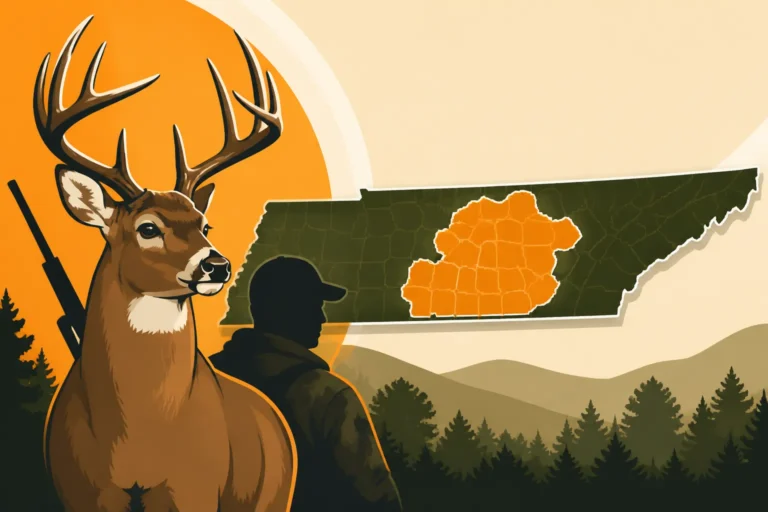
Tennessee is divided into six distinct Deer Management Units, or DMUs, each with its own set of regulations regarding antlered and antlerless deer limits, and, crucially, specific season dates. While there are some statewide commonalities for gun season, the nuances within each DMU can significantly alter your hunting calendar. DMUs are drawn based on deer populations, habitat conditions, and management goals, meaning what's legal and when you can hunt in one county might be totally different from another just a short drive away.
For instance, some DMUs might have longer antlerless gun seasons to help manage higher deer densities, while others in more sparsely populated areas or those with different habitat types might have more restrictive antlerless harvest rules. This system is designed to provide the Tennessee Wildlife Resources Agency (TWRA) with the flexibility to fine-tune management efforts on a regional basis. It’s absolutely critical to know which DMU your hunting area falls into, as this will dictate the exact length of your gun season and your antlerless tag opportunities. Many hunters, especially those who hunt across county lines, rely on mapping tools like GoHunt to keep track of these boundaries and associated regulations. For a deeper dive into these management zones, check out our guide on Tennessee's Six Deer Management Units
Official Tennessee Gun Season Dates
Now, let's get down to brass tacks: the actual dates for Tennessee's gun season. While the TWRA strives for consistency, minor adjustments can occur year to year, so always confirm with the latest regulations. Generally, the statewide gun season for deer is a much-anticipated period, running from a late November opening through the first week or so of January. This timeframe allows hunters to pursue deer through various stages of the post-rut period and into the late season.
Statewide Opening and Closing Dates
For most of the state, the Tennessee gun season typically kicks off in the third or fourth week of November, usually the Saturday before Thanksgiving. This opening day is an event unto itself, often drawing the largest crowds of hunters to public and private lands alike. It’s a time when many deer camps fill up, and the woods come alive with activity. From that exciting start, the season generally extends through the first full week of January, providing a substantial window for firearms hunters. This means you have opportunities to hunt before, during, and after the peak holiday hustle, right through to the colder, quieter days of early winter.
It’s worth noting that while the general framework is consistent, checking the TWRA’s official hunting guide each year is paramount. Don’t rely on memory or last year’s dates; small shifts can happen. The period from late November into early December often sees a lot of deer movement as bucks continue to search for does, while the later December and January portions transition into more of a survival mode for deer, focusing heavily on available food sources. For specifics on how to approach that busy start, our guide on Opening Weekend Tactics for Tennessee Gun Season can be very useful.
Regional Variations and Specific Zone Dates
While there’s a general statewide gun season, specific DMUs can have slightly different nuances, especially concerning antlerless deer opportunities or even minor shifts in timing. For example, counties within certain DMUs might have an extended antlerless-only gun season at the very end of December or beginning of January, or some might have earlier cut-offs depending on population objectives. These variations are less about the start of the gun season, which is fairly uniform, and more about the duration and type of harvest allowed in the latter part of the season.
Always double-check the specific regulations for the county you plan to hunt. A quick glance at the TWRA website or a mapping application that integrates hunting regulations, such as GoHunt, can save you a lot of headaches and potential violations. For instance, some areas in West Tennessee, known for productive bottomland, might have different antlerless strategies than the mountainous regions of East Tennessee in the Cherokee National Forest. These regional adjustments ensure that the TWRA can manage localized deer populations effectively, responding to specific ecological needs and hunter impacts.
Navigating the Deer Management Units DMUs During Gun Season
The DMU system is arguably one of the most critical aspects of Tennessee's deer hunting regulations, especially when it comes to gun season. It directly influences your antlerless harvest potential and, increasingly, how you interact with Chronic Wasting Disease (CWD) regulations. Ignoring DMU rules isn't just a minor oversight; it can lead to serious legal trouble and undermines the TWRA's vital conservation efforts.
Antlerless Limits Across Different DMUs
One of the most significant ways DMUs impact your gun season hunt is through antlerless deer limits. These limits are set to manage local deer populations, helping to balance herd health with agricultural damage and disease prevention.
Here's a general breakdown, though specific numbers can change annually:
| DMU | General Antlered Limit | General Antlerless Limit (Gun Season) | Special Considerations |
|---|---|---|---|
| DMU 1 | Two (statewide) | Three per day | Often includes bonus antlerless days. |
| DMU 2 | Two (statewide) | Two per day | Focus on maintaining balanced populations. |
| DMU 3 | Two (statewide) | One per day | More conservative antlerless harvest. |
| DMU 4 | Two (statewide) | One per day | Typically follows conservative patterns. |
| DMU 5 | Two (statewide) | One per day | Similar to DMU 3 and 4 in approach. |
| DMU 6 | Two (statewide) | One per day | Stricter due to lower deer densities or specific management. |
Note: The antlered limit for most DMUs allows for two antlered bucks statewide, but only one may be taken per day. Specific antlered restrictions may apply in some areas or WMAs. Always consult the current TWRA Hunting Guide for the most accurate and up-to-date information.
It's absolutely essential to know your DMU's antlerless limit. Taking more deer than allowed can result in fines and loss of hunting privileges. For example, if you're hunting in a DMU 1 county, you might have the opportunity to fill a Three-Antlerless DMU Limit on certain days, while in DMU 6, you might only be allowed one. These varying limits mean that careful planning and responsible harvesting are key to staying legal and contributing to sustainable deer management. Tools like the Go Outdoors Tennessee app can often show you which DMU you're in.
Understanding the CWD Zone Impact on Gun Season
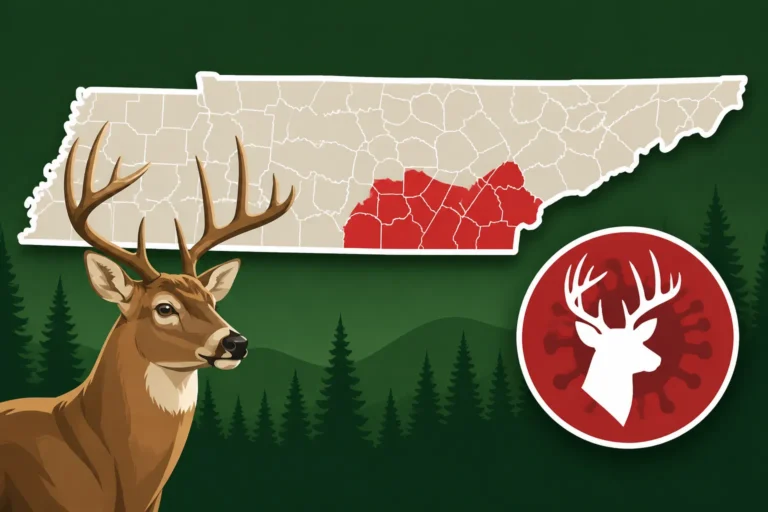
Chronic Wasting Disease (CWD) is a significant concern for Tennessee deer hunters, and the CWD Management Zone directly influences gun season rules for hunters in affected counties. The TWRA has implemented specific regulations to monitor and prevent the spread of this neurological disease, which means hunters in CWD-positive or high-risk counties have additional responsibilities. For more information on the affected areas, you can consult Tennessee's Chronic Wasting Disease Management Zone.
Chief among these rules is the requirement for mandatory CWD testing for all harvested deer in the primary CWD counties during the opening weekend of gun season. This is a crucial data-gathering effort, and compliance is non-negotiable. Additionally, special carcass transportation restrictions apply when moving deer out of the CWD zone. You generally cannot transport whole carcasses or certain high-risk parts (like brain or spinal column) outside the zone, even if you’re just going a county or two over. This means if you harvest a deer in a CWD-affected area, you'll need to bone out the meat or process the deer within the zone before transporting it home.
These regulations might seem like an extra hassle, but they are vital for protecting Tennessee's deer herd. Being informed and prepared for CWD rules is a critical part of being a responsible hunter during gun season. Many CWD zones also feature an "Earn-a-Buck" program, where harvesting and submitting an antlerless deer for testing can earn you an additional antlered tag, providing further incentive for herd management in these critical areas. Our article on Tennessee's Earn-a-Buck CWD Program has more details.
Key Considerations and Tactics for Gun Season
Gun season brings a unique set of challenges and opportunities. The woods are often colder, hunter numbers are higher, and deer behavior can be vastly different from the early archery weeks. Planning your hunts with these factors in mind can make all the difference between a frustrating outing and a successful one.
The Rush of Opening Weekend and Hunter Pressure
There's no denying it: the opening weekend of Tennessee's gun season is a magnet for hunters. Whether it's public land in the Cherokee National Forest or private timber tracts, you can expect increased company. This surge in activity means deer quickly become more cautious and may alter their patterns dramatically. They'll often seek out the thickest cover, transition to more nocturnal movement, or relocate to areas with less human disturbance.
To combat this pressure, successful hunters often adapt their strategies. This might mean getting into the woods earlier, staying later, or hunting areas that others overlook, like steep hollows or dense, nasty thickets that most hunters avoid. Consider using mapping tools like GoHunt to scout areas that are further from access points or that feature challenging terrain, as these often hold deer seeking refuge from the crowds. While others might stick to the well-worn paths, venturing off the beaten trail, even a few hundred yards, can put you in a prime position to intercept a pressured buck. For deeper insights into this, check out Hunting Pressure on Tennessee Public Land.
Another effective tactic during periods of high pressure, especially on public lands or larger private tracts, is to participate in or organize small deer drives. These aren't chaotic free-for-alls but organized efforts where a few "drivers" slowly push deer towards "standers" positioned along escape routes. This can be particularly effective in thick bedding areas where deer might otherwise hunker down. However, safety is paramount with deer drives, and clear communication and established shooting lanes are essential.
Late-Season Opportunities and Tactics
As the gun season progresses into late December and especially January, the hunting pressure typically wanes, and deer return to more predictable patterns centered around food. This late season can be incredibly productive for those willing to brave the colder weather and adjust their tactics. Snow and ice, though not constant, can also provide excellent tracking opportunities.
During this period, focus heavily on reliable food sources. Acorns might be gone or buried, so deer will shift to agricultural fields (like standing beans or cut corn), green food plots, and natural browse. Creek bottoms and river bottoms with persistent green vegetation can also be hot spots. Deer are trying to pack on calories to survive the winter, making food their primary motivator. Our guide on Hunting the Late-Season January Lull offers extensive advice for this challenging yet rewarding time.
Another late-season advantage is the barren landscape. With most leaves off the trees, visibility increases significantly, which can be a huge benefit for gun hunters. However, this also means deer can spot you more easily, so meticulous attention to camouflage, wind, and movement is crucial. Sitting in a well-placed stand overlooking a food source or a natural travel corridor between bedding and feeding areas often proves more effective than still-hunting in the dead of winter. It's about patience and capitalizing on those brief windows when deer move during daylight to feed. If a cold front moves in, deer activity can actually increase as they seek to replenish energy, making Hunting Deer After a January Cold Front a prime strategy.
Licensing and Regulatory Must-Knows for Gun Hunters
You’ve got your dates and your tactics, but none of it matters if you don’t have the proper licenses and adhere to safety regulations. Tennessee has clear rules in place for all hunters, and gun season specifically has a few key requirements you need to be aware of. Staying legal not only protects you from penalties but also ensures you're contributing to the state's conservation efforts.
Required Licenses and Permits
To legally hunt deer with a firearm in Tennessee, you'll need more than just good intentions. Every hunter must possess a valid Tennessee hunting license, which is your base permit. For big game like deer, an additional Big Game Permit is also required. Non-residents have specific license options, including annual or short-term permits, which also typically require the big game permit endorsement. The good news is that these can easily be purchased online through the TWRA's "Go Outdoors Tennessee" system, at most sporting goods stores, or through authorized license agents across the state.
If you plan to hunt on any of Tennessee's Wildlife Management Areas (WMAs), you'll likely need an additional WMA permit, which can vary depending on the specific WMA. Some WMAs have special quota hunts or specific access requirements, so always check the individual WMA regulations before you go. The most comprehensive and cost-effective option for many avid resident hunters is the Type 94 Sportsman License, which covers most hunting and fishing activities, including big game permits and WMA permits, eliminating the need to buy multiple individual tags. Our guide to Tennessee Big Game License Requirements goes into more detail about these options. Carrying proof of your license, either physical or on your phone via the Go Outdoors Tennessee app, is mandatory.
Blaze Orange Requirements During Gun Season
Safety is paramount, especially during gun season when more hunters are in the woods. Tennessee law mandates specific blaze orange (or pink) requirements for deer hunters during any firearms season for deer. This isn't just a suggestion; it's a legal requirement designed to make you visible to other hunters, significantly reducing the risk of accidental shootings.
Currently, hunters pursuing deer with firearms during the gun season must wear 500 square inches of blaze orange or fluorescent pink on their head and outer torso. This often translates to a blaze orange hat and a vest, or an entire blaze orange jacket. The color must be visible from both the front and the back. This rule applies to everyone in your hunting party, even if they are not actively carrying a firearm but are participating in the hunt. There are specific exemptions for archers during the archery-only season, but once the gun season opens, these rules are in full effect for all deer hunters, regardless of weapon choice. Failing to comply with blaze orange requirements can result in fines and is a serious safety concern. For a detailed look at these regulations, refer to Tennessee Blaze Orange Requirements. Always err on the side of caution and wear more blaze orange than you think you need.
Disclaimer
Please note that hunting regulations, season dates, and license requirements can change. While every effort has been made to provide accurate and up-to-date information, it is the hunter's responsibility to consult the current Tennessee Wildlife Resources Agency (TWRA) Hunting and Trapping Guide or visit the official TWRA website (tn.gov/twra) before heading afield. This content is for informational purposes only and should not be considered a substitute for official regulations.