Tennessee’s Earn-a-Buck CWD Program
It’s a tough reality for all of us who cherish Tennessee’s whitetail deer: Chronic Wasting Disease (CWD) is here, and it’s a threat we can’t ignore. The thought of this devastating neurological disease spreading through our beloved herds is enough to keep any hunter up at night. This guide is dedicated to helping you understand Tennessee’s Earn-a-Buck CWD Program, a vital tool in our collective fight to slow the spread and protect the future of deer hunting in our state.
Understanding the Threat of CWD in Tennessee
When we talk about hunting in Tennessee, especially deer hunting, there’s an undercurrent of concern that wasn’t really there a couple of decades ago: Chronic Wasting Disease. It’s a silent, insidious threat that has arrived in our state, and understanding it is the first step in being part of the solution. It’s not just a government problem; it’s our problem as hunters, as conservationists, and as lovers of the outdoors.
What is Chronic Wasting Disease?
Let's get down to brass tacks: what exactly is CWD? In the simplest terms, it’s a fatal, progressive neurological disease that affects cervids – deer, elk, moose, and reindeer. It's caused by abnormal proteins called prions, not a virus or bacteria. These prions essentially turn a healthy animal's brain into a spongy mess over time. Imagine watching a deer slowly lose its ability to coordinate, become lethargic, drool excessively, and waste away – that’s the heartbreaking reality of CWD. It’s always fatal, and there’s no known cure or vaccine. The scary part? It can take years for an infected animal to show symptoms, meaning a seemingly healthy deer could still be carrying and spreading the prions. The disease is transmitted through direct animal-to-animal contact, but also indirectly through the environment via contaminated soil, plants, and even feed or water sources where infected deer have been present. Those prions are incredibly persistent and can remain infectious in the environment for years, even decades.
How CWD Impacts Tennessee's Deer Herd
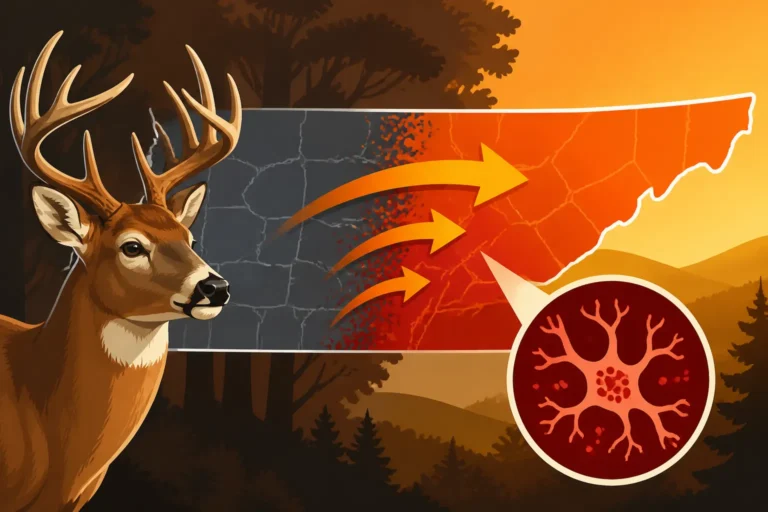
The first confirmed case of CWD in Tennessee was in Hardeman County back in 2018, and since then, it has steadily, and unfortunately, spread. We've seen counties added to the CWD Management Zone each year, stretching from West Tennessee eastward. While the immediate impact on hunters might be perceived as just more rules and regulations, the long-term impact on the herd itself is far more concerning. As the disease prevalence increases in a localized area, it can lead to population declines. We're not just talking about sick deer; we're talking about fewer deer overall, especially mature bucks, which are often more susceptible to CWD due to their larger home ranges and more frequent social interactions.
The spread of CWD is not just hypothetical. In states that have had CWD for longer, like Wisconsin or Colorado, we’ve seen localized population drops and noticeable changes in herd health. For us in Tennessee, this means a future where deer hunting might look significantly different if we don't act decisively now. Every hunter has a stake in this, because a healthy deer herd means healthy hunting opportunities for generations to come. Understanding How CWD Spread East From West Tennessee helps illustrate the challenge we're up against and why proactive measures are so important.
The Critical Need for Disease Management
The Tennessee Wildlife Resources Agency (TWRA) isn't creating these CWD programs just for the sake of it; they’re responding to a serious ecological threat. Disease management is absolutely critical, and hunters are perhaps the most vital component in this effort. Why? Because we're the ones out there, on the ground, interacting with the deer herd more than anyone else. Our observations, our harvest data, and our participation in programs like Earn-a-Buck provide invaluable information to biologists.
Think about it: every deer harvested, especially an antlerless deer, removes a potential carrier from the herd. When deer densities are high, the chances of disease transmission increase. By actively participating in programs that encourage antlerless harvest, we're not just filling our freezers; we're performing a critical service to wildlife management. It's a proactive measure to slow the spread, reduce localized prevalence, and give our deer herd a fighting chance against a disease that has no cure. Without hunter cooperation, the TWRA's hands are tied, and the future of our deer herd becomes significantly more precarious.
What is Tennessee's Earn-a-Buck CWD Program?
Navigating the world of CWD regulations can feel a bit overwhelming, but programs like Earn-a-Buck are designed with a clear purpose: to leverage hunter participation for the health of the herd. It’s not just another set of rules; it’s an opportunity for us to make a tangible difference.
The Philosophy Behind Earn-a-Buck
The core philosophy behind the Earn-a-Buck program is simple, yet powerful: incentivize the harvest of antlerless deer within CWD-positive areas. Why antlerless deer? Because reducing the overall deer density is one of the most effective strategies for slowing the transmission of CWD. Fewer deer in a given area means fewer opportunities for nose-to-nose contact, which is a primary way the disease spreads. Plus, a healthy antlerless harvest helps to balance buck-to-doe ratios, leading to a more natural rut and healthier breeding cycles in the long run.
The "earn-a-buck" part comes into play because hunters, naturally, are often focused on harvesting antlered deer. By rewarding the harvest of antlerless deer with an additional antlered tag, the TWRA aims to shift hunter behavior. It’s a way of saying, "Help us manage the herd where it truly counts, and we'll give you an extra chance at that big buck you're looking for." It's a win-win scenario, designed to serve both conservation goals and hunter desires, especially in areas where CWD testing and surveillance are paramount.
Core Mechanics: How the Program Works
So, how does this program actually work on the ground? It's pretty straightforward, though it does require careful attention to detail on the hunter's part. In designated CWD-positive counties, hunters who harvest and submit an antlerless deer for CWD testing are then eligible to "earn" an antlered deer tag. This isn't just any tag; it’s a bonus tag that allows you to harvest an additional antlered deer beyond your regular statewide bag limit, typically a Unit A buck.
Here’s the kicker: the antlerless deer you harvest must be submitted for CWD testing. This is crucial because it provides the TWRA with vital surveillance data on disease prevalence in specific areas. Once the deer is submitted and accepted, that's when you can claim your earned antlered tag. The process often involves visiting a certified CWD sampling station – which are readily available throughout the CWD zone – and ensuring all necessary information is provided. It's a system built on accountability and data collection, all in the service of herd health. Many hunters utilize tools like the GoHunt app to quickly locate the nearest CWD testing stations or to review local regulations before heading out.
Program Goals: Slowing the Spread
The primary, overarching goal of the Earn-a-Buck program is unequivocally to slow the spread of CWD. This isn't just about managing an outbreak; it's about protecting the long-term viability of Tennessee's deer herd. By encouraging increased antlerless harvest, the program aims to:
- Reduce Deer Density: Lowering the number of deer in a specific area decreases the likelihood of CWD transmission between animals.
- Increase Surveillance Data: Every deer submitted for testing provides valuable data points that help the TWRA map the disease, identify hot spots, and understand its prevalence. This helps fine-tune future management strategies.
- Remove Infected Animals: While not every antlerless deer harvested will be CWD positive, increasing the harvest naturally increases the chance of removing infected individuals from the population before they can spread more prions.
- Educate Hunters: The program implicitly raises hunter awareness about CWD, its severity, and the importance of their role in management efforts.
The Earn-a-Buck program is just one piece of the larger puzzle, complementing other measures like Tennessee's Chronic Wasting Disease Management Zone regulations and mandatory testing. It’s a strategic effort to empower hunters to be part of the solution rather than just observers of the problem.
Participating in the Earn-a-Buck Program
So, you’ve decided to do your part and participate in the Earn-a-Buck program. That’s fantastic! It’s a proactive step that truly makes a difference. But like any official wildlife program, there are specific steps and requirements you need to follow to ensure your participation counts and you get that bonus buck tag.
Eligibility and Required Licenses
First things first: who can actually participate? The Earn-a-Buck program is primarily aimed at licensed deer hunters in Tennessee. To be eligible, you must hold a valid Tennessee hunting license that permits you to hunt deer. This usually means a combination of your basic hunting license and the appropriate Big Game Permit. For residents, this could be your annual all-game license, a Sportsman License, or even a lifetime license, along with a type 009 Big Game permit. Non-residents will need their relevant non-resident hunting license and big game permit. If you're unsure about your specific licensing needs, always check the current TWRA regulations handbook or the Go Outdoors Tennessee website. It’s also crucial that you are hunting in one of the officially designated CWD-positive or CWD high-risk counties. The program is not statewide; it’s targeted specifically at the areas where CWD management is most critical. Before you head out, make sure your hunting area falls within the current CWD zone where Earn-a-Buck is active.
Step-by-Step: Harvesting and Reporting Antlerless Deer
Alright, you're licensed, you're in a CWD zone, and you've successfully harvested an antlerless deer. Congratulations! Now comes the critical part for Earn-a-Buck:
- Harvest and Field Dress: After a successful harvest, field dress your deer as you normally would.
- Report Your Harvest: Just like any other deer, you must report your antlerless deer harvest to the TWRA. This can be done online through the Go Outdoors Tennessee portal or via the TWRA On The Go app. Make sure you select the correct harvest type and county. This is a crucial step in Tennessee Deer Harvest Reporting Rules.
- Locate a CWD Sampling Station: This is where the Earn-a-Buck process truly begins. You need to take your harvested antlerless deer (or at least its head with about 6 inches of neck attached) to an official CWD sampling station. These stations are usually located at check stations, participating taxidermists, processors, or specific TWRA facilities within or near the CWD zone. The GoHunt app is an excellent resource for Finding a Tennessee CWD Sampling Station quickly, often with GPS directions and operating hours.
- Submit for Testing: At the sampling station, trained personnel will collect tissue samples from your deer (specifically, lymph nodes from the neck) for CWD testing. You'll need to provide your harvest confirmation number and other details. They will often provide you with a unique CWD sample ID number.
- Receive Confirmation: Once your sample is successfully collected and processed, the TWRA system will register your submission, typically within a few days. You might receive an email or notification confirming your eligibility for the Earn-a-Buck tag.
Acquiring Your Earned Antlered Deer Tag
Once your antlerless deer has been successfully submitted for CWD testing and processed by the TWRA, you're ready to claim your earned antlered tag. The process to acquire this tag is usually quite seamless:
- Online Redemption: Most often, you can redeem your Earn-a-Buck tag directly through your Go Outdoors Tennessee account online. After logging in, you'll see an option to claim your bonus tag, which will then be added to your license profile.
- Instant Use: Once claimed, this earned antlered deer tag is typically available for immediate use. You can legally harvest an additional antlered deer (usually a Unit A buck) within the CWD zone where the program applies, provided the season is open. This is a critical point; ensure you understand the specific season dates for antlered deer in your hunting unit.
- Electronic Proof: Since Tennessee uses an electronic licensing system, your license on your phone (or a printed copy) will update to reflect the newly acquired tag. Always carry proof of your current licenses and tags while hunting.
It's important to remember that this tag is a bonus tag. It doesn't replace any existing tags you have for the season. It's an extra opportunity, earned through your contribution to CWD management, giving you more chances for Hunting the Rut in Early November or even a late-season opportunity in the Hunting the Late-Season January Lull.
Navigating Earn-a-Buck Rules and Restrictions
The Earn-a-Buck program, while beneficial, operates within a specific framework of rules and restrictions. These aren't arbitrary; they're designed to maximize the program's effectiveness in combating CWD. Understanding them is key to successful participation and avoiding any unwanted issues.
Designated CWD Management Zones
The Earn-a-Buck program is not a statewide initiative. It is specifically implemented within what the TWRA designates as the CWD Management Zone. This zone is comprised of counties where CWD has been detected (CWD-positive counties) and adjacent counties considered at high risk for the disease. These zones can, and often do, expand as new cases are confirmed.
For example, counties in West Tennessee like Hardeman, Fayette, and McNairy were among the first CWD-positive counties, with surrounding areas designated as buffer zones. As the disease has slowly moved east, counties like Lauderdale, Haywood, and even parts of Middle Tennessee have been added. It is absolutely essential that you confirm your hunting location is within the active CWD Management Zone for the Earn-a-Buck program to apply. Always check the most current TWRA regulations map or use a tool like the GoHunt app that provides up-to-date boundary information. Harvesting an antlerless deer outside of this zone, even if submitted for testing, will not qualify you for an Earn-a-Buck tag.
Specific Reporting Requirements
Beyond merely submitting a deer for CWD testing, there are very precise reporting requirements that must be met. These are crucial for the integrity of the program and the data collection process:
- Timeliness: The antlerless deer must be reported and submitted for CWD testing within a specific timeframe, usually within 24-48 hours of harvest. Delays can result in the sample being unusable or the submission being rejected, meaning no Earn-a-Buck tag for you.
- Proof of Harvest: You must have your confirmation number from your initial harvest report (which can be obtained when you report through the app or online) when you take the deer to a sampling station. This links the specific deer to your license and ensures proper tracking.
- Carcass Requirements: For testing, the head of the deer, with at least 6 inches of the neck attached, is typically required. The lymph nodes in this area are where samples are taken. Make sure the head is in good condition. For hunters concerned about processing their deer before testing results, familiarize yourself with Deboning Venison Before Leaving the CWD Zone as this is often a requirement when transporting deer out of CWD zones.
- Accurate Information: Provide accurate and complete information to the sampling station personnel, including the harvest county, date, and your contact details. This ensures you receive notifications about your test results and eligibility.
Failing to meet these specific requirements can invalidate your Earn-a-Buck submission, so meticulousness is key.
Limitations and Key Considerations
While the Earn-a-Buck program offers a great incentive, it comes with a few limitations and important considerations:
- Antlerless Deer Only: Only antlerless deer qualify for the Earn-a-Buck program. Antlered deer, even if submitted for testing, do not generate an additional buck tag through this specific program.
- Tag Type: The earned tag is almost always for an antlered deer (Unit A buck) and typically must be used within the CWD Management Zone. It generally cannot be used for a buck that would count as part of your regular statewide bag limit outside of the designated CWD area. Always read the specifics for the current season.
- Season Dates: The Earn-a-Buck tag is subject to all regular deer season dates for antlered deer. If you earn a tag in December, you can only use it if antlered deer season is still open in the CWD zone.
- Number of Earned Tags: There might be a limit to how many Earn-a-Buck tags a hunter can earn in a single season. The TWRA typically outlines this clearly in their regulations.
- CWD Test Results: While the program rewards you for submitting the deer for testing, it’s also crucial to remember that if your deer does test positive for CWD, the TWRA will provide specific instructions on carcass disposal and other protocols. This is part of the larger Tennessee Wildlife Disease Monitoring effort.
- Public vs. Private Land: The program applies to both public and private lands within the designated CWD zones, provided you have legal access to hunt. Many hunters often combine participation in Earn-a-Buck with strategies for Hunting Small Private Tracts in Tennessee to maximize their opportunities.
Understanding these nuances helps you integrate the Earn-a-Buck program seamlessly into your hunting plans and maximize your contribution to CWD management.
| Earn-a-Buck Program Key Steps & Requirements | Description | Important Considerations |
|---|---|---|
| Eligibility | Hold a valid TN hunting license and Big Game Permit. | Must be hunting within a designated CWD Management Zone. |
| Harvest & Report | Harvest an antlerless deer and report it to TWRA (online/app) to get a confirmation number. | Harvest must occur in a CWD Management Zone. Report within 24-48 hours. |
| CWD Submission | Take the deer's head (with ~6 inches of neck) to an official CWD sampling station. Provide harvest confirmation. | Must be an official station. Check hours/locations using TWRA resources or apps like GoHunt. Ensure head is suitable for sampling. |
| Receive Confirmation | TWRA processes the sample and confirms your eligibility for an Earn-a-Buck tag. | May take a few days for processing. You might receive an email/notification. |
| Acquire Earned Tag | Redeem your bonus antlered deer tag through your Go Outdoors Tennessee account online. | Tag is typically for an additional Unit A buck, usable only within the CWD Zone. Subject to open antlered deer season dates. |
| Limitations | Only antlerless deer qualify. Limits on total earned tags may apply. Tags must be used in specific CWD areas during open seasons. | Always review the current TWRA hunting guide for any updates to season dates, bag limits, and specific CWD zone rules. |
The Broader Impact of CWD Management on Hunters
The Earn-a-Buck program, while specific, is part of a much larger, ongoing effort to manage Chronic Wasting Disease in Tennessee. As hunters, our responsibilities extend beyond just following the rules; we are frontline conservationists, and our vigilance is paramount to the health of the entire ecosystem and the future of our hunting heritage.
Mandatory CWD Testing and Carcass Regulations
Beyond the voluntary aspect of earning a bonus tag, hunters in Tennessee's CWD Management Zone face mandatory requirements designed to curb the disease's spread. Most notably, mandatory CWD testing is often required for all deer harvested during specific periods (like opening weekend of gun season) in certain CWD-positive counties. This ensures a broader sample size for surveillance, providing the TWRA with crucial data on disease prevalence and geographic distribution. Being prepared for these mandatory check-ins is part of the modern hunter's duty.
Furthermore, strict carcass regulations are in place to prevent the physical transport of CWD prions to uninfected areas. If you harvest a deer in a CWD-positive county, you cannot simply take the entire carcass to your home outside that zone. Typically, only deboned meat, antlers (without brain tissue), clean skull plates, hides, and taxidermy-ready mounts are permitted to leave the CWD zone. All other parts, particularly the brain, spinal cord, and lymph nodes, must remain within the zone or be disposed of in approved landfills. This is why understanding Deboning Venison Before Leaving the CWD Zone is so vital, even if you’re not participating in Earn-a-Buck. These regulations are inconvenient, yes, but they are absolutely critical to preventing further spread.
Hunter Education and Awareness
Perhaps one of the most significant, yet intangible, impacts of CWD management efforts is the increased emphasis on hunter education and awareness. The TWRA regularly puts out information, hosts public meetings, and collaborates with hunter groups to ensure everyone understands the threat and their role. As hunters, it’s our responsibility to stay informed, not just about season dates and bag limits, but about wildlife diseases that could profoundly affect our passion.
This isn't just about reading the regulations book; it’s about understanding the why behind the rules. Why can't I bait deer in a CWD zone? (Because it concentrates animals, increasing transmission risk). Why do I need to get my deer tested? (To help track the disease). Why can't I take the skull plate home if it still has brain matter? (Because that's where prions are concentrated). Informed hunters are compliant hunters, and compliant hunters are effective partners in conservation. Many educational resources are also available through organizations like GoHunt, providing accessible information on regulations, best practices, and disease updates that are easy to digest. Furthermore, taking a Tennessee Hunter Education Requirements course for new hunters often includes critical information on CWD and other wildlife health issues.
Long-Term Outlook for Tennessee Hunting
Looking ahead, CWD is likely to be a permanent fixture in our wildlife management landscape. This means the long-term outlook for Tennessee hunting will inevitably involve adapting to its presence. We might see continued adjustments to season lengths, bag limits, and specific harvest strategies in affected areas. The concept of "herd health" will likely become an even more prominent part of our hunting discussions, perhaps even influencing antler restrictions or other management decisions in the future.
While the challenges are real, there’s also reason for hope. With diligent management, scientific research, and continued hunter cooperation, we can learn to live with CWD and mitigate its impact. Our commitment to responsible hunting, participating in programs like Earn-a-Buck, and adhering to regulations are all critical. The ability of hunters to adapt and support conservation efforts has been proven time and again throughout history. The future of White-Tailed Deer Across Tennessee depends on our collective actions today. It's not just about filling a tag; it's about protecting a legacy.
Disclaimer
Please note: The information provided in this guide is for general informational purposes only and is subject to change. Hunting regulations and CWD management protocols are updated regularly by the Tennessee Wildlife Resources Agency (TWRA). Always consult the most current official TWRA hunting guide and regulations for the specific season and location you plan to hunt. Compliance with all state and federal laws is the hunter's responsibility.