Tennessee Resident Hunting License Options
Feeling a little overwhelmed by all the different hunting license options in Tennessee? You're definitely not alone. It can seem like a confusing maze of permits, supplements, and special bundles, especially if you're new to hunting in the Volunteer State or just trying to make sure you're squared away for the season. This guide is here to break down every Tennessee resident hunting license option, helping you understand what you need, what it costs, and how to stay legal and confident in the field.
Navigating the Basics of Tennessee Resident Hunting Licenses
Before you even think about what game you're chasing or where, the first step is making sure you have the foundational licenses in place. Tennessee has a clear system, but understanding the basics is key to building your hunting privileges correctly.
Who Qualifies as a Tennessee Resident Hunter?
This might seem obvious, but what exactly makes you a "resident" in the eyes of the Tennessee Wildlife Resources Agency (TWRA)? Generally, it means you've been domiciled in Tennessee for at least ninety consecutive days with the genuine intent to make it your fixed and permanent home. This isn't just about owning property or having a driver's license; it's about establishing your primary residence here. For example, if you're a college student attending school in Tennessee but your permanent home is still out of state, you're likely considered a non-resident for licensing purposes, even if you're living here for most of the year. Similarly, active-duty military personnel permanently stationed in Tennessee, and their families, typically qualify as residents, but it's always wise to confirm with the TWRA directly.
The ninety-day rule is crucial. You can't just move here, apply for a license immediately, and claim residency. There's a waiting period to ensure your intent is genuine. The TWRA might ask for proof like utility bills, voter registration, vehicle registration, or tax documents to verify your residency status. Getting this wrong can lead to serious fines and revocation of privileges, so if there's any doubt, err on the side of caution and reach out to the TWRA directly or assume non-resident status until you meet the criteria.
The Core Statewide Annual Hunting License
At the heart of every Tennessee resident's hunting setup is the basic statewide annual hunting license, typically referred to as Type 001. This is your entry ticket, the permit that allows you to hunt small game like squirrels, rabbits, quail, grouse, and other species throughout the legal seasons. Think of it as the bedrock upon which all other hunting privileges are built. Without this license, you cannot legally hunt any game in Tennessee, regardless of what other supplemental permits you might have.
The Type 001 license is surprisingly affordable, making it accessible for almost everyone looking to enjoy Tennessee's diverse hunting opportunities. It's valid from March 1st of one year through the last day of February the following year, which is important to remember as hunting seasons often span across this renewal date. While it covers small game, remember that this basic license alone doesn't grant you permission to hunt deer, bear, or turkey—those require additional permits that we'll dive into next. It's the essential first step, ensuring you're legally ready for everything from a fall squirrel hunt in the hardwoods to chasing rabbits along fencerows.
Understanding the Annual Hunting & Fishing Combination License
For many Tennesseans, the Type 002 Annual Hunting & Fishing Combination License is the go-to choice. Why buy two separate licenses when you can get both in one convenient package? This combination license bundles your basic statewide hunting privileges (everything covered by Type 001) with your basic statewide fishing privileges. If you enjoy both casting a line in a quiet river and walking the woods with a shotgun, this is almost always the most sensible and cost-effective option.
The Type 002 license provides excellent value, often costing less than purchasing the hunting and fishing licenses individually. It covers the same range of small game hunting as the Type 001 and grants you access to general fishing seasons for various species across the state, excluding trout which requires a separate permit. For a well-rounded outdoors enthusiast, this license is a no-brainer. It simplifies your license management and ensures you're ready for most common outdoor pursuits from the Mississippi River bottoms to the Cumberland Plateau ridges.
Essential Permits and Supplemental Licenses for Resident Hunters
Once you have your basic hunting license (Type 001) or your combination license (Type 002), you'll likely need to add specific permits depending on what you plan to hunt. Tennessee has a rich array of big game and migratory birds, each requiring their own supplemental tags.
Big Game Supplement for Deer, Bear, and Turkey
If your sights are set on the larger, more sought-after game species in Tennessee, you'll absolutely need the Type 009 Annual Big Game, Deer, Bear, and Turkey Supplemental License. This is not a standalone license; it must be purchased in addition to your basic hunting or combination license. The Type 009 essentially "activates" your ability to legally harvest deer, bear, and turkey within their respective seasons and bag limits. Without it, even with a general hunting license, you cannot pursue these species.
This supplemental license covers all regular statewide deer seasons, including archery, muzzleloader, and gun seasons, as well as the spring turkey season and bear hunting opportunities within designated zones. It's important to remember that this permit grants you the privilege to hunt these animals, but you still need to adhere to all specific season dates, bag limits, and regional regulations, like those for Tennessee's Six Deer Management Units. For instance, certain areas might have antler restrictions or specific antlerless quotas. The Type 009 is critical for anyone planning to participate in the excitement of Tennessee Deer Season Structure Explained or Spring Turkey Hunting in Tennessee.
Waterfowl and Migratory Bird Requirements
Chasing ducks and geese across the flooded timber of West Tennessee or pursuing doves in a cut agricultural field requires more than just your basic hunting license. Migratory bird hunting, regulated by both state and federal agencies, has its own set of specific requirements. First and foremost, if you're hunting ducks, geese, or coots, you must purchase a Federal Duck Stamp. This stamp is an annual requirement for all waterfowl hunters aged 16 and older nationwide, and it's a critical source of funding for wetland conservation efforts. You can often buy these at post offices, many sporting goods stores, or online.
In addition to the Federal Duck Stamp, Tennessee residents also need the Type 005 Tennessee Migratory Bird Permit. This state-specific permit covers your legal right to hunt all migratory game birds, which includes ducks, geese, coots, doves, woodcock, snipe, and gallinules. Furthermore, all migratory bird hunters, regardless of age, must be HIP (Harvest Information Program) certified annually. This free certification is typically done when you purchase your migratory bird permit and helps wildlife agencies gather vital harvest data. So, for those heading out to Waterfowl Hunting Reelfoot Lake and Beyond, remember your Type 001 or 002, your Federal Duck Stamp, your Type 005, and your HIP certification!
Trout and Specific Species Permits
While the Annual Hunting & Fishing Combination License (Type 002) covers most general fishing, if you plan to target trout, you'll need an additional permit. The Type 010 Annual Trout License is required for anyone fishing for trout in Tennessee, regardless of the body of water. This specific permit helps fund trout stocking programs and habitat management, ensuring that Tennessee's cold-water fisheries remain vibrant. It's a small additional cost, but absolutely necessary if you're hoping to catch some beautiful rainbows or browns in one of Tennessee's many streams and rivers.
Beyond trout, there are occasionally very specific, limited-draw permits for niche species or unique hunting opportunities. For example, while not currently requiring a separate permit, specific rules apply if you are one of the fortunate few drawn for a Tennessee Elk Quota Hunt Rules. Always check the most current TWRA regulations for any special season or species you plan to pursue, as rules can occasionally change or new permits may be introduced. It's better to be over-prepared than under-licensed!
Specialized Resident Licenses and Bundles for Value
For the truly dedicated outdoors enthusiasts, Tennessee offers some fantastic bundled options that provide convenience and often significant cost savings over time. These are designed for those who know they'll be hunting and fishing regularly for years to come.
The Type 004 Lifetime Sportsman License
The Type 004 Lifetime Sportsman License is the ultimate investment for a Tennessee resident who is passionate about hunting and fishing. Imagine never having to worry about renewing your licenses again! This license, available at various price points based on age (with decreasing cost for younger applicants, making it an incredible gift for children), covers nearly every conceivable hunting and fishing privilege offered by the state. Once purchased, it's valid for the lifetime of the holder, even if residency changes.
The Lifetime Sportsman License includes your basic hunting and fishing, all big game supplements (deer, bear, turkey), all migratory bird permits (including the state permit but excluding the federal duck stamp), and the trout license. It even grants eligibility for quota hunts without needing a separate general quota hunt permit. The only things it generally doesn't cover are the federal duck stamp (which is a federal requirement) and potentially some very specialized, limited permits (like a sandhill crane permit, if applicable, which might be a lottery draw). While the upfront cost is substantial, the long-term savings, convenience, and peace of mind make it an unparalleled value for lifelong Tennessee outdoorsmen and women. You can find more details on Tennessee Lifetime License Options.
The Type 006 Annual Resident Sportsman License
If a lifetime license isn't in the cards just yet, but you still want the convenience and value of a comprehensive annual bundle, the Type 006 Annual Resident Sportsman License is an excellent alternative. This license is like the Type 004's annual cousin, designed for the avid hunter and angler who wants to cover all their bases with one purchase each year. It’s incredibly popular because it bundles almost every state-level permit you could need into a single, straightforward package.
The Type 006 includes the basic hunting and fishing licenses, the big game supplement (for deer, bear, and turkey), the migratory bird permit (excluding the federal duck stamp), and the trout license. It also makes you eligible for various quota hunts. Essentially, if you hunt deer, turkey, and small game, fish regularly, and might even try your hand at waterfowl, this license will save you money compared to buying each component separately. It's particularly useful if you're active in various seasons and don't want to constantly check if you have all the right tags. This license represents fantastic value for the dedicated Tennessee sportsman, streamlining the process of getting ready for the season and making it easy to know you're fully covered for most adventures. For more on this, check out The Tennessee Sportsman License Bundle.
Junior and Apprentice Hunting Licenses
Tennessee is dedicated to fostering the next generation of hunters, and its license structure reflects this with options specifically designed for younger participants. For youth under the age of 16, a special set of rules and licenses applies. The Type 003 Junior Hunt/Trap/Fish license covers most hunting and fishing activities for residents aged 13-15. It's a comprehensive option that gets them started in the outdoors without the full adult cost, but they still need to meet hunter education requirements for certain activities. This license also allows participation in special youth hunts, such as the Tennessee Youth Deer Hunt Rules weekends.
For those just starting out and perhaps not yet ready for formal hunter education, the Apprentice Hunter License (Type 011) provides an opportunity to try hunting under the direct supervision of a licensed adult. This license is available for residents (and non-residents) of any age who have not yet completed hunter education. It allows them to hunt all legal game, provided they are accompanied by a mentor who is at least 21 years old and holds a valid Tennessee hunting license. The mentor must stay within arm's reach for ages 6-9, and in "direct control" for ages 10 and older. This program is fantastic for introducing newcomers to hunting in a safe, supervised environment before they commit to full hunter education, which is mandatory for unsupervised hunting in Tennessee. You can learn more about this by reading Tennessee Hunter Education Requirements.
Navigating License Purchases and Compliance
Once you know which licenses you need, the next step is actually acquiring them and understanding how to stay within the bounds of the law. This process has become significantly more streamlined with modern technology, but attention to detail is still paramount.
Where and How to Buy Your Tennessee Hunting License
Acquiring your Tennessee hunting license is easier than ever, with multiple convenient options available. The most common and often preferred method for many is through the TWRA's official online portal, Go Outdoors Tennessee. Here, you can easily select all the licenses and permits you need, pay with a credit card, and print your licenses at home or save them digitally on your smartphone. Many hunters even use apps like GoHunt (not an official TWRA app, but a popular hunting app) to track regulations and, in some cases, integrate their digital license proof, though always ensure you have the official TWRA-accepted format. When purchasing, ensure you are buying the correct resident options.
Beyond the online system, you can also purchase licenses at any of the numerous authorized license agents located across the state. These agents include many Walmart stores, local sporting goods shops, bait and tackle shops, and various other retailers. This is a great option if you prefer an in-person transaction or need to grab a license on your way to the field. Lastly, you can visit one of the TWRA's regional offices during business hours to purchase licenses directly. Whichever method you choose, always make sure to carry proof of your license while hunting, whether it's a physical copy or a digital version on your phone that's readily accessible. For a detailed guide on the online system, check out Buying a License on Go Outdoors Tennessee.
Common Pitfalls and Staying Legal
Even with the right licenses, there are common mistakes hunters make that can lead to unexpected fines or legal trouble. One of the most frequent is simply forgetting to purchase a specific supplemental permit. For example, having your basic hunting license but forgetting the Type 009 Big Game permit before you head out for deer can land you in hot water. Always double-check your permits against your planned hunting activities. Another crucial area is understanding the annual license cycle. All annual licenses expire on the last day of February, meaning if you hunt late-season deer in January and then plan a spring turkey hunt in April, you'll need to renew your licenses for the new year. How Long a Tennessee License Stays Valid provides more insight into this.
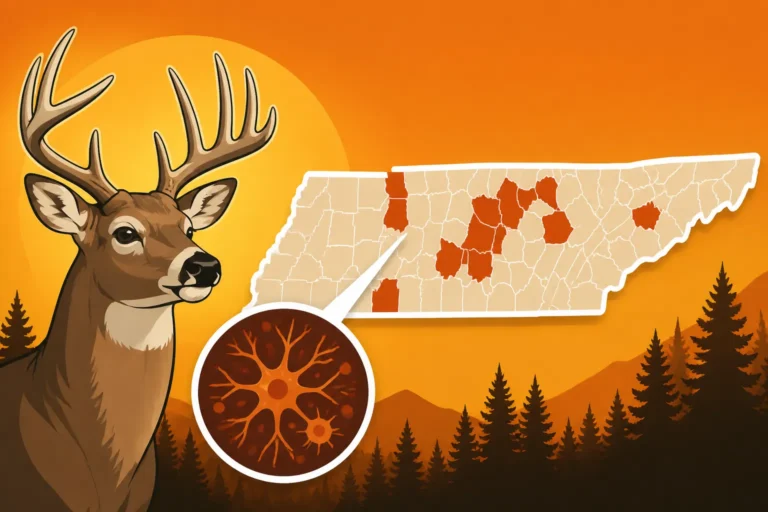
Furthermore, Tennessee has specific regulations that hunters must follow beyond just licenses. This includes important safety requirements like Tennessee Blaze Orange Requirements during certain seasons, which mandates wearing a certain amount of fluorescent orange or pink. If you're hunting in any of the counties within Tennessee's Chronic Wasting Disease Management Zone, there are also specific rules about carcass movement and testing that you need to be aware of to help prevent the spread of this devastating deer disease. Always review the current TWRA Hunting and Trapping Guide annually, as regulations can and do change. A quick review can prevent a lot of headaches and ensure a safe and legal hunt.
Understanding Annual Renewal Cycles
As mentioned, Tennessee's hunting and fishing licenses operate on a state fiscal year that runs from March 1st through the last day of February (February 28th or 29th, depending on the year). This is a critical detail that many hunters, especially those new to the state or those who only hunt certain seasons, sometimes overlook. It means that if you buy a license in, say, October, it will still expire the following February. If you plan to hunt in March or later, you'll need a new license for the new year.
This annual renewal cycle impacts anyone who participates in hunting seasons that span these dates, such as the late stages of turkey season, which can sometimes extend into May. It's not uncommon for hunters to purchase their licenses in the fall for deer season and then forget to renew them before spring turkey hunting. The Go Outdoors Tennessee system and even the GoHunt app often provide reminders, but it's ultimately the hunter's responsibility to stay compliant. Setting a calendar reminder for late February is a good practice to ensure you're always covered when the next season rolls around.
Special Considerations for Resident Hunters
Tennessee also provides specific license provisions and opportunities for landowners, seniors, disabled individuals, and military personnel, recognizing their unique circumstances and contributions.
Landowner Privileges and Permits
If you're a Tennessee resident and own land in the state, you generally have certain privileges when it comes to hunting on your own property. Resident landowners, their spouses, and children may hunt small game on their own property without a license, as long as the game is not sold. However, this exemption does not extend to big game (deer, bear, turkey), waterfowl, or other migratory birds. For these species, even on your own land, you will still need the appropriate statewide licenses and permits (e.g., Type 001/002 + Type 009 for deer).
Additionally, landowners sometimes have specific permits available for managing nuisance wildlife, such as deer that are causing significant crop damage. These "Deer Damage Permits for Farmers" allow for the removal of deer outside of regular hunting seasons under specific conditions and reporting requirements. While owning land offers some flexibility, it's crucial to understand the exact limits of these privileges to ensure you're always hunting legally. It's a common misconception that land ownership means a blanket exemption from all licensing requirements, which simply isn't the case for most species.
Senior and Disabled Hunter Options
Tennessee highly values its senior and disabled hunting populations and offers specific licenses to support their continued participation in outdoor activities. For resident seniors, specifically those aged 65 and older, the Type 008 Annual Senior Citizen Hunt/Fish license offers a significantly discounted rate compared to the standard adult combination license. This permit provides essentially the same comprehensive privileges as the Type 002 (basic hunting and fishing), often including the big game supplement automatically, making it an excellent value for those who have dedicated years to the outdoors. Proof of age and residency is required, of course.
For hunters with qualifying disabilities, Tennessee also provides specialized permits. These can include the Type 013 Permanent Disability Hunt/Fish license or the Type 014 Wheelchair/Confined to Home Hunt/Fish license, which offer reduced costs or lifetime validity depending on the nature of the disability. These permits often require a physician's certification of the disability and may include specific provisions to accommodate hunters, such as allowing the use of ATVs in certain areas or specific adaptive equipment. These programs ensure that physical limitations don't entirely preclude passionate individuals from enjoying the hunt.
Military and Veteran Discounts
Tennessee recognizes the immense sacrifices made by service members and veterans and offers various considerations within its licensing system. For resident military personnel, including active duty, reservists, and National Guard members stationed in Tennessee, special provisions may apply. These often relate to residency requirements, making it easier for them to qualify for resident licenses even if their permanent home state is elsewhere. This ensures that those serving our country can enjoy the hunting and fishing opportunities Tennessee offers without undue burden.
Veterans, particularly those with service-connected disabilities, may also be eligible for discounted or even free licenses. The TWRA offers the Type 012 Annual Lifetime Veteran Hunt/Fish license at no cost for Tennessee resident veterans who are certified as 100% permanently and totally disabled by the U.S. Department of Veterans Affairs. This incredibly generous provision is a small token of gratitude for their service. For specific details on eligibility and how to apply for these important discounts, always consult the official TWRA regulations or visit a TWRA office, as requirements can vary. For more information, refer to Tennessee Military Hunting License Discounts.
Tennessee Resident Hunting License Overview
To help you quickly compare the most common resident hunting license options, here’s a handy table summarizing their key features and what they generally cover:
| License Type | Name | General Coverage | Cost (Approximate Annual) | Special Notes |
|---|---|---|---|---|
| 001 | Annual Hunting | Small game (squirrel, rabbit, quail, grouse) | $34 | Basic hunting license; required for all hunting activities. |
| 002 | Annual Hunting & Fishing Combination | Small game, general fishing | $42 | Excellent value for those who do both. |
| 009 | Annual Big Game, Deer, Bear, & Turkey Supplemental | Deer, bear, turkey | $30 (in addition to 001/002) | Required for hunting big game; stacks on top of 001 or 002. |
| 005 | Annual Migratory Bird | Ducks, geese, dove, woodcock, snipe | $11 (in addition to 001/002) | Required for migratory birds; also needs Federal Duck Stamp & HIP certification. |
| 010 | Annual Trout | Trout fishing | $22 (in addition to 002) | Required for fishing for trout. |
| 006 | Annual Resident Sportsman | All state hunting, fishing, big game, migratory bird, trout | $165 | Best value for active hunters/anglers; excludes Federal Duck Stamp. |
| 003 | Junior Hunt/Trap/Fish (Ages 13-15) | Small game, big game, fishing, trapping | $10 | For youth, comprehensive coverage. |
| 004 | Lifetime Sportsman | All state hunting, fishing, big game, migratory bird, trout | Varies by age (e.g., $1,976 for ages 13-64) | Ultimate value, never renew; excludes Federal Duck Stamp. |
| 008 | Annual Senior Citizen Hunt/Fish (Age 65+) | Most hunting and fishing, including big game and trout | $41 | Significantly discounted for seniors. |
| 011 | Apprentice Hunting (All Ages) | All legal game | $11 | Allows hunting under direct supervision of a licensed adult. |
Costs are approximate and subject to change by TWRA.
Disclaimer
Please remember that hunting regulations, license requirements, and costs can change. While this guide aims to be comprehensive and up-to-date, it is crucial to always consult the official Tennessee Wildlife Resources Agency (TWRA) website or their current Hunting & Trapping Guide for the most accurate and legally binding information before participating in any hunting activity.