Tennessee Elk Quota Hunt Rules
The dream of hunting elk in the eastern United States can feel out of reach for many, especially when navigating complex regulations and limited opportunities. For Tennessee hunters, however, the restored elk herd in the North Cumberland region offers a truly unique big game experience, but securing a tag means understanding the intricate Tennessee Elk Quota Hunt Rules. This comprehensive guide will break down everything you need to know, from applying to executing a successful hunt, ensuring you're fully prepared for this incredible challenge.
Tennessee's Elk Restoration Journey and Herd Management
Tennessee wasn't always home to elk, but thanks to dedicated conservation efforts, these magnificent animals once again roam parts of the Volunteer State. Understanding this journey and the ongoing management strategies is key to appreciating the privilege of an elk quota hunt.
The Return of Elk to the Volunteer State
Believe it or not, elk were once native to Tennessee, but unregulated hunting and habitat loss led to their complete extirpation by the mid-1800s. For over a century, the hills and hollows lay silent without the bugle of a bull. However, in the late 1990s, the Tennessee Wildlife Resources Agency (TWRA) embarked on an ambitious reintroduction program. This monumental effort involved trapping elk from herds in Canada and other states, like Kentucky, and releasing them into the remote wilderness of the North Cumberland Plateau. It was a slow and painstaking process, but it laid the groundwork for the thriving herd we see today. If you're curious about the detailed history, you can read more about Tennessee's Restored Elk Herd.
These initial releases weren't just about dropping animals in the woods and hoping for the best. Extensive habitat assessments were conducted, and public buy-in from local communities was crucial. The chosen release sites, particularly within the vast tracts of public land in the North Cumberland region, offered the perfect blend of forage, cover, and minimal human disturbance to give the transplanted elk the best chance at survival and reproduction. Early years were filled with careful monitoring, ensuring the herd established itself and began to grow naturally.
Today, that initial investment has paid off. The elk herd has grown to a healthy, self-sustaining population, primarily concentrated in the North Cumberland Wildlife Management Area. This success story is a testament to long-term conservation planning and the resilience of these incredible animals. Hunters fortunate enough to draw a tag aren't just pursuing an animal; they're participating in the ongoing legacy of wildlife restoration.
Understanding the North Cumberland Elk Herd
The primary home for Tennessee's elk herd is the North Cumberland Wildlife Management Area (NCWMA), a sprawling expanse of rugged terrain, reclaimed mine lands, and mature timber spanning several counties. This unique landscape, a mix of public and private property managed by the TWRA, provides ideal conditions for elk. The sheer size of this area, combined with its diverse habitat, allows elk to flourish and exhibit natural behaviors, from massive bulls bugling in the fall to cows raising their calves in secluded timber blocks.
The herd dynamics are constantly monitored by TWRA biologists. They track herd health, population growth, and movement patterns to ensure the population remains robust and balanced with the available habitat. This scientific approach helps prevent overpopulation, which could lead to habitat degradation, and also ensures that hunters are targeting a healthy, sustainable population. It's a delicate balance, considering the limited range of the elk and the significant recreational interest they generate.
While the herd is doing well, elk are still a relatively small population compared to, say, white-tailed deer. This makes every animal valuable and underscores the importance of stringent management. The TWRA continually assesses factors like calf recruitment, bull-to-cow ratios, and overall herd health to make informed decisions about hunting quotas and season structures. This meticulous attention to detail is what safeguards the future of elk hunting in Tennessee.
Why Quota Hunts Are Essential for Conservation
The idea of a "quota hunt" can sometimes feel exclusive, but for a species like elk with a relatively small, concentrated population, it's an indispensable tool for sound wildlife management. Simply put, quota hunts ensure that the number of animals harvested each year is carefully controlled, preventing overhunting and maintaining a healthy herd structure. Without them, the gains made in elk restoration could quickly be undone.
The TWRA uses a lottery system for its elk permits because the demand far outweighs the supply. This fair and equitable system gives every eligible hunter a chance, while the limited number of tags issued directly reflects the biological carrying capacity of the habitat and the management goals for the herd. It’s not about limiting access for the sake of it, but about ensuring that the herd can continue to thrive for generations to come.
Furthermore, revenue generated from elk permit applications and sales directly supports elk research, habitat improvement projects, and enforcement efforts within the North Cumberland region. So, even if you don't draw a tag, your application fee contributes to the very resource you hope to pursue. It's a direct investment in the future of Tennessee's elk and the incredible hunting opportunities they represent.
Navigating the Tennessee Elk Quota Application
Applying for a Tennessee elk quota hunt is a multi-step process that requires careful attention to detail. Understanding who can apply, how the system works, and how to maximize your chances is crucial for any aspiring elk hunter.
Who Can Apply: Residency and Eligibility
First things first, let's talk about eligibility. To apply for a Tennessee elk quota hunt, you must hold a valid Tennessee hunting license and a Big Game Permit. These are foundational requirements. Unlike some other states, Tennessee does offer some elk tags to non-residents, though the odds are significantly steeper due to the limited number of available permits. Non-residents will need to purchase the appropriate non-resident hunting license and big game permits. You can find detailed information on these requirements in our guide on Tennessee Big Game License Requirements.
Additionally, applicants must be hunter education certified unless they are exempt (e.g., born before January 1, 1969, or hunting under an apprentice license). This isn't just a formality; it ensures that all hunters possess a fundamental understanding of firearm safety, wildlife identification, and ethical hunting practices – all critical skills for a big game hunt like elk. If you need to get certified, check out the Tennessee Hunter Education Requirements.
It’s important to note that youth hunters have their own specific opportunities, which we'll discuss later. However, for the general adult draw, meeting these basic licensing and education requirements is non-negotiable. Don't let a clerical error or overlooked certification be the reason you miss out on this incredible opportunity. Double-check everything before the application window closes.
The Online Application Portal and Preference Points
The entire application process for the Tennessee elk quota hunt is handled through the TWRA's Go Outdoors Tennessee online portal. It's a relatively straightforward system, but navigating it for the first time can feel a little daunting. You'll need an account, which you likely already have if you've purchased licenses online before. Once logged in, you'll find the specific link for the elk quota hunt application. This is also where you will pay the non-refundable application fee. The brand GoHunt also offers resources that help hunters understand various state draw odds and application processes, which can be a useful tool when planning.
A significant component of the Tennessee elk draw is the preference point system. For every year you apply for an elk tag and are unsuccessful in the draw, you accrue one preference point. These points increase your statistical probability of drawing a tag in subsequent years. They don't guarantee a tag, but they improve your odds considerably over time. It's a system designed to reward persistence.
Understanding how preference points work is vital. If you skip a year of applying, you lose all accumulated points, effectively starting you back at zero. This makes the decision to apply annually a critical one for anyone serious about hunting Tennessee elk. It’s a long game, but one that eventually pays off for many dedicated hunters who consistently put in for the draw.
Maximizing Your Chances in the Draw
While the elk draw is a lottery, there are a few things to keep in mind to theoretically "maximize" your chances, though luck remains a huge factor. The most obvious is to apply every single year to build up those preference points. Consistency is king here. The more points you have, the better your statistical odds become.
Another strategy, especially if you're a non-resident or have few points, might be to apply with a party. While Tennessee doesn't have a formal party application system like some western states, you and a hunting partner can both apply individually and coordinate your hunt planning if one of you draws. Some hunters also study past draw statistics, often found on sites like GoHunt, to identify which zones or hunt types might have slightly better odds, though this often means accepting a less desirable hunt period or zone.
Ultimately, however, drawing an elk tag in Tennessee largely comes down to persistence and a bit of good fortune. Don't get discouraged if you don't draw in your first few attempts. Keep applying, keep building those points, and stay ready, because when that notification finally comes, it'll be an experience you'll never forget.
Critical Dates and Timelines for Elk Hunters
Successfully navigating the Tennessee elk quota hunt process demands a keen awareness of all the crucial dates and deadlines. Missing a single cutoff could mean waiting another year for your shot at a tag.
The Annual Application Period and Deadlines
The application window for the Tennessee elk quota hunt typically opens in the spring, usually around March or April, and closes in late July or early August. These specific dates are announced by the TWRA well in advance each year, so it's essential to check their official website or the Go Outdoors Tennessee portal regularly. We also provide updates on the Tennessee Elk Application Window Dates to help you stay informed.
Marking these dates on your calendar is non-negotiable. Missing the application deadline means forfeiting your chance for that year, along with any opportunity to accrue a preference point. Set reminders on your phone, write it on your physical calendar, or tell a hunting buddy to remind you. It sounds simple, but every year, hunters miss out because they simply forgot to apply in time.
Payment of the non-refundable application fee is required at the time of application. Be sure your payment method is valid and that the transaction goes through. There's nothing worse than thinking you applied, only to find out later that the payment failed, and your entry wasn't processed. Double-check your confirmation emails!
Notification of Draw Results and Permit Acceptance
Once the application window closes, there's a period of anxious waiting as the TWRA conducts the draw. Typically, results are announced in late August or early September. Lucky applicants will usually receive an email notification informing them that they've drawn a coveted Tennessee elk permit. This email will direct you back to your Go Outdoors Tennessee account to confirm acceptance and pay for the actual permit.
It is absolutely critical to check your email, including spam folders, during this notification period. The TWRA usually sets a deadline for permit acceptance and payment, and if you fail to respond or pay by that date, your permit may be forfeited and offered to an alternate. Imagine the heartbreak of drawing a tag only to lose it because you didn't check your email!
For those who didn't draw, the notification will confirm your unsuccessful status and, importantly, confirm that you have been awarded a preference point for the next year's draw. While it's disappointing not to get a tag, knowing you're one step closer for the following season offers some solace.
Preparing for Your Hunt After Receiving a Tag
Congratulations, you drew a tag! Now the real work begins. The period between receiving your notification and the start of the hunt is relatively short, usually just a few weeks or a month. This is when all your pre-season scouting, gear checks, and physical training need to kick into high gear. If you haven't been doing some preliminary work, now is the time to go all-in.
The first step after accepting your permit is to thoroughly review all the regulations specific to your hunt type and zone. These details, including season dates, legal weapon types, and harvest reporting procedures, will be provided by the TWRA with your permit. Planning your travel, accommodations (if needed), and understanding the terrain of your specific Elk Hunting Zone (EHZ) are also immediate priorities. For general advice, consider reading our comprehensive guide on Preparing for a North Cumberland Elk Hunt.
This is also the time to fine-tune your gear, practice with your chosen weapon, and get into peak physical condition. Elk hunting in the North Cumberland is physically demanding, so any preparation you do now will pay dividends when you're on the mountain. Don't wait until the last minute – your success and enjoyment of the hunt depend on it.
Exploring Tennessee's Designated Elk Hunt Zones
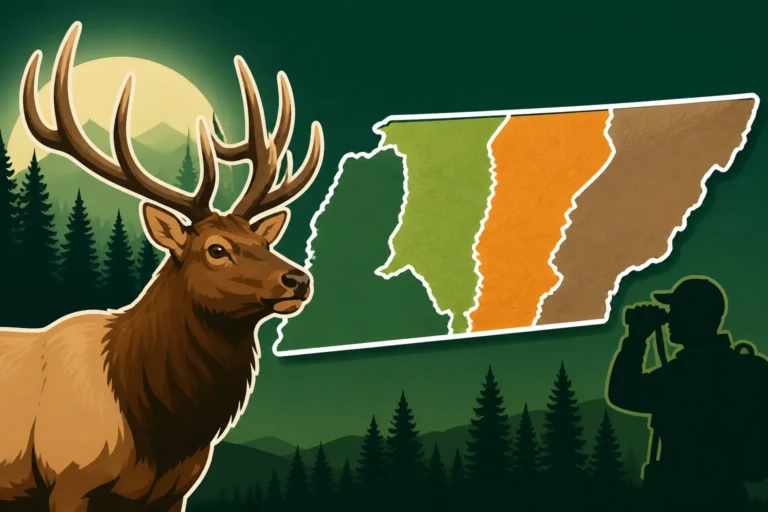
The North Cumberland Wildlife Management Area is a massive piece of ground, and it's divided into several distinct Elk Hunting Zones (EHZs). Understanding these zones is crucial, as each one presents unique challenges and opportunities.
An Overview of the North Cumberland WMA
The North Cumberland Wildlife Management Area (NCWMA) is the heart of Tennessee's elk country. Spanning over 150,000 acres across Scott, Campbell, Anderson, and Morgan counties, it's a rugged, wild landscape shaped by a history of coal mining and timber operations. This diverse terrain includes steep mountainsides, deep hollows, dense timber stands, and open grasslands on reclaimed mine sites. It’s this variety that makes it prime elk habitat. If you're interested in more details, take a look at our article on the North Cumberland Wildlife Management Area.
Much of the NCWMA is accessible by a network of old logging roads and mining trails, but don't let that fool you – many areas require significant walking and navigating dense cover. The sheer size of the WMA means that even with a tag, finding elk can be a challenge. Hunters must be prepared for physically demanding hunts, often far from established trails. Cell service can be spotty to non-existent in many areas, making navigation tools like GPS units or robust mapping apps essential.
The management of the NCWMA is geared towards multiple uses, including hunting, fishing, and outdoor recreation, but elk management is a significant focus in the designated EHZs. Habitat work, such as prescribed burns and planting food plots, is often conducted to enhance forage and cover specifically for elk, benefiting other wildlife as well.
Detailed Breakdown of Each Elk Hunting Zone (EHZ)
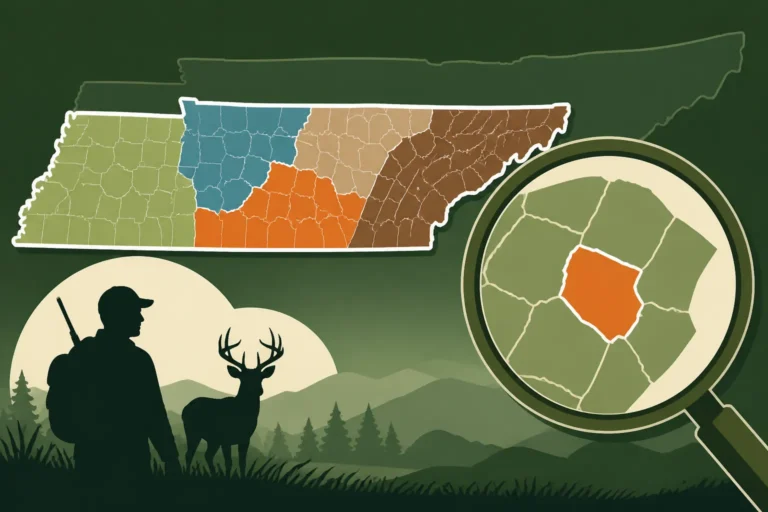
The TWRA divides the North Cumberland into specific Elk Hunting Zones (EHZs), and your permit will typically designate which zone you are allowed to hunt. These zones are designed to distribute hunting pressure and manage specific segments of the herd. While the exact boundaries and numbers can shift year to year based on management needs, common zones might include EHZ 1, EHZ 2, EHZ 3, EHZ 4, EHZ 5, and the Youth Zone.
Each EHZ has its own characteristics. Some zones might encompass more reclaimed mine land, offering more open visibility but potentially less mature timber. Others might be dominated by dense forests, requiring more still-hunting or calling techniques. For example, a zone with a higher concentration of mature timber and steep drainages might hold larger, more reclusive bulls, while a zone with more open clear-cuts might offer better opportunities for glassing. It's imperative to study the specific characteristics of your assigned zone. The TWRA publishes maps detailing the Tennessee Elk Zone Boundaries Explained, which are invaluable for pre-hunt scouting.
Understanding the historical harvest data for each zone can also provide valuable insights. While not a guarantee, knowing which zones tend to yield more bulls or have higher success rates can help manage expectations and focus your scouting efforts. This information is often compiled and shared by various hunting organizations and can be accessed through mapping tools available from services like GoHunt.
Access, Terrain, and Public Land Considerations
Access into the NCWMA, and specifically your EHZ, is predominantly via county roads and a network of unpaved forest and mine roads. Some of these roads may be gated or require specific permits during certain times of the year, so always check the latest TWRA regulations and WMA-specific rules before your hunt. Vehicle restrictions are common, and in many areas, ATVs are allowed, but strict rules apply regarding where and when they can be operated.
The terrain is rugged, characterized by steep slopes, narrow valleys, and dense undergrowth. Expect to encounter varied elevations, from lower creek bottoms to high ridgelines. Navigating this landscape requires sturdy hiking boots, strong knees, and a good sense of direction. Hunters frequently use mapping apps like onX Hunt or Gaia GPS to navigate, mark waypoints, and stay aware of property boundaries, especially since some EHZs might border private land.
When planning your hunt, consider the amount of time you'll spend walking and the physical demands. Many successful elk hunters in Tennessee emphasize the importance of getting away from roads and into remote areas where elk feel less pressured. This often means packing light, carrying essential survival gear, and being prepared to be self-sufficient for an entire day, or even multiple days, in the backcountry.
Understanding Different Tennessee Elk Hunt Opportunities
The Tennessee elk quota hunt offers a few distinct seasons, each with its own nuances regarding weapon choice and hunter demographic. Knowing these differences is key to understanding the draw and preparing for your specific hunt.
The General Firearms Elk Season
The General Firearms Elk Season is typically the most popular and often draws the highest number of applicants. This hunt generally takes place in the fall, coinciding with cooler temperatures and active elk movement. It allows for the use of modern firearms, making it accessible to a wide range of hunters. You can find the specific Tennessee General Firearms Elk Season Dates on the TWRA website.
Hunters in the firearms season should be prepared for shots that can range from close-quarters encounters in dense timber to longer shots across open reclaimed mine fields. Therefore, a rifle setup capable of accuracy at varying distances, combined with good optics, is crucial. Remember to familiarize yourself with Tennessee's legal firearms for deer hunting, as similar rules often apply to elk.
Success in the firearms season often hinges on covering ground, reading sign, and being ready for a quick shot opportunity. While calling can be effective, especially if you catch a bull responding during the tail end of the rut, many successful hunts involve spot-and-stalk tactics, especially in areas with more open terrain.
Archery-Only Elk Hunting Season
For the dedicated bowhunter, the Archery-Only Elk Season presents a unique and thrilling challenge. This season typically occurs earlier in the fall, sometimes overlapping with the peak of the elk rut in early to mid-September. This can provide an incredible opportunity to experience close-range bugling action. Check the Tennessee Archery-Only Elk Season Dates for the exact timing.
Bowhunting elk demands a higher level of stealth, patience, and close-quarters skill. Shot distances are significantly shorter, requiring hunters to get within ethical bow range, often 40 yards or less. This means mastering your archery setup, practicing at various distances, and being proficient with range estimation. The excitement of a bull bugling in thick timber and responding to calls is an unparalleled experience for an archer. You might consider learning more about Calling a North Cumberland Bull Elk for this season.
Choosing the right broadhead, ensuring your arrows are tuned, and being intimately familiar with your bow setup are paramount. The physical demands can be even greater than with firearms, as bowhunters often need to move quietly and deliberately through dense cover to get within range of a wary bull or cow. This season truly tests a hunter's dedication to the craft.
Special Youth Elk Hunt Weekends
Recognizing the importance of introducing the next generation to big game hunting, Tennessee also offers a dedicated Youth Elk Season. This special hunt is open to young hunters, typically aged 6-16, who have successfully drawn a youth elk tag. It's an incredible opportunity for a young person to experience the thrill of elk hunting with an adult mentor. You can learn more about the Tennessee Youth Elk Season Rules.
The youth hunt usually has its own specific dates and regulations, often structured to provide a less pressured environment for young hunters. A supervising adult, who must be properly licensed, is required to accompany the youth hunter at all times. This provides guidance, ensures safety, and helps foster a positive hunting experience. It's a fantastic way to pass on hunting traditions and instill a deep respect for wildlife.
These hunts are about more than just harvesting an animal; they're about creating lasting memories, teaching outdoor skills, and instilling a conservation ethic. Mentors should prioritize the youth's experience, focusing on education, safety, and enjoyment, whether or not an elk is harvested. It's a priceless opportunity to connect with nature and with family.
Comprehensive Preparation for a Successful Elk Hunt
Drawing a Tennessee elk tag is just the first step; successful execution requires comprehensive preparation that covers scouting, gear, and personal conditioning. Don't underestimate the demands of hunting these magnificent animals in the rugged North Cumberland.
Extensive Scouting and E-Scouting Strategies
Scouting is arguably the most critical component of a successful Tennessee elk hunt, and it should begin long before you set foot in the woods. E-scouting, using online mapping tools like those from GoHunt or TWRA's own Go Outdoors Tennessee app, is an excellent starting point. Look for areas with a mix of dense cover (bedding areas), water sources, and open forage (reclaimed mine lands, food plots, clear-cuts). Identify potential travel corridors, pinch points, and natural funnels. Our article on Reading Aerial Photos for Cumberland Plateau Deer can offer some crossover tips on interpreting terrain.
Once you've narrowed down some promising areas on a map, nothing beats boots on the ground. Visit your assigned EHZ several times before the season if possible. Look for fresh elk sign: tracks, droppings, rubs on trees, and wallows. Pay attention to how elk use the terrain, where they might bed down, and their typical feeding patterns. Observe water sources and potential escape routes. This ground-truthing confirms your e-scouting observations and helps you formulate a precise hunt plan.
Trail cameras can be invaluable scouting tools, but be sure to understand the specific rules for their use on public land in Tennessee. Setting up cameras on travel corridors or near water sources can provide critical intelligence on elk presence, travel times, and herd composition. Remember to retrieve your cameras well before the season opener to minimize disturbance. You can find useful tips in our guide, Where to Hang a Camera on a Logging Road.
Essential Gear, Weaponry, and Optics Selection
Choosing the right gear for an elk hunt in the North Cumberland is paramount. This isn't a casual deer hunt; the terrain is unforgiving, and the weather can be unpredictable. Start with sturdy, broken-in hunting boots that offer excellent ankle support and waterproof protection. Layered clothing is essential, allowing you to adapt to temperature swings from frosty mornings to warm afternoons. Wool or synthetic base layers are preferred for their moisture-wicking properties. Our guide on Clothing for a Tennessee Late Season can help you with layering strategies.
For weaponry, ensure your rifle (if hunting firearms season) is sighted in accurately and you are proficient with it out to your maximum ethical range. A durable, reliable scope with good low-light performance is a must in the dark timber. For archery season, a well-tuned bow, sharp broadheads, and consistent practice are critical. Always carry extra ammunition or arrows, a quality knife, a headlamp, fire-starting materials, and a first-aid kit.
Optics are your eyes in the woods. A good pair of binoculars (10×42 or 12×50 are popular choices) is indispensable for glassing distant ridges and open clear-cuts. A rangefinder is crucial for making ethical shots, especially for bowhunters. Consider a spotting scope if you plan to spend time glassing vast areas from a vantage point. Don't forget a reliable GPS unit or a smartphone with a robust mapping app and extra battery packs, as getting lost in this expansive terrain is a serious concern.
Developing Physical and Mental Toughness
Elk hunting in Tennessee is physically demanding, perhaps more so than any other big game hunting in the state. You will be hiking steep grades, navigating dense brush, and potentially packing out hundreds of pounds of meat over rugged terrain. Therefore, physical conditioning should begin months before your hunt. Incorporate cardio, strength training, and especially hiking with your hunting pack to simulate real-world conditions.
Mental toughness is just as important as physical strength. Elk hunting can be grueling, with long days of walking, often without seeing an animal. The weather can turn nasty, and morale can dip. Being mentally prepared for discomfort, frustration, and the uncertainty of hunting is crucial. Persistence, patience, and a positive attitude will carry you through the tough moments.
Practice your calling skills, especially if you plan to hunt during the rut. Being able to effectively mimic cow and bull sounds can be a game-changer. Learn to use a bugle tube and diaphragms. Confidence in your calling can lead to incredible encounters. Our guide to Calling a North Cumberland Bull Elk will give you a great head start.
Key Regulations and Ethical Practices During Your Hunt
Adhering to all regulations and upholding ethical hunting practices are non-negotiable responsibilities for every Tennessee elk hunter. These rules are in place for safety, conservation, and to ensure the integrity of the hunt.
Legal Hunting Methods and Prohibited Activities
Before heading into the field, meticulously review all TWRA regulations for your specific elk hunt. This includes legal shooting hours (typically 30 minutes before sunrise to 30 minutes after sunset), legal weapon types for your season (firearm, archery, muzzleloader, depending on the permit), and specific restrictions within your designated EHZ. For instance, while baiting for deer is legal in some parts of Tennessee, it's generally prohibited for elk. Always confirm the most up-to-date regulations directly from the TWRA website or your permit guide.
Prohibited activities typically include hunting from vehicles, using artificial lights to spot or shoot game, and taking more than the permitted one elk per lifetime limit. Additionally, some specific areas within the NCWMA might have unique restrictions regarding access or methods. Ignoring these rules can lead to severe penalties, including fines, loss of hunting privileges, and even confiscation of equipment and your harvested elk. Ignorance of the law is not an excuse.
Understanding boundaries is critical. Be aware of the borders of your assigned EHZ and any adjacent private lands. Trespassing, even unintentionally, can create serious legal issues and negatively impact hunter access for everyone. Utilize GPS technology to stay on public land and within your designated hunting zone.
Carcass Tagging, Harvest Reporting, and CWD Compliance
Once you've successfully harvested an elk, the immediate priorities are carcass tagging and harvest reporting. As soon as the animal is down, you must attach your physical tag from your permit to the elk, following the specific instructions provided by the TWRA. This tag must remain with the carcass until it is processed for consumption.
Within 48 hours of harvest, you are legally required to report your elk through the TWRA's official system, either online via the Go Outdoors Tennessee portal or by phone. This reporting is vital for TWRA biologists to collect accurate harvest data, which informs future management decisions and herd estimates. Failure to report your harvest is a violation.
Given the ongoing threat of Chronic Wasting Disease (CWD) in Tennessee, CWD compliance is also mandatory. All harvested elk must be submitted for CWD testing. This involves taking a tissue sample (usually lymph nodes) from the animal. The TWRA will provide instructions and designated drop-off locations for submitting your sample. If you are leaving the CWD zone with your harvested animal, strict Tennessee Carcass Deboning Requirements may apply, so be sure to understand these rules thoroughly.
Respecting Wildlife and Fellow Hunters
Ethical hunting goes beyond just following the rules; it's about showing respect for the animal, the land, and other users of the outdoors. This means striving for clean, humane kills, making every effort to recover a wounded animal, and packing out all trash and spent casings. Leave no trace of your presence other than footprints.
When encountering other hunters in the field, practice common courtesy. Give them space, avoid setting up too close, and keep noise levels down. The North Cumberland WMA is vast, but it can still feel crowded in certain popular areas. A little mutual respect goes a long way in ensuring everyone has a safe and enjoyable experience.
Finally, remember that the elk herd is a shared resource. Your actions reflect on the entire hunting community. By being a responsible and ethical hunter, you contribute positively to the perception of hunting and help secure its future in Tennessee.
Post-Harvest Responsibilities and Meat Processing
The hunt doesn't end when the elk is on the ground. A significant amount of work remains, from proper field dressing to meeting all regulatory requirements, ensuring that your hard-earned meat is cared for and that you comply with all post-harvest rules.
Field Dressing and Game Care in Remote Conditions
Harvesting an elk in the rugged North Cumberland often means being miles from a road or vehicle. This makes prompt and efficient field dressing critical, especially if temperatures are warm. The goal is to cool the meat as quickly as possible to prevent spoilage. This involves gutting the animal, and many hunters opt for the "gutless method" to remove quarters and backstraps without having to eviscerate the entire animal, which can be challenging in steep terrain.
Have a plan for meat transport. A large bull elk can weigh upwards of 600-800 pounds live, meaning hundreds of pounds of meat and bone. You'll likely need game bags and a sturdy frame pack to carry out the meat in sections. Consider using a partner or two, as even deboned quarters can be incredibly heavy. Dragging a whole elk, while possible on flat ground, is often impractical and damaging to the meat in the mountains.
Once the meat is off the mountain, continue to cool it rapidly. Large coolers filled with ice are essential. If you're staying at a hunting camp or have access to a walk-in cooler, utilize it. Proper meat care from the moment of harvest ensures you'll have delicious, high-quality venison to enjoy.
Mandatory CWD Testing and Sample Submission
As mentioned earlier, all harvested elk in Tennessee must be submitted for Chronic Wasting Disease (CWD) testing. This is a mandatory step that plays a crucial role in monitoring and controlling the spread of this serious neurological disease in cervids. The TWRA has established specific protocols for sample collection and submission.
You will typically be required to collect specific lymph nodes or a portion of the brainstem from your harvested elk. The TWRA provides clear instructions and often offers kits or detailed guides on how to properly collect these samples. It's important to follow these instructions precisely to ensure the sample is viable for testing.
Designated CWD sampling stations or drop-off points will be available in or near the North Cumberland WMA during the elk seasons. Take your collected sample, along with your harvest confirmation number and other required information, to one of these locations within the specified timeframe. Your cooperation is vital for the health of Tennessee's deer and elk herds.
Contributing to Future Elk Management
Beyond the immediate satisfaction of a successful hunt, your participation in the Tennessee elk quota hunt contributes directly to the long-term management and conservation of the herd. By adhering to all regulations, accurately reporting your harvest, and submitting CWD samples, you provide invaluable data to TWRA biologists.
This data helps inform future season structures, quota numbers, and habitat management decisions. Every hunter who applies and participates, whether successful or not, is a stakeholder in the future of elk in Tennessee. Consider sharing your hunting stories and insights with fellow hunters, but always stress the importance of responsible and ethical practices.
Finally, being a good ambassador for hunting means showcasing the value of conservation. Elk are a magnificent testament to wildlife restoration, and ensuring their presence for future generations is a collective responsibility.
Tennessee Elk Quota Hunt Summary Table
| Feature | General Firearms Elk Season | Archery-Only Elk Season | Youth Elk Season |
|---|---|---|---|
| Typical Dates | Mid-October (varies annually) | Late September (varies annually) | Late October/Early November (varies annually) |
| Legal Weapons | Rifles, shotguns, muzzleloaders, handguns (specific calibers) | Vertical bows, crossbows | Rifles, shotguns, muzzleloaders, handguns, bows, crossbows |
| Hunter Age | Adults (17+), or those with an Apprentice License | Adults (17+), or those with an Apprentice License | Ages 6-16 with adult mentor (non-hunting) |
| Permit Limit | One elk per lifetime for all hunters | One elk per lifetime for all hunters | One elk per lifetime for all hunters |
| Draw Popularity | High | Medium | Moderate (specific youth draw) |
| Key Advantage | Versatility with weapon, wider shot opportunities | Prime rut timing, close-range challenge | Mentored experience, focused youth opportunity |
| Physical Demand | High | Very High (stealth, close range) | High (mentor assistance recommended) |
| CWD Testing | Mandatory | Mandatory | Mandatory |
| Preference Points | Yes, for unsuccessful applicants | Yes, for unsuccessful applicants | Yes, for unsuccessful applicants (often separate youth pool) |
Disclaimer
Please remember that hunting regulations, season dates, and specific rules for Tennessee's elk quota hunts can change from year to year. While we strive to provide the most accurate and up-to-date information, it is ultimately your responsibility to consult the official Tennessee Wildlife Resources Agency (TWRA) hunting guide and website for the current regulations before planning or participating in any hunt. This guide is for informational purposes only and should not be considered legal advice.