Tennessee Deer Harvest Reporting Rules
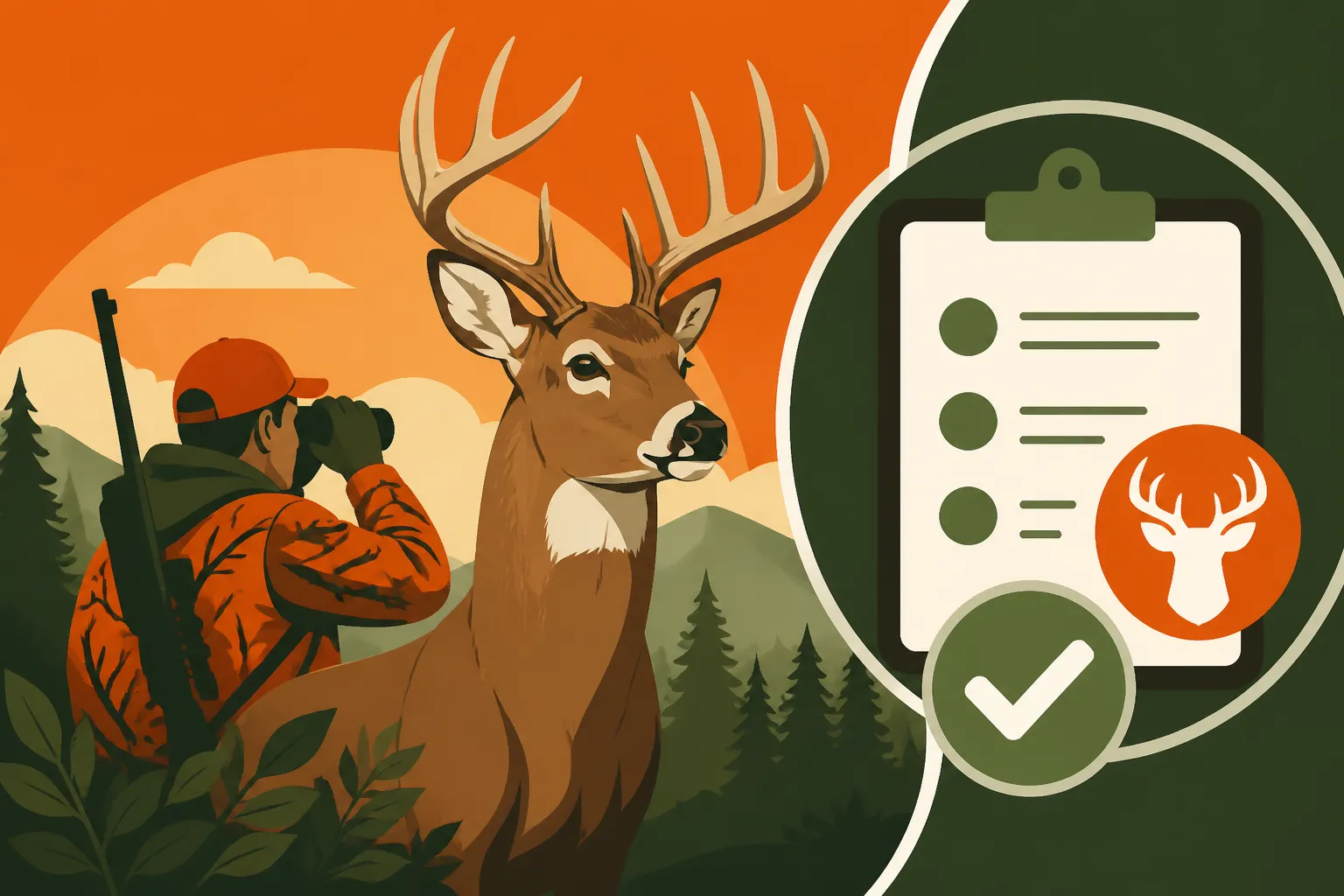
The moment of truth arrives after a successful hunt: you've harvested a deer, the freezer is looking a little fuller, and your hard work has paid off. But then comes the crucial step that many new and even seasoned hunters sometimes find confusing or intimidating: reporting your harvest. We've all been there, wondering if we clicked the right button, if the app actually saved our entry, or if we remembered all the details needed. This guide is here to untangle the Tennessee deer harvest reporting rules, ensuring you confidently fulfill your ethical and legal obligations.
The Importance of Reporting Your Deer Harvest
Let's be honest, after the excitement of the hunt and the hard work of field dressing, sitting down to report a deer can feel like a chore. It's easy to wonder why it's such a big deal, or why the state needs all this information. But understanding the 'why' behind these rules often makes the 'how' much clearer and reinforces our role as responsible conservationists. It's more than just checking a box; it's a vital part of managing Tennessee's thriving deer population.
Why Reporting Isn't Just a Bureaucratic Hurdle
Think of deer harvest reporting as a direct line of communication between you, the hunter, and the wildlife biologists and managers who work tirelessly to ensure healthy deer populations for generations to come. Every single deer reported, whether it's a hefty buck from the Cumberland Plateau or an antlerless deer taken from a West Tennessee river bottom, contributes a piece of data to a much larger puzzle. This data helps the Tennessee Wildlife Resources Agency (TWRA) understand localized populations, success rates, and even the overall health of the herd. Without accurate reporting, the picture becomes fuzzy, making informed decisions much harder.
Forgetting to report a deer isn't just a minor oversight; it's a violation of hunting regulations and can carry penalties. Beyond the legal ramifications, it undermines the very foundation of wildlife management. Imagine if thousands of deer went unreported each year; the TWRA might believe the population is lower than it actually is, leading to potentially inappropriate management decisions. This ripple effect highlights just how important each individual report truly is. It's about being accountable and upholding the integrity of our hunting traditions.
Contributing to Wildlife Management and Conservation
Your reported harvest is a fundamental building block for data-driven wildlife management. Biologists use this information to track harvest trends over time, identify population shifts, and assess the effectiveness of current hunting regulations. For example, if harvest numbers suddenly spike in a specific area, it might indicate an overpopulation that warrants increased antlerless opportunities, like those discussed in our guide on Filling a Three-Antlerless DMU Limit. Conversely, if harvests decline, it could signal a need for more restrictive measures or further investigation into environmental factors affecting the herd.
Moreover, this data directly informs decisions about future season structures and bag limits, which are designed to keep the deer herd in balance with its habitat and minimize issues like crop damage or disease spread. When you report your deer, you're not just complying with a rule; you're actively participating in the scientific process that safeguards hunting opportunities for tomorrow. It's a tangible way we, as hunters, contribute to the long-term health and sustainability of Tennessee's wild resources.
How to Report Your Deer Harvest in Tennessee (Methods)
Tennessee has streamlined its deer harvest reporting, moving largely to digital methods that offer convenience for hunters in the field. Gone are the days of paper check stations (mostly), replaced by online and mobile app options. While these systems are designed to be user-friendly, knowing the specifics of each method can save you time and frustration when you're trying to get that buck reported.
The Go Outdoors Tennessee Online System
The primary method for reporting your deer harvest is through the Go Outdoors Tennessee website. This platform is the central hub for all things related to your hunting and fishing licenses, permits, and, of course, harvest reporting. After a successful hunt, you'll need to log into your account, navigate to the "Report a Harvest" section, and follow the prompts. The system will guide you through entering information like the county of harvest, the date, the sex of the deer, and whether it was antlered or antlerless. You'll also need to select the specific hunt code that corresponds to the weapon and season you were hunting in.
It's a straightforward process, but it does require internet access, which isn't always reliable in some of Tennessee's more remote hunting areas. Many hunters find it easiest to report once they've returned to cell service or a Wi-Fi connection. Remember that the system needs accurate and timely information, so try to input your details as soon as possible after the kill. This online portal is also where you'd go for managing your Tennessee Resident Hunting License Options or applying for special permits.
Reporting via the Mobile App
For hunters who want the ultimate convenience, the Go Outdoors Tennessee mobile app is an absolute game-changer. Available for both Apple and Android devices, this app allows you to report your harvest directly from your smartphone, often even when you have limited cell service. The app is designed to cache your information and upload it as soon as a signal becomes available, preventing the need to wait until you're back home. This feature is especially valuable when you're deep in the Cherokee National Forest Hunting or other public lands where connectivity can be spotty.
Using the app is incredibly similar to the online portal. You log in, select the "Report Harvest" option, and fill in the required fields. Many hunters keep their phones charged and easily accessible in their packs specifically for this purpose. The app also serves as a digital version of your hunting license, meaning you often don't need to carry a physical copy, though it's always wise to have a backup. Utilizing a mapping application like GoHunt in conjunction with the TWRA app can also help you pinpoint your exact location for reporting purposes and confirm you're within the correct county or DMU.
Understanding the Physical Tagging Requirements
While digital reporting is the modern standard, Tennessee still requires hunters to physically tag their harvested deer. This is a critical step that often precedes the digital report. As soon as you recover your deer, you must immediately attach a temporary harvest tag to the deer. This tag, which is part of your hunting license, must remain attached until the animal is processed for consumption or taxidermy. The tag serves as immediate proof of a legal harvest should you encounter a wildlife officer in the field before you've had a chance to electronically report.
After you've completed your digital report, either online or via the app, you will receive a confirmation number. This number must then be recorded on the temporary harvest tag. This two-step process—physical tagging followed by digital reporting and confirmation number transfer—ensures that every harvested deer is properly accounted for and can be verified by wildlife officials at any point in the transportation or processing chain. It’s a good idea to write the confirmation number clearly and perhaps even laminate your license or carry a small permanent marker with you to ensure legibility in varying weather conditions.
Understanding the Reporting Deadline and Information Required
One of the most common questions and sources of anxiety for hunters regarding harvest reporting is about the deadline and precisely what information they need to provide. Getting these details right is crucial, not just for compliance, but also for contributing accurate data to the TWRA's vital management efforts. Let's clear up any confusion you might have.
The 48-Hour Window: What You Need to Know
Tennessee law is quite clear: all deer harvested must be reported to the TWRA within forty-eight (48) hours of harvest. This 48-hour window is non-negotiable and applies to all deer taken during any of Tennessee's deer seasons, including the Bowhunting Tennessee's Long Archery Season, the muzzleloader weeks, and the general gun season. It's a firm deadline designed to ensure that data is collected promptly and consistently across the state. Missing this window can result in fines and other penalties, so it's something every hunter needs to take seriously.
This 48-hour period starts the moment the deer is harvested. It's not when you get home, or when you finish butchering, but immediately after the kill. While the digital methods make it easier to report quickly, planning ahead is still important. If you're heading into an area with no cell service, make sure you have a plan for where and when you'll be able to get online or to an area with signal within that timeframe. Some hunters even set a reminder on their phone to ensure they don't forget, especially after a long and tiring day in the field.
Key Information to Have Ready
When you sit down to report your deer, whether online or through the app, you'll need to provide several pieces of information. Having these details handy will make the process much smoother and faster. Here's a rundown of what you'll typically be asked for:
- Your TWRA ID Number: This is your unique identifier with the Tennessee Wildlife Resources Agency.
- Harvest Date: The exact date the deer was taken.
- Harvest County: The county where the deer was harvested. Knowing your exact location, perhaps checked with an app like GoHunt, is critical for accuracy.
- Sex of Deer: Buck (antlered) or Doe (antlerless).
- Antler Points (for bucks): For antlered bucks, you'll typically report the number of points on one side or total points depending on the system.
- Weapon Used: The specific weapon used (e.g., archery, muzzleloader, gun). This helps categorize the harvest according to the Tennessee Deer Season Structure Explained.
- DMU (Deer Management Unit): The specific DMU in which the deer was harvested. Tennessee has Tennessee's Six Deer Management Units, and knowing which one you're in is vital for accurate data collection.
- Hunt Code: This is a specific code provided by the TWRA that corresponds to the particular season, weapon, and often, location of your hunt. You can usually find these codes in the hunting guide or on the reporting portal.
| Information Required | Description | Why It's Needed |
|---|---|---|
| TWRA ID | Your unique hunter identification number. | Links the harvest to your license and records. |
| Harvest Date | Exact calendar date the deer was taken. | Tracks harvest timing and season trends. |
| Harvest County | The specific county where the deer fell. | Localized population data and management. |
| Sex of Deer | Indicate if it was an antlered buck or an antlerless doe/fawn. | Monitors buck-to-doe ratios and herd productivity. |
| Antler Points | Number of points (usually 1" or longer) on antlered bucks. | Helps assess buck age structure and herd health. |
| Weapon Used | Archery, Muzzleloader, or Gun. | Tracks success rates across different seasons/methods. |
| DMU | Deer Management Unit where the harvest occurred. | Critical for regional harvest limits and management plans. |
| Hunt Code | Specific code for season/weapon/location (found in regs). | Ensures correct data input for specific hunt types. |
Special Considerations for CWD Zones
Tennessee's fight against Chronic Wasting Disease (CWD) has introduced additional reporting and handling requirements, especially in the designated CWD Management Zone. If you harvest a deer in one of the CWD-positive or CWD-buffer counties, there are specific rules you must follow for carcass transport and, in some cases, mandatory testing. Our detailed guide on Tennessee's Chronic Wasting Disease Management Zone explains these regulations thoroughly.
While the basic harvest reporting process remains the same (48-hour window, online/app reporting), hunters in CWD zones might also be required to submit their deer for CWD testing at a designated sampling station. This is where your prompt and accurate reporting becomes even more critical. The confirmation number you receive after reporting is often linked to the CWD sampling process. Additionally, there are strict rules about moving deer carcasses out of the CWD zone, which generally require deboning the meat before transport. All these measures are in place to monitor and prevent the further spread of CWD, and hunter compliance is paramount to their success.
Common Reporting Pitfalls and How to Avoid Them
Even with the best intentions, hunters can sometimes run into issues when reporting their deer. These aren't usually malicious acts, but rather honest mistakes or challenges faced in the field. Recognizing these common pitfalls and knowing how to navigate them can save you a lot of headache and ensure your harvest is properly reported.
Dealing with Connectivity Issues in Remote Areas
Ah, the modern hunter's dilemma: you're deep in a beautiful, remote section of the Big South Fork National River Hunting, you've just taken a magnificent deer, and your phone has absolutely no signal. This is a common frustration, especially for those who hunt public land far from developed areas. The 48-hour clock is ticking, and you can't access the internet. This is precisely why the TWRA's mobile app is so useful; it's designed to save your report offline and submit it automatically once you re-establish a connection.
However, if you're using the website, or if your app isn't behaving, you need a backup plan. Before heading out, especially to known dead zones, identify where the nearest signal hot-spots are. This might be a specific hilltop, a nearby gas station, or your truck once you get back to a main road. Some hunters carry a satellite communication device, like a Garmin InReach, which can sometimes send simple messages or even connect to the internet in a pinch, though this isn't a direct reporting method. The key is to know your area and have a strategy to get that report submitted within the deadline, even if it means a short drive after the recovery.
Mistakes with Hunt Codes and DMU Identification
One of the trickiest parts of the reporting process for many hunters is accurately identifying the correct hunt code and Deer Management Unit (DMU). Tennessee's deer season structure, while comprehensive, can have many different hunt codes depending on the weapon, the specific season (e.g., Hunting the August Antlerless-Only Archery Hunt versus late gun season), and whether it's a youth hunt or a special quota hunt. Selecting the wrong code can lead to incorrect data being logged, potentially skewing population estimates for that specific hunt type or area.
Similarly, knowing precisely which DMU you're in is vital. While many counties fall entirely within one DMU, some counties, especially those on the borders of management units, can have parts that belong to different DMUs. This is where tools like the Using the Go Outdoors Tennessee Map Tool or a third-party mapping app like GoHunt become invaluable. You can zoom in on your exact harvest location and confirm the county and DMU. Always double-check your hunting guide for the correct hunt code for your specific circumstances. When in doubt, it's better to call the TWRA directly for clarification than to submit incorrect information.
Forgetting the Physical Tag or Confirmation Number
While digital reporting is convenient, the physical tag remains a legal requirement in Tennessee. Forgetting to attach the temporary harvest tag immediately after recovery, or neglecting to write the confirmation number on it after submitting your report, are common oversights that can cause problems. Imagine you're driving home, deer in the back of the truck, and you get stopped by a wildlife officer. If your deer isn't properly tagged with the temporary tag and the confirmation number, you could face a citation.
To avoid this, make it part of your post-harvest routine. Step one: field dress and attach temporary tag. Step two: report via app/online and get confirmation number. Step three: write confirmation number clearly on the temporary tag. Keep a permanent marker with you for this purpose, as ink pens can smudge or run in wet weather. This simple three-step process ensures you're compliant from the moment of harvest until the deer is safely processed. Forgetting this step is easily preventable and critical to remaining legal.
Why Accurate Reporting Matters for Tennessee's Deer Management
Beyond the immediate legal requirements and the satisfaction of compliance, accurate deer harvest reporting serves a much broader and more critical purpose: it's the backbone of effective wildlife management in Tennessee. Every hunter plays a direct role in this ongoing conservation effort, and understanding that impact can deepen your appreciation for why these rules are in place.
Estimating Deer Populations and Health
One of the primary reasons the TWRA collects harvest data is to estimate deer populations. By analyzing harvest numbers over many years, combined with other data like deer observations, fawn recruitment rates, and disease prevalence, biologists can gain a clear picture of how many deer are on the landscape. This helps them determine if a population is growing, stable, or declining in specific regions. For example, harvest data can reveal valuable insights into Tennessee Deer Population Estimate trends across the state, from the dense herds of West Tennessee to the more dispersed populations in the mountainous east.
Furthermore, harvest data provides crucial indicators of herd health. A consistent harvest of older, healthy bucks and an appropriate number of does suggests a well-managed, robust population. Conversely, a sudden drop in harvest, or an increase in reports of sickly animals, could signal an emerging issue like EHD (Epizootic Hemorrhagic Disease) or, more concerningly, the spread of CWD. Each hunter's report contributes to this early warning system, allowing the TWRA to respond proactively to maintain healthy deer for future generations.
Informing Future Season Structures and Bag Limits
The data gathered from harvest reports directly influences decisions made about future hunting seasons. Wildlife managers use this information to determine appropriate bag limits, season lengths, and even specific weapon restrictions for different Deer Management Units. For instance, if a particular DMU shows consistently high harvest numbers for antlerless deer, biologists might recommend maintaining or even increasing antlerless opportunities to help manage the population, as seen in areas under How Many Antlerless Deer DMU One Allows rules. Conversely, areas with declining numbers might see more conservative regulations.
This adaptive management approach ensures that hunting pressure is balanced with the biological capacity of the deer herd. Without accurate reporting, the TWRA would be making decisions in the dark, potentially leading to overharvest in some areas or underharvest in others, both of which can have negative ecological consequences. Your report directly contributes to the sustainability of the deer resource, ensuring that the thrills of Tennessee's Gun Deer Season Into January and the quiet challenge of Muzzleloader Deer Hunting in Tennessee remain viable traditions.
The Role of Hunter Cooperation in Conservation
Ultimately, the success of Tennessee's deer management program hinges on the cooperation of its hunting community. The TWRA sets the regulations and provides the tools, but it's the individual hunter's commitment to following those rules, including accurate and timely harvest reporting, that makes the system work. This partnership between hunters and wildlife agencies is a cornerstone of the North American Model of Wildlife Conservation. When hunters embrace their role as citizen scientists, the benefits are far-reaching.
By consistently and accurately reporting your deer harvest, you are upholding your end of this conservation bargain. You are providing the critical data needed to make informed decisions, demonstrating respect for the resource, and ensuring that Tennessee's rich hunting heritage can continue to thrive. It’s a collective effort, and every single report counts towards painting the most accurate picture of our deer populations, helping the TWRA manage them wisely for generations to come.
Disclaimer
The information provided in this guide is intended for educational purposes and general guidance only. Hunting regulations can change. It is the responsibility of every hunter to consult the most current Tennessee Hunting and Trapping Guide and the Tennessee Wildlife Resources Agency (TWRA) website or officials for the latest rules and regulations before participating in any hunting activities.